This Lancaster County animal sanctuary gives rescued farm animals a safe place to live after surviving neglect, abandonment, hoarding cases, transport accidents, and other difficult situations. Visitors can meet pigs, cows, goats, alpacas, horses, and many other residents while learning the stories behind their second chances.
Founded with a mission to rescue, rehabilitate, and educate, the sanctuary has become a meaningful destination for animal lovers across the region. Keep reading to discover how this peaceful refuge is changing lives, one rescue at a time, and why so many visitors leave with a new appreciation for the animals who call it home.
A Sanctuary Rooted in Purpose and Heart
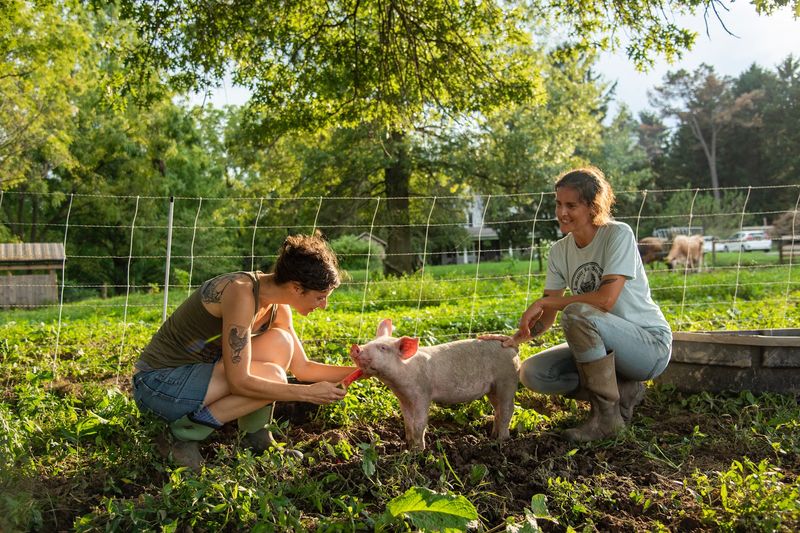
Not every rescue operation starts with a grand plan. Lancaster Farm Sanctuary, located at 1871 Milton Grove Rd, Mount Joy, PA 17552, was co-founded in July 2017 by Jonina Turzi and Sarah Salluzzo, two women who believed that farmed animals deserved the same compassion extended to household pets.
Sarah Salluzzo serves as the Executive Director and board president, steering the organization’s mission with steady dedication. The sanctuary operates as a registered 501(c)(3) non-profit, meaning every dollar donated goes directly toward animal care, facility upkeep, and community outreach.
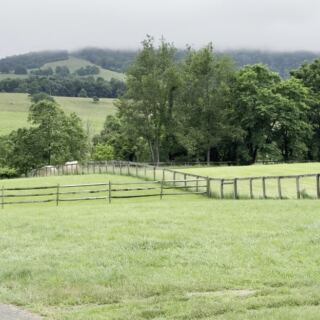
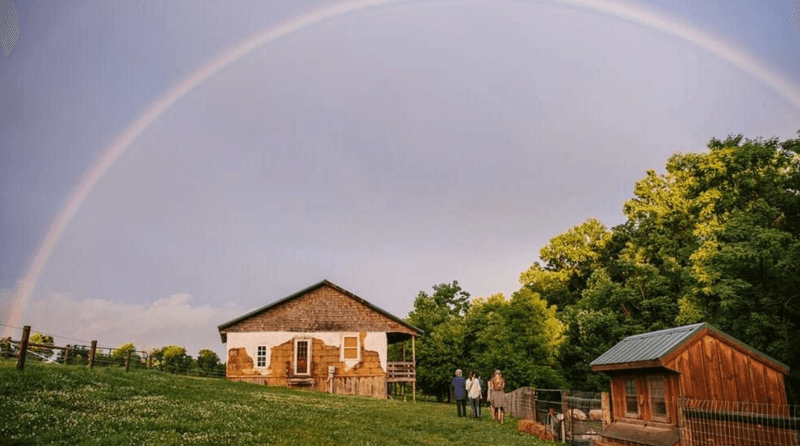
Mount Joy sits in Lancaster County, a region famous for its farmland, and the irony of a farm sanctuary thriving here is not lost on anyone who visits. The surrounding landscape is genuinely beautiful, all open fields and quiet roads, which makes the sanctuary feel like both a retreat and a statement. The mission is simple but powerful: rescue animals, provide lifetime care, and inspire humans to live more compassionately.
The Animals Who Call This Place Home
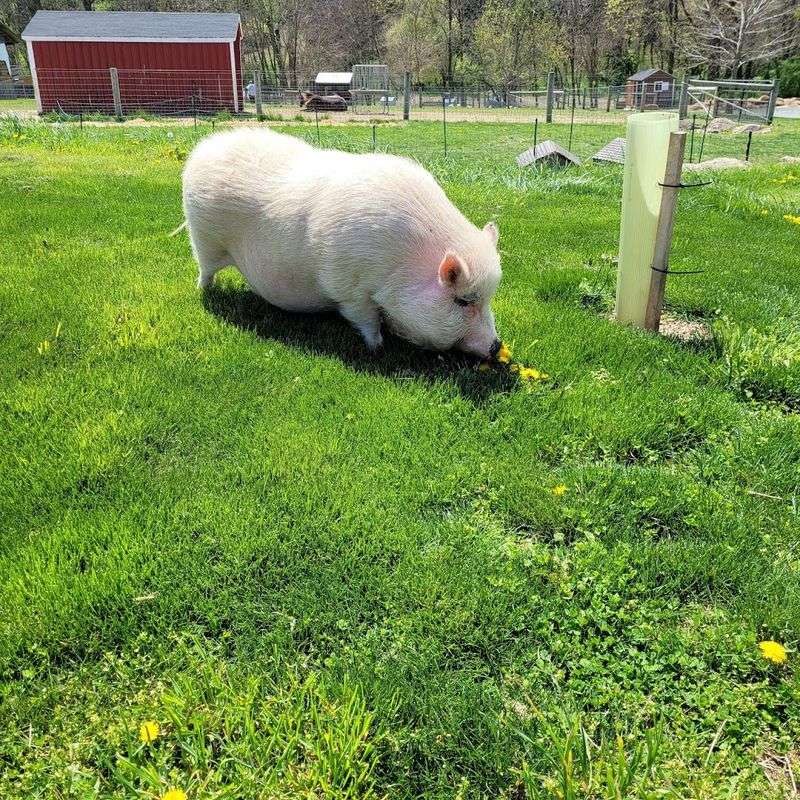
The resident roster at this sanctuary reads like the guest list for the most wholesome party imaginable. Pigs, cows, sheep, goats, alpacas, horses, ducks, turkeys, chickens, and barn cats all share the property, each one carrying a backstory that would make even the most stoic visitor pause.
Many of these animals arrived in rough shape. Some were rescued from hoarding cases, others from transport accidents or owner surrenders. A few came from situations so severe that local authorities were involved before the sanctuary stepped in to help.
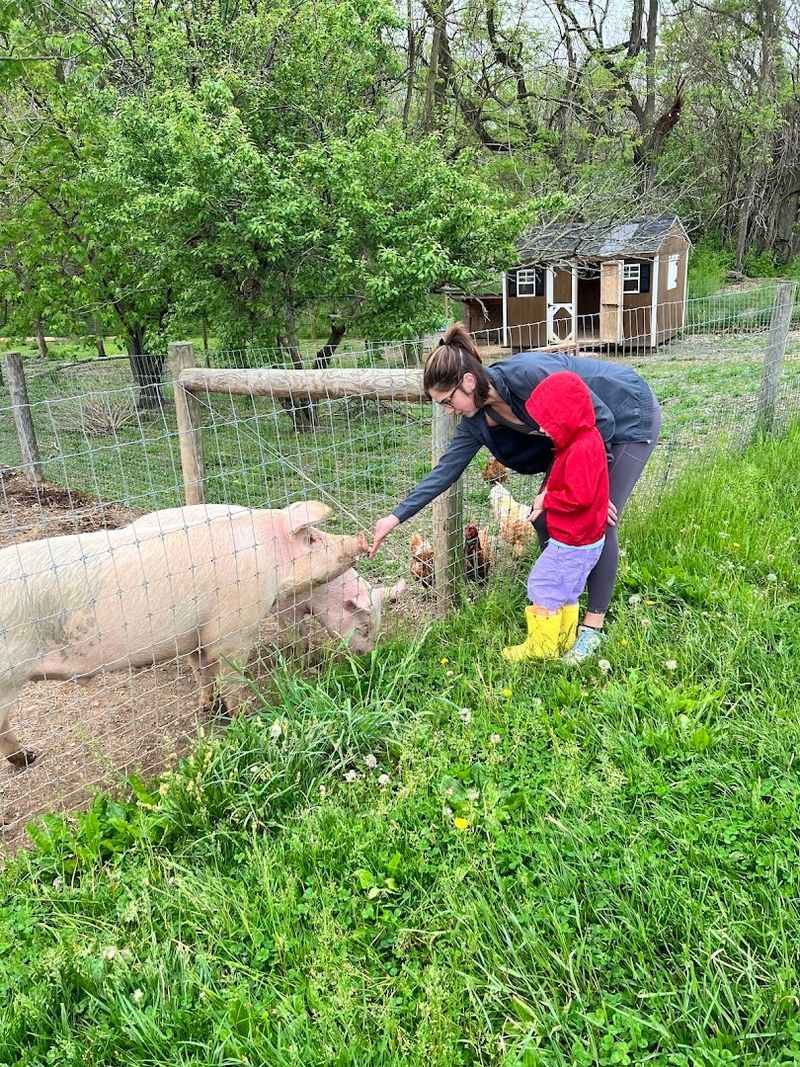
What is remarkable is how visibly the animals recover once they are safe. Visitors often describe watching a pig stretch out lazily in the sun or a goat trot over curiously to investigate a camera, and feeling something shift inside them. These are not sad animals on display. They are thriving individuals with distinct personalities, preferences, and even favorite napping spots.
And wait until you hear about some of their individual rescue stories.
Rescue Stories That Stay With You
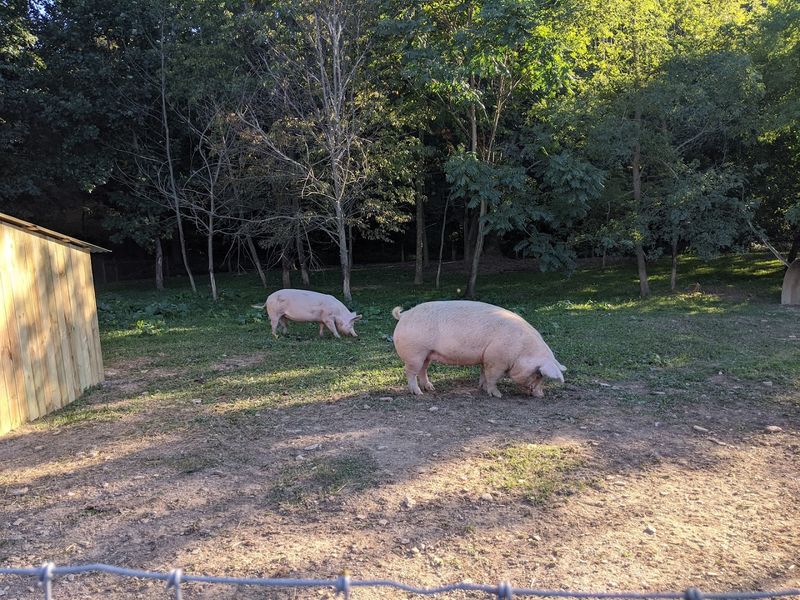
Every animal at the sanctuary has a name and a story, and those stories are what make a tour here genuinely unforgettable. Margot, for example, arrived from a hoarding case while she was pregnant, which meant the sanctuary had to care for both her and her arriving piglets from the very start.
Then there is Pumpkin, who was rescued from a puppy mill situation, a reminder that the reach of animal exploitation goes beyond what most people expect. Maeve’s story is perhaps the most medically remarkable: an orphaned animal born with a rare congenital condition who received groundbreaking veterinary care that gave her a full, thriving life at the sanctuary.
These are not abstract statistics. They are breathing, eating, napping creatures with faces you will remember long after you leave. The team shares each animal’s history during tours, and the effect on visitors is palpable. Many people arrive curious and leave feeling genuinely moved, already thinking about how they can help.
What a Public Tour Actually Looks Like
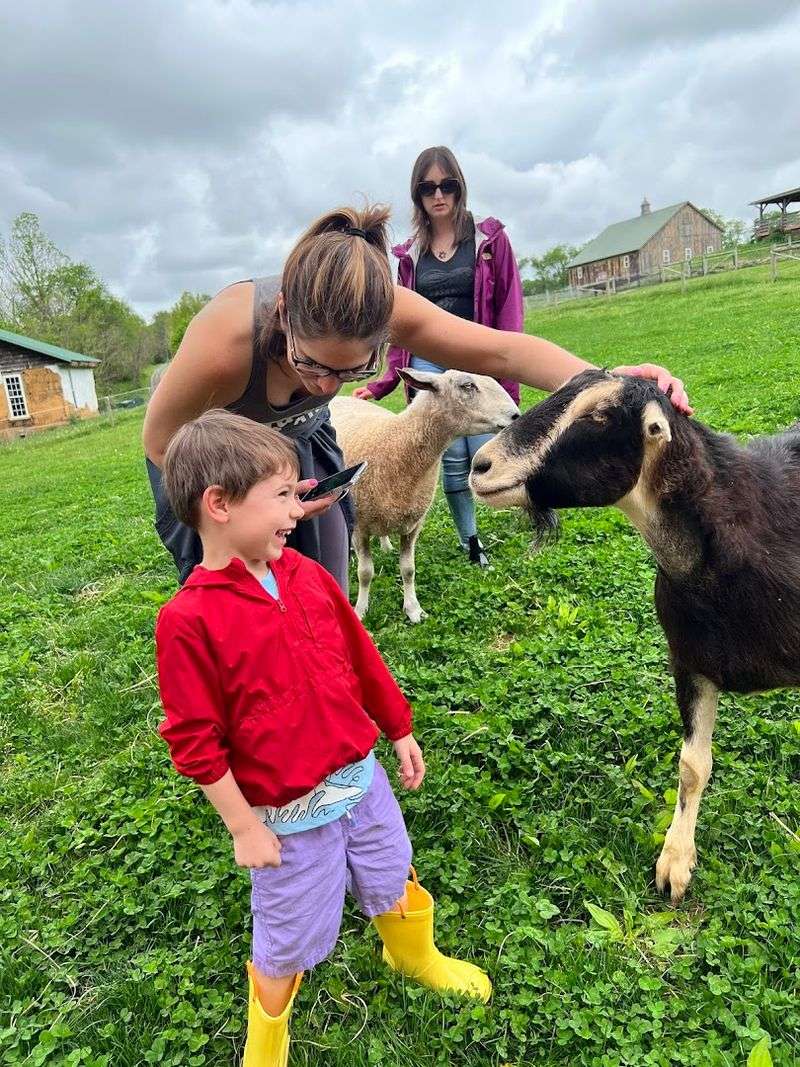
The sanctuary does not operate as a drop-in attraction, which is actually part of what makes a visit feel so intentional and special. Public tours are offered on a scheduled basis during the warmer months, typically running from spring through fall, and they last approximately one and a half hours.
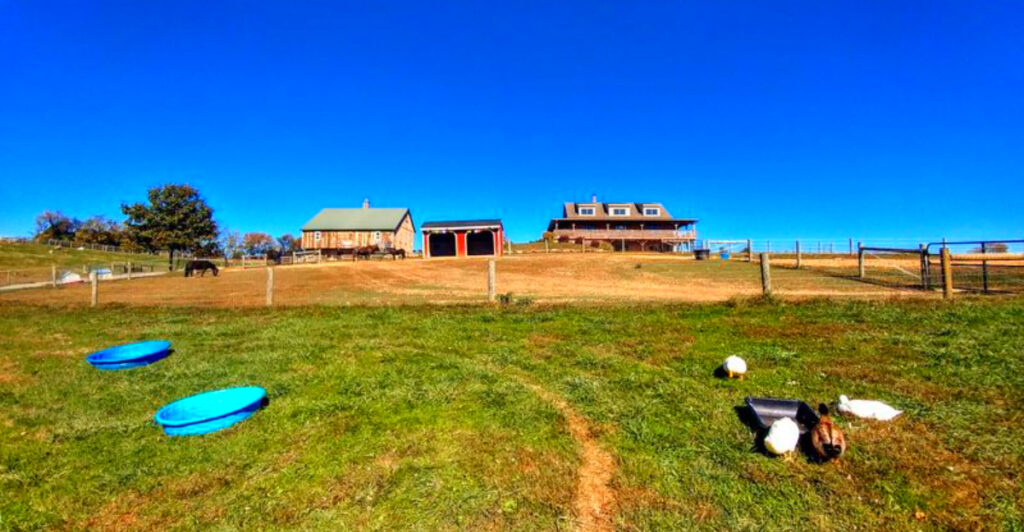
Tours are conducted on foot, moving through the property to meet the various animal residents in their own spaces. The enclosures are spacious, the paths are mostly covered in small gravel, and the whole setup is designed to let animals and visitors interact naturally rather than through fences or barriers.
Guides clearly love what they do. The tours are packed with information about each resident, delivered with warmth and genuine enthusiasm rather than scripted recitation. Visitors are advised to wear closed-toed shoes, because this is a working sanctuary and mud happens. That small detail actually adds to the authenticity.
This is not a theme park; it is a real place where real animals live real lives.
Private Tours for a More Personal Experience
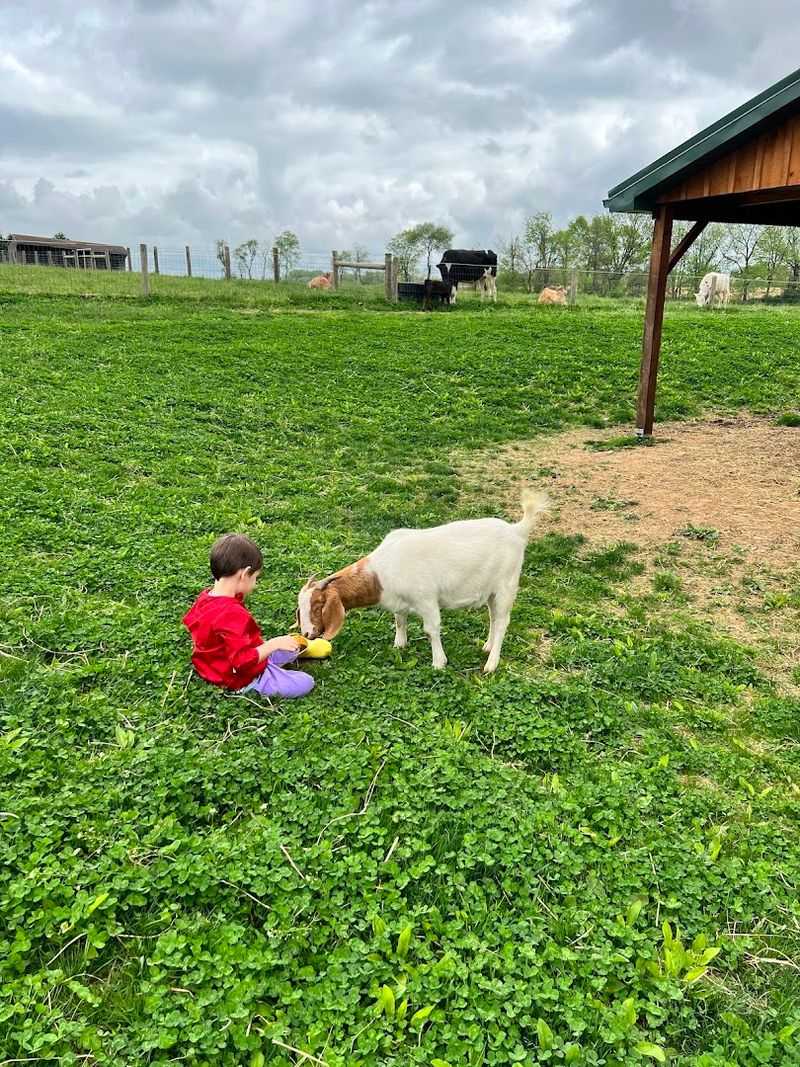
For those who want a deeper, more unhurried experience, private tours are available year-round. Groups of up to eight people can book a 75-minute in-depth visit that allows for more one-on-one time with the animals and a more personal conversation with the guides.
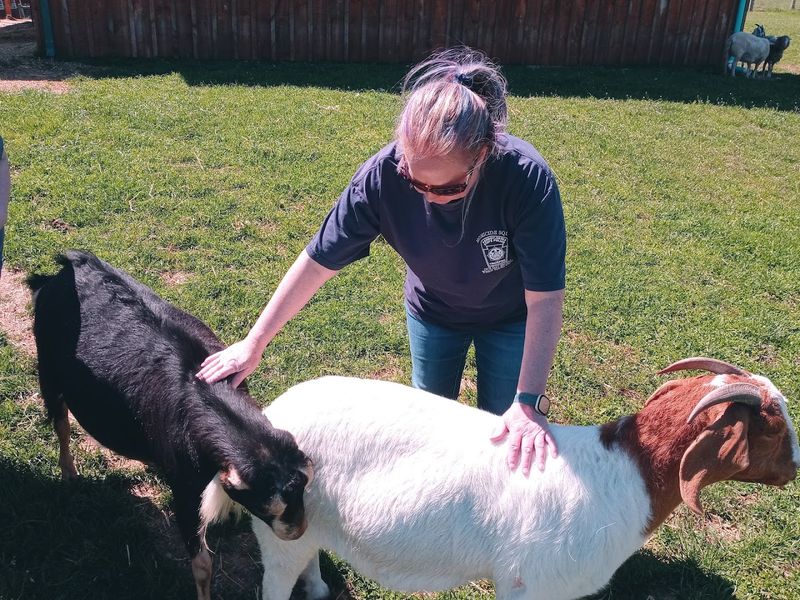
Private tours have become a popular choice for birthdays, family outings, and even corporate team-building experiences. One visitor who booked a private family tour described it as perfect, with children getting goat kisses and gentle nudges from some of the larger residents, creating memories that photos alone cannot capture.
The year-round availability is a significant perk, since it means you do not have to wait for the spring and fall public tour season to make your visit happen. Smaller groups also tend to feel more comfortable asking questions, and the guides are genuinely happy to go deeper on topics like animal behavior, rescue logistics, and the sanctuary’s broader advocacy work. It is worth booking early, as spots fill up quickly.
The Calm You Feel the Moment You Arrive
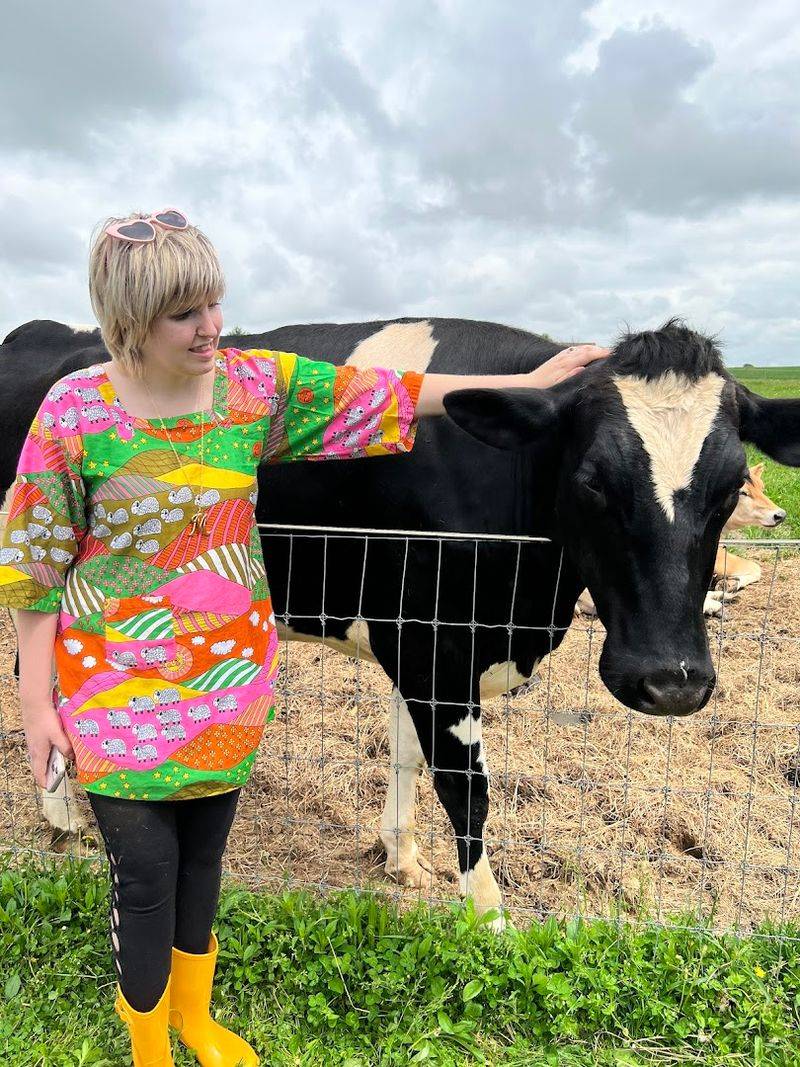
There is something almost medically interesting about what happens to people when they arrive at this property. Visitors consistently describe a near-instant drop in stress, a quieting of mental noise that sets in before they have even met a single animal.
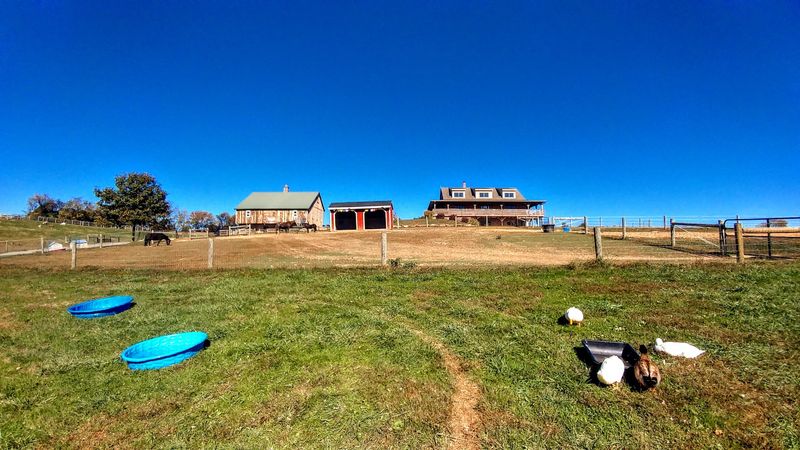
The setting plays a role in that. The sanctuary sits on genuinely beautiful land in Lancaster County, with open fields stretching out in every direction and the kind of quiet that city residents rarely experience. There are no flashing screens, no background music, no artificial anything.
Then you add the animals, and the effect compounds. Watching a cow run freely across a field, or a turkey wander over to investigate your shoes, or a pig root contentedly in the dirt, does something to a person’s nervous system that is hard to articulate but easy to feel. Some visitors have compared it to a form of therapy, and it is easy to understand why. The sanctuary even hosts yoga events on the grounds, and yes, cows have been known to photobomb the sessions.
Special Events on the Grounds
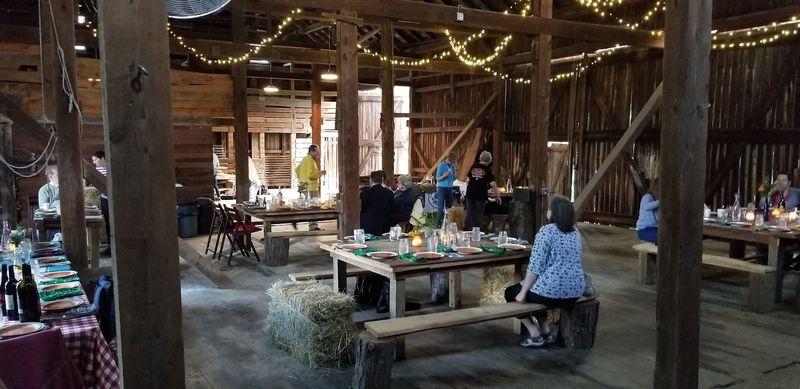
Beyond standard tours, the sanctuary hosts a rotating calendar of special events that make repeat visits genuinely worthwhile. Sanctuary yoga is one of the most talked-about offerings, where participants practice on the grounds while animals move freely in adjacent fields.
The experience of holding a yoga pose while a cow investigates the fence nearby is the kind of thing that sounds quirky until you actually do it, and then it becomes something you want to tell everyone about. The combination of movement, fresh air, and animal presence creates an atmosphere that feels restorative in a very specific way.
Other events throughout the year include fundraisers and community gatherings that support the sanctuary’s operating costs. The sanctuary has also been connected to Lancaster VegFest, a regional event that aligns with its broader mission of promoting compassionate living. Each event is a chance to engage more deeply with the sanctuary’s community of supporters, many of whom return year after year and consider the place a genuine part of their lives.
How the Sanctuary Stays Running
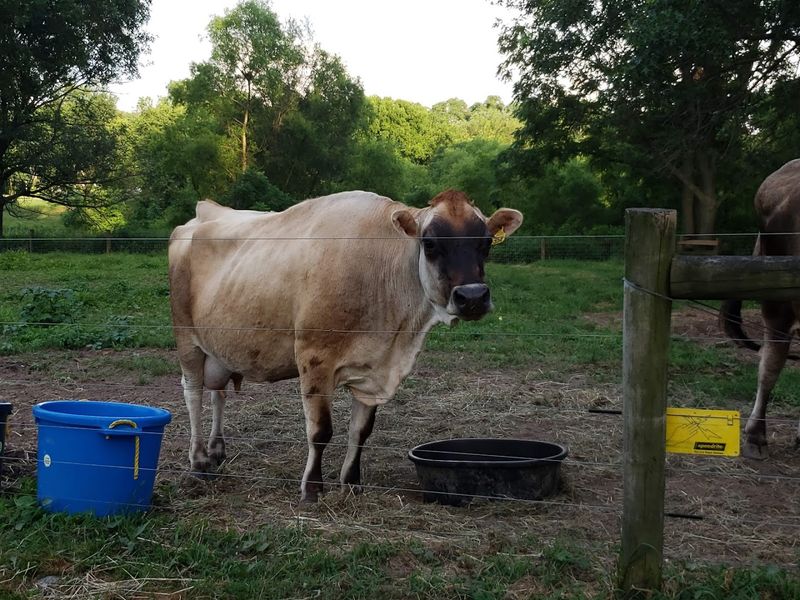
Running a sanctuary for this many animals is not a small undertaking, and the organization is transparent about how it all comes together. Lancaster Farm Sanctuary is entirely donor-funded, which means public support is not just appreciated; it is essential to keeping the lights on and the hay stocked.
Volunteers play a major role in daily operations, helping with feeding, cleaning, and general upkeep. The sanctuary actively welcomes people who want to contribute their time, and a tour visit is often the first step for those who later become regular volunteers.
Animal sponsorship programs offer another way to stay connected and contribute. Sponsors help cover the cost of food, bedding, and veterinary care for a specific resident, and in return, they often receive updates about their sponsored animal’s life at the sanctuary. It is a meaningful way to stay involved even if you live far away. The organization holds a 4 out of 4 star rating on Charity Navigator, which is a strong signal of financial accountability and organizational integrity.
A Mission Bigger Than the Barnyard
The sanctuary’s work does not stop at rescuing animals and giving them a safe place to live. The broader mission explicitly addresses the interconnected issues of animal exploitation, social justice, human health, and environmental sustainability, framing animal welfare as part of a larger conversation about how we all live on this planet.
That perspective shapes how guides talk during tours, how the sanctuary engages on social media, and how it positions itself within the community. It is not preachy or aggressive about it, but the message is clear and consistent: the way humans treat animals is connected to the way humans treat each other and the environment.
For many visitors, this broader framing is what makes the experience linger long after they have driven home. People have described going vegan after repeated visits, donating monthly to the organization, and fundamentally rethinking their relationship with food and farming. The sanctuary does not force any of that, but it creates the conditions where those shifts happen naturally and willingly.
Planning Your Visit the Right Way
A little preparation goes a long way when it comes to visiting Lancaster Farm Sanctuary, and the good news is that the process is straightforward once you know the basics. Public tours run from spring through fall, so checking the sanctuary’s official website at lancasterfarmsanctuary.org for the current schedule is the essential first step.
Wear closed-toed shoes without exception. The grounds are real farm terrain, and while paths are mostly gravel, mud is a genuine possibility depending on the season and recent weather. Comfortable clothes you do not mind getting a little dusty are a smart call as well.
Arrive on time, since tours begin promptly and the groups are intentionally kept small to avoid overwhelming the animals. Bring a camera, because the photo opportunities are genuinely excellent. The enclosures are spacious and well-lit, and the animals are curious enough to approach visitors without prompting. If you have children, this is the kind of outing they will talk about for weeks, especially after a goat decides their shoelace needs investigating.
What Sets This Place Apart From Other Sanctuaries
There are other animal sanctuaries in the United States, but something about this one earns consistent five-star reviews and repeat visitors who drive hours to return. The cleanliness of the facility comes up constantly in visitor feedback, which reflects the level of care the team puts into daily operations.
The staff and volunteers come across as genuinely invested rather than just employed, and that distinction is palpable during a tour. These are people who know each animal by name, know their backstory, and notice when something seems off. That level of individual attention is rare in any care setting, human or animal.
The sanctuary’s Charity Navigator rating of four out of four stars also sets it apart in terms of organizational credibility. Donors can give with confidence that funds are being managed responsibly. For a small non-profit operating in a rural Pennsylvania county, that kind of recognition speaks volumes. The combination of genuine care, strong leadership, and transparent operations is what turns first-time visitors into lifelong supporters.
Why This Place Deserves a Spot on Your Travel List
Some travel experiences are fun. Some are relaxing. Some are educational. Lancaster Farm Sanctuary manages to be all three at once, which is genuinely unusual and worth planning a trip around, even if you have to drive several hours to get there.
The sanctuary sits in one of Pennsylvania’s most scenic regions, so the drive itself is pleasant, winding through farmland and small towns before you arrive at the property on Milton Grove Road. Pairing the visit with other Lancaster County attractions makes for a full and satisfying day trip.
More than anything, this is a place that reminds you what it looks like when humans and animals get the relationship right. The animals are safe, healthy, and visibly at ease. The people who care for them are passionate without being self-congratulatory. And the visitors who come away from a tour consistently describe it as one of the more meaningful experiences they have had in a long time.
That is not a small thing, and it is absolutely worth the trip.
Share this story