 Unearth The Voyage
Washington is currently experiencing unprecedented flooding due to historic rainfall. This atmospheric river event has caused rivers to surge past records, leading to widespread evacuations and infrastructure challenges. Here are eight key aspects of this crisis.
Historic Flooding Sweeps Pacific Northwest
As the atmospheric river unfurls its wet fury, Washington state braces against a torrent of rain that defies historical norms. This narrow plume, stretching across the Pacific, has drenched the region, causing rivers such as the Skagit and Snohomish to swell beyond their banks. The deluge has reached historic levels, prompting officials to issue dire warnings.
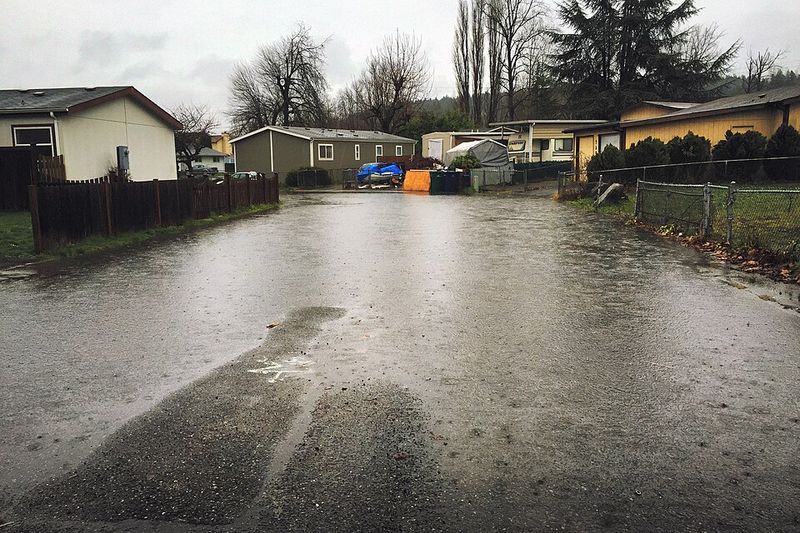
Communities in low-lying areas face immediate threat, with evacuation orders urging residents to seek higher ground. Many citizens are witnessing their neighborhoods transformed into temporary lakes, as water inundates roads, farms, and homes.
The unprecedented rainfall has not only tested the resilience of local infrastructure but also the spirit of the affected. As emergency services work tirelessly to manage the crisis, thousands are affected, with fears of further devastation looming on the horizon.
Emergency Declaration & Evacuations Underway

Governor Bob Ferguson has declared a statewide emergency in a bid to combat the overwhelming floods. This declaration enables access to federal disaster funds, crucial for the coordination of rescue operations and support for displaced residents. The severity of the situation is underscored by the deployment of the Washington National Guard.
Mandatory evacuation orders have been issued to safeguard lives as rivers crest several feet above their previous records. Nearly 75,000 people across flood-prone areas are affected, with teams conducting door-to-door notifications.
The declaration comes at a pivotal moment when unity and swift action are essential. With water rescues underway and communities grappling with power outages, the state’s resolve is tested by nature’s ferocity. This unprecedented mobilization reflects the dire need for immediate and coordinated efforts to mitigate the impact.
Rainfall, Landslides & Infrastructure Damage
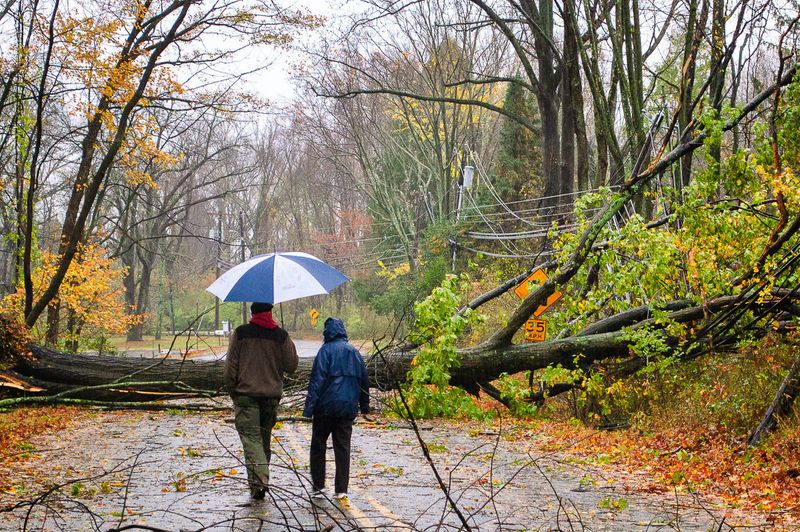
The relentless rain has triggered not only flooding but also a cascade of mudslides, marking a double-edged threat. Saturated soils have succumbed to gravity, sending landslides barreling down slopes, disrupting major transportation routes like U.S. Route 2 and Interstate 90.
Communities such as Orting and Sumas are grappling with quick-rising waters, necessitating urgent water rescues. The transportation network faces significant disruptions, with washed-out roads hampering emergency response and daily commutes.
Rail services between Seattle and Vancouver have been suspended in sections, reflecting the widespread impact on infrastructure. This confluence of challenges underscores the need for strategic planning to restore normalcy in the aftermath of such a formidable natural occurrence.
Key Developments: Evacuations & Record Levels
Evacuation orders have affected approximately 100,000 residents, particularly in the Skagit River floodplain. The surge of floodwaters has pushed rivers like the Snohomish and Puyallup beyond historic levels, causing extensive property damage.
Emergency crews, including National Guard troops, are conducting rescues using helicopters and boats, highlighting the dangerous conditions. These efforts are critical as residents face the immediate threat posed by the rising waters.
The enormity of the situation is evident in the widespread impact on infrastructure, with bridges, roads, and homes suffering damage. This situation demands a coordinated and robust response to ensure the safety and well-being of affected individuals.
Infrastructure Impact & Rescue Operations
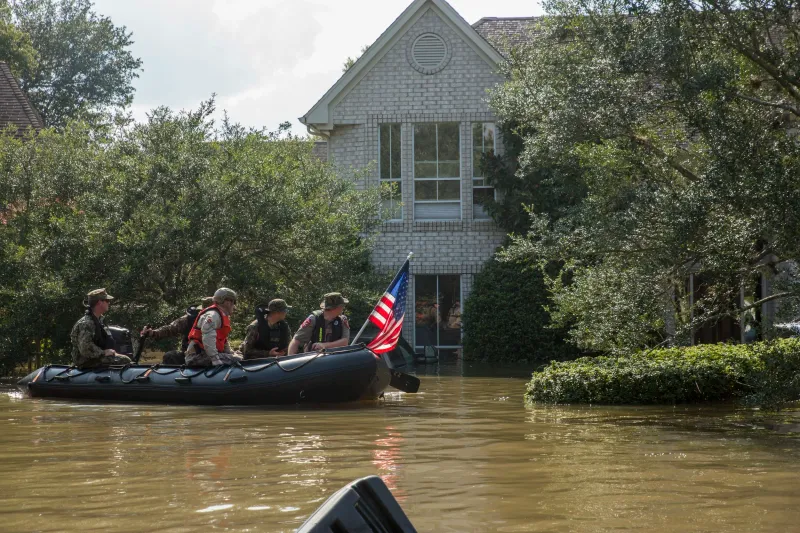
The flooding has wreaked havoc on Washington’s infrastructure, with road closures and power outages complicating rescue operations. Bridges have been destroyed, homes inundated, and vital services disrupted, creating a chaotic landscape.
Rescue operations are in full swing, with emergency teams working tirelessly to reach stranded individuals. The use of boats and helicopters underscores the severity of the situation and the commitment to saving lives.
This environment of destruction and urgency demands resilience and community support as authorities strive to restore order and support affected populations. The scale of the infrastructure damage presents a long road to recovery.
Relief Efforts & Community Support
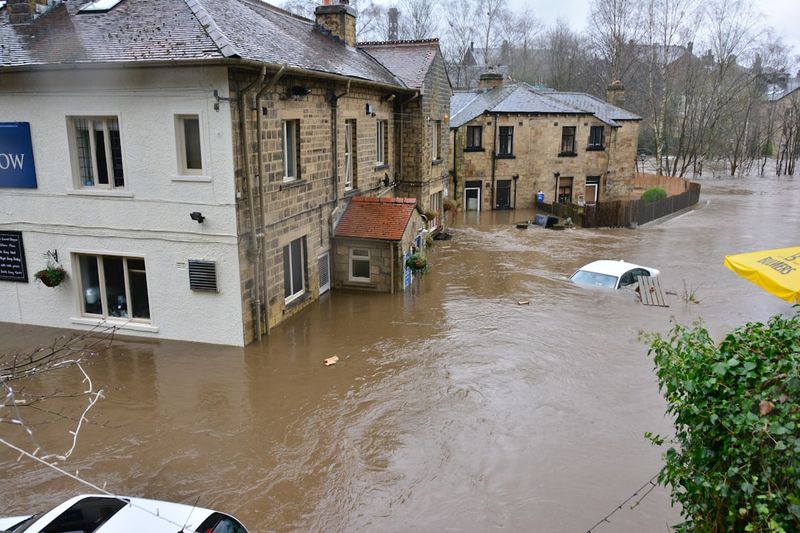
In response to the disaster, federal aid has been approved, facilitating the deployment of vital resources for recovery operations. The American Red Cross has opened multiple emergency shelters, offering essential services to those in need.
Community support is paramount, with volunteers stepping up to provide assistance and comfort to displaced residents. This collaboration underscores the strength and resilience of the community amid adversity.
These relief efforts reflect a concerted endeavor to address immediate needs and lay the groundwork for recovery. The ability to adapt and work together is crucial as Washington navigates this challenging period.



