 Unearth The Voyage
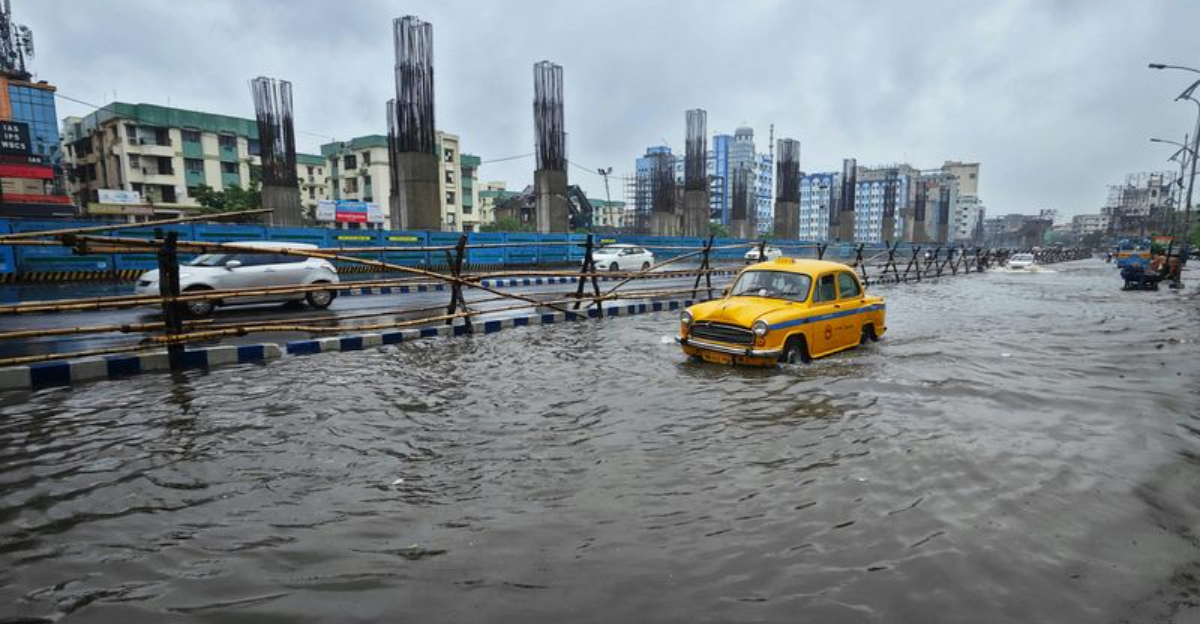
Relentless rain has pushed the Pacific Northwest to a breaking point, and the maps are lighting up with warnings. Rivers are swelling fast, neighborhoods are cut off, and the ground itself is giving way in places you might drive every day. If you live anywhere near a floodplain, this is the moment to pay attention and act. Here is what is happening now, why it is so extreme, and what you can do to stay safe.
Atmospheric River Triggers Historic Flooding Across Pacific Northwest
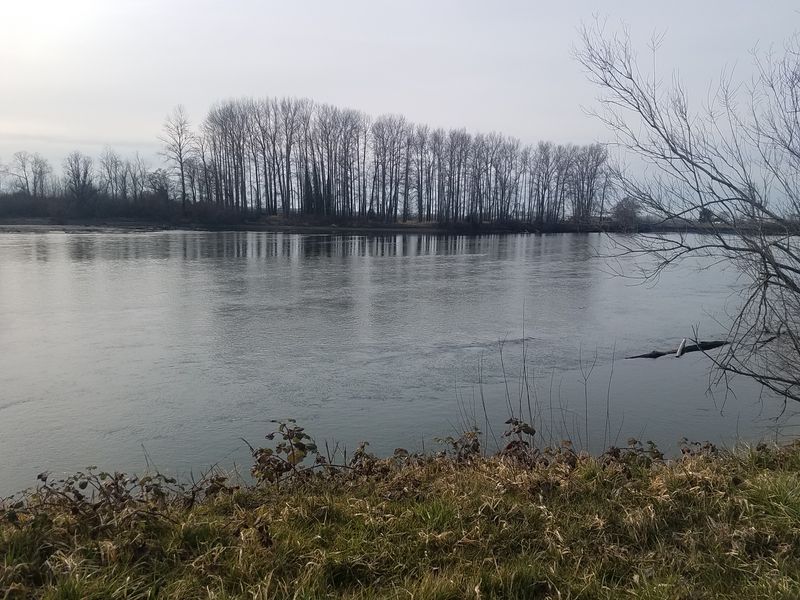
You can feel it in the air the constant drum of rain that does not let up. A narrow plume of Pacific moisture has parked over western Washington and northwest Oregon, wringing out torrents that would be extraordinary in any season. Gauges in the mountains are posting 10 to 16 inches in days, with spotters reporting even more, and every creek is now a conveyor belt feeding larger rivers.
By tonight the Skagit, Snohomish, Cedar, and Nooksack are cresting near or above all time marks, overtopping banks that many assumed would hold. Low lying neighborhoods are seeing water at doorsteps and across intersections you might commute through without a thought. Landslides are slumping off saturated slopes, and storm drains in older blocks cannot keep pace as sheet flow races downhill.
Forecast discussions call this event exceptional, and you can see why when radar loops show firehose like bands anchored on the terrain. Soil moisture is maxed out, so every new inch goes straight to runoff, compounding each surge. Even if the rain eases, the river rise continues as upstream water works its way down, a lag that catches people off guard.
If you are near these basins, move valuables up, check evacuation routes, and respect closures even when roads look passable. Expect additional pulses as embedded waves ride the plume. This is a marathon of water, not a sprint.
Emergency Declarations and Evacuations Underway
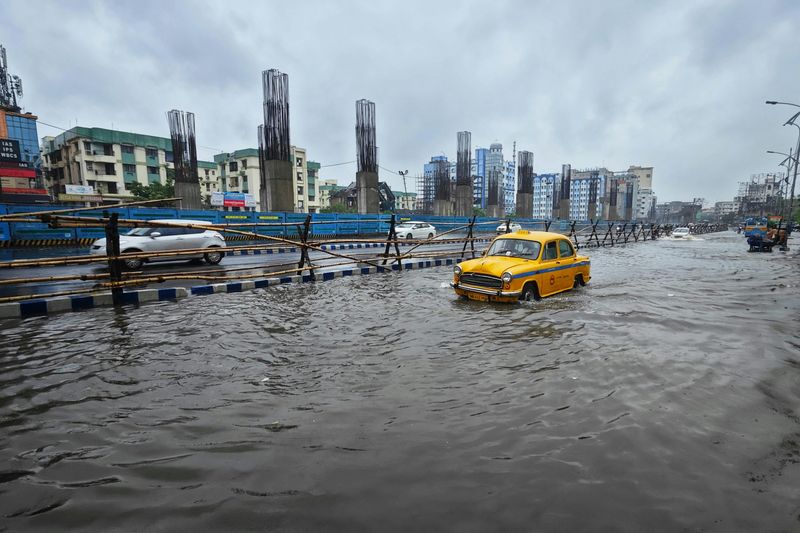
When alerts chirped in the middle of dinner, it felt like overkill until the street became a shallow river. Washington’s governor issued a statewide emergency, unlocking resources and speeding requests for federal help as waters kept rising. National Guard teams rolled out with high water vehicles, while local crews ran rescues and ferried supplies to neighborhoods suddenly cut off.
Door knock notifications moved block by block through Burlington, Mount Vernon, Sumas, Nooksack, and Everson. School gyms turned into shelters, and pet carriers lined up beside cots as volunteers sorted blankets and meds. Roughly 78,000 residents in the Skagit floodplain alone were told to get out before levees were tested beyond their design.
You do not wait for water to touch the porch to leave. Pack documents, medications, chargers, and a flashlight, then go while roads remain open. If you have neighbors who need help, check in, because cell coverage can be spotty and not everyone sees the notice in time.
Officials are clear that risk persists even after rain backs off, since rivers crest later and levees can weaken under prolonged stress. Stay off closed bridges and do not drive through water that hides washouts. The goal is simple save lives now, then return to rebuild when currents calm and access is safe.
Infrastructure Strained and Rivers at Record Levels
Water finds every weakness, and right now the system is full of them. Major rivers draining the Cascades and Olympics have surged well above flood stage, pushing against floodwalls and probing seams in aging levees. Near Mount Vernon the Skagit has flirted with the high thirties in feet, a level that forces detours and hooks recovery to the tide cycle.
Highways and rail lines sit vulnerable where they cross floodplains and narrow valleys. Bridge approaches may be intact while the roadbed beyond is undermined, a trap for anyone who trusts a quick glance. Landslides and debris flows are spilling across mountain routes, mixing mud, trees, and rock with water that moves faster than you expect.
Utilities are dealing with submerged vaults, compromised transformers, and access problems that stretch repair timelines. Wastewater plants face inflow beyond design, risking overflows that complicate public health messaging. Crews are staging pumps and sandbags at known pinch points, but record flows test assumptions and models alike.
If travel is unavoidable, check official maps and live updates, not crowd tips. Expect detours to change as rivers rise and fall, and remember that damage often reveals itself after waters recede. Resilience planning will learn from this, but for now the priority is protecting choke points and keeping people clear of fast water.
Atmospheric Rivers and the Climate Context
Think of an atmospheric river as a skybound conveyor belt, moving warm, moist air from the tropics to the coast. This event ranks among the season’s most moisture rich, a long plume sweeping thousands of miles before slamming into terrain that wrings it out. The Olympic rain shadow spared parts of Seattle from the absolute peak rates, but nearby basins took the brunt.
Warm air boosts the atmosphere’s water holding capacity, and El Nino flavored patterns can steer these plumes straight at the Pacific Northwest. When soils are already saturated, the same inch of rainfall runs off faster and higher, stacking floods like waves on a crowded beach. Successive storms may follow the same track, prolonging danger into the holiday stretch.
Climate scientists warn that atmospheric rivers are trending more frequent and intense as oceans and air warm. That means higher ceiling storms, new records within reach, and infrastructure designed for yesterday’s extremes facing tomorrow’s reality. Flood risk management must evolve with better mapping, buyouts where necessary, and smarter operations at dams and levees.
For you, it comes down to preparation and awareness. Know your basin, bookmark river gauges, and sign up for local alerts. As rainfall tapers, rivers can still rise, so keep plans flexible and gear ready, because the sky’s conveyor does not punch a time clock.



