 Unearth The Voyage
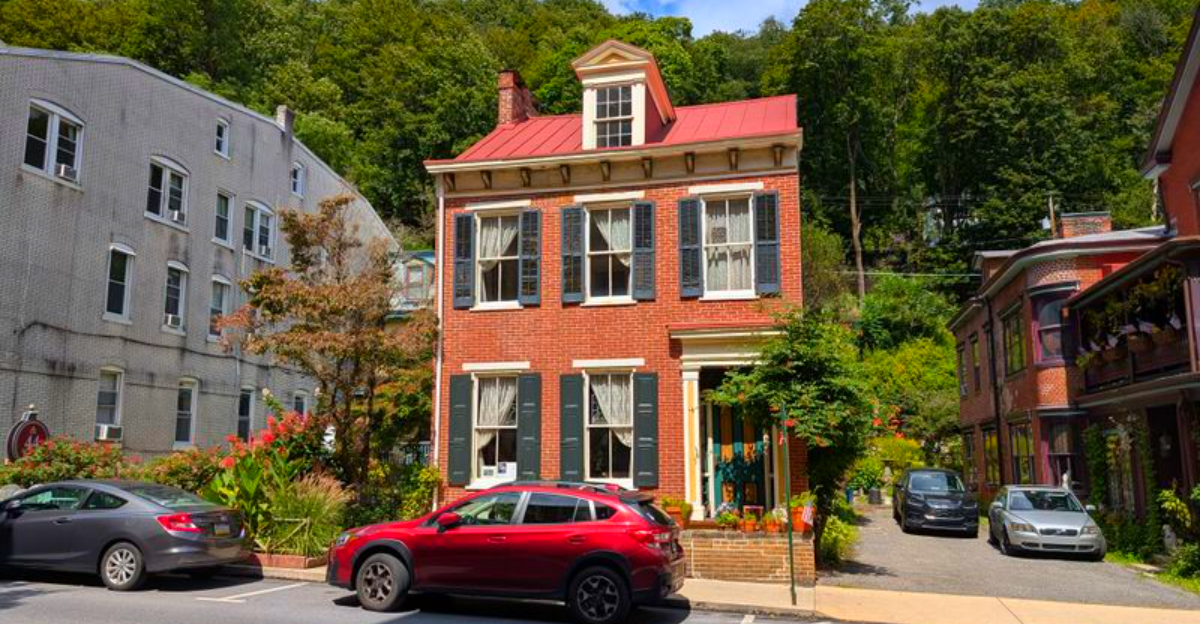
Walk down Broadway in Jim Thorpe and the town feels like it exhaled from a picture book, all ornate cornices, steep hills, and paintbox storefronts. Church bells echo off the gorge walls while the Lehigh River slides past like a ribbon of pewter.
You catch the smell of coal dust in old timber and cinnamon from a bakery door opening into the chill. By the time the trolley clangs and a diesel horn hums, you are already plotting where to wander next.
Broadway Stroll at Golden Hour
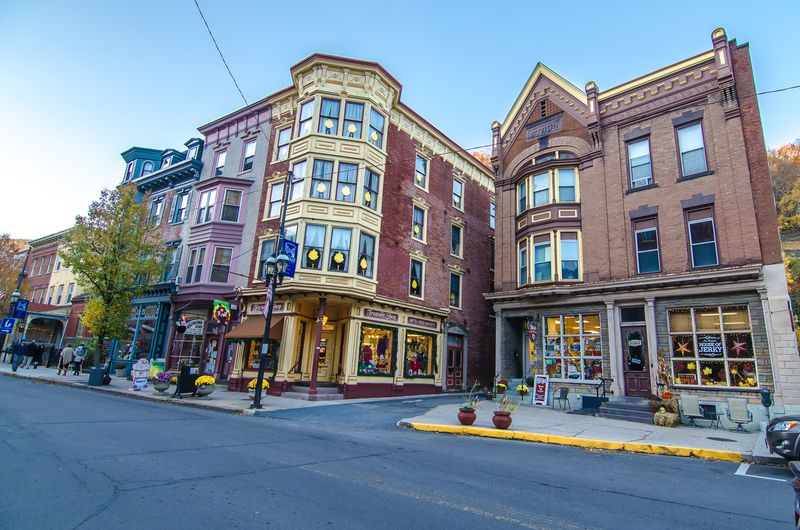
The light drops along Broadway like honey, pulling burnished edges from cornices and slate roofs. Window glass flashes warm, and the painted gingerbread on second stories reads like lace against the sky.
You hear cutlery on plates, a screen door snap, and the soft rubber whisper of bike tires as locals coast downhill.
Shop windows are layered with antique baseball gloves, tin toys, and hand poured candles that smell like spruce and smoke. A clerk steps outside to chalk tomorrow’s hours while a distant diesel horn folds into the hour’s hush.
It is the kind of street where feet slow, not from crowds, but because every doorway tells a story.
Electric lines stitch above like staff paper, and the whole block seems to keep time. In late fall, a thin woodsmoke thread rides the air and lands in your sweater.
Ask for directions and you get not just a route, but a tip about the scones two doors down. Golden hour here lasts longer than your watch says.
Lehigh Gorge Scenic Railway Ride
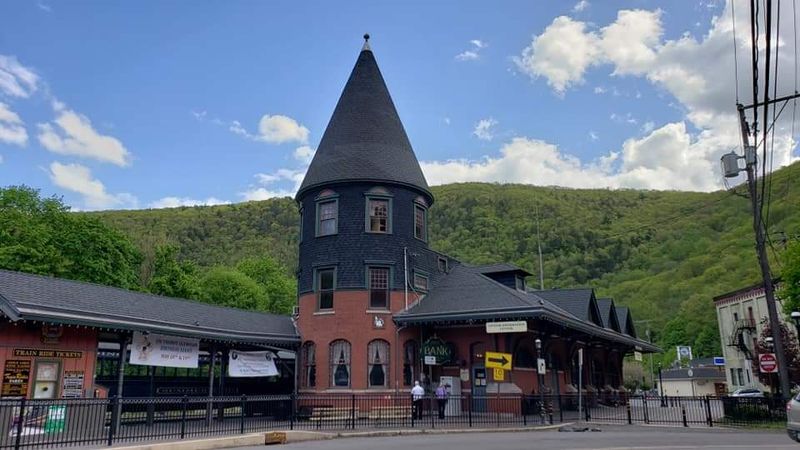
The platform boards creak under boots as the diesel idles with a patient growl. A conductor calls all aboard in a voice that sounds practiced by decades, and then the coaches breathe forward.
Inside, wood trim carries an old varnish scent, and the windows frame the river like a moving diorama.
You pass rock walls wet with seeping springs, fern beards shaking in the slipstream. Cyclists flicker along the rail trail, their spokes catching sunlight like flint.
The gorge tightens, then loosens into wide gravel bars where blue herons freeze, prehistoric and perfectly still.
On peak weekends, the cars fill fast, and tickets tend to sell out. Ridership has climbed steadily as Pocono visitation rises, and it is obvious why once the bend clears to a sun-splashed pool.
When the horn echoes against shale, it feels both industrial and cathedral quiet. Tip: sit on the left outbound for river views, then switch sides on the return.
Old Jail Museum’s Whispered Walls
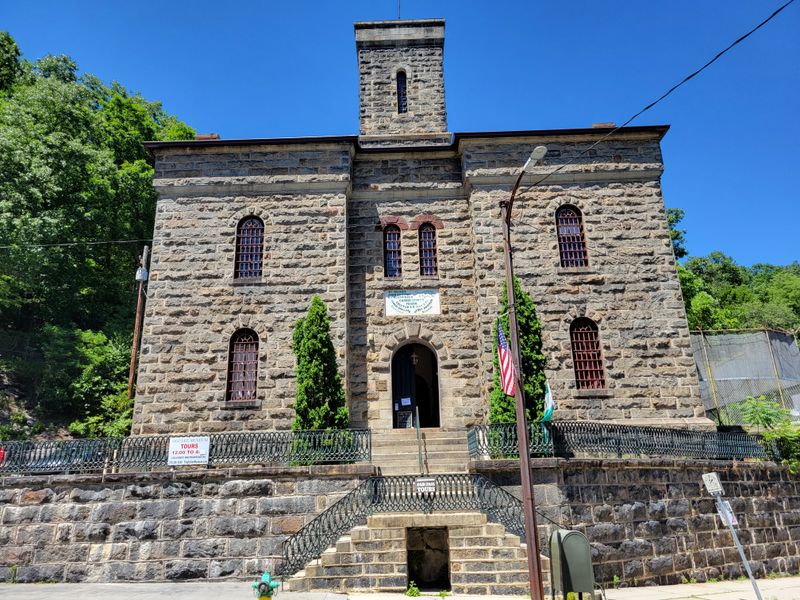
The Old Jail sits with its shoulders hunched, a block of stone that swallows sound. Inside, the air is limestone cool, threaded with the mineral smell of damp and rust.
Keys jangle, doors yawn, and suddenly a corridor runs like a throat to a row of cells.
Guides unspool stories of the Molly Maguires, and the past develops texture: hemp fibers, boot scuffs, a painted handprint some say will not fade. Whether you chase legends or not, the rooms work on your heartbeat.
Scratched initials cut through the decades like low radio static.
Photographs are controlled, which keeps the mood intact. You exit blinking into sunlight that feels almost indecent after the gloom.
The museum’s appeal is not jump scares but proximity, the way cold iron teaches history faster than a paragraph. If you listen long enough, you hear time moving in both directions at once.
Switchback Trail and Gravity in Your Quads
The old Switchback grade is a line drawn by ambition and gravity. Underfoot, crushed stone crunches like dry sugar while the canopy filters light into slow green waves.
You pass interpretive signs and feel the tickle of history on your calves with every climb.
The trail’s even pitch invites conversation until it does not, when a rise suddenly proves honest. Chipmunks arc across the path like commas, and the air smells of hemlock tea.
Stop at an overlook and your shirt cools in seconds as the gorge wind works its tiny miracles.
This was once a gravity railroad that turned coal into motion and mountains into routes. Now it turns desk legs into trail legs by the second mile.
Bring water, real socks, and a willingness to turn around sooner than you planned. The descent is a different town entirely, quicker, louder, and grinning.
Mauch Chunk Museum and Cultural Center
In the museum’s theater, a short film pulls the curtain on Mauch Chunk’s layered past. The seats are a little squeaky, which feels right for a building that has heard every kind of applause.
Exhibits trace coal seams to courthouse scenes, linking labor, locomotion, and the town’s shape-shifting identity.
You get names and faces, not just dates. A miner’s lunch pail dents like a knuckle, and maps bloom with spur lines like capillaries.
Kids spin a wheel and watch a gauge jump, finally understanding pressure as more than a word teachers say.
Attendance spikes on rainy days, and staff handle it with calm choreography. Pennsylvania mining employment has stabilized in recent years, even as heritage tourism in Carbon County has inched upward, according to state tourism releases.
Those numbers live here as texture, not trophies. You step outside seeing the streets with new subtitles, reading brick like a document.
Coffee, Crullers, and a Windowsill Seat
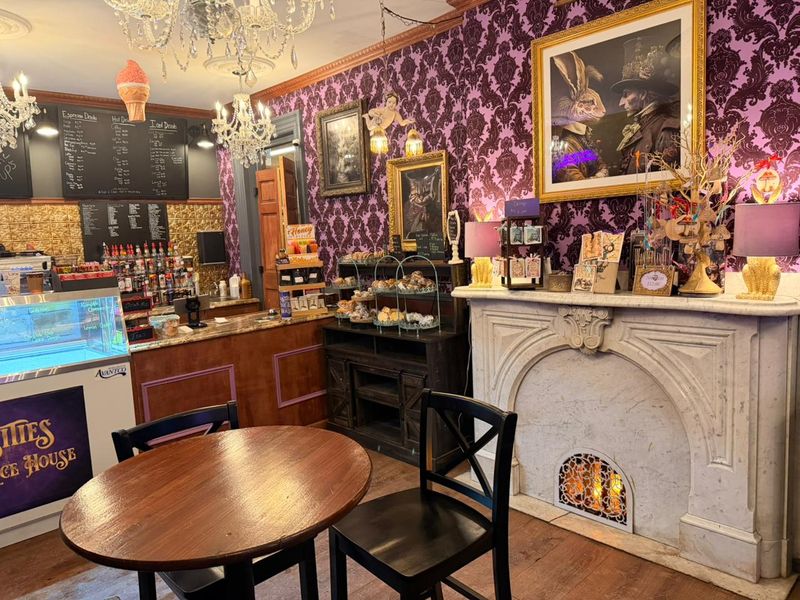
Morning opens with a barista’s milk pitcher hiss and the starch sweet scent of crullers. Elbows find the windowsill that has cupped hundreds of forearms before yours.
Outside, a delivery truck coughs, then yields the block to footsteps and the low murmur of first conversations.
The espresso lands dark and fruit bright, a tiny bell in a ceramic room. A family debates cinnamon versus maple while a cyclist knocks mud off her cleats at the door.
Here, you measure time by tray refills and the scrape of chairs leaving small constellations on the floor.
Take a pastry to go if you must, but a sit builds the town into you. From this angle, you catch how people greet by name more than title.
Ask for a local roast recommendation and you will get precise directions to an overlook as change. Sugar coats your glove thumb and that is part of the map.
Victorian Architecture Up Close
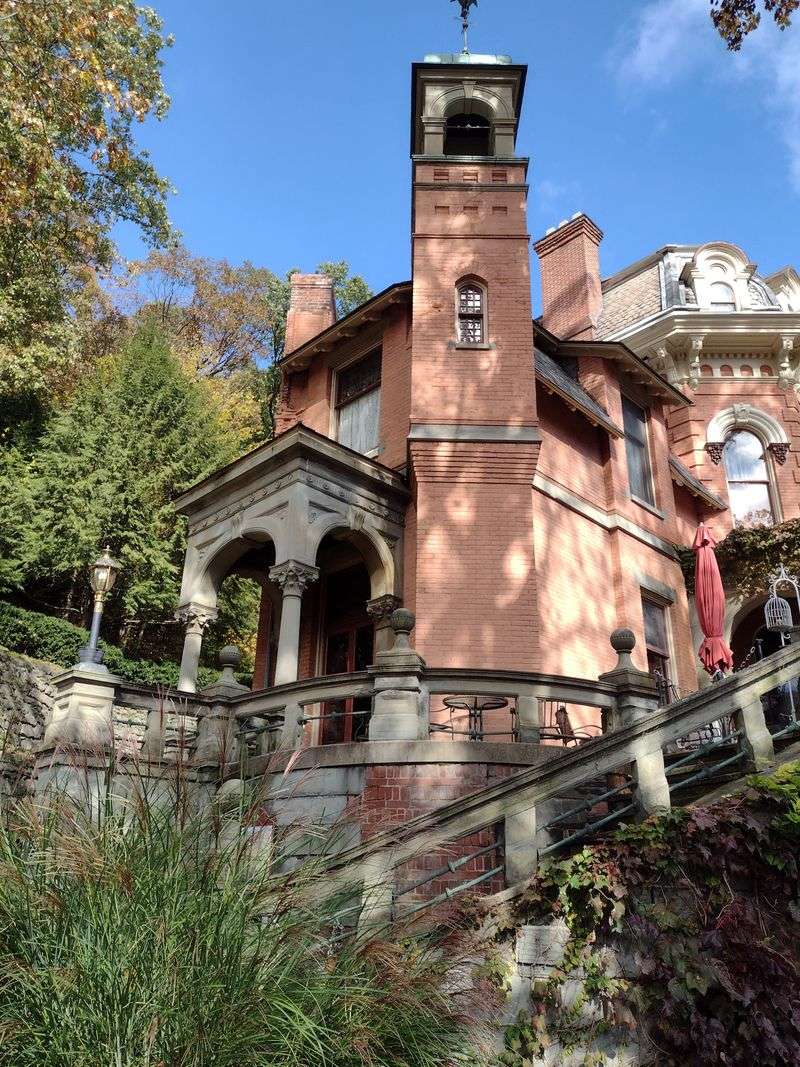
Get close enough to a lintel and you see brushstrokes under the varnish. Stained glass throws tiny mosaics across the stoop, moving as clouds idle over Mount Pisgah.
A finial catches light like a plucked string, and you suddenly understand the town’s patience for detail.
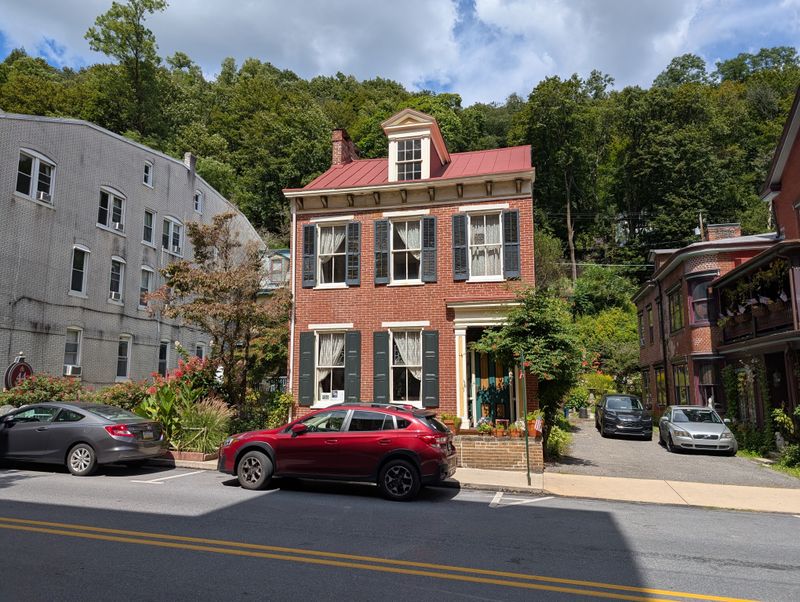
The colors are not timid: oxblood, teal, buttercream, and the determined green of old money. Pressed tin repeats until your eyes find rhythm in it.
You start noticing repairs, the respectful kind, where new wood sits beside old like a handshake.
Jim Thorpe’s preservation ethic reads in screws chosen to match era profiles. The charm visitors quote is labor measured in weekends and ladders.
Photograph corners, not just facades, and let the textures do the talking. Every ornament is a footnote, and the block is a long, readable page.
Riverfront and the Rail-Trail Rhythm
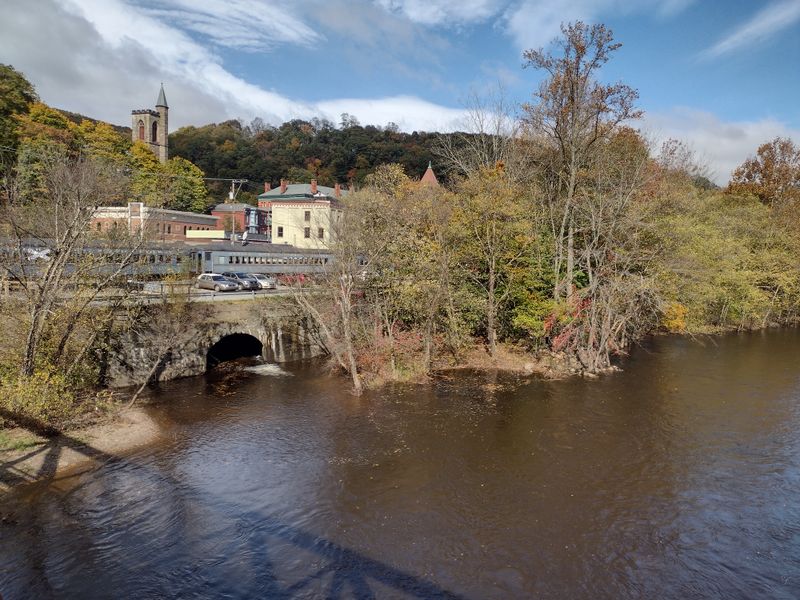
Down by the river, the water moves with a working rhythm, all muscle and gloss. The rail-trail rides alongside like a polite companion, keeping pace without interruption.
Gravel clicks under bike tires while anglers test seams with bright lines and quiet patience.
A train horn softens distance, and sun flares gild the riffles just enough to pull you forward. Benches face downstream, which feels like an editorial decision about where to aim your thoughts.
Geese angle in like opinions, loud and sure, then settle to preen.
On summer weekends, outfitters stack rafts in citrus colors that look like a candy spill. River recreation has ticked up across Pennsylvania, and local operators report steady bookings that fill most warmer Saturdays.
For you, the practical note is simple: bring water, respect current, and keep eyes on the weather. The river tells the truth faster than signs do.
Evening at the Opera House
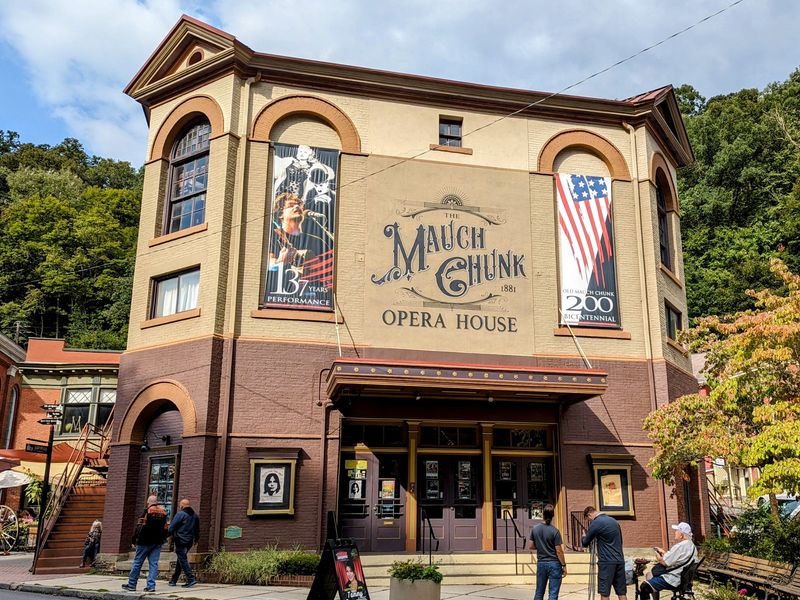
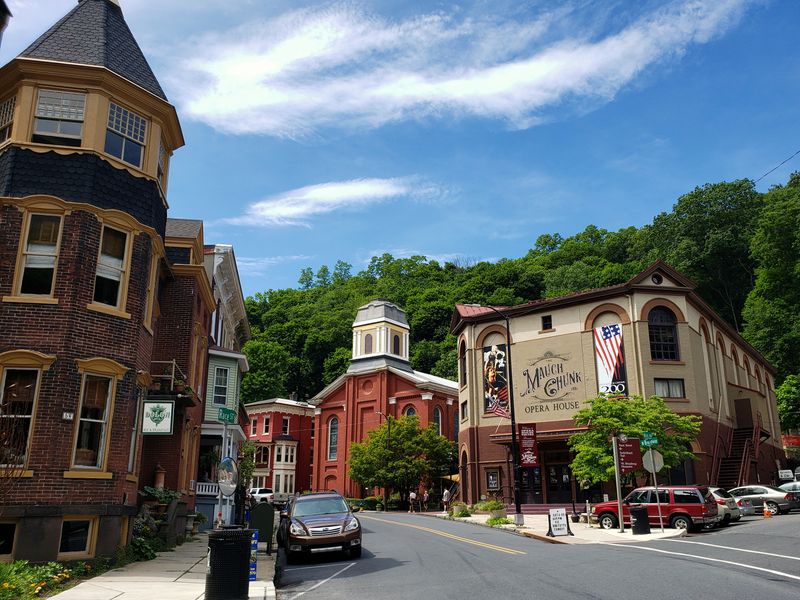
The Mauch Chunk Opera House glows like a coal ember at dusk. Marquee bulbs blink a steady welcome while a queue curls past brick that has held applause for a century.
Inside, the room is sized for voices, not volume, and everything you hear feels near.
Seats creak in sympathetic harmony, and the balcony rail buzzes softly under fingertips during ovations. Touring acts love it because the crowd’s replies come fast and warm.
Beer lines move quickly, and the merch table becomes a tiny neighborhood of smiles.
Historic venues across Pennsylvania have leaned into small-scale programming, and ticket sell-through here regularly proves the model. Check the schedule early if your trip lands on a weekend because locals buy first.
When you step outside after the encore, the street air tastes like night rain even when it has not fallen. The walk back feels shorter than the walk in.
Seasonal Festivals and Small Moments
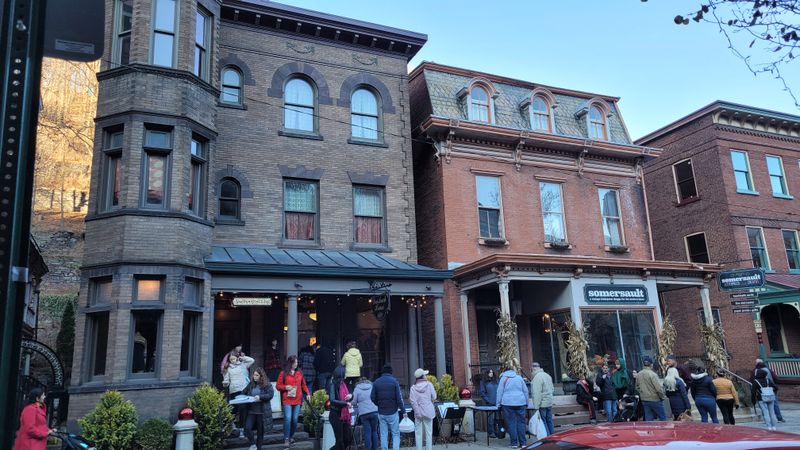
On festival weekends, the sidewalks braid together with buskers, kettle corn, and stroller diplomacy. You smell cinnamon, diesel, and damp leaves switching places with every breeze.
A fiddler saws under a second story porch while a toddler claps two beats behind time.
Vendors tilt suncatchers toward the light and the whole street pricks up with color. Attendance has grown year over year according to regional tourism reports, and the proof is in the way parking fills before noon.
Locals deal with it by walking early and eating late, an approach worth copying.
Between events, the town reverts to its slower, steadier pulse. There is pleasure in those Tuesdays too, where a single crow claims a roofline and a shop bell marks your steps.
If you collect moments, not merch, Jim Thorpe pays out in interest. Carry cash, patience, and a pocket for a pinecone you will forget until winter.



