Few attractions in Pennsylvania combine history, horticulture, and entertainment on the scale of Longwood Gardens. Home to more than 5,500 plant varieties, towering conservatories, and fountain shows that send water soaring 130 feet into the air, it has become one of the most celebrated garden destinations in the United States.
The experience goes far beyond flower displays. Visitors can explore sprawling outdoor gardens, watch choreographed fountain performances, and hear music from a historic pipe organ with more than 10,000 pipes.
Every season brings new exhibits, blooms, and events that give people a reason to return again and again.
With more than a million visitors each year, Longwood Gardens has earned its reputation as one of southeastern Pennsylvania’s must-see destinations. Whether you love plants, photography, architecture, or simply discovering extraordinary places, it offers far more than most first-time visitors expect.
A Grand Estate With Deep Roots: The History Behind the Gardens
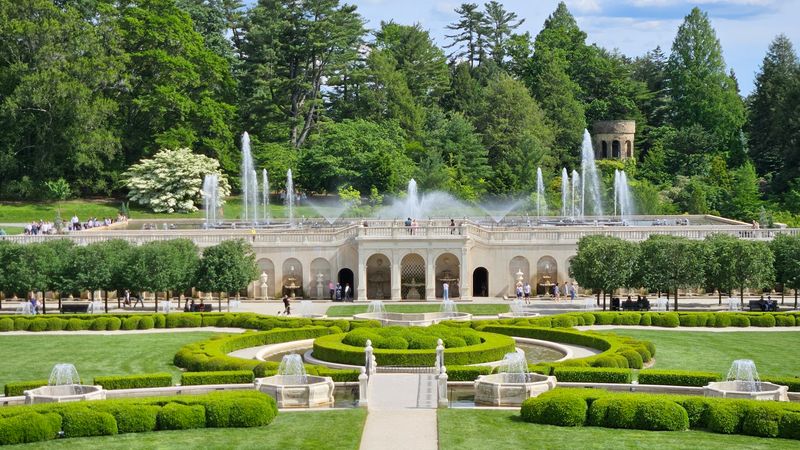
Long before it became one of America’s most celebrated garden destinations, this land had a story worth telling. The Lenni Lenape people originally inhabited the region, and in 1700, a Quaker farmer named George Peirce purchased 402 acres of it, planting trees that still stand today.
The turning point came in 1906, when industrialist Pierre S. du Pont bought the property specifically to save those historic trees from being sold for lumber. What began as a preservation effort quickly evolved into something far more ambitious.
Du Pont opened the first conservatory in 1914 and the largest in 1921, pouring his personal vision and considerable fortune into creating a world-class garden.
Today, Longwood Gardens at 1001 Longwood Rd, Kennett Square, PA 19348, stands as a living tribute to that legacy, spanning more than 1,100 acres of gardens, woodlands, and meadows that continue to evolve with each passing season.
The Conservatory That Feels Like Another World
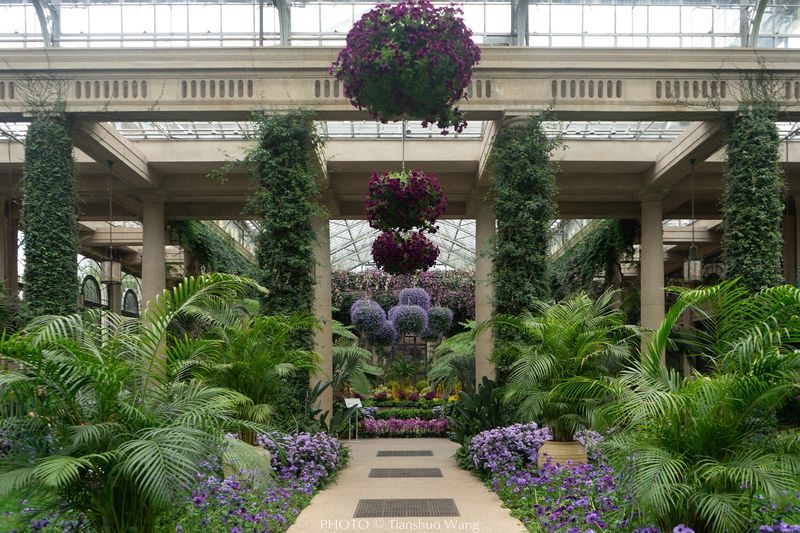
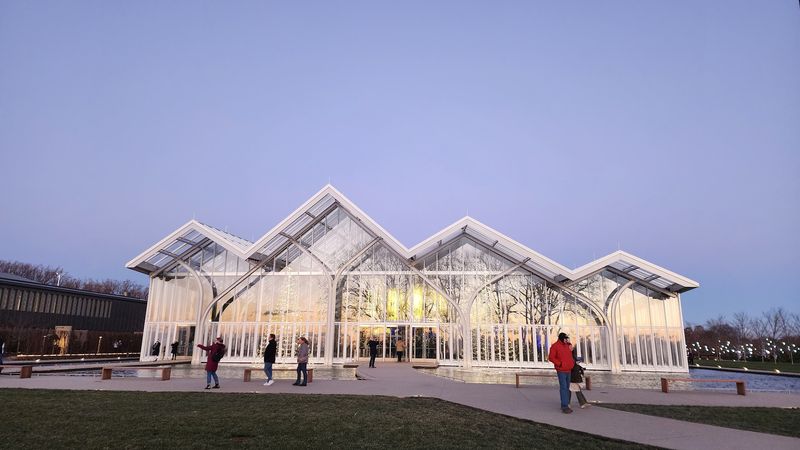
My first step inside the conservatory genuinely stopped me in my tracks. The scale of it is hard to prepare for, covering roughly 4.5 acres under glass and housing around 20 distinct indoor gardens, each with its own personality and plant collection.
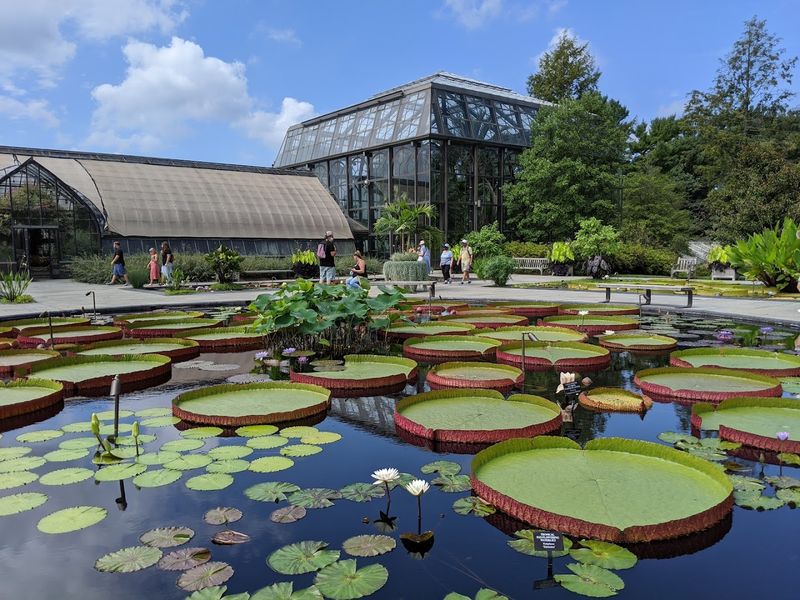
Approximately 5,500 types of plants call this space home, from towering palms to delicate ferns, and the transition between rooms feels like flipping through chapters of a very beautiful book. The Orchid House alone is worth the price of admission, with hundreds of blooms in shades that seem almost too vivid to be real.
The Silver Garden offers a completely different mood, with plants chosen specifically for their silvery textures and muted tones. Even the restrooms inside the conservatory are memorable, tucked into a curving hallway where every surface is draped in greenery.
It sounds like a small detail, but it perfectly captures how seriously this place takes its craft.
Fountains That Perform Like a Symphony
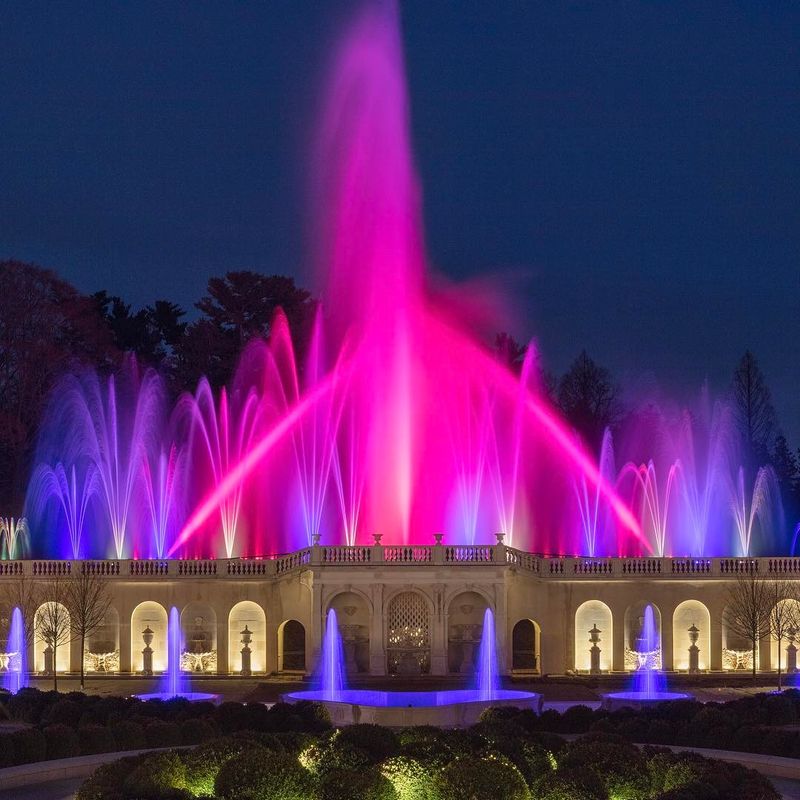
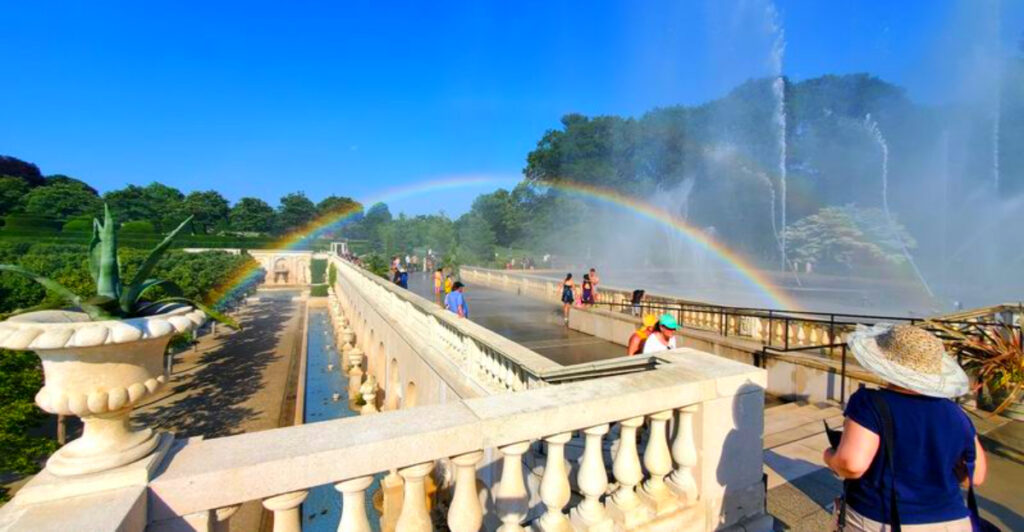
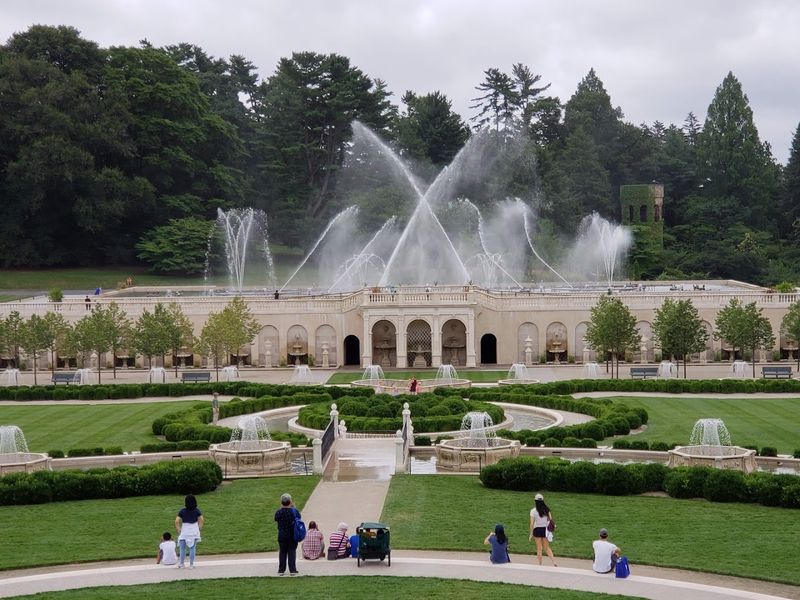
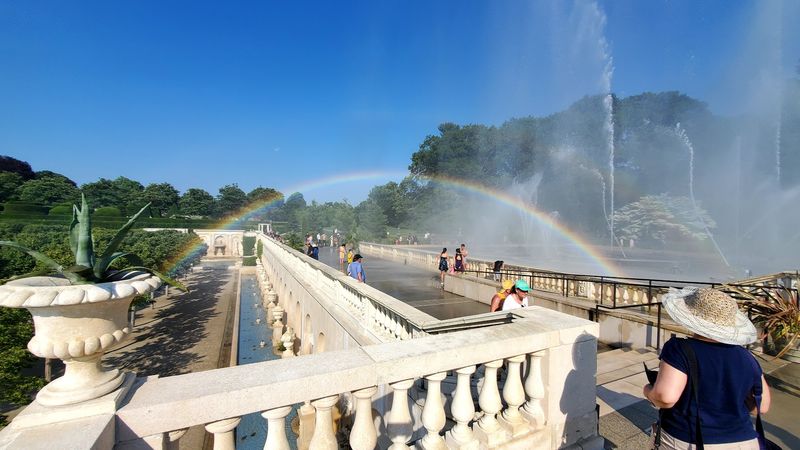
The Main Fountain Garden is not just a water feature. It is a full performance, and the engineering behind it is genuinely staggering.
The system circulates 10,000 gallons of water per minute, with jets capable of reaching 130 feet in the air, all choreographed to music and synchronized with colored lights after dark.
I watched an evening show from one of the stone terraces, and the combination of sound, light, and moving water created something that felt closer to theater than gardening. The Italian Water Garden adds a quieter, more classical counterpoint nearby, with its symmetrical pools and elegant stonework dating back to du Pont’s original vision.
Afternoon visitors get the daytime shows, which have their own charm in full sunlight, but arriving before 5 PM and staying into the evening gives you both experiences in a single visit. Buying tickets well in advance is strongly recommended, especially during peak seasons, because they sell out fast.
The World’s Largest Residential Pipe Organ
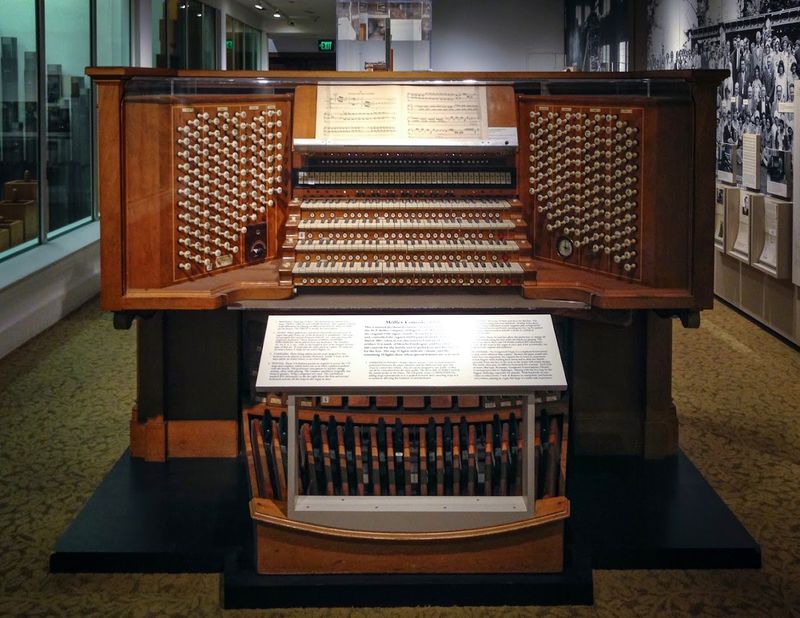
Tucked inside the Ballroom is something most visitors do not expect to find at a garden: the largest residential pipe organ in the world. Pierre S. du Pont commissioned it in 1929, and the finished instrument contains 10,010 pipes, ranging from tiny tubes the size of a pencil to massive ones taller than most ceilings.
Organ performances are scheduled regularly throughout the year, and hearing those pipes fill the room is an experience that vibrates in your chest as much as in your ears. One visitor described watching the organ from behind the wall during a performance as genuinely cool, and I completely agree.
Seeing the mechanics in motion makes the music feel even more impressive.
For anyone who grew up around music, or who simply appreciates craftsmanship at an extraordinary scale, this is one of those details that elevates Longwood Gardens from a beautiful place into something truly unforgettable. Plan your visit around a performance if you can.
A Christmas Experience That Earns Its Own Category
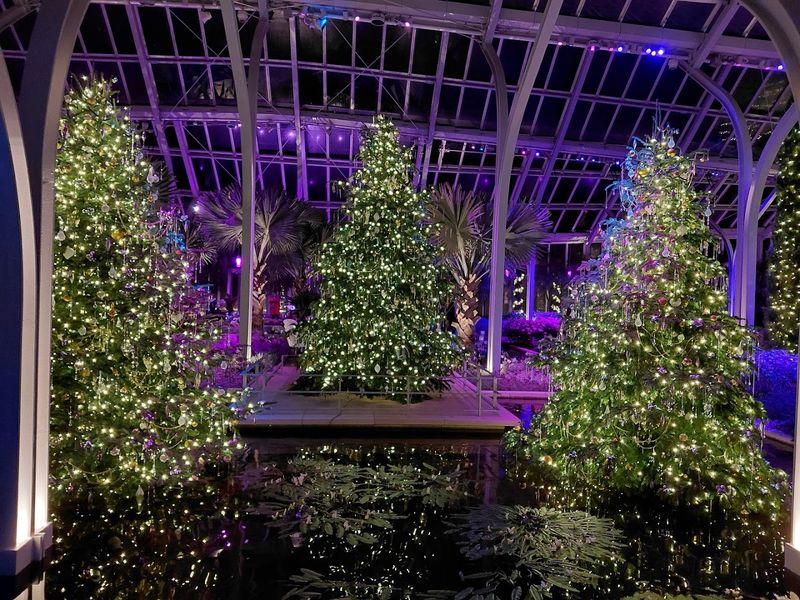
The holiday season at this garden operates on a level that genuinely deserves its own conversation. “A Longwood Christmas” has won Best Botanical Garden Holiday Lights from USA TODAY’s 10Best Readers’ Choice Awards five consecutive years, and after experiencing it firsthand, that streak makes complete sense.
Nearly every tree along the outdoor paths is wrapped in lights, animated displays dot the grounds, and the conservatory transforms into a poinsettia wonderland, featuring blooms in red, white, pink, coral, marble, and yellow. The Main Fountain Garden runs an illuminated water show set to seasonal music, and a tunnel of lights creates one of the most photographed moments of the entire visit.
Arrive before 5 PM to explore the grounds in daylight, then stay as darkness falls to watch everything shift into a completely different kind of beautiful. Tickets for the holiday season sell out weeks in advance, so booking a month ahead is not just a suggestion but a genuine necessity.
Outdoor Gardens That Change With Every Season
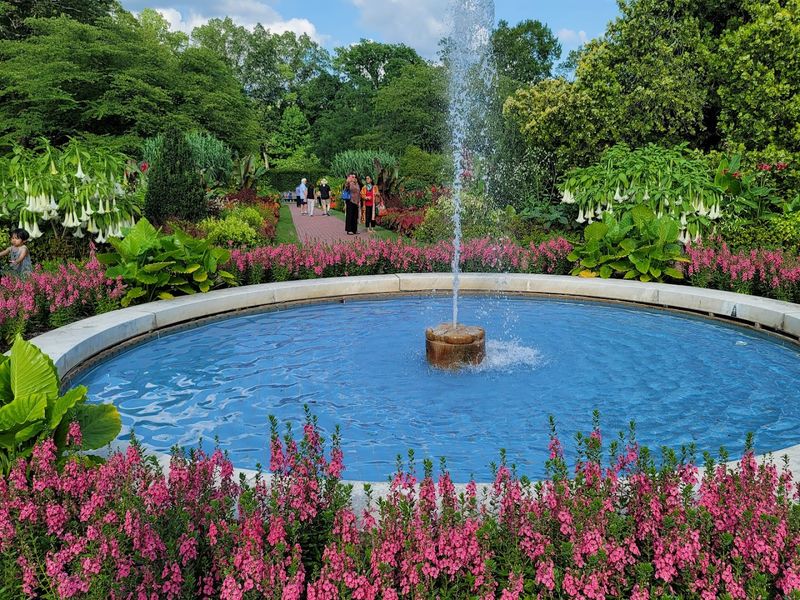
The outdoor grounds at Longwood Gardens cover more than 1,100 acres, and the variety packed into that space is remarkable. The 600-foot-long Flower Garden Walk is one of the most iconic stretches, with borders that shift in color and texture depending on the season, from tulips in spring to dahlias in late summer.
Peirce’s Park preserves some of the original trees planted by the Peirce family in the 1700s, offering a shaded and contemplative walk that feels genuinely historic underfoot. The Rose Garden, Meadow Garden, and Open Air Theatre each bring something distinct to the experience, and the Meadow Garden in particular rewards visitors who slow down and pay attention to what is growing there.
Fall brings warm amber and copper tones across the landscape, making it a favorite season for photographers. Spring draws visitors for the bulb displays and blooming trees, and summer fills the outdoor spaces with lush green growth and active fountain performances throughout the day.
What It Actually Costs and How to Plan Your Visit
Longwood Gardens is priced at a moderate level for what it delivers, and most visitors agree the value is strong once you see the scale of the place. General admission tickets are available online through the official website at longwoodgardens.org, and timed entry slots are required, particularly during busy periods like the holiday season and spring bloom events.
A Garden Pass for unlimited annual visits is widely considered one of the best deals on offer, especially for anyone within reasonable driving distance. The gardens are open most days from 10 AM to 6 PM, with extended hours until 10 PM on Fridays, Saturdays, and Sundays.
Tuesdays are the exception, as the gardens are closed that day each week.
Discounted tickets are available for EBT and SNAP families, which reflects a genuine commitment to making this experience accessible. Parking is straightforward and manageable even on busy days, and the phone number for inquiries is +1 610-388-1000 for anyone with specific questions before arriving.
Dining Options That Go Beyond a Quick Snack
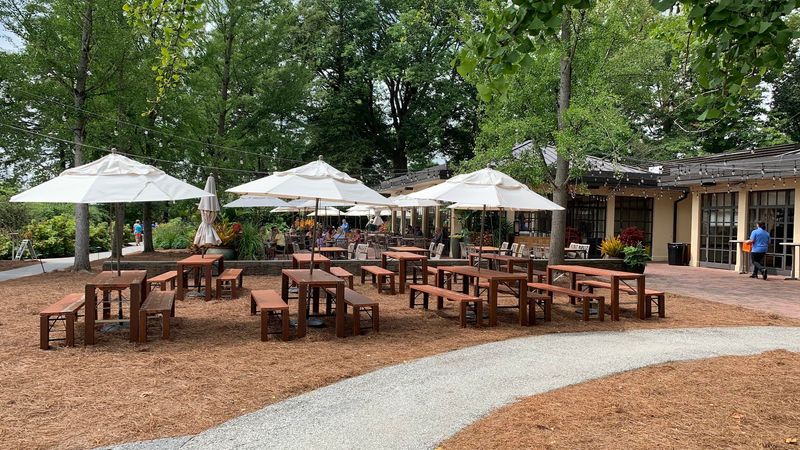
Eating at Longwood Gardens is a more satisfying experience than you might expect from a botanical attraction. The main cafeteria serves a solid range of options including vegan and vegetarian choices, and the food quality consistently earns positive feedback from visitors who were pleasantly surprised by it.
Restaurant 1909 is the sit-down dining option on the grounds, and it requires reservations, which fill up quickly on weekends and during special events. Showing up without a reservation and hoping for a table is a gamble that rarely pays off, so booking ahead is genuinely important if that is where you want to eat.
Food kiosks are scattered throughout the property as well, offering hot chocolate, seasonal snacks, and quick bites for those who do not want to stop walking for long. The hot chocolate, especially during the winter season, has developed something of a devoted following among repeat visitors who know exactly where to find it on cold days.
The Bonsai Collection and Potting Shed Worth Seeking Out
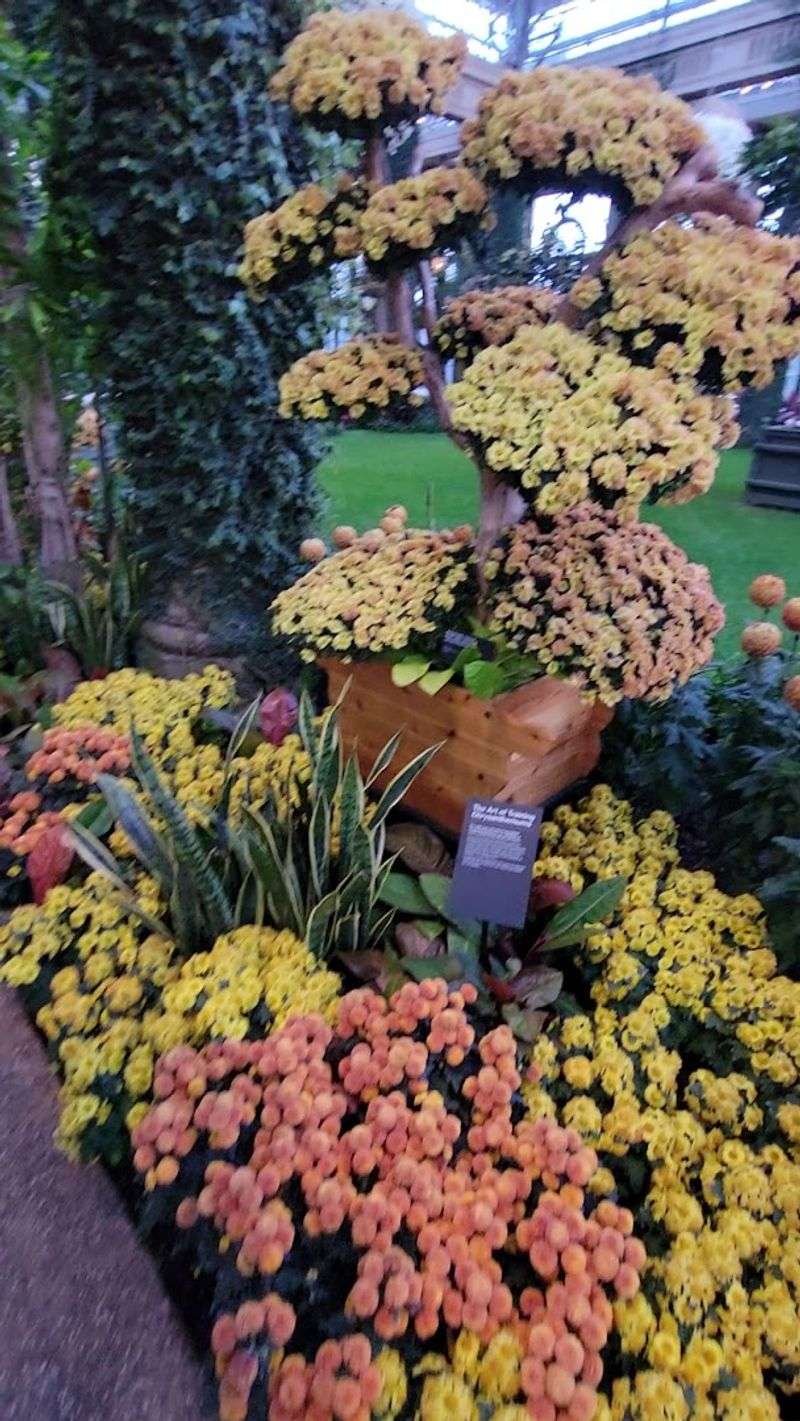
Not every highlight at Longwood Gardens announces itself loudly, and the bonsai collection is a perfect example of a quieter treasure that rewards curious visitors. The collection is housed in a dedicated space that feels contemplative and unhurried, a welcome contrast to the grander spectacles elsewhere on the grounds.
Each bonsai is carefully labeled with its species, age, and origin, and the level of detail in those labels reflects the educational philosophy that runs throughout the entire property. The nearby Potting Shed is another spot that tends to delight visitors who stumble upon it, offering a behind-the-scenes glimpse into how the gardens are maintained and propagated.
The chrysanthemum displays, which appear seasonally, are another standout in this part of the gardens, with varieties and arrangements that demonstrate serious horticultural skill. If you tend to move quickly through gardens, this is the area that might convince you to slow down, sit on a bench, and simply look more carefully at what is right in front of you.
Education and Conservation at the Heart of the Mission
Behind the beauty of Longwood Gardens sits a serious and sustained commitment to horticultural education and conservation. The gardens operate a tuition-free Professional Horticulture program, one of the few of its kind in the country, training the next generation of garden professionals in a working, world-class environment.
Internship programs bring students from across the country and internationally, and the depth of plant knowledge among the staff is immediately apparent during any visit. Every display, every label, and every curated room reflects years of expertise and intentional design rather than happy accident.
Conservation efforts extend beyond the grounds as well, with Longwood participating in broader initiatives to preserve rare and endangered plant species. The gardens have been recognized by TIME magazine on its annual list of the World’s Greatest Places, a distinction that speaks to the institution’s global reputation rather than just its local popularity.
This is not simply a pretty place to walk through but a living laboratory with genuine scientific purpose.
Practical Tips That Make the Visit Much Smoother
A few practical pieces of advice can genuinely improve a visit to Longwood Gardens, and the most important one is footwear. The grounds cover over 1,100 acres, and even a focused visit covering the highlights will involve several miles of walking on paved paths.
Comfortable, flat shoes are not optional but essential.
Plan for at least three to four hours at a minimum, and five hours if you want to experience both daytime and evening presentations in a single visit. There is no re-entry after leaving the parking area, so packing everything you need before heading in, including snacks for kids, extra layers in cooler months, and a fully charged phone for photos, is worth the few extra minutes of preparation.
An interactive map is available via QR code throughout the grounds and is genuinely useful for navigating between areas. The gift shop carries plants, garden accessories, and seasonal items, though prices trend toward the higher end, so browsing with a budget in mind is a sensible approach.
Why More Than 30,000 Reviews All Say the Same Thing
A 4.9-star rating built on more than 31,000 reviews is not an accident, and spending a full day at Longwood Gardens makes it easy to understand why the praise is so consistent. The grounds are immaculate, the staff are knowledgeable and approachable, and the sheer variety of things to see and do means that almost every type of visitor finds something that resonates personally.
Families with young children enjoy the open spaces and seasonal displays. Photographers find compositions around every corner.
Couples discover quiet corners of the garden that feel private despite the crowds. Solo visitors use the paths for long, restorative walks that clear the head in a way that few other places can manage.
USA TODAY’s 10Best Readers’ Choice Awards named Longwood Gardens the Best Botanical Garden in the United States as recently as March 2025, continuing a pattern of recognition that stretches back years. Some places live up to the hype, and this is emphatically one of them, a destination that earns every return visit.
Share this story