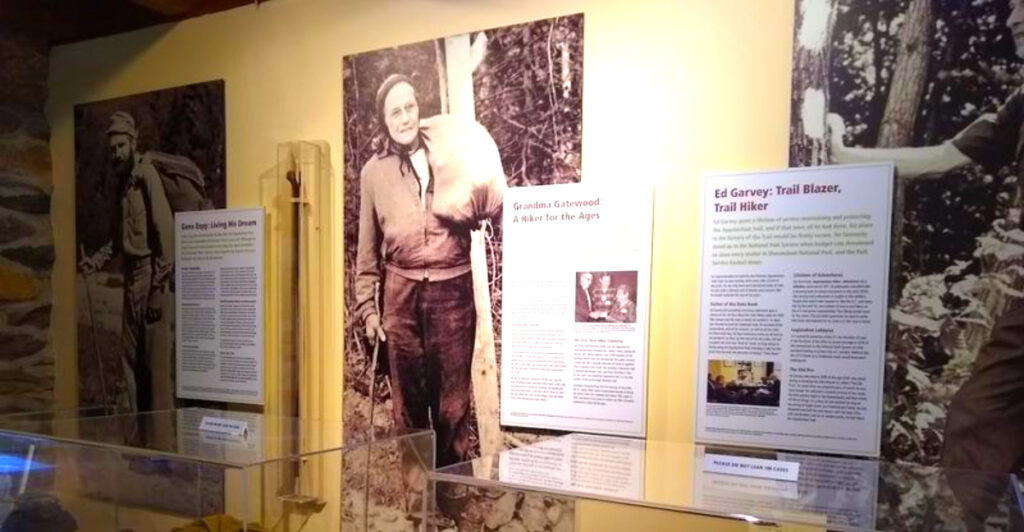
At the halfway point of the 2,200-mile Appalachian Trail, a small museum tells the story of America’s most famous long-distance hike through the people who made it legendary. Visitors can see Grandma Gatewood’s well-worn sneakers, step inside the original shelter used by the first successful thru-hiker, browse thousands of historic trail photographs, and discover the visionaries who turned an ambitious idea into one of the world’s most celebrated hiking routes. It’s the only museum in the country dedicated entirely to the Appalachian Trail, making it a destination unlike any other.
Housed inside a historic stone grist mill in Pine Grove Furnace State Park, the museum blends hiking history with interactive exhibits, a research library, family-friendly displays, and stories that appeal to experienced backpackers and first-time visitors alike. Whether you’ve hiked a few miles or dream of completing the entire trail, you’ll leave with a new appreciation for the people, traditions, and community that continue to shape the Appalachian Trail.
Here’s why the Appalachian Trail Museum has become one of Pennsylvania’s most inspiring hidden attractions and a must-visit stop for anyone exploring the Appalachian Trail.
A Stone Mill With a Story Older Than the Trail Itself
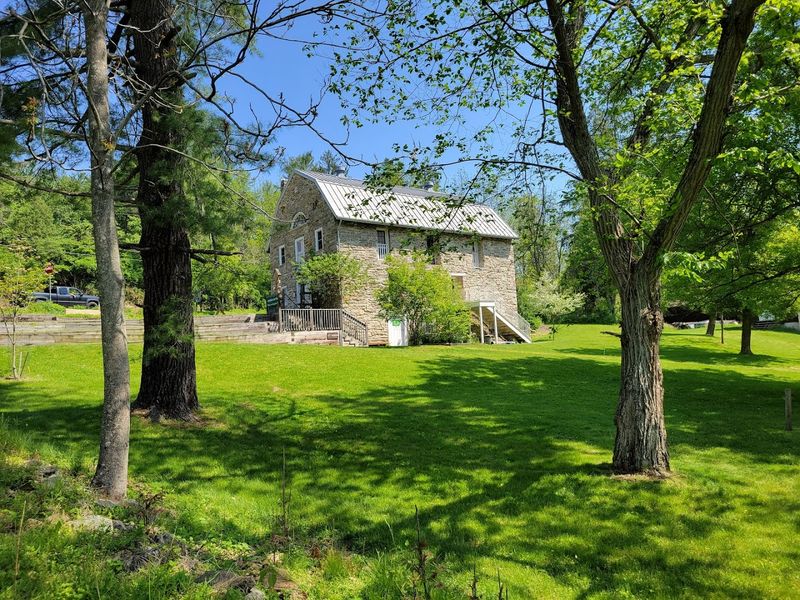
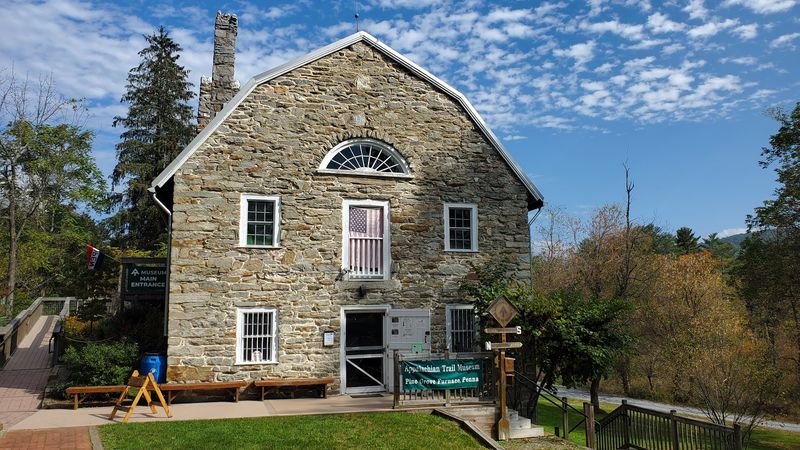
Not every museum gets to live inside a building that is a historical artifact in its own right. The Appalachian Trail Museum calls home a venerable stone grist mill that once served the Pine Grove Iron Works, a structure that has stood for well over two centuries in what is now Pine Grove Furnace State Park.
The address is 1120 Pine Grove Road, Gardners, Pennsylvania 17324, tucked deep within the Michaux State Forest. Getting there feels like an event in itself, as the winding drive through dense woodland on scenic PA Route 233 sets the mood long before you arrive.
Opened to the public on June 5, 2010, the museum grew from an idea hatched in 1998 by a group of passionate trail enthusiasts who wanted to preserve something irreplaceable. The rough-hewn stone walls carry a quiet authority, as if the building itself understands the weight of the stories it protects inside every exhibit.
Why the Halfway Point Makes This Location So Remarkable
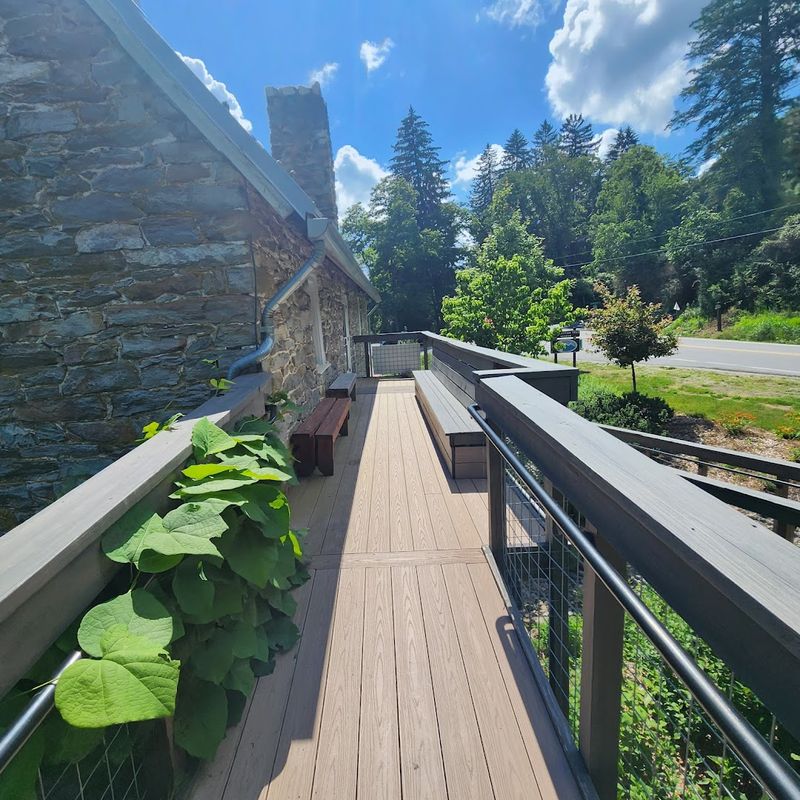
Roughly halfway between Springer Mountain in Georgia and Mount Katahdin in Maine, the museum sits at one of the most emotionally charged spots on the entire Appalachian Trail. Thru-hikers who arrive here have already covered more than 1,000 miles on foot, and they still have just as many ahead of them.
That midpoint energy is palpable around the museum grounds. You can feel the mix of exhaustion, pride, and stubborn determination radiating from the hikers who pass through, and the exhibits inside reflect that same spirit in every display case and photograph on the walls.
Being planted at this geographic sweet spot gives the museum a living quality that most history institutions simply cannot manufacture. Real thru-hikers stop here regularly during the April-through-October season, turning the museum into a dynamic crossroads where history and the present-day trail experience overlap in ways that feel genuinely electric. Keep reading, because the legends honored inside are even more compelling.
The Visionaries Who Dreamed the Trail Into Existence
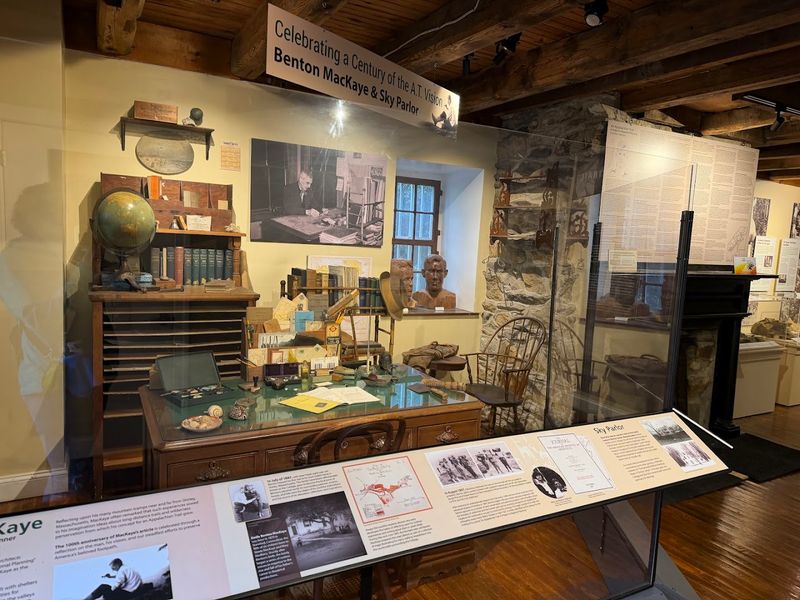
Benton MacKaye published an article in 1921 titled “An Appalachian Trail: A Project in Regional Planning,” and with that single document, he planted a seed that would grow into America’s most celebrated long-distance footpath. The museum dedicates serious real estate to honoring MacKaye and the equally pivotal Myron Avery, who is largely credited with turning MacKaye’s concept into a walkable reality.
One of the most engaging features on the exhibit floor is a recreation of MacKaye’s “Sky Parlor” office, a thoughtfully assembled space that gives visitors a tangible sense of the intellectual environment where the trail’s blueprint took shape. Standing in that recreated room, the enormity of the original vision becomes surprisingly personal.
Avery’s own artifacts, including his folding kayak, are displayed nearby, reminding visitors that the people behind the trail were not armchair dreamers but hands-on builders who measured every mile themselves. Their combined legacy shaped a national treasure that millions of people continue to walk and love today.
Earl Shaffer’s Shelter and the First Thru-Hike That Changed Everything
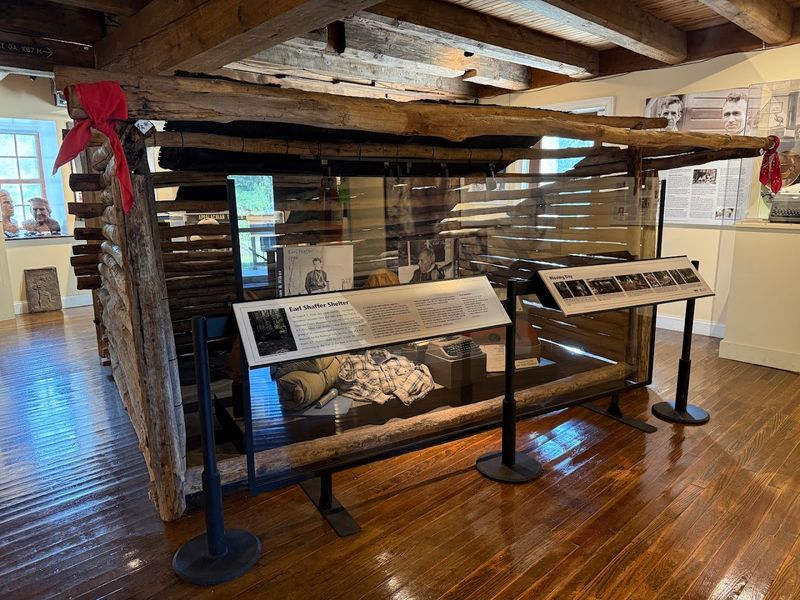
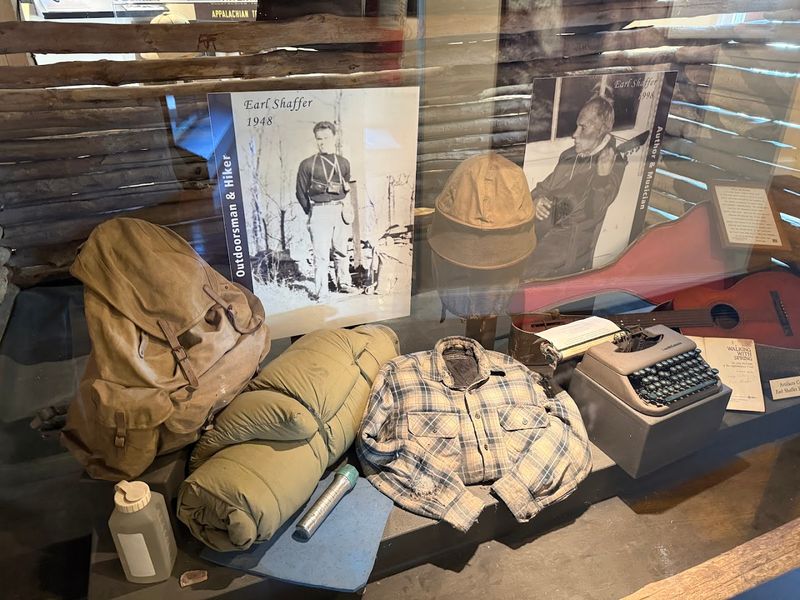
In 1948, a World War II veteran named Earl Shaffer did something most people considered impossible: he walked the entire Appalachian Trail in one continuous journey, becoming the first person ever to complete a thru-hike. The museum honors that achievement in the most tangible way possible by housing his original 1959 trail shelter, painstakingly reassembled inside the building.
Standing next to that weathered wooden lean-to produces a strange and powerful feeling. This was not a replica built for dramatic effect; it is the actual structure where Shaffer and other early hikers sought shelter, and every worn plank carries the authenticity of real use under real conditions.
Shaffer went on to complete the trail again in 1965 and then once more in 1998 at the age of 79, cementing his place as one of the trail’s most beloved figures. His story sets the tone for the entire museum, reminding every visitor that the Appalachian Trail has always been about ordinary people doing extraordinary things. The next legend on display is equally unforgettable.
Grandma Gatewood’s Sneakers and the Power of Sheer Determination
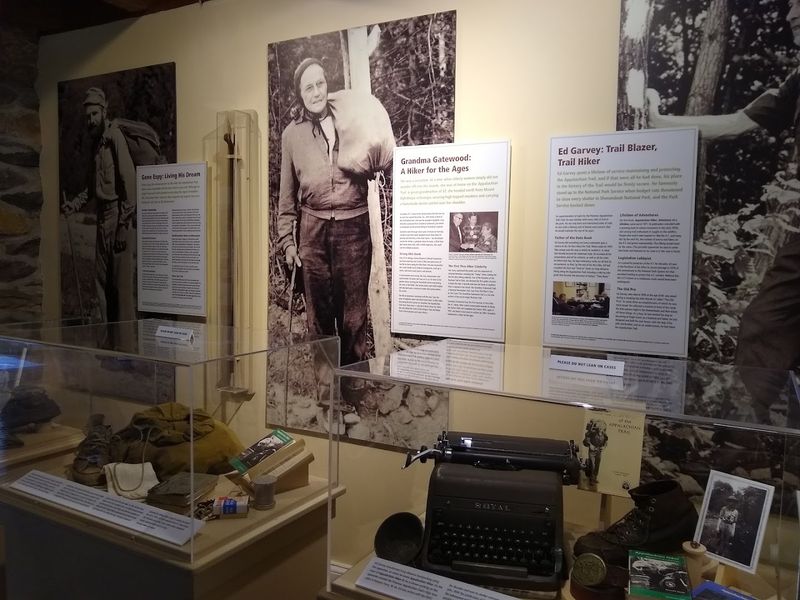
Emma Gatewood, better known as Grandma Gatewood, was 67 years old when she became the first woman to solo thru-hike the Appalachian Trail in 1955. She did it wearing canvas Keds sneakers and carrying a homemade bag over one shoulder, without a sleeping bag or a traditional backpack.
Her actual sneakers and bag are on display at the museum, and they stop people in their tracks every single time. There is something almost disarming about seeing such humble, worn objects and knowing the sheer mileage they represent. Grandma Gatewood went on to hike the trail two more times, completing it a third time at age 75.
Her exhibit speaks to something the whole museum celebrates beautifully: the trail does not belong exclusively to the young, the athletic, or the heavily geared. It belongs to anyone stubborn and curious enough to keep putting one foot in front of the other, no matter what the circumstances look like from the outside.
Over 10,000 Photographs That Put Faces to the Journey
One of the most visually striking features of the museum is its enormous collection of thru-hiker photographs, numbering somewhere between 10,000 and 12,000 images gathered over decades from various points along the trail, including the iconic Harpers Ferry checkpoint.
Scrolling through these faces on the museum’s computer terminal is a surprisingly emotional experience. Each image captures a specific moment of accomplishment, and the trail names listed alongside the photos add a layer of personality and humor that reflects the unique culture of the A.T. community. Names like “Biscuit” and “Stargazer” pop up alongside ordinary given names, reminding you that the trail has a way of remaking people.
The sheer volume of the collection drives home a truth that statistics alone cannot convey: thousands upon thousands of real human beings have committed themselves to this path, each carrying their own reasons and their own stories. That collective weight of human experience is what gives the museum its emotional depth and its remarkable staying power.
The Appalachian Trail Hall of Fame and Its Celebrated Inductees
Established in 2011, the Appalachian Trail Hall of Fame exists to formally recognize individuals whose contributions to the trail go above and beyond what the word “dedication” can adequately describe. Each year, a selection committee inducts new members whose stories of perseverance, conservation, and community building have genuinely shaped the trail’s identity.
The Hall of Fame section of the museum reads like a who’s who of American outdoor history. Alongside the familiar names of MacKaye, Avery, Shaffer, and Gatewood, you will encounter conservationists, volunteers, and advocates whose less visible work made the trail accessible and sustainable for millions of future walkers.
The annual Hall of Fame Banquet, typically held in November, draws the broader A.T. community together in a celebration that feels less like a formal awards ceremony and more like a reunion of people who share an unusual and wonderful obsession. Knowing that this tradition continues to grow each year makes the exhibits feel alive rather than merely historical. There is still more to discover on the floors below.
The Children’s Floor That Turns Young Visitors Into Future Hikers
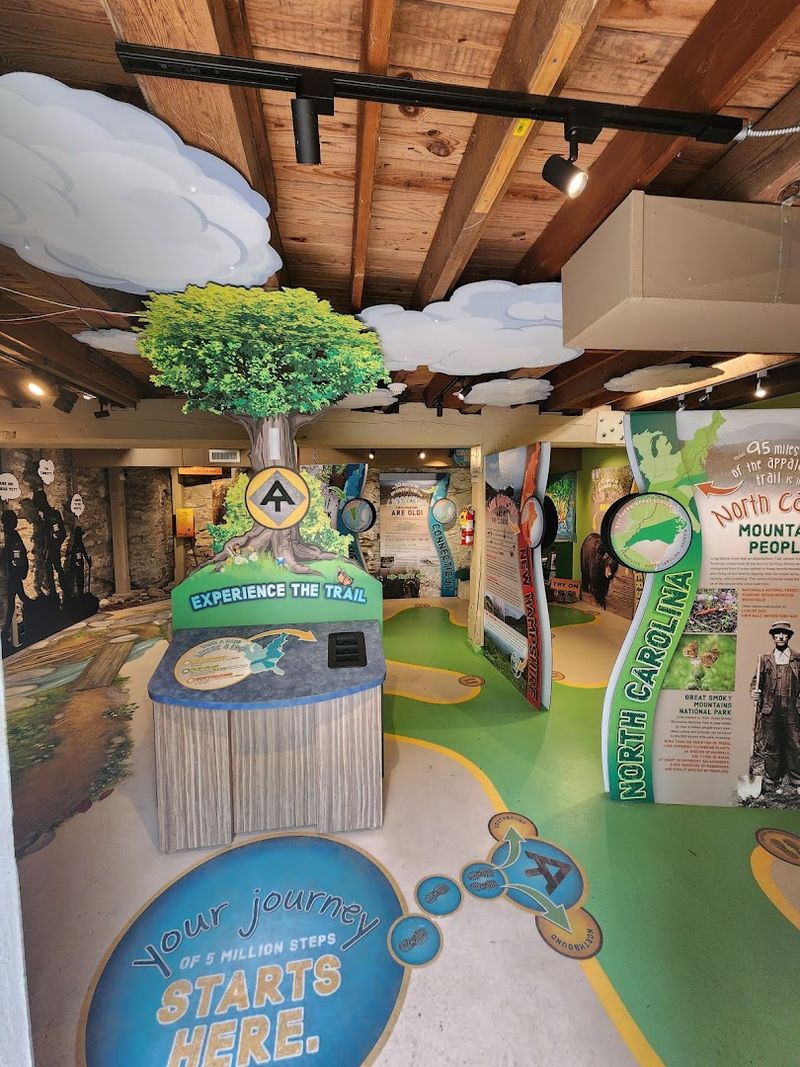
The ground floor of the museum is a dedicated children’s area, and it is genuinely one of the most creative educational spaces you will find in any small museum anywhere in Pennsylvania. The centerpiece is a large cement floor painted with a colorful, child-friendly version of the Appalachian Trail route, allowing young visitors to literally walk the path from Georgia to Maine in miniature.
Illustrated panels around the perimeter highlight each of the 14 states the trail passes through, giving kids a geography lesson wrapped inside an adventure story. The “A Night on the Trail” multi-media exhibit simulates the experience of sleeping in a trail shelter, complete with ambient sounds that bring the forest to life after dark.
Parents consistently note that children who arrive skeptical leave asking questions about hiking and nature that continue long after the car ride home. That kind of quiet, lasting impact is exactly what good museums are supposed to achieve, and this one manages it without a single flashing screen or gimmick in sight.
Events, Festivals, and the Living Community Around the Trail
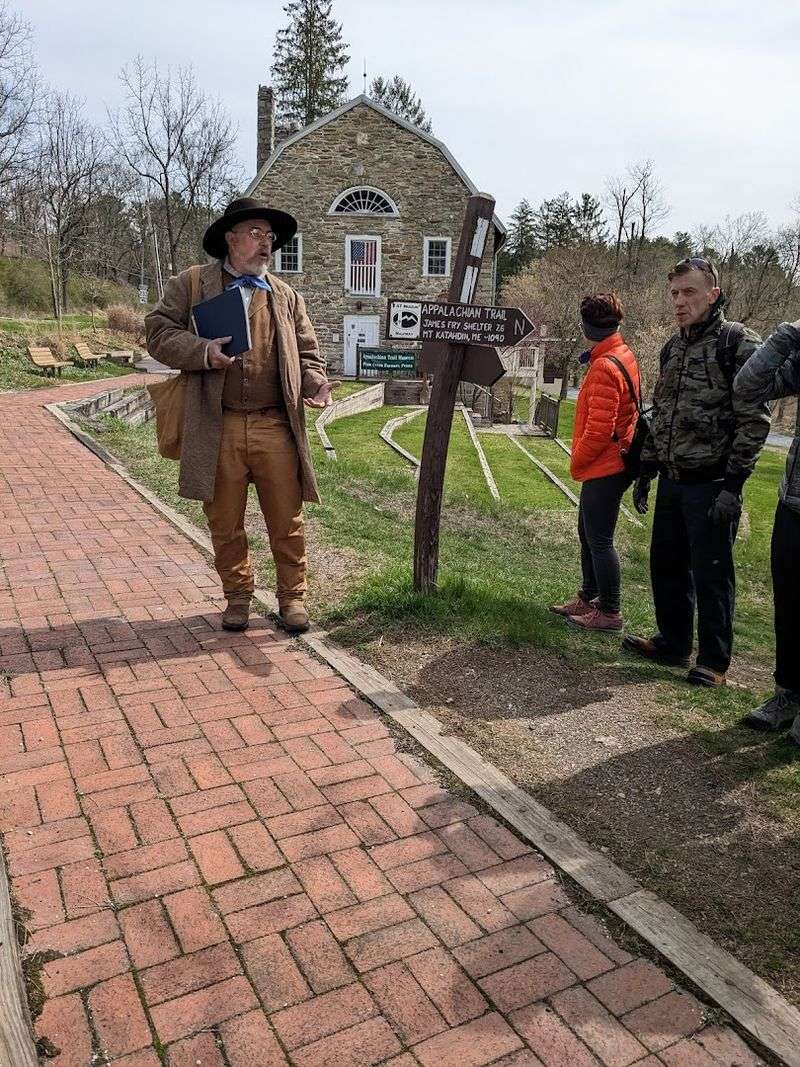
The museum is not a quiet, dusty institution that simply waits for visitors to wander in. Throughout its operating season from early April to late October, it hosts a rotating schedule of events that keep the community around the trail lively and engaged all year long.
The Appalachian Trail Arts and Culture Festival, typically held in June, brings together authors, artists, musicians, poets, and storytellers who interpret the trail through their own creative lenses. Spending an afternoon at this festival feels like attending a celebration of everything the outdoors can inspire in the human imagination, and the variety of perspectives on display is genuinely surprising.
The Fall Furnace Fest adds another seasonal highlight, drawing visitors who want to combine the museum experience with the spectacular color of the surrounding forest in autumn. Between these anchor events and smaller programming throughout the season, there is almost always something happening that gives you a fresh reason to visit even if you have been before. The trail culture here runs deep and runs warm.
The Half-Gallon Challenge and the Sweet Taste of the Midpoint
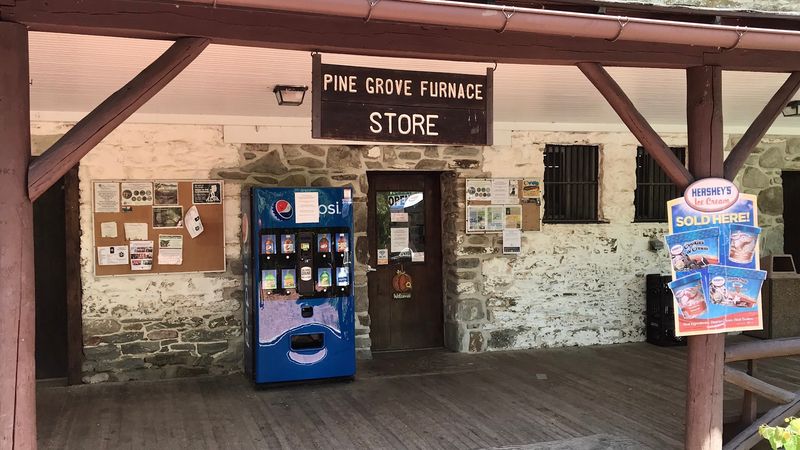
A short walk from the museum sits the Pine Grove General Store, and with it, one of the most beloved and slightly ridiculous traditions on the entire Appalachian Trail: the Half-Gallon Challenge. Thru-hikers who reach the symbolic halfway point are invited to consume a full half-gallon of ice cream in one sitting as a celebratory rite of passage.
Watching someone attempt this feat after months of trail food is its own form of entertainment. The hikers who tackle it are usually lean from thousands of miles of walking, and their bodies treat the caloric windfall with something between gratitude and alarm. Wooden spoons are involved. Determination is absolutely required.
Even if you have no intention of joining the challenge yourself, stopping at the store adds a playful and deeply human dimension to the museum visit. The tradition captures something essential about the A.T. community: the ability to celebrate hard work with genuine, unself-conscious joy. It is the kind of moment that makes the whole trail feel wonderfully alive and approachable.
What to Know Before You Make the Trip to Gardners
Admission to the museum is free, though a suggested donation of three dollars is welcomed and genuinely goes toward keeping the exhibits running and the building maintained. The museum operates Wednesday through Sunday from 9 AM to 4 PM during its April-to-October season, so Monday and Tuesday visits are not possible. Calling ahead at 717-486-8126 or checking the website at atmuseum.org is always a smart move before making the drive.
Parking is available near the Pine Grove General Store and the larger gravel lot by the Pine Grove Iron Furnace when the immediate lot fills up. Cell service inside the park is limited for some carriers, but Wi-Fi with a password is available inside the museum itself. Note that the three floors of the building require exiting and re-entering between levels, which is worth keeping in mind if mobility is a concern for anyone in your group.
The surrounding area rewards extra time, with direct access to Appalachian Trail sections, Laurel Lake for fishing and boating, and nearby towns like Boiling Springs and Gettysburg offering additional stops for a full day out. This small museum punches well above its weight, and the drive through the forest alone is worth the trip.
Share this story