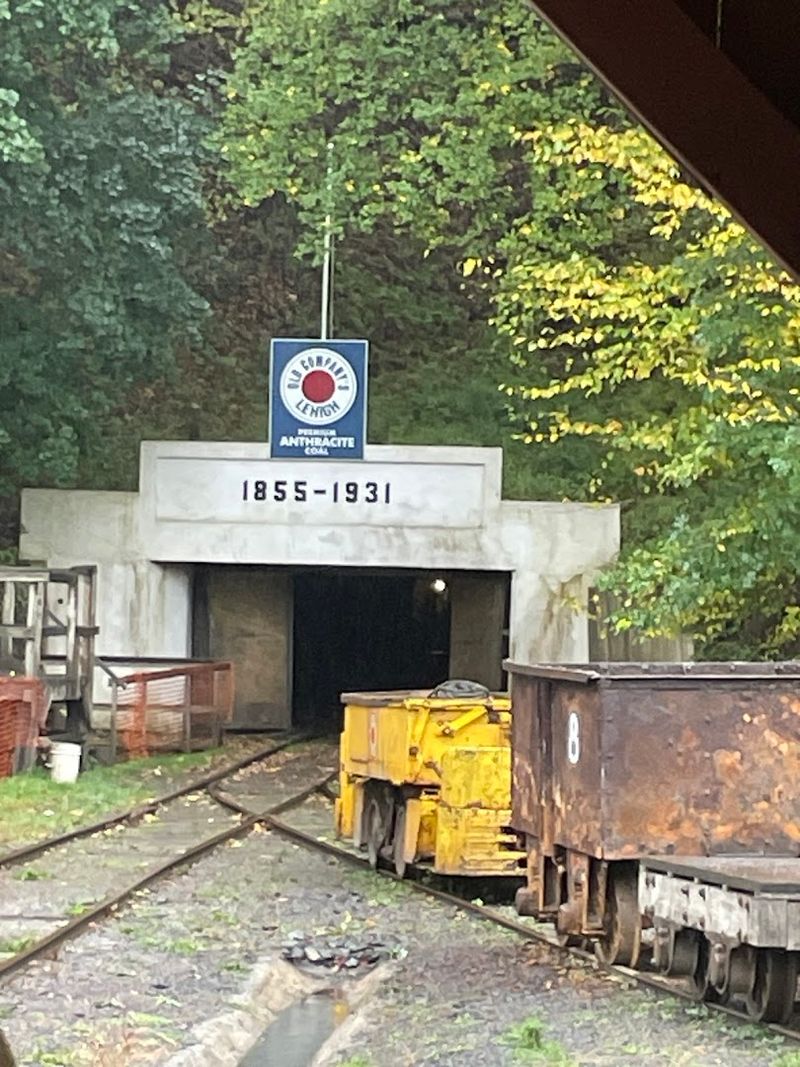
Few attractions in Pennsylvania offer the chance to ride a train directly into a historic coal mine. At the No. 9 Coal Mine and Museum in Lansford, visitors travel deep underground through tunnels first opened in 1855, gaining a firsthand look at one of the industries that helped shape the region.
What sets the site apart is its authenticity. This is a preserved working mine, not a recreation, and guided tours share the realities of coal mining through original equipment, historic spaces, and stories passed down through generations of mining families.
Above ground, the museum expands the experience with artifacts, exhibits, and the original wash shanty that help bring the area’s mining heritage to life. Together, they create one of Pennsylvania’s most distinctive historical attractions and a rare opportunity to explore a piece of industrial history from the inside.
A Living Piece of Pennsylvania’s Industrial Past
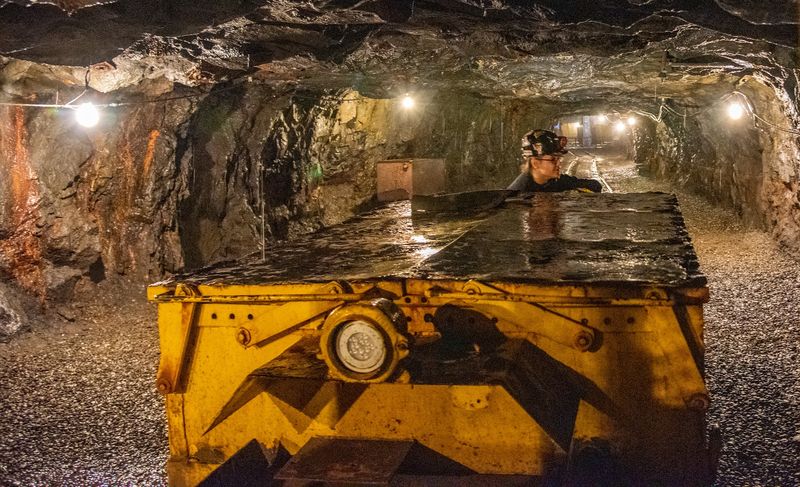
Few places in the United States let you walk directly into history the way this one does. The No. 9 Coal Mine and Museum sits at 9 Dock Street in Lansford, Pennsylvania 18232, nestled in the Panther Creek Valley of Carbon County, right in the heart of what was once one of the most productive anthracite coal regions on earth.
The mine first opened in 1855, making it one of the oldest continuously operated deep anthracite mines in the world. It ran without stopping for over a century, finally closing on June 22, 1972, after more than 117 years of nonstop production.
The Panther Creek Valley Foundation acquired the property in 1992, began restoration in 1995, and reopened it as a public museum and tour site in June 2002. Today, it stands as a rare, fully preserved window into Pennsylvania’s coal industry, and the mountain has not changed one bit since the last miners walked out.
The World’s Oldest Continuously Operated Deep Anthracite Mine
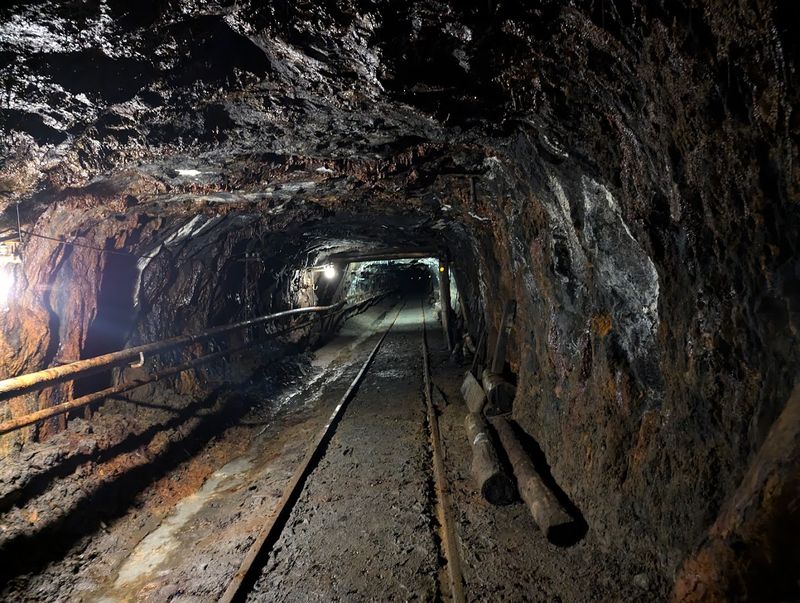
That title is not marketing language. The claim that No. 9 is the world’s oldest continuously operated deep anthracite coal mine is backed by over 117 years of uninterrupted production, from 1855 all the way to 1972.
No other deep anthracite mine on record can match that run.
Anthracite coal, sometimes called hard coal, burns hotter and cleaner than softer varieties, and Pennsylvania’s northeastern mountains held some of the richest deposits ever found. The demand for this fuel powered homes, factories, and railroads across the entire East Coast during the industrial era.
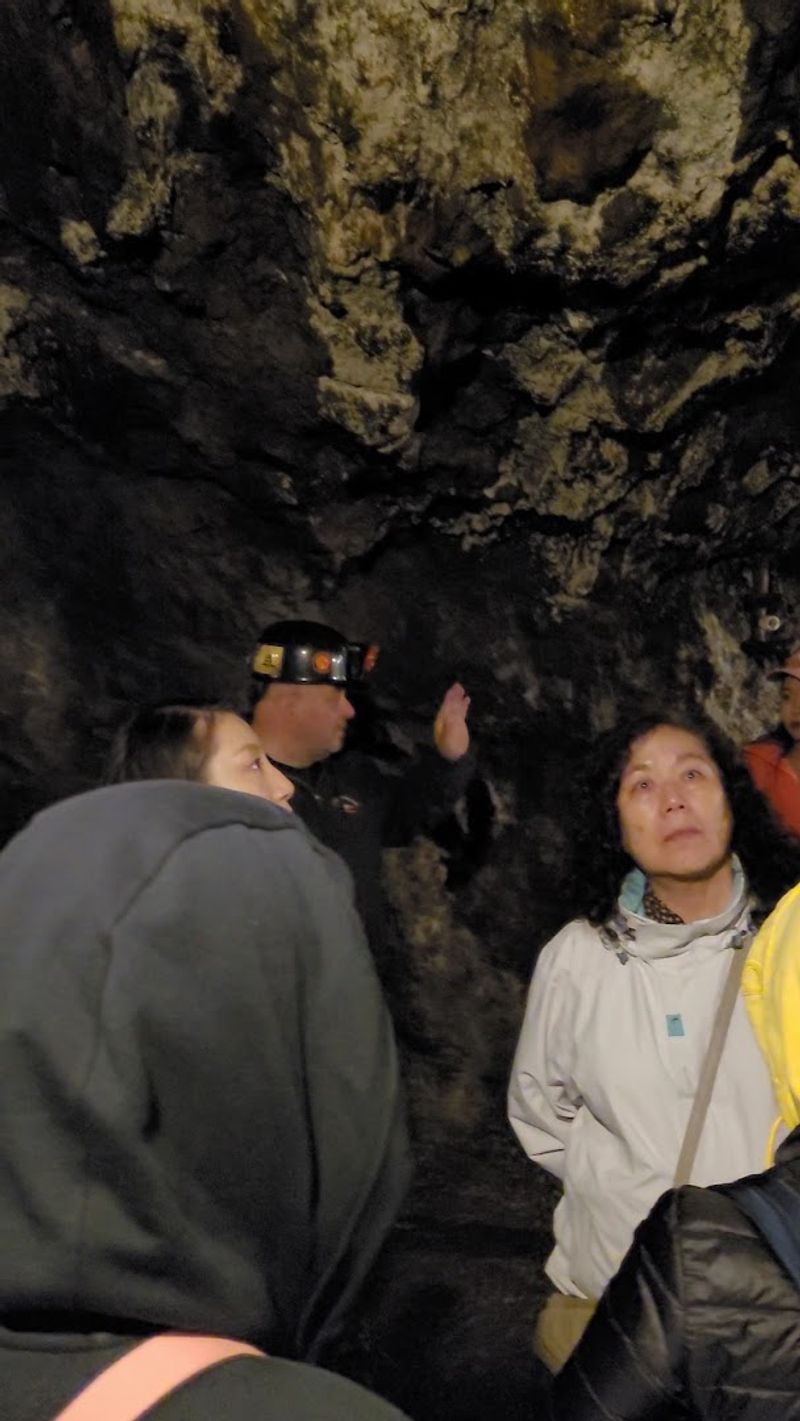
When you stand inside these tunnels today, you are standing in the same passages where thousands of miners spent their working lives, often starting as young boys. The rock walls around you were cut by hand and by blasting, not by modern machinery, and that fact becomes very real the moment you look up and realize just how much effort went into every inch of this place.
Riding the Mine Train Into the Mountain
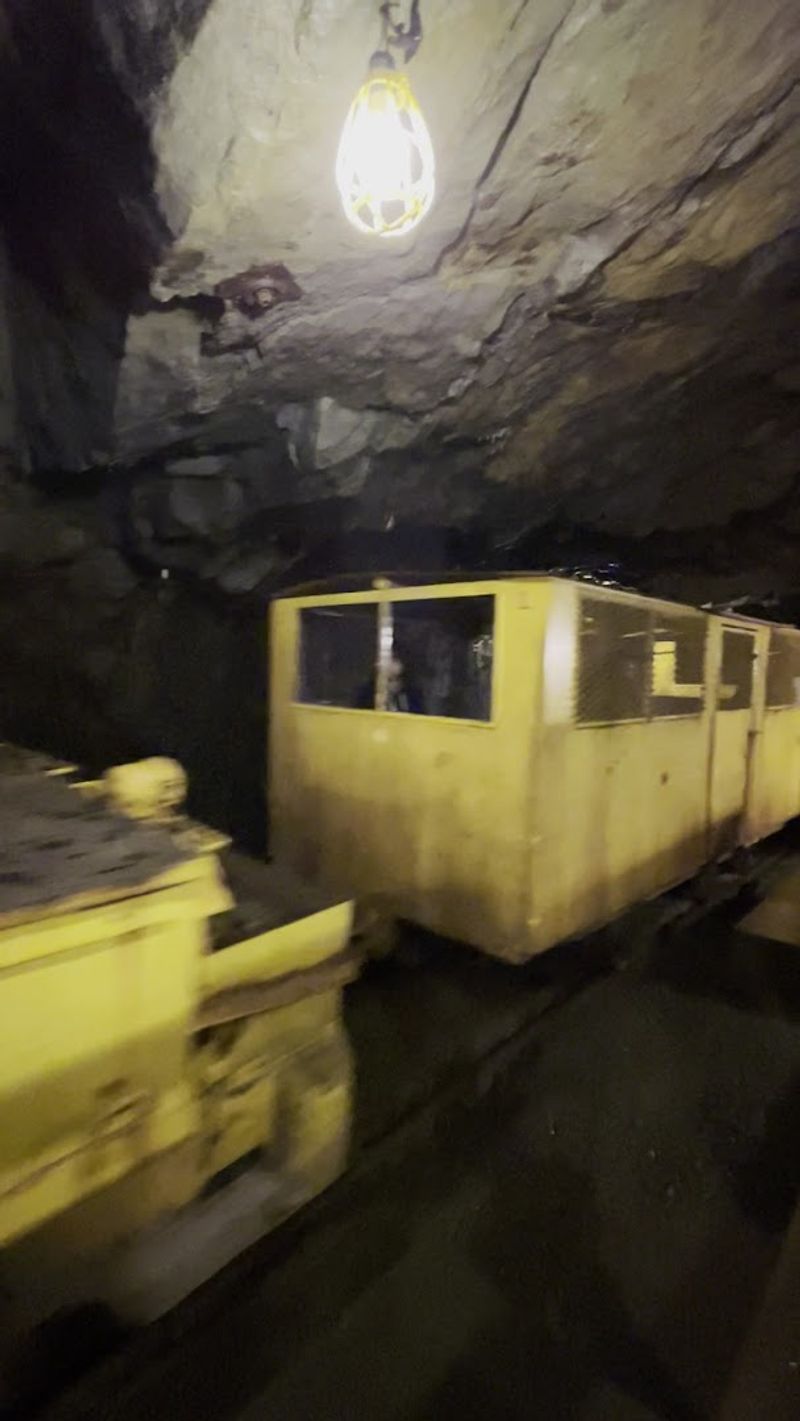
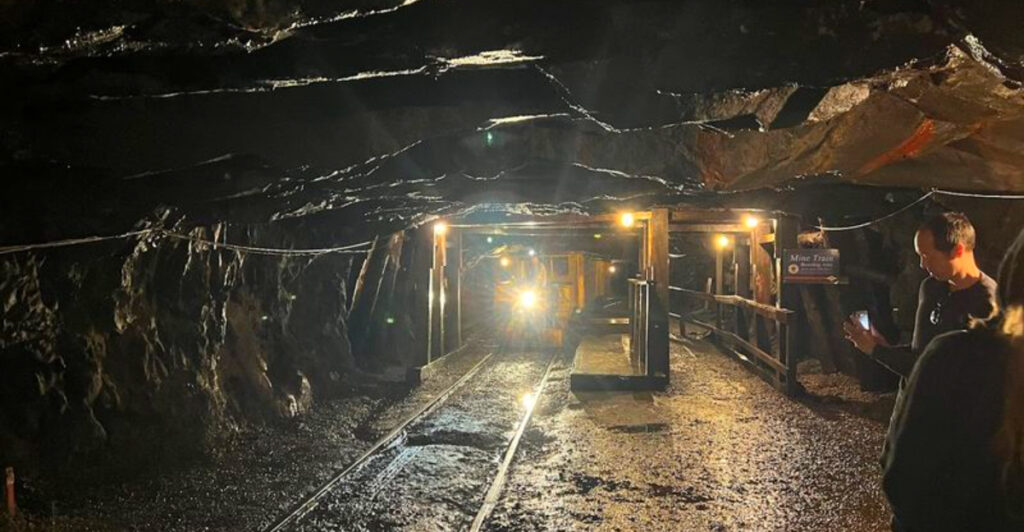
The tour begins with something most people have never done before: boarding an actual mine train and riding 1,600 feet into the side of a mountain. The train moves slowly and deliberately, and as the light from the entrance fades behind you, the temperature begins to drop and the walls of solid rock press in from every side.
That first ride sets the mood for everything that follows. There is no dramatic lighting or theatrical soundtrack.
The experience is straightforward and honest, which somehow makes it far more powerful than any polished attraction could be.
Once the train stops, your group begins a 600-foot guided walking tour through the tunnels on foot. The ceiling is low in places, the floor is uneven and often muddy, and water drips from above with surprising regularity.
Guides provide helmets and jackets before entry, and both are genuinely useful rather than just props. The whole underground experience lasts about an hour, and most visitors say it feels far too short.
What You Actually See Underground
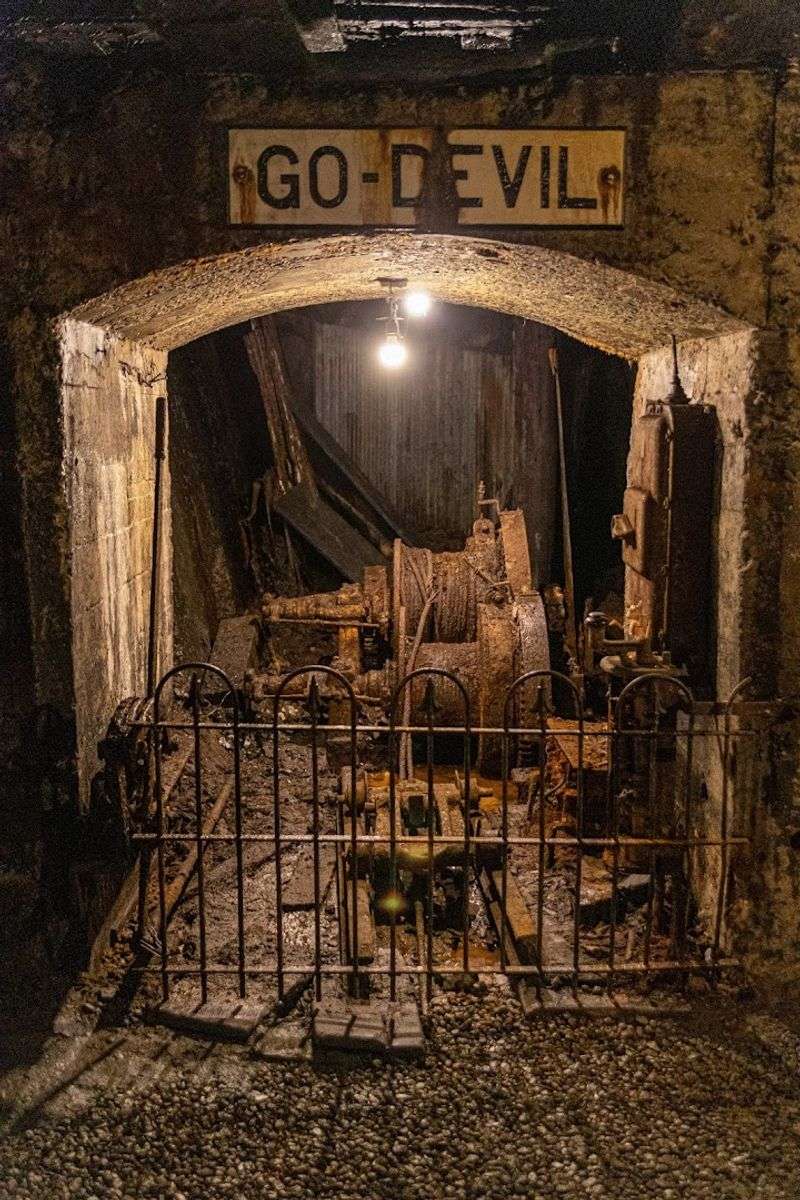
The walking portion of the tour is packed with things that are genuinely surprising, even for people who think they know what a coal mine looks like. The original 700-foot-deep mine shaft is visible and gives a sense of scale that no photograph can fully prepare you for.
Visitors also see the ‘Go Devil’ machine, which was used to transport coal and equipment through the tunnels, along with an original mine car and a display representing the mule tender boy, a reminder of just how young some of the workers were. The original mule way is still intact, preserved exactly as it was when working animals hauled coal through these passages every day.
The most striking feature of the underground tour is the mine hospital, a room carved entirely out of solid rock deep inside the mountain. The fact that a medical space was needed underground at all tells you something important about the conditions miners faced, and seeing it in person makes that history feel immediate and very personal.
The Constant 50-Degree Chill You Need to Prepare For
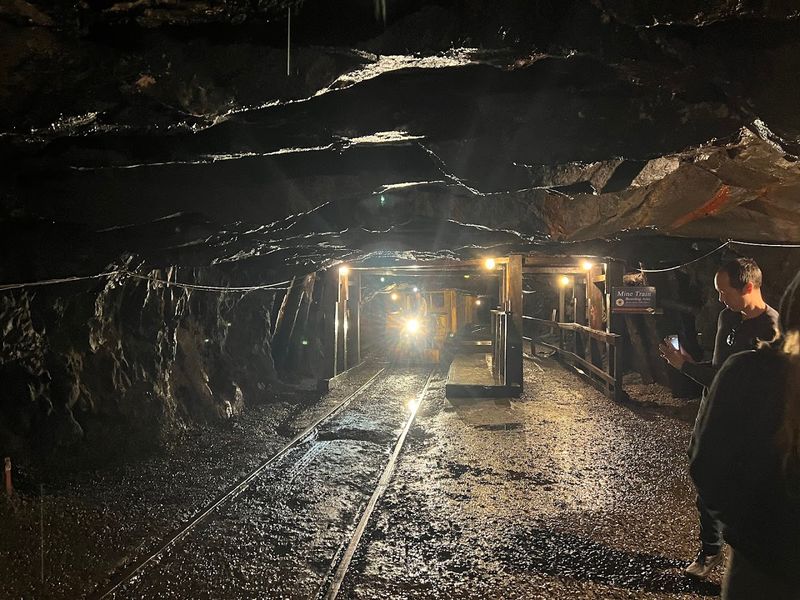
One detail that surprises almost every first-time visitor is just how cold it gets the moment you enter the mine. The temperature inside holds steady at around 50 degrees Fahrenheit year-round, which sounds mild until you factor in the dampness that saturates the air from the constant water seeping through the rock above you.
That combination of cold and damp is the kind that settles into your shoulders quickly, especially if you are wearing a t-shirt or a light summer top. The museum does provide jackets at the entrance, and the reviews are unanimous on this point: take the jacket, no matter what season you visit.
Helmets are also provided, and they serve a real purpose given the low ceilings in certain sections of the tunnel. Footwear matters too.
The floor gets muddy in stretches, and water drips from the ceiling throughout the tour. Closed-toe shoes or boots are strongly recommended, and anything you wear should be something you are comfortable getting a little dirty before the day is done.
The Guides Who Make the Whole Experience Come Alive
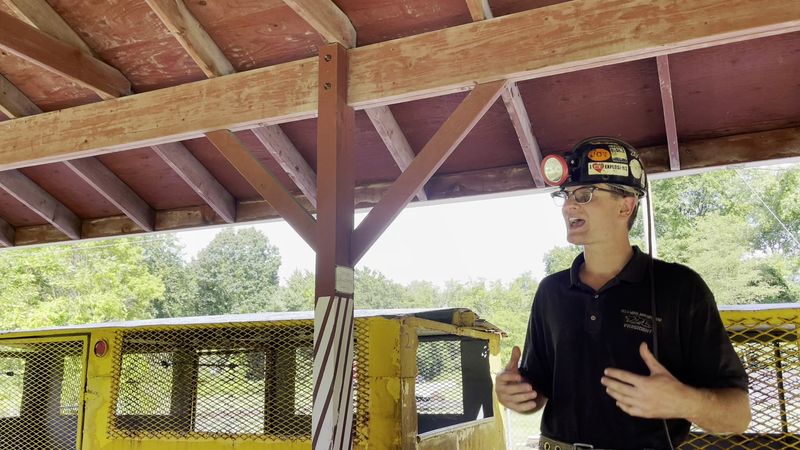
A great tour guide can turn a decent attraction into an unforgettable one, and the guides at No. 9 consistently do exactly that. Several of them come from coal mining families with roots going back multiple generations, which means their knowledge is not just textbook information but something lived and inherited.
One of the most frequently mentioned guides is a fifth-generation coal miner whose personal stories, combined with the history passed down through his family, give the tour a depth that no script could replicate. His ability to mix hard facts with humor keeps groups engaged from the first tunnel to the last.
Other guides bring their own distinct strengths to the tour, some with deep regional knowledge of Carbon County, others with a gift for explaining complex industrial history in ways that make sense to visitors of all ages. The guides genuinely seem to care about this place and its story, and that enthusiasm is contagious.
After the tour ends, most visitors wish the tunnels went on just a little longer.
The Above-Ground Museum and What It Holds
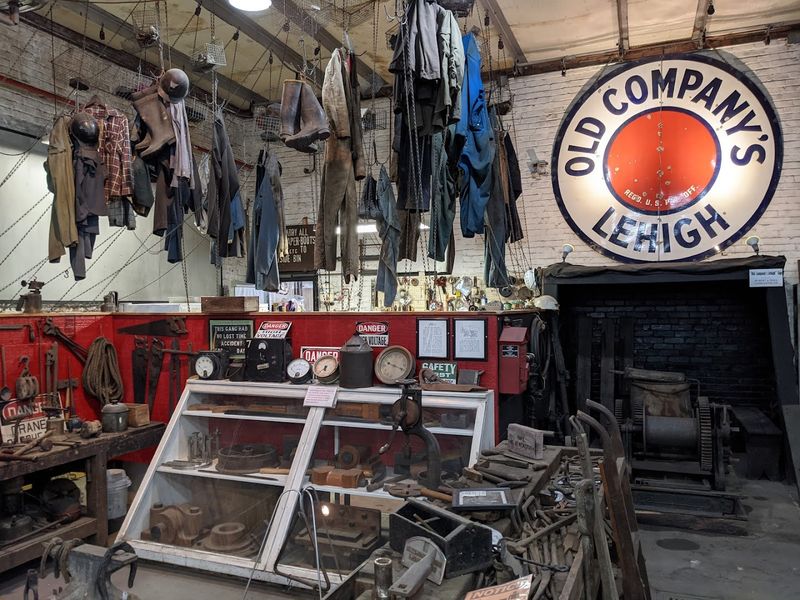
Before or after the underground tour, the above-ground museum deserves plenty of time on its own. Housed inside the original wash shanty building, which dates to either 1912 or 1923 depending on the source, the museum holds one of the largest collections of coal mining artifacts in the entire region.
The exhibits include hand tools used by generations of miners, blasting equipment, lamps, safety gear, and a wide collection of historical photographs that show the mine and its workers as they actually were during the peak years of operation. These photos are not glamorous.
They show hard, grimy, often dangerous work, and they do not shy away from the difficult truths of mining life.
The museum also covers topics like child labor, the physical dangers miners faced daily, and the economic systems that kept many workers in difficult conditions for their entire careers. The admission ticket covers both the museum and the underground tour together, making the full experience an exceptional value for the amount of history packed into a single visit.
The Dark History the Mine Does Not Hide
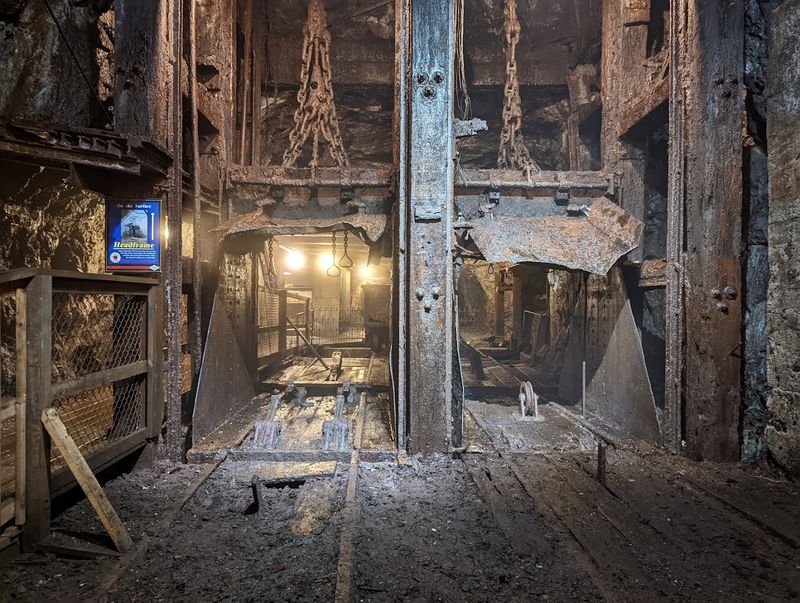
Not every chapter of this mine’s story is easy to hear, and the museum and tour do not pretend otherwise. Coal mining in the anthracite region of Pennsylvania was one of the most hazardous occupations of the industrial era, and the workers who kept these mines running paid a significant price for the fuel that heated homes and powered factories across the country.
Child labor was common in the coal industry well into the early twentieth century. Young boys worked as breaker boys, sorting coal by hand for hours each day, and as mule tender boys underground, guiding animals through dark tunnels.
The tour acknowledges this history directly, and seeing the mule tender display inside the mine gives that fact a weight that reading about it in a textbook simply cannot match.
The museum also explains the economic pressures that kept many miners and their families in a cycle of debt and dependency. This is history presented without softening, and it makes the experience genuinely educational rather than simply entertaining.
Visitors leave with a much fuller picture of what the coal era actually meant for the people who lived it.
Planning Your Visit: Hours, Tickets, and Practical Tips
The museum operates from April through November, and the current hours run Wednesday through Sunday from 10 AM to 4 PM. The site is closed on Mondays and Tuesdays.
Tours run hourly starting at 11 AM, with the last tour of the day departing at 3 PM, so arriving early gives you the most flexibility with your schedule.
Parking is free and available on-site, which is a detail worth appreciating, especially for families with young children or larger groups. The admission price covers both the above-ground museum and the underground tour together, and the general consensus among visitors is that it is a bargain for the amount of time and content you receive.
The phone number for the museum is 570-645-7074, and more information is available at www.no9coalmine.com. The address is 9 Dock Street, Lansford, Pennsylvania 18232.
A gift shop on the grounds sells souvenirs and snacks, and restrooms are available on-site, making this a comfortable stop for visitors of all ages and mobility levels.
Why Families and School Groups Keep Coming Back
There is something about a real mine train ride that captures a child’s attention in a way that a classroom lesson simply cannot. The combination of the train, the tunnels, the rock, and the stories creates a sensory experience that tends to stick with young visitors long after the visit ends.
Teachers and scout troop leaders have brought groups here for years, drawn by the educational depth of the tour and the way guides adjust their presentation to suit different audiences. The history of child labor, industrial safety, and regional economics gives educators plenty of material to work with before and after the visit.
Parents report that even children who were not particularly interested in history beforehand came away genuinely curious and full of questions. The mine tour also works beautifully for multi-generational family trips, where grandparents, parents, and kids can all experience something new together.
A ten-year-old who has ridden a mine train into the earth has a story to tell his classmates that none of them will be able to top.
A Destination Worth the Drive From Anywhere in the Region
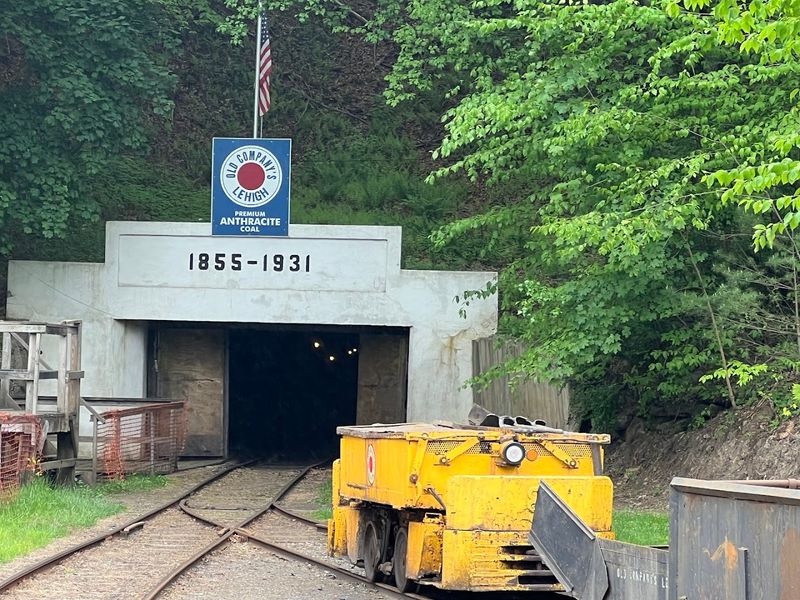
Carbon County is not always the first destination that comes to mind when planning a Pennsylvania road trip, but the No. 9 Coal Mine and Museum gives visitors a compelling reason to make the drive. The surrounding Panther Creek Valley is scenic and quiet, and Lansford itself has the kind of small-town character that feels genuinely unhurried.
The mine draws visitors from across the Northeast and beyond, including families from neighboring states who combine the stop with other regional attractions in the area. The experience works just as well for a solo history enthusiast as it does for a group of twenty.
The 4.8-star rating across more than 800 reviews reflects something consistent: people leave here satisfied, and many come back a second time with friends or family members who missed the first trip.
Whether you are a Pennsylvania native who has driven past the signs for years without stopping, or a traveler passing through Carbon County for the first time, this is the kind of place that earns a spot on your permanent list of places worth returning to.
Share this story