 Unearth The Voyage
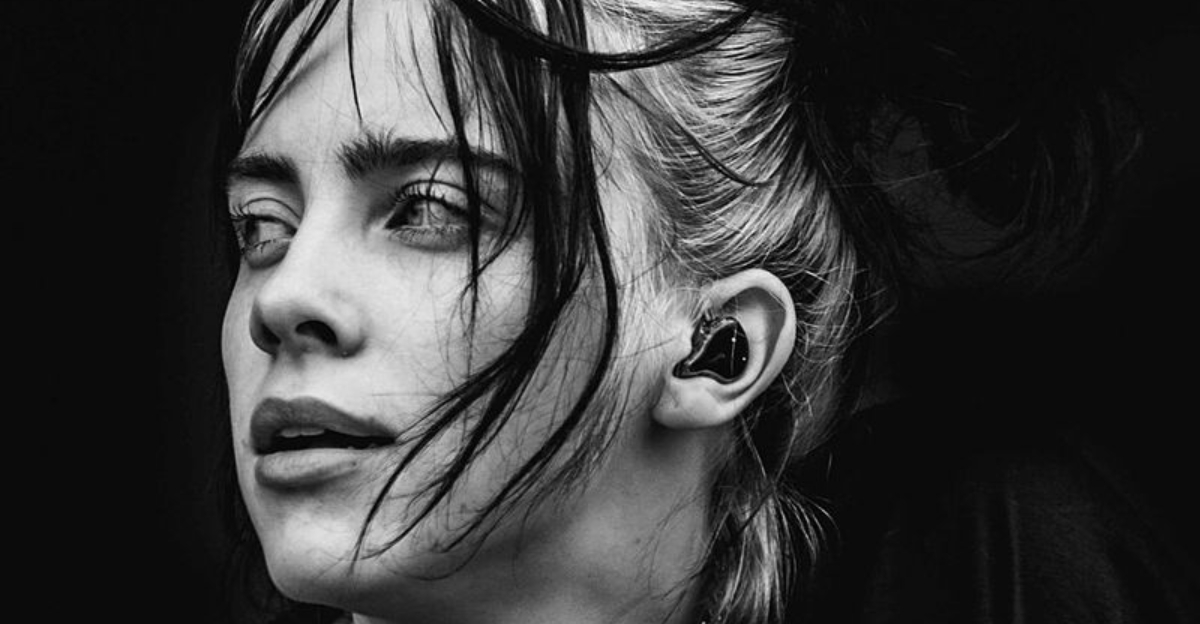
Every few months, someone on the internet asks the question that makes everyone pause: which celebrities just don’t deserve all the attention they get? The responses are always fascinating, sometimes controversial, and occasionally surprising.
From pop stars to action heroes, people are speaking up about the famous faces they simply don’t understand the fuss over. Here are 15 celebrities that keep coming up in those conversations, along with a fair look at why opinions are so divided.
1. Taylor Swift
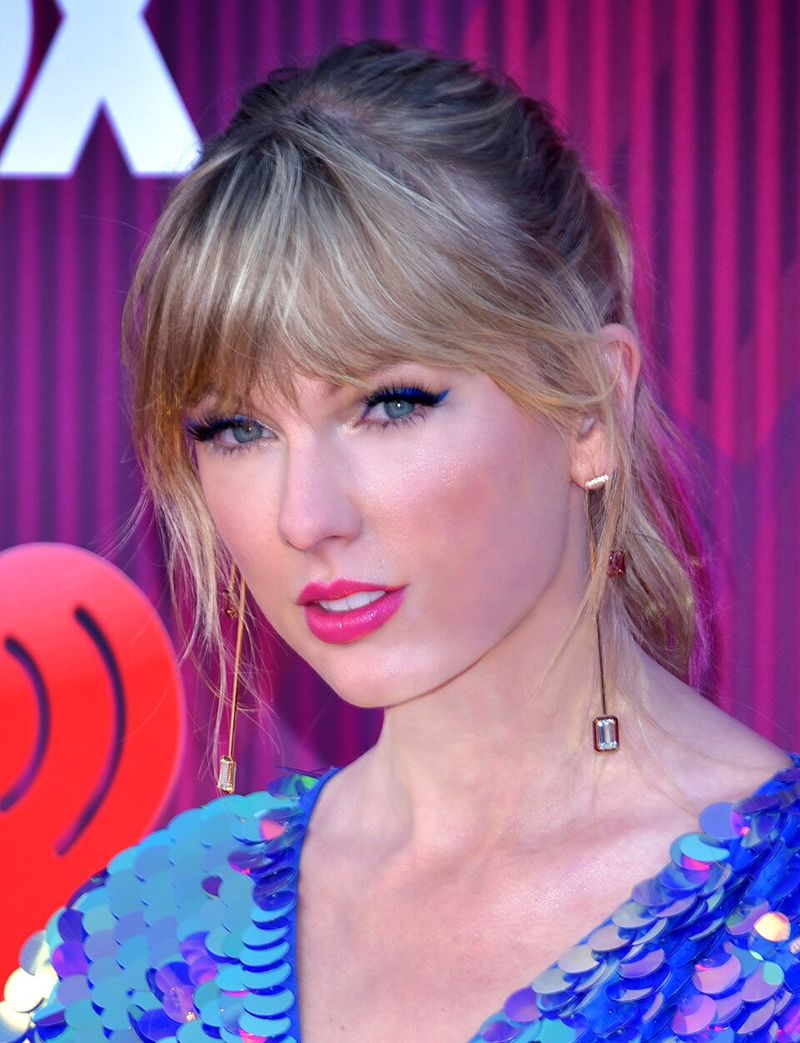
Few artists in modern music history have reached the cultural level of Taylor Swift. Her Eras Tour broke records, her albums dominate charts, and her fan base, the Swifties, are fiercely loyal.
So why do some people just not get it?
Critics argue that her music, while polished and emotionally accessible, rarely pushes creative boundaries. Compared to artists who experiment with sound or challenge social norms, Swift can feel more like a reliable formula than a revolutionary force.
Some listeners also feel the media saturation around her personal life overshadows her actual artistry.
Still, dismissing her entirely would be unfair. She writes her own songs, owns her narrative, and has built a business empire most artists can only dream of.
Whether or not you love her music, her cultural impact is hard to argue with. The debate, though, remains very much alive.
2. Timothee Chalamet
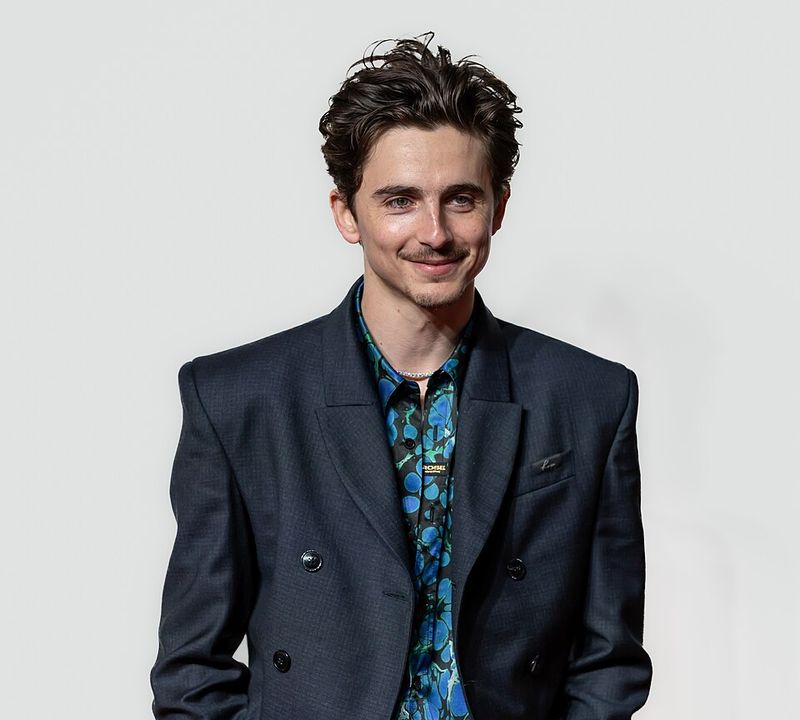
Walk into any conversation about young Hollywood actors and Timothee Chalamet’s name will come up within minutes. He earned early praise for films like Call Me by Your Name and Little Women, and his fashion choices have made him a red carpet fixture.
But not everyone is sold.
Some critics argue that his “brooding intellectual” persona has started to feel like a brand rather than genuine range. Roles in Dune and Wonka showed he can carry a blockbuster, yet detractors say he often plays slight variations of the same sensitive, soft-spoken character.
His heartthrob status, they suggest, sometimes overshadows an honest evaluation of his actual acting depth.
Supporters fire back that he is still young and his best work is likely ahead. Either way, the gap between his critical praise and public skepticism is real, and it makes for a genuinely interesting debate about what we value in young talent.
3. The Kardashian Family
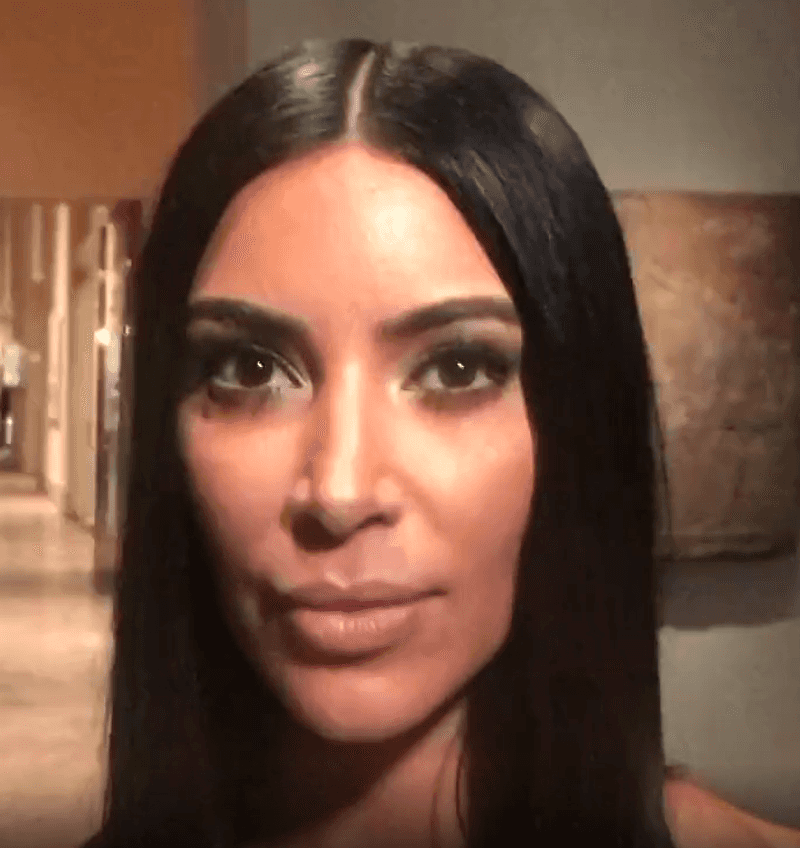
Love them or not, the Kardashians have built one of the most recognizable brands in entertainment history. Kim, Kylie, Khloe, and the rest of the family have turned reality television into a multi-billion-dollar empire spanning beauty, fashion, and social media influence.
Yet the criticism has followed them just as closely as the cameras. Many people genuinely struggle to identify a specific talent or skill that justifies their level of fame.
The common argument is that their celebrity was built on proximity to other famous people and a willingness to share every detail of their personal lives on screen.
What often gets overlooked is how strategically they have managed their public image and business ventures. Whether that qualifies as a talent is where opinions split.
They turned visibility into a career path, and millions of people followed along. That alone says something significant about modern celebrity culture and what audiences reward.
4. Dwayne Johnson
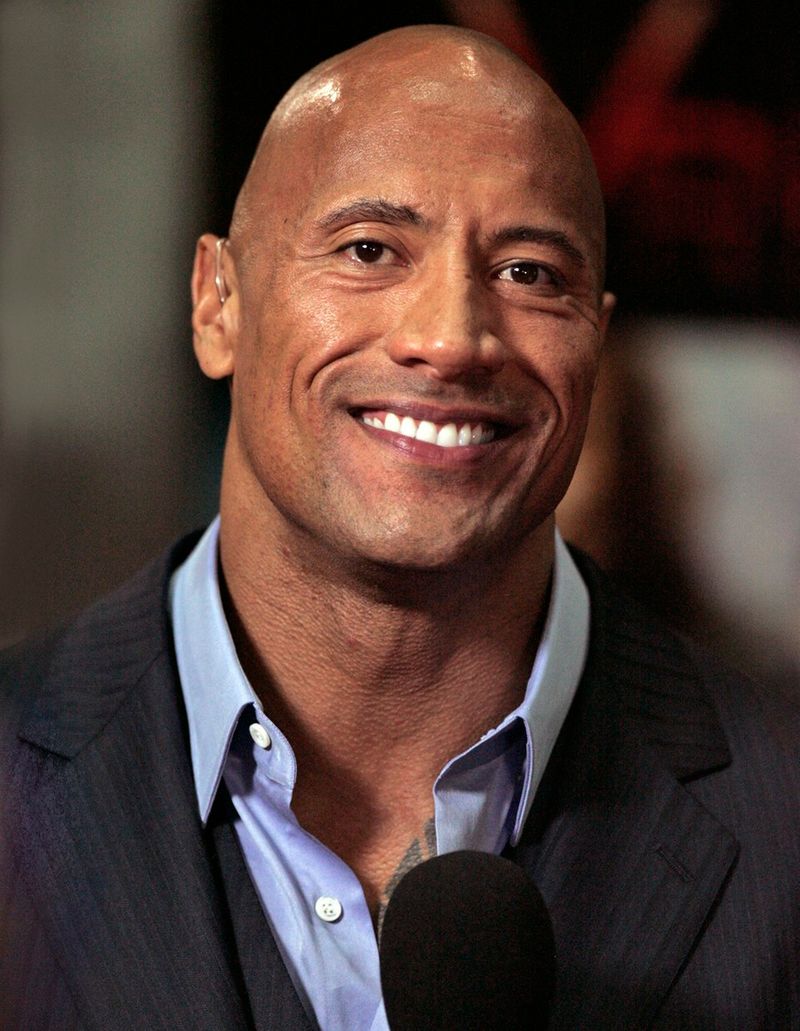
Dwayne “The Rock” Johnson has one of the most likable public personas in Hollywood. He posts motivational content, shows up to fan events with genuine energy, and seems to genuinely enjoy his work.
His box office numbers are consistently strong, which is why studios keep casting him.
The critique, though, is hard to ignore once you notice it. Look at his filmography and a pattern emerges: the confident, wisecracking, physically unstoppable hero who always comes out on top.
Whether it is a Fast and Furious sequel, Jumanji, or Black Adam, the character feels remarkably similar. Some moviegoers argue he is more of a personality than an actor.
To be fair, charisma is genuinely rare, and Johnson has it in abundance. Not every actor needs to win an Oscar to be valuable.
But if you are someone who craves versatility and emotional range from your leading men, his resume might leave you wanting more.
5. Zendaya
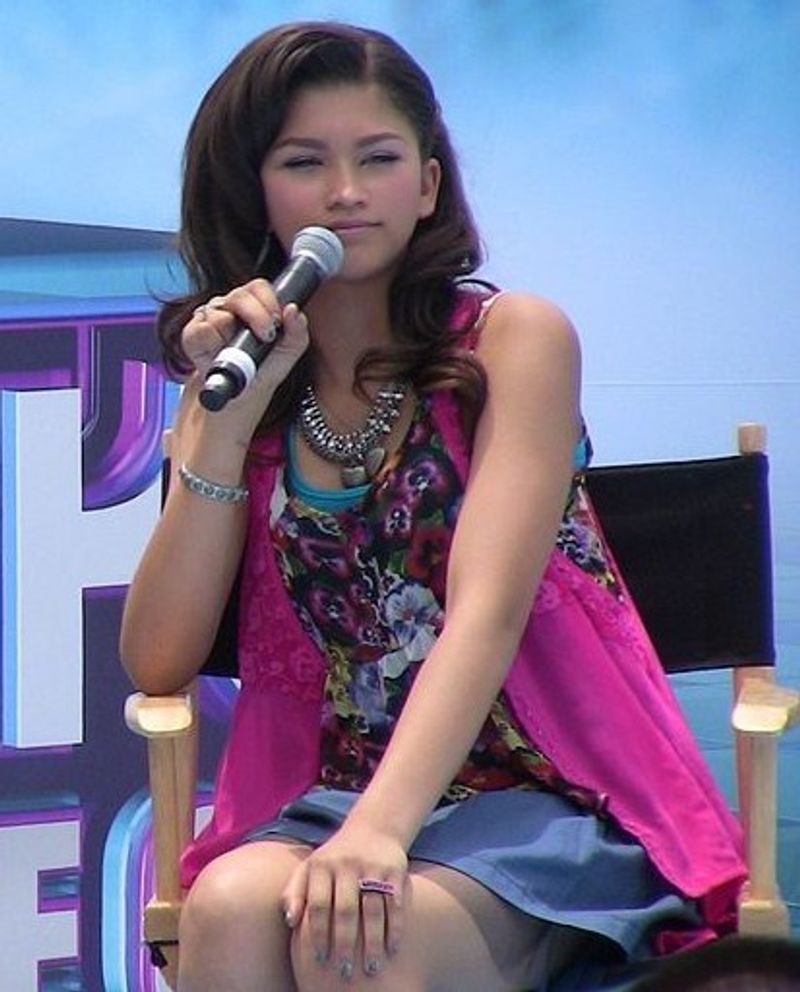
Zendaya has been called the defining star of her generation, and the credentials back it up to a point. Her Emmy-winning performance in Euphoria was genuinely powerful, and her fashion presence is consistently celebrated by critics and designers alike.
The praise around her is constant and enthusiastic.
Still, a portion of the public quietly wonders if the “next-gen superstar” label arrived a little early. Her film roles, outside of the Spider-Man universe and Dune, have been limited.
Some viewers feel her dramatic acting is strong but not yet at the level that justifies the near-universal worship she receives from entertainment media.
What makes the debate interesting is that most skeptics are not saying she is untalented. The conversation is more about pacing and whether the hype machine got ahead of the actual body of work.
She may well grow into every bit of the praise. For now, the jury is still deliberating among casual fans.
6. Pete Davidson
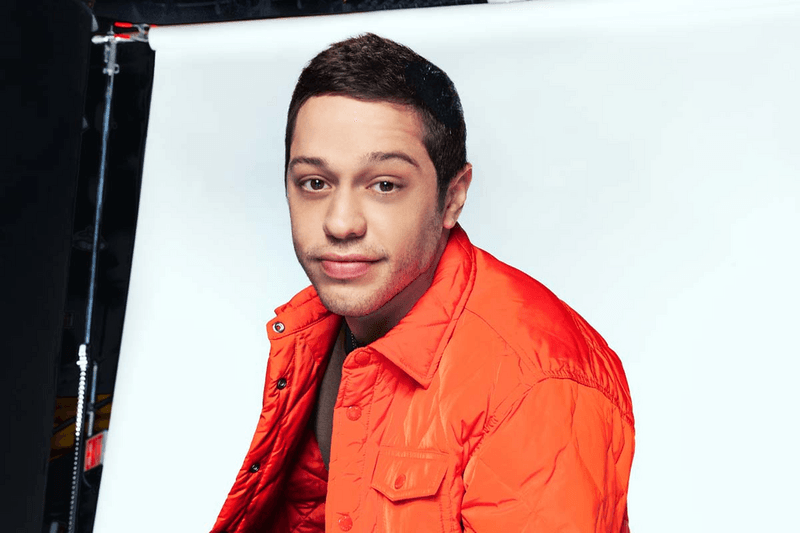
Pete Davidson might be the most puzzling entry on this list for a large portion of the public. His Saturday Night Live tenure made him a recognizable name, but his comedy style, dry, self-deprecating, and deliberately awkward, does not land for everyone.
Yet tabloids cover him relentlessly.
A significant part of his fame comes from his dating history, which has included some of the most famous women in the world. Critics argue that without those high-profile relationships, Davidson would be a moderately successful comedian rather than a household name.
His stand-up specials have received mixed reviews, and his film work has been uneven.
Supporters point out that his openness about mental health struggles has resonated with younger audiences in a meaningful way. He speaks candidly about topics many people avoid, and that honesty has earned him genuine loyalty.
Whether that makes him worthy of celebrity-level attention is, fairly or not, still a matter of heated public opinion.
7. Jennifer Lopez
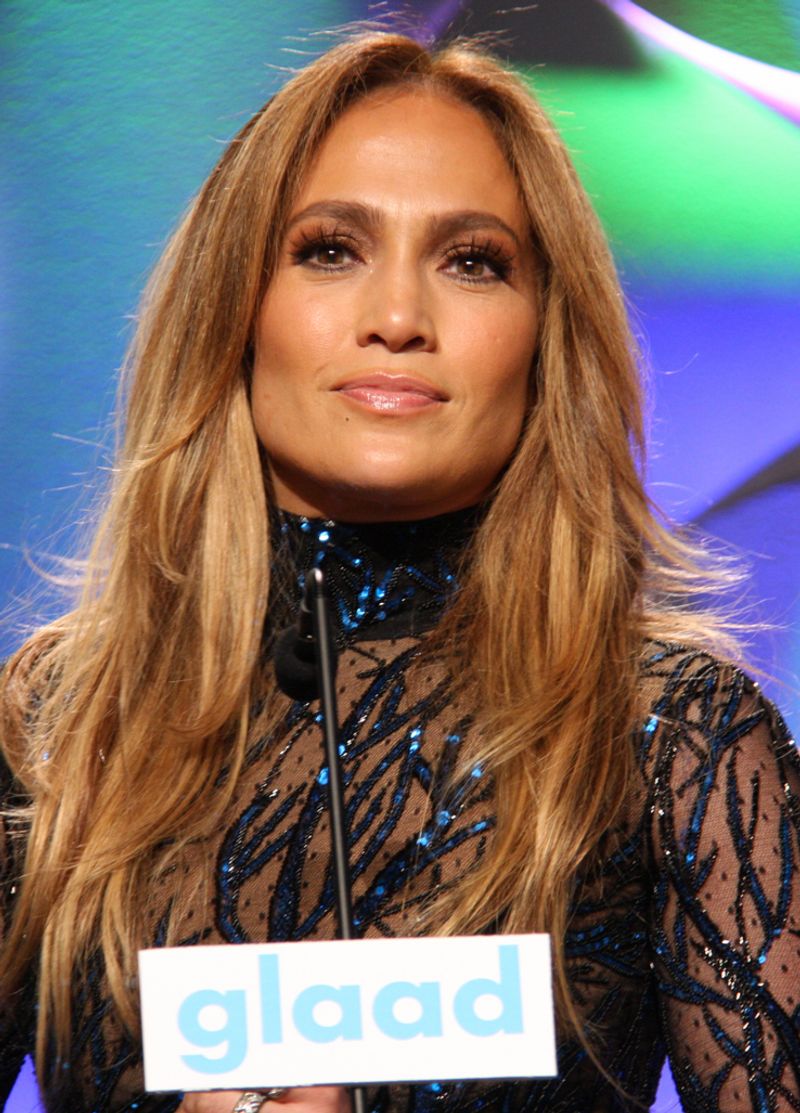
Jennifer Lopez has been famous for roughly three decades, which is an achievement very few entertainers can match. She has had hit songs, blockbuster films, a fashion line, a perfume empire, and a Super Bowl halftime show.
By almost any measure, she has earned her place in pop culture history.
The skepticism, however, is persistent. Critics have long argued that her vocal range is modest compared to the divas she is often grouped with, and her acting performances, while occasionally strong, have been inconsistent across her career.
Some feel her level of fame reflects exceptional marketing and personal branding more than raw artistic talent.
What Lopez undeniably has is star power, an almost magnetic quality that makes people pay attention. That is genuinely rare and genuinely valuable in entertainment.
But for those who evaluate celebrities purely on craft, the gap between her reputation and her artistic output has always felt like a conversation worth having openly.
8. Ryan Reynolds
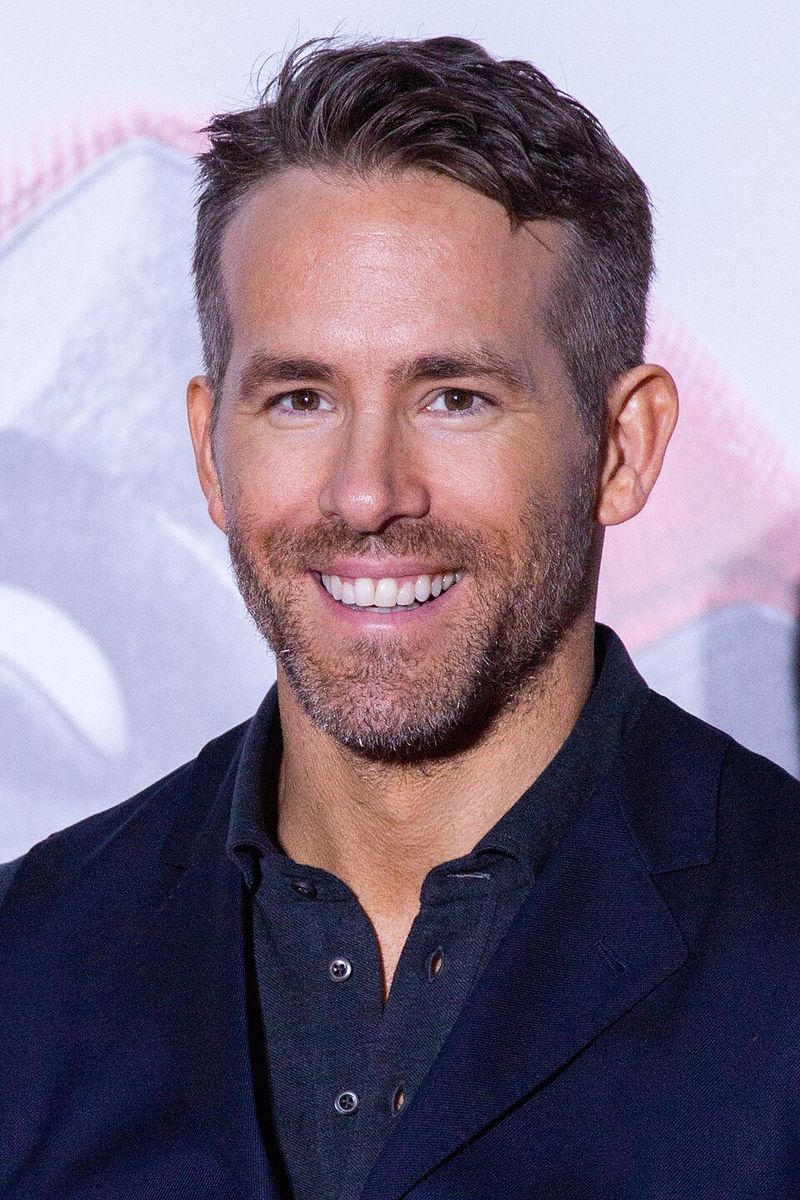
Ryan Reynolds has built a brand so effective that it almost feels like a marketing case study. Deadpool made him a superhero franchise star, his Aviation Gin and Wrexham AFC ventures showed genuine business savvy, and his social media presence is reliably entertaining.
People genuinely like him.
The criticism that follows him, though, is pretty specific: he plays the same character in almost everything. The fast-talking, self-aware, sarcastically charming guy shows up whether he is in a superhero film, a romantic comedy, or a holiday special.
Some moviegoers argue that is less acting and more just being Ryan Reynolds in different costumes.
It is a fair point, even if it does not make him less watchable. Plenty of beloved actors have built careers on a consistent persona.
The question is whether that qualifies as versatility or simply clever typecasting. For casual viewers, the answer might not matter much at all, but film enthusiasts tend to notice.
9. Harry Styles
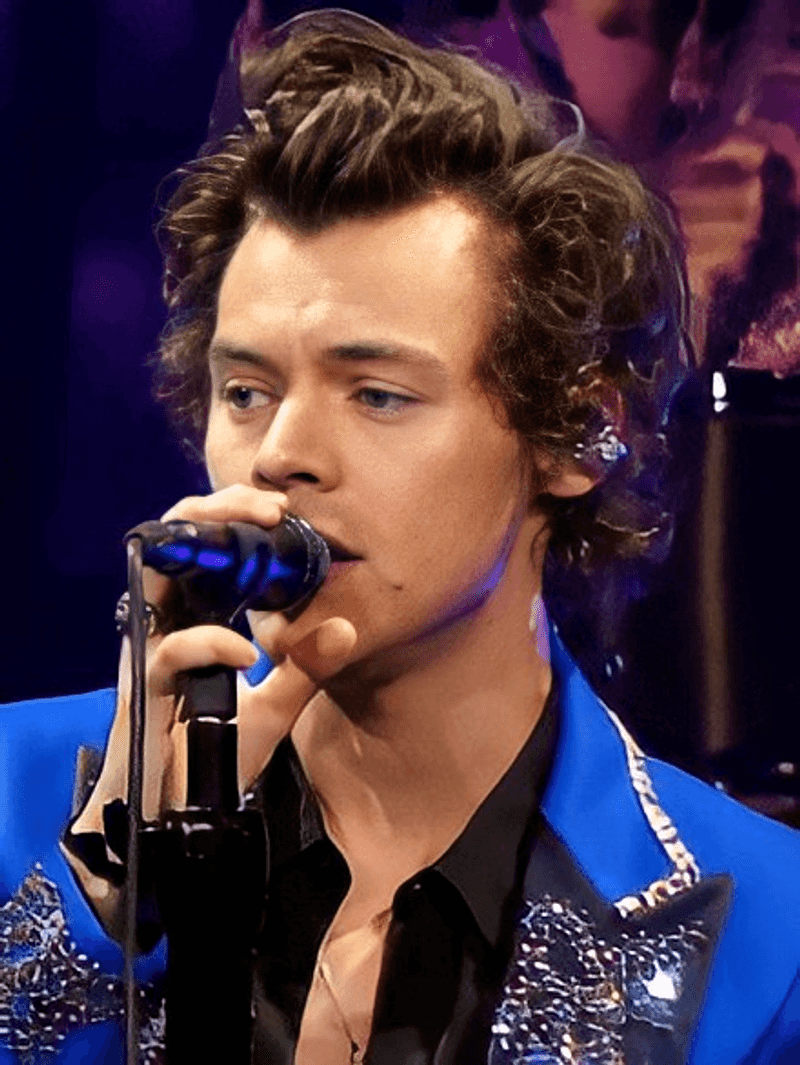
Harry Styles went from One Direction heartthrob to critically praised solo artist seemingly overnight, and the fashion world embraced him as one of its own. His concerts sell out in minutes, his album Harry’s House won a Grammy, and his personal style is endlessly analyzed.
The devotion around him is intense.
Yet a vocal group of music fans argues that the praise does not quite match the product. His music is pleasant and well-produced, they say, but rarely challenging or innovative.
Compared to artists who are genuinely redefining pop or rock, Styles feels more like a polished retro act than a groundbreaking one. His acting in Don’t Worry Darling received mixed reviews at best.
What he clearly has is an exceptional connection with his audience, and that emotional bond is not something to dismiss lightly. Music does not have to be avant-garde to be meaningful.
Still, the gap between his critical elevation and his actual sonic output keeps the debate simmering among music lovers.
10. Gal Gadot
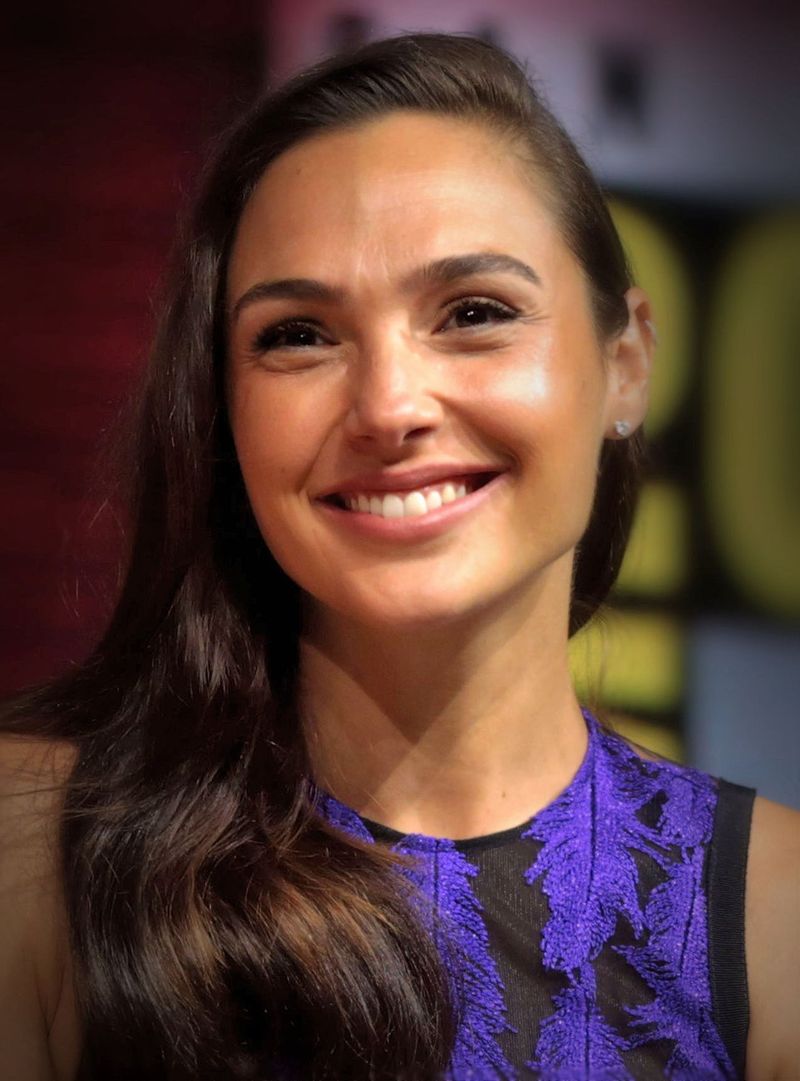
Gal Gadot became a global superstar almost overnight when Wonder Woman arrived in 2017. The film was a cultural moment, and her presence in the role felt both powerful and fresh.
She became a symbol of female-led superhero cinema at a time when that conversation mattered enormously.
Since then, though, questions about her acting range have grown louder. Critics pointed to her performances in Red Notice and Heart of Stone as evidence that outside of the Wonder Woman armor, her screen presence can feel flat.
Some reviewers have noted that her delivery is often stiff and that emotional scenes do not always land with the intended weight.
Her supporters argue that charisma and physical presence matter in blockbuster filmmaking, and that she excels in those areas. That is a legitimate point.
But for viewers who look beyond spectacle to character depth, the conversation about whether her fame reflects genuine acting ability or simply excellent casting remains an open one worth exploring.
11. Billie Eilish
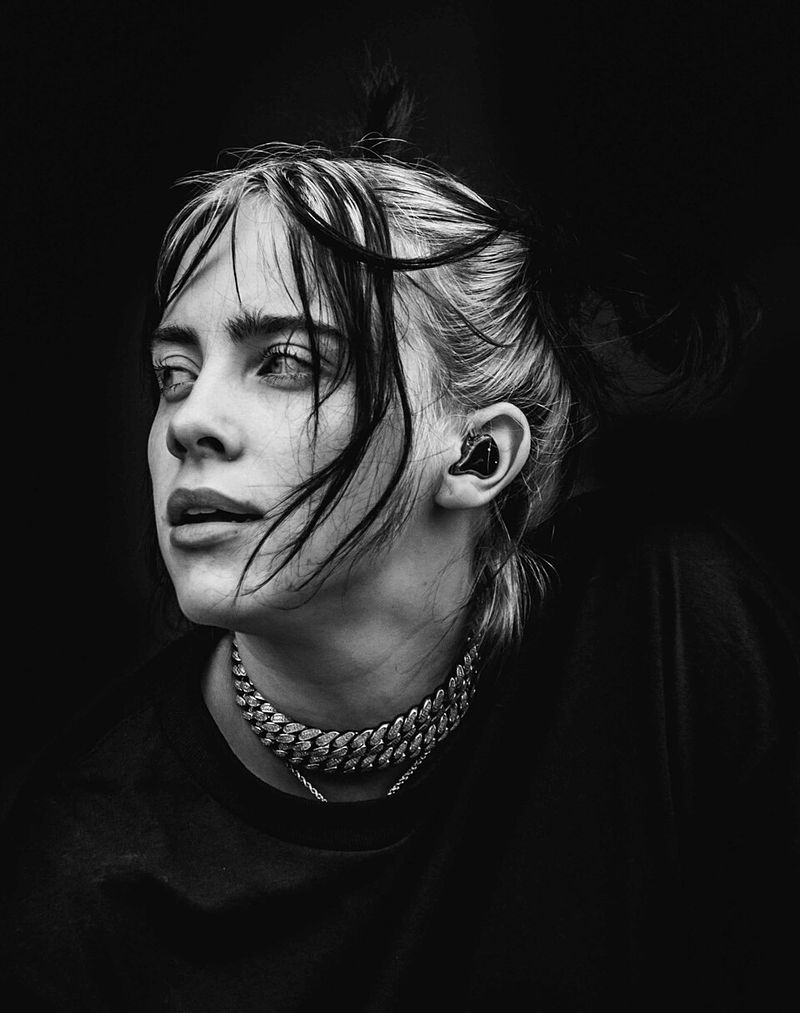
Billie Eilish arrived on the music scene as a teenager and immediately felt like something genuinely different. Her debut album When We All Fall Asleep, Where Do We Go? was eerie, minimalist, and emotionally raw in a way that stood out sharply from mainstream pop.
Grammy voters agreed, and she became the youngest artist to win the four major awards in a single year.
Despite those credentials, not everyone connects with her work. Some listeners find her vocal style, breathy and understated, more affectation than artistry.
Others feel her persona, dark aesthetics, oversized fashion, and introspective lyrics, can lean toward performance rather than genuine expression. Her later work has also divided fans who loved her earlier sound.
None of that erases her genuine influence on a generation of young listeners who found something in her music they could not find elsewhere. But art is personal, and for those outside her core audience, the massive critical praise can feel disproportionate to the listening experience she actually delivers.
12. Chris Pratt
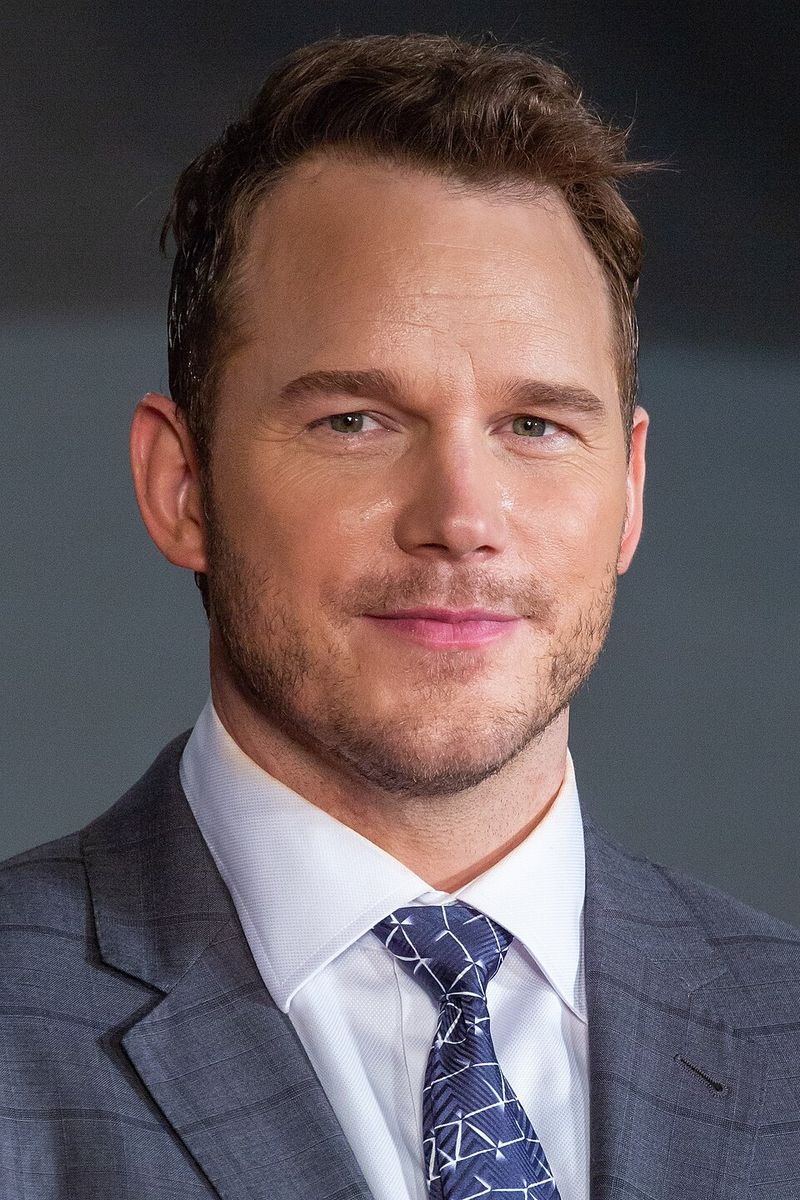
Chris Pratt had one of Hollywood’s most beloved glow-ups. He went from lovable goofball Andy Dwyer on Parks and Recreation to action star in Guardians of the Galaxy and the Jurassic World franchise within just a couple of years.
For a while, he seemed like the most likable man in Hollywood.
The shine has dulled somewhat for a portion of his audience. Critics argue that his performances, charming as they are, rarely show emotional depth or dramatic range.
Casting him as the lead in The Super Mario Bros. Movie sparked particular debate, with many feeling his voice acting was the blandest part of the film.
Some fans also feel his public persona has shifted in ways they find less appealing.
He remains a bankable star who clearly resonates with broad audiences, and that is no small thing in a competitive industry. But for viewers who want their action heroes to bring more complexity to the screen, Pratt can feel like a likable placeholder rather than a genuinely compelling lead actor.
13. Selena Gomez
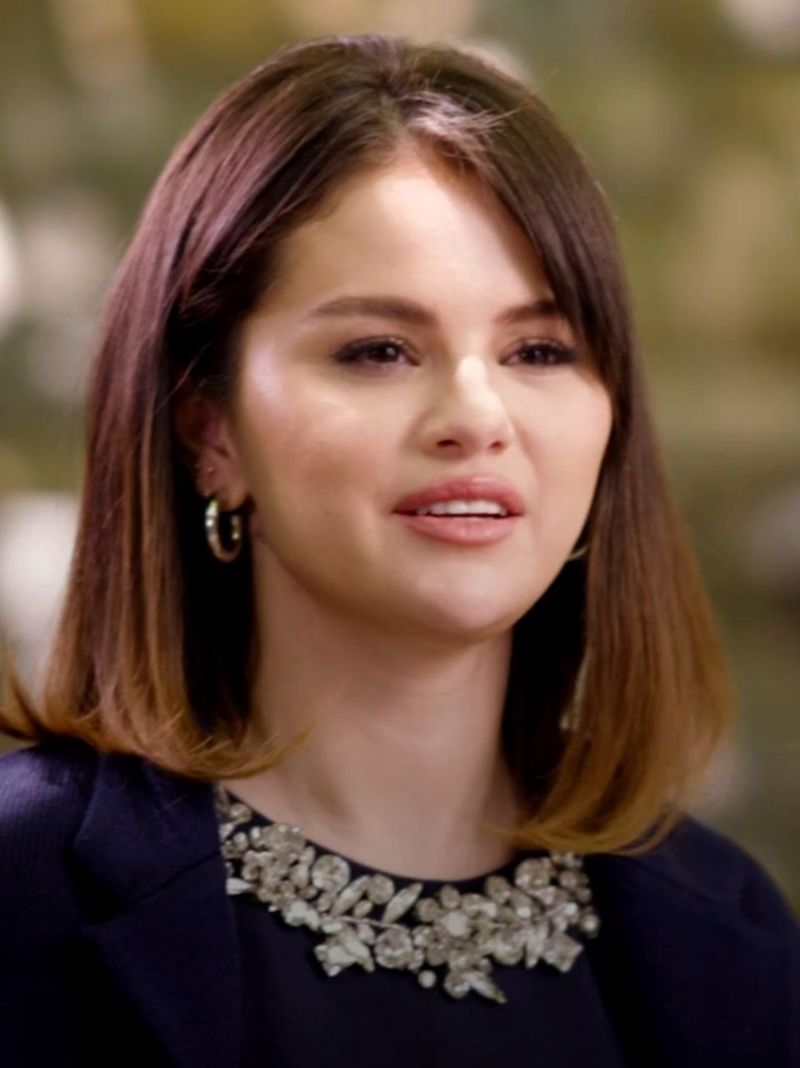
Selena Gomez has navigated a very public life with a level of grace that many celebrities struggle to maintain. Her openness about her health battles, including lupus and a kidney transplant, has earned her enormous goodwill and genuine respect from fans around the world.
Her beauty brand Rare Beauty has also been a legitimate business success.
Where the skepticism tends to surface is in her creative work. Critics have long argued that her vocal range is limited compared to the pop stars she shares chart space with, and her acting, while improving, has not consistently delivered standout performances.
Some feel her fame relies more on her personal narrative and social media presence than on artistic output.
Her supporters counter that resilience and authenticity are underrated qualities in celebrity culture. That is a fair argument.
Still, for those who measure fame by craft alone, the gap between Gomez’s cultural footprint and her creative resume makes her a natural entry on this kind of list.
14. Tom Holland
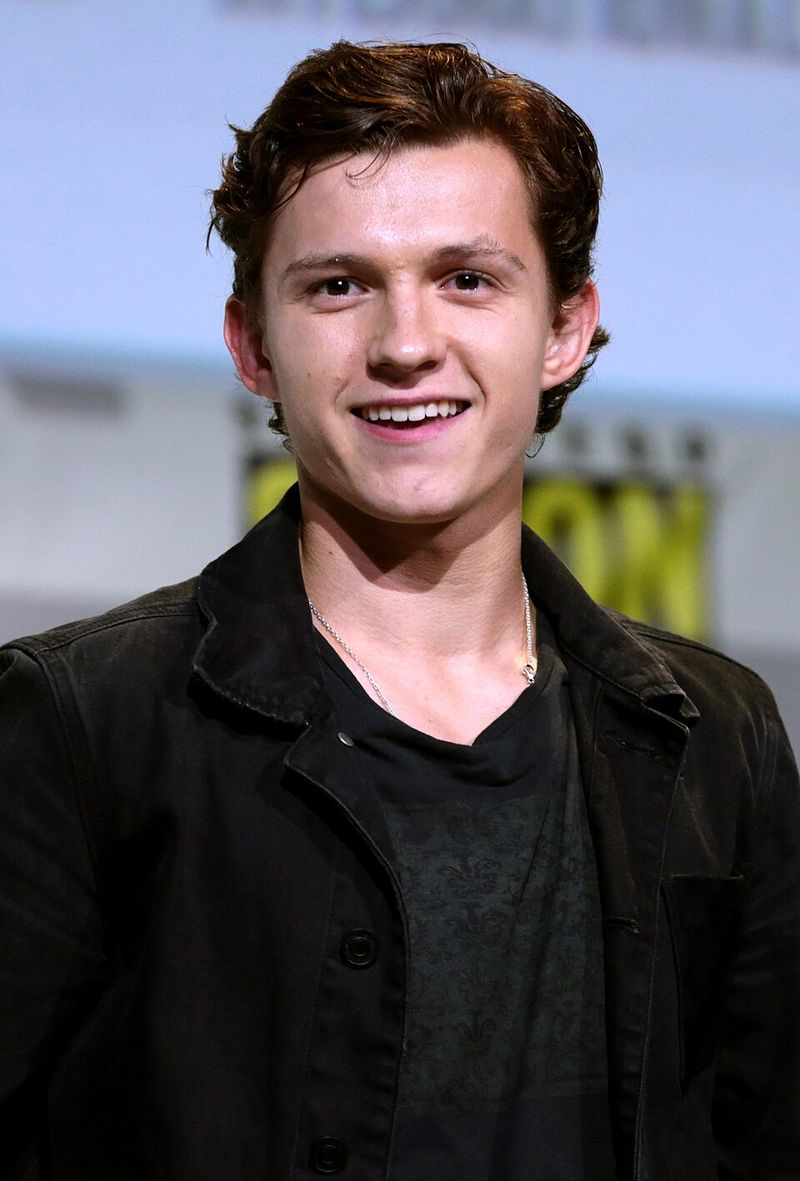
Tom Holland’s Spider-Man is genuinely beloved, and for good reason. He brought a youthful, nervous energy to Peter Parker that felt more faithful to the comics than any previous version.
His chemistry with the rest of the MCU cast was natural, and his Spider-Man trilogy performed exceptionally well at the box office.
The question some viewers raise is whether that success belongs mostly to Holland or to the Marvel machine behind him. Outside the MCU, his track record is thinner.
Cherry and The Devil All the Time showed he could handle darker material, but neither film made a significant cultural splash. Some fans wonder how his career would look without the Spider-Man suit carrying so much weight.
That is a tough standard to apply, since very few actors would look impressive without a major franchise behind them. But it is a reasonable thing to wonder about a performer whose biggest fans sometimes struggle to name a non-Marvel performance they genuinely admire on its own terms.
15. Megan Fox
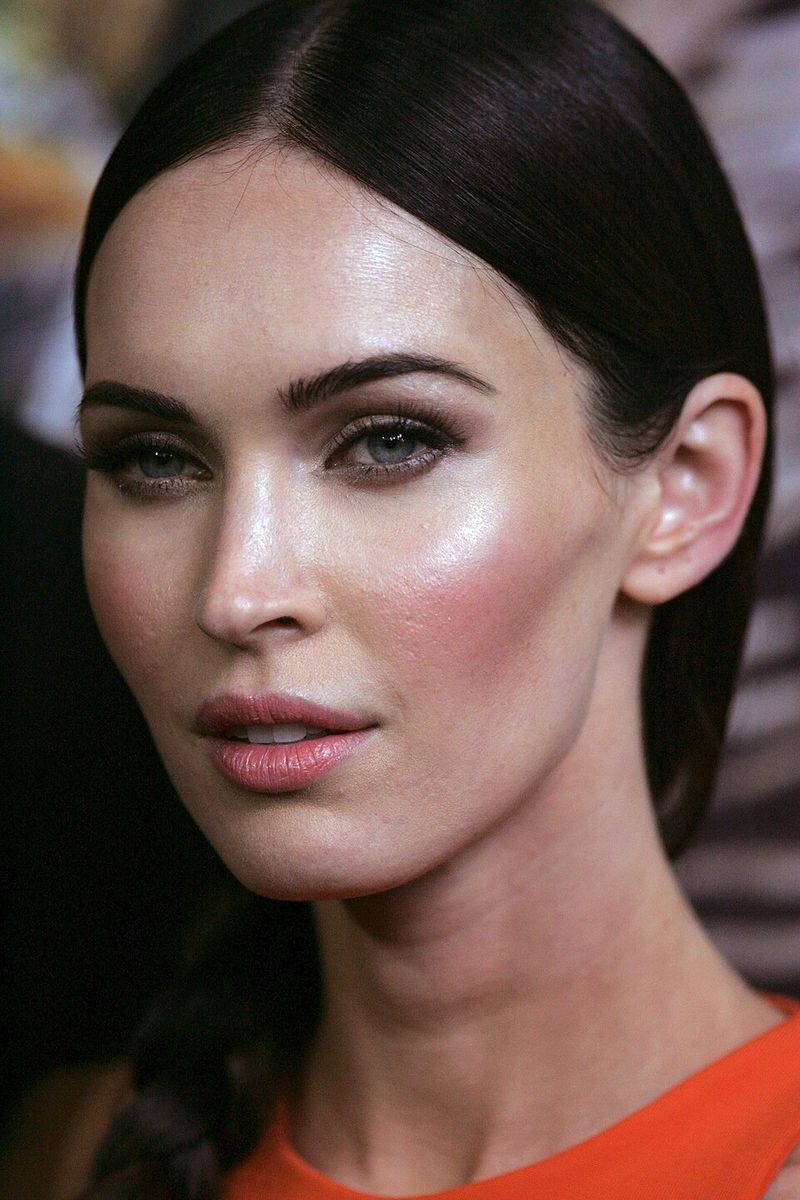
Megan Fox became one of the most talked-about names in Hollywood after Transformers launched her into the mainstream in 2007. She was everywhere, on magazine covers, in interviews, and in the cultural conversation about beauty standards and Hollywood’s treatment of women.
Her fame arrived fast and loud.
The debate about whether that fame was ever really about talent has followed her career ever since. Critics have frequently pointed out that her roles rarely required significant dramatic range, and her acting reviews have been inconsistent at best.
Some argue that her celebrity was built almost entirely on image, and that the industry and media used her appearance more than her ability.
What makes her case genuinely complex is that she has spoken openly about being typecast and underestimated, which adds a layer of sympathy to the conversation. Whether you see her as a victim of Hollywood’s shallow priorities or simply a star whose fame outpaced her craft, her place on this list feels both fair and worth examining thoughtfully.



