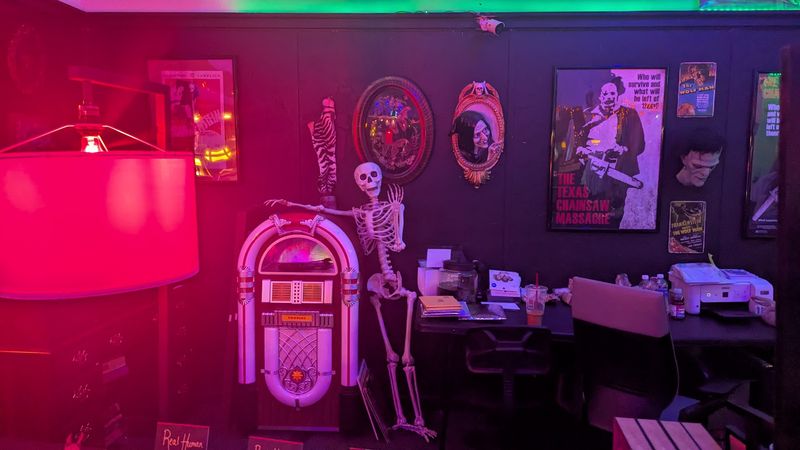
This horror museum in downtown Monroe, Michigan, goes far beyond jump scares and movie gimmicks. Inside the multi-story space, visitors find real human skulls, vintage Ouija boards dating back to the 1800s, horror film props, and artifacts connected to famous true crime cases, all curated with a focus on history and storytelling rather than shock value alone.
Opened in 2022 by filmmaker and horror enthusiast Nate Thompson, the museum treats horror as part of popular culture instead of a sideshow attraction. What makes the experience stand out is the range of exhibits packed into one building, pulling in horror movie fans, true crime followers, and curious visitors who simply want to see something completely different from a typical museum visit.
Where You Will Find It and What to Expect at the Door
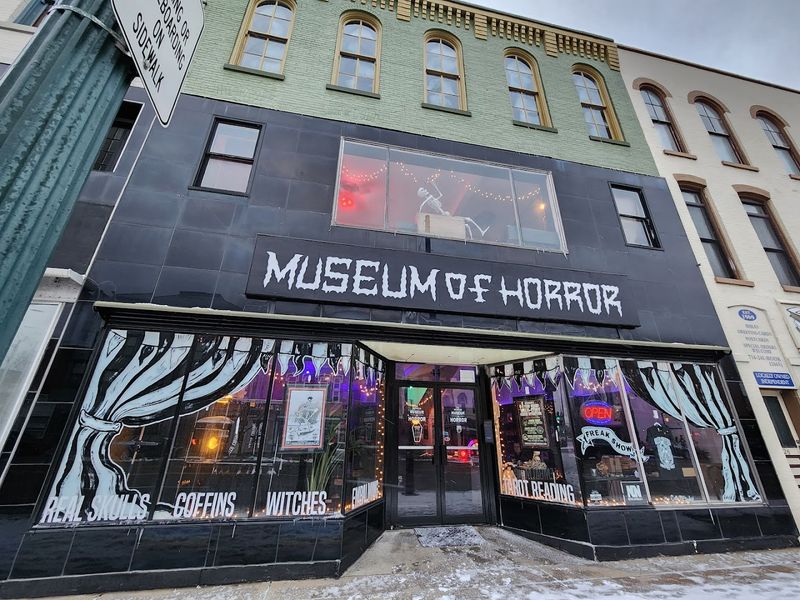
Right in the heart of downtown Monroe, Michigan, at 44 S. Monroe Street, Monroe, MI 48161, sits a building that has a history as layered as its current contents.
Back in 1890, the same address housed an undertaker and funeral furniture store, which feels almost too fitting given what it holds today.
The Michigan Museum of Horror is open year-round, not just around Halloween, which already sets it apart from most horror-themed attractions. Hours run from noon to 8 PM most days, with extended hours on Fridays until 9 PM and Saturdays until 10 PM.
Admission is just $10 per adult, making it one of the more affordable unusual stops in the state.
Free public parking is available a short walk away, and buying tickets online before your visit makes entry quick and smooth. The staff greets you warmly at the door, which honestly catches some visitors off guard given the subject matter waiting inside.
The Vision Behind the Walls: Nate Thompson and His Life’s Collection
Not every museum starts with a single person’s obsession, but this one did. Nate Thompson, a horror enthusiast and filmmaker from Michigan, spent years carefully gathering artifacts, memorabilia, and oddities before opening the museum’s doors in October 2022.
His goal was never to create a simple haunted house experience. Thompson wanted a space where horror could be explored as a legitimate art form, a cultural movement, and a window into human psychology.
The collection on display reflects decades of deliberate, passionate collecting rather than a rushed assembly of random scary objects.
Visitors who take their time reading the placards and engaging with the displays quickly realize they are walking through someone’s life work. The family-run nature of the operation adds a personal warmth that you do not always find in larger institutions.
Supporting this museum means supporting an independent creator who genuinely believes that fear, history, and storytelling all belong in the same conversation.
Real Human Remains That You Can Actually Touch
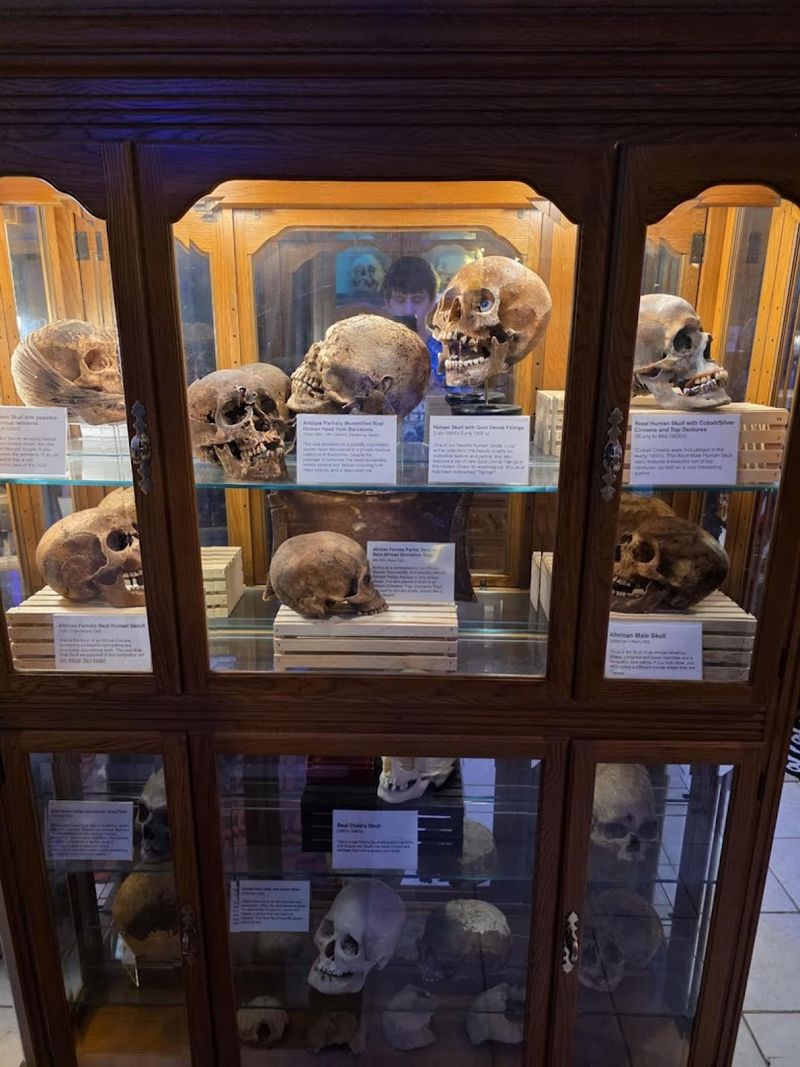
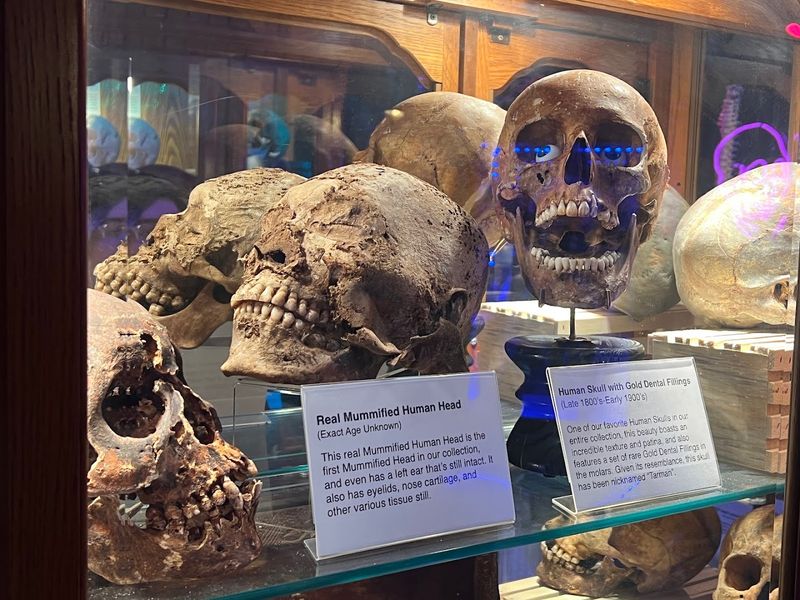
There is a moment on the first floor of this museum when a staff member casually offers to let you hold a real human skull, and it takes a second for that to fully register. These are not replicas or Halloween props.
The skulls on display date back to the early 1800s, and they are as real as anything you would find in a university anatomy department.
The first floor also features full human skeletons, wet specimens, and funeral-related artifacts that connect to the building’s original history as an undertaker’s supply store. Seeing these items in context gives the experience an educational weight that a simple scare attraction could never replicate.
For visitors who appreciate the science and history of the human body, this section alone justifies the trip. The chance to physically hold something that old and that significant is genuinely rare, and it tends to leave a lasting impression that is hard to shake even days later.
True Crime Artifacts That Bring Infamous Names Into Sharp Focus
True crime fans will find the first floor almost impossible to rush through. The museum houses artifacts connected to some of the most studied criminal cases in modern history, including items tied to Charles Manson, Ted Bundy, Jeffrey Dahmer, John Wayne Gacy, and O.J.
Simpson.
Among the most striking items is a vial containing a portion of Charles Manson’s cremated remains, displayed alongside contextual information about his case. Serial killer letters, personal belongings, and case-related objects are presented with enough background detail to make the experience feel informative rather than purely sensational.
The museum treats these artifacts with a seriousness that respects both history and the gravity of the crimes involved. Reading through the display placards carefully transforms what could feel like shock-value content into something genuinely educational.
True crime podcast listeners and readers of crime history books will recognize many of the names and cases here, but seeing physical artifacts connected to them brings the subject to a completely different level of reality.
The Red Room: A Restricted Exhibit Not for the Faint of Heart
Tucked away within the museum is an area known as the Red Room, and it carries a strict 18-and-older policy for good reason. This exhibit contains real photographic documentation of celebrity passings, crime scene images dating back to the late 1800s, and graphic images related to serial killer victims.
The content here is not sensationalized for entertainment. The photographs are presented as historical and forensic documentation, placed within the broader context of crime history and the development of forensic science over more than a century.
That framing makes a significant difference in how the room feels to move through.
Not every visitor chooses to enter, and that is completely understandable. For those who do, the experience is sobering rather than thrilling.
It is the kind of exhibit that stays with you not because it is designed to shock, but because it forces a direct confrontation with real events that shaped criminal justice history. The rest of the museum takes on a slightly different weight after leaving this room.
The Ouija Board Collection: Michigan’s Largest and Most Historic
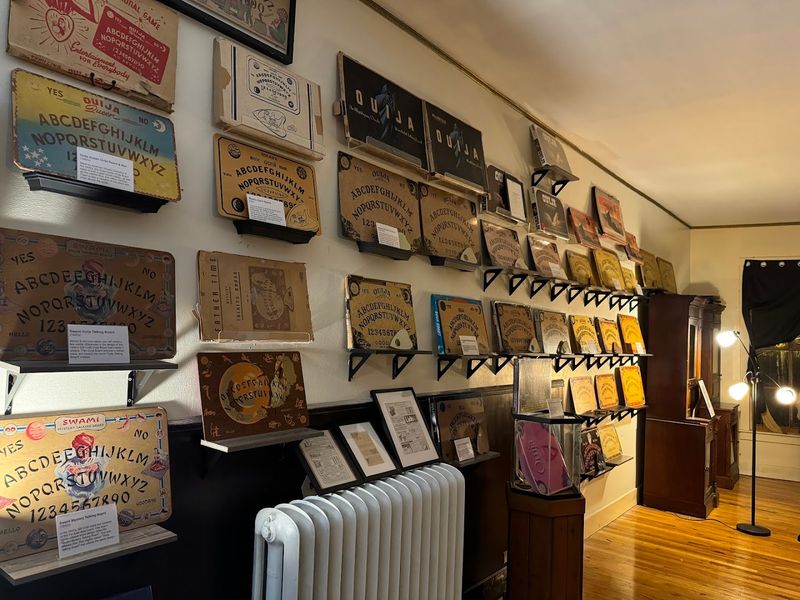
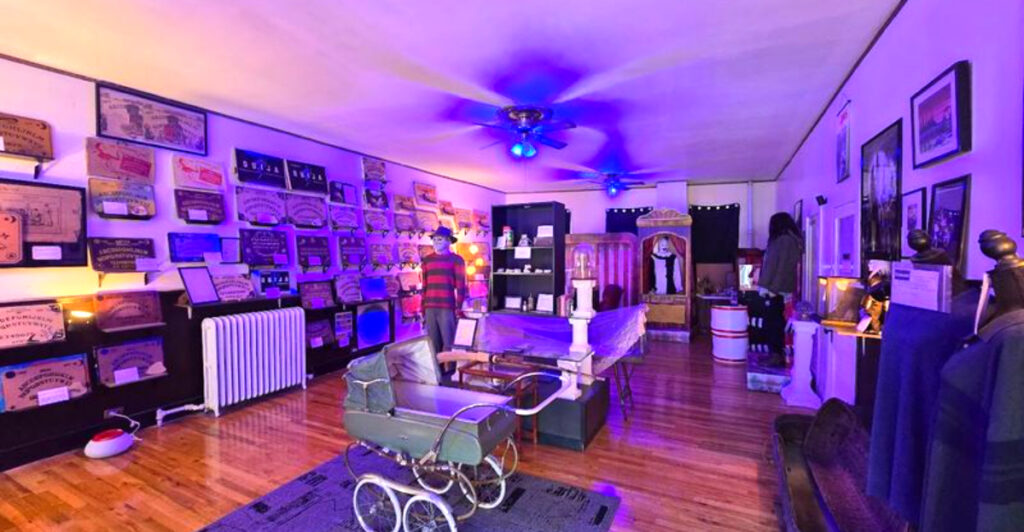
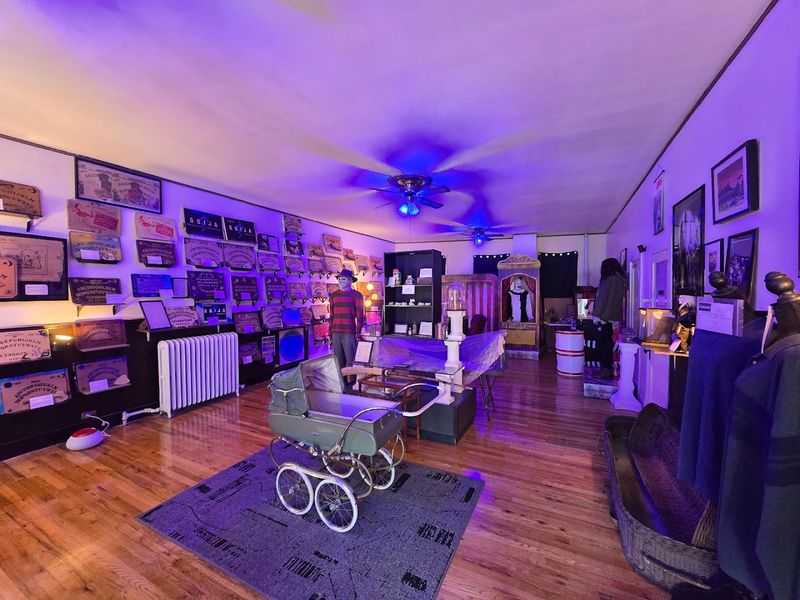
Few people expect to find a record-breaking Ouija board collection inside a small-town Michigan museum, but here it is. The Michigan Museum of Horror holds the largest Ouija board collection in the entire state, with some boards dating all the way back to 1891, just two years after the boards were first commercially produced.
The collection spans over a century of design changes, cultural attitudes toward the boards, and their shifting role in American popular culture. Seeing them lined up together tells a surprisingly rich visual story about how fear, spirituality, and entertainment have always been tangled together in American life.
One board in the collection is described as having been cursed by a witch, and staff members report that some boards have been observed moving on their own during after-hours events. Whether you believe in the paranormal or not, the history packed into this collection is undeniably fascinating.
The second floor, where most of the boards are displayed, has a noticeably different atmosphere from the rest of the building.
Horror Movie Props and Memorabilia That Fans Will Recognize Immediately
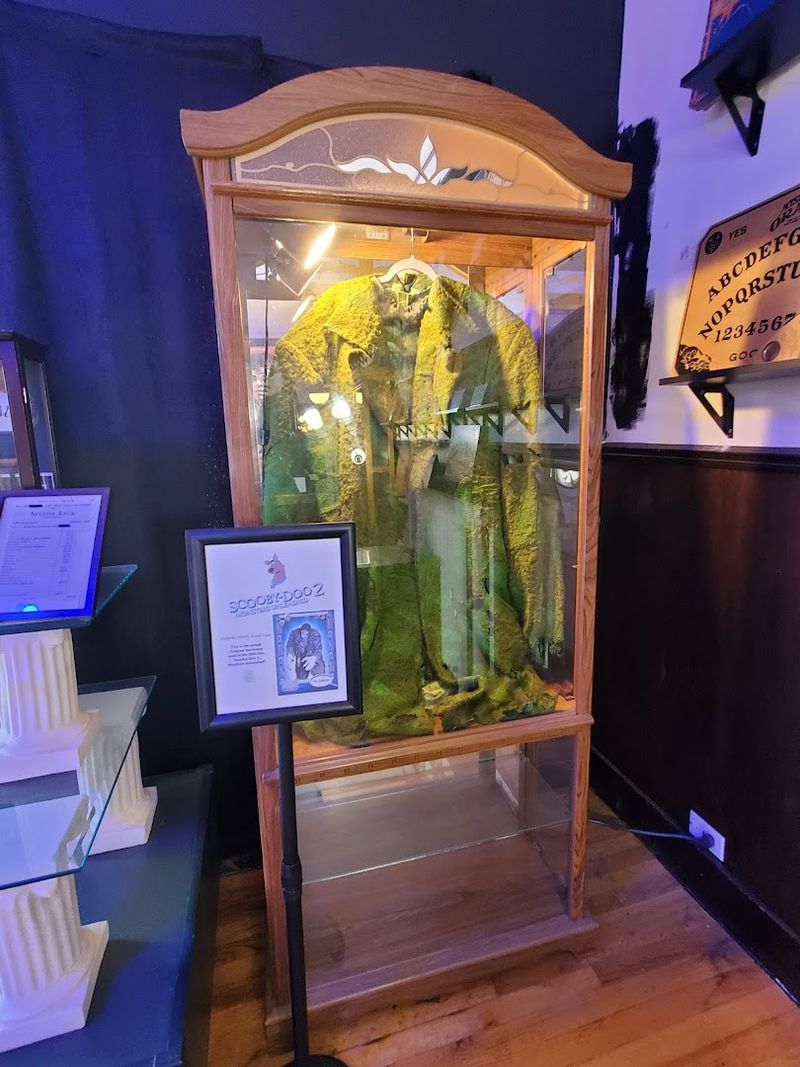
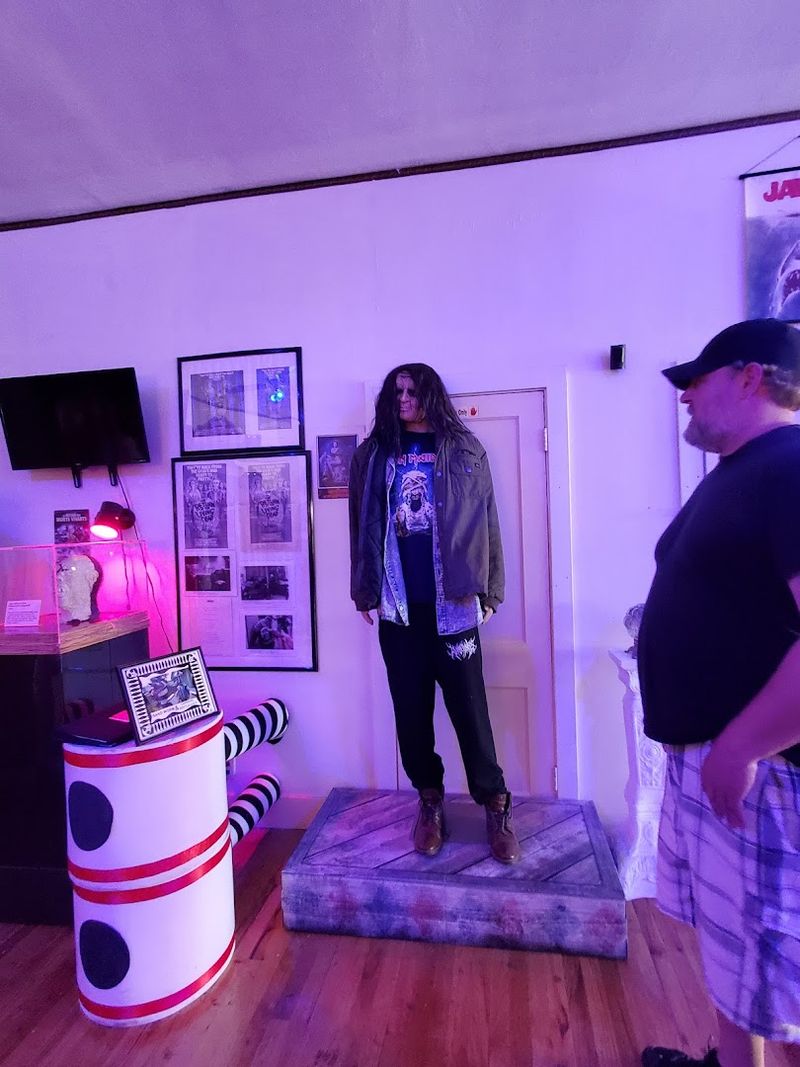
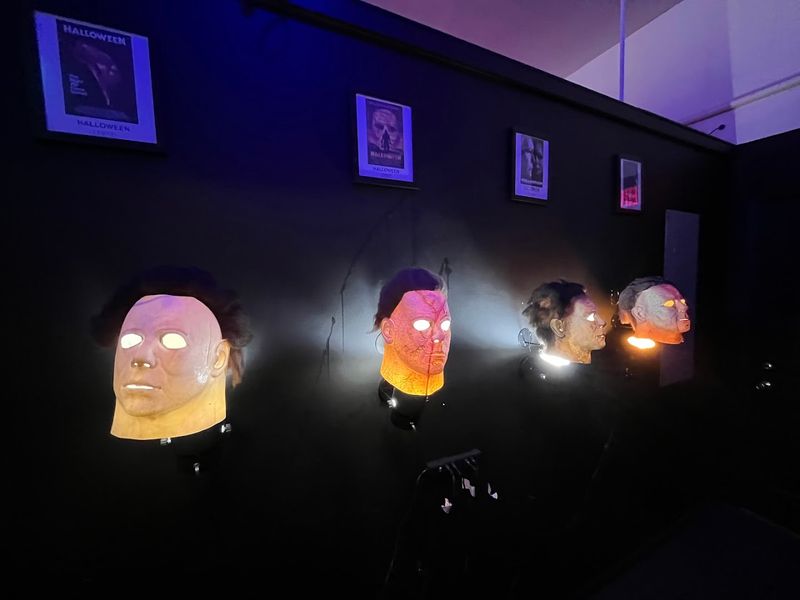
The second floor shifts the mood considerably with an impressive collection of horror film memorabilia that spans decades of cinematic history. Props and items connected to Halloween, Friday the 13th, A Nightmare on Elm Street, and other genre classics are displayed alongside detailed information about their origins.
A standout piece is the Creeper jacket from Scooby Doo 2: Monsters Unleashed, an unexpected inclusion that adds a lighter touch to an otherwise intense collection. Props from Gremlins 2 are also on display, giving the floor a broader scope that covers horror across different tones and generations.
For anyone who grew up watching these films, seeing actual production items up close creates a strange mix of nostalgia and unease that is hard to describe. The museum treats film history with the same seriousness as its true crime and paranormal sections, presenting props not as novelties but as cultural artifacts.
Horror cinema fans will want to budget extra time on this floor because there is a lot to take in carefully.
Michigan Legends, Local Myths, and Homegrown Horror Creators
One of the most distinctive features of this museum is its commitment to celebrating Michigan’s own contributions to horror culture. Dedicated displays explore local legends, regional urban myths, and horror creators who were born or built their careers in the state.
This Michigan-focused section gives the museum a sense of place that you would not find in a generic horror attraction. It roots the experience in a specific geography and community, reminding visitors that the state has its own rich tradition of dark storytelling and creative talent in the genre.
For Michigan residents, this section carries a particular resonance. Recognizing local names and stories among internationally known artifacts makes the museum feel like it belongs to the community rather than existing apart from it.
Out-of-state visitors often find this section genuinely educational, learning details about Michigan’s cultural history that they had never encountered before. It is a quiet but effective reminder that horror is not just a Hollywood product but a living, regional tradition.
Haunted Objects and the Rocking Chair That Keeps People Talking
Among the most talked-about items in the museum is a weathered rocking chair that sits in its own dedicated space. Visitors and staff alike have reported feeling strange sensations near it, including sudden temperature changes, a feeling of being watched, and an unexplained reluctance to sit in it despite the option apparently being available.
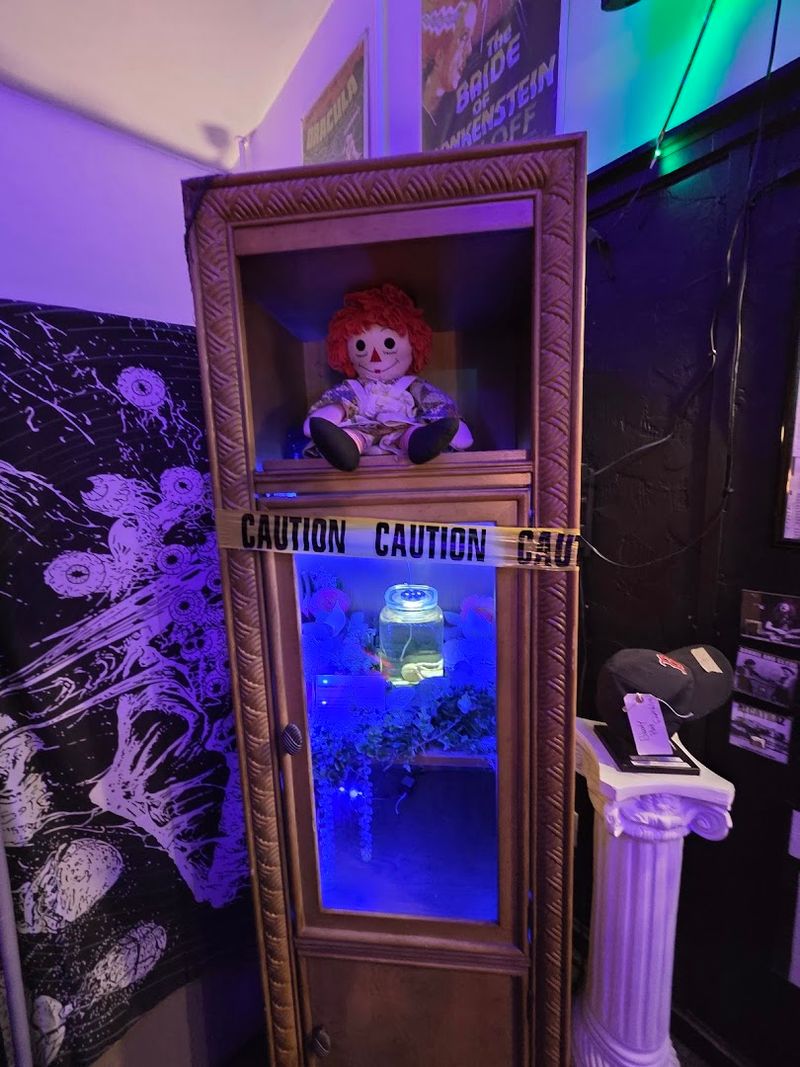
The museum also displays other objects described as haunted, each with its own documented history and reported activity. The cursed Ouija board mentioned in the collection is one, but there are additional items throughout the building that carry similar reputations and visitor accounts.
Whether you approach these objects as genuine paranormal curiosities or as fascinating pieces of folk history, they add a layer to the museum experience that purely educational displays cannot replicate. The building itself reportedly has a history of unexplained activity, and staff members have shared their own accounts openly with curious visitors.
That transparency makes the haunted objects section feel grounded rather than theatrical, which somehow makes it more unsettling.
Ghost Hunts, Paranormal Events, and What Happens After Dark
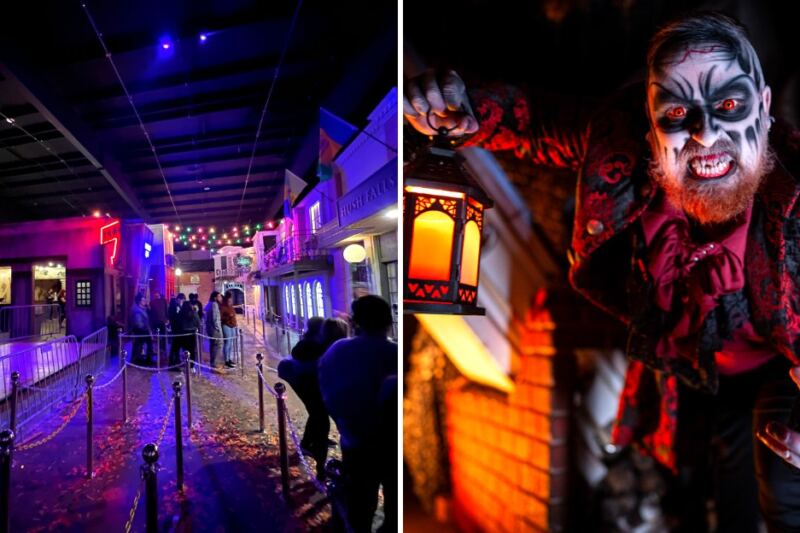
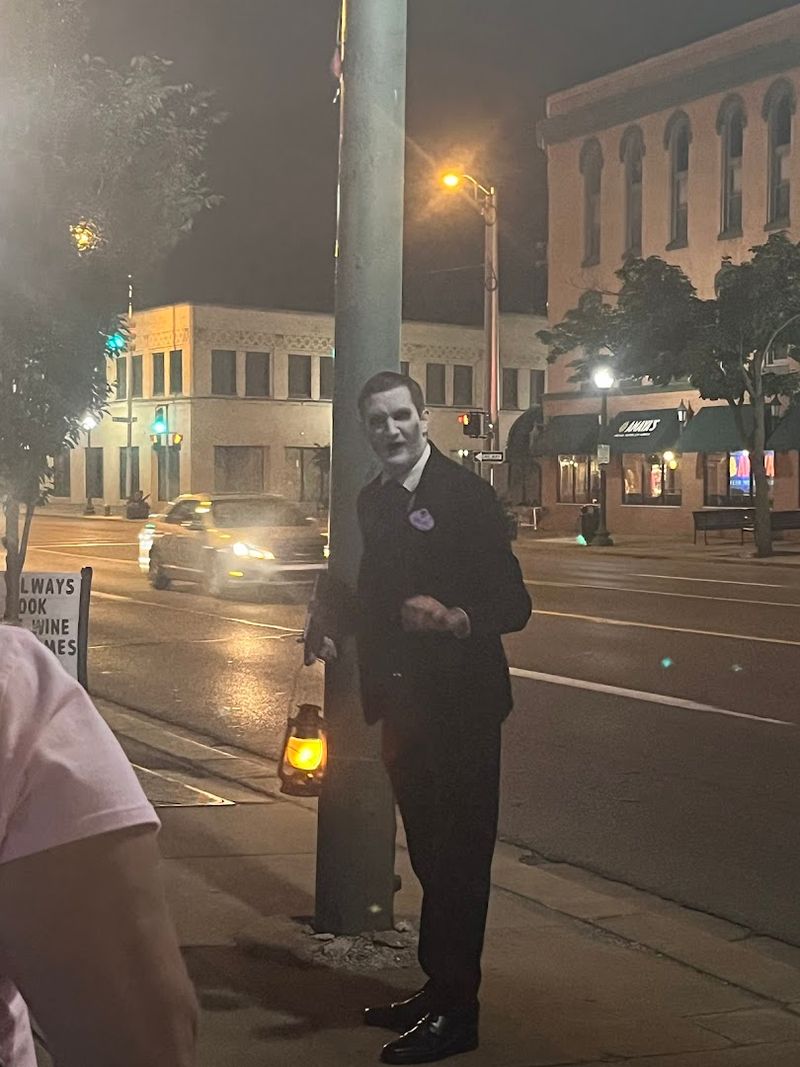
The Michigan Museum of Horror does not close its doors to the unusual when the regular visiting hours end. The museum has hosted lantern-lit haunted walking tours and organized ghost hunts that allow participants to explore the building after dark with equipment and guided support.
Reported paranormal activity within the building includes unexplained noises, Ouija boards that appear to move without being touched, shadow movement observed on the third floor, and electronic equipment responding in ways that investigators find difficult to explain through conventional means. Seasoned paranormal researchers who have visited the museum have noted that the building produced some of their most active sessions in years of field work.
For visitors who have spent time on paranormal investigations, the museum offers a setting that combines legitimate historical artifacts with an environment that many consider genuinely active. Booking a ghost hunt here is a very different experience from the standard daytime visit, and the third floor in particular has developed a reputation among the paranormal community that keeps drawing people back for another look.
Interactive Technology That Makes the Experience More Than Just Looking
The museum integrates modern technology throughout its displays in ways that keep the experience from feeling like a static walk through glass cases. Touchscreen panels, virtual reality experiences, and augmented reality displays are woven into the exhibits, giving visitors ways to engage beyond simply reading placards and observing objects.
One of the more memorable interactive elements is the opportunity to sign your own death certificate, a morbidly playful activity that many visitors describe as surprisingly fun rather than disturbing. The combination of real artifacts and digital interactivity creates a layered experience that works for different types of visitors, from those who want deep historical context to those who prefer a more hands-on approach.
The soundscape throughout the building also plays a significant role in the atmosphere. Music and ambient audio run continuously, which some visitors find immersive and others find intense, particularly those with sensory sensitivities.
If loud environments are a concern, bringing noise-reducing earbuds is a genuinely practical suggestion that more than one visitor has passed along after their trip.
Practical Tips, the Gift Shop, and Why This Place Is Worth the Drive
At $10 per adult, the Michigan Museum of Horror is one of the more affordable unusual attractions you can add to a Michigan road trip itinerary. Most visitors who read through the displays and engage with the exhibits spend around an hour or more inside, making the admission price feel very reasonable for what is on offer.
The gift shop carries a selection of horror-themed items and oddities, though several visitors have mentioned they would love to see more options like shirts and stickers as the museum continues to grow. The staff is consistently described as friendly, knowledgeable, and genuinely enthusiastic about the collection, which makes a real difference in how the visit feels overall.
Share this story