This small East Lansing ramen shop has built a devoted following by doing one thing exceptionally well: serving deeply flavorful bowls of authentic Japanese ramen. Tucked just steps from Michigan State University, Sapporo Ramen & Noodle Bar draws students, locals, and even travelers from across Michigan who come specifically for its rich broths, tender pork belly, and welcoming atmosphere.
Despite its modest size, the restaurant has earned a reputation that extends far beyond downtown East Lansing. With loyal regulars, glowing reviews, and a menu packed with standout ramen, appetizers, and gluten-free options, it has become one of the area’s most talked-about dining destinations.
A Downtown Address That Punches Way Above Its Weight
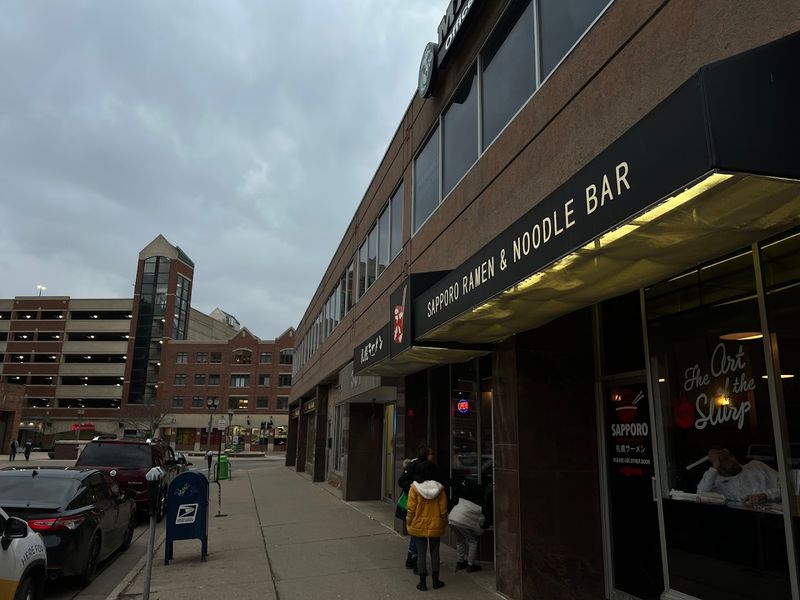
Right in the heart of downtown East Lansing, at 317 M.A.C. Ave, East Lansing, MI 48823, this compact ramen spot sits just a short walk from the Michigan State University campus.
The address sounds ordinary, but what happens inside is anything but.
The restaurant earns a 4.5-star rating across nearly 700 reviews on Google, which is a serious achievement for any dining spot, let alone one this small. People drive in from outside the city specifically to eat here, and more than a few have called it their favorite restaurant in all of Lansing.
The location makes it a natural stop for students, alumni returning for a visit, and curious travelers passing through mid-Michigan. Hours run from 11 AM to 9 PM most weekdays, with extended Friday and Saturday hours until 10 PM, and the restaurant is closed on Tuesdays.
Arriving early on a weekend is genuinely smart advice, because the wait can creep up fast.
The Story Behind the Bowl
Sapporo Ramen and Noodle Bar did not stumble into popularity by accident. The restaurant built its reputation one carefully crafted bowl at a time, earning loyal fans who return not just seasonally but weekly.
The name itself is a nod to Sapporo, the Japanese city famous for its distinctive miso ramen style, and that influence shows up clearly on the menu. The kitchen leans hard into authentic Japanese ramen traditions while keeping the experience accessible for diners who might be trying real ramen for the first time.
First-timers often walk in unsure of what to order and walk out converted, already planning their next visit. The staff plays a real role in that transformation, offering suggestions based on what a customer actually likes rather than just pushing the most popular item.
That kind of thoughtful service, paired with food that genuinely delivers, is exactly why this place has held its reputation for years and keeps growing its following.
Small Space, Big Personality
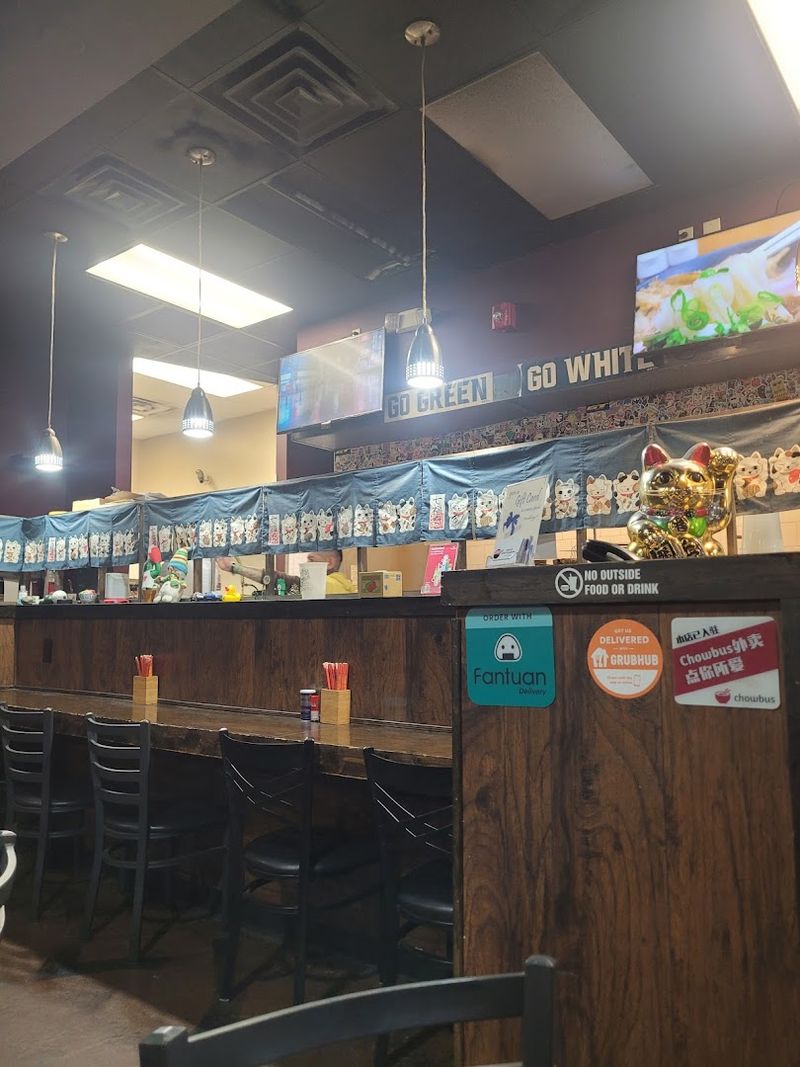
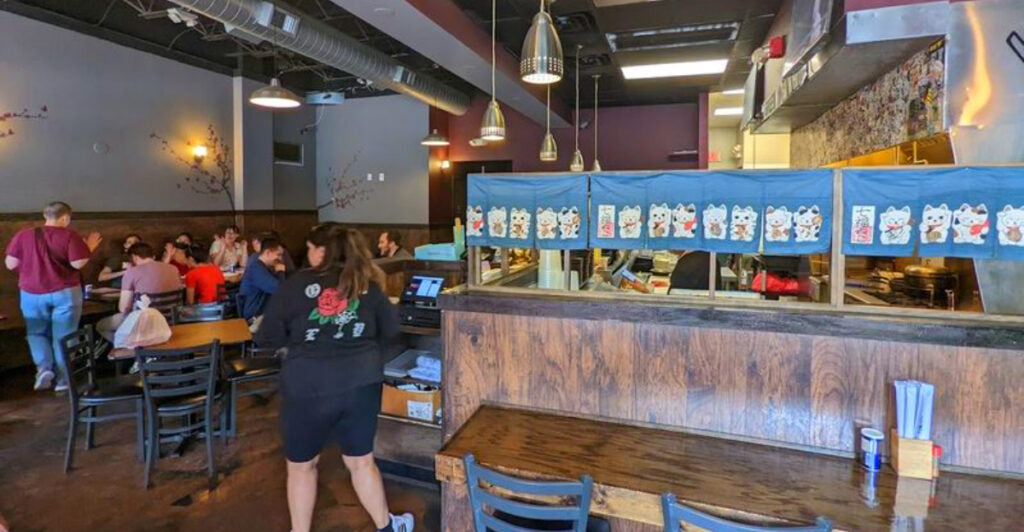
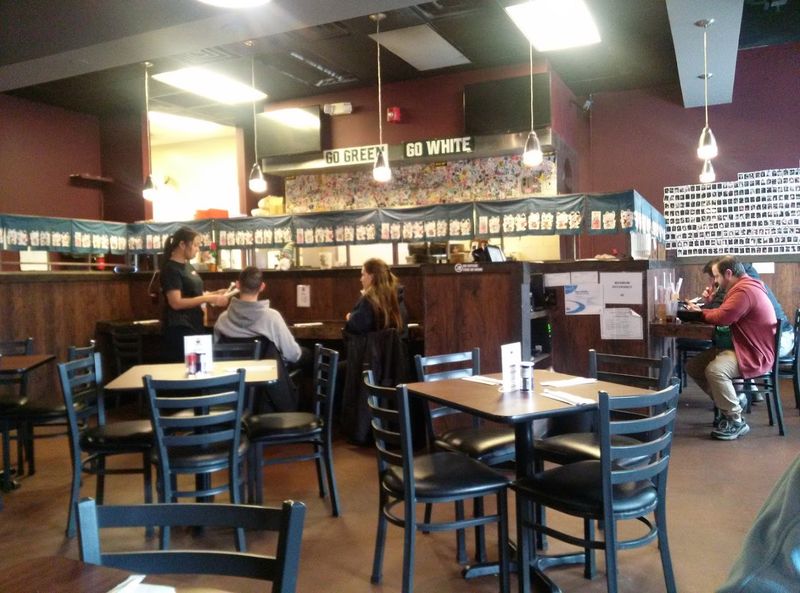
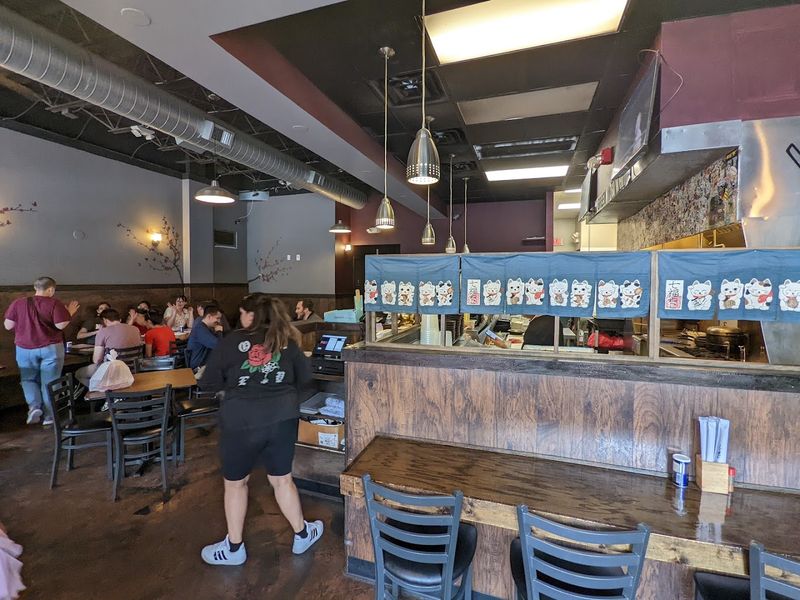
The dining room at Sapporo Ramen is not large. Tables sit close together, the lighting is warm and low, and the overall vibe leans toward intimate rather than expansive.
It feels more like a neighborhood noodle shop in Tokyo than a typical American restaurant, and that is entirely by design.
The decor is playful without being overdone. Anime characters appear on the walls, including recognizable figures like Naruto and Luffy from One Piece, which adds a layer of fun that younger diners especially appreciate.
The music playing in the background tends to be calm and a little unexpected, setting a mood that feels distinct from anything else in the area.
Despite the compact size, the atmosphere never feels cramped in an uncomfortable way. Instead, it creates a sense of closeness that actually adds to the experience, making a solo lunch feel cozy and a date night feel genuinely special.
The small footprint is part of what makes this place memorable.
The Broth That Changes Everything
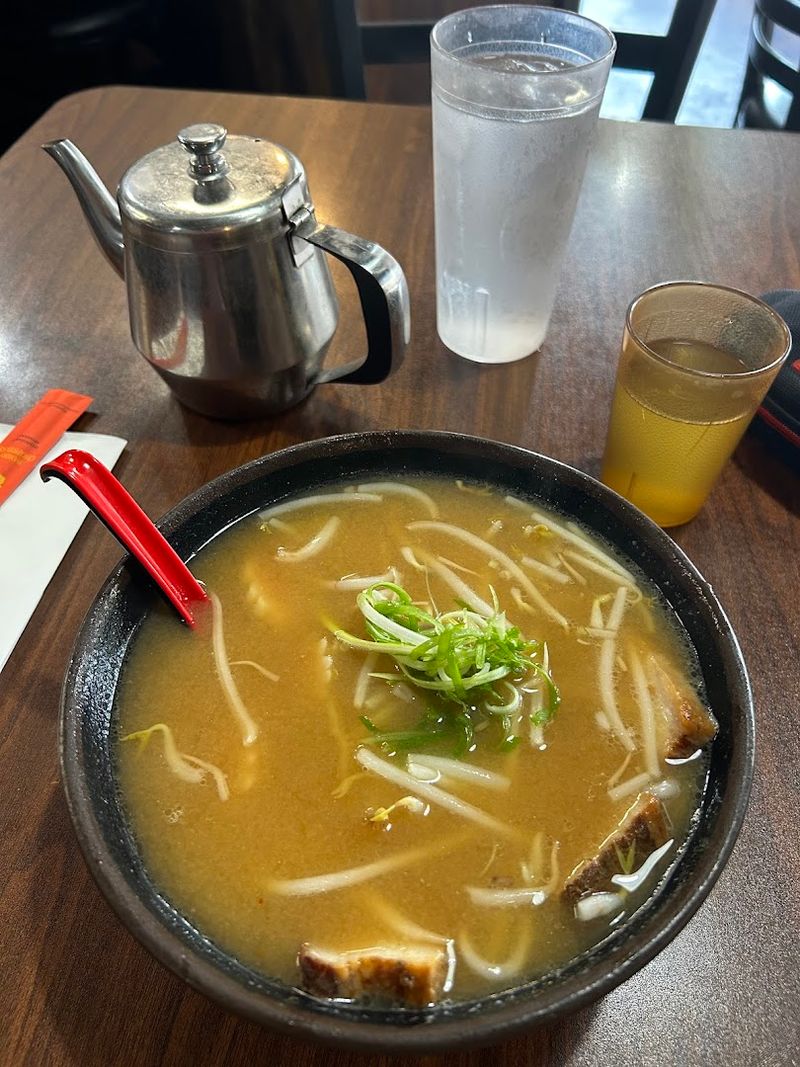
Ask anyone who has eaten here what they remember most, and the answer almost always comes back to the broth. Not just good broth, but the kind of deeply layered, slow-developed broth that makes you pause mid-bite and actually think about what you are tasting.
The Hakata Classic Ramen is built on a silky tonkotsu pork broth that has a richness you can feel from the first sip. The Tokyo Shoyu Ramen blends traditional ramen broth bases into something savory and nuanced.
Each variety is clearly the result of real technique, not shortcuts.
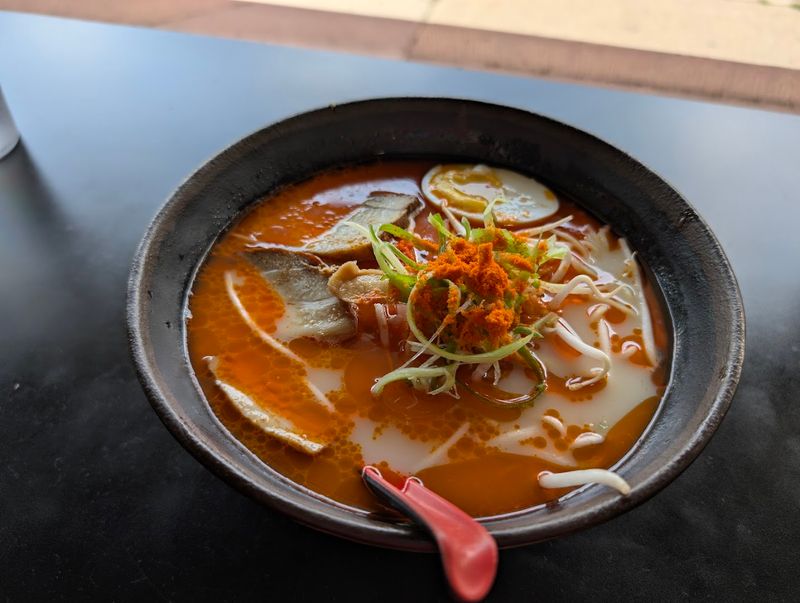
The broths are not all mild either. The Orochon Miso Ramen uses an extra spicy miso tare that builds heat gradually and pairs perfectly with soft pork.
The Sapporo Miso Ramen leans into the restaurant’s namesake style with a bold, warming depth. Whichever version lands on your table, the broth is the reason you will already be thinking about your next visit before you finish the bowl.
The Menu Highlights You Need to Know
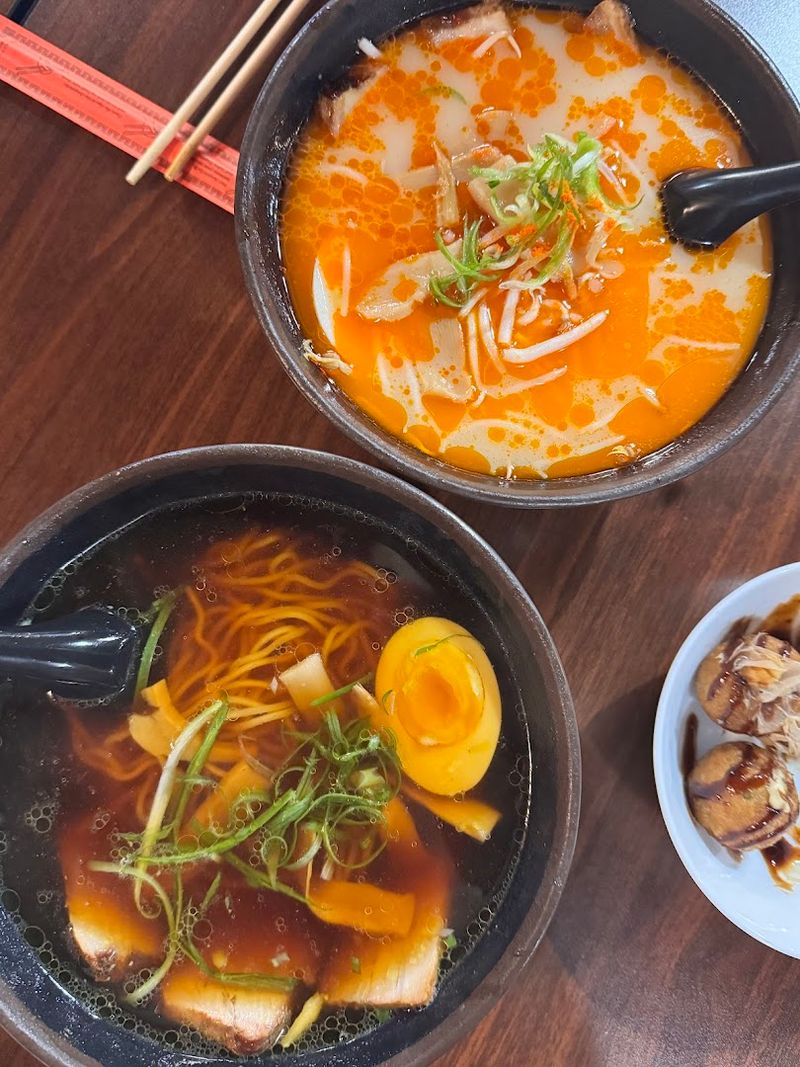
The menu at Sapporo Ramen is focused but genuinely varied, offering enough options to satisfy regulars who want to work through every bowl without overwhelming first-timers who just need a clear place to start.
The Hakata Classic Ramen and the Orochon Miso Ramen are the two dishes that come up most often in conversation. The Hakata is mild, rich, and deeply satisfying, while the Orochon brings real heat and a complexity that spice lovers will appreciate.
The Butter Corn Shoyu Ramen adds a slightly sweet, buttery twist that feels indulgent in the best way.
Beyond the ramen, the Breakfast Mazeman is worth a mention for anyone curious about brothless options. It features toasted sesame and garlic soy tare with pork belly and a poached egg, and it reads more like a composed dish than a casual noodle bowl.
Gluten-free diners also have solid choices here, with Miso Sobamen and Shoyu Soba Men both available using soba noodles.
Pork Belly, Soft Eggs, and Toppings Worth Talking About
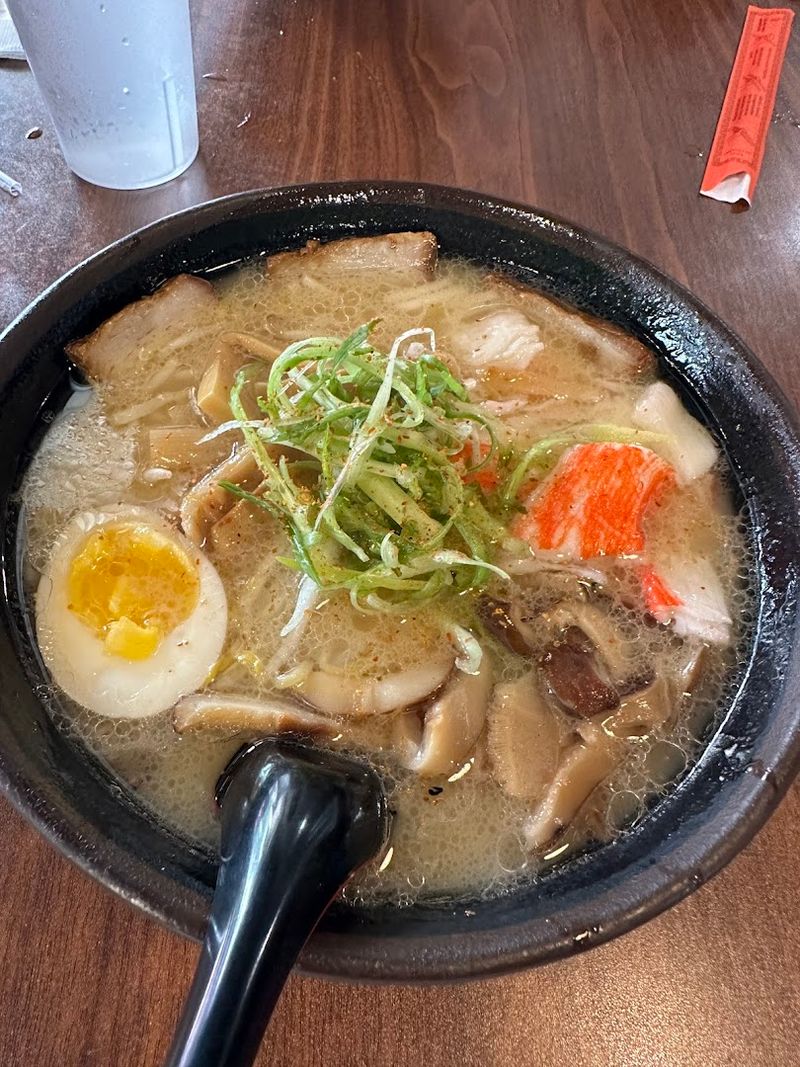
A great broth deserves great toppings, and Sapporo Ramen takes that seriously. The pork belly is consistently described as melt-in-your-mouth tender, thick-cut and placed right on top where it slowly relaxes into the broth beneath it.
The soft-boiled egg is the kind of detail that separates a careful kitchen from a careless one. The yolk is jammy and rich, the white is fully set but not rubbery, and it absorbs just enough of the surrounding broth to feel like it belongs in the bowl rather than sitting on top of it.
Other toppings vary by bowl but often include green onions, bamboo shoots, and nori, each adding a different texture or flavor note that keeps things interesting from first bite to last. The Butter Corn Shoyu Ramen adds sweet corn and a pat of butter that melts into the broth, creating a slightly richer, almost creamy finish.
Every element feels considered rather than accidental, which is exactly what good ramen requires.
Appetizers That Steal the Show
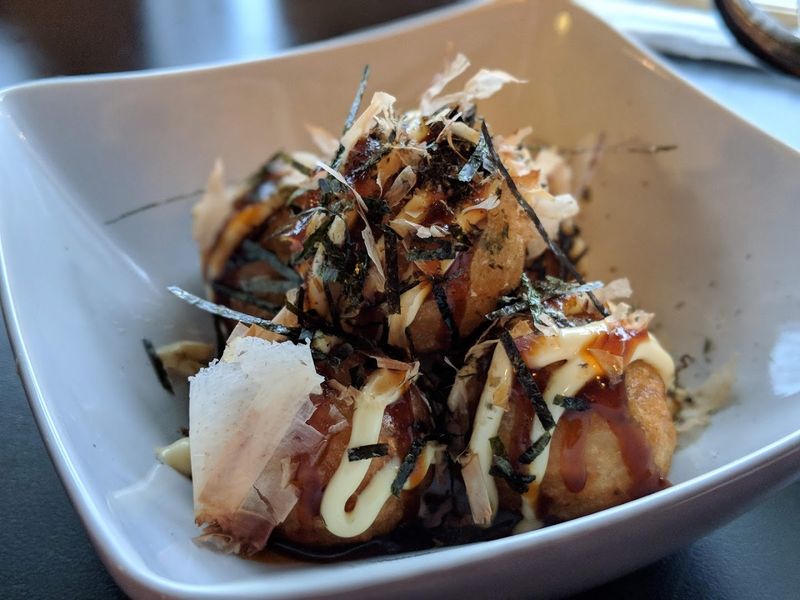
Most people come for the ramen, but the appetizers at Sapporo Ramen have a way of becoming the unexpected highlight of the meal. The takoyaki in particular draws consistent praise, arriving hot with three to four pieces of octopus packed inside each ball, topped with bonito flakes and sauce.
The gyoza are fried to a crisp on one side and tender throughout, with a filling that is moist and well-seasoned. First-time dumpling eaters have walked out of this restaurant fully converted, suddenly unable to imagine a meal without them.
The spicy garlic edamame is another standout, bringing enough heat and flavor to make you question why edamame ever gets served plain.
Pork buns round out the appetizer options with a soft, pillowy exterior and a savory pork filling that pairs naturally with the ramen broths on the menu. The appetizers here are not an afterthought.
They are a genuine reason to arrive hungry enough to order two or three before your bowl even arrives.
The Spice Challenge That Dares You to Order Bolder
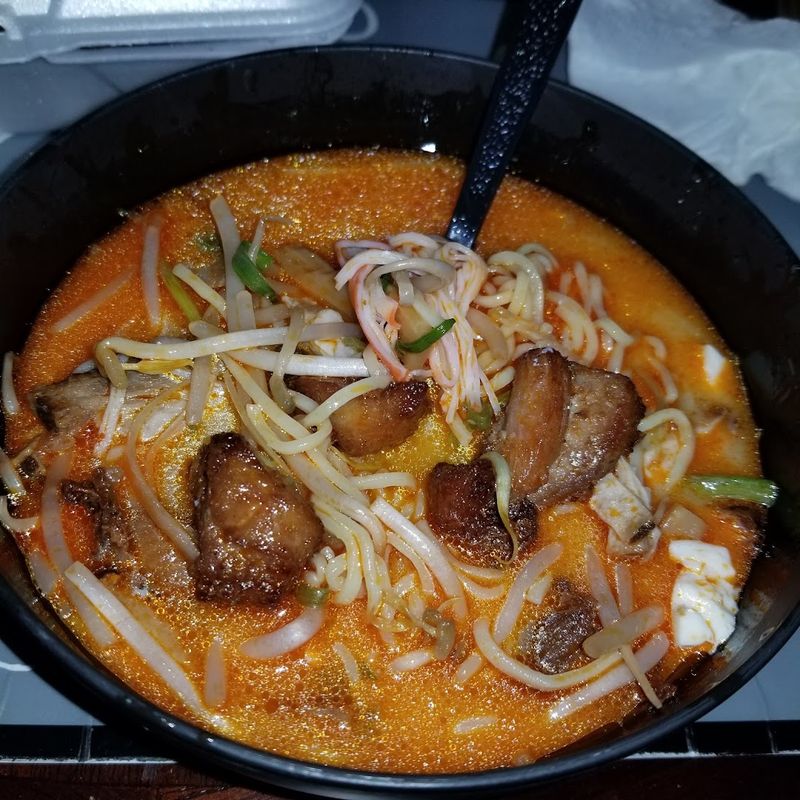
The Orochon Miso Ramen comes with a reputation. Described on the menu as extra spicy, it uses a miso tare with serious heat built in, and the restaurant reportedly offers an Orochon challenge for those who want to push even further into spicy territory.
Regular spice eaters might find the standard Orochon Brave level manageable, which is honestly a testament to how well the heat is balanced rather than a knock on the dish. The spice here does not just blast you and disappear.
It lingers, builds, and keeps the whole bowl interesting from start to finish.
The pork in the Orochon is notably soft, almost falling apart, which provides a welcome contrast to the intense surrounding broth. Ordering this bowl feels like a small commitment, and finishing it feels like a genuine accomplishment.
For anyone who gravitates toward heat-forward food, this is the bowl that will permanently cement Sapporo Ramen as a must-return destination. The next section covers something equally impressive but completely different in character.
Gluten-Free and Brothless Options That Actually Deliver
Finding a ramen restaurant that genuinely accommodates dietary needs without making it feel like an afterthought is rarer than it should be. Sapporo Ramen handles this better than most, offering dedicated gluten-free options that use soba noodles instead of traditional wheat-based ramen noodles.
The Miso Sobamen and Shoyu Soba Men both deliver the same careful broth work and thoughtful toppings as the rest of the menu, just through a different noodle. The result is a bowl that feels complete rather than compromised, which matters a lot to anyone who has experienced the disappointment of a watered-down gluten-free version of a dish they love.
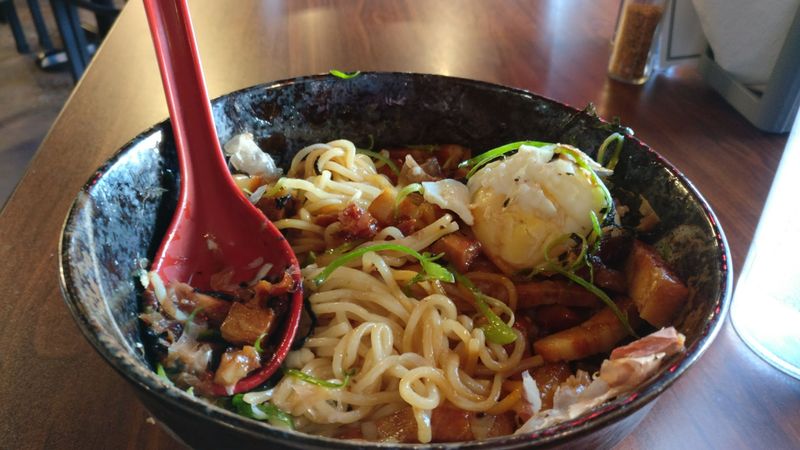
The Breakfast Mazeman is the spot’s brothless offering, and it reads more like a composed noodle dish than a traditional ramen bowl. Toasted sesame, garlic soy tare, pork belly, and a poached egg come together in a way that is deeply savory and satisfying without a drop of broth in sight.
It is a genuinely creative addition to an already strong menu.
Service That Makes the Experience Complete
The food at Sapporo Ramen would carry the place on its own, but the service adds something extra that keeps people coming back. The staff moves quickly without making anyone feel rushed, and they bring a genuine warmth to the interaction that feels natural rather than performed.
Recommendations come freely and honestly. Ask a server what to order and they will actually ask what you like before pointing you toward something specific, rather than defaulting to whatever is most popular.
One diner received a complimentary bowl of rice while deliberating between two dishes, which is the kind of small gesture that turns a good meal into a memorable one.
The kitchen moves at an impressive pace too. Bowls consistently arrive hot and within about fifteen minutes of ordering, which is notable given how much care goes into each one.
For a restaurant this popular with waits that can stretch during peak hours, the efficiency inside is genuinely impressive and makes the whole experience feel smooth from start to finish.
What the Regulars Always Order
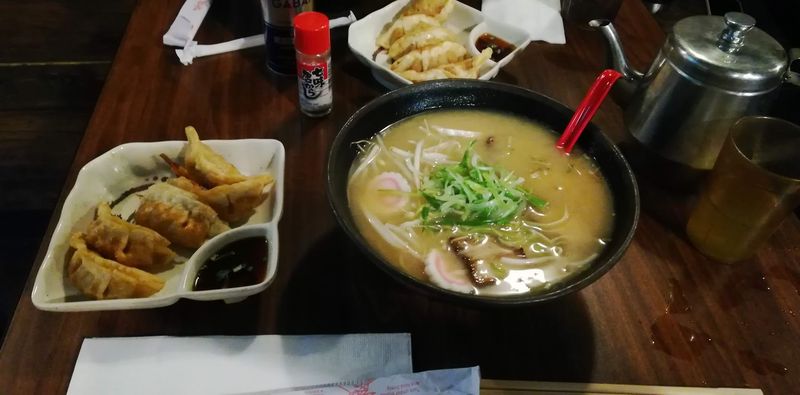
Every popular restaurant has its unofficial order, the combination that regulars quietly agree on and newcomers discover only after a visit or two. At Sapporo Ramen, that combination tends to revolve around the Hakata Classic or the Orochon Miso as the main bowl, with takoyaki as the starter.
The Hakata Classic wins over people who want richness without intensity, delivering a tonkotsu experience that is smooth and deeply satisfying without overwhelming the palate. The Orochon Miso is the pick for anyone who wants their bowl to have a point of view, arriving bold, spicy, and impossible to ignore.
Regulars also tend to add the spicy garlic edamame and finish with gyoza if there is room, which there usually is because the portions, while generous, are balanced rather than excessive. The Ugly Pop, a non-alcoholic drink available at the restaurant, has quietly built its own fan base among repeat visitors.
It is the kind of detail that makes a menu feel alive rather than static.
Why This Place Stays Relevant Year After Year
A restaurant that opens near a university campus faces a particular challenge. The student population turns over constantly, the dining options around it multiply every year, and trends shift faster than most kitchens can keep up with.
Sapporo Ramen has navigated all of that and kept its footing.
The consistency is what stands out most when you look at reviews spanning nearly a decade. The broth quality, the noodle texture, the service attitude, and the overall atmosphere have remained remarkably stable across years of visits from different types of diners.
That kind of reliability is genuinely hard to maintain.
Alumni return and find it exactly as they remembered. Out-of-town visitors discover it through word of mouth and leave understanding why it carries the reputation it does.
The restaurant does not chase trends or reinvent itself seasonally. It simply does what it does very well, every single service, every single bowl.
In a dining landscape full of novelty, that steady commitment to quality is the most compelling reason to visit and the most honest reason to return.
Share this story