 Unearth The Voyage
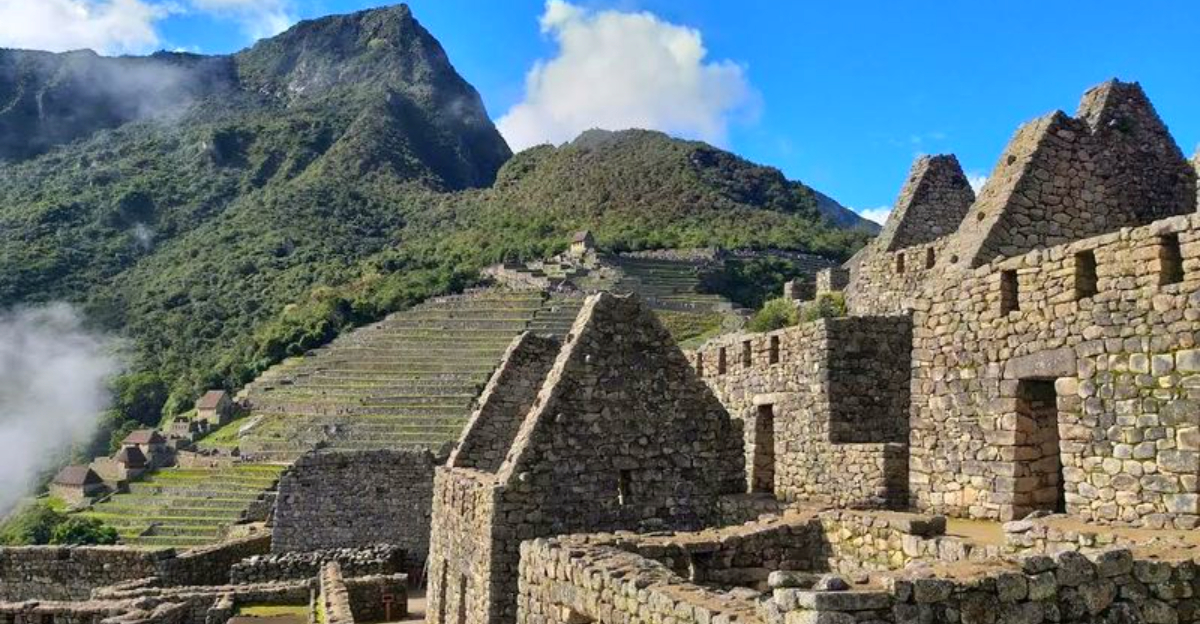
Forget the cobblestone streets of Paris or the canals of Venice for a moment. American travelers are packing their bags and heading somewhere that requires a train ride through cloud forest, a bus up a mountain, and a whole lot of wonder.
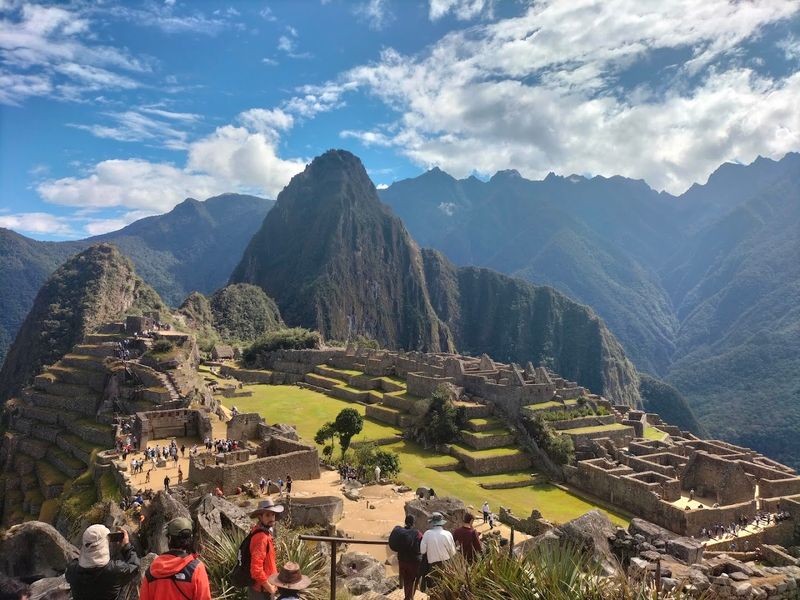
The Historic Sanctuary of Machu Picchu in Peru has become one of the most sought-after destinations for U.S. tourists, and once you understand what waits at the top, the reason is crystal clear. From ancient stone temples to jaw-dropping Andean peaks wrapped in morning mist, this 15th-century Inca citadel delivers the kind of experience that no European city can replicate.
Whether you are a history lover, an adventure seeker, or simply someone who wants a story worth telling, this place checks every single box.
The Ancient City in the Clouds
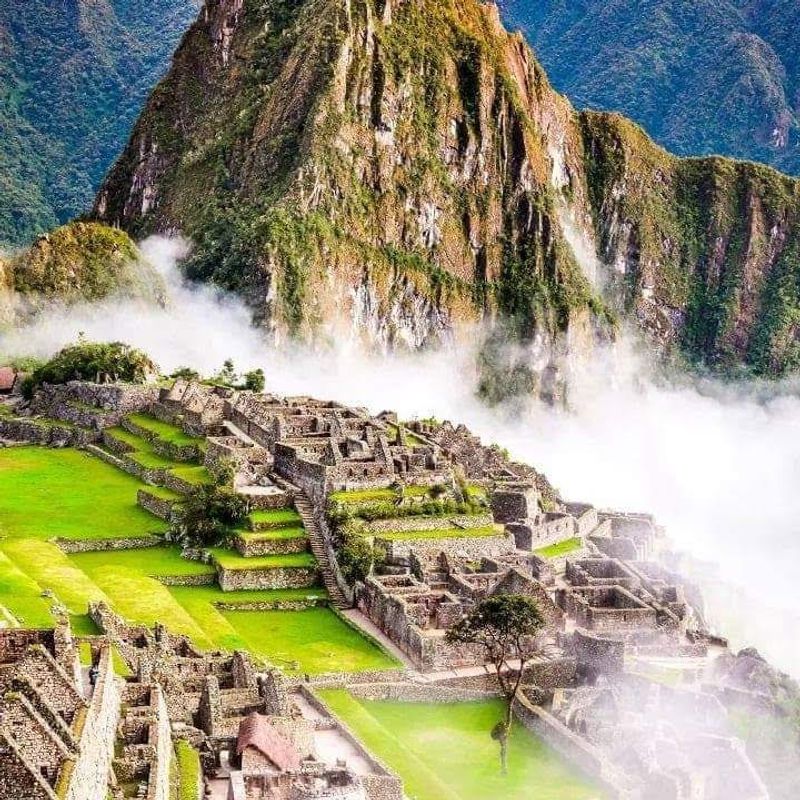
High in the Andes Mountains of Peru, at roughly 7,970 feet above sea level, sits one of the most remarkable archaeological sites on the planet. The Historic Sanctuary of Machu Picchu, located in the Cusco Region of Peru with the postal code 08680, can be reached by contacting the site at +51 84 582030 or visiting machupicchu.gob.pe.
Built in the 15th century during the reign of Inca emperor Pachacuti, this citadel was abandoned around the time of the Spanish conquest and remained largely unknown to the outside world until 1911.
That year, American historian Hiram Bingham brought it to international attention, and the world has never looked at Peru the same way since. Today, it holds UNESCO World Heritage status and a near-perfect 4.8-star rating from over 83,000 visitors.
How to Get There Without Losing Your Mind
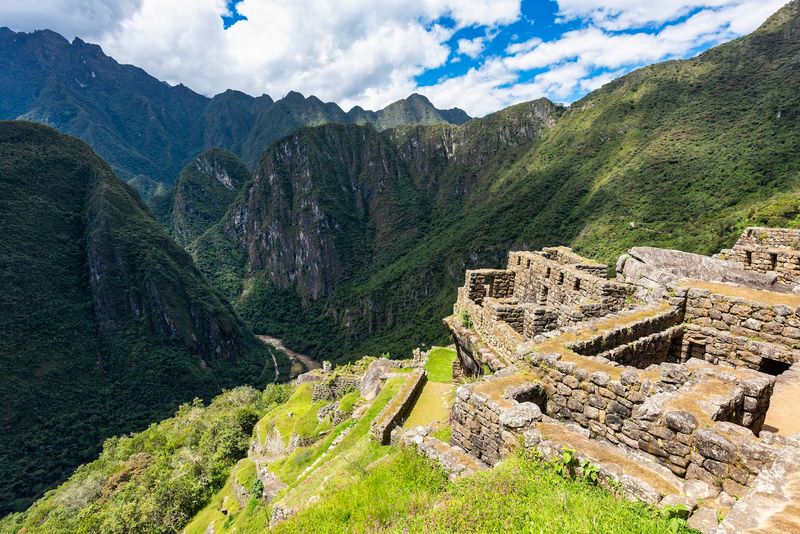
Getting to Machu Picchu is genuinely part of the adventure, and planning ahead makes all the difference between a smooth trip and a stressful one. Most travelers start in Cusco, which sits at around 11,000 feet, and spend two to three days there to adjust to the altitude before heading out.
From Cusco, the typical route involves a drive or bus to Ollantaytambo, followed by a roughly one-hour-and-forty-minute train ride to Aguas Calientes, the town directly below the sanctuary. From there, a 25-minute bus ride carries you up the winding mountain road to the entrance gate.
The train journey alone is worth the trip, threading through cloud forest with rivers rushing below and peaks looming above. Booking everything in advance, including your timed entrance tickets to the sanctuary, is not just recommended; it is absolutely essential.
Buying Your Tickets Before You Go
One of the most common mistakes first-time visitors make is assuming they can just show up and walk in. Machu Picchu operates on a timed-entry system, and tickets sell out weeks or even months in advance, especially during peak season from June through August.
The sanctuary opens at 6 AM and closes at 5:30 PM every day of the week, giving visitors a solid window to explore. There are multiple circuits to choose from, each offering a different perspective of the ruins.
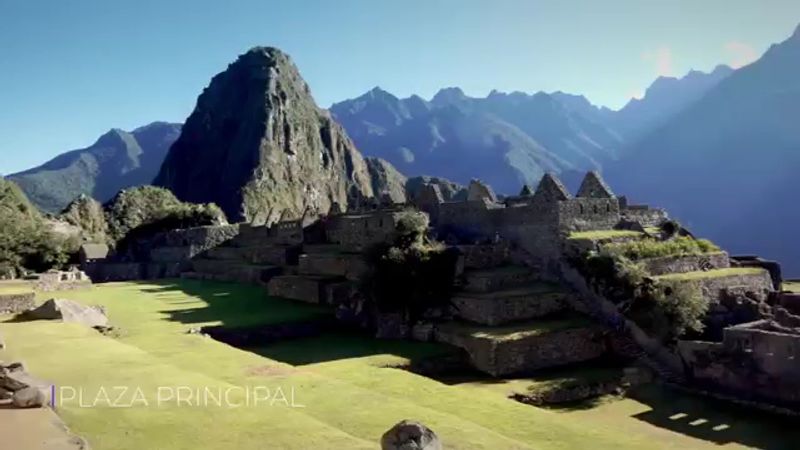
Circuit 2 is widely considered the best all-around option, covering the main plaza, the Temple of the Sun, and the iconic panoramic viewpoint. Circuit 1 offers the highest vantage point but is shorter, while Circuit 3 takes you inside the city itself.
Purchase tickets directly through the official government website at machupicchu.gob.pe to avoid inflated third-party prices.
The Best Time of Year to Visit
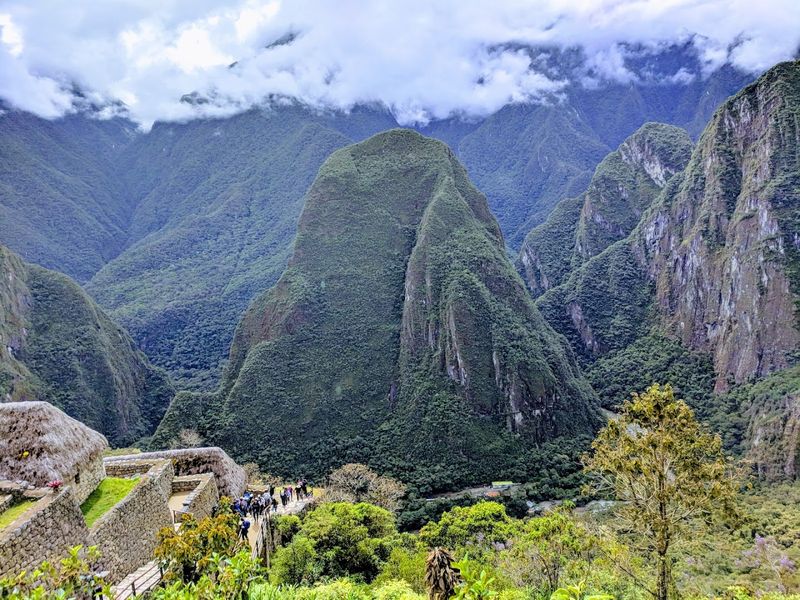
Timing your visit to Machu Picchu can seriously shape your experience. The dry season runs from May through October, and mid-October in particular hits a sweet spot of clear skies, vibrant green landscapes, and noticeably thinner crowds compared to the peak summer months.
The rainy season, which runs from November through April, brings fewer tourists and a moody, atmospheric quality to the ruins. February is especially quiet, though the trails can be slippery and views are sometimes obscured by cloud cover for longer stretches.
Early mornings at any time of year tend to bring mist that gradually lifts, creating dramatic photo opportunities as the light catches the stone walls. Arriving right at the 6 AM opening gives you the best chance of experiencing the site before the midday rush, when crowds peak around 11 AM according to frequent visitors.
What the Ruins Actually Look Like Up Close
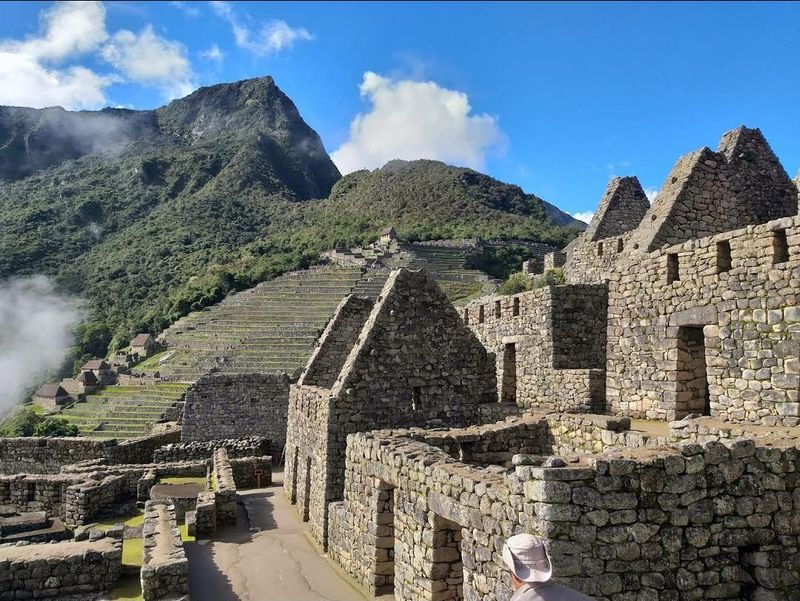
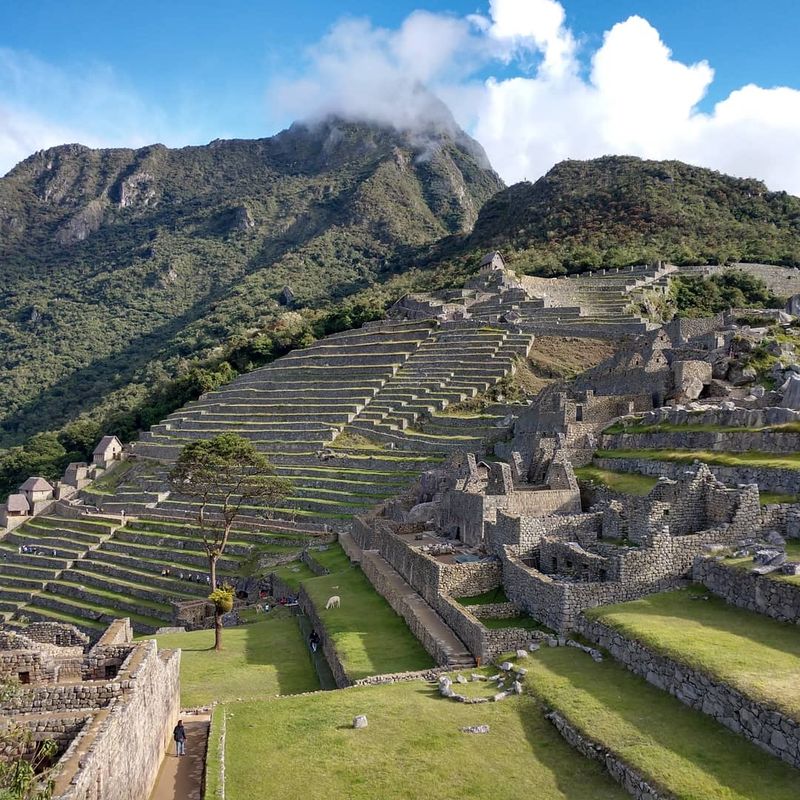
Nothing quite prepares you for the sheer scale and precision of the stonework at Machu Picchu. The Inca builders used a technique called ashlar masonry, cutting stones so precisely that no mortar was needed, and many of these walls have survived centuries of earthquakes and weather without shifting a millimeter.
The Temple of the Sun is a standout structure, built with curved walls and positioned so that sunlight enters specific windows during the solstices. The Intihuatana stone, often called a solar clock, is another highlight that draws visitors in with its mystery and astronomical purpose.
Agricultural terraces cascade down the mountainside in neat rows, engineered not just for farming but also to prevent erosion on the steep slopes. Every structure you walk past tells a story about Inca ingenuity, and having a knowledgeable guide beside you transforms a walk among rocks into a genuine history lesson.
Why a Guide Makes All the Difference
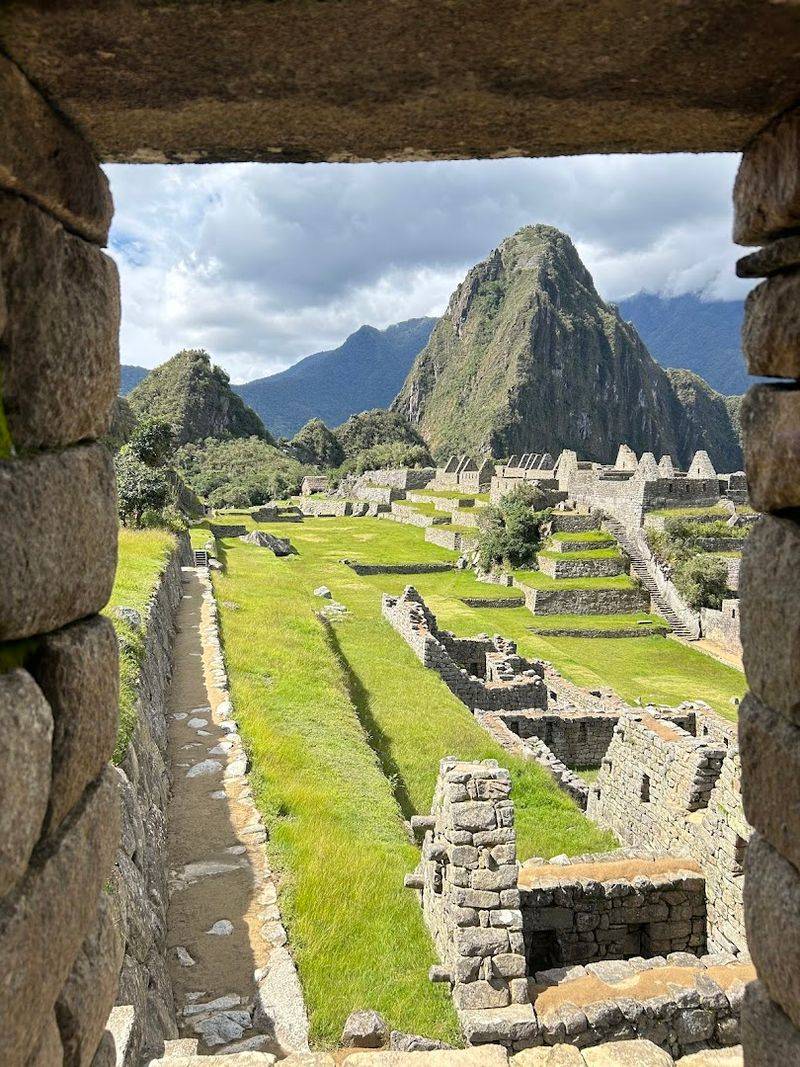
Hiring a guide at Machu Picchu is one of those decisions you will not regret. The site is vast and the signage, while clear for navigation, does not explain the deeper history behind what you are looking at.
A good guide turns the experience from a scenic walk into a fully immersive history lesson.
Local guides are certified and typically speak excellent English, sharing stories about Inca astronomy, religious practices, and the engineering feats behind the construction. They also know the best spots for photos, including angles where the crowds disappear from the frame entirely.
For those booking through tour operators, private guide options are available and worth the extra cost. Group tours with guides are also common and more budget-friendly.
The key is to communicate clearly about what circuit you want and what aspects of the history interest you most before the tour begins.
Hiking Huayna Picchu and Machu Picchu Mountain
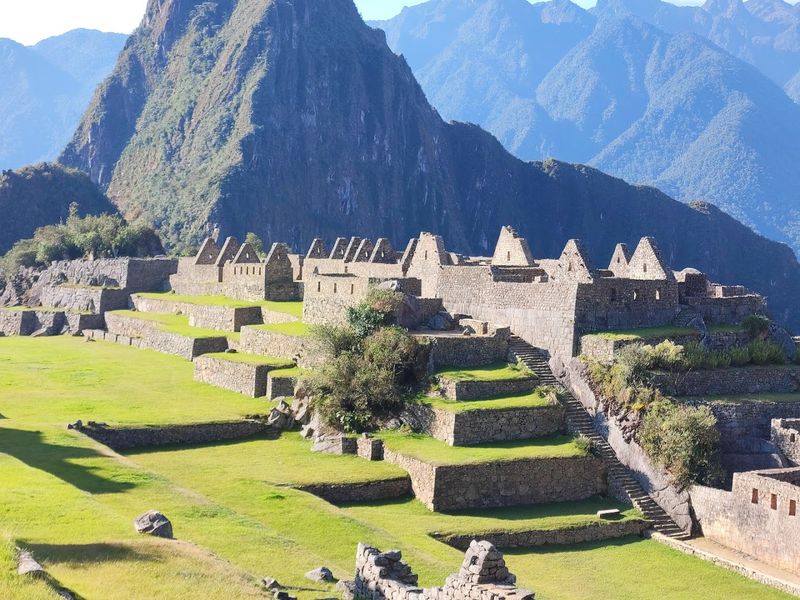
For travelers who want to push their legs a little harder, two major hikes flank the main sanctuary and reward the effort with views that make the ruins look like a miniature model below. Huayna Picchu is the dramatic peak that appears in nearly every classic photo of Machu Picchu, rising sharply behind the citadel.
The trail up Huayna Picchu is steep and narrow, with some sections requiring hands-on climbing along fixed cables. It takes roughly 45 minutes to an hour each way, and tickets are limited and must be purchased separately in advance.
Machu Picchu Mountain offers a longer, slightly less intense climb and reaches a higher elevation, giving a broader panoramic perspective of the entire sanctuary and surrounding valleys.
Both hikes are described as very demanding, so comfortable footwear with good grip is a must, and starting early in the morning is strongly recommended before afternoon clouds roll in.
Understanding the Inca Trail Experience
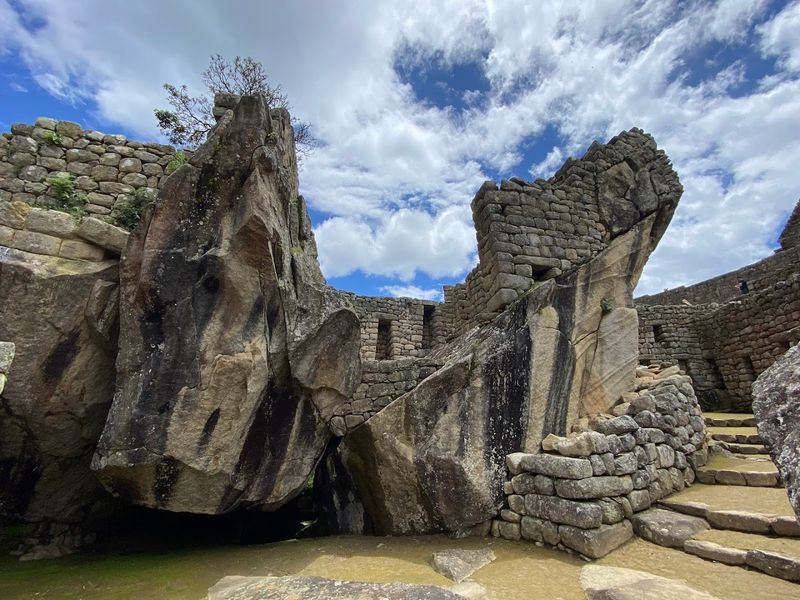
The Inca Trail is one of the most iconic multi-day hikes in the world, and it ends at the Sun Gate above Machu Picchu in a moment that experienced hikers describe as genuinely emotional. The classic route takes four days and three nights, covering about 26 miles through cloud forest, high mountain passes, and ancient Inca ruins along the way.
Permits for the Inca Trail sell out months in advance and are strictly limited to protect the trail and surrounding ecosystem. A shorter two-day version is also available for those with less time or lower fitness levels.
The trail demands solid physical condition, particularly because of the altitude, which reaches over 13,000 feet at the highest pass.
For those who prefer not to hike at all, the train-and-bus combination is just as valid and far more comfortable, delivering you straight to the entrance gate without a single blister.
Aguas Calientes: The Town Below the Mountain
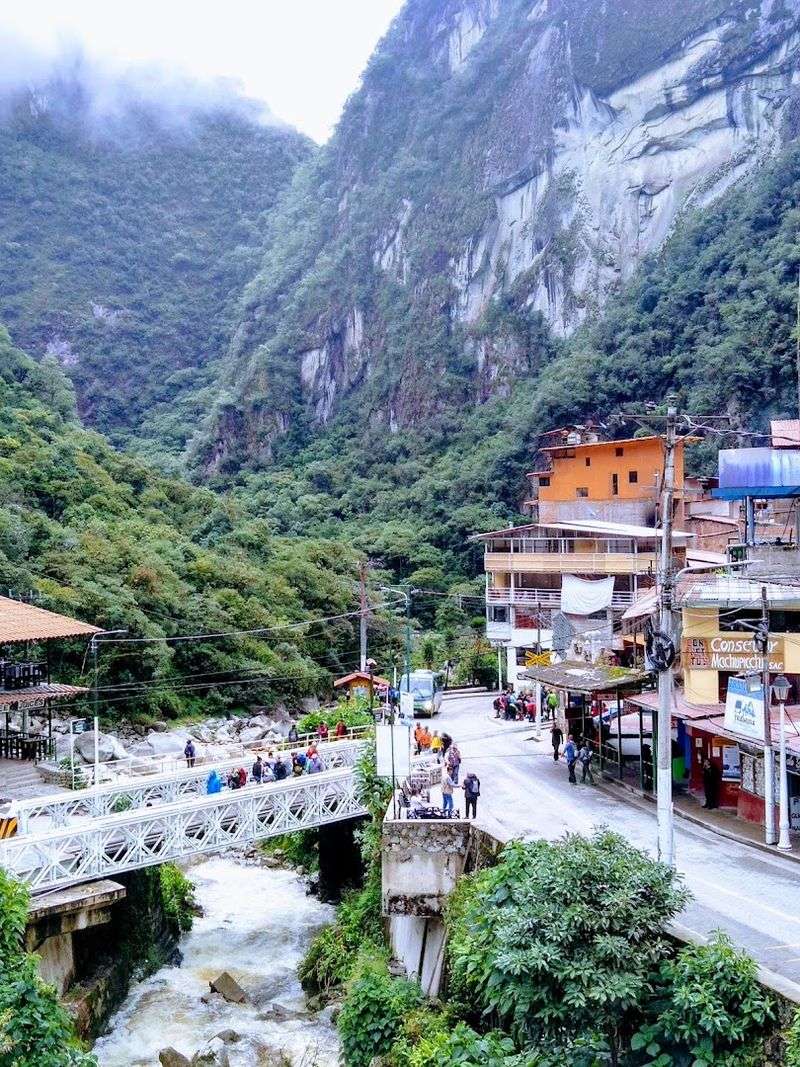
Aguas Calientes, also known as Machu Picchu Pueblo, is the small town at the base of the mountain and the last stop on the train before you head up to the ruins. It has a lively, compact energy with restaurants, souvenir markets, and small hotels lining the streets along the Urubamba River.
Food prices vary considerably here, so it pays to walk around and compare menus before sitting down. Local restaurants serve traditional Peruvian dishes including lomo saltado, ceviche, and hearty soups that are perfect for refueling after a long day of walking the ruins.
Staying overnight in Aguas Calientes is a smart move for anyone who wants to catch the 6 AM opening of the sanctuary without the pressure of an early morning journey from Cusco. Hotel prices start around 50 soles and scale upward depending on comfort level and proximity to the train station.
Weather, Clouds, and the Magic of Mist
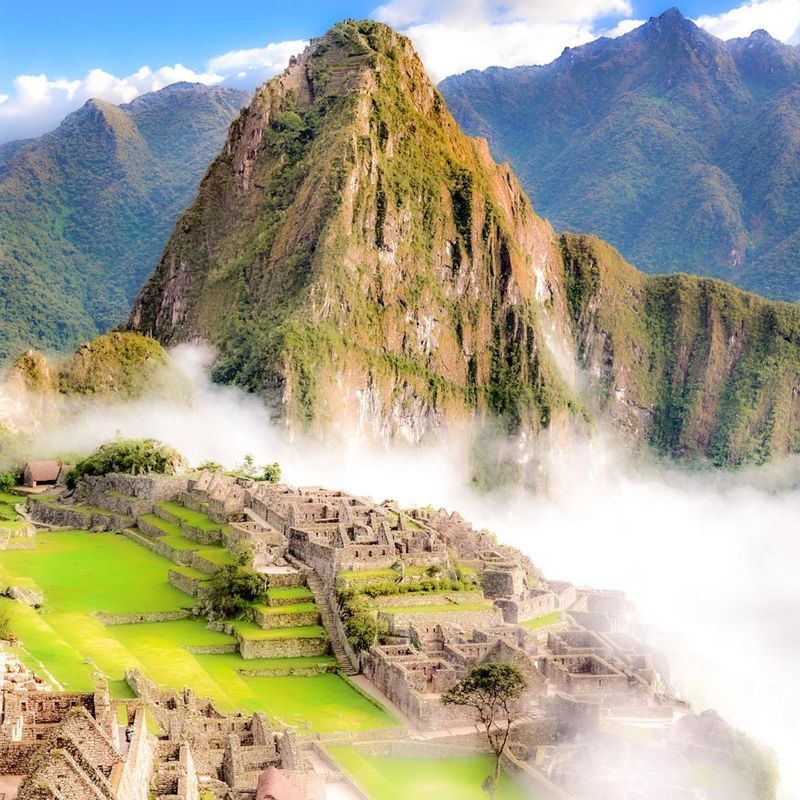
The weather at Machu Picchu is famously unpredictable, and that is actually part of what makes it so photogenic. The site sits in a cloud forest zone, meaning thick fog can roll in and out within minutes, completely transforming the mood of the landscape from one moment to the next.
Early morning visits often start with heavy mist covering the ruins, but the clouds typically burn off as the sun climbs, revealing the full citadel in golden light. Do not let a cloudy forecast discourage you; weather apps are notoriously unreliable at this altitude, and many visitors who were warned of all-day rain ended up with clear skies by mid-morning.
Bring a light rain jacket regardless of the forecast, and pack sunscreen for when the clouds do clear, because the UV intensity at high altitude is significantly stronger than at sea level.
The Sacred Valley: A Journey Worth Slowing Down For
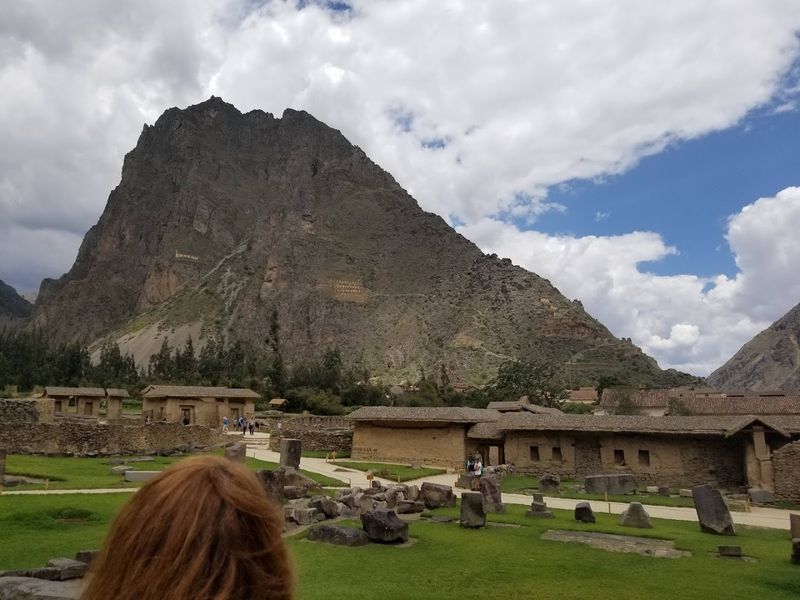
Most travelers treat the Sacred Valley as a corridor between Cusco and Machu Picchu, but that is selling it seriously short. The valley stretches along the Urubamba River and is dotted with Inca ruins, traditional markets, and small villages that offer a completely different texture than the main citadel.
Ollantaytambo, the town where most travelers board the train, has its own impressive fortress ruins rising above the rooftops and narrow cobblestone streets that date back to Inca times. The Pisac market is another highlight, where local artisans sell handwoven alpaca goods using natural dyes made from plants and insects.
One particularly memorable stop along the route is a weaving demonstration by a community of families who maintain traditional Inca textile techniques, showing how natural elements from the surrounding environment are used to create vivid, lasting colors in the yarn.
Practical Tips to Make Your Visit Run Smoothly
A few practical details can completely change how your day at Machu Picchu unfolds. Arriving at the bus loading area at least 30 minutes before your timed entrance slot is strongly recommended, as lines form quickly and missing your entry window means waiting or rescheduling.
Bring plenty of water, as there are limited refreshment options inside the sanctuary itself. Sunscreen, a hat, and a light waterproof layer are equally important regardless of the season.
Comfortable shoes with solid grip are essential because many of the paths are uneven stone steps that get slippery when wet.
Photography is permitted throughout the site, but tripods and selfie sticks are not allowed inside certain areas. Large bags must be checked before entry.
The site phone number is +51 84 582030 for any last-minute questions, and the official website machupicchu.gob.pe has updated entry requirements and ticket availability.
Why Americans Keep Coming Back
There is a reason Machu Picchu keeps showing up on American bucket lists year after year, and it goes beyond the photographs. The combination of ancient history, dramatic natural scenery, and the physical effort required to get there creates a sense of accomplishment that very few destinations can match.
U.S. visitors consistently describe it as a once-in-a-lifetime experience, but many return for a second or third trip, choosing different circuits, different seasons, or the multi-day Inca Trail to experience the site from a fresh angle. The site accommodates different budget levels, from backpacker-style journeys through Cusco to fully organized luxury tours where every detail is handled.
Europe has its charms, but Machu Picchu offers something fundamentally different: a connection to a civilization that built one of the most sophisticated cities in the ancient world, perched at the edge of the clouds, and left it perfectly in place for the rest of us to find.



