 Unearth The Voyage
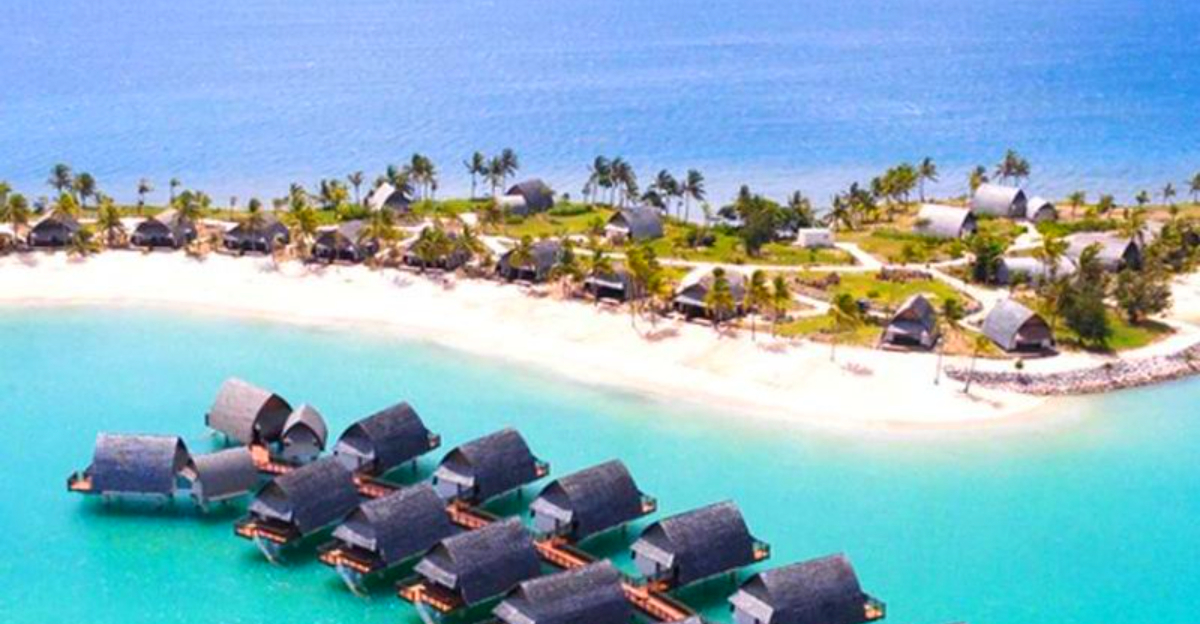
Standing on a cliff where the Pacific stretches endlessly, Pitcairn Island feels worlds away from modern routines. With no nearby supermarkets and the ocean as its only connection, every arrival is an event and daily life moves to the steady rhythm of a tight-knit community. Home to just around 40 people, the island reshapes ideas of distance, time, and neighborly trust. For anyone curious about what true off-grid living looks like, Pitcairn’s story offers a rare and revealing glimpse.
1. Tiny Population
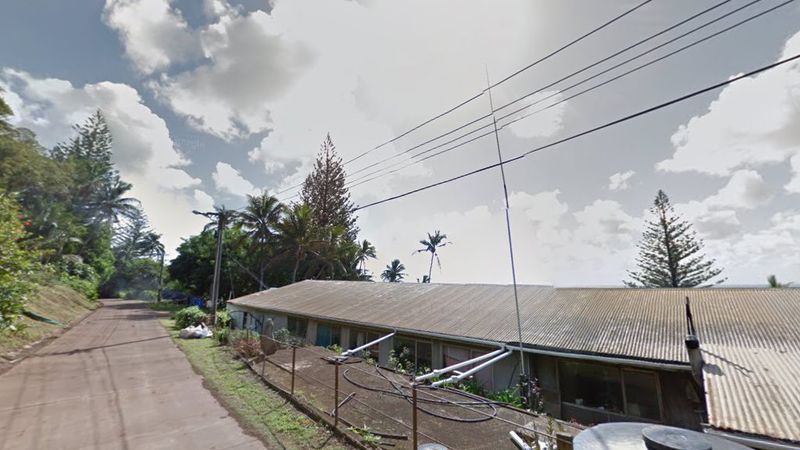
On Pitcairn Island, you could learn every name in a day and greet everyone again by sunset. Around 40 permanent residents share the daily rhythm, making the island one of the smallest inhabited communities on Earth. You feel the closeness immediately, because every hand counts and every voice carries.
There is no blending into a crowd here. Roles overlap, neighbors volunteer, and the line between friend and family blurs. When supply ships arrive, the entire community turns out, and you become part of the team without even thinking about it.
That tiny headcount shapes everything from celebrations to decision making. Children grow up with multiple aunties and uncles, and elders are honored keepers of memory. You rely on each other for repairs, safety, and laughter, and that intimacy feels rare and unforgettable.
2. Remote Location
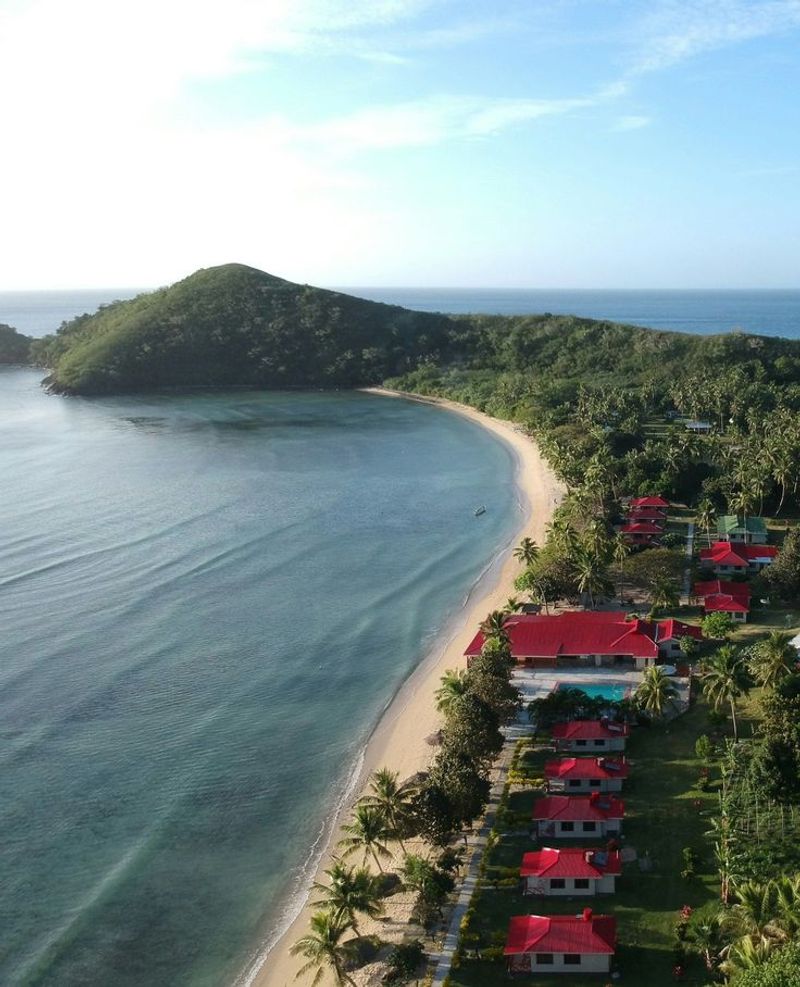
Look at a map and Pitcairn seems like a green comma in an ocean of blue. The island sits in the southern Pacific, thousands of kilometers from New Zealand and South America. You sense the distance in the calm between ship arrivals and in the stars that burn brighter than any city night.
That remoteness shapes priorities. Fuel, medicine, and mail must be planned with care, and weather can rewrite schedules overnight. You learn patience fast, because nature sets the timetable.
The payoff is staggering solitude and purity. The water is clear, the air is sharp, and silence has its own music. When you finally arrive after days at sea, you feel like you crossed a threshold into a world that keeps its own slow, steady time.
3. Only Inhabited Island
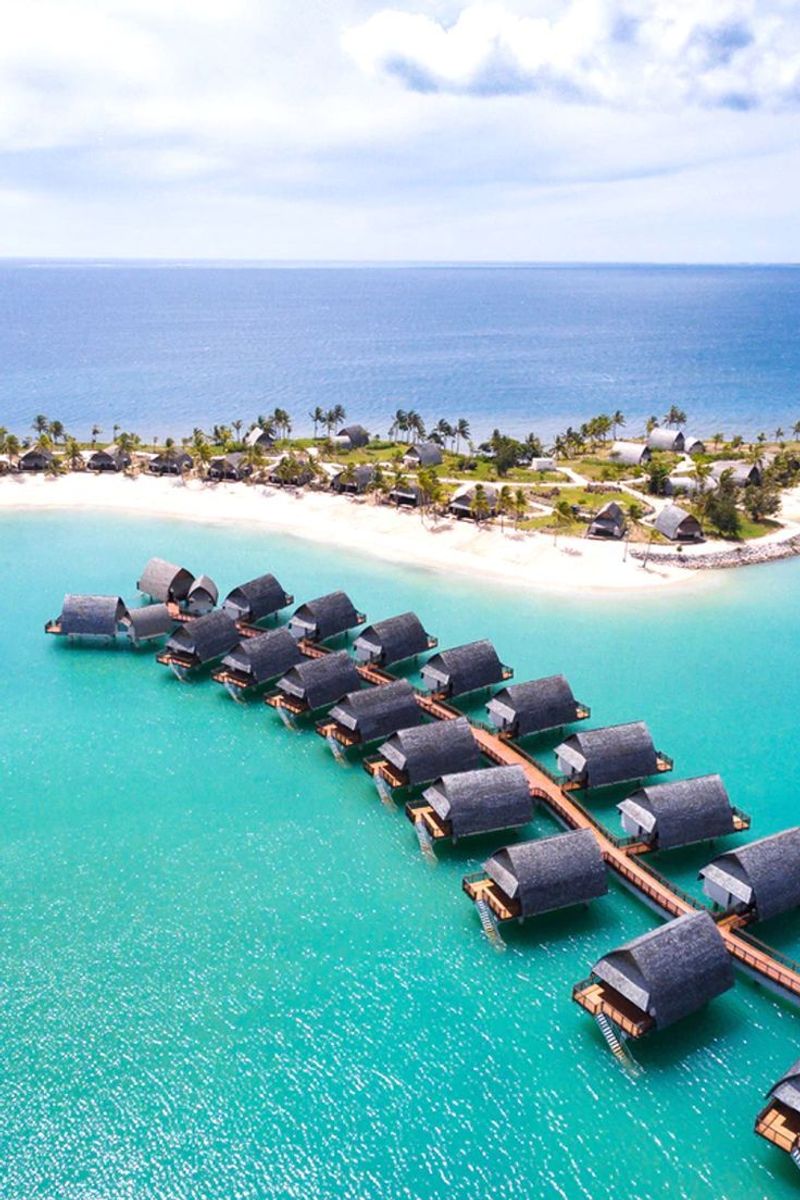
Pitcairn is the only inhabited island in its little archipelago family. Henderson, Ducie, and Oeno remain uninhabited, pristine and mostly visited by scientists, sailors, or rare expeditions. You feel the solitude more knowing that the nearest neighbors are silent reefs and bird sanctuaries.
This separation preserves a kind of purity and makes Pitcairn’s human story even more focused. Everything social, administrative, and celebratory happens on this single rugged rock. The other islands whisper from the horizon but rarely call you over.
On calm days, talk drifts to the beauty of Henderson’s beaches or Oeno’s lagoon. But daily life stays anchored in Adamstown, where the voices are. That concentration gives the community its distinctive warmth and resilience, honed by living as the sole human outpost in a vast maritime park.
4. British Overseas Territory
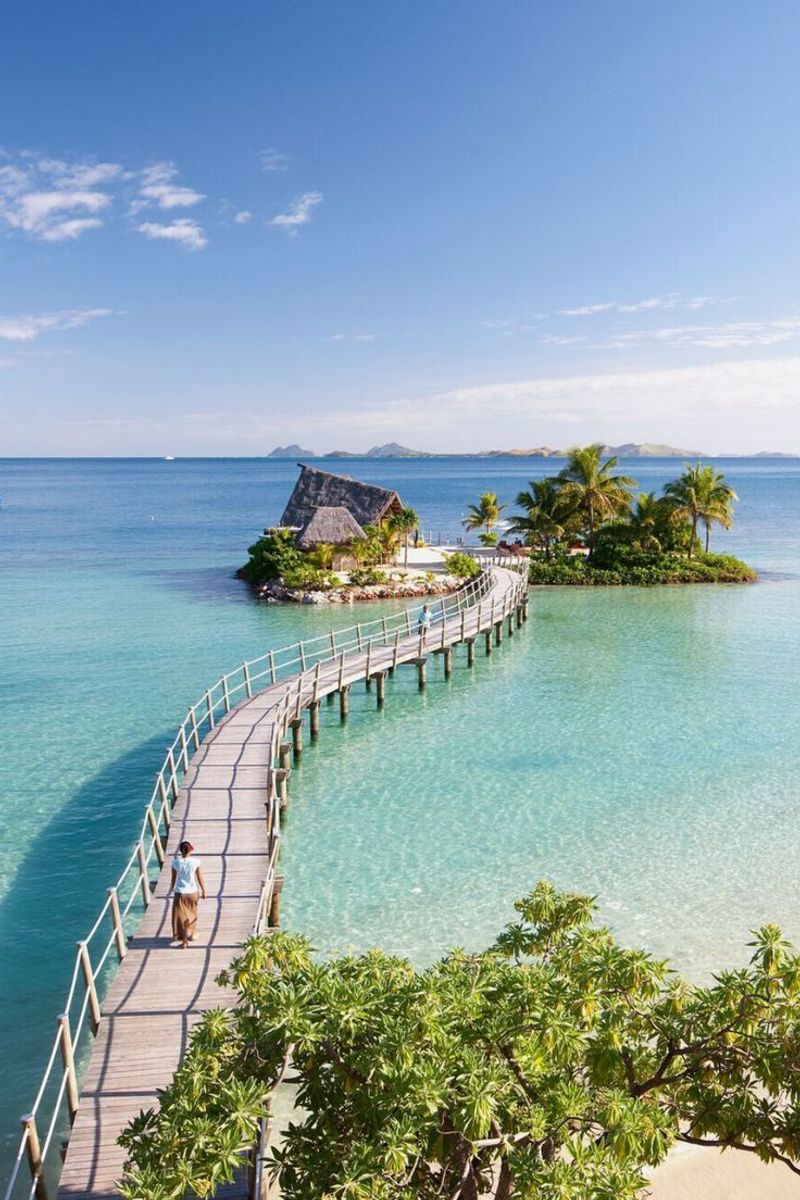
Pitcairn is a British Overseas Territory with the King as monarch. The governor is based in New Zealand, and formal ties thread through consular channels, logistics, and legal frameworks. You notice the UK connection in stamps, governance documents, and the cadence of official visits.
Yet day to day, islanders manage many practical affairs themselves. Meetings feel personal, and decisions ripple quickly in a place this small. It is governance you can greet by first name, guided by tradition and necessity.
The result is a blend of British formality and local pragmatism. You might discuss maritime rules in the morning and share homemade bread by afternoon. That mix helps keep services running, connects Pitcairn to the wider world, and preserves a sense of belonging beyond the horizon.
5. Capital Settlement: Adamstown
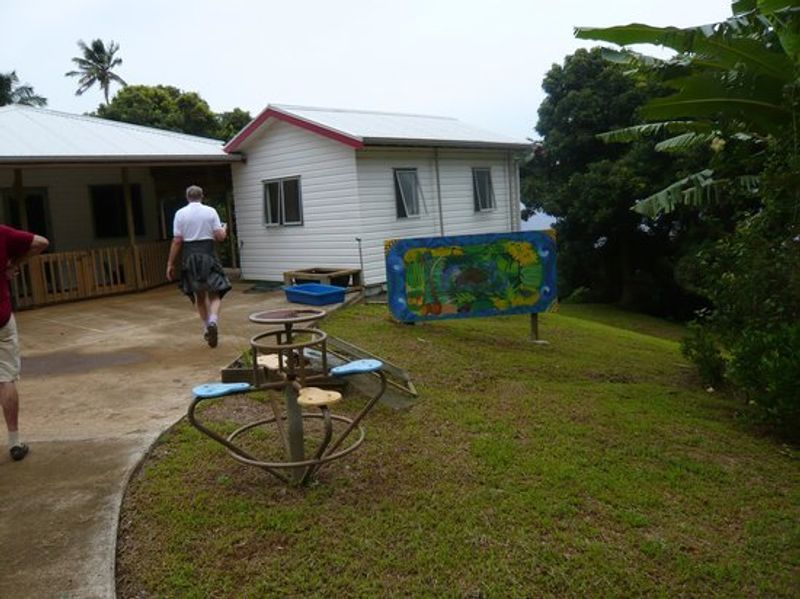
Adamstown is not just a capital. It is the entire town, a stitched patch of homes, the square, and community buildings tucked into green hills. You walk from the post office to a neighbor’s garden in minutes, passing voices you recognize.
Here, meetings happen under open skies, and news travels faster than any official bulletin. The radio crackles, bells ring, and a quick call brings a dozen helping hands. It is a hub that feels like a living room for the whole island.
With so few people, every space works overtime. The square hosts ceremonies, notices, and visiting researchers. In Adamstown, community is not an abstract idea. It is the path under your sandals, the shared bench at sunset, and the place you return after every sea crossing.
6. Volcanic Island
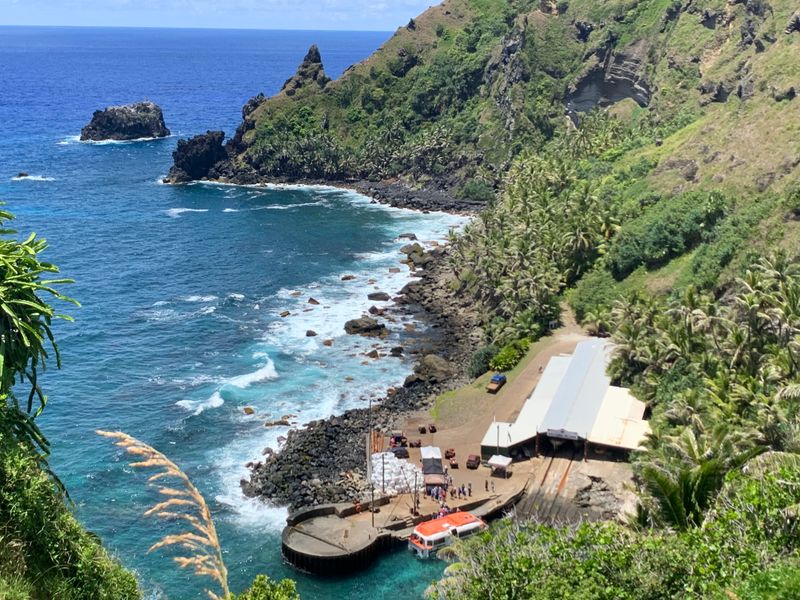
Pitcairn rises steep and dark from the water, a volcanic island with cliffs that hold back the sea. Trails twist through guava and banyan, and the ground tells stories in basalt and ash. You feel the island’s bones in your calves as you climb.
That geology shapes everything from gardens to boat landings. Soil pockets are fertile but patchy, and the coast is more fortress than beach. It is wild, beautiful, and honest about its edges.
The land can be demanding, but it rewards patience. Coves flash turquoise, and ridgelines reveal the ocean’s endless face. On Pitcairn, the volcano sleeps beneath your steps, and every path is an introduction to the rock that made this improbable home possible.
7. No Airport Access
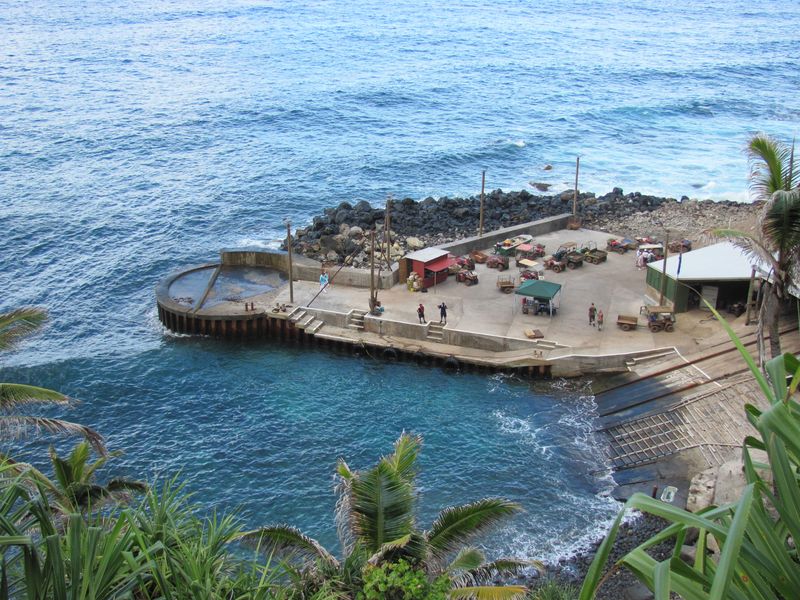
There is no airport on Pitcairn, so you arrive by sea or you do not arrive at all. Supply ships stop on irregular schedules, and longboats dance through surf to reach the landing. You learn to pack spare patience with your rain jacket.
Travel becomes part of the story, not just a hurdle. Weather can pause everything, and a calm window feels like a gift. When the bow kisses the landing, relief and excitement mingle in the spray.
Departure works the same way, with waves deciding the last word. It is a reminder that modern speed is optional here. The ocean sets the pace, and you move with it, grateful when the horizon opens a door and equally content when it asks you to wait.
8. Descended From Mutineers
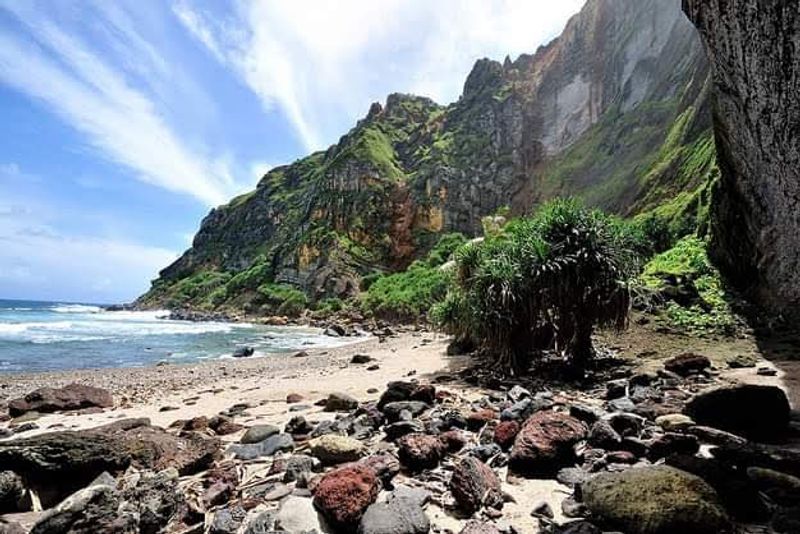
Most islanders trace roots to the HMS Bounty mutineers and their Tahitian companions. Names echo through generations, and stories are as common as the trade winds. You hear history in everyday greetings and see it on weathered headstones.
That origin is more than legend. It shaped customs, family trees, and a resilient sense of identity. The past feels near, not locked behind museum glass, but living at kitchen tables and community gatherings.
As you walk, place names and family tales braid together. The mutiny becomes personal, textured by love, hardship, and survival. On Pitcairn, heritage is not a brand. It is a shared inheritance, tender and complicated, carried forward by people who still mend boats, plant gardens, and keep watch on the same cliffs.
9. Dual Languages: English and Pitkern
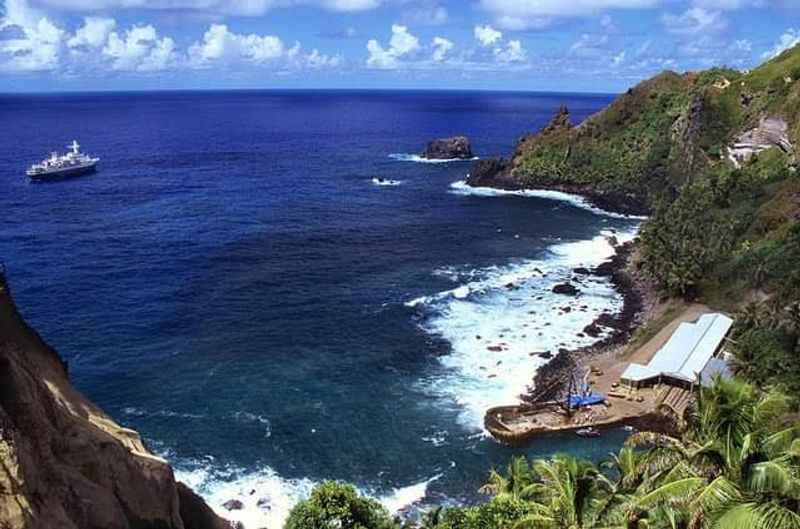
Language on Pitcairn carries a melody you do not hear anywhere else. Islanders speak English and Pitkern, a blend of 18th century English and Tahitian. You catch familiar words bending into island shapes, warm and rhythmic.
Conversations switch fluidly, depending on context and company. In meetings, English keeps things formal. At home, Pitkern adds humor, intimacy, and history. It is a code stitched from two oceans of culture.
Learning a few Pitkern phrases opens doors fast. People light up when you try, and suddenly stories get richer. The language is a living archive, preserving the voices of ancestors while adapting to phones, radios, and modern jokes carried on Pacific winds.
10. Tiny Capital World Ranking
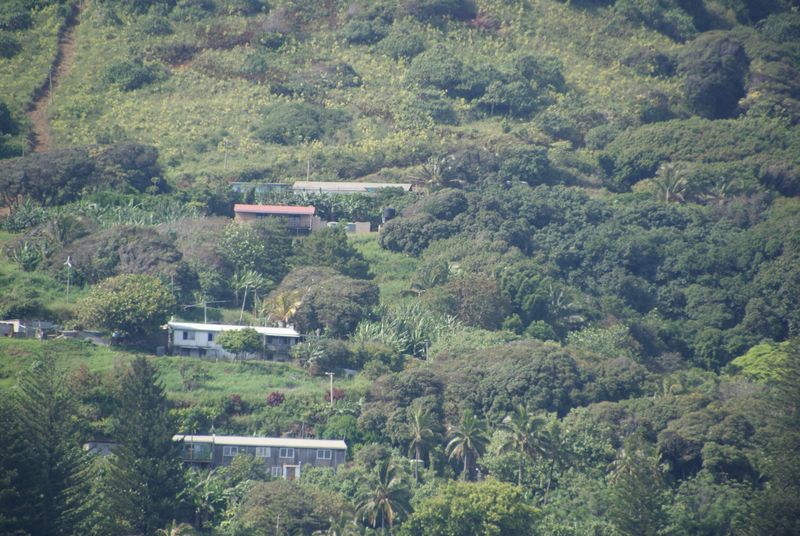
Adamstown ranks among the smallest capital towns on the planet. The numbers feel almost imaginary until you buy honey from the person who also handled your mail. You experience government, groceries, and gossip within a few hundred steps.
Size changes the meaning of administration. Public notices are neighborly reminders, and you can raise a concern over a fence. Decisions turn into conversations that ripple through a dozen homes rather than office blocks.
That intimacy makes civic life immediate. You feel responsible because your absence would be noticed. Adamstown may be tiny, but the sense of agency is huge. On a clear evening, with the ocean glinting below, the capital feels like a porch where the island’s entire future sits and talks things through.
11. Simple Island Economy
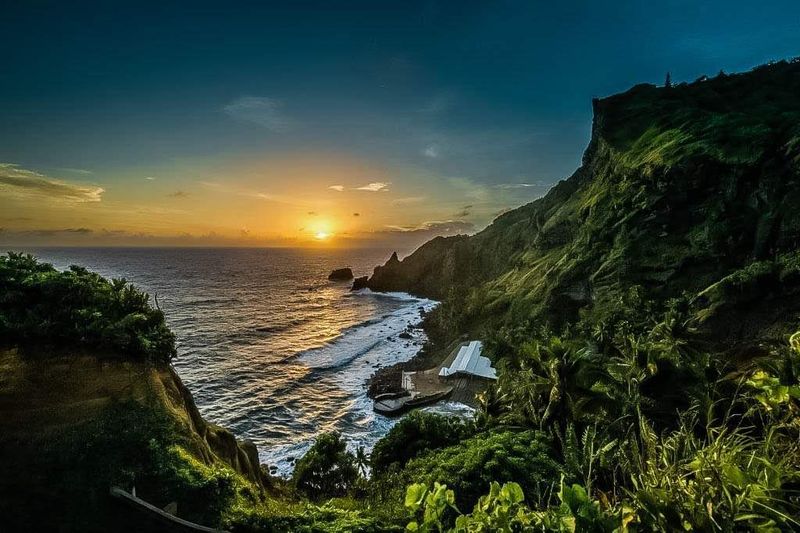
The economy is small but resourceful. People fish, tend gardens, and craft beautiful woodwork. Honey jars gleam on tables, and stamps travel the world from a post office that knows every sender by name. You see creativity in how needs get met.
Tourism trickles in by yacht or expedition ship. Visitors buy souvenirs, hike, and share stories over tea. There is pride in making something with your hands and seeing it appreciated far beyond the island.
Income may be modest, but value shows up in self reliance. Food grown steps from your door tastes better. Repairs are community events. On Pitcairn, money matters, yet the real wealth is time, skills, and the trust that keeps everything running.
12. Population Concerns

With only around 40 residents, population decline and aging weigh heavily. Services need hands, and schools need voices. You feel the stakes when a skilled neighbor departs or a role goes unfilled for a season.
Support from the UK helps sustain infrastructure and essential links. Still, the question lingers about how to attract new families and keep youth engaged. It is a practical and emotional conversation shared openly.
Life here is precious because it is fragile. Every newcomer adds strength, every birth is a celebration. If you have ever wondered whether your presence could matter, Pitcairn answers yes. The island’s future is a project you can touch, carried forward one commitment at a time.
13. Unique Timeline
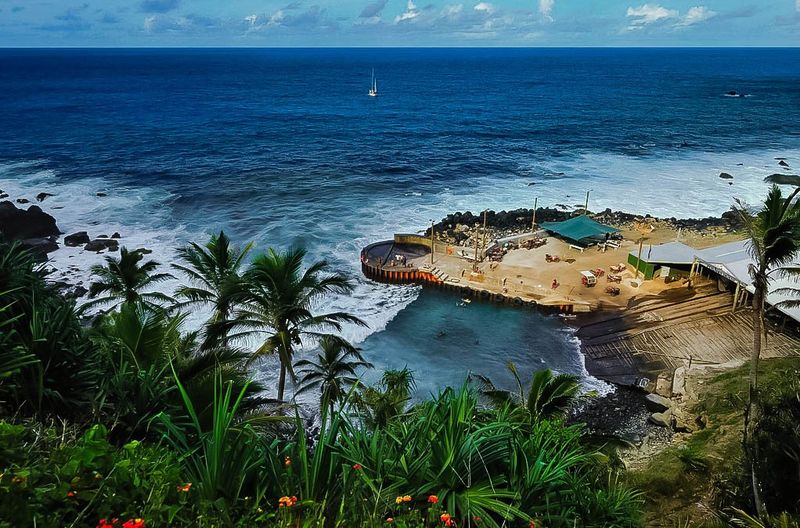
Pitcairn’s European story begins with the 1767 sighting. Permanent settlement started in 1790 when the Bounty mutineers and Tahitian companions arrived. You can trace that arc in graves, place names, and the old anchor of the Bounty.
History here is not distant. It lives in family lines and daily routines shaped by isolation, adaptation, and community rules. You walk through chapters, not exhibits, and the wind seems to turn the pages.
From first landing to modern communications, the island’s identity has evolved without losing its core. Each era brought tests and small triumphs. When you stand above Bounty Bay, you feel a timeline compressed into one rugged amphitheater of rock, sea, and memory.
14. Historic Legal Events
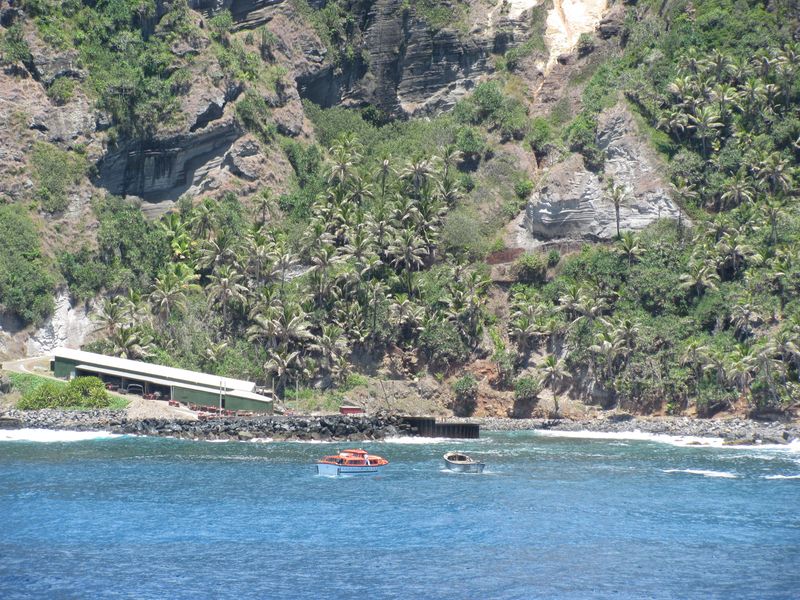
In 2004, Pitcairn faced highly publicized trials involving sexual abuse cases. The proceedings drew intense outside attention and forced difficult conversations within a very small community. You can feel how isolation compounds social challenges and how justice must navigate intimate relationships.
Residents had to balance accountability, healing, and the realities of ongoing daily life. It was painful, public, and complex, leaving lessons that still inform policies and support systems. Honesty became a path to resilience.
Talking about it matters because silence hurts more. The community continues to work on safeguards, education, and respectful dialogue. You see strength in that commitment, a promise to protect the vulnerable while preserving the bonds that make survival possible on a remote island.
15. Remote Lifestyle
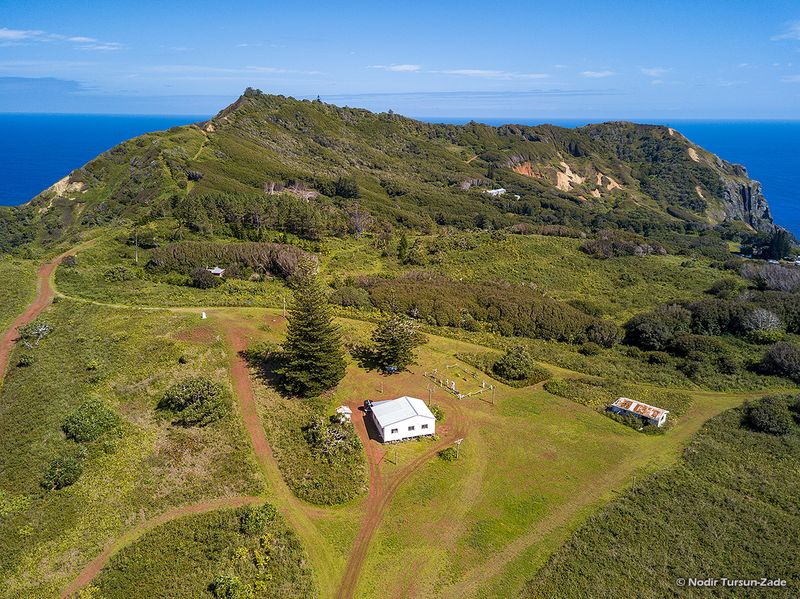
Life here is hands on. You garden, fish, patch things, and plan around weather, ships, and daylight. Internet exists, but the soil and sea set the agenda. You feel connected to the elements in a way cities often forget.
Infrastructure is modest, but ingenuity is abundant. Solar panels hum, rain tanks fill, and workshops ring with the sound of tools. When something breaks, neighbors appear with parts and jokes.
Evenings bring stars, stories, and the quiet relief of a day well spent. The contrast with elsewhere is dramatic, but not austere. You trade convenience for community, hurry for presence, and the swap feels fair the moment you hear the surf under a moonlit sky.



