South Africa is one of the world’s premier wildlife destinations, with landscapes ranging from savannas and mountains to deserts and coastal wetlands. This remarkable diversity supports an incredible variety of animals, including the Big Five, penguins, sea turtles, and countless other species.
Whether you’re planning your first safari or returning for another adventure, these 13 destinations showcase the country’s outstanding natural beauty and rich biodiversity. Each offers a unique opportunity to experience some of Africa’s most unforgettable wildlife.
1. Kruger National Park, Limpopo & Mpumalanga, South Africa
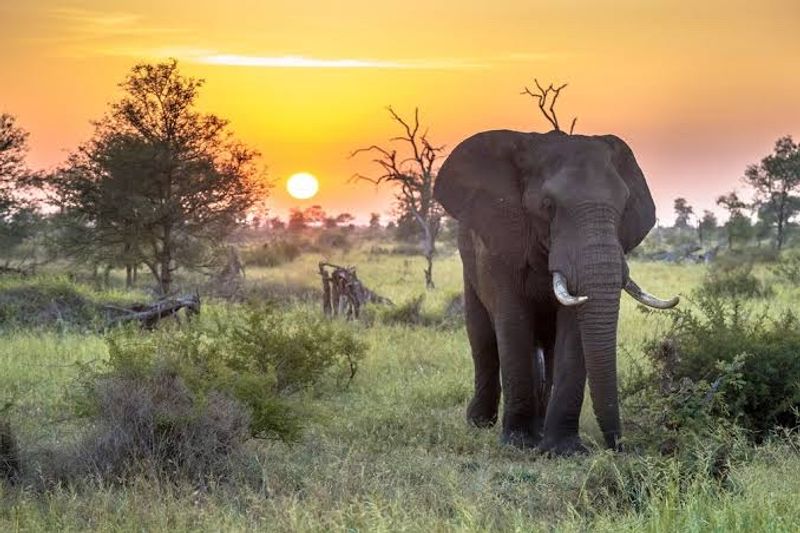
No single wildlife destination in Africa carries quite the same legendary reputation as this one. Kruger National Park covers nearly 20,000 square kilometers of varied terrain, including granite kopjes, tropical forests, and wide-open savannas that shift dramatically as you drive south to north.
The Big Five are all present in strong numbers, but the supporting cast is equally impressive. Over 147 mammal species call the park home, alongside 508 recorded bird species, 114 reptile species, and 49 fish species. That kind of biodiversity means no two game drives ever look the same.
The park’s road network is extensive and well-maintained, making self-drive safaris genuinely accessible for first-time visitors. Camps range from basic bush options to comfortable lodges, catering to every type of traveler. Kruger also forms part of the Greater Limpopo Transfrontier Park, connecting it to reserves in Mozambique and Zimbabwe for an even broader wildlife corridor.
2. Addo Elephant National Park, Eastern Cape, South Africa
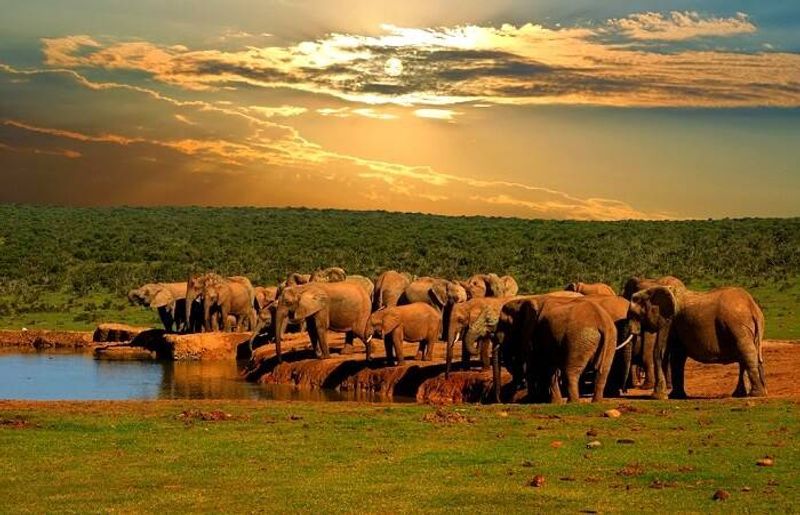
What started as a last-ditch effort to protect just 11 remaining elephants has grown into one of conservation’s greatest comeback stories. Addo Elephant National Park now shelters over 600 elephants across its vast Eastern Cape terrain, making it one of the densest elephant populations anywhere in Africa.
The park is one of very few places in the world where you can tick off the so-called Big Seven in a single visit. That list includes the standard Big Five plus great white sharks and southern right whales found in the park’s coastal marine section.
Five of South Africa’s seven vegetation biomes exist within Addo’s boundaries, which explains the remarkable range of species found here. The park also hosts the world’s largest breeding population of Cape gannets and the second-largest colony of African penguins. Wildlife viewing here is consistently excellent, and the relatively modest visitor numbers keep things refreshingly uncrowded.
3. Hluhluwe iMfolozi Park, KwaZulu-Natal, South Africa
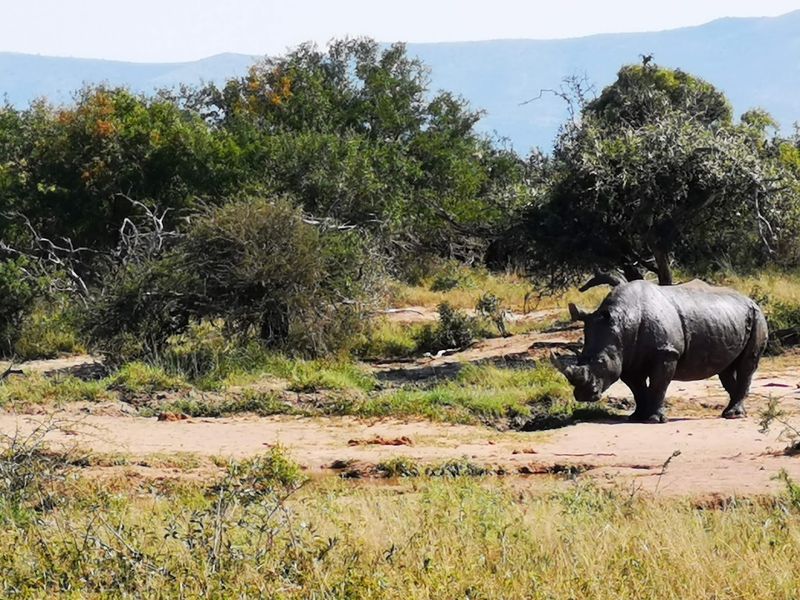
Africa’s oldest proclaimed nature reserve earned its place in conservation history by doing something that seemed almost impossible: it brought the southern white rhinoceros back from the edge of extinction. At one point fewer than 50 individuals remained, and the dedicated work carried out within these boundaries helped the species recover to tens of thousands today.
Beyond the rhinos, Hluhluwe iMfolozi delivers a full Big Five experience set against rolling green hills that look nothing like the flat, dry savannas most people picture when they think of South African safari country. The landscape here feels lush and layered, particularly after the summer rains.
Lions, leopards, elephants, buffalo, and a wide variety of antelope species keep game drives consistently rewarding. Birdlife is exceptional too, with over 340 recorded species. The park covers around 96,000 hectares and offers both guided and self-drive options, giving visitors genuine flexibility in how they explore.
4. iSimangaliso Wetland Park, KwaZulu-Natal, South Africa
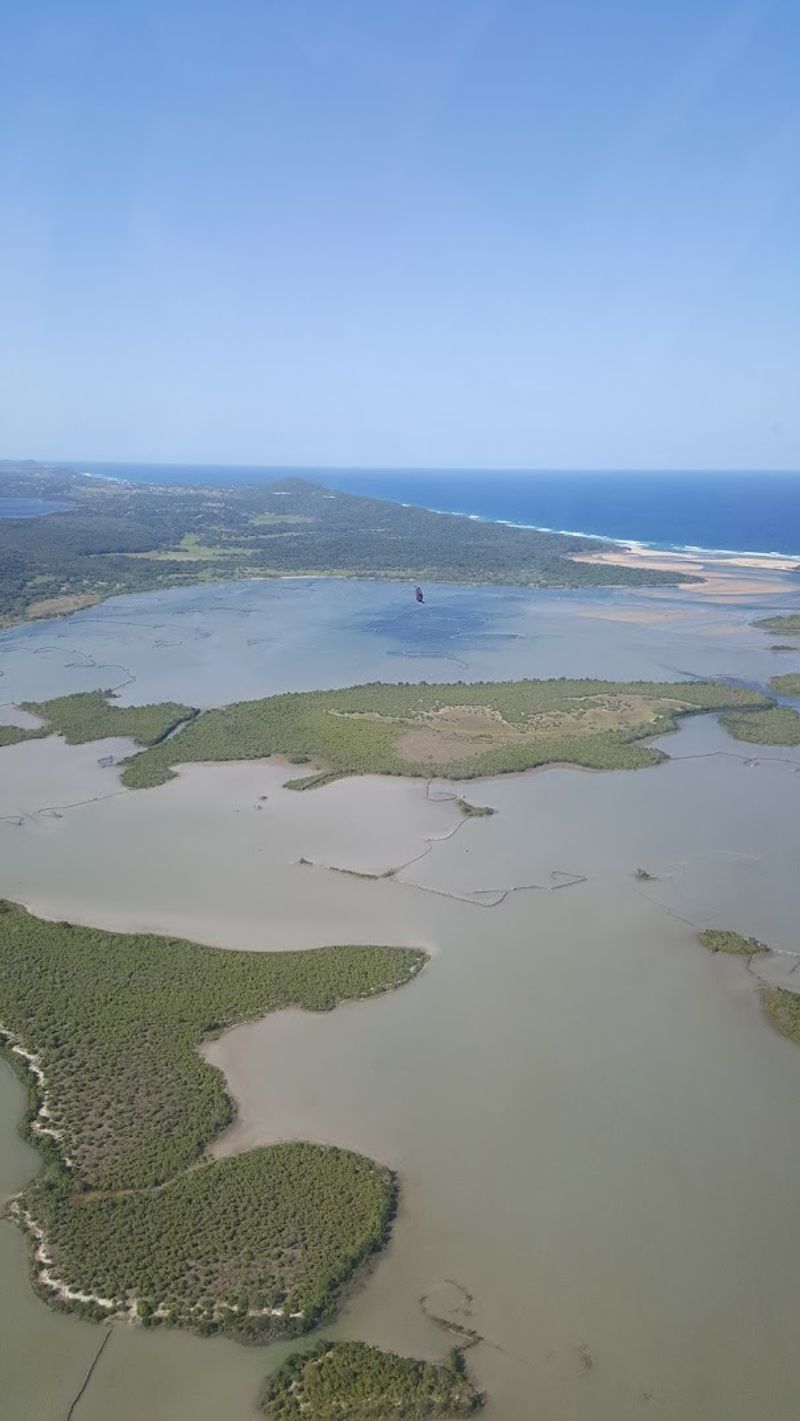
Try finding another protected area in the world that combines coral reefs, freshwater lakes, estuaries, sandy beaches, coastal forests, and open savannas all in one place. iSimangaliso Wetland Park manages exactly that, which is a big reason it became South Africa’s first UNESCO World Heritage Site.
Lake St Lucia alone holds around 800 hippos and approximately 1,200 Nile crocodiles, making it one of Southern Africa’s most concentrated large-wildlife waterways. Loggerhead and leatherback turtles nest on the beaches seasonally, while whales and dolphins patrol the offshore waters.
The sheer variety here means the park genuinely functions as several destinations within one boundary. Birdwatchers can target hundreds of species across the different ecosystems, and the marine section opens up snorkeling and diving opportunities that most inland safari parks simply cannot offer. Few places reward repeat visits quite as generously as iSimangaliso does.
5. Kgalagadi Transfrontier Park, Northern Cape, South Africa
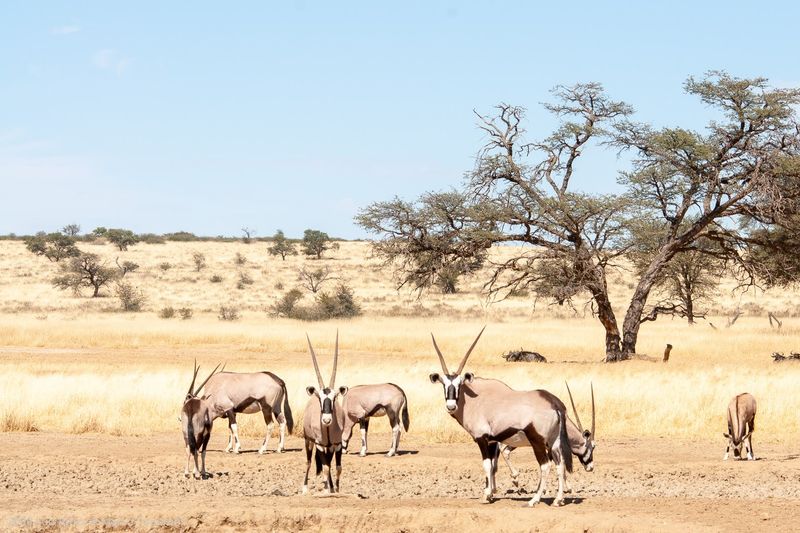
The red dunes of the Kalahari are not just photogenic backdrops, they are working habitats that have shaped a fascinating collection of desert-adapted wildlife over thousands of years. Kgalagadi Transfrontier Park spans across South Africa, Botswana, and Namibia, creating one of Africa’s largest unfenced conservation areas.
The park’s lions are a particular drawcard. The males here often develop striking black manes, a trait associated with the Kalahari’s specific conditions, and their bold behavior in open terrain makes for extraordinary viewing. Cheetahs, leopards, and brown hyenas round out a predator lineup that few parks in the world can match.
Gemsbok, springbok, wildebeest, and meerkats fill the supporting roles with equal charm. Raptors are everywhere, and the sociable weaver nests that drape over roadside trees are engineering marvels worth stopping for. The open landscape means visibility is exceptional, and wildlife often appears at surprisingly close range.
6. Pilanesberg National Park, North West, South Africa
Sitting inside an ancient volcanic crater that formed roughly 1.2 billion years ago, Pilanesberg National Park has a geological backstory that most safari destinations simply cannot compete with. The circular layout of the park, shaped by those ancient eruptions, creates a natural bowl that concentrates wildlife in particularly rewarding ways.
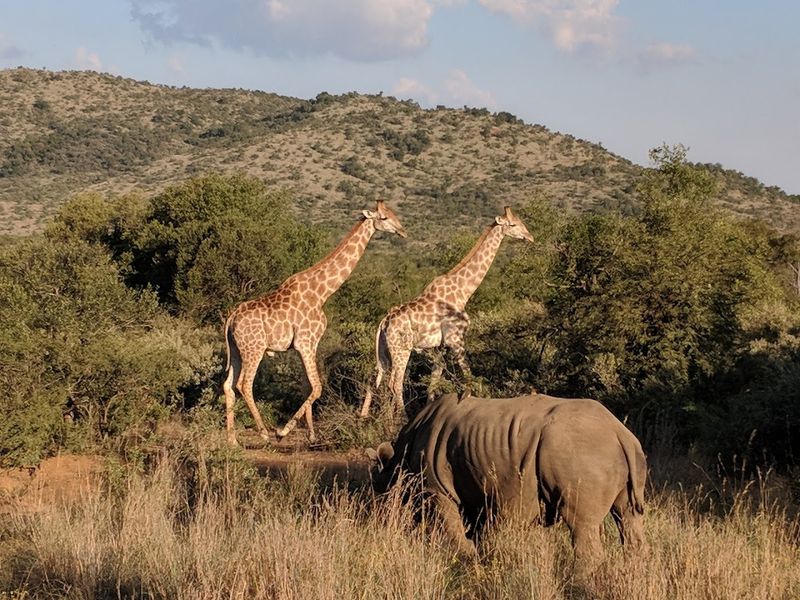
All of the Big Five are present, along with hippos, crocodiles, giraffes, zebras, and over 350 bird species. The park is also malaria-free, which makes it especially appealing for families traveling with children or visitors who prefer to skip preventative medication.
Pilanesberg sits about two hours from Johannesburg, making it one of the most convenient Big Five destinations for travelers with tight schedules. The Sun City resort complex sits right on the park’s border, so combining a game drive with a resort stay is straightforward. Game viewing here is reliably good throughout the year, with waterholes acting as natural gathering points for wildlife during drier months.
7. Madikwe Game Reserve, North West, South Africa
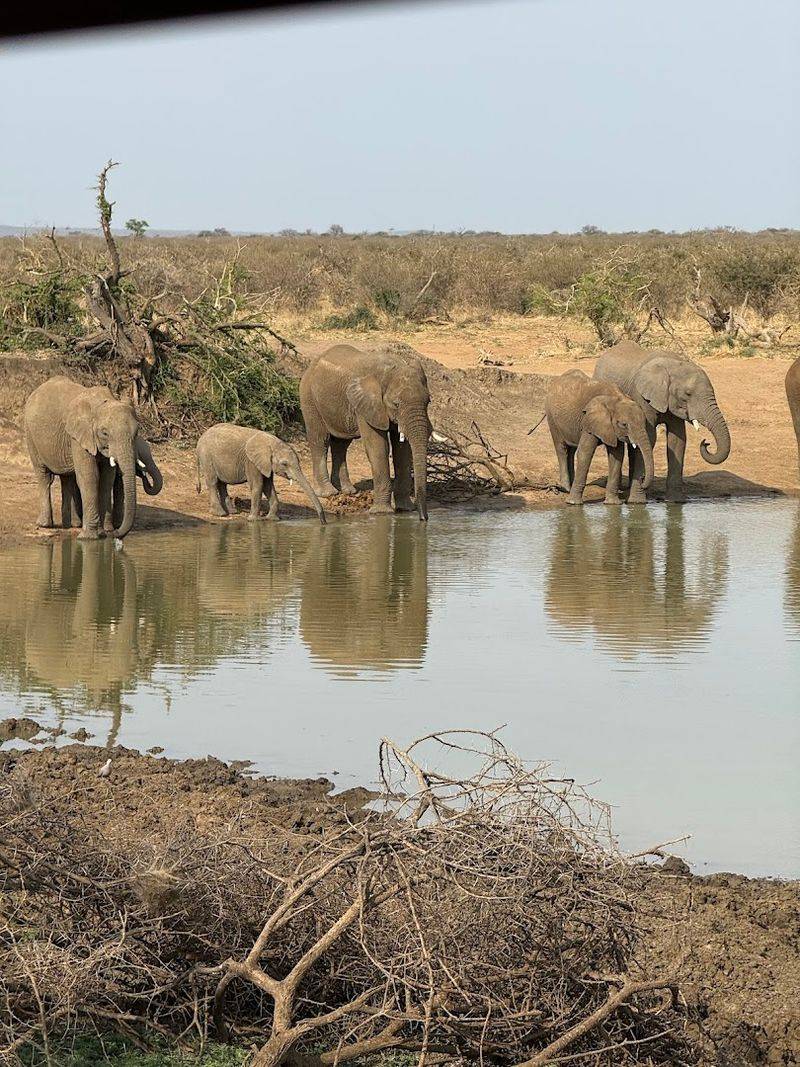
Madikwe quietly went from degraded farmland to one of South Africa’s most celebrated private game reserves in just a few decades, thanks to one of the largest wildlife reintroduction programs the continent has ever seen. Over 8,000 animals were relocated to the reserve during the 1990s, effectively rebuilding an entire ecosystem from scratch.
African wild dogs are the star attraction here. Madikwe supports one of the healthiest and most visible populations in the country, and watching a pack coordinate a hunt across open ground is a genuinely rare experience. The Big Five, cheetahs, and brown hyenas are also regularly sighted.
The reserve operates on a lodge-only model, meaning access is restricted to guests staying at one of the private camps. That policy keeps visitor numbers low and wildlife disturbance minimal. Malaria risk here is also low, adding another practical reason why Madikwe has become a top choice for families and honeymooners seeking a quality safari without the crowds.
8. Mountain Zebra National Park, Eastern Cape, South Africa
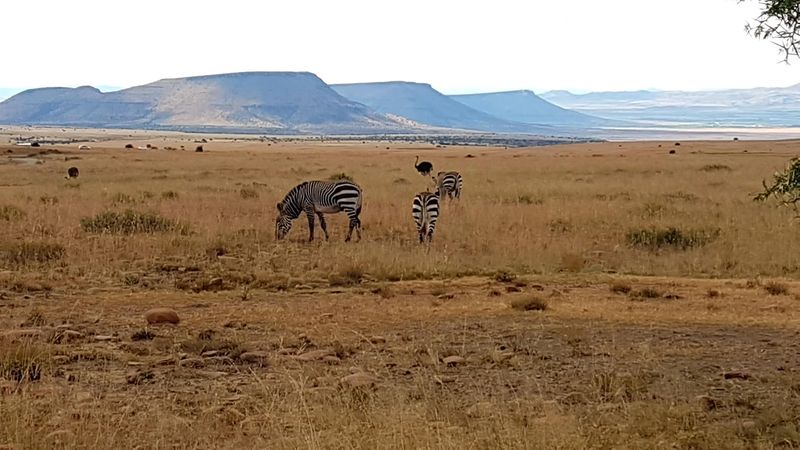
When the Cape mountain zebra population collapsed to fewer than 100 individuals in the early 20th century, the establishment of this national park became an urgent priority. Today the species numbers in the thousands, and the park that saved them has quietly expanded into a well-rounded wildlife destination with a lot more to offer than its name suggests.
Black rhinos, buffalo, cheetahs, red hartebeest, springbok, and eland all share the rugged Eastern Cape terrain with the park’s famous zebras. The mountain scenery is genuinely dramatic, with deep ravines and high plateaus creating a landscape that feels entirely different from the flat bushveld found elsewhere in South Africa.
Raptors are a highlight for birdwatchers, and the park records over 200 bird species. Guided cheetah tracking on foot is available and offers one of the more unusual safari experiences in the country. Visitor numbers stay relatively low, which means the park retains a calm, unhurried atmosphere that many travelers find deeply appealing.
9. Marakele National Park, Limpopo, South Africa
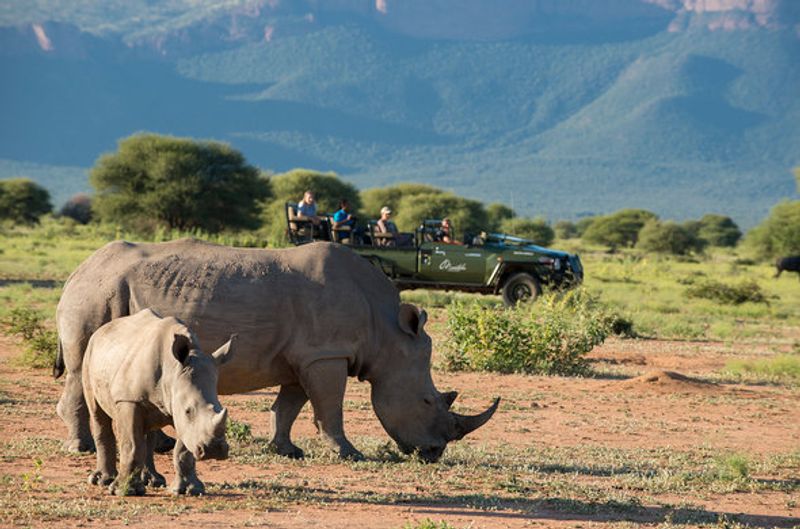
Marakele sits at a transition zone where the dry western regions of South Africa meet the wetter eastern zones, and that ecological crossover produces a wildlife list that is unusually diverse even by South African standards. The Waterberg Mountains provide the dramatic backdrop, and the park’s elevated terrain opens up sweeping viewpoints that reward the drive up.
The Big Five are all present and the park is malaria-free, but the genuine headline act here is the Cape vulture colony. Marakele is home to one of the world’s largest breeding colonies of this endangered species, with hundreds of birds nesting on sheer cliff faces that you can view at surprisingly close range.
Ancient cycads, rare yellowwood trees, and cedar forests add botanical interest that most safari parks lack. The scenic mountain roads require a 4×4 in places but deliver exceptional rewards. Wildlife sightings in the valleys below can be spectacular, particularly around waterholes during dry winter months.
10. Mkhuze Game Reserve, KwaZulu-Natal, South Africa
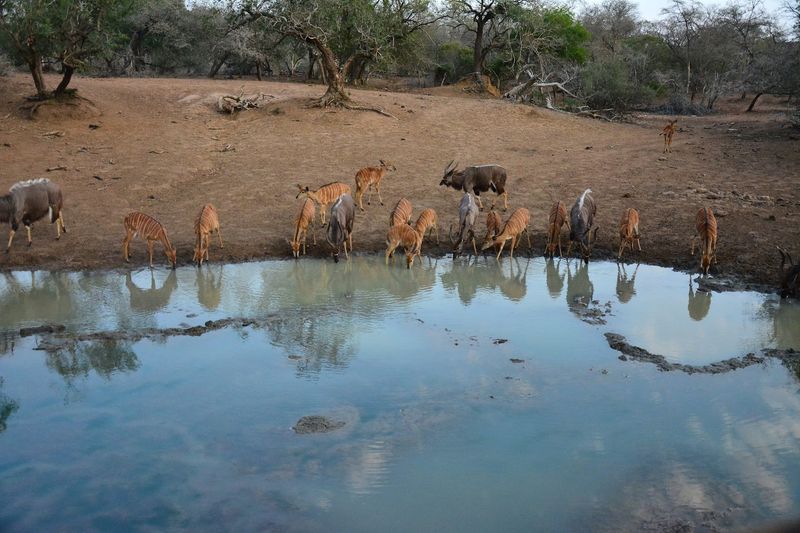
Birdwatchers have been quietly championing Mkhuze Game Reserve for decades, and the numbers back them up completely. Over 420 bird species have been recorded here, drawn by an exceptional mix of wetlands, fig forests, acacia woodlands, and thornbush that few other reserves can replicate within such a compact area.
The reserve’s network of well-positioned hides is its secret weapon. Sitting quietly at a waterhole hide as animals arrive to drink is an entirely different experience from a vehicle-based game drive, and Mkhuze’s hides are considered among the best in KwaZulu-Natal for both birds and mammals.
White and black rhinos, elephants, giraffes, zebras, nyala, and various predators all move through the reserve regularly. Mkhuze forms part of the broader iSimangaliso Wetland Park system, so its ecological connections extend well beyond its own boundaries. For travelers who want serious wildlife diversity without the large-park logistics, Mkhuze is a genuinely rewarding choice.
11. De Hoop Nature Reserve, Western Cape, South Africa
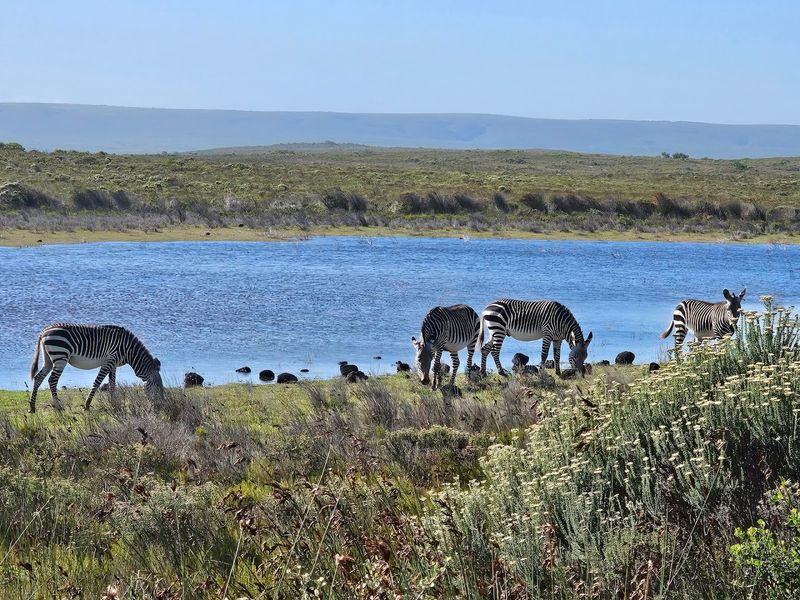
De Hoop operates on a completely different frequency from South Africa’s big-name safari parks, and that is precisely what makes it so special. The reserve protects one of the most important stretches of fynbos habitat anywhere in the world, a plant kingdom so biologically unique that it is recognized as one of the six floral kingdoms on Earth.
Southern right whales use the sheltered coastline as a nursery between June and November, and the viewing from the cliffs above the bay is consistently ranked among the best land-based whale watching anywhere on the planet. Bontebok, Cape mountain zebra, eland, and grey rhebok roam the inland sections alongside over 260 bird species.
The reserve’s marine protected area is one of South Africa’s oldest and most successful, and the combination of coastal dunes, wetlands, and mountain fynbos creates a layered habitat that rewards multiple days of exploration. It is quieter and less visited than most reserves of its caliber, which is a genuine bonus.
12. West Coast National Park, Western Cape, South Africa
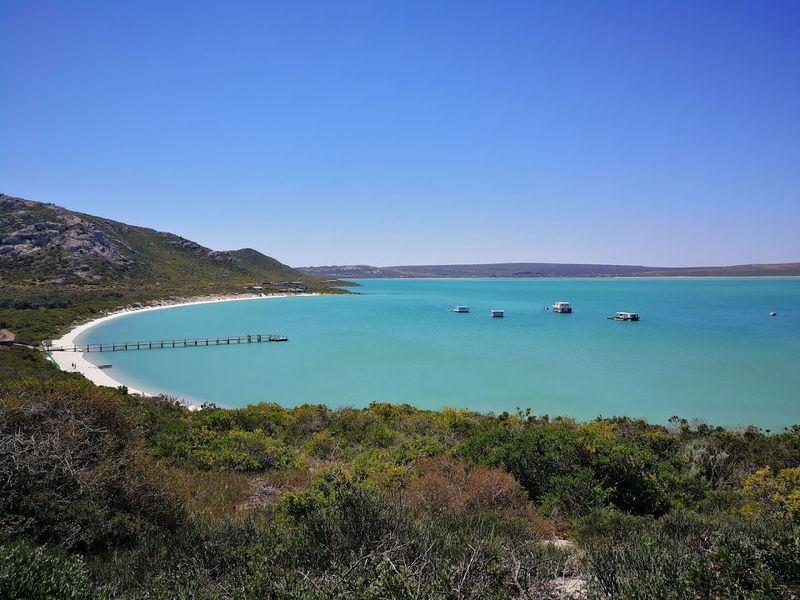
Langebaan Lagoon is the centerpiece of West Coast National Park, and its calm, sheltered waters function as one of the most important shorebird habitats in the Southern Hemisphere. During peak migration periods, tens of thousands of waders and seabirds pack the mudflats in concentrations that genuinely stop experienced birdwatchers in their tracks.
Flamingos, pelicans, ostriches, various antelope species, and over 250 bird species make the park rewarding throughout the year. The coastal wetlands and salt marshes support a food web that stretches from tiny invertebrates all the way up to large marine predators offshore.
Spring wildflower season, typically running from August to October, adds a completely different dimension to the park’s appeal. The landscape transforms into a carpet of color that draws visitors from across the country and beyond. West Coast National Park is an easy day trip from Cape Town, but the combination of wildlife, flowers, and lagoon scenery makes a longer stay well worth planning.
13. Bontebok National Park, Western Cape, South Africa
By the 1930s, the bontebok had been reduced to just 17 individuals, making it one of the rarest large mammals on the planet at the time. The establishment of this small national park, combined with careful management over subsequent decades, pulled the species back to a stable population and wrote one of conservation’s more quietly triumphant chapters.
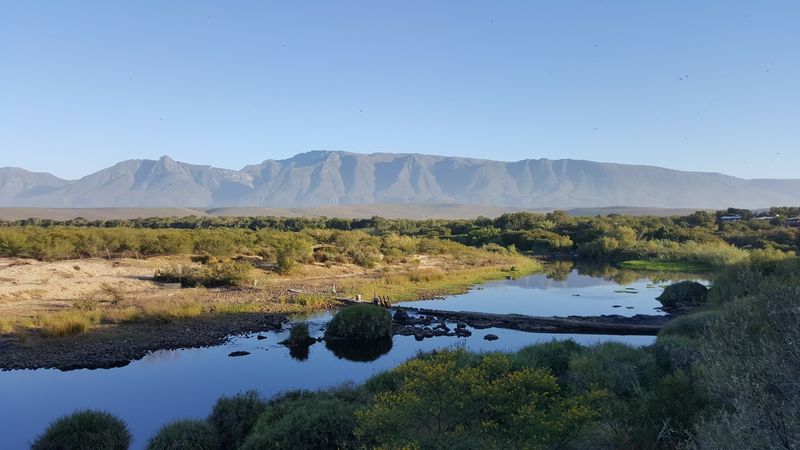
The park sits along the Breede River near Swellendam, and the combination of renosterveld, fynbos, and riverine vegetation creates a peaceful, distinctly Western Cape atmosphere. Cape mountain zebra, red hartebeest, grey rhebok, and tortoises share the terrain with the park’s famous bontebok.
Over 200 bird species have been recorded here, including the endangered blue crane, South Africa’s national bird. The park is compact enough to explore in a single day, but its conservation significance is outsized relative to its size. For anyone interested in the science and history of wildlife recovery, Bontebok National Park is a genuinely moving place to visit.
Share this story