Some places have names so unusual that they sound completely made up. Yet across the world, there are real towns and villages whose names regularly surprise, confuse, or amuse anyone encountering them for the first time.
From small rural communities to unexpectedly famous destinations, these places prove that geography can be just as entertaining as history. These 13 towns and villages stand out not for their size or landmarks, but for names that are nearly impossible to forget.
1. Dull, Scotland, United Kingdom
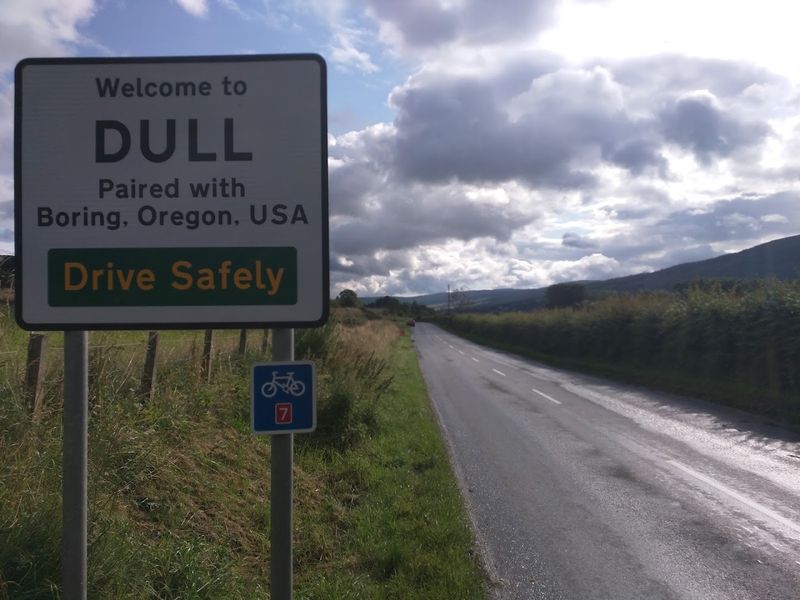
A village called Dull sits in the Scottish county of Perth and Kinross, and it is anything but forgettable once you know its story. The name is believed to come from the Gaelic word “dul,” meaning a meadow or a field, which makes it considerably less dramatic than it sounds in English.
Dull became internationally famous after forming its unlikely friendship with Boring, Oregon, in 2012. The pairing was suggested by a cycling enthusiast who passed through both places and noticed the comic potential of linking them.
The idea caught on fast.
The surrounding Perthshire landscape is genuinely spectacular, with rolling hills, ancient farmland, and the kind of quiet countryside that makes you want to slow down completely.
Visitors who arrive expecting a punchline often leave impressed by the scenery. Dull turns out to be one of Scotland’s most charming small communities, which is the best possible outcome for a place with that name.
2. Batman, Southeastern Anatolia Region, Turkey
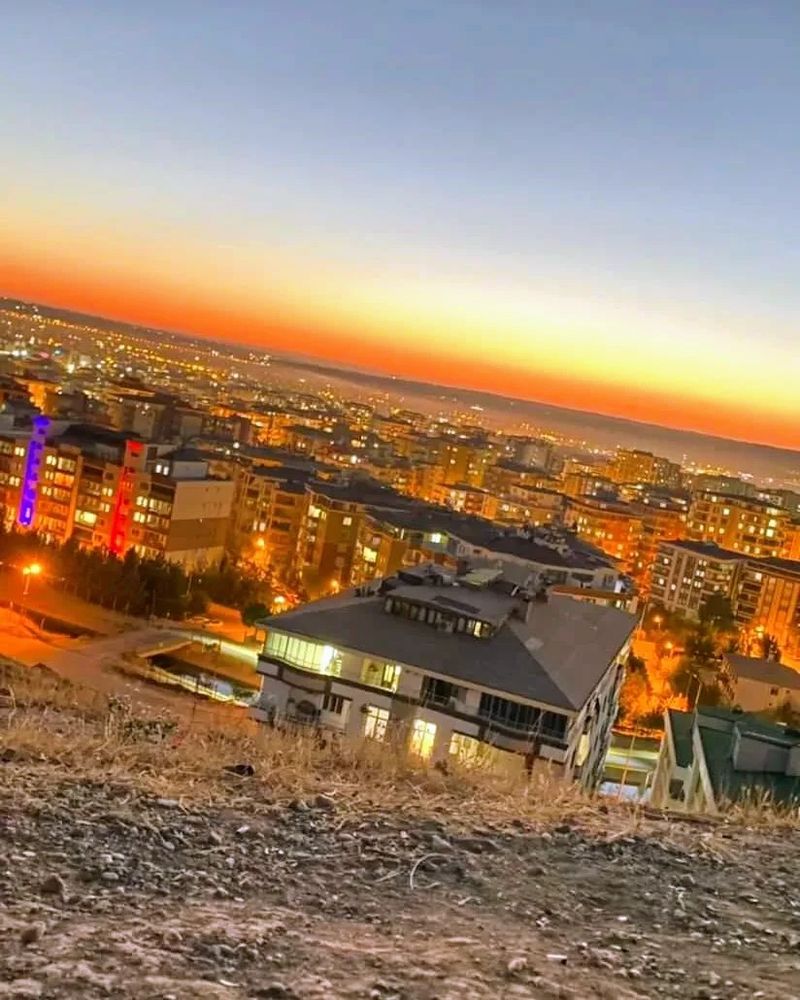
Long before the caped crusader became a household name, a river in southeastern Turkey was already called the Batman. The city that grew along its banks simply took the name for itself, and now it is one of the most Googled city names in the world for all the wrong reasons.
Batman is a significant industrial city with a population of several hundred thousand people. It serves as a hub for the surrounding region and has a history tied closely to the oil industry, as it sits near some of Turkey’s most productive petroleum reserves.
In 2008, the city’s mayor made international headlines by announcing a plan to pursue legal action against the producers of the Batman film franchise for using the name without permission. The claim did not move forward, but the publicity it generated was enormous.
The city has no official connection to DC Comics, but that has never stopped tourists from showing up hoping for a photo with the sign.
3. Intercourse, Pennsylvania, United States
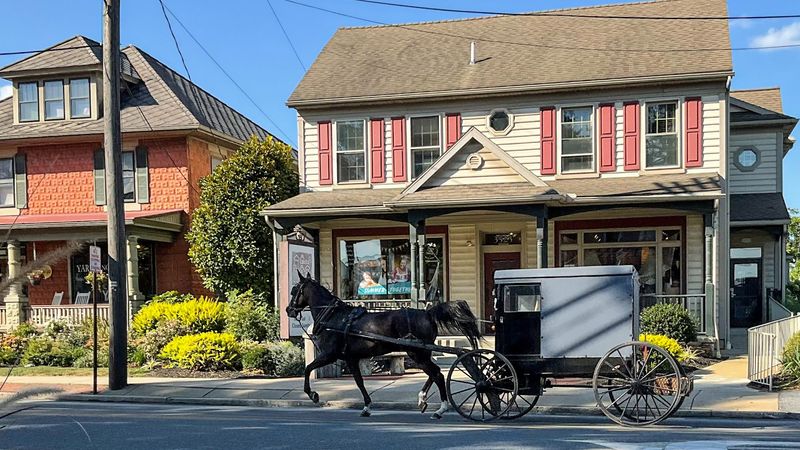
The town sign alone has made more strangers stop their cars than any billboard ever could. Intercourse sits in the heart of Pennsylvania Dutch Country, surrounded by quilted farmland, horse-drawn buggies, and a way of life that has barely changed in centuries.
The Amish and Mennonite communities here are the real attraction. Local shops sell handmade quilts, fresh produce, and traditional baked goods that have been crafted the same way for generations.
Nobody is entirely sure how the name came about, though theories range from the old use of the word to mean “communication between neighbors” to a reference to the crossroads where two major routes meet.
Whatever the origin, the residents take the name in stride with good humor. Intercourse draws thousands of curious visitors every year, and most of them leave genuinely charmed by the quiet, unhurried beauty of the place itself.
4. Boring, Oregon, United States
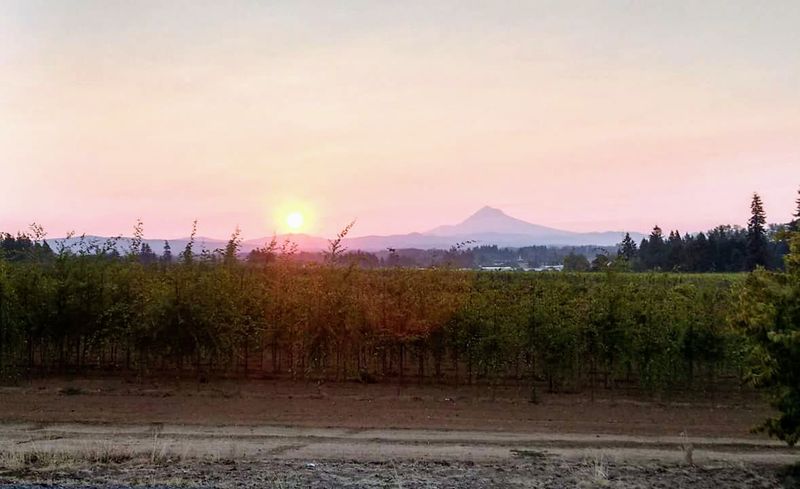
Somewhere in Clackamas County, Oregon, there is a town that has turned its greatest liability into its most valuable asset. The community of Boring does not apologize for its name.
Instead, it leans in hard, with festivals, merchandise, and an international friendship that put it on the global map.
Boring formed a tongue-in-cheek partnership with Dull, Scotland, and later added Bland, Australia, to create the “League of Extraordinary Communities.” The trio celebrates their shared plainness with annual events and cross-community goodwill.
The name itself comes from William H. Boring, an early settler who established a homestead in the area in the late 1800s.
So technically, the town is named after a person, not a personality trait.
Visitors who make the short drive from Portland often find a perfectly pleasant suburban community, which, given the name, feels like a delightful plot twist.
5. Truth or Consequences, New Mexico, United States
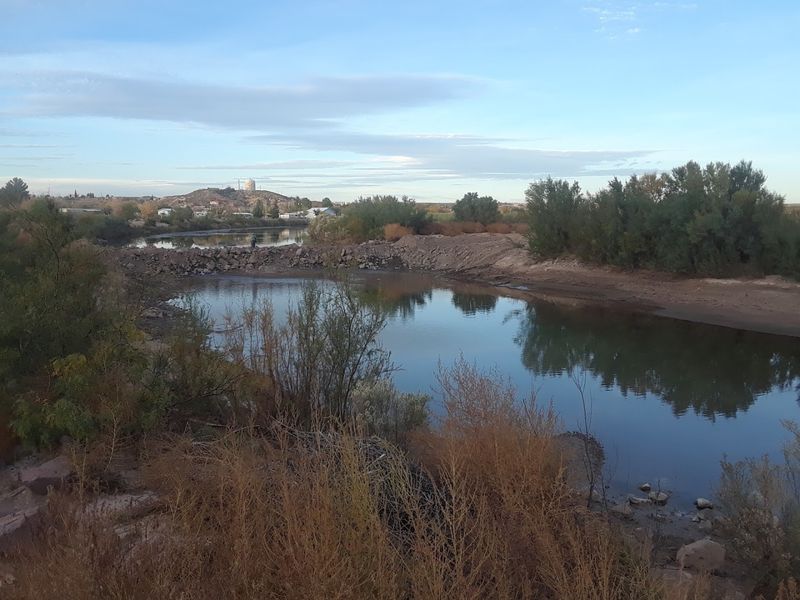
In 1950, a radio game show host made an unusual offer: the first American town willing to rename itself after his program would host a live broadcast. Hot Springs, New Mexico, took the gamble, and the name Truth or Consequences has stuck ever since.
Ralph Edwards, the host of the NBC show “Truth or Consequences,” returned to the city for decades to celebrate the anniversary of the rename. The event became a beloved local tradition that kept the story alive long after the show left the airwaves.
Beyond the name, the city has genuine appeal. Natural hot springs have drawn visitors for centuries, and the downtown area retains a relaxed, historic character that feels distinctly Southwestern.
It also holds the record for being the only city in the United States named after a game show, which is a fact that never seems to get old at dinner parties.
6. Hell, Michigan, United States
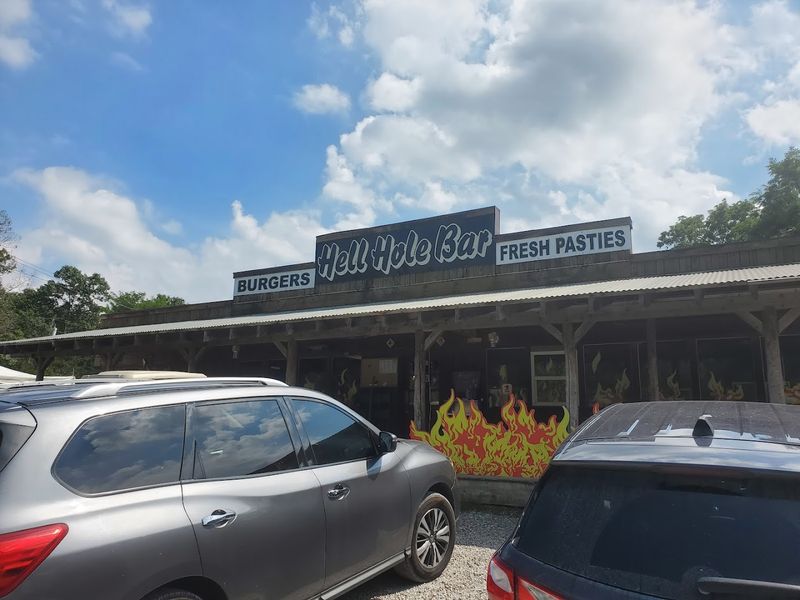
You can, in fact, go to Hell and come back with a souvenir. Hell, Michigan, is an unincorporated community in Putnam Township, and it has fully committed to making the most of its fiery reputation.
The town operates a gift shop, a post office where you can get your mail stamped with a Hell postmark, and a seasonal ice cream shop that leans into the irony with great enthusiasm. During winter, locals proudly announce that Hell has frozen over.
The origin of the name is debated. One popular story credits George Reeves, an early landowner who, when asked what the settlement should be called, reportedly shrugged and said something along the lines of “Call it Hell for all I care.”
Despite the dramatic name, residents describe it as a quiet, friendly place. The real draw is the humor, and Hell delivers on that front every single day.
7. Accident, Maryland, United States
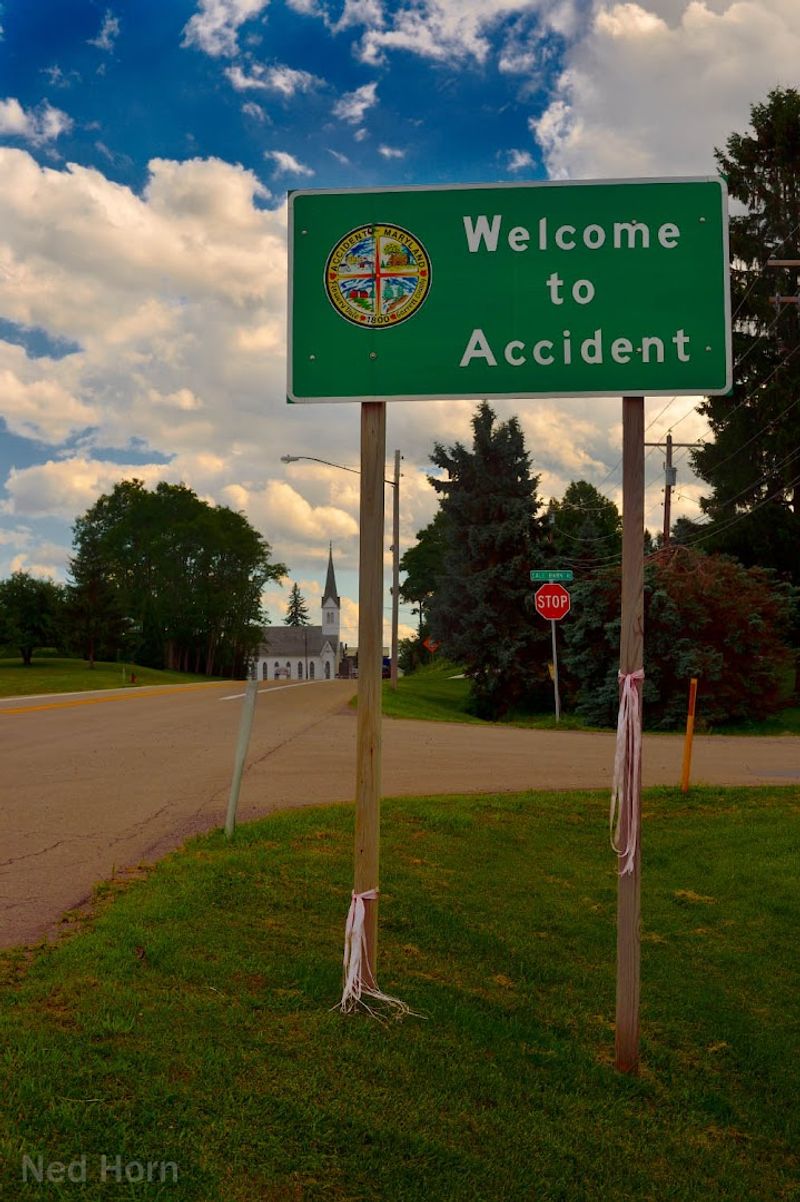
The backstory of this Maryland town reads like something from a legal dispute textbook. Back in the 1700s, a landowner named George Deakins sent two separate survey teams to map out a parcel of land in what is now Garrett County.
By sheer coincidence, both teams independently claimed the exact same 600 acres.
Deakins called the plot the “Accident Tract,” and the name never left. The town that grew there kept it, and today Accident is a real, functioning community with a post office, a school, and a population of a few hundred people.
Residents of Accident are sometimes called “Accidentals,” which is a detail that belongs in a trivia book. The town sits in a scenic part of western Maryland near Deep Creek Lake, a popular recreation area.
Road-trippers frequently detour through just for the photo, but the surrounding countryside gives them a reason to stay a little longer than planned.
8. Why, Arizona, United States
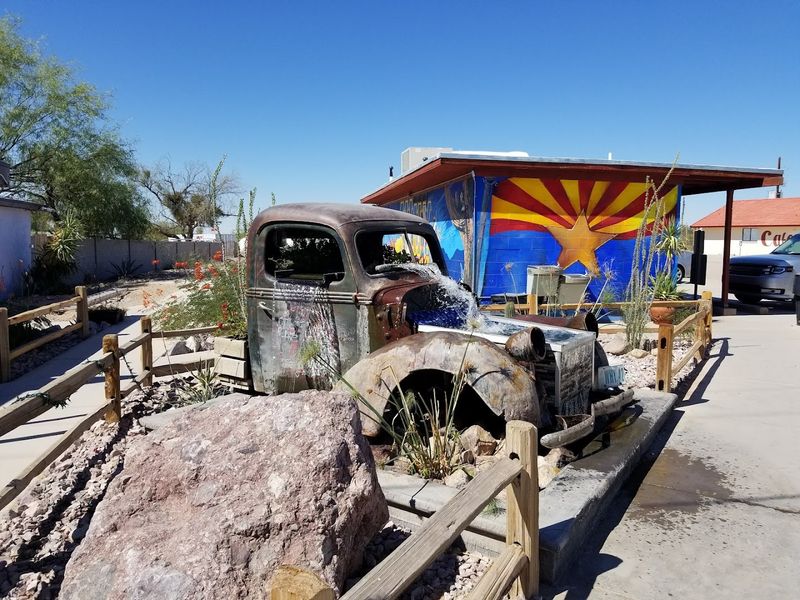
The name of this Arizona community is not a philosophical question. It is, technically, a grammatical compromise.
When residents applied for a post office in the mid-twentieth century, state law required town names to have at least three letters. Their location was known locally as “Y” because of the Y-shaped junction of two state highways nearby.
Unable to use a single letter, they spelled it out as “Why,” and the name was accepted. The junction itself was later redesigned, removing the original Y-shape entirely, but the name had already become official.
Why sits in Pima County near the Mexican border, in one of the more remote stretches of the Sonoran Desert. The permanent population is small, but the community swells during winter months when snowbirds arrive to enjoy the mild temperatures.
Travelers passing through often pull over just to take a picture of the sign, then find themselves genuinely charmed by the stark desert scenery surrounding it.
9. Chicken, Alaska, United States
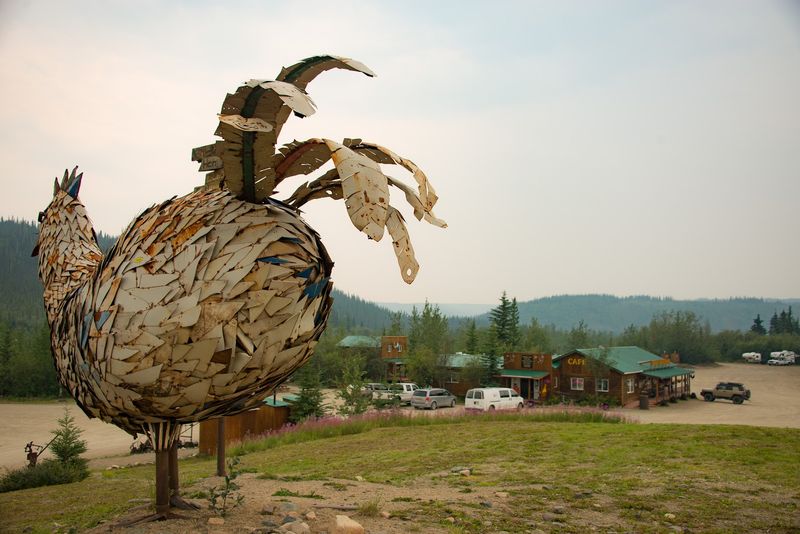
The naming of this Alaskan community is one of the most charming stories in American geographic history. Early gold rush settlers wanted to name their town Ptarmigan, after the wild bird that was common in the area.
The problem was that nobody could agree on how to spell “ptarmigan,” and the debate kept going in circles.
Rather than leave the town unnamed, the group settled on Chicken, a word everyone could handle without a dictionary. The name was submitted, accepted, and has remained official ever since.
Chicken sits in eastern Alaska near the Yukon border, and getting there requires driving the Taylor Highway, a gravel road that is only open during summer months. The journey itself is part of the appeal for adventurous travelers.
The population hovers around a few dozen permanent residents, but the community attracts steady summer visitors who come for the remote scenery, gold panning opportunities, and the undeniable bragging rights of having been to Chicken.
10. No Name, Colorado, United States
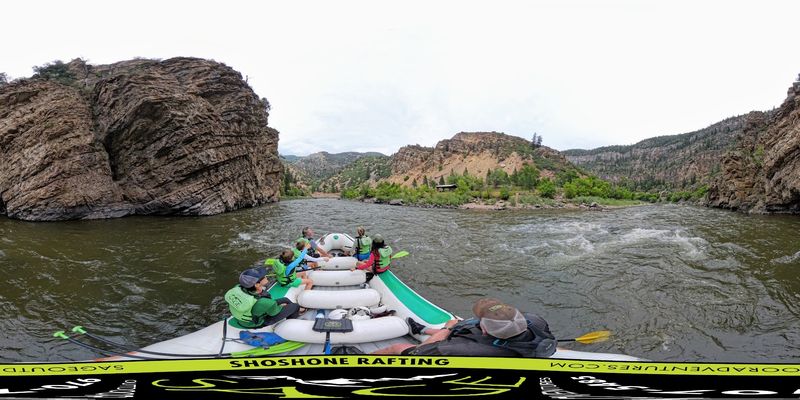
There is an exit on Interstate 70 in Colorado that simply reads “No Name,” and it is not a placeholder or a mistake on the sign. No Name is an actual community near Glenwood Canyon, and its title came about because the creek running through the area was never given an official designation on early maps.
When cartographers needed to label it, they wrote “no name creek,” and the label gradually became the name. The canyon and the tiny community nearby inherited the title, and it has been on official maps ever since.
The area sits within one of the most scenic stretches of the Colorado River corridor. Glenwood Canyon is a dramatic landscape of red rock walls and rushing water, and No Name sits right in the middle of it.
The community itself is small and quiet, but the highway exit sign has become a minor roadside celebrity, photographed by curious travelers who can not quite believe it is real.
11. Muff, County Donegal, Ireland
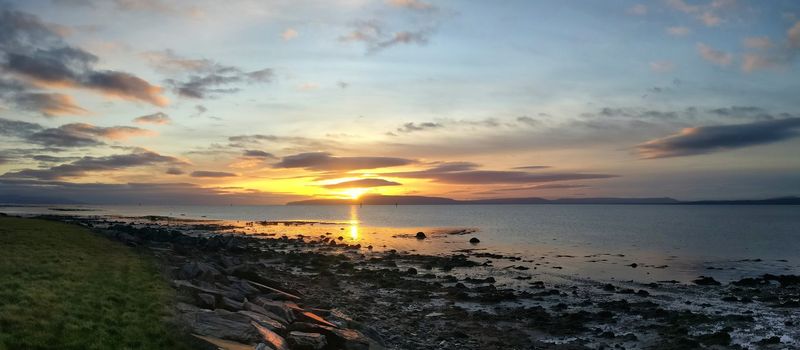
Right on the border between the Republic of Ireland and Northern Ireland, there is a village whose name has made it considerably more famous than its size would otherwise justify. Muff sits in County Donegal, a short drive from the city of Derry, and its name is believed to come from the Irish word “magh,” meaning a plain or flat area of land.
The village has a small diving club that has become one of the most photographed sporting organizations in Ireland, purely because of how its name reads on a sign. Visitors make the detour specifically to document proof of its existence.
The surrounding landscape is classic Donegal, with green hills, coastal views, and the kind of rural quiet that makes the region one of Ireland’s most visited.
Muff itself is a perfectly ordinary village that happens to carry an extraordinary name. The locals are well used to the attention and, by all accounts, find the whole thing rather amusing.
12. Sandwich, Kent, England
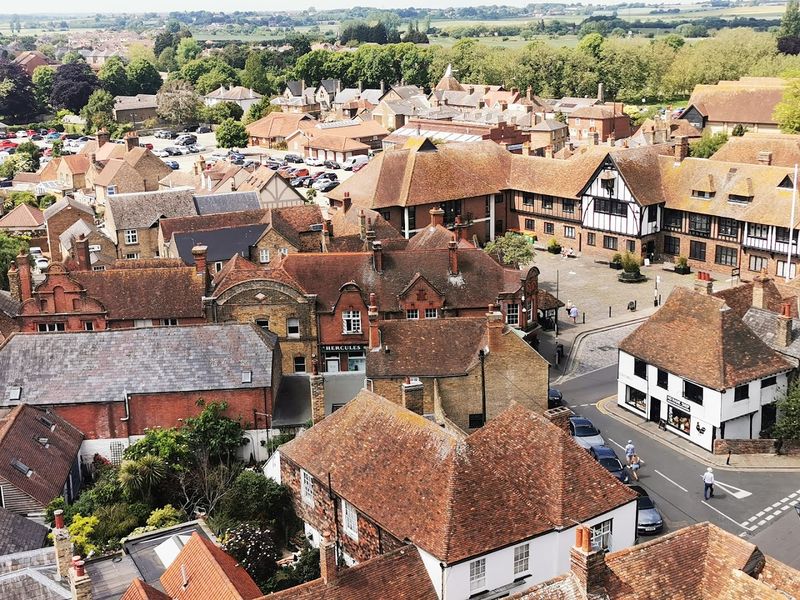
Before the sandwich became the world’s most practical meal, it was just the name of a quiet town on the southeastern coast of England. Sandwich in Kent is one of the original Cinque Ports, a group of historic harbor towns that once provided ships to the English Crown in exchange for special privileges.
The town itself dates back over a thousand years and features a remarkably well-preserved medieval layout. Narrow streets, timber-framed buildings, and ancient walls give it a character that most English towns have long since lost to development.
The fourth Earl of Sandwich, John Montagu, is the man credited with popularizing the idea of putting meat between two slices of bread in the 1700s. He reportedly did so to avoid leaving the card table during a game.
The town takes its culinary connection with good humor. Visitors can explore the medieval streets, tour the historic barbican, and yes, eat a sandwich while doing it.
13. Humptulips, Washington, United States
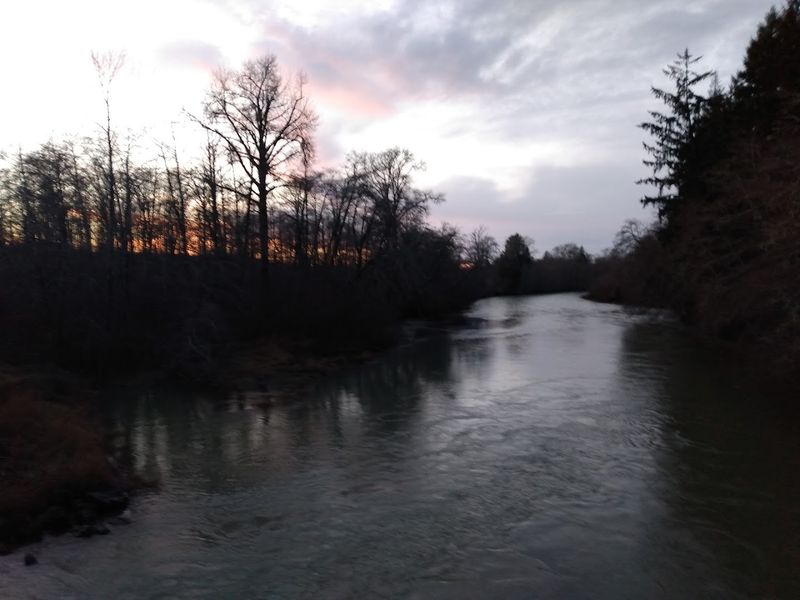
Few place names in the entire country stop people mid-sentence quite like this one. Humptulips is a community in Grays Harbor County, Washington, and its name comes from the Quinault language, spoken by the Indigenous people of the region.
The exact meaning is debated, but one widely cited interpretation translates it as “hard to pole,” a reference to navigating the river by pushing a boat upstream.
The area receives some of the highest annual rainfall totals in the contiguous United States, sitting on the western edge of the Olympic Peninsula where Pacific storms roll in consistently from the coast.
The surrounding landscape is dominated by old-growth and second-growth temperate rainforest, the kind of dense, layered woodland that makes this corner of Washington one of the most visually distinctive in the country.
Most travelers arrive because the name caught their attention on a map and they simply had to see it for themselves. The forested scenery and the river valley make the visit genuinely worthwhile beyond the novelty of the name.
Share this story