Long before weather forecasts and tide charts, coastal communities around the world relied on something far more intimate: careful observation of the natural world. They watched the moon, tracked the winds, noticed when certain flowers bloomed, and paid close attention to the movements of fish, birds, and marine animals to know exactly when to head out onto the water. Over generations, these observations became sophisticated seasonal calendars that guided fishing, travel, harvesting, and everyday life. Many of these ancient systems remain alive today, preserved by Indigenous communities and shared through cultural centers, museums, and visitor experiences.
From the tidal flats of northern Australia to the islands of the Pacific, the places below offer a rare opportunity to discover traditions that have helped people live in harmony with the sea for thousands of years.
1. Yawuru People, Broome, Western Australia
Most people think a year has four seasons, but the Yawuru people of Broome would politely disagree, and they have thousands of years of evidence on their side.
Their country around Broome follows six distinct seasons shaped by rain, wind, temperature, plant cycles, and animal behavior rather than four fixed European quarters.
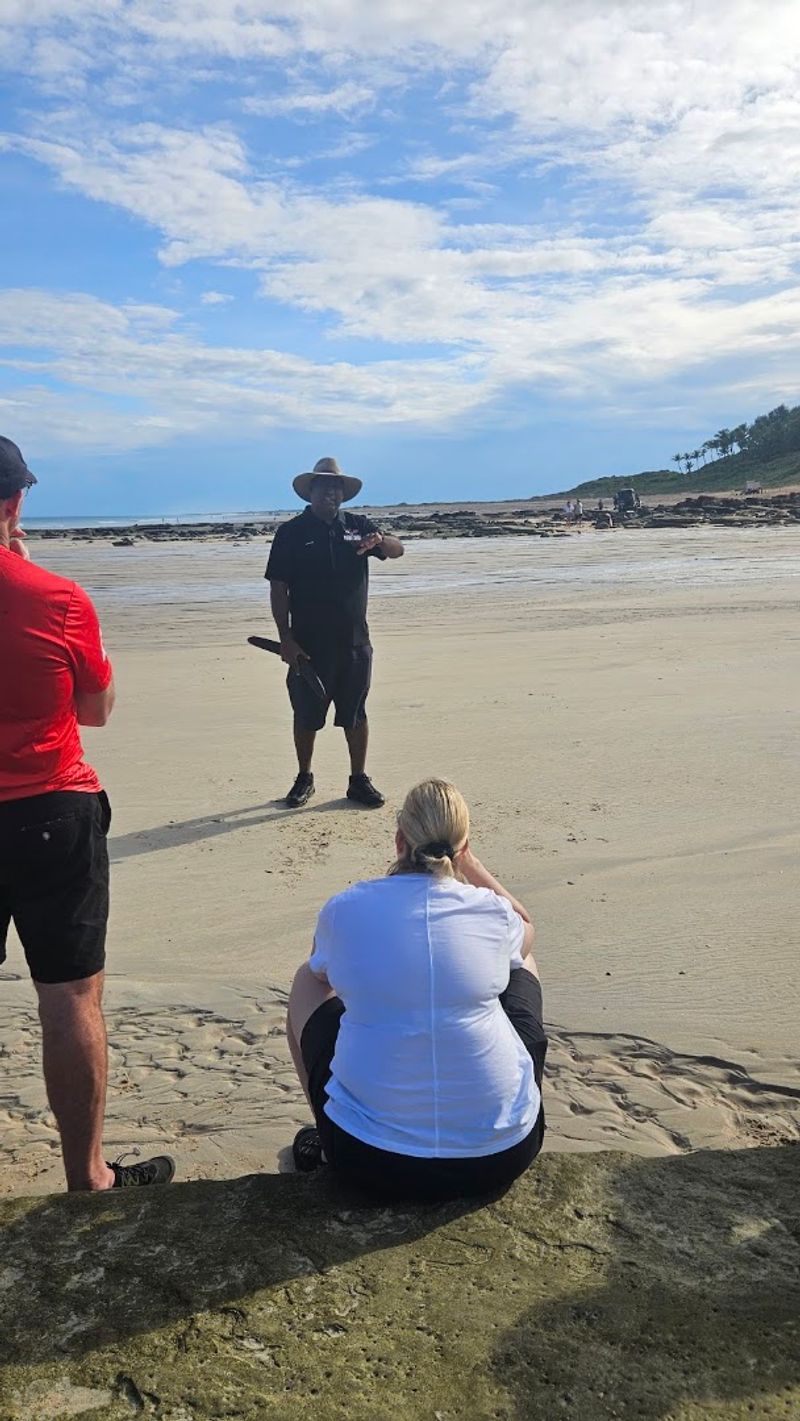
Mabu Buru Tours, led by Yawuru man Johani Mamid, introduces visitors to this layered coastal knowledge through guided experiences on beaches, mudflats, and mangrove country.
Guests learn traditional techniques for finding mud crabs, stingrays, and shellfish, with the day’s catch prepared on-site alongside stories of Yawuru culture.
A recent accord recognizing Yawuru customary fishing rights in Nagulagun Roebuck Bay, including seasonal netting for blue-nose salmon and mullet, shows this ancient calendar still carries real legal and practical weight today.
2. Tiwi People, Bathurst and Melville Islands, Northern Territory
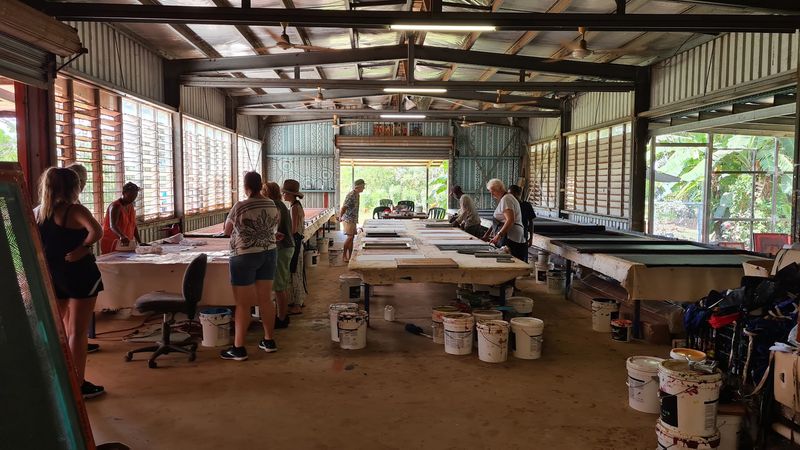
Thirteen seasons in a single year sounds ambitious until you realize the Tiwi people have been running this system flawlessly for tens of thousands of years.
Their calendar recognizes three major seasons and thirteen smaller seasonal periods, each reflecting close observation of weather, wildlife, and island biodiversity on Bathurst and Melville Islands north of Darwin.
One minor season, Kurukurari, is named entirely after the mangrove worm, signaling exactly when these prized delicacies are easiest to find and harvest.
Tiwi Design in Wurrumiyanga is an active community art center where screen-printed fabrics, ochre paintings, ironwood carvings, and sculptures bring these seasonal stories to life visually.
During the dry season, Tiwi families still head bush to hunt buffalo, possum, and turtle, and to gather oysters and mud mussels, keeping the calendar as practical as it is cultural.
3. Erubam Le (People of Erub), Darnley Island, Queensland
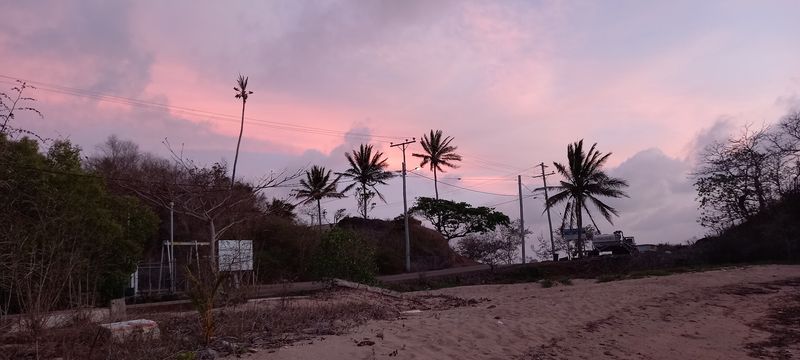
On Erub, also known as Darnley Island, the calendar is written in wind directions, not months, and the Erubam Le have been reading it fluently since long before written records began.
Their Erub Kerker seasonal calendar divides the year according to four prevailing winds alongside detailed observations of marine life, plants, and animal movements that guide navigation, gardening, and fishing decisions.
The Tagai star constellation serves as a celestial clock, indicating prime voyaging times, turtle mating seasons, and when to prepare gardens or harvest crops.
Erub Arts, the first incorporated art center in the Torres Strait, is internationally recognized for its striking ghost net sculptures, created from abandoned fishing nets reclaimed from the ocean and transformed into detailed depictions of sharks, turtles, and rays.
These works raise awareness about marine pollution while keeping traditional weaving techniques and endangered cultural knowledge firmly in the hands of the next generation.
4. Masigalgal People, Masig Island, Queensland
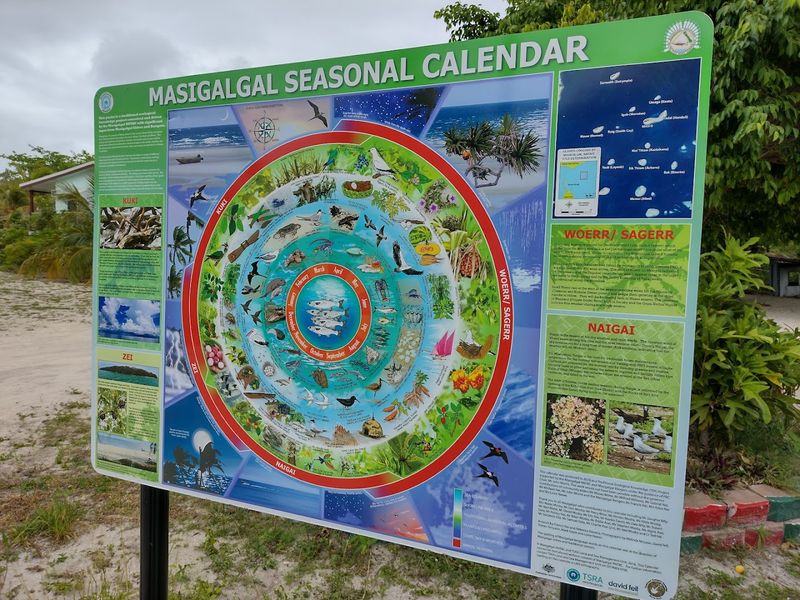
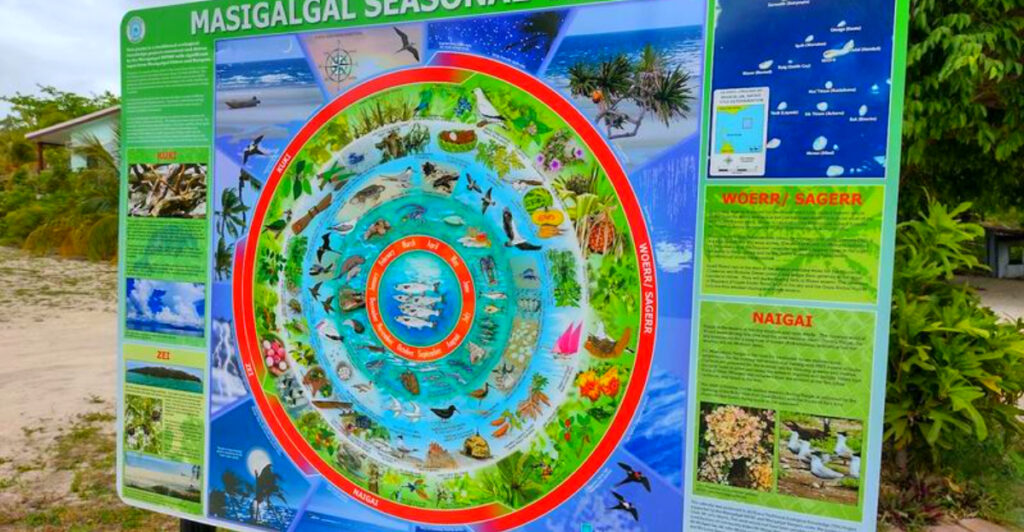
Falling coconut leaves might not seem like a fishing tip to most people, but on Masig Island they reliably signal the start of turtle nesting season, and the Masigalgal have been reading these signs for millennia.
Their four-season calendar, featuring Kuki, Zei, Woerr, and Naigai, does not follow fixed dates but shifts each year according to environmental cues including wind patterns, the appearance of specific bird species, and the position of the Zugubal constellation.
Fishing, gardening, hunting, and community celebrations are all tied to this annual cycle, giving the small island a cultural rhythm closely linked to resource renewal.
Masig Community Hall serves as a central hub where elders and rangers work together to preserve Traditional Ecological Knowledge and the endangered Kulkalgau Ya language for younger generations.
Rangers also monitor dugong and turtle populations using both customary observation and contemporary methods, blending old knowledge with new tools in service of the same goal.
5. Yanyuwa People, Borroloola, Northern Territory
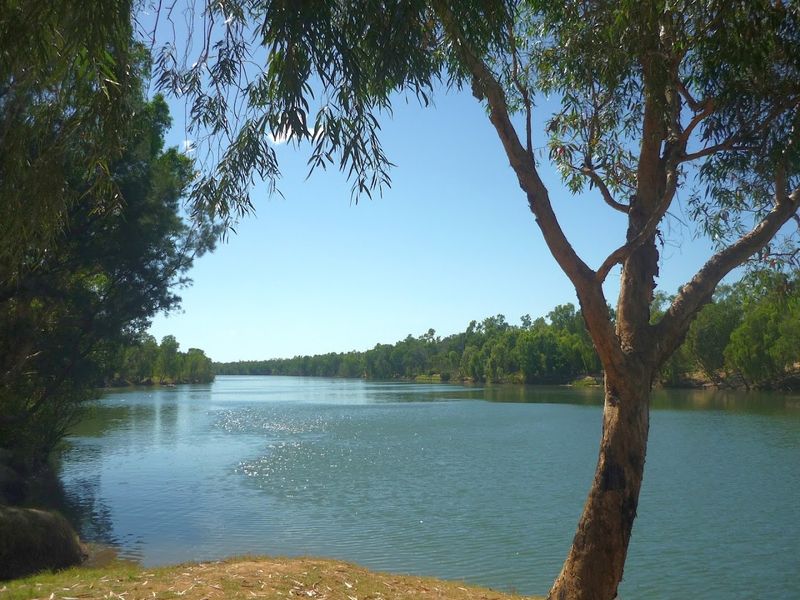
Borroloola sits quietly near the Gulf of Carpentaria, but the Yanyuwa people who call this country home have one of the most detailed seasonal systems in northern Australia, built from thousands of years of watching storms, tides, and wildlife migrations.
Their five-season calendar covers everything from intense dry-season electrical storms during Wunthurru to the prime barramundi fishing conditions of Na-yinarramba, when hot ground and inconsistent rains push fish into creek traps.
Mabunji Aboriginal Resource Indigenous Corporation supports the Li-Anthawirriyarra Sea Ranger Unit, whose name translates to “people of the sea.”
These rangers, guided by senior Yanyuwa knowledge holders, monitor heritage sites and manage critical dugong and turtle habitats around the Sir Edward Pellew Islands.
Fishing by handline for mullet and commercial mud crabbing both remain active practices here, keeping the seasonal calendar connected to daily life rather than locked away as a historical curiosity.
6. Kunwinjku People, Gunbalanya, Northern Territory
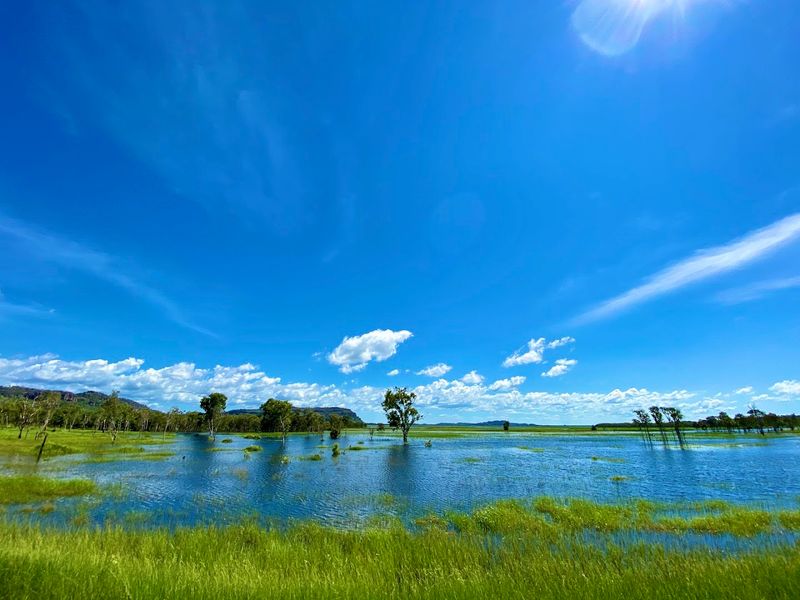
The Kunwinjku people of western Arnhem Land do not simply experience a wet season and a dry season; they navigate six named periods, each carrying its own set of instructions for where to travel, what to eat, and how to fish.
Bangkerreng, the season of knock-em-down storms, is prime time for fishing and collecting magpie goose eggs, while Kurrung brings controlled floodplain burning to clear grass and locate filesnakes hiding beneath the surface.
Injalak Arts in Gunbalanya is an Aboriginal-owned center where over 200 artists create works filled with barramundi, turtles, waterbirds, and ancestral figures drawn directly from these seasonal cycles.
The famous X-ray painting style, which depicts the internal anatomy of animals, reflects a deep ecological understanding of the creatures that populate this changing landscape.
Visitors can also tour nearby Injalak Hill rock art sites, where hunting and bush tucker images dating back more than 20,000 years provide a striking visual timeline of this enduring way of life.
7. Jawoyn People, Nitmiluk, Northern Territory
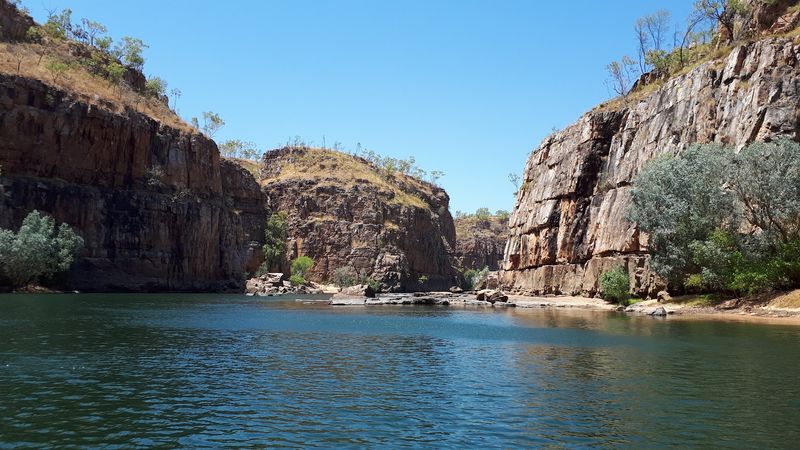
When cicadas start calling loudly around Katherine, Jawoyn knowledge holders know the rain is not far off, and that is a far more reliable forecast than anything a weather satellite can offer.
The Jawoyn people recognize five distinct seasons around the Katherine region, with each period beginning not on a fixed date but when specific environmental events, such as flooding, plant flowering, or animal activity, signal the transition.
Nitmiluk Visitor Centre houses the Nitmiluk Magic exhibition, which celebrates Jawoyn culture through sculptures, illustrations, and seasonal calendar displays that make this complex system accessible to first-time visitors.
Jawoyn guides lead experiences including spear-throwing, basket weaving, and bush medicine, connecting travelers directly to a culture where river levels and animal behavior have always dictated fishing and gathering opportunities.
Traditional subsistence fishing is permitted within the park, though cultural protocols around sacred pools, including the home of the Rainbow Serpent Bolung, must always be respected.
8. Ngarinyin, Worrorra and Wunambal Peoples, Kimberley, Western Australia
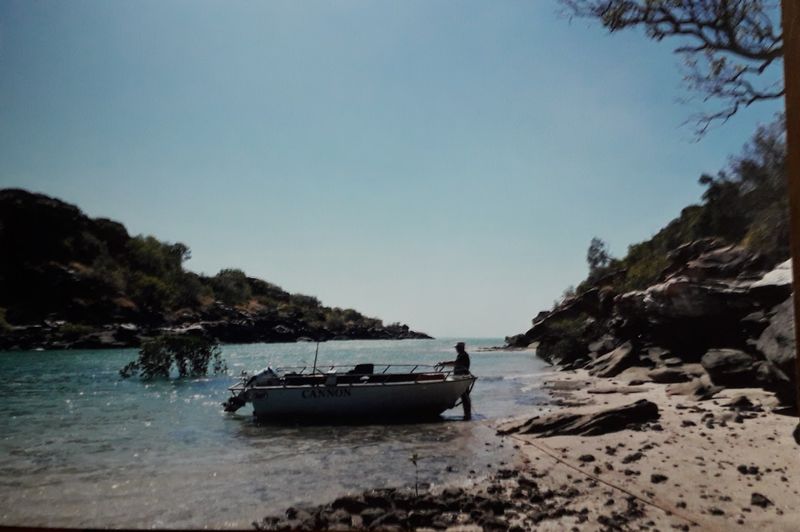
Few places in Australia have tides as dramatic as the Kimberley coast, where the ocean can rise and fall more than ten meters in a single day, and the Ngarinyin, Worrorra, and Wunambal peoples have been reading those tides as a seasonal guide for countless generations.
Their traditional knowledge system, while not organized into a rigid named calendar, functions as sophisticated ecological timekeeping, using wind shifts, animal movements, and plant cycles to signal when coastal resources are ready to harvest.
Mowanjum Aboriginal Art and Culture Centre near Derby unites these three language groups around their shared belief in the Wandjina, sacred ancestral beings who created the land and govern the elements.
Artists here translate seasonal narratives and observations of local flora and fauna into paintings, carvings, and prints that serve as both cultural records and living expressions of identity.
The annual Mowanjum Festival reinforces these traditions through dance, music, and storytelling, keeping the seasonal knowledge vibrant and visible for new generations.
9. Ngarluma and Yindjibarndi Peoples, Pilbara, Western Australia
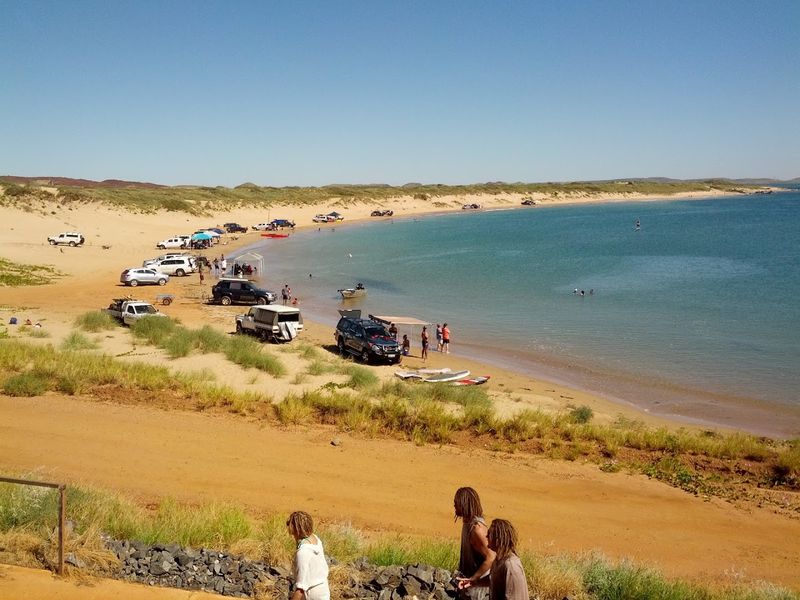
The word Karratha comes from an Aboriginal term meaning good country or soft earth, and the Ngarluma and Yindjibarndi peoples who have lived along this Pilbara coast for millennia would tell you that understanding that country means knowing far more than a printed tide chart can offer.
Traditional ecological knowledge here covers the seasonal movements of mackerel, tuna, and red emperor, the nesting cycles of sea turtles, the migrations of humpback whales, and the subtle cues from coastal plants that signal when conditions are right for fishing and foraging.
Karratha Tourism and Visitor Centre acts as a practical entry point for visitors exploring the region’s islands, mangroves, and rocky shores, which are renowned for world-class fishing and diving.
The centre provides information connecting modern recreational activities with the deep Indigenous sea knowledge that has shaped this coastline across thousands of years.
Ancient rock art at nearby Murujuga adds another layer, offering visual evidence of how long this relationship between people and the sea has endured.
10. Torres Strait Islanders, Thursday Island, Queensland
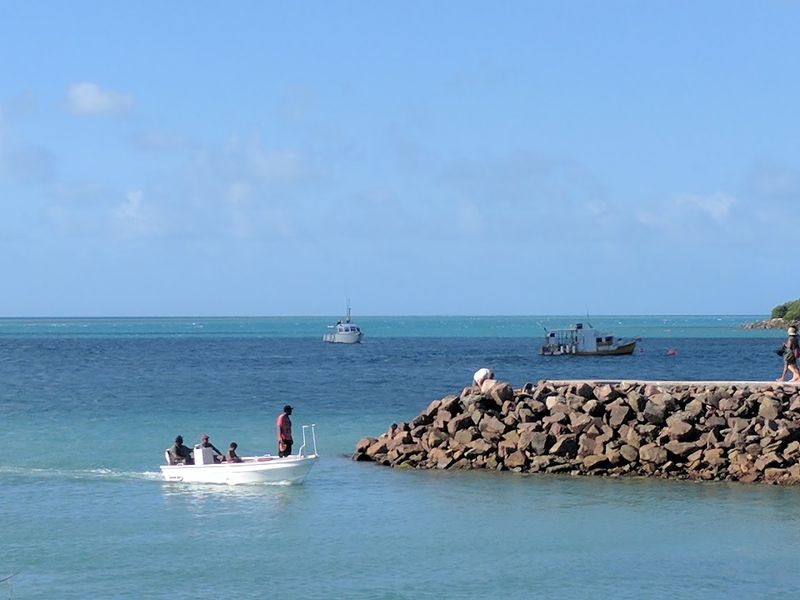
On Thursday Island, the stars overhead are not just scenery; they are a navigation system, a fishing guide, and a seasonal calendar all rolled into one, and the Torres Strait Islander people have been using them that way for thousands of years.
The Tagai star constellation functions as a celestial clock, signaling prime voyaging conditions, turtle mating seasons, and the right times for gardening and deep-water fishing.
Gab Titui Cultural Centre sits directly on the Thursday Island waterfront, and its name translates to Journey of the Stars in both eastern and western island dialects, a name that perfectly captures the celestial focus of traditional Torres Strait knowledge.
The centre preserves this maritime heritage through exhibitions, cultural objects, lino-cut prints, wood carvings, and jewelry made from local pearl and sea shells, all rooted in traditional seasonal knowledge.
Fishing by hand-line, spear, and net remains central to island life, with regional management plans actively protecting traditional methods alongside the cultural knowledge that guides them.
11. CHamoru People, Guam
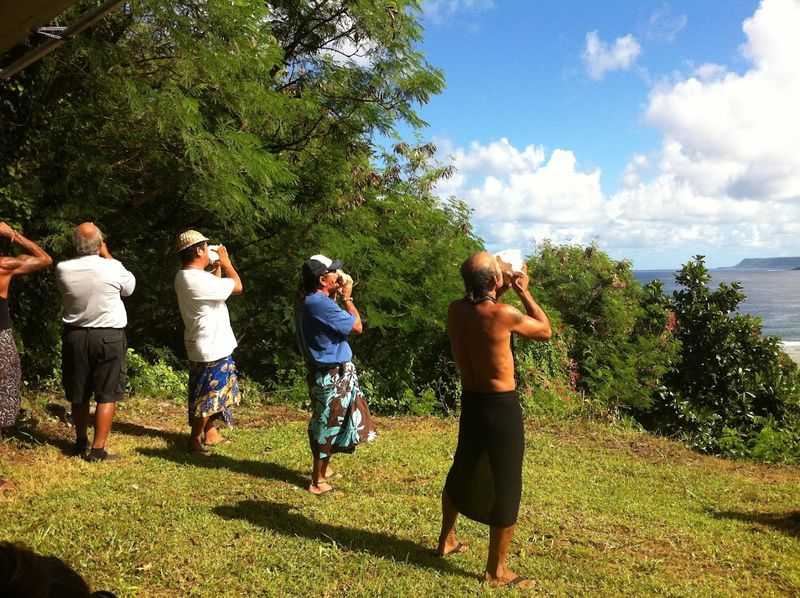
The CHamoru people of Guam have been consulting the moon for fishing advice for over three thousand years, which makes their lunar calendar one of the oldest continuously used fishing tools in the Pacific.
Their traditional thirteen-month calendar assigns specific marine targets to individual lunar periods, with months like Umatalaf marking the best time to catch guatafi snapper and Umagahaf signaling prime conditions for rock crabs and crayfish.
The Guam Museum in Hagåtña preserves this heritage through exhibits covering four millennia of CHamoru history, including ancient fishhooks made from turtle shell and nets woven from plant fibers.
The museum also collaborates with the Western Pacific Regional Fishery Management Council to produce annual lunar calendars printed in the native Chamorro language, complete with moon phases, tide charts, and seasonal fishing predictions.
These calendars serve both experienced fishers and school-age students, ensuring the lunar knowledge developed over thousands of years remains a living resource rather than a museum piece.
12. Samoan Communities, Tutuila, American Samoa
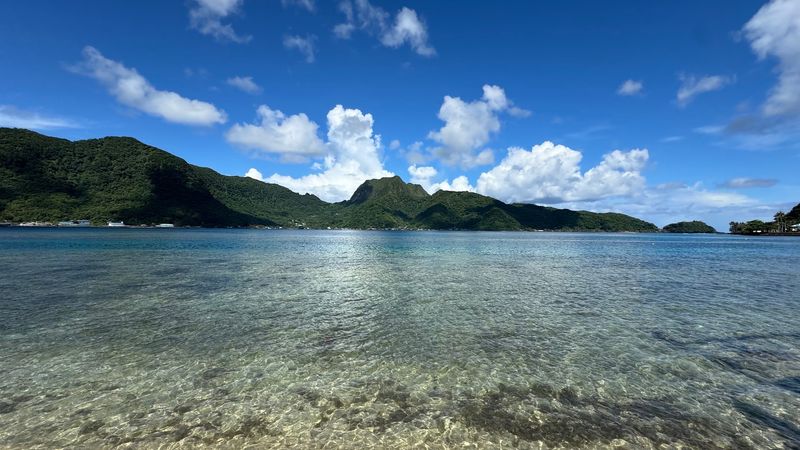
Every October or November, something extraordinary happens off the reefs of American Samoa: the palolo worm rises from the coral in massive swarms during the last quarter moon, and the entire community turns out to harvest this rare and celebrated delicacy.
The Tau Masina lunar calendar, developed over nearly three thousand years of Samoan observation, records moon phases, seasonal conditions, and traditional ecological knowledge contributed by elders, fishermen, and village communities working together.
The American Samoa National Park Visitor Center in Pago Pago is a natural starting point for exploring Tutuila, where reef fishing and small-scale harvesting continue to support subsistence and cultural needs.
Unlike most national parks, the land here is leased from local villages, reflecting deep respect for traditional Samoan land tenure and fostering genuine collaborative conservation.
The park permits traditional subsistence fishing provided village permission is obtained, keeping ancient practice and modern management working in the same direction rather than against each other.
13. Chamorro and Refaluwasch Communities, Saipan
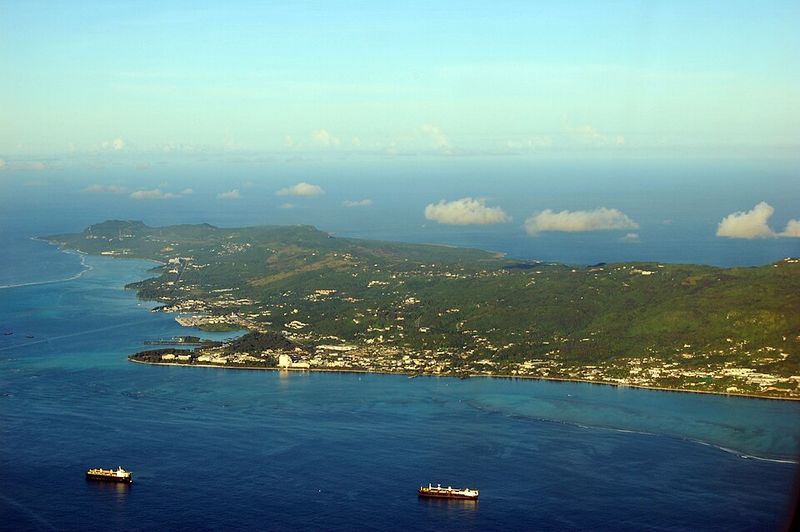
On Saipan, the moon earns its keep year-round, tracked carefully by both Chamorro and Refaluwasch communities through annually produced lunar calendars that blend ancestral observation with current fisheries data.
Known as the Eskaleran Pulan Chamorro and the Refaluwasch Papaál Maram, these calendars predict tides, identify prime fishing seasons, and support conservation practices that have kept the islands’ marine resources viable across generations.
The Northern Mariana Islands Museum of History and Culture in Garapan is housed in a historic Japanese Hospital building and chronicles thousands of years of Chamorro and Carolinian seafaring life through engaging exhibits and artifacts.
A prehistoric fish hook discovered by a museum worker during excavation sits among the collection, offering a tangible link between modern visitors and the ancient fishing culture it represents.
The museum’s Let’s Go Fishing summer program teaches youth traditional cast netting and sustainable fishing practices, training the next generation of ocean stewards using knowledge that has never stopped being relevant.
14. Native Hawaiian Communities, Hawaiian Islands
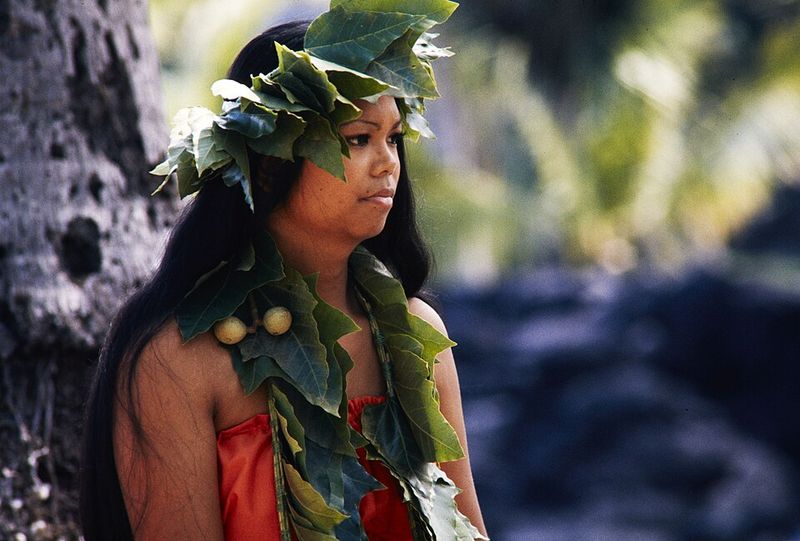
Native Hawaiian fishers did not rely on a simple full-moon or new-moon system; they worked with thirty distinct moon phases organized into three ten-day periods, each carrying specific guidance about tides, marine activity, and whether conditions favored fishing or rest.
This system, known as kaulana mahina, assigned practical meaning to every night of the lunar month, with phases like Hilo considered excellent for fishing due to low evening tides and others designated as recovery periods for the ocean’s resources.
The Bernice Pauahi Bishop Museum in Honolulu holds one of the world’s most significant collections relating to Hawaiian and Pacific cultures, including ancient bone fishhooks with adaptive designs dating back over a thousand years.
Exhibits connect these artifacts to the broader story of Hawaiian fishing, including legends of the hero Maui, who is credited with pulling land up from the sea using his famous fishhook.
The museum’s Kaulana Mahina educational programs teach children and youth about these lunar practices, ensuring the calendar remains a living tool used in classrooms and on the water today.
Share this story