Most eras fade quietly into history books and museum displays. The Victorian era, somehow, refused to follow that rule. Across the world, there are places where ornate architecture, horse-drawn carriages, grand civic buildings, and carefully preserved neighborhoods make the 1800s feel less like ancient history and more like last Tuesday. These destinations are not theme parks or Hollywood backdrops.
They are real, lived-in places where the 19th century left such a deep mark that no amount of modern development has managed to fully erase it. Some earned UNESCO recognition for their remarkable preservation. Others simply never got around to tearing things down, which turned out to be the best urban planning decision imaginable. From a Michigan island where cars are still banned to an Italian factory village that looks exactly as it did in 1890, these 15 destinations prove that the Victorian era never really clocked out.
1. Port Townsend, Washington, USA
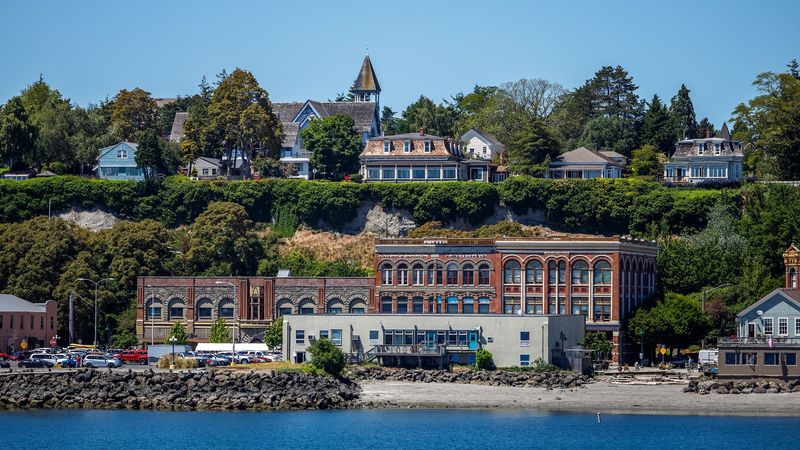
Few American towns wear their Victorian roots as proudly as this small waterfront city perched above Puget Sound. Port Townsend holds one of the largest collections of Victorian commercial architecture in the entire United States, a fact that still catches first-time visitors completely off guard.
Grand brick storefronts, ornate hotels, and carefully restored mansions climb the hillsides above the waterfront district. Many of these buildings date directly to the 1880s and 1890s, when Port Townsend was expected to become a major Pacific Northwest port city.
That boom never fully arrived, which meant developers never had reason to demolish the old buildings. Today, that economic pause looks like genius-level historic preservation. A thriving arts community, independent shops, and weekend festivals fill these 19th century buildings with genuine daily life rather than museum-style quietness.
2. Mackinac Island, Michigan, USA
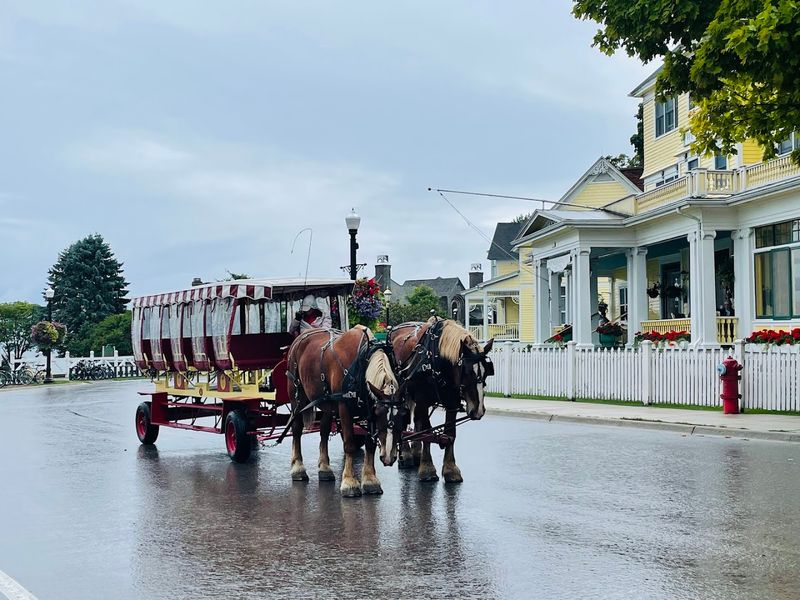
Back in 1898, Mackinac Island banned motorized vehicles from its streets. That decision has never been reversed, which means the island today operates entirely on horse-drawn carriages, bicycles, and foot traffic, exactly as it did in the late Victorian period.
The Grand Hotel, opened in 1887, still anchors the island with its famously long porch and formal dress codes for evening guests. Victorian cottages with decorative gingerbread trim line the residential streets, and the overall layout of the island has changed remarkably little over the past 130 years.
Roughly 500,000 visitors arrive each summer, drawn by the novelty of a place that genuinely functions without cars. The absence of traffic noise changes the entire experience of walking around town. Mackinac Island is not performing Victorian life for tourists; it has simply kept doing things the Victorian way because nobody found a compelling reason to stop.
3. The Rocks, Sydney, New South Wales, Australia
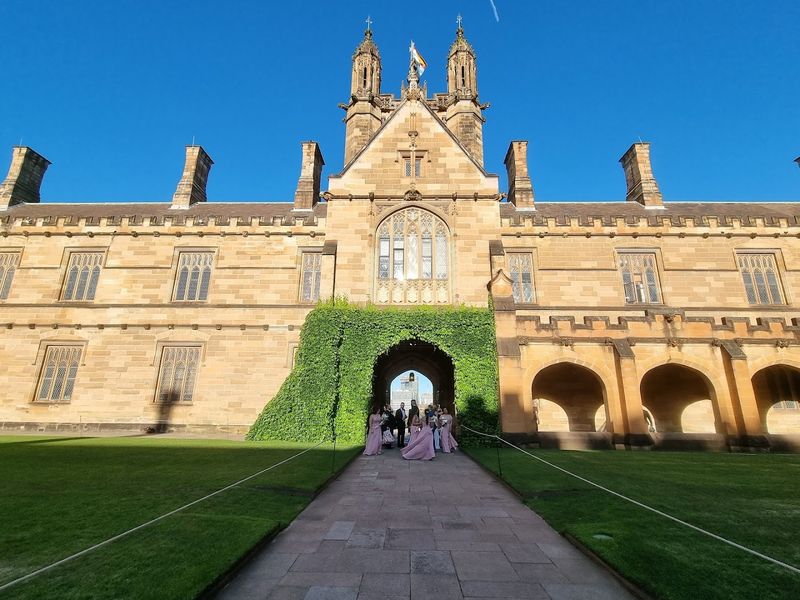
Sydney’s oldest neighborhood survived several demolition campaigns during the 20th century, and the city is enormously better off for it. The Rocks preserves a dense collection of sandstone buildings constructed during the Victorian era, many of them former warehouses, merchant offices, and workers’ cottages from the 1800s.
Cobblestone lanes wind between buildings that have housed everything from sailors’ lodgings to modern restaurants without losing their essential 19th century bones. Weekend markets fill the historic streets with craft stalls and local produce, giving the district an energy that feels lived-in rather than preserved for display.
The contrast between The Rocks and the modern glass towers of central Sydney is dramatic and completely intentional. Heritage protections established in the 1970s locked in the neighborhood’s character at exactly the right moment. Today it functions as both a working urban district and one of Australia’s most concentrated collections of colonial and Victorian architecture.
4. Old Quebec, Quebec City, Quebec, Canada
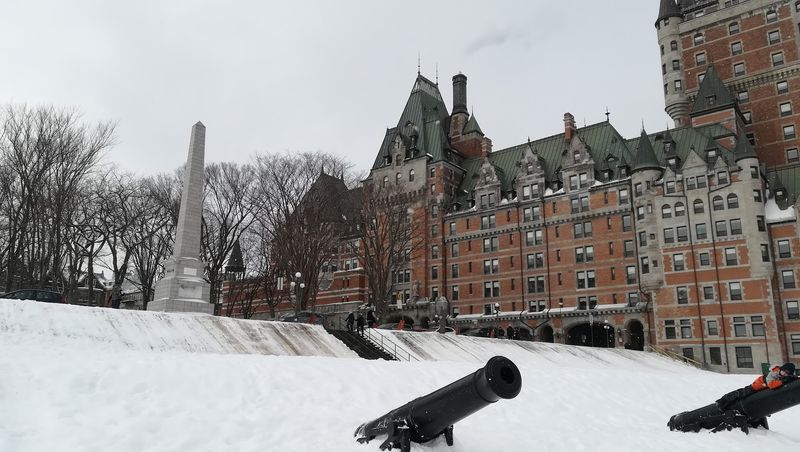
Quebec City’s fortified old town covers several centuries of history, but the Victorian decades left a particularly strong mark on its streetscape. Many of the grand stone hotels, commercial buildings, and elegant residential facades visible along the upper town’s main streets were constructed or substantially renovated between 1850 and 1900.
The combination of steep staircases, fortified walls, and richly decorated architecture creates one of North America’s most distinctive historic environments. Old Quebec earned UNESCO World Heritage status in 1985, recognizing its exceptional preservation across multiple architectural periods.
Winter is when the Victorian character of the city feels most pronounced. Snow-covered rooftops, horse-drawn calèches crossing the main square, and elaborate holiday decorations on 19th century buildings create a scene that requires very little imagination to connect to the 1880s. The Chateau Frontenac, completed in 1893, remains the city’s defining landmark and its most photographed Victorian-era structure.
5. Saltaire Village, Shipley, West Yorkshire, England
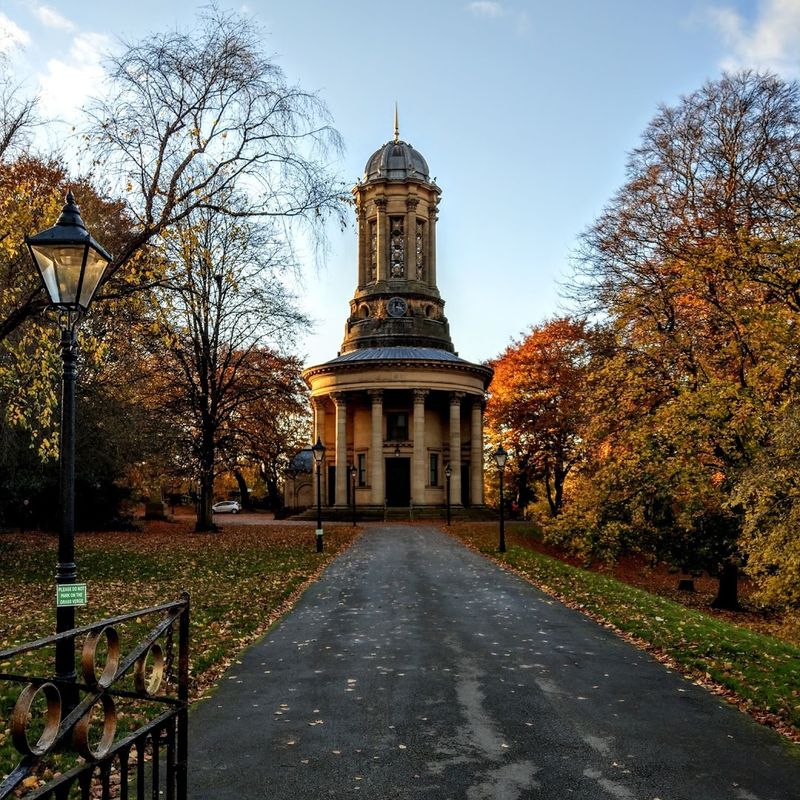
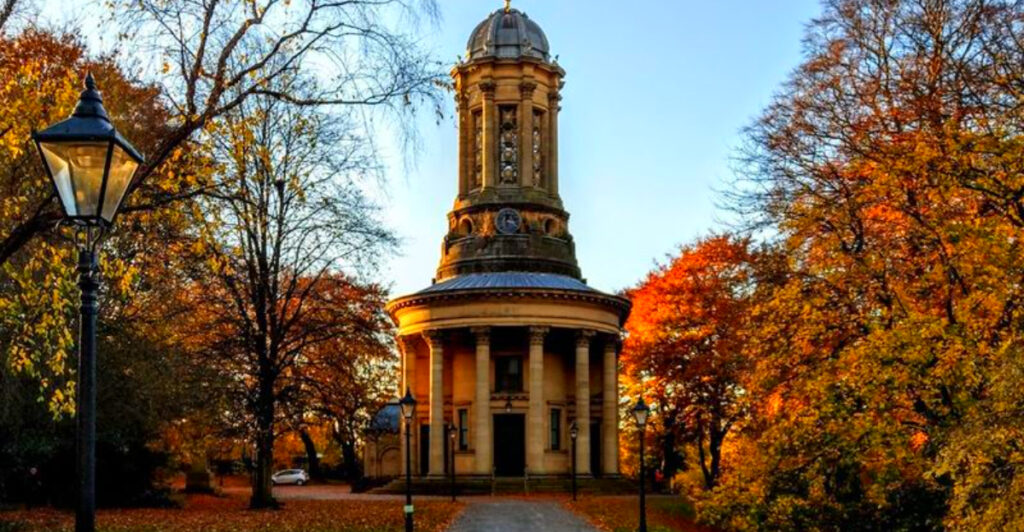
Textile manufacturer Sir Titus Salt had strong opinions about how his workers should live, and in the 1850s he built an entire village to prove it. Saltaire was designed from scratch as a model community, complete with homes, a park, a church, public baths, and an enormous mill, all arranged according to Salt’s very precise ideas about orderly living.
The remarkable thing is that it still looks almost exactly as he planned it. Stone terraced houses, the grand Congregational church, and the towering Salts Mill building remain intact, earning the village UNESCO World Heritage status in 2001.
Modern life has quietly settled in around the edges, with galleries, cafes, and bookshops occupying the old mill spaces. But the street layout, the architecture, and the overall character of Saltaire remain a genuine Victorian time capsule that no renovation project has managed to disturb.
6. Royal Pavilion Gardens, Brighton, East Sussex, England
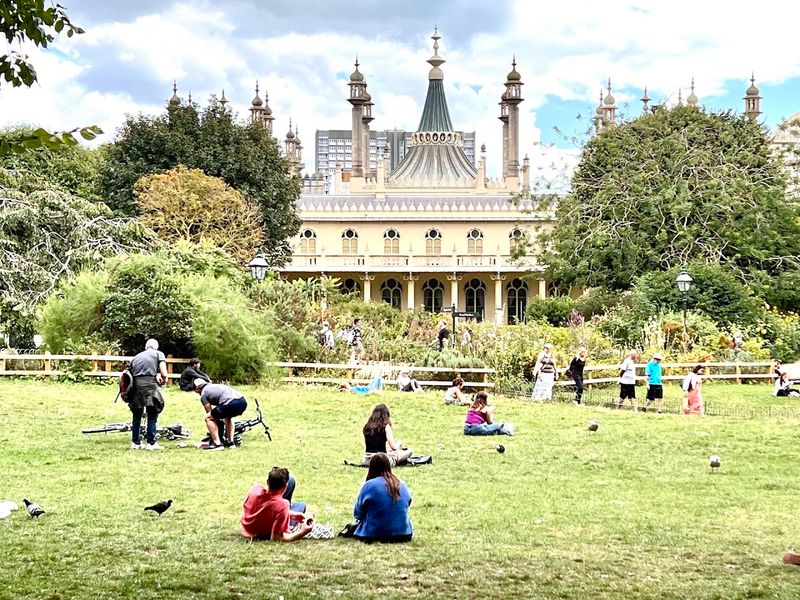
Brighton became Britain’s most fashionable seaside destination during the Victorian period, and the area surrounding the Royal Pavilion still carries that 19th century resort character more visibly than almost anywhere else on the English coast. The Pavilion itself predates Victoria, but the surrounding gardens, terraces, and grand hotel facades reached their current form during the height of her reign.
The Victorian shopping arcades just off the seafront are particularly well preserved. The Royal Arcade and the Lanes district contain original ironwork, decorative glass roofing, and shopfront designs that have survived remarkably intact since the 1880s.
Brighton has always balanced its historic character with a reputation for forward-thinking culture, which means the Victorian architecture never feels stuffy or purely ceremonial. Grand Regency terraces sit alongside independent galleries and boutique shops, creating a city where 19th century design and contemporary life coexist with unusual comfort.
7. Biltmore Estate, Asheville, North Carolina, USA
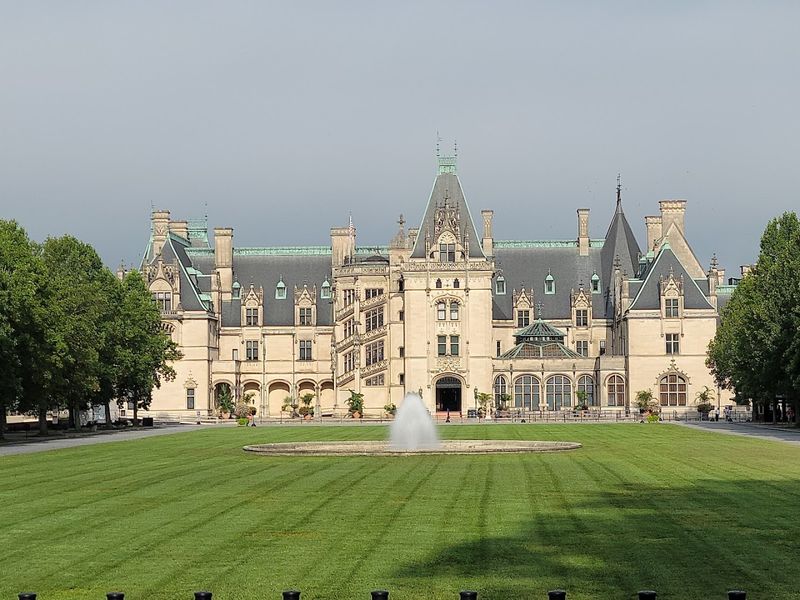
George Vanderbilt commissioned America’s largest private home in 1889, and the finished result set a standard for Gilded Age excess that has never been surpassed. The Biltmore Estate covers 8,000 acres and contains 35 bedrooms, 43 bathrooms, and 65 fireplaces, numbers that suggest Vanderbilt was not particularly worried about his heating bill.
The formal gardens were designed by Frederick Law Olmsted, the same landscape architect responsible for Central Park in New York. His work at Biltmore includes a walled English garden, an Italian garden, and miles of scenic paths through the surrounding woodland.
The estate opened to paying visitors in 1930 and now welcomes around 1.5 million guests annually. Guided tours cover the lavishly furnished rooms, the downstairs service areas, and the family’s private quarters. Every season brings a different character to the grounds, but the Victorian-era grandeur of the main house remains constant throughout the year.
8. Crespi d’Adda, Capriate San Gervasio, Lombardy, Italy
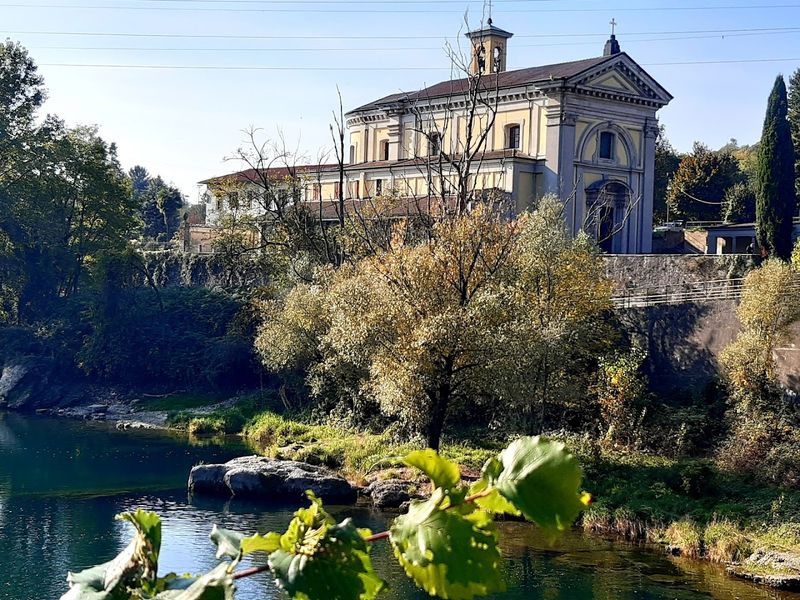
An Italian cotton manufacturer named Cristoforo Benigno Crespi built this entire village from scratch between 1878 and 1930, and the result is one of the most complete surviving examples of a Victorian-era company town anywhere in the world. Crespi d’Adda was designed to provide workers with everything they needed without leaving the grounds.
Neat rows of identical cottages, a church, a school, a doctor’s office, a bathhouse, and the factory itself all still stand in their original arrangement along the banks of the Adda River. The village earned UNESCO World Heritage status in 1995, recognizing how completely it preserved the social and architectural logic of 19th century industrial paternalism.
Around 200 people still live in the original workers’ cottages today. Visitors can walk freely through the village streets and observe the architecture up close. Very few places in Europe offer such an undisturbed view of how Victorian-era industrial communities were actually organized and built.
9. Harrogate, North Yorkshire, England
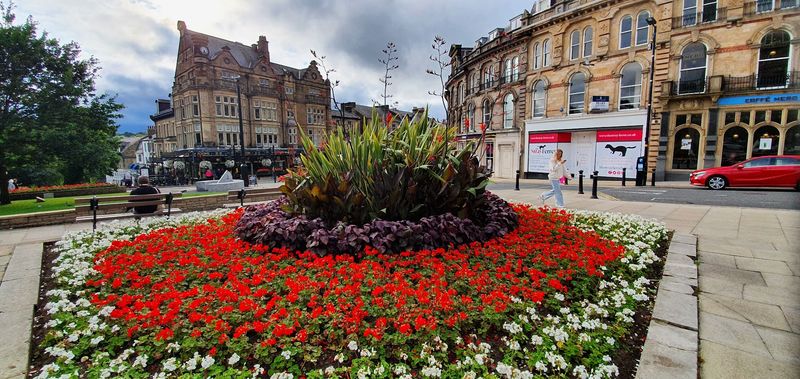
Victorian Britain had a serious enthusiasm for spa towns, and Harrogate rode that enthusiasm to become one of the most prosperous and elegant resort destinations in the country. The town’s mineral springs attracted wealthy visitors throughout the second half of the 19th century, and the grand hotels, formal gardens, and civic buildings constructed to accommodate them have survived in excellent condition.
The Turkish Baths on Parliament Street opened in 1897 and still operate today, offering treatments in a beautifully preserved Moorish-style interior that has barely changed since its Victorian opening. The Valley Gardens, the Harrogate Stray, and the formal flower displays in the town center reflect the same investment in public green space that characterized the best Victorian resort towns.
Afternoon tea culture is taken seriously here, with several historic establishments maintaining traditions that date directly to the late 1800s. Betty’s Tea Rooms, opened in 1919, continues the Edwardian refinement that grew directly out of Harrogate’s Victorian heyday.
10. Ballarat, Victoria, Australia
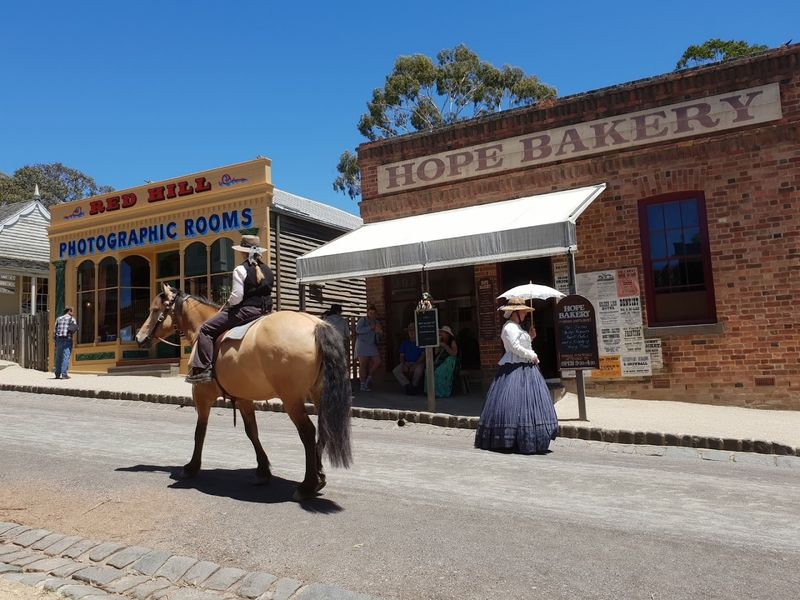
Gold changed everything for Ballarat. When prospectors struck it rich in the early 1850s, the resulting wealth funded a building boom that gave the city some of the most ambitious Victorian architecture in the Southern Hemisphere. Grand banks, ornate hotels, elaborate public buildings, and spacious residential streets all date to the decades when Ballarat’s goldfields were producing extraordinary wealth.
Sovereign Hill, an open-air museum on the edge of the city, recreates the gold rush settlement in impressive detail. Costumed staff, working gold mines, period shops, and horse-drawn vehicles make it one of Australia’s most visited heritage attractions.
The city center itself requires no reconstruction. Sturt Street’s broad median strip, lined with historic buildings and public monuments, looks much as it did in the 1880s. Ballarat treats its Victorian heritage not as a tourist gimmick but as a genuine source of civic identity, which makes the whole experience feel considerably more authentic.
11. Cape May Historic District, Cape May, New Jersey, USA
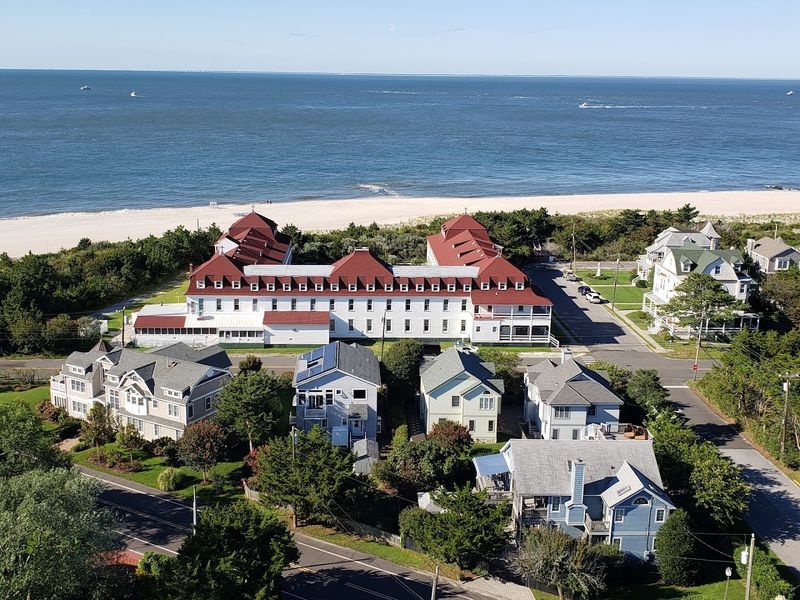
Cape May contains more than 600 preserved Victorian buildings, a concentration that earned the entire city designation as a National Historic Landmark in 1976. The ornate wooden cottages with their decorative gingerbread trim, wraparound porches, and bright paint colors represent one of the most visually distinctive streetscapes in the United States.
The city developed as a fashionable seaside resort during the mid-to-late 1800s, attracting wealthy visitors from Philadelphia and New York. When Atlantic City emerged as the dominant resort destination in the early 20th century, Cape May’s development slowed considerably, which turned out to preserve its Victorian character almost by accident.
Today the Washington Street pedestrian mall runs through the heart of the historic district, lined with Victorian-era commercial buildings housing boutiques and cafes. The combination of beach access and meticulously maintained 19th century architecture makes Cape May a genuinely unusual destination along the heavily developed Jersey Shore.
12. St. George’s Hall, Liverpool, Merseyside, England
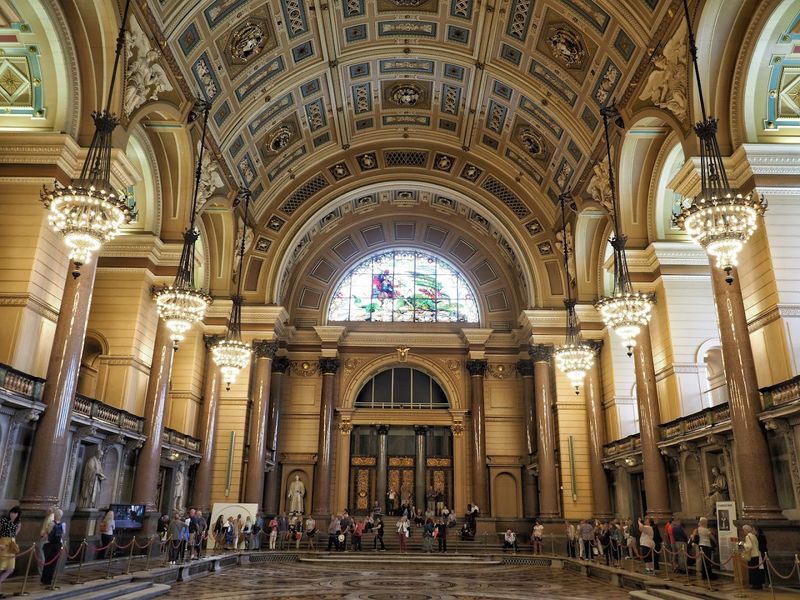
Completed in 1854, St. George’s Hall represents Victorian civic ambition at its most theatrical. The building combines a concert hall, civil courts, and criminal courts under one enormous neoclassical roof, a combination that made perfect sense to Victorian city planners who believed great architecture should serve multiple public purposes simultaneously.
The Great Hall interior features one of the finest encaustic tile floors in the world, containing around 30,000 Minton tiles arranged in elaborate patterns. The floor is so delicate that it is covered with wooden boards except during special events, when visitors finally get to see it uncovered.
Liverpool’s UNESCO World Heritage waterfront designation, held until 2021, recognized the city’s exceptional collection of Victorian and Edwardian architecture, with St. George’s Hall as its most celebrated inland example. Free guided tours run regularly and cover both the public concert spaces and the remarkably preserved Victorian courtrooms below the main hall.
13. Eureka Springs Historic District, Eureka Springs, Arkansas, USA
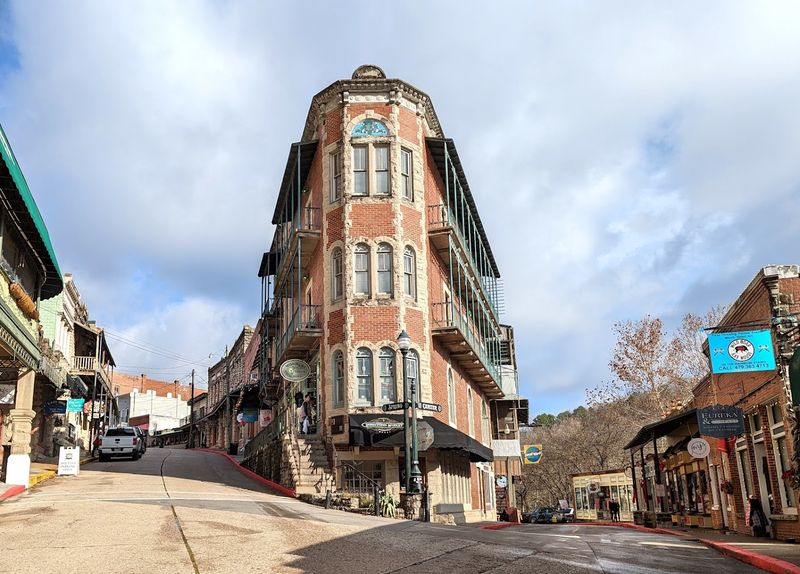
Eureka Springs has a geographic feature that accidentally preserved its Victorian character: the town is built into steep Ozark hillsides where flat land is essentially nonexistent. That topography made large-scale redevelopment impractical, which meant the original Victorian street grid, with its winding roads, staircase shortcuts, and hillside cottages, survived largely intact through the 20th century.
The entire downtown is listed on the National Register of Historic Places. The Crescent Hotel, built in 1886 and perched dramatically above the town, remains one of the Ozarks’ most recognizable Victorian landmarks. Historic storefronts along Spring Street house galleries, independent shops, and cafes in buildings that have changed very little since the 1890s.
The town’s natural springs, which originally attracted health-seeking Victorian visitors, still flow through the historic district. Spring Street gets its name from the mineral springs that made Eureka Springs a popular destination during the late 19th century health resort movement, a history the town continues to acknowledge and celebrate.
14. Osborne House, East Cowes, Isle of Wight, England
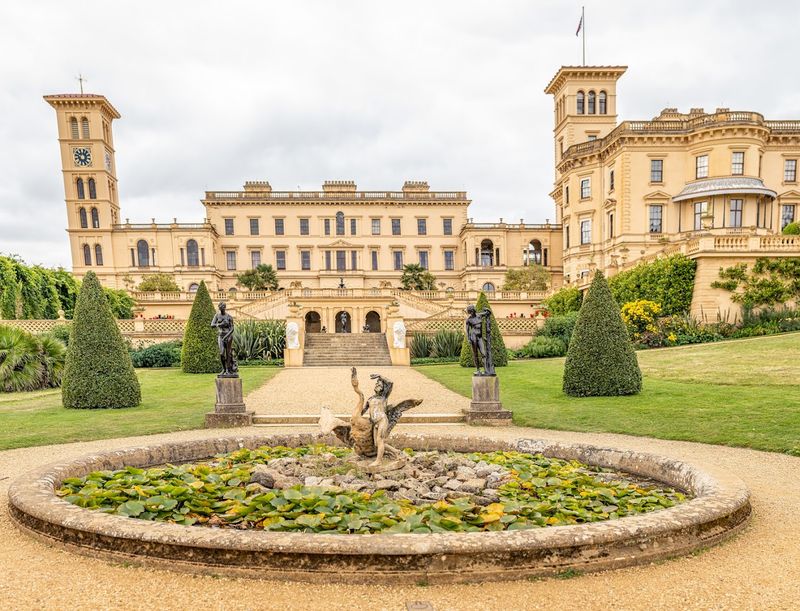
Queen Victoria designed Osborne House herself, working alongside Prince Albert and architect Thomas Cubitt to create a private seaside retreat that reflected exactly how she wanted to live away from the formality of London. Construction finished in 1851, and Victoria used the house as her preferred summer residence for the rest of her reign.
The interior has been preserved with unusual completeness. Many rooms still contain the original furniture, artwork, and personal objects arranged exactly as the royal family left them. The Durbar Room, added in 1891 and decorated in elaborate Indian style, reflects Victoria’s deep personal interest in her role as Empress of India.
The Swiss Cottage in the grounds served as a playhouse and learning space for the royal children, complete with a working kitchen where the young princes and princesses were taught to cook and garden. English Heritage manages the property today, and the combination of royal history and intact Victorian interiors makes Osborne House one of the most genuinely revealing historic house visits in Britain.
Share this story