Game of Thrones transformed real-world locations into some of television’s most memorable kingdoms. From the medieval streets of Croatia to the volcanic landscapes of Iceland, the series used stunning destinations across Europe and North Africa to bring its fantasy world to life.
These filming locations offer much more than a connection to the show. Many are rich in history, architecture, and natural beauty, making them worthwhile destinations in their own right.
Whether you’re a dedicated fan or simply love spectacular travel experiences, these sites deserve a place on your bucket list.
1. Dark Hedges, County Antrim, Northern Ireland
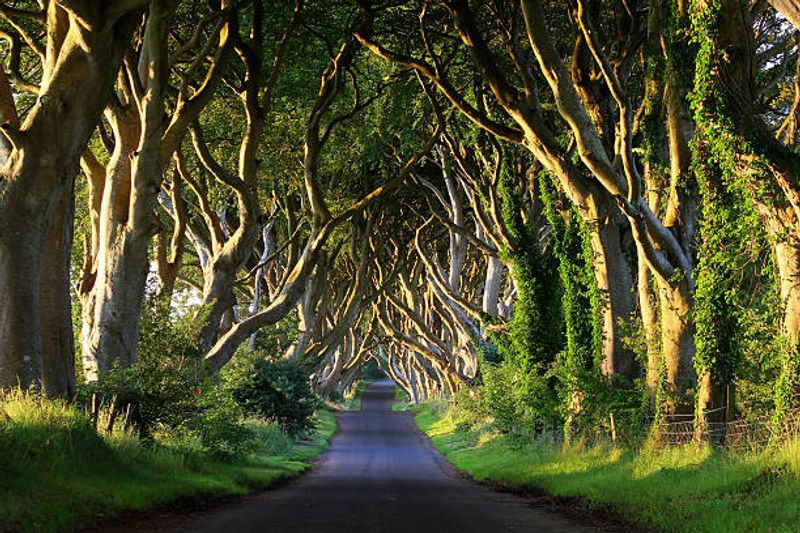
Nobody planted those trees thinking they would one day become one of the most photographed roads in the world. Back in the 18th century, the Stuart family lined their driveway with beech trees, and over the centuries those trees grew into each other, creating a cathedral-like canopy that looks almost engineered for a fantasy series.
The Dark Hedges became the Kingsroad in Game of Thrones, most memorably when Arya Stark traveled north disguised as a boy. The road is only about 150 meters long, but it packs an extraordinary visual punch for such a short stretch of path.
Arrive early in the morning to avoid the crowds and to catch the mist that sometimes settles between the trunks. The trees are free to visit, making this one of the most accessible filming locations on the entire list.
2. Castle Ward, County Down, Northern Ireland
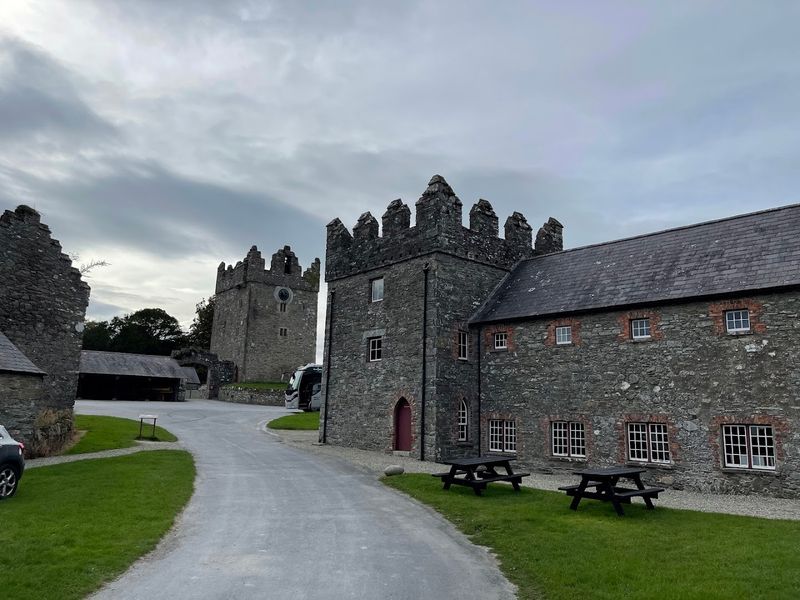
Castle Ward is where Winterfell was born on screen. During the show’s earliest episodes, this 18th-century estate in County Down provided the stone courtyards, archery ranges, and rugged backdrops that introduced viewers to the Stark family home in the North.
The property belongs to the National Trust and covers over 300 hectares of farmland, woodland, and shoreline along Strangford Lough. The specific courtyard used for Winterfell scenes is easy to find, and several tour operators offer full Game of Thrones experiences on site, including archery lessons in full costume.
Even visitors who skip the themed activities will find plenty to explore. The estate includes two historic houses with very different architectural styles, plus miles of walking trails.
Castle Ward rewards those who take their time rather than rushing straight to the filming spots and back to the car park.
3. Alcázar of Seville, Seville, Spain
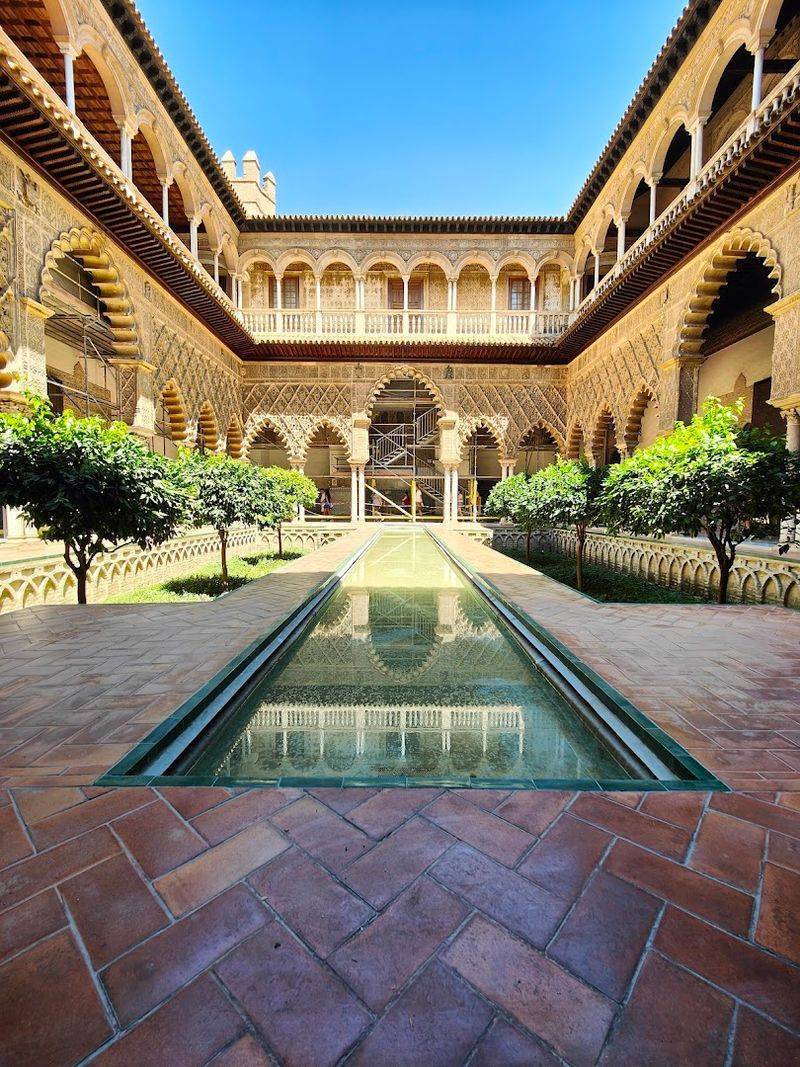
The Alcázar of Seville is the kind of building that makes you question whether real life ever actually needed a fantasy series. Its Mudéjar architecture, hand-painted ceramic tiles, and layered gardens are so elaborate that the production team used four separate areas of the palace complex to represent the Water Gardens of Dorne.
Those four areas include the Hall of Ambassadors, Mercury’s Pool, the Baths of Maria de Padilla, and the surrounding gardens. Each section contributed a different visual element to the Dornish storyline in seasons five and six.
Beyond its television credentials, the Alcázar holds the distinction of being the oldest royal palace still in active use in Europe. Spanish royalty still uses parts of the building when visiting Seville.
Tickets sell out frequently, especially in summer, so booking well in advance is genuinely necessary rather than just a polite suggestion.
4. Dubrovnik, Croatia
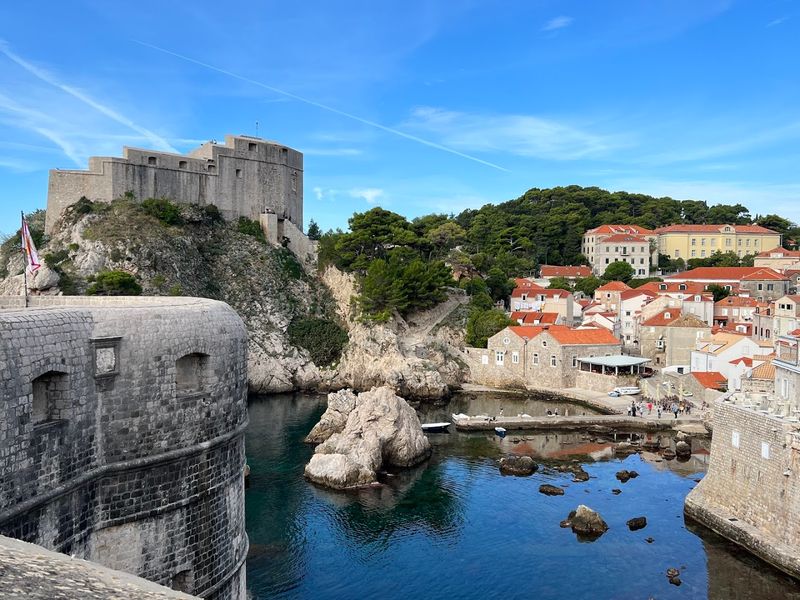
Few cities in the world double as a fictional capital quite as convincingly as Dubrovnik does. Its limestone streets, towering medieval walls, and dramatic cliffside position above the Adriatic made it the obvious choice for King’s Landing, the seat of power in Westeros.
The Old Town is remarkably well preserved, and walking its famous fortifications gives you a bird’s-eye view of the city that feels straight out of a royal procession. Key filming spots include Pile Gate, St. Dominika Street, and the city’s main promenade, all of which appeared in multiple seasons.
Dubrovnik’s walls stretch nearly two kilometers and date back to the 13th century, so history buffs get just as much out of the visit as die-hard fans do. Book a guided Game of Thrones tour early, because this is one of the most popular stops in all of Europe.
5. Þingvellir National Park, Iceland
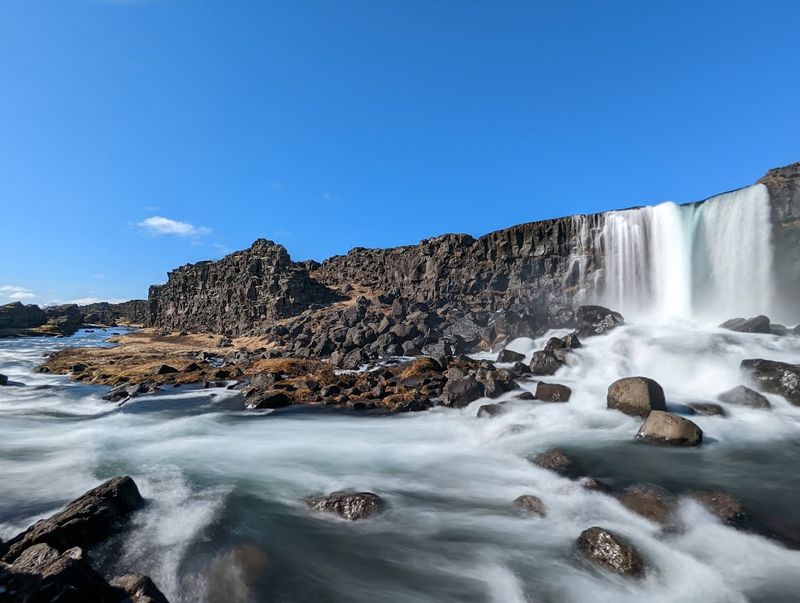
Iceland served as the frozen wilderness beyond the Wall throughout Game of Thrones, and Þingvellir National Park was central to that effort. The park sits in a rift valley formed by the separation of the North American and Eurasian tectonic plates, which gives it a geological drama that few other places can match.
Its vast open plains, fractured lava fields, and sheer cliff faces create a landscape that reads as genuinely inhospitable on camera. The production team used it to represent the wild lands where the Night’s Watch ventured on their ranging missions.
Þingvellir also carries serious historical weight as the site of Iceland’s original parliament, established in 930 AD. It is a UNESCO World Heritage Site, meaning visitors get both a fantasy pilgrimage and a genuine encounter with one of the oldest democratic traditions in the world.
That is a solid return on a single entry fee.
6. Kirkjufell, Iceland
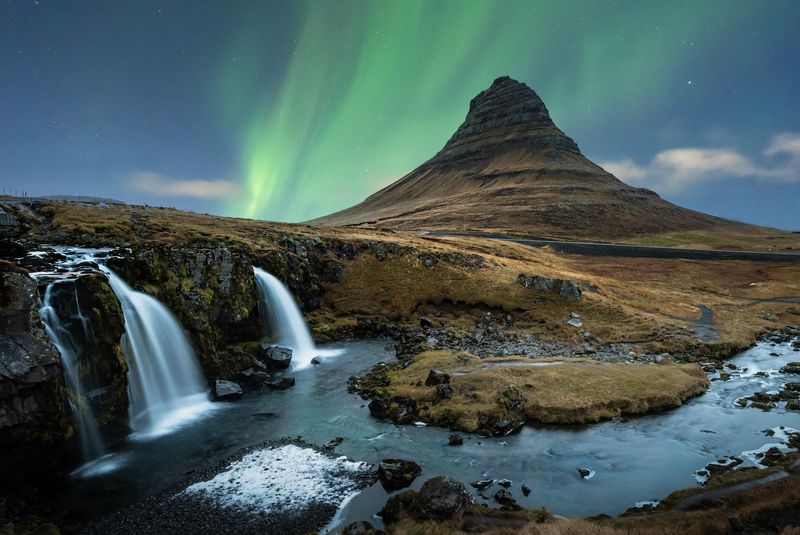
Mount Kirkjufell is the mountain that Game of Thrones turned into a symbol of everything dangerous and beautiful about the far North. Located on Iceland’s Snaefellsnes Peninsula, its perfectly symmetrical cone shape made it the ideal candidate for the Arrowhead Mountain featured in seasons six and seven.
The White Walkers were shown marching near its base, which is a sentence that sounds absurd but also explains why tens of thousands of fans make the trip every year. The mountain stands 463 meters tall and is considered one of the most photographed peaks in Iceland.
Kirkjufellsfoss waterfall sits nearby, and the combination of the two is what makes the location so visually striking. Hiking to the summit requires some experience and proper gear, but simply viewing the mountain from the road below is rewarding enough for most visitors who make the journey out to the peninsula.
7. Ballintoy Harbour, County Antrim, Northern Ireland
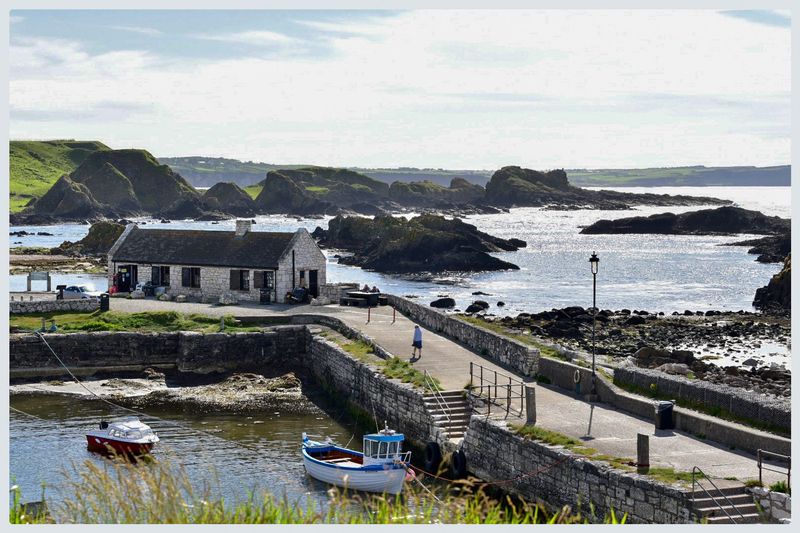
The Iron Islands were never meant to be a pleasant vacation destination, and Ballintoy Harbour makes sure of that in the best possible way. This compact, rocky harbour on the north Antrim coast provided the raw, unforgiving coastal scenery that defined the Greyjoy family’s home territory throughout the series.
Its jagged black rocks, narrow harbour walls, and slate-grey water create exactly the kind of backdrop you would expect from a family whose motto is essentially about not planting crops. The harbour appeared in multiple Iron Islands scenes across several seasons.
The village of Ballintoy itself is tiny, with a small cafe and a church that sometimes appears in background shots. The harbour is free to visit and is located close to other North Antrim attractions including the Giant’s Causeway, making it easy to combine into a broader coastal road trip through one of Northern Ireland’s most scenic stretches of coastline.
8. San Juan de Gaztelugatxe, Basque Country, Spain
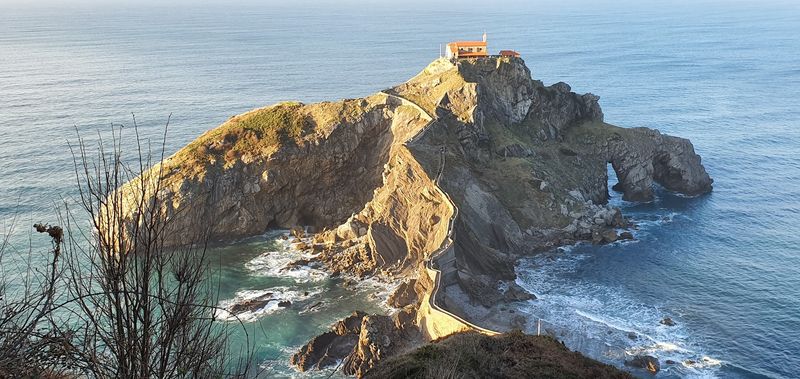
There is something genuinely theatrical about a rocky islet connected to the mainland by a narrow stone bridge and topped with a chapel that requires 241 steps to reach. San Juan de Gaztelugatxe was practically designed to look like a fantasy stronghold, which is exactly why the Game of Thrones team chose it for Dragonstone.
The ancestral seat of House Targaryen needed somewhere that looked both ancient and impossible, and this Basque Country landmark delivered on both counts. Daenerys arrived here at the start of season seven to reclaim her birthright, and the visual impact of that scene was almost entirely thanks to this real location.
The hike up is steep but manageable for most visitors, and the views from the top justify every step. The site sits within a protected natural area and has strict visitor limits during peak season, so checking access rules before arrival is a practical necessity rather than an optional extra.
9. Lovrijenac Fortress, Dubrovnik, Croatia
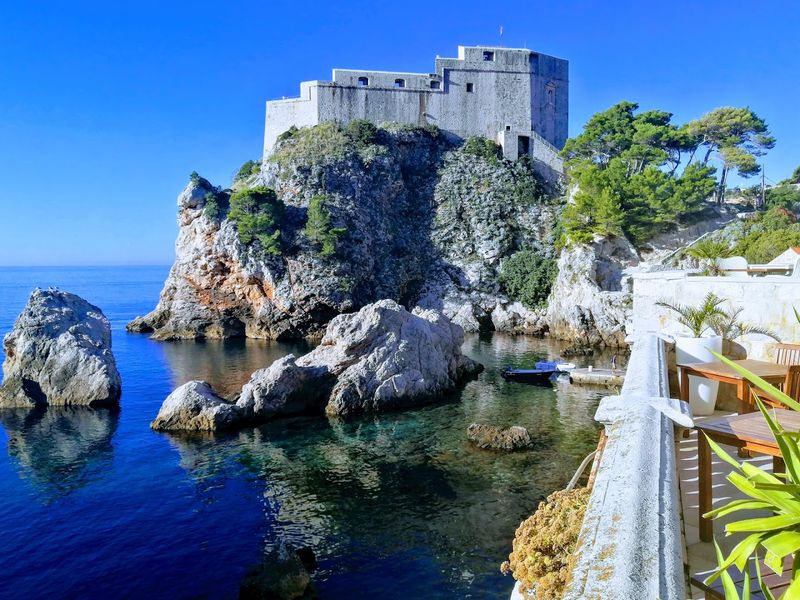
Built on a 37-meter-high cliff directly above the Adriatic Sea, Lovrijenac Fortress has been defending Dubrovnik since the 11th century. Game of Thrones repurposed it as the Red Keep, the residence of whoever happened to be sitting on the Iron Throne at any given moment in the series.
The fortress is technically separate from Dubrovnik’s Old Town, connected to it by a short walk along the waterfront. Its thick stone walls and elevated position give it a natural authority that no set designer could replicate on a studio lot.
The tournament held in King Joffrey’s name was filmed here, among other key scenes.
Lovrijenac is included in the standard Dubrovnik city walls ticket, making it easy to combine with a broader exploration of the Old Town. The interior courtyard is used for theatrical performances during the Dubrovnik Summer Festival, giving it a second life beyond its medieval and television credentials.
10. Trsteno Arboretum, Croatia
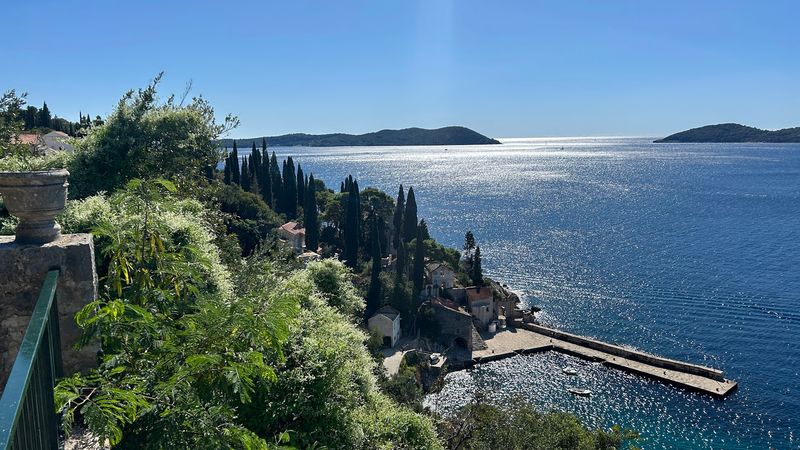
About 24 kilometers north of Dubrovnik, a 500-year-old arboretum quietly holds one of the more unexpected Game of Thrones credentials on this list. Trsteno Arboretum served as the Red Keep palace gardens in seasons three and four, providing the leafy, conspiratorial backdrop for some of King’s Landing’s most politically charged conversations.
The arboretum dates back to 1494, when the Gozze noble family began planting it as a Renaissance garden. It has expanded considerably since then and now contains rare plant species from across the Mediterranean and beyond.
Two enormous plane trees near the entrance are estimated to be over 500 years old.
Most visitors to Dubrovnik overlook Trsteno entirely, which makes it a genuinely rewarding detour for anyone who wants a quieter, less crowded Game of Thrones experience. The gardens are open year-round, and the sea views from the upper terraces are worth the trip on their own terms.
11. Mývatn Region, Iceland
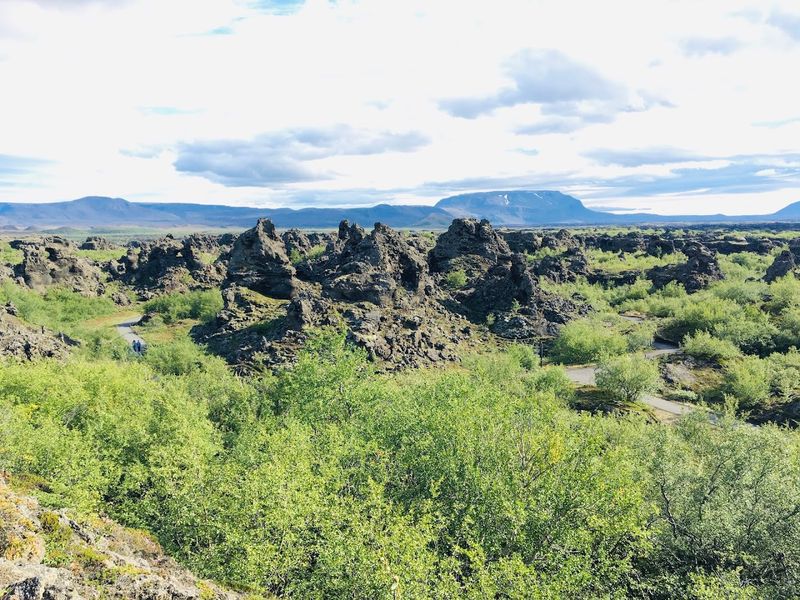
The Mývatn region in northern Iceland is what happens when a planet decides to show off its geological range all in one place. Lava fields, volcanic craters, pseudo-craters, and hot spring areas are packed into a relatively compact area around a shallow lake that has existed in its current form for roughly 2,300 years.
Game of Thrones used this landscape extensively to portray the harsh terrain beyond the Wall. The otherworldly lava formations known as Dimmuborgir, which translates roughly to Dark Castles, appeared in several scenes involving Mance Rayder’s wildling camp.
The region is located along Iceland’s Ring Road, making it accessible for travelers doing a broader circuit of the island. Mývatn Nature Baths offer a geothermally heated pool with views over the volcanic landscape, providing a warm and comfortable contrast to the desolate scenery that surrounds them on every side.
12. Ait Benhaddou, Morocco
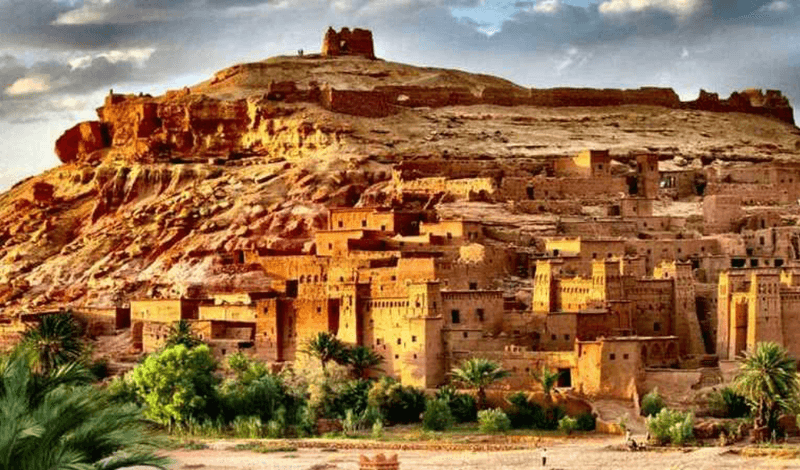
Ait Benhaddou has been appearing in major productions for decades, but Game of Thrones gave it a new audience of millions when it became Yunkai, the slave city that Daenerys Targaryen liberates in season three. The ancient ksar is built from mud, straw, and wood, and has been continuously inhabited for at least a thousand years.
Its earthen towers, labyrinthine alleys, and dramatic desert setting create a visual profile that is unlike anything else in Europe or the Mediterranean. UNESCO added it to its World Heritage list in 1987, recognizing its importance as an outstanding example of southern Moroccan architecture.
A small community still lives within the old walls, maintaining traditional crafts and welcoming visitors year-round. The site sits along the historic caravan route between the Sahara and Marrakech, so combining a visit with broader Moroccan travel makes geographical and logistical sense for most international travelers planning the trip.
13. Girona, Spain
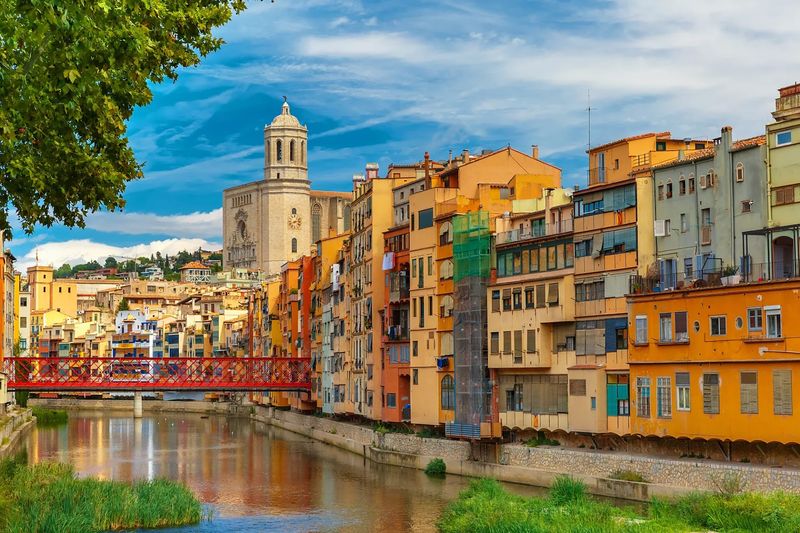
Girona is the kind of medieval city that makes you wonder why it does not appear on more travel itineraries. Its well-preserved old quarter contains Roman walls, a Gothic cathedral, a former Jewish quarter, and enough stone staircases to keep a location scout busy for weeks.
Game of Thrones took full advantage of all of it.
The city appeared in season six as both Braavos and King’s Landing, with the Cathedral Steps doubling as the steps of the Sept of Baelor and the winding streets of the Call neighborhood representing the narrow lanes of Braavos. Multiple scenes involving Arya Stark’s time with the Faceless Men were filmed here.
Girona is located about 100 kilometers north of Barcelona and is easily accessible by high-speed train. The city runs official Game of Thrones walking tours, but independent exploration is just as rewarding given how compact and walkable the historic center actually is.
14. Inch Abbey, County Down, Northern Ireland
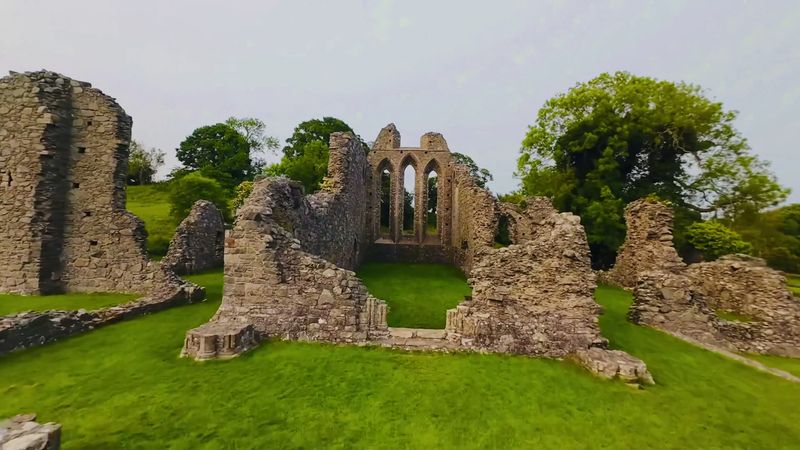
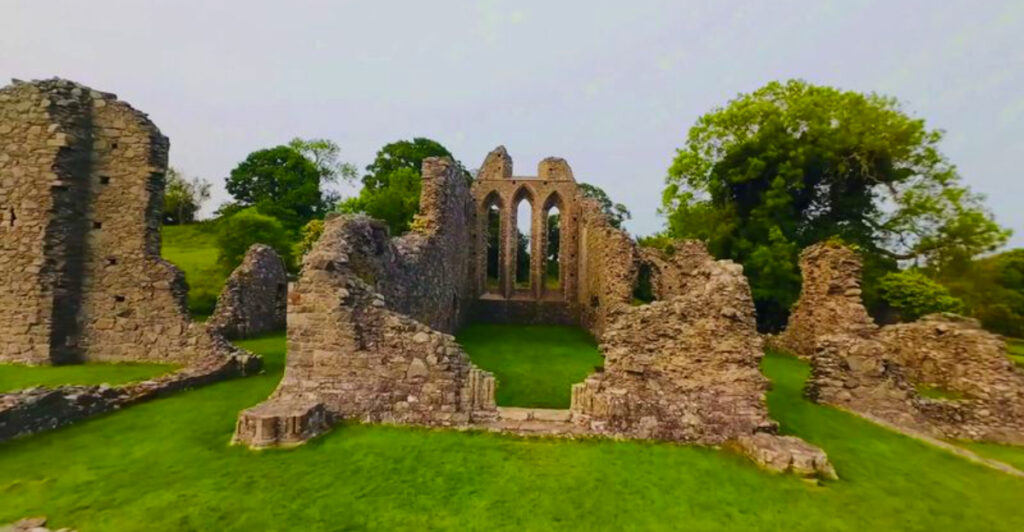
Ruined abbeys have a way of making history feel immediate, and Inch Abbey delivers that quality in full. Founded in the late 12th century by John de Courcy, the monastery sits on a low-lying island surrounded by the River Quoile, giving it a naturally isolated character that suited its Game of Thrones role perfectly.
The abbey provided the setting for a pivotal gathering in the North, where Robb Stark was proclaimed King in the North by his bannermen. The combination of crumbling stone arches, open green meadows, and a quiet riverside location made it a convincing stand-in for a northern stronghold.
Managed by the Northern Ireland Environment Agency, the site is free to visit and open year-round. It receives far fewer visitors than the Dark Hedges or Castle Ward, which means you can explore the ruins at a relaxed pace without navigating around tour groups or waiting for a clear photo opportunity.
Share this story