 Unearth The Voyage
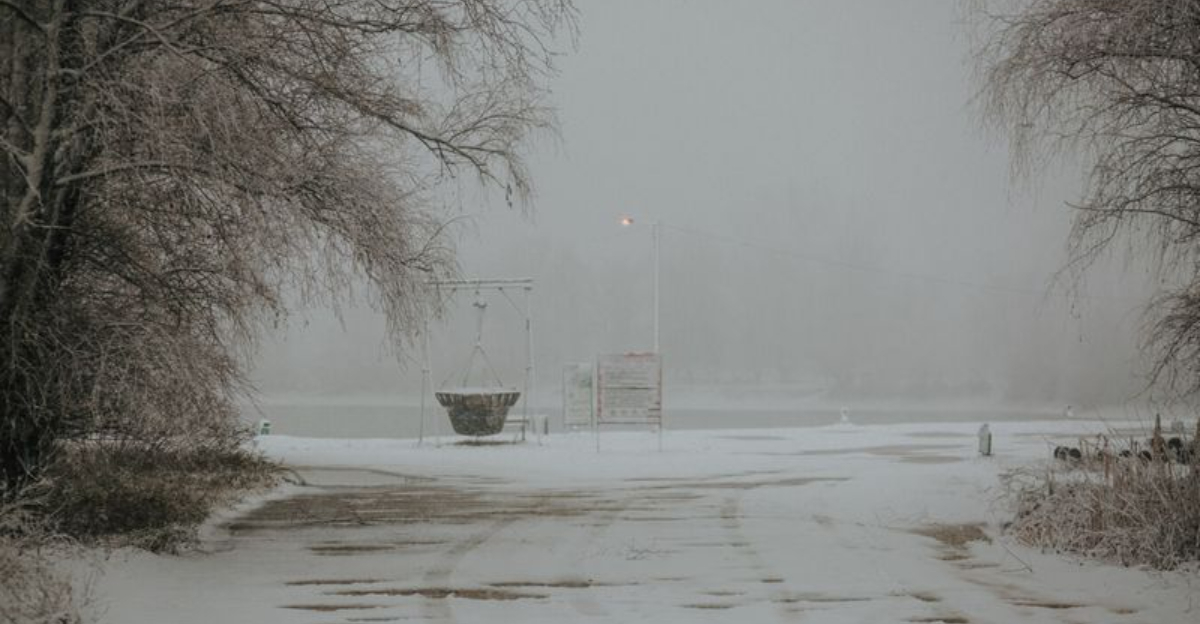
A stubborn polar vortex is locking dangerous Arctic air over the U.S., and the chill is not leaving anytime soon. If you have been waiting for a quick warmup, forecasters say you will need patience and a plan. Over the coming weeks, temperatures could plunge, winds may sting, and daily routines might get a wintry shakeup.
Here is what to know now so you can stay ready, safe, and one step ahead of the cold.
Meteorologists say a strengthened polar vortex is anchoring dangerous Arctic air over large swaths of the United States. When the vortex dips south, frigid air spills in and refuses to budge, turning ordinary winter days into relentless cold snaps. You will feel it in biting winds, stubborn highs, and nights that fall well below zero in many northern states.
What makes this pattern so concerning is its persistence. Instead of a quick burst of cold, repeated surges may reload the chill for weeks, according to Fox Weather. Wind chills could reach dangerous levels, raising frostbite risks within minutes if skin is exposed, especially during early mornings and evening commutes.
Officials warn that prolonged cold strains everything you rely on, from health to infrastructure and the energy grid. Pipes can freeze, furnaces run nonstop, and roads glaze over, even without new snow. You are urged to prepare like this is a marathon, not a sprint: winterize your space, stock essentials, and track updates daily to adapt before conditions worsen.
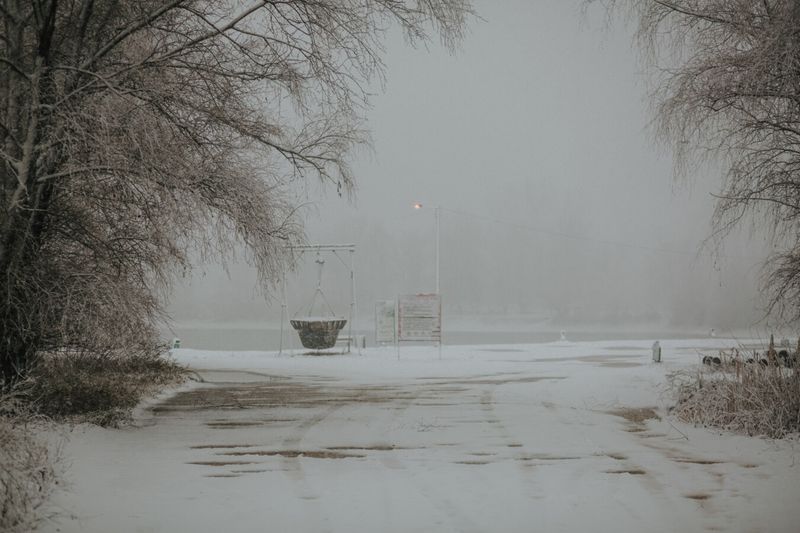
The Midwest, Great Plains, and Northeast are bracing for the harshest cold under this lingering polar vortex. You can expect temperatures running well below average for extended stretches, with scarce chances for meaningful warmups. Strong Arctic highs will lock in the chill and push wind chills into dangerous territory, particularly overnight.
Forecasters caution that repeated cold spells compound risks. Frozen pipes, dead car batteries, and stressed power grids become more likely when warmth does not return to reset systems. Utilities are preparing for heavy demand as furnaces cycle constantly, while residents farther south may still feel occasional bursts of Arctic air sweeping into the southern Plains and Southeast.
This kind of duration can be more dangerous than a short, dramatic outbreak. It slowly wears down infrastructure and exposes you to cumulative health risks with every cold commute and drafty room. To get ahead, schedule routine checks on heating, insulate vulnerable plumbing, and build a buffer of supplies so a surprise plunge does not catch you off guard.
The polar vortex does not just deliver frigid air, it also primes the atmosphere for frequent snow and ice. When storm tracks intersect the entrenched cold, modest systems can become impactful winter events. You might see quick bursts that stick easily, thanks to the deep chill keeping surfaces below freezing.
Lake-effect snow will remain a recurring concern downwind of the Great Lakes. Each pulse of Arctic air over comparatively warmer waters can trigger narrow but intense bands, burying communities a few miles from areas that see little. During temperature transitions, watch for sleet or freezing rain that coats roads and power lines with a hazardous glaze.
Even on quiet days, refreezing can create black ice on untreated surfaces and shady spots. That means slow, deliberate driving, extra braking distance, and careful footsteps are your best defense. Keep an ice scraper, sand, and windshield fluid handy, and check forecasts closely because small shifts in track and timing can turn a routine commute into a slick, high risk drive.
Emergency managers say to think long term, not weekend cold snap. Prepare your home, car, and routine for weeks of chill, as Fox Weather reports this Arctic pattern may reload several times. Start with the basics: insulate vulnerable pipes, test heating systems, replace filters, and stock extra fuel or backup heat sources where appropriate.
Build an emergency kit with water, shelf stable food, medications, flashlights, batteries, and blankets. Winterize your vehicle, check your battery, and stash warm gear, traction aids, and snacks in case a breakdown strands you in the cold. Health officials advise limiting exposure, dressing in layers, and checking on older adults, neighbors without reliable heat, and anyone who may need extra support.
Do not forget pets and livestock, which need shelter from wind and wet. Schools and workplaces may adjust schedules or go remote if wind chills plunge, so have a communication plan. The key is staying ahead: track forecast trends, set reminders for daily system checks, and pace your supplies so you remain comfortable and safe throughout the prolonged cold.



