 Unearth The Voyage
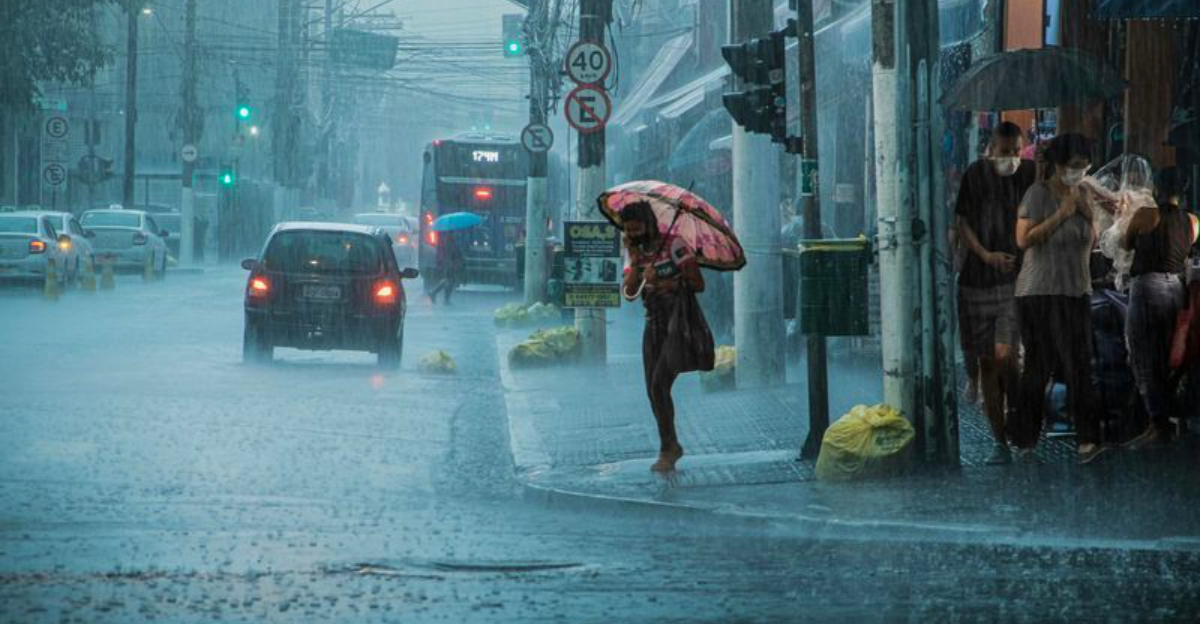
A sprawling storm is charging coast to coast, pulling deep moisture and powerful winds into a volatile mix. You can feel the stakes rising as flooding rain, severe thunderstorms, and travel snarls stack up from the West to the East. If plans are flexible, now is the time to adjust because impacts will shift quickly as the system evolves. Stay alert, stay informed, and be ready to act fast when warnings light up your phone.
Cross-Country Storm Puts Millions Across the U.S. at Risk
A powerful cross-country storm is sweeping east, linking Pacific moisture with strong upper-level winds to produce widespread hazards. You will see different impacts region by region, from soaking rains to damaging wind gusts and rumbles of thunder. The system’s sheer size means ripple effects on commutes, flights, and supply chains as it marches forward.
Forecasters highlight the risk of repeated rainfall over saturated ground, a setup that can tip neighborhoods into flash flooding with little warning. Urban areas, river corridors, and poor drainage spots deserve extra caution, especially where downpours train over the same roads. Even if severe storms miss your block, gusty wind and ponding water can still create dangerous conditions.
Travelers should build extra time into routes and check updates before leaving. If you can delay nonessential trips, do it, and keep a go-bag with chargers, meds, and rain gear within reach. Stay tuned to official alerts as the storm shifts, because small track changes can deliver big surprises and faster escalations than you expect.
Heavy Rainfall Raises Flash Flood Threat in Multiple Regions
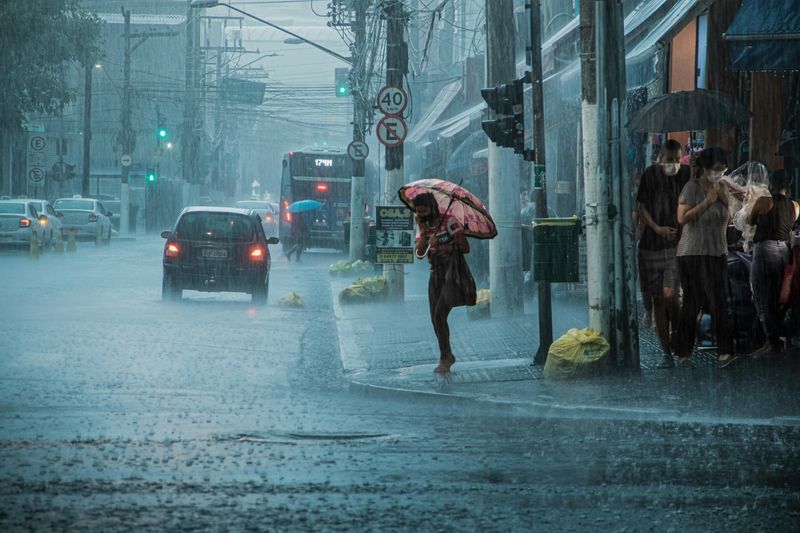
The most dangerous punch from this storm may be relentless rain that overwhelms drainage in minutes. You may see storms repeatedly track over the same area, turning manageable showers into rapid rises on streets and creeks. Saturated soil from prior rainfall means more runoff and less time to react when water spills over curbs.
Low-lying roads, underpasses, and flood-prone neighborhoods are the first to go under, especially after dark when depth is hard to judge. Do not drive through water, because even a few inches can sweep a car off course. Meteorologists warn that flash flooding forms quickly, so treat every warning as immediate and actionable.
Before the heaviest band arrives, move vehicles to higher ground and clear drains near your home. Keep a flashlight, batteries, and a portable power bank ready in case outages hit during peak rain rates. If evacuation is advised, go early rather than waiting for water to rise.
Severe Thunderstorms and Strong Winds Add to the Danger
Alongside flooding, severe thunderstorms may fire where warmer air fuels instability. Expect frequent lightning, pockets of hail, and damaging wind gusts capable of snapping limbs and tearing at loose siding. Even outside storms, a tightening pressure gradient can kick up widespread gusts that make travel hazardous.
High-profile vehicles are especially vulnerable on open highways where crosswinds can shove a trailer sideways. Power lines and tree limbs may not hold, bringing scattered outages that complicate evening routines. Keep phones charged, secure patio furniture, and move trash bins or grills indoors before the line arrives.
If a warning hits your area, get indoors and avoid windows until the threat passes. Lightning can strike miles from the core, so do not wait for rain to begin before heading inside. Rely on official alerts and local radar, and remember that visibility can crash quickly in blinding rain, even if the storm does not turn severe.
Officials Urge Caution as Storm Pushes Eastward
As the storm pushes east, impacts will evolve rather than fade, especially as it taps warmer, more humid air. You may wake to a different risk profile than the night before, with flooding, wind, or lightning taking turns as the top concern. Small track shifts can change everything, so plan with flexibility and expect adjustments.
Prepare now: review evacuation routes, top off fuel, and stock an emergency kit with water, snacks, meds, and backups for power. Avoid travel during peak bands and give first responders space to work. If you live near rivers or streams, monitor levels both during and after the rain because rises can lag the storm.
When skies clear, hazards often persist, from downed lines to flooded basements and weakened trees. Document damage safely and lean on official channels for cleanup guidance. Staying weather-aware from first raindrop to final crest helps you manage stress, protect your home, and keep loved ones safe.



