Some prisons were built to be completely inescapable. Thick walls, armed guards, remote locations, and constant surveillance were all designed to make sure no one ever walked out uninvited. Yet throughout history, a surprising number of people managed to outsmart even the most sophisticated security systems ever built. From tunnels dug with spoons to helicopters landing in prison yards, these escapes range from carefully planned operations to jaw-dropping moments of improvisation.
What follows is a look at 13 of the most remarkable prison breaks in recorded history, covering centuries of ingenuity, determination, and sheer nerve. Whether you know some of these stories or are hearing them for the first time, each one offers a fascinating window into what humans are capable of when freedom is on the line.
1. Pasquale “Patsy” Conte, HM Prison Parkhurst, Isle of Wight, England
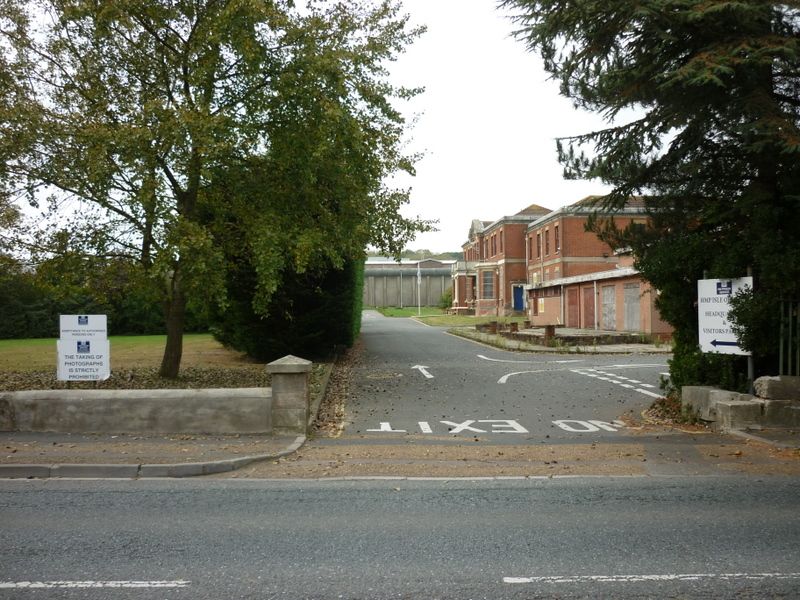
Britain spent decades calling Parkhurst one of its most secure prisons, a facility on an island that seemed to make escape practically impossible by geography alone.
In January 1995, Patsy Conte and two other inmates proved that reputation wrong. The group used wire cutters to slice through multiple security fences, exploiting gaps in the prison’s patrol schedule that had gone unnoticed for far too long.
They spent several hours outside the walls before being recaptured, but the damage to Parkhurst’s reputation was already done. The British government launched an official inquiry, and the prison’s director was removed from his post within days of the breakout.
Security upgrades followed quickly, but the episode had already exposed serious flaws in how the facility was managed. Parkhurst was eventually reclassified, and its standing as an impenetrable institution never fully recovered after that winter night.
2. Dieter Dengler, Pathet Lao Prison Camp, Laos
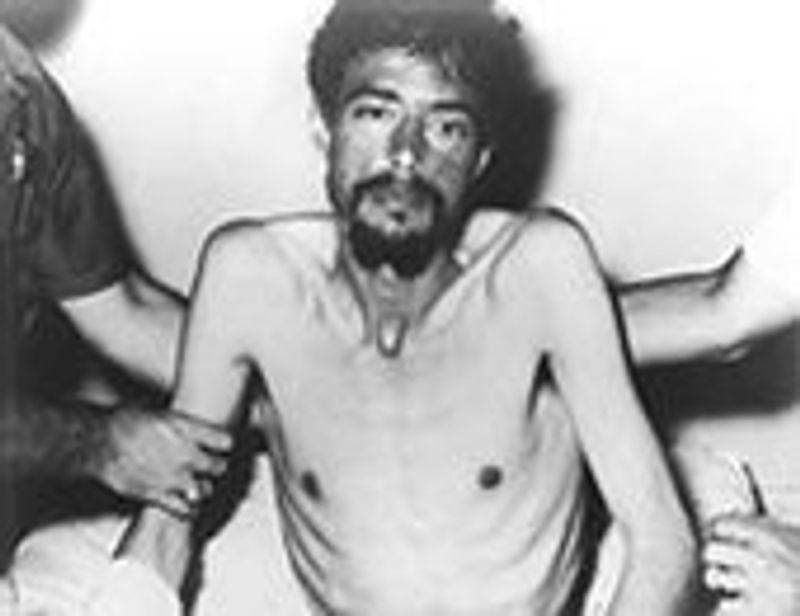
Few escape stories from the Vietnam War era match the sheer physical endurance required in Dieter Dengler’s breakout from a Pathet Lao prison camp deep in the Laotian jungle in 1966.
Dengler, a U.S. Navy pilot shot down over Laos, spent months enduring severe conditions before organizing a small group of prisoners. They overpowered guards using tools they had hidden over weeks and fled into dense, nearly impenetrable jungle terrain.
His companions did not all survive the trek. Dengler pushed through the wilderness for weeks, suffering from starvation and severe physical deterioration before a U.S. military aircraft spotted him and arranged a rescue.
His story was later told in Escape from Laos, a 1979 book by Dengler himself, and later adapted into two separate films. Military historians cite his survival as one of the most remarkable individual endurance feats of the entire conflict.
3. Joaquin “El Chapo” Guzman, Altiplano Federal Prison, Mexico

When a drug cartel builds a tunnel equipped with lighting, ventilation systems, and a motorcycle mounted on rails just to break one person out of prison, it signals a level of planning that most governments never anticipated facing.
Joaquin Guzman, known worldwide as El Chapo, vanished from Altiplano Federal Prison in July 2015 through a tunnel that stretched roughly 1.5 kilometers and opened directly beneath the shower floor of his cell. Construction workers had reportedly been digging for over a year without detection.
Mexican authorities were stunned. The escape triggered an international incident and raised serious questions about corruption within the prison system. Guzman had already escaped from a different maximum-security prison in 2001, reportedly hidden in a laundry cart.
He was recaptured in January 2016 and eventually extradited to the United States, where he was convicted in 2019 and sentenced to life in prison.
4. Frank Morris and the Anglin Brothers, Alcatraz Island, California, United States
No prison in America carried a more fearsome reputation than Alcatraz, a fortress planted on an island in the middle of San Francisco Bay with currents strong enough to challenge even experienced swimmers.
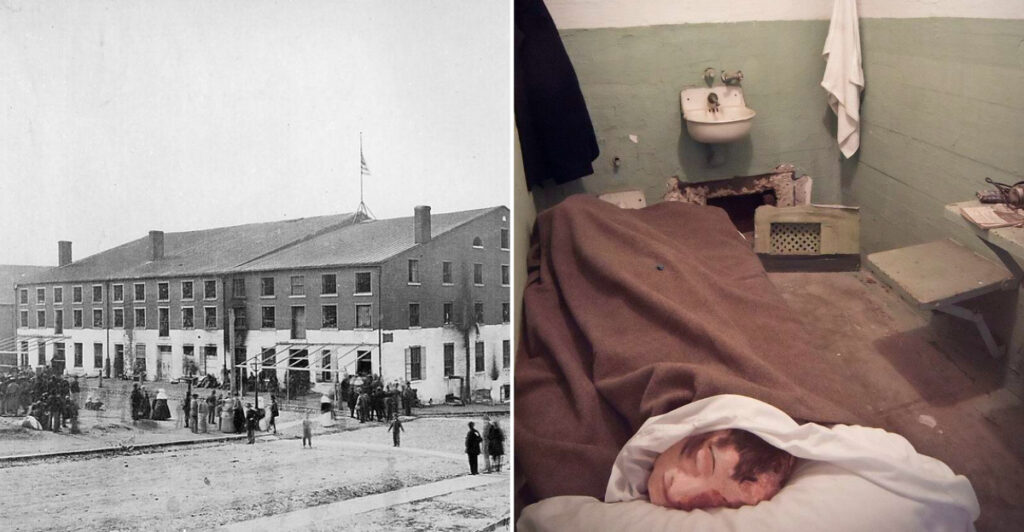
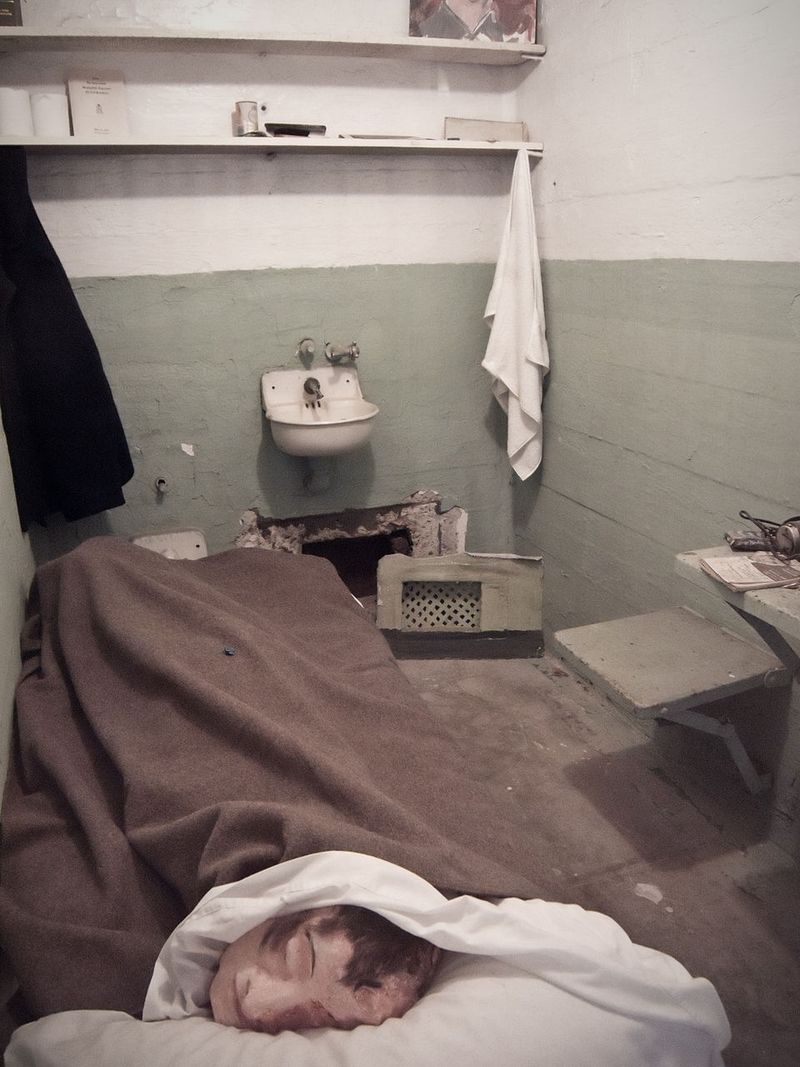
Frank Morris and brothers John and Clarence Anglin spent months preparing their escape in 1962. Using sharpened spoons and a homemade drill fashioned from a vacuum cleaner motor, they slowly widened the ventilation openings behind their cells.
They crafted papier-mache dummy heads complete with real human hair, placing them in their bunks to fool guards during nighttime checks. After reaching the roof and descending to the water, they launched a raft stitched together from more than 50 stolen raincoats.
No bodies were ever found. The U.S. Marshals Service kept the case officially open for decades. Whether they survived remains one of the most debated mysteries in American criminal history.
5. John Dillinger, Lake County Jail, Indiana, United States
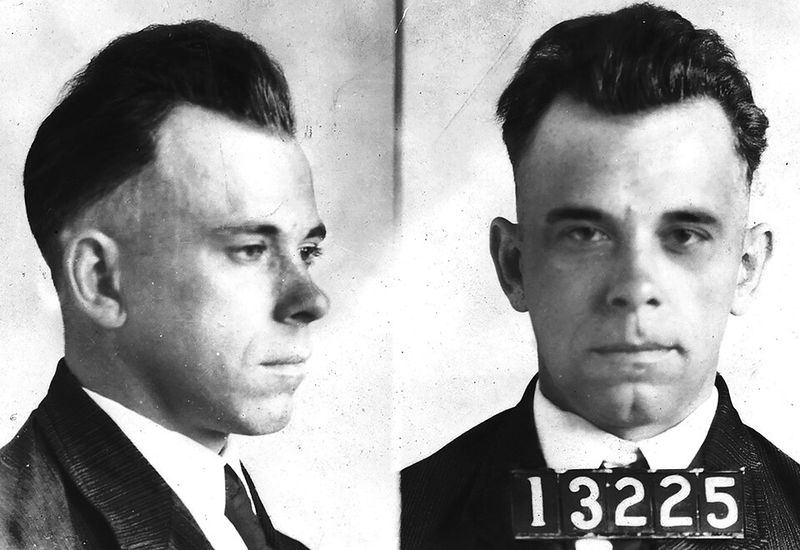
A piece of wood, some shoe polish, and a great deal of nerve were apparently all it took for John Dillinger to walk out of what Indiana officials had confidently called an escape-proof jail in March 1934.
Dillinger carved a fake pistol from a washboard or wooden block, accounts differ slightly, and darkened it to look convincing. He used it to bluff his way past guards, locking several of them in cells before stealing the sheriff’s personal car for his getaway.
Crossing state lines in a stolen vehicle made the escape a federal matter, which brought the FBI directly into the pursuit. Dillinger became Public Enemy Number One almost immediately after the breakout.
The story grew considerably in the retelling, and Dillinger himself reportedly encouraged the more dramatic versions. His escape from Crown Point became one of the defining moments of his already well-documented criminal career during the Depression era.
6. The Maze Prison Escape, County Antrim, Northern Ireland
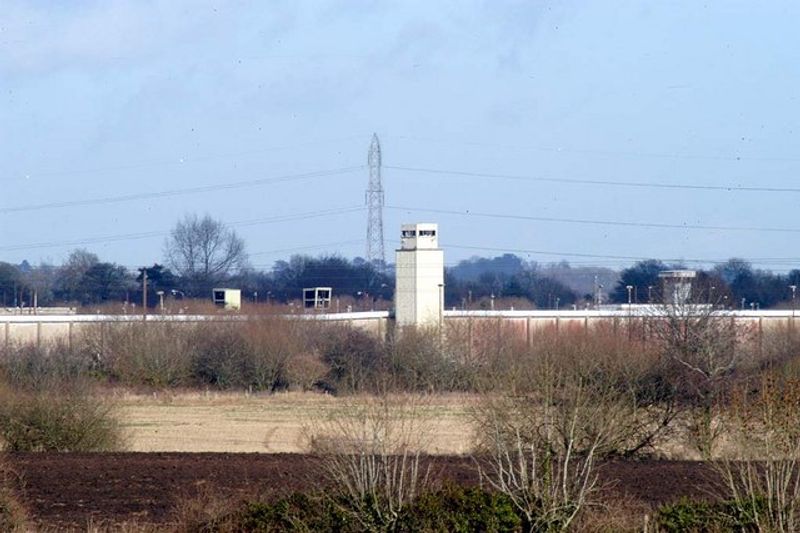
September 1983 produced the largest prison escape in British peacetime history when 38 IRA prisoners simultaneously seized control of H-Block 7 at the Maze Prison, one of the most heavily fortified detention facilities in Western Europe.
The operation had been planned for months. Six firearms had been smuggled inside, and prisoners acting as orderlies used the element of surprise to overpower guards. They then hijacked the prison’s own food delivery lorry and used it to crash through the main gate.
The scale of the operation left British security services scrambling. Nineteen of the 38 escapees were never recaptured in the United Kingdom. The breakout exposed critical weaknesses in prison staffing procedures and internal security protocols that had been overlooked for years.
A formal inquiry followed, resulting in sweeping changes across the entire Northern Ireland prison system. The escape remained a significant political and security embarrassment for the British government throughout the remainder of the decade.
7. Jacques Mesrine, La Sante Prison, Paris, France
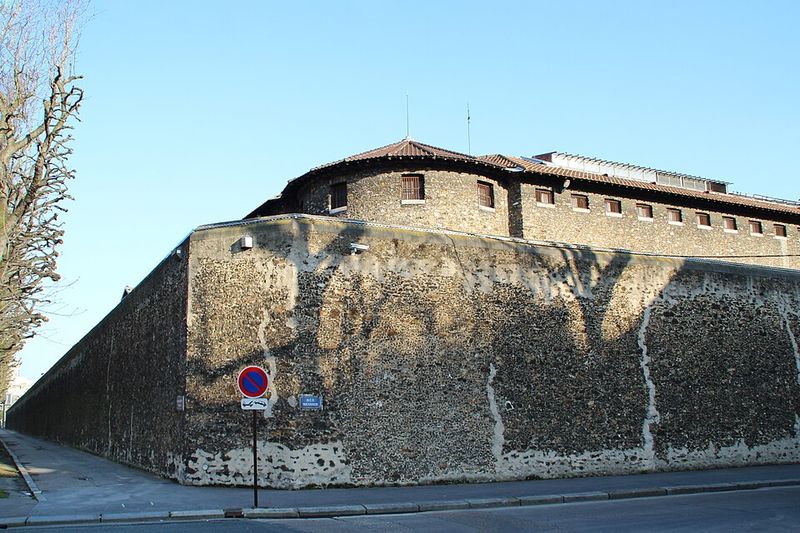
Jacques Mesrine escaped from so many prisons throughout his criminal career that French authorities eventually struggled to keep track of how many times he had walked out of custody uninvited.
His 1978 escape from La Sante Prison in Paris was among the most dramatic. Accomplices smuggled firearms into the facility, and Mesrine used them to force his way through multiple security checkpoints before reaching the street.
La Sante was not a low-security facility. It held some of France’s most serious offenders and was considered highly resistant to escape attempts. Mesrine’s ability to break out made him a figure of dark fascination in French popular culture throughout the 1970s.
He was eventually located and captured by police in Paris in November 1979 after one of the largest manhunts in French postwar history. His life has since been the subject of multiple books, documentaries, and a major two-part French film released in 2008.
8. Timothy Leary, California Men’s Colony, California, United States
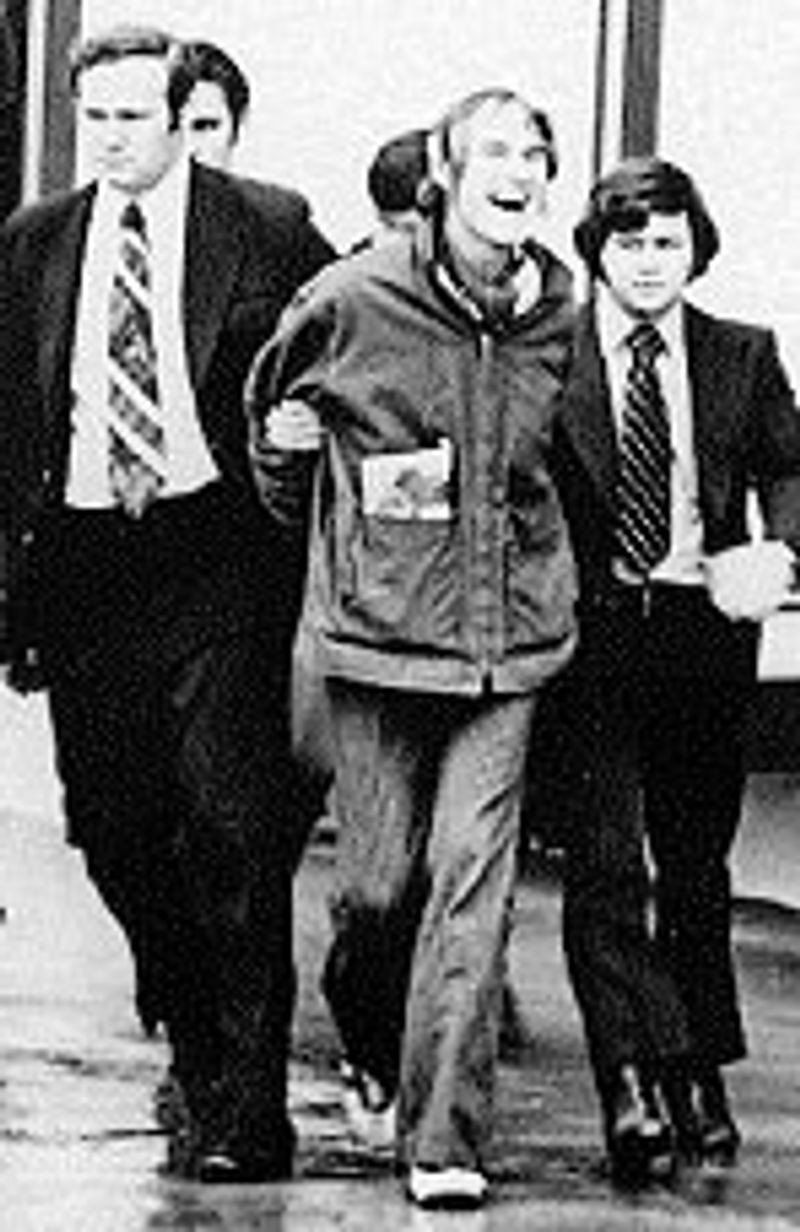
Timothy Leary was serving a ten-year sentence on drug charges when the Weather Underground, a radical political organization, helped him escape from the California Men’s Colony in September 1970.
The facility was a minimum-security prison, which made the escape logistically simpler but no less embarrassing for federal authorities. Leary climbed along a cable above the prison compound and dropped over the fence, where a waiting vehicle took him away.
President Richard Nixon had previously called Leary the most dangerous man in America. The irony of such a high-profile target slipping out of a low-security facility was not lost on the press or the public.
Leary fled the country and lived abroad in Algeria and Switzerland before eventually being recaptured in Afghanistan in 1973. He was returned to California and served additional time before being released in 1976 after charges against him were renegotiated.
9. Glen Stewart Godwin, Folsom State Prison, California, United States
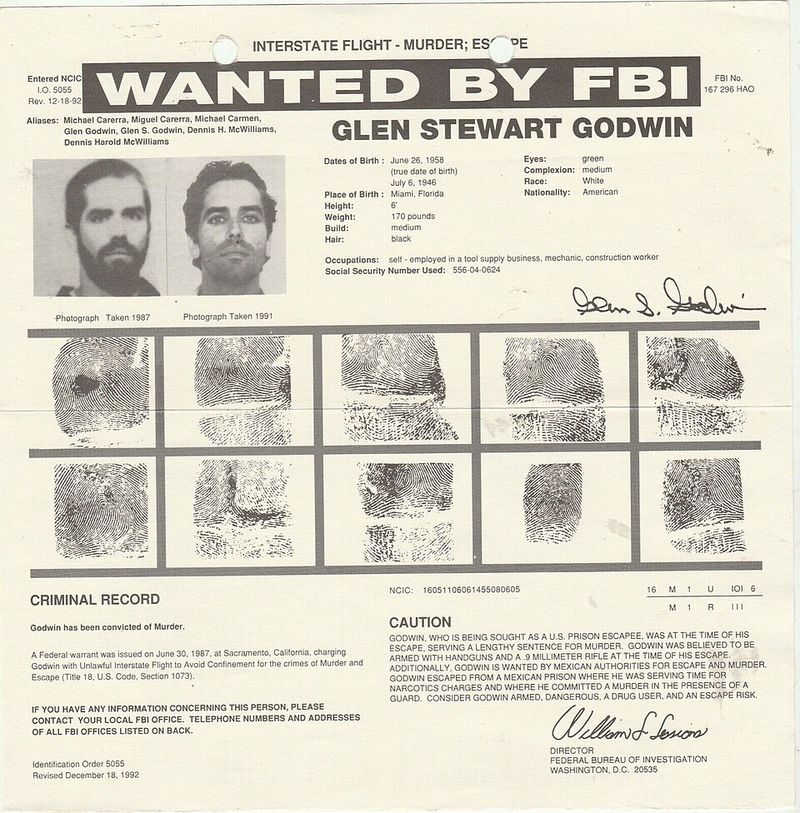
Folsom State Prison sits behind some of the most recognizable granite walls in the American penal system, a facility whose name alone carried weight in popular culture long before any escape attempt made headlines.
Glen Stewart Godwin managed to get out in 1987 by navigating through the prison’s drainage system, crawling through tunnels that most people would never have identified as a viable exit route. He reached the American River and was picked up by accomplices waiting outside.
Godwin made his way to Mexico, where he was later arrested and convicted of a separate serious offense. He escaped from a Mexican prison as well before disappearing again.
The FBI added him to its Most Wanted Fugitives list, where he remained for years. His case is notable not just for the Folsom escape but for a pattern of evading capture across multiple countries and jurisdictions over several decades.
10. Alfred Wetzler and Rudolf Vrba, Auschwitz II-Birkenau, Poland
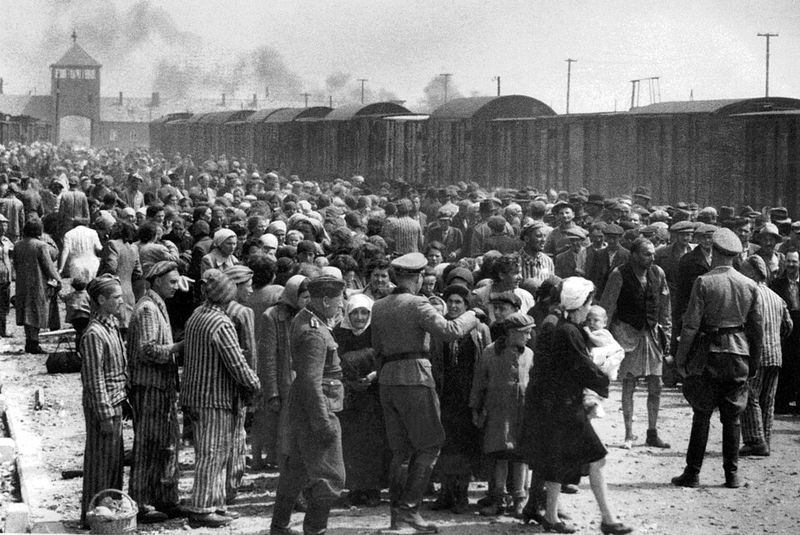
Getting out of Auschwitz in 1944 was considered virtually impossible, which makes what Alfred Wetzler and Rudolf Vrba accomplished in April of that year one of the most consequential individual acts of the entire Second World War.
The two men hid inside a wood pile stacked near the camp’s perimeter, having soaked their clothes in a substance designed to throw off the guard dogs. They remained hidden for three days while search parties swept the area, then slipped past the outer cordon under cover of darkness.
After traveling on foot for eleven days through occupied territory, they reached Slovakia and immediately began dictating a detailed, documented account of what they had witnessed inside the camp. The report ran to 32 pages and described the systematic operations being carried out there.
Their testimony, known as the Vrba-Wetzler Report, reached Allied governments and Jewish organizations, making it one of the earliest and most detailed firsthand accounts to reach the outside world during the war.
11. Casanova’s Escape, Doge’s Palace, Venice, Italy
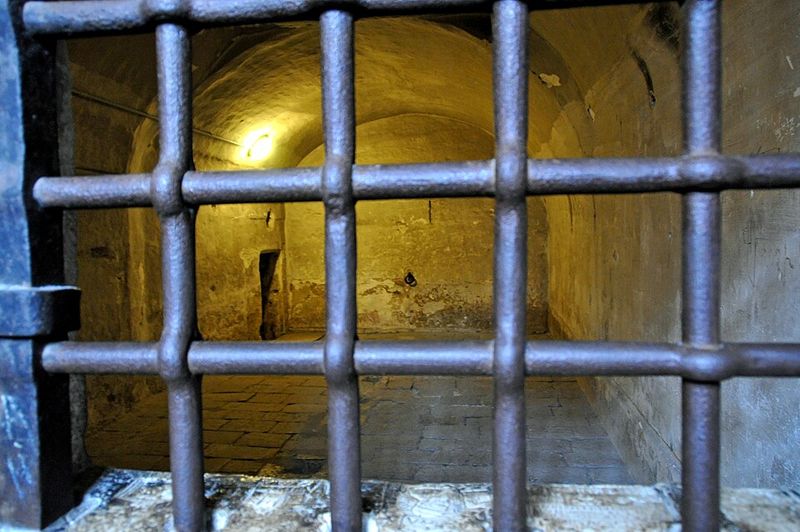
Giacomo Casanova is remembered by most people for his romantic exploits, but his 1756 escape from the Leads, the notorious prison cells beneath the lead-covered roof of Venice’s Doge’s Palace, revealed a completely different kind of resourcefulness.
Casanova was imprisoned without a formal trial on charges of practicing magic and spreading Freemasonry, both serious offenses under Venetian law at the time. The Leads was designed to be inescapable, positioned high inside the palace and accessible only through heavily secured passages.
He spent months fashioning an iron bar into a digging tool, initially planning to tunnel through the floor. After that plan collapsed when he was moved to a different cell, he convinced a fellow prisoner to use the tool to cut through the ceiling instead.
On the night of October 31, 1756, Casanova and a companion broke through, navigated the palace roof, and eventually talked their way out of the building entirely, reaching freedom before dawn.
12. The Libby Prison Tunnel Escape, Richmond, Virginia, United States
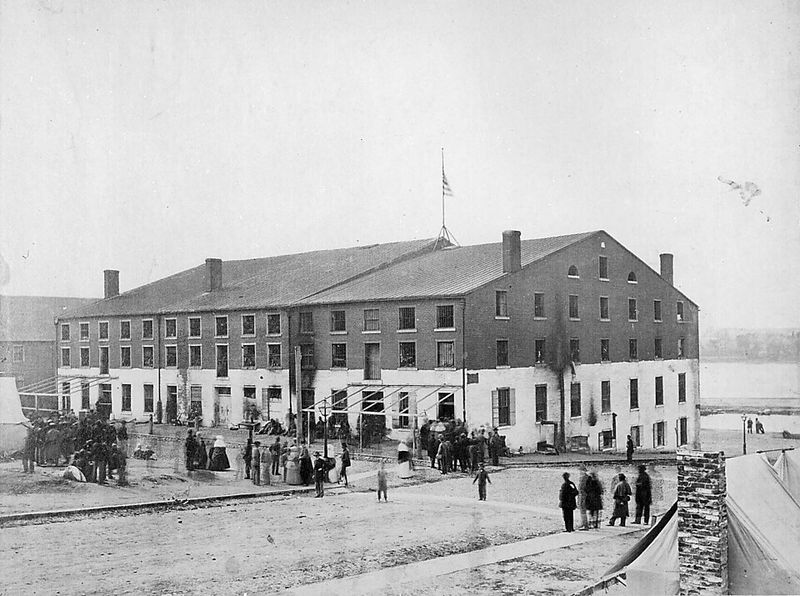
Libby Prison in Richmond, Virginia was a converted tobacco warehouse that held Union Army officers during the Civil War, and Confederate authorities were fairly confident that its layout made organized escape attempts nearly impossible.
Colonel Thomas Rose disagreed. Beginning in late 1863, he led a group of prisoners who dug a tunnel from a rat-infested basement cellar, which the men had nicknamed Rat Hell, to a point outside the prison’s walls. The work took months and was done entirely with small hand tools in complete secrecy.
On the night of February 9, 1864, 109 prisoners crawled through the 50-to-60-foot passage and emerged inside a nearby shed that was out of view of Confederate sentries. It was the largest prison break of the entire Civil War.
Of those who escaped, 59 successfully reached Union lines. Forty-eight were recaptured and returned to Libby. The tunnel itself was not discovered by Confederate guards until the morning after the escape.
13. Roger Bushell and the Great Escape, Stalag Luft III, Zagan, Poland
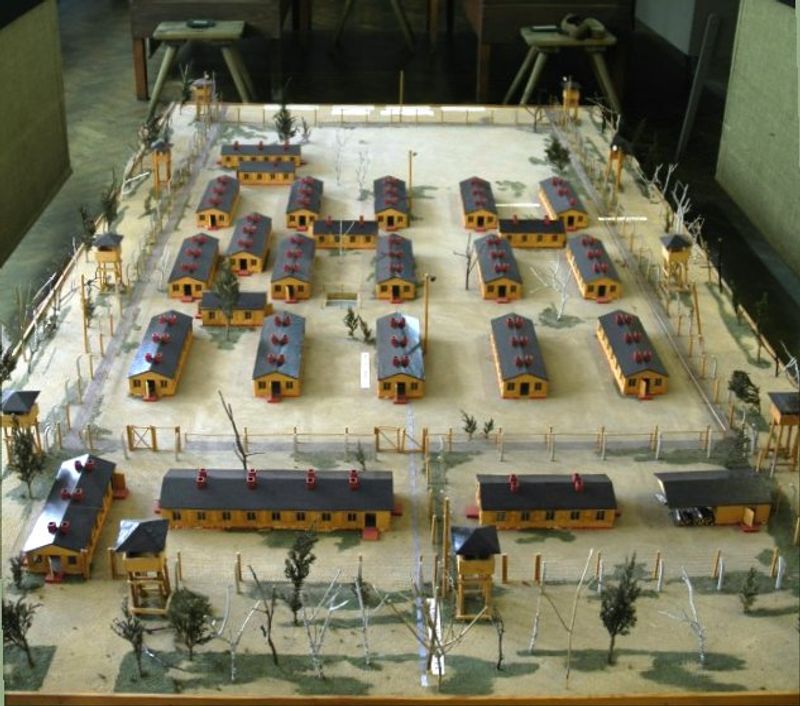
Roger Bushell, a South African-born Royal Air Force officer, conceived and led one of the most ambitious escape operations in the history of warfare from inside a German prisoner of war camp in occupied Poland.
Stalag Luft III had been specifically constructed to prevent escapes, with seismic microphones buried underground to detect tunneling. Bushell’s response was to dig three tunnels simultaneously, named Tom, Dick, and Harry, so that if one was discovered, work could continue on the others.
On the night of March 24, 1944, 76 prisoners crawled through the Harry tunnel before guards discovered the operation. Only three of the 76 reached safety. The majority were recaptured, and 50 were executed on Hitler’s direct orders.
The operation was later depicted in the 1963 film The Great Escape, which brought the story to global audiences. Bushell himself did not survive, but his planning and leadership remain studied in military history courses to this day.
Share this story