 Unearth The Voyage
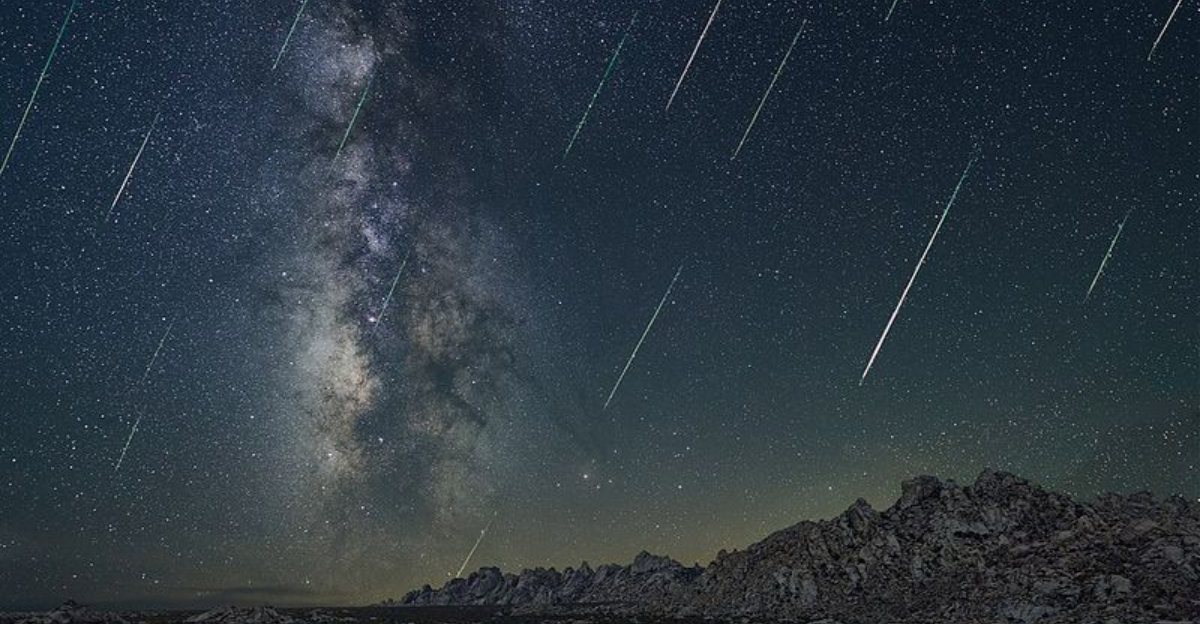
Ready to kick off the new year under a sky full of streaking light? The Quadrantids burst onto the scene in early January with fast, blue meteors that can rival any show all year. The peak is brief and timing is everything, especially with a bright moon this season. Stick with it and you could catch bursts of fireballs that turn an ordinary night into a memory.
The Quadrantid meteor shower returns each early January with a short but potent surge of meteors. Under pristine conditions, you could see up to 120 meteors per hour, though the window is tight and bursts come in waves. This year a full moon will brighten the sky, so darker locations become even more valuable if you want a standout experience.
Unlike showers that linger over several nights, the Quadrantids peak in a sharp spike that can last only a few hours. You are not waiting for a steady drizzle, but rather for surprising flurries that sweep through as Earth grazes the densest debris. That rhythm rewards patience, warm layers, and a plan that keeps you watching through the peak hours.
Expect bright, blue toned streaks with fine, lingering trains that sometimes blossom into attention grabbing fireballs. Start looking after midnight and lean into the pre dawn hours when the radiant climbs higher. Even with moonlight, your odds rise if you shield direct glare, choose a wide view, and give your eyes time to adapt.
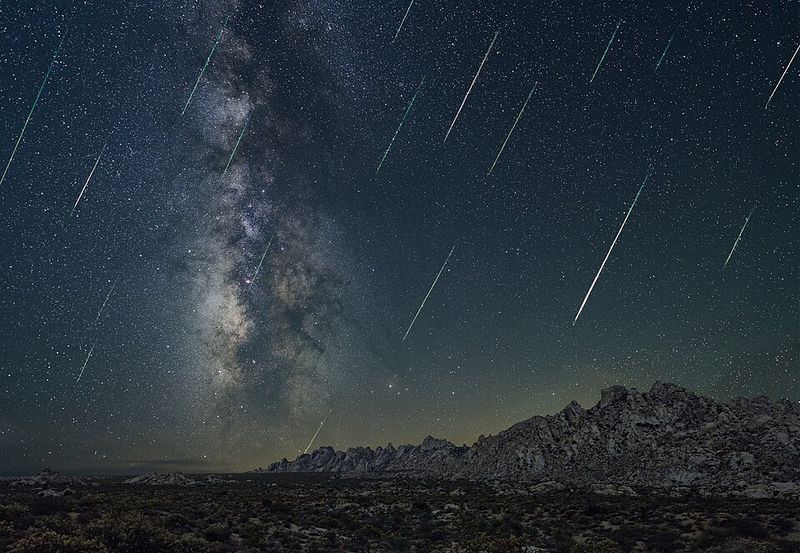
The Quadrantids come from asteroid 2003 EH1, likely the rocky core of an extinct comet that lost its ices long ago. As volatile materials evaporated, they left a trail of dust and grit that Earth plows through each winter. When those particles strike our atmosphere at high speed, they flare into the quick blue streaks you chase across the sky.
Because the parent body shed relatively little material, the stream is narrow and focused. That is why the Quadrantid peak is famously short, often measured in hours, not days. Miss that slim window and the show fades quickly, which is why planning around weather and timing matters more than usual.
The debris grains are fine, so many meteors skew smaller and fainter, especially under light pollution or moonlight. Dark skies make a dramatic difference, revealing subtle trains and the occasional fireball that punches through glare. Despite the challenges, the combination of speed, color, and surprise bursts keeps the Quadrantids near the top of many stargazers lists.
Your best view starts far from city lights, where horizons open wide and the sky turns truly dark. National parks and certified dark sky preserves shine, with places like Death Valley offering remarkably low light pollution. Rural pullouts can work too, so long as nearby lamps are scarce and you keep car lights off.
Give your eyes 20 to 30 minutes to adapt and avoid bright screens, even quick glances that reset your night vision. This year’s full moon means shielding direct moonlight becomes crucial, using trees, a building, or a nearby ridge. Clouds and haze cut fainter streaks, so check forecasts and aim for dry, clear, calm air.
No telescope needed. Bring a recliner or blanket, hot drinks, and warm layers, then scan the entire sky instead of fixating on one spot. The shower favors the Northern Hemisphere, but meteors can flash anywhere overhead, so patience and persistence really pay off.
The Quadrantids take their name from Quadrans Muralis, a retired constellation once mapped on old star charts. Today the radiant sits in Boötes, near the bright star Arcturus. To find the area, trace the Big Dippers handle and follow the arc to Arcturus, then give the sky a broad, relaxed gaze.
The radiant rises late and climbs higher toward dawn, so early morning usually delivers the most meteors. Do not stare directly at the radiant because longer, dramatic streaks tend to appear 40 to 60 degrees away. A wide field view helps catch the surprise trajectories that make this shower exciting.
Because the peak is brief, check your local forecast, cloud cover maps, and moonrise and moonset times. Arrive early, let your eyes adjust, and settle in for a few hours around the predicted maximum. With preparation dialed in, you could trade a little sleep for a sky full of swift blue sparks.



