There is a spot along the thumb of Michigan where the sand feels almost impossibly soft under your feet, the trees are tall enough to make you forget the rest of the world exists, and the pace of life slows down the moment you arrive. I had heard people talk about it for years before I finally made the drive, and honestly, I wish I had gone sooner.
The park sits right on the edge of Saginaw Bay, and the combination of forested campgrounds, a gorgeous sandy beach, and genuinely friendly staff makes it feel like a place that was designed entirely around the idea of relaxing. What surprised me most was how much variety the park packed into 723 acres, from ancient dune forests to clear, shallow water perfect for wading.
Keep reading, because every section of this article reveals something new about why this place keeps drawing people back year after year.
Where to Find This Sandy Retreat
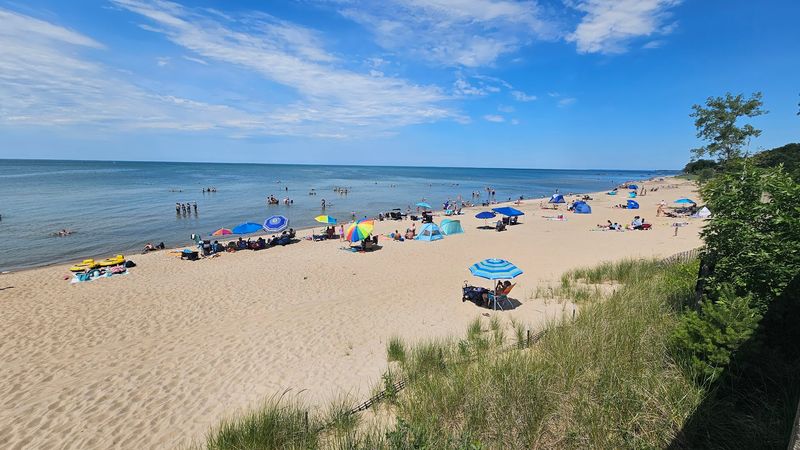
The address is 6573 State Park Rd, Caseville, MI 48725, tucked into the thumb region of Michigan’s Lower Peninsula along the southern shore of Saginaw Bay, part of Lake Huron.
Caseville is a small, friendly town that feels genuinely welcoming rather than touristy, and the park sits just a short distance from its downtown area. The drive in takes you through stretches of farmland and wooded roads that slowly build anticipation before the park entrance comes into view.
The park is open daily from 8 AM to 10 PM, and you can reach the main office at +1 989-856-4411. A Recreation Passport is required for vehicle entry, which is standard for Michigan state parks.
More details about reservations and facilities are available at the Michigan DNR website. The surrounding Huron County landscape gives the whole area a quiet, off-the-beaten-path character that feels refreshing compared to more crowded destinations.
How 723 Acres of Ancient Dunes Became a Beloved Park
The park carries the name of Albert E. Sleeper, a Michigan governor who served from 1917 to 1921 and was a strong supporter of conservation efforts in the state.
The land itself tells a much older story, shaped over thousands of years by the same glacial forces that carved out the Great Lakes.
Ancient dune forests cover a large portion of the park’s 723 acres, and walking through them gives you a real sense of geological time. The ridges and valleys underfoot are remnants of old shorelines, and the towering trees that grow out of them have adapted to sandy, well-drained soil in ways that create a distinct forest atmosphere.
That layered history, both natural and human, is part of what makes the park feel substantial rather than just a pretty patch of beach. The land has been protected for over a century, and that care shows in every corner of it.
The Beach That Earns Every Compliment It Gets
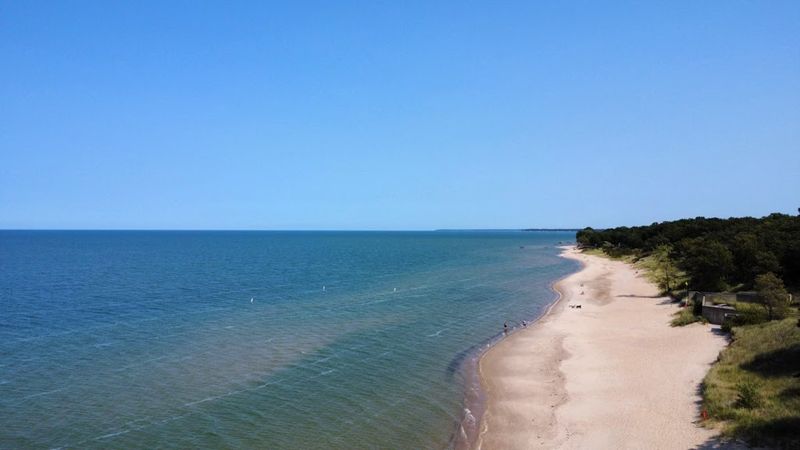
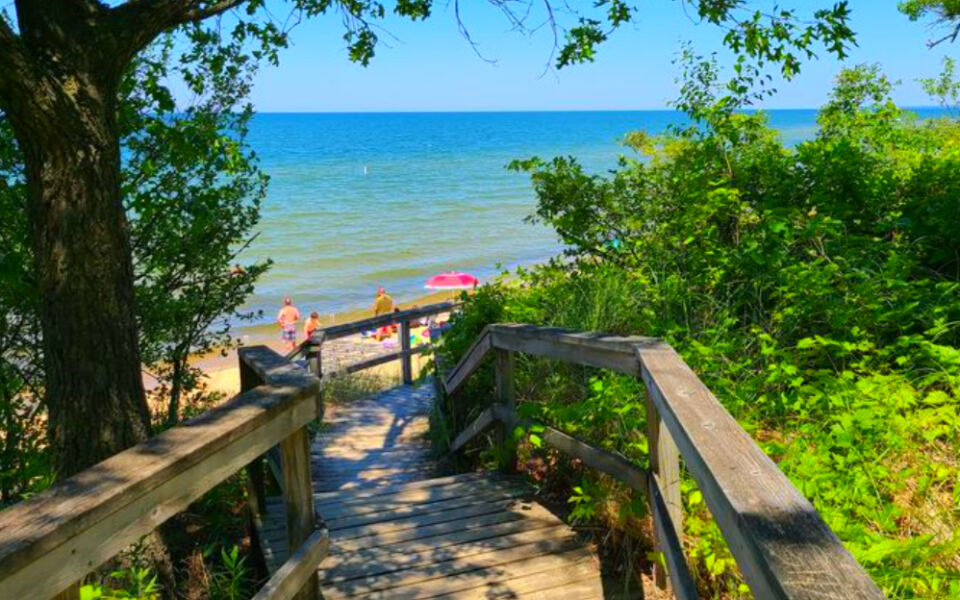
The sand here is the kind that makes you stop and look down at your feet in mild disbelief. It is silky, fine, and clean, and it stretches along the Saginaw Bay shoreline in a way that feels generous and open rather than cramped.
The water is shallow for a good distance out, which makes it ideal for families with younger kids who want to splash around without worry. Swimmers will find clear water and a relaxed vibe, and the park provides safety buoys and a rack stocked with loaner life jackets for children, which is a thoughtful touch that not every park bothers with.
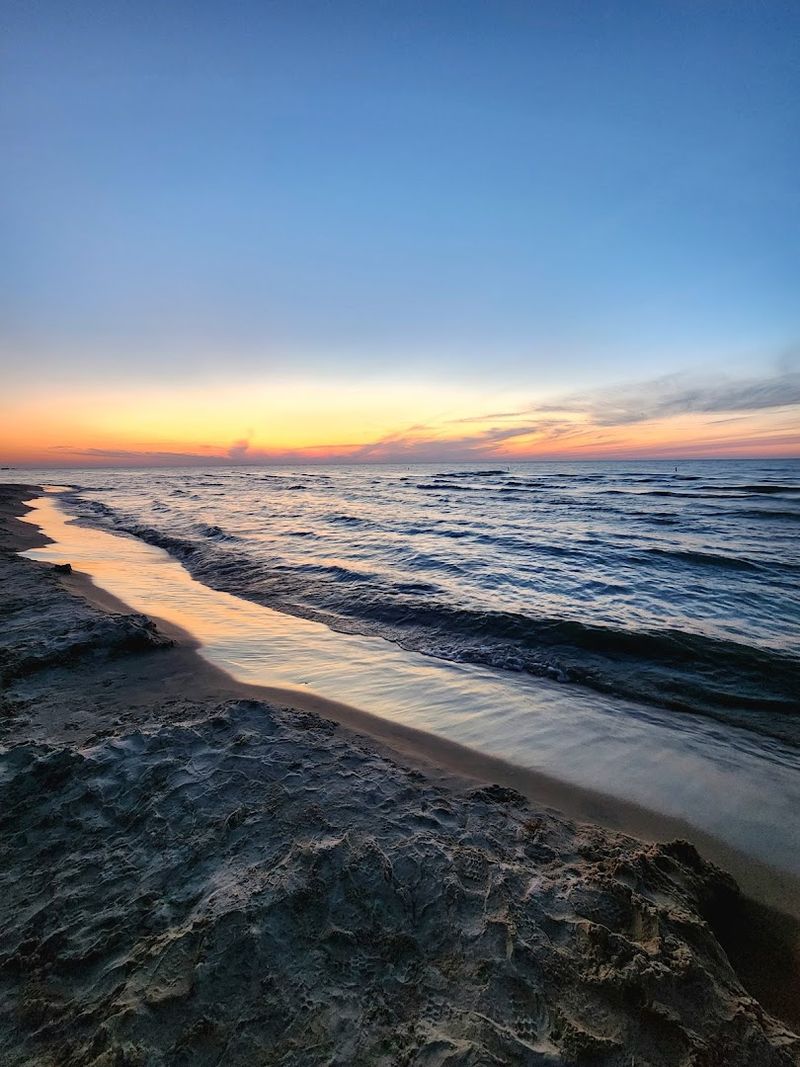
There is no lifeguard on duty, so adults need to keep an eye on younger swimmers, but the calm conditions on most days make the beach feel very approachable. Sunrises and sunsets over the bay are genuinely spectacular, and catching either one from the shoreline is an experience worth planning your day around.
Getting from Camp to Shore Without Crossing Traffic
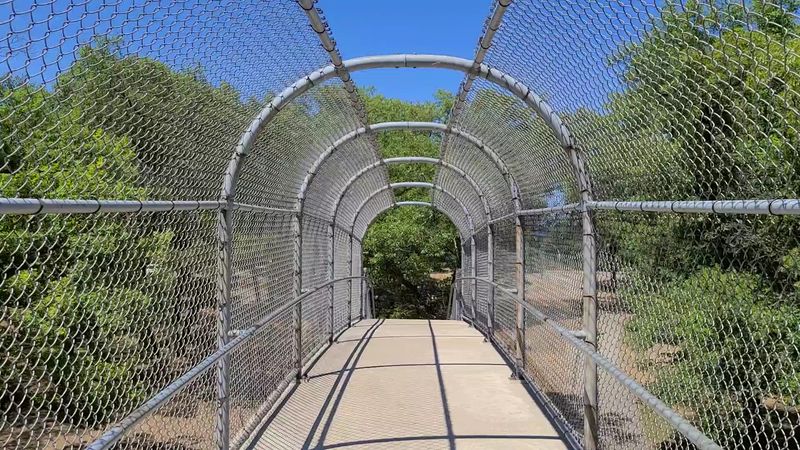
One detail that campers consistently appreciate is the pedestrian footbridge that connects the campground side of the park directly to the beach. The road that separates the two areas carries some traffic, and having a dedicated walkway makes the crossing feel safe and easy for families with kids, strollers, or gear-loaded wagons.
The walk from most campsites to the shoreline is short enough that spontaneous beach trips become completely normal. You can grab a towel, cross the bridge, and have your toes in the sand within a few minutes, which encourages the kind of casual, unplanned beach time that makes a camping trip feel truly relaxed.
The path is also well-maintained and accessible, meaning the beach does not feel like a reward for effort but more like a natural extension of the campground itself. That seamless connection between forest camping and open shoreline is one of the park’s most charming qualities, and it is something you notice and appreciate every single day of your stay.
Campsites Tucked Among Tall Trees
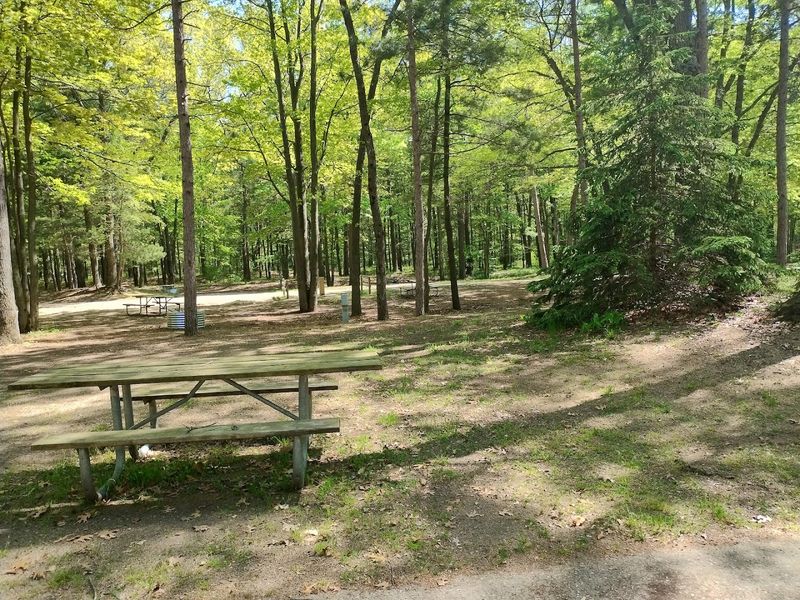
The campground at Sleeper State Park has a noticeably different feel from the wide-open, exposed layouts you find at some parks. Trees surround most of the sites, giving each one a sense of privacy and shade that makes summer camping genuinely comfortable rather than sweltering.
Sites come with electrical hookups, though there are no direct water or sewer connections at individual spots, so RV campers should plan accordingly. The sites vary quite a bit in size and levelness, and it is worth doing a little research before booking if you are bringing a large trailer.
Some spots in the 18 to 58 and 95 to 125 ranges can hold water after rain, so choosing carefully pays off.
The campground roads are a bit narrow in places, so maneuvering larger rigs requires patience and a co-pilot who is good at hand signals. That said, the wooded atmosphere makes the whole campground feel more like a forest retreat than a parking lot, which is exactly what most people are looking for.
Trail Walking Through Dune Forests That Feel Like a Different World
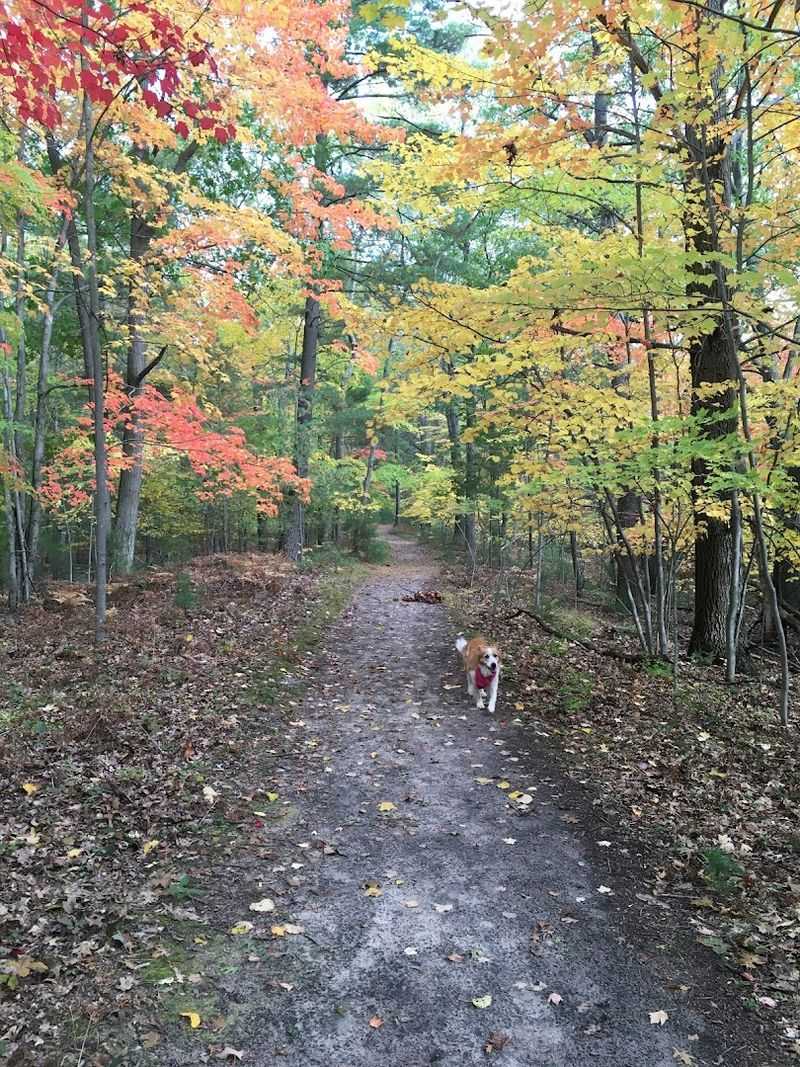
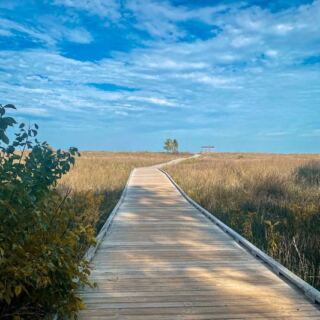
Two trails wind through the forested dune landscape of the park, and both offer a genuinely pleasant escape from the campground bustle. The Deer Trail runs about two miles and takes you through the heart of the ancient dune forest, where the ground rolls and dips in a way that keeps the walk interesting.
The Candlestick Trail is another popular option, offering scenic stretches through mature trees with enough variety to hold your attention for the full loop. Both trails are well-marked, which matters more than people realize until they are standing at a fork in the woods wondering which way leads back to the car.
One fun seasonal bonus: during fall visits, a shorter trail gets decorated for Halloween, which kids find genuinely exciting. The trails are not especially long or strenuous, but they are beautiful and peaceful, and they give you a much richer sense of the park’s landscape than you would get from the beach alone.
Clean Facilities That Actually Deserve the Praise
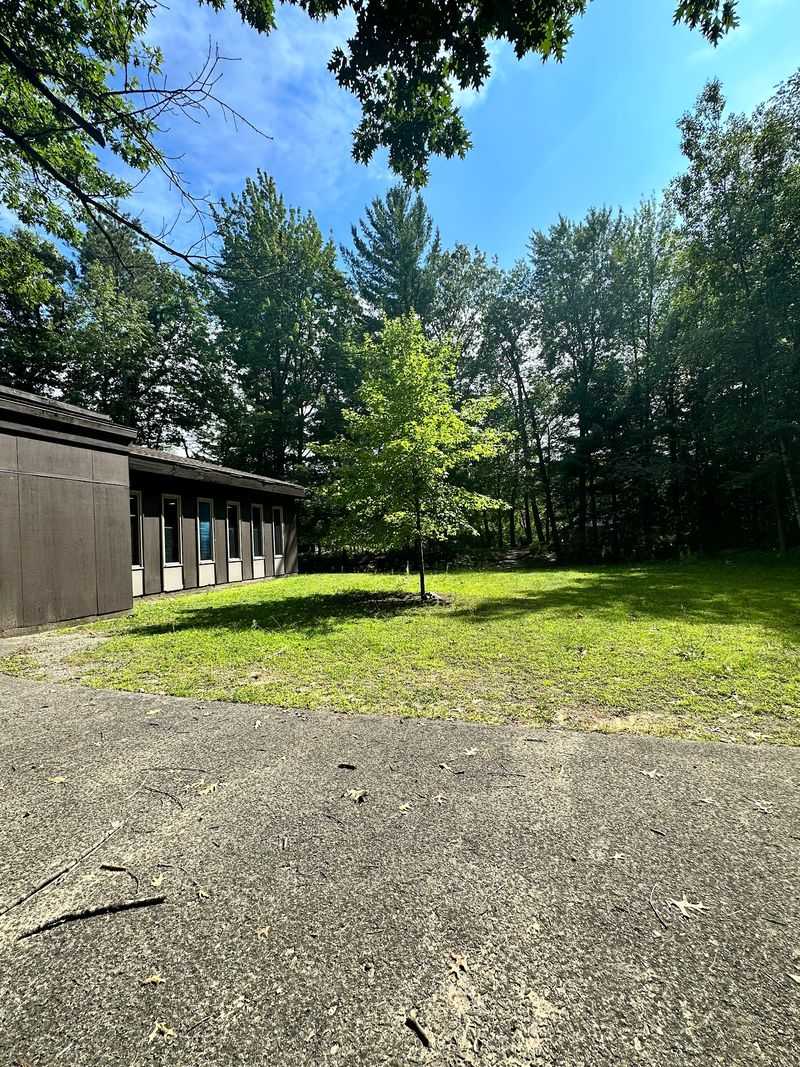
Campground bathrooms are one of those things that can quietly make or break a trip, and Sleeper State Park takes them seriously. The facilities on one side of the campground are newer and very well-maintained, with clean stalls, good water pressure in the showers, and reliable hot water that does not disappear at inconvenient times.
The older shower facilities on the other side of the park are functional and clean, though they could benefit from updated fixtures. That slight inconsistency is worth knowing in advance so you can pick a campsite near the newer bathhouse if modern amenities matter to your group.
The overall cleanliness of the park, from the bathrooms to the beach and the common areas, reflects consistent upkeep by a staff that clearly takes pride in the place. For families camping with young children, knowing that the restrooms are genuinely clean removes one of the most common sources of camping-trip stress before it even has a chance to start.
A Staff That Makes You Feel Like a Welcome Guest
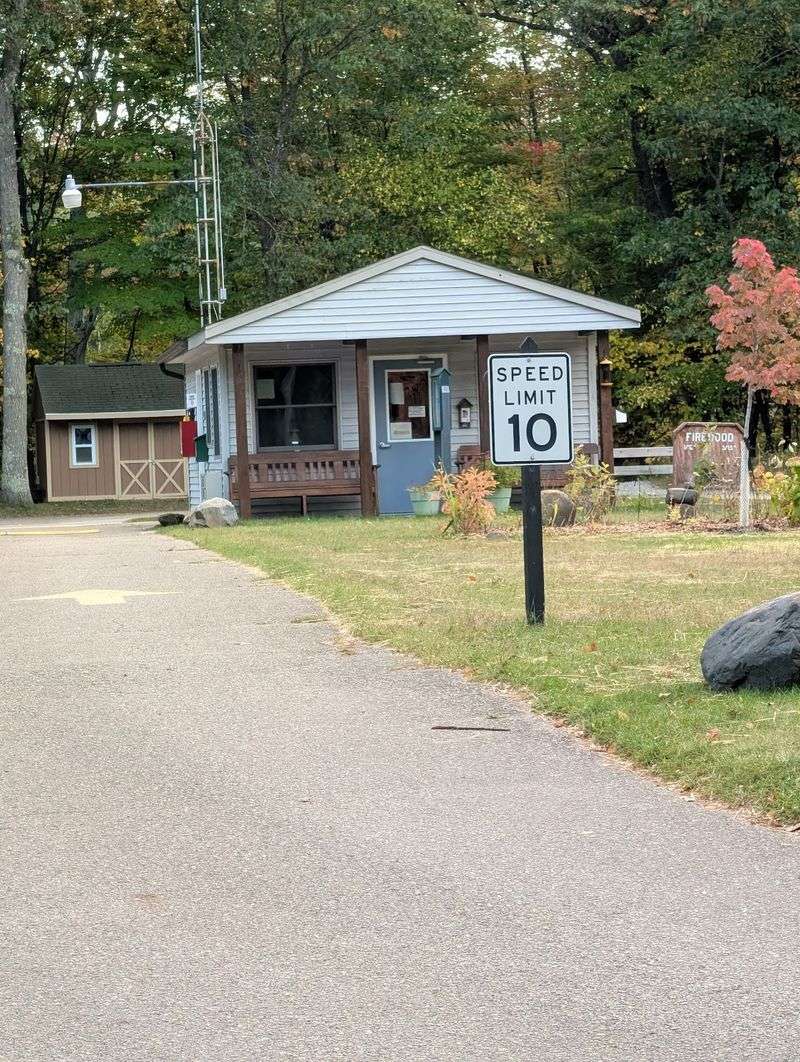
The check-in process at Sleeper State Park is smooth and unhurried, which sets a good tone from the very first interaction. The staff members are consistently described as helpful and friendly, and that reputation holds up across different seasons and visitor types.
The camp store near the office sells firewood and ice, which are two things that always seem to run out at exactly the wrong moment on a camping trip. Having both available on-site without a long drive to town is a practical convenience that experienced campers genuinely appreciate.
Rangers are generally approachable and knowledgeable about the park’s trails, facilities, and local wildlife. The park’s phone number, +1 989-856-4411, connects you with staff who can answer questions about reservations, site conditions, and seasonal programming.
That kind of accessible, human service is something that larger, more crowded parks often struggle to maintain, and it contributes meaningfully to the relaxed atmosphere the park is known for.
Wildlife, Deer, and the Tick Situation You Should Know About
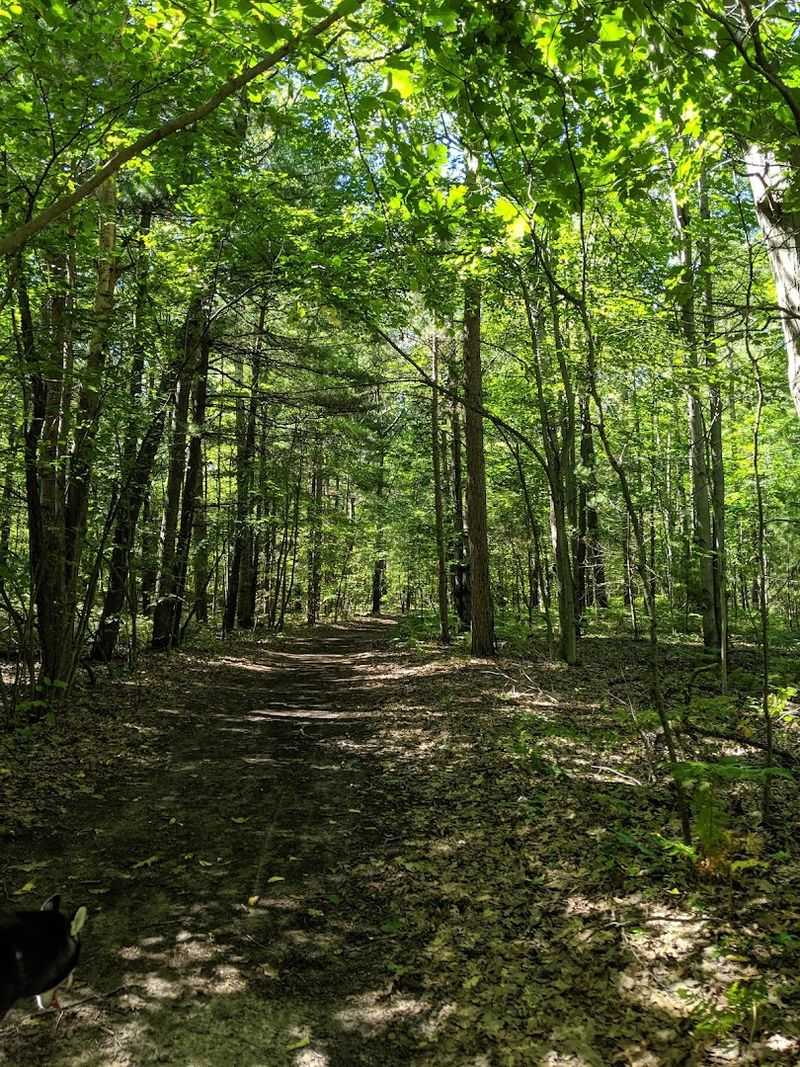
Deer are a regular presence throughout the park, and spotting one wandering between campsites in the early morning is a genuinely charming experience. The forested setting supports a healthy population of woodland wildlife, and patient visitors may also notice birds, squirrels, and other small creatures going about their routines.
That rich wildlife habitat does come with one practical consideration: ticks. The combination of deer, tall grass, and wooded terrain creates ideal conditions for them, and visitors have reported finding ticks even in the campground itself, not just on the trails.
Bringing tick repellent and doing a thorough check after time outdoors is strongly recommended, especially if you are camping with pets.
Treating your gear and clothing with permethrin before the trip adds an extra layer of protection that is well worth the effort. The wildlife presence overall adds to the park’s natural character rather than detracting from it, but going in prepared makes the experience much more enjoyable for everyone in your group.
What the Surrounding Area Adds to Your Trip
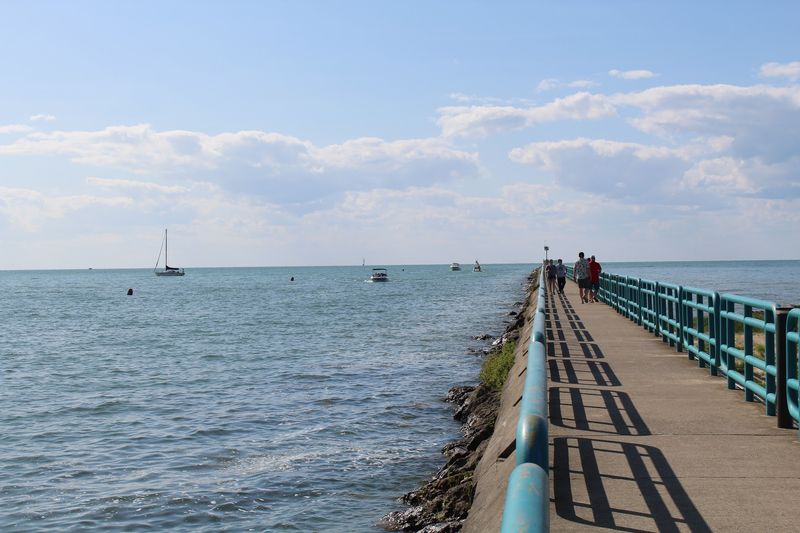
Caseville sits just a short drive from the park entrance, and the town has a relaxed, small-community character that complements the park’s atmosphere nicely. There are enough shops and eateries to cover the basics without the area feeling overwhelmed by tourist infrastructure.
Port Austin is another nearby option for a day trip, offering a slightly larger selection of local businesses and a charming downtown worth a slow afternoon walk. Neither town is a bustling destination on its own, but both provide pleasant breaks from the campground routine if you want a change of scenery.
A golf course is also located close to the park, which adds an option for campers who enjoy mixing outdoor recreation with a round or two on the fairway. The Huron County area is genuinely peaceful and rural, and that low-key character is actually one of its strengths for visitors who come specifically to slow down and decompress rather than fill every hour with planned activities.
The Best Times to Visit and What to Expect Each Season
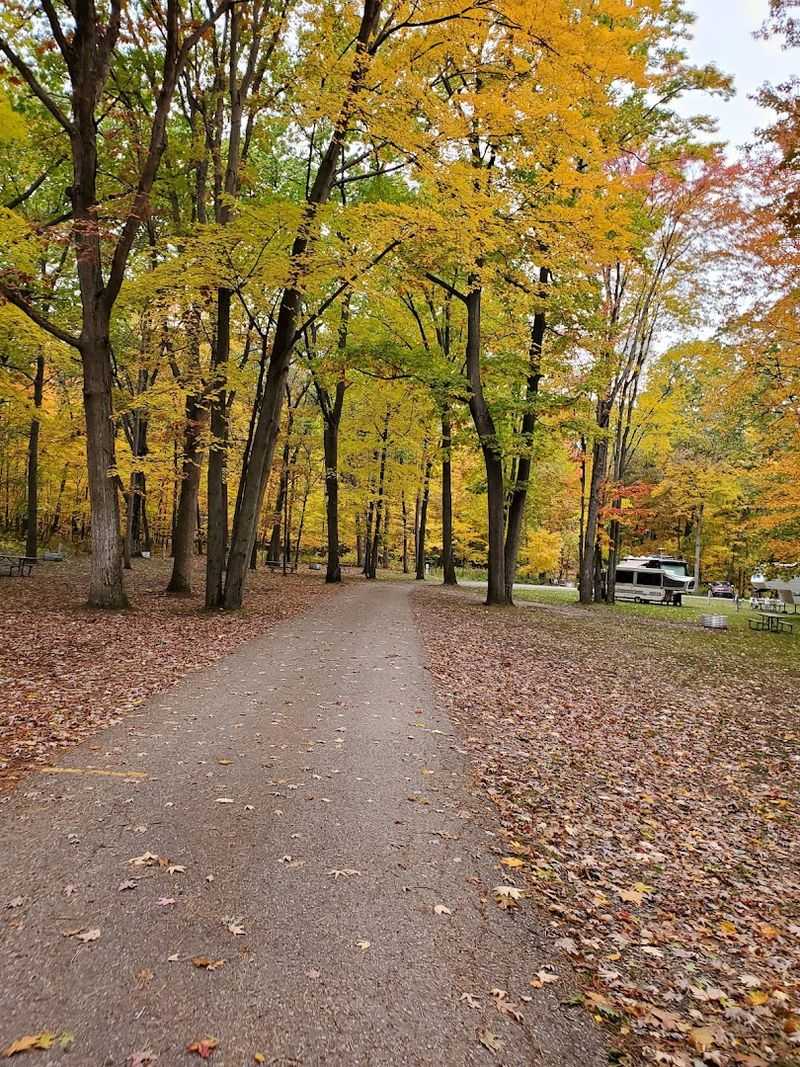
Summer is the busiest season at Sleeper State Park, with July and August drawing the largest crowds to the beach and campground. Weekends fill up quickly, and popular campsites can book out weeks in advance, so early reservations are essential if you are planning a peak-season trip.
Visiting during the week in early July offers a noticeably quieter experience, with open beach space and a more relaxed pace throughout the campground. September and October bring cooler temperatures, fewer visitors, and a different kind of beauty, with the dune forest shifting into fall colors and the bay taking on a more dramatic, windswept quality.
The park is open year-round for day use, though seasonal camping has specific dates that vary by year, so checking the Michigan DNR website before planning an off-season visit is a smart move. Each season offers something distinct, and the park rewards visitors who are willing to explore it beyond the obvious summer window.
Why People Keep Coming Back to This Quiet Corner of Michigan
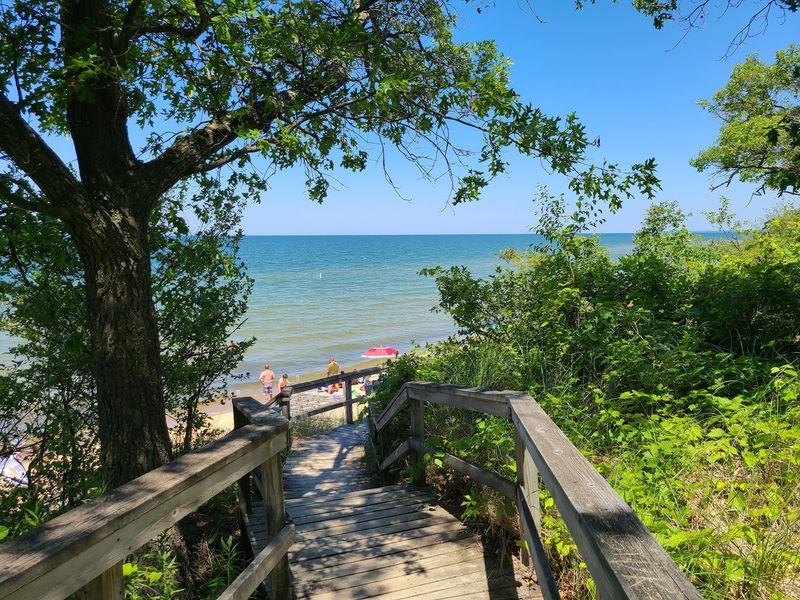
There is something about Sleeper State Park that sticks with people long after they have packed up their gear and driven home. It is not one single dramatic feature but rather the combination of soft sand, shaded campsites, clean facilities, and an unhurried atmosphere that adds up to something genuinely restorative.
Families return because the beach is safe and accessible, the campground feels secure and well-maintained, and the whole setup makes it easy to actually relax rather than manage logistics. Solo campers and couples appreciate the peaceful trails and the way the forested sites create a sense of solitude even when the park is reasonably full.
The park sits at a rating of 4.6 stars across nearly 1,500 reviews, which reflects consistent satisfaction rather than a single exceptional visit. That kind of steady reputation is hard to build and easy to trust.
If you are looking for a Michigan camping destination that delivers on its promise without overcomplicating things, this is the one to put on your list.
Share this story