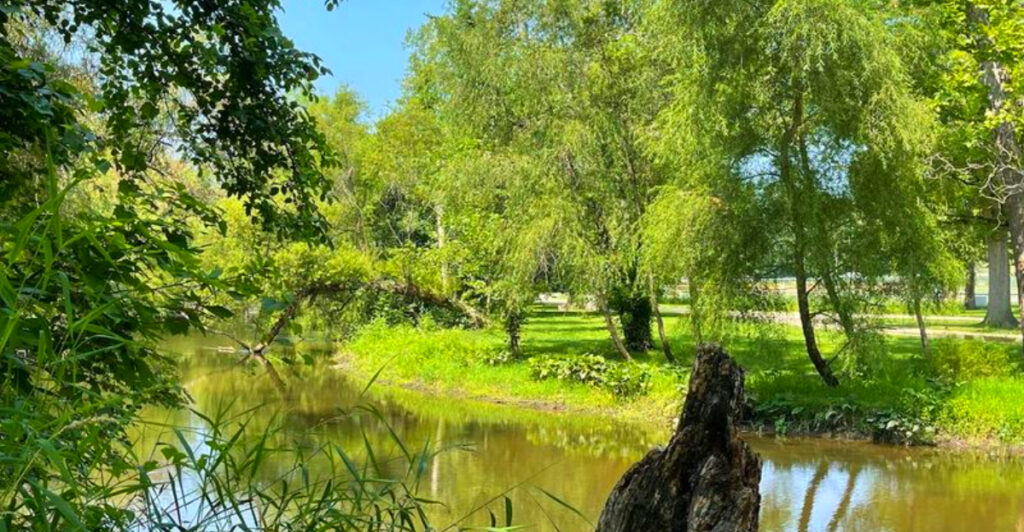
Some parks announce themselves with big signs, busy playgrounds, and weekend crowds, but this riverside spot wins you over much more quietly. The surprise is how much it fits into just 14 acres: a river island, overlook decks, a barrier-free kayak launch, trails with changing scenery, and enough benches to make doing nothing feel like a plan.
I came expecting a quick leg-stretch and found the kind of place where the sound of water can reset your whole afternoon. Keep reading and you will know exactly where to park, what to notice, when to go, and why this small Watervliet retreat feels like a deep breath hiding in plain sight.
The Address Hides a Bigger Little Escape
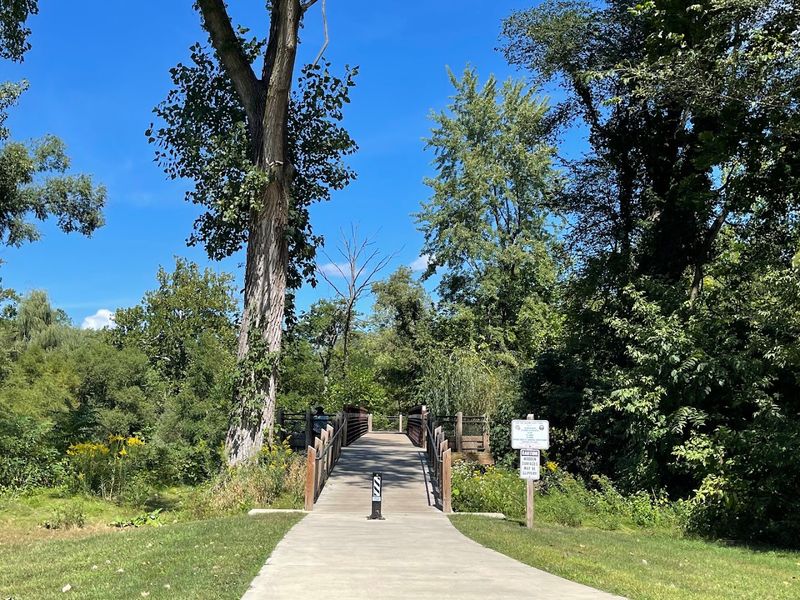
The first pleasant trick is how quickly town gives way to trees. Paw Paw River County Park sits at 650 N Main St, Watervliet, MI 49098, in southwest Michigan, United States, near downtown but calm enough to feel tucked away.
I liked that arrival did not require a scavenger hunt. The circular drive, free parking, and simple layout make the park feel welcoming before you even reach the trail, which matters when all you want is a quiet walk without decoding a map.
The park covers about 14 acres, so it is not trying to be a sprawling wilderness. Its charm comes from focus: river views, accessible paths, seating, fishing access, and a loop that lets you settle in without committing your entire day.
That compact size becomes part of the magic, because the next few steps lead toward the bridge and the island, where the park starts showing its personality.
A Bridge That Changes the Mood
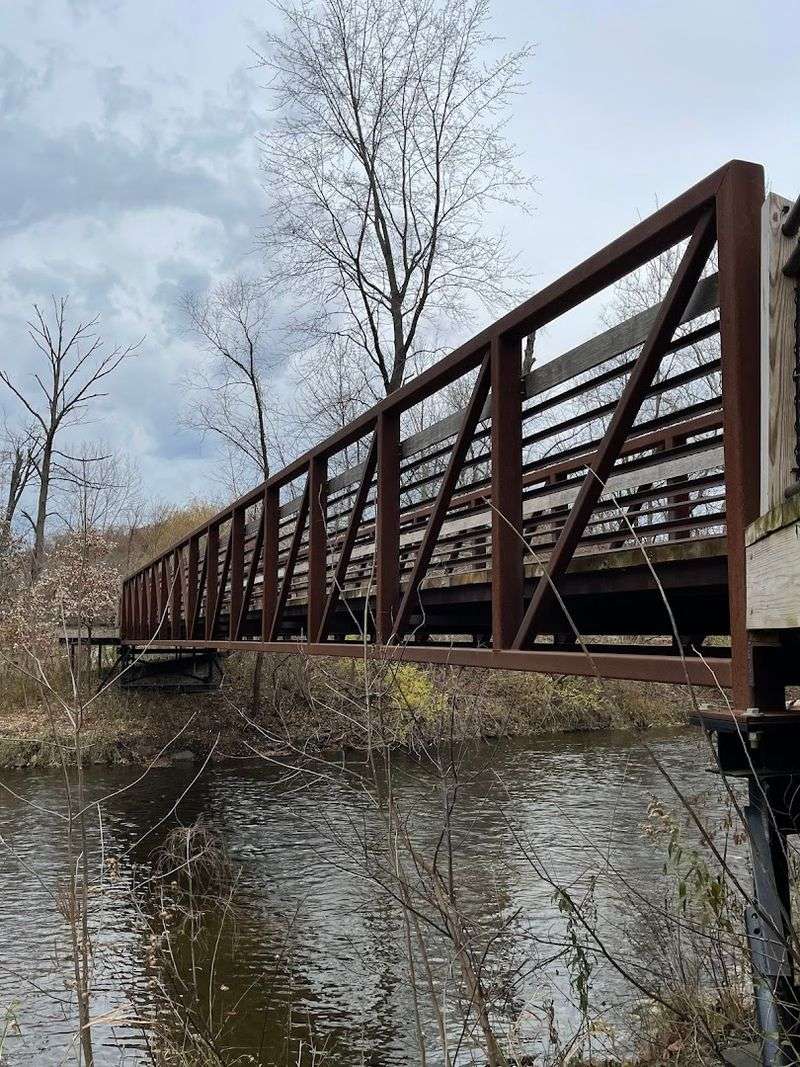
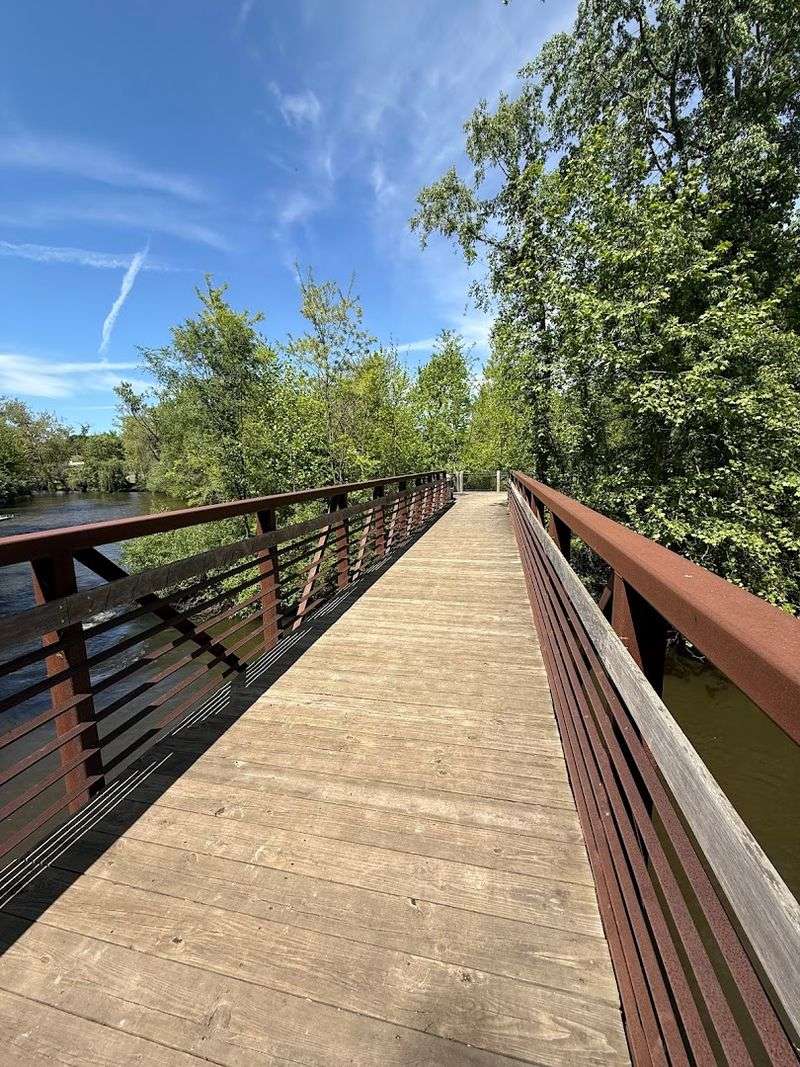
The bridge feels like the park’s little drumroll. One moment you are near the parking area, and the next you are crossing water toward an island that gives the whole visit a gentle sense of discovery.
I noticed the pace shift right there. People seem to soften their voices, kids peer over the sides, and the river adds just enough motion to make standing still feel worthwhile.
The island is one of the park’s most memorable features, especially because the crushed stone trail loops around it in a way that feels easy, clear, and pleasantly contained. You can wander without wondering where the trail vanished, which is my favorite kind of low-stress nature math.
It is also a reminder that a short walk can still have a beginning, middle, and satisfying little reveal. After the bridge, the trail begins to curl toward river views that keep getting better.
The River Does the Talking
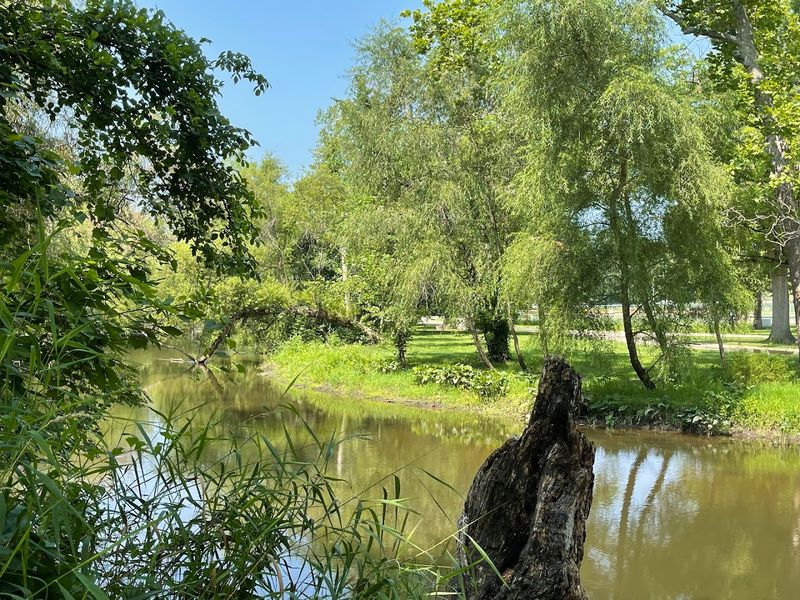
The Paw Paw River is not background scenery here. It is the main character, quietly moving beside the trails and turning a simple stroll into something that feels much slower in the best way.
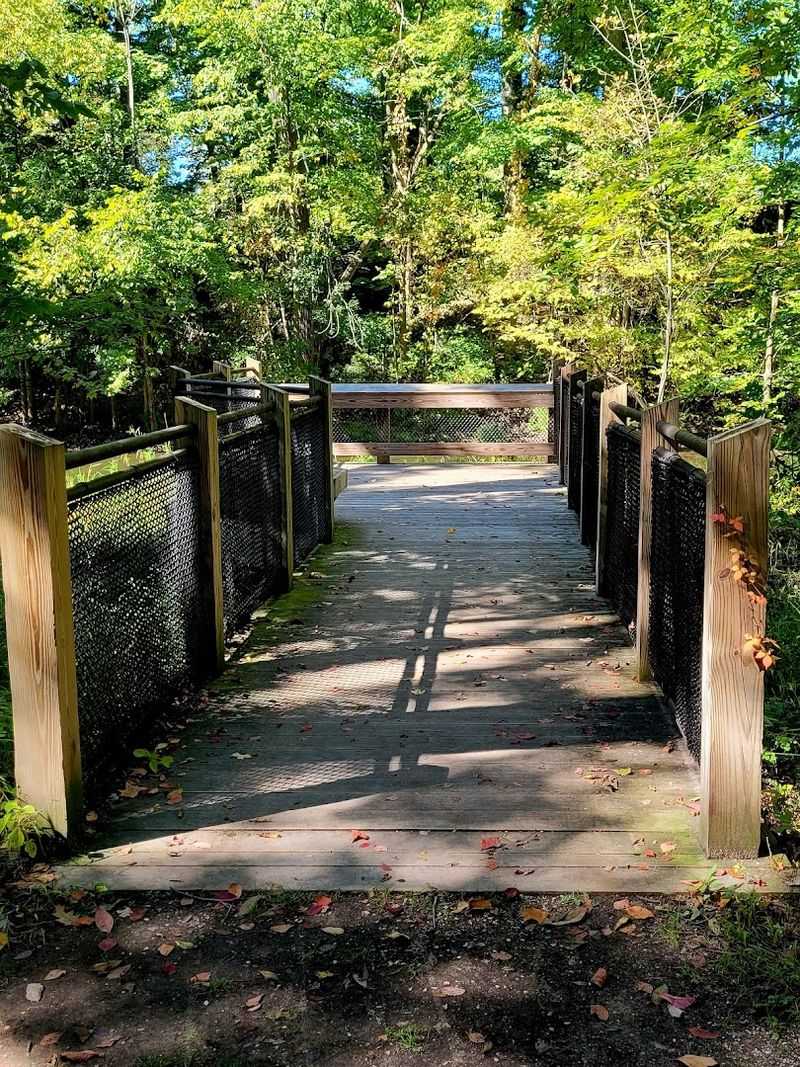
I stopped at the overlook decks longer than expected, mostly because the water kept pulling my attention back. The views are not flashy, but they are steady, green, and restorative, with the kind of calm that makes your phone seem suddenly very needy.
Wildlife watching can be as casual as noticing movement in the brush or listening for birds along the banks. The park gives you space to look without making the experience feel staged.
Designated fishing access adds another layer, especially for visitors who prefer patience over pace. Even if you do not cast a line, those river-edge spots explain why this park rewards people who linger, and the trail ahead gives you plenty of excuses.
A Trail Short Enough to Savor
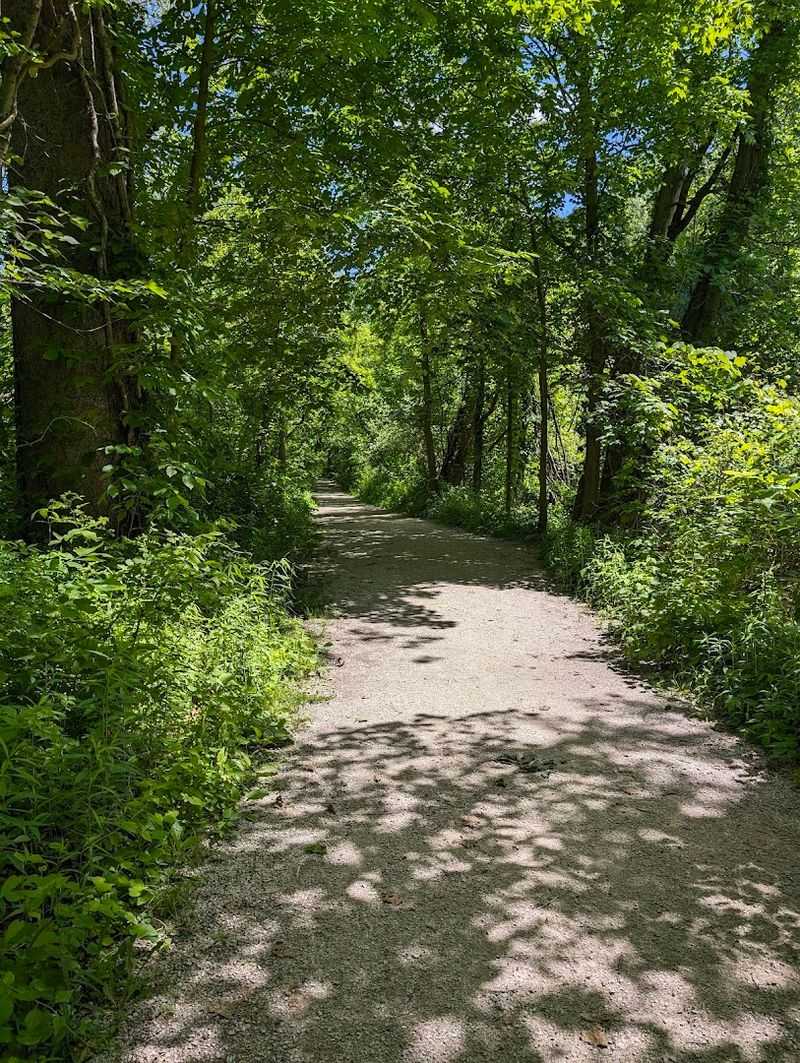
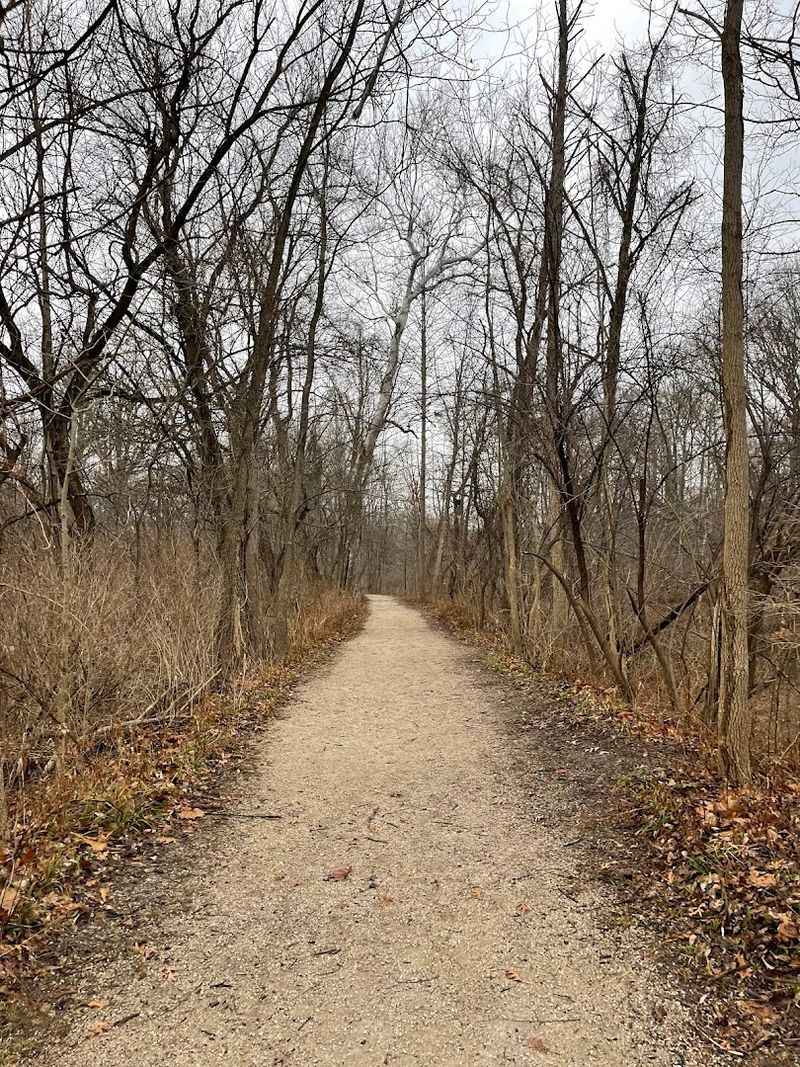
The trail is the kind of short loop that refuses to feel skimpy. Around a mile of pathways gives you enough movement to clear your head without requiring special gear, heroic calves, or a post-walk nap.
I appreciated the mix of hard-surface trail, boardwalk-style sections, and crushed stone areas. The route feels maintained and approachable, though visitors using mobility devices should still expect natural transitions and small grade changes in places.
Because the loop is compact, details stand out. A cluster of wildflowers, a squirrel with urgent business, a bench angled toward the river, and tree roots holding the bank together all become part of the outing.
This is not a park that rushes you toward a grand finale. It keeps handing you small reasons to pause, and those pauses matter even more when the path curves toward the older story beneath the island.
Old Mill Echoes Under the Trees
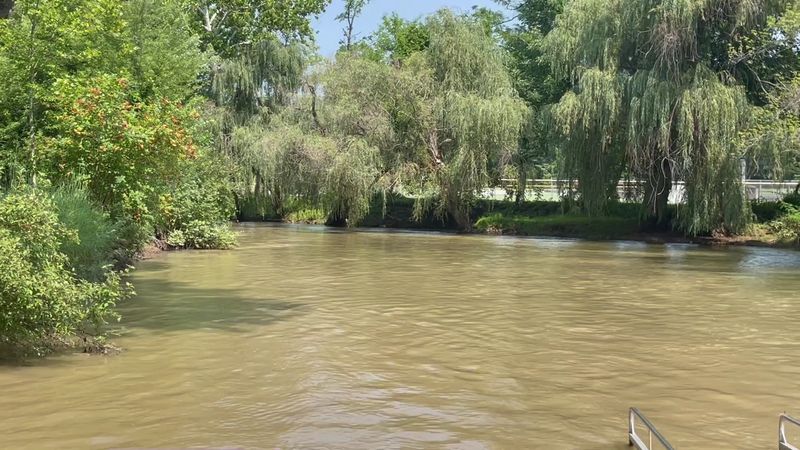
The island has a past, and that makes the quiet feel layered. This area was once part of the historic Watervliet Paper Mill site, a detail that gives the park more texture than a pretty path alone.
I like places where history does not shout from every corner. Here, it sits underfoot in a modest way, letting you imagine how the river once served workaday purposes before becoming a place for slow walks and river watching.
The park’s current design respects that shift. Instead of burying the site beneath heavy development, it lets the island breathe with trails, seating, and views that keep the river at the center of the experience.
That balance between past and present is easy to miss if you hurry. Take the loop slowly, and the park begins to feel less like a shortcut through trees and more like a small chapter Watervliet kept open.
Kayakers Get a Thoughtful Launch
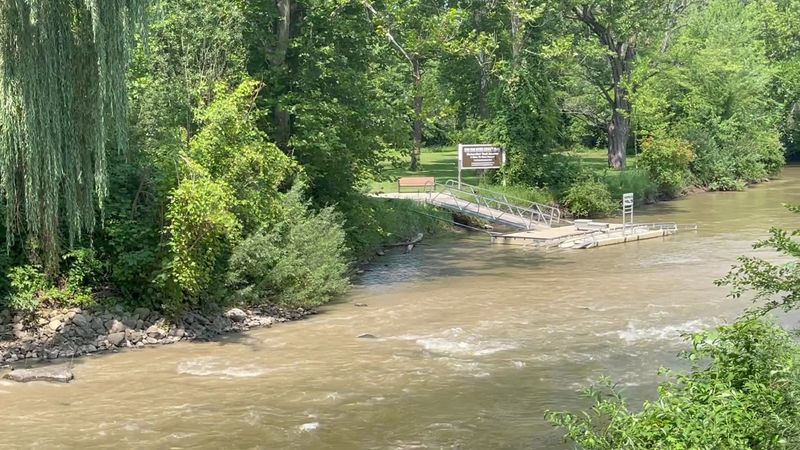
The kayak launch is one of the park’s smartest features. It is barrier-free, which makes river access more practical for more people and gives the park a purpose beyond strolling and sitting.
I always notice when outdoor spaces take accessibility seriously without making it feel like an afterthought. Here, the launch fits naturally into the riverside design, close enough to the parking and pathways to make the experience feel manageable.
The river near any launch deserves respect, so conditions should guide every decision. Water levels, current, weather, and personal experience matter, and the park’s posted rules and established access points are there for a reason.
Even as a non-paddling visitor, I found the launch interesting because it shows how much this small park tries to offer. After watching the river from the deck, seeing how people can enter it adds a whole new angle.
Benches Built for Brain Resets
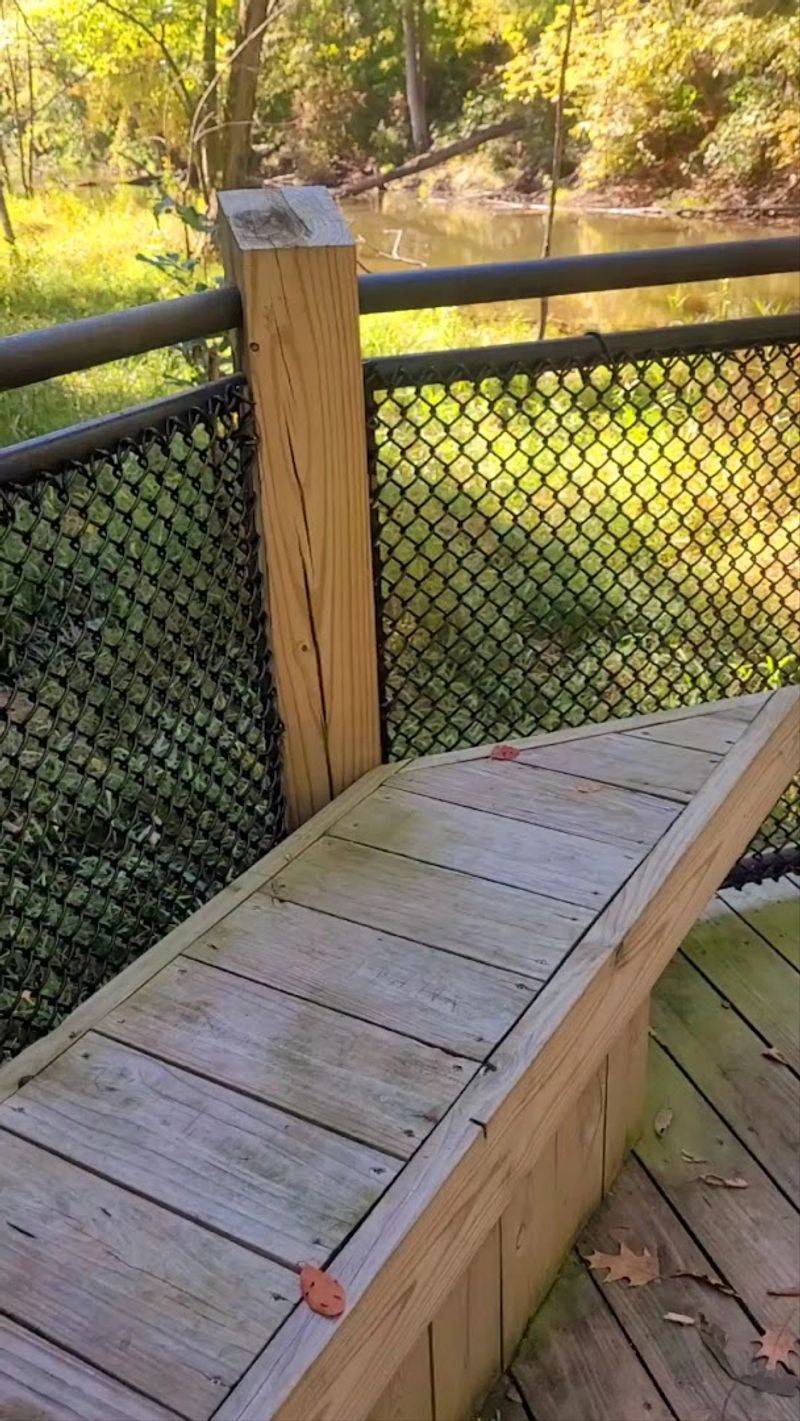
Some parks give you benches as decoration, but this one places them like invitations. I found several spots where sitting down felt less like resting and more like finally doing the main activity properly.
The best part is how simple it all feels. You can watch the river, listen to leaves, sort through your thoughts, or pretend you came here with a very important plan called staring quietly at water.
That is the true appeal for anyone arriving after a long day. The park does not demand athletic ambition, complicated logistics, or a full afternoon, yet it still gives you a noticeable mental reset.
Families, solo walkers, and leashed-dog companions all seem to fit into that rhythm. The benches help everyone slow down, and once you notice the smaller details nearby, the trail turns into a tiny treasure hunt.
Tiny Treasures Along the Path
The trail has a playful side if you pay attention. Painted rocks sometimes appear along the route, adding little pops of color that make kids suddenly develop expert-level observation skills.
I enjoy that kind of low-key community touch because it does not turn the park into an attraction with a script. It simply rewards careful looking, and careful looking is already half the fun of a quiet nature walk.
Families can make the loop feel like a gentle search without needing screens, tickets, or a schedule. The path is short enough for younger walkers, and the bridge, river, and trees provide enough variety to keep curiosity moving.
Of course, the best approach is to be considerate: stay on established trails, keep the park tidy, and leave surprises where others can enjoy them. That neighborly spirit carries into another important part of visiting with pets.
Leashed Dogs and Good Trail Manners
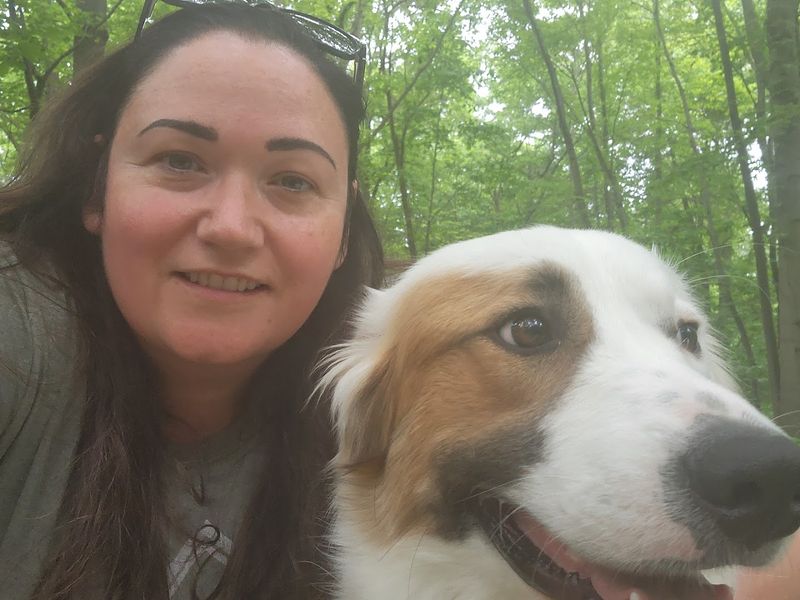
Dogs are welcome here on leashes, and that detail gives the park a friendly, lived-in feel. I saw why local walkers like it: the loop is manageable, shaded in places, and interesting without becoming a canine obstacle course.
Good manners matter, though, because a small park shares space quickly. Keeping pets leashed, cleaning up after them, and yielding on narrower stretches help preserve the relaxed atmosphere that makes the visit worthwhile.
The established trails are also important for protecting the riverbank and vegetation. A shortcut may look harmless, but enough shortcuts can make a small natural area feel worn before its time.
I would bring water for a pet on warm days and check paws after crushed stone sections, especially if the sun has been busy. With basic care, the park stays pleasant for everyone, which is helpful when planning the best time to go.
Seasons Keep Repainting the Loop
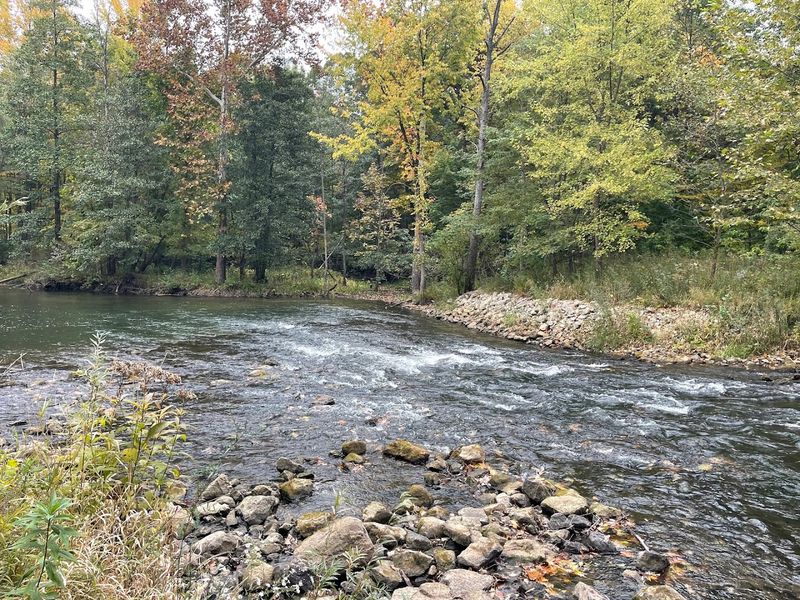
The same short loop can feel different every few weeks. Spring brings soft green growth and wildflowers, summer fills the banks with shade, and fall gives the river a brighter frame.
I found that seasonal change is one of the park’s quiet strengths. Because the route is compact, you notice what has shifted: new blooms, different bird sounds, clearer views through branches, or leaves collecting along the path.
The park is generally operated daily from dawn until dusk during spring, summer, and fall, with winter closure noted for safety concerns related to snow and ice. Posted hours and county updates should always guide a visit, especially when weather changes quickly.
That seasonal schedule makes sense for a riverside park with bridges, decks, and trail surfaces to consider. Choose a fair-weather day, and the next practical question is how to make the visit smooth.
Simple Tips for an Easy Visit
This is the rare outing where the practical details are refreshingly uncomplicated. Entry is free, parking is available, and the circular drive makes arrival feel easy instead of like a tiny traffic puzzle.
I would still treat it like a natural area rather than a city plaza. Wear comfortable shoes, bring water, use the available facilities when open, and check the county website or posted information if weather or seasonal timing might affect access.
The rules are straightforward: stay on established trails, keep pets leashed, and skip anything not allowed by park policy. Those basics keep the island, riverbanks, and shared spaces pleasant for the next person who needs a quiet half hour.
A visit can be as short as a brisk 30-minute loop or as slow as a bench-hopping afternoon. Once the logistics fade into the background, the park’s real strength becomes obvious in the way it helps you leave lighter.
The Quiet Ending Is the Point
By the time I finished the loop, I understood why this little park sticks with people. It is not trying to dazzle you; it is trying to give you room to exhale, and that is a useful talent.
Paw Paw River County Park works because every feature supports that feeling. The island, bridge, overlook decks, kayak launch, fishing access, seating areas, and easy paths all point toward the same simple reward: time beside the river.
I left thinking that underrated places often earn loyalty through small comforts. A clean path, a steady current, a well-placed bench, and a few moments without hurry can do more than a packed itinerary.
So if your day needs a softer landing, this Watervliet park is worth keeping on your personal map. Come for the short walk, stay for the quiet, and let the river handle the rest.
Share this story