There is a small building tucked along Wilson River Loop in Tillamook, Oregon, that has a way of stopping road-trippers cold in their tracks. I had planned to spend maybe fifteen minutes inside.
Two hours later, I was still there, running my fingers along hand-woven tea towels and listening to stories that stretched back generations. The Latimer Quilt and Textile Center is the kind of place that rewards curiosity at every turn, whether you are a lifelong fiber artist or someone who simply appreciates things made with care and skill.
Trust me, once you read what is waiting inside, you will want to clear your whole afternoon.
A Living Museum Housed in a Historic Schoolhouse
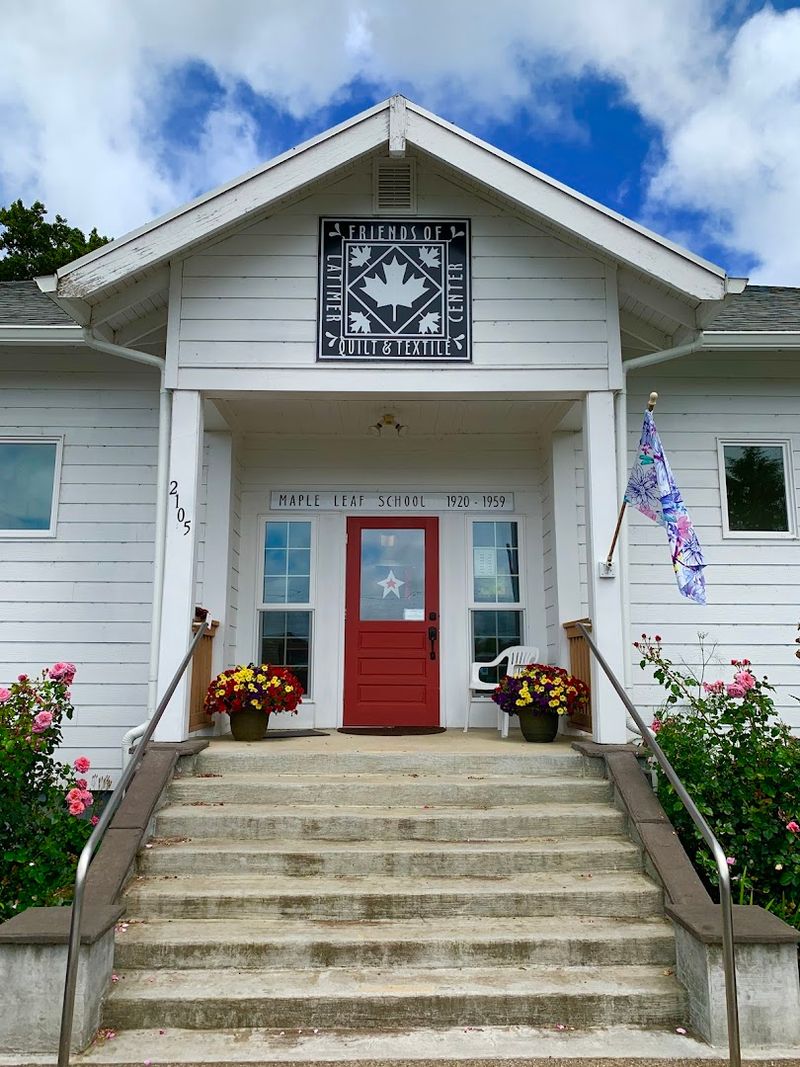
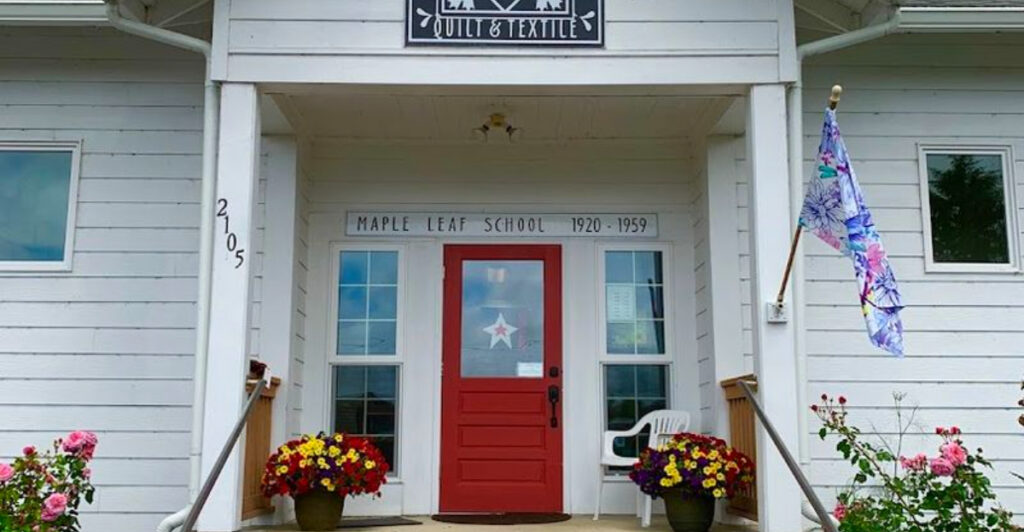
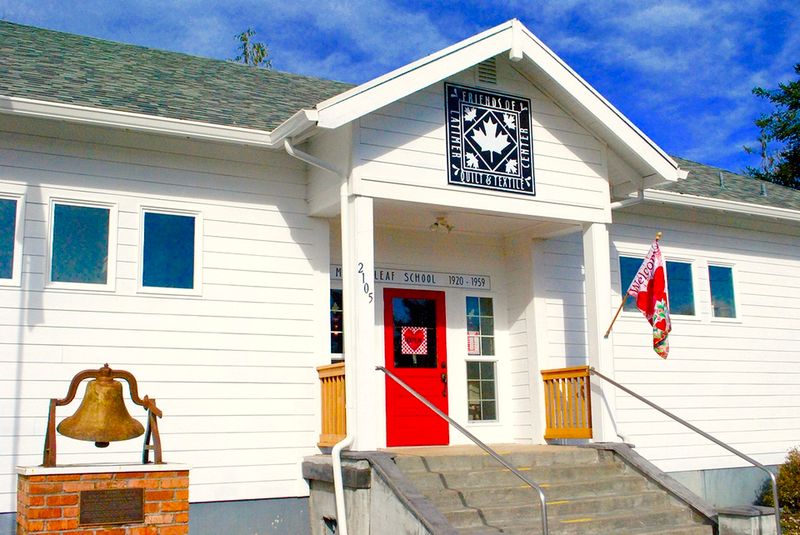
Not every museum gets to call a century-old schoolhouse home, but the Latimer Quilt and Textile Center pulls it off with real charm. The building at 2105 Wilson River Loop, Tillamook, OR 97141, carries that particular kind of warmth that newer construction rarely achieves.
The wooden bones of the structure give the whole space a sense of continuity, as if the walls themselves remember a time when handcraft was simply part of daily life.
The center operates Tuesday through Saturday, 10 AM to 4 PM, and is closed Sunday and Monday. With a phone number of 503-842-8622 and a website at latimerquiltandtextile.com, planning your visit is straightforward.
The admission fee has historically been very affordable, making it one of the most accessible cultural stops on the Oregon Coast.
What strikes you immediately upon arrival is that this is not a dusty archive. Artists work here, looms hum, and volunteers move through the space with genuine enthusiasm.
The schoolhouse setting adds a layer of nostalgia that perfectly matches the mission of preserving textile arts for future generations.
Rotating Exhibitions That Always Bring Something New
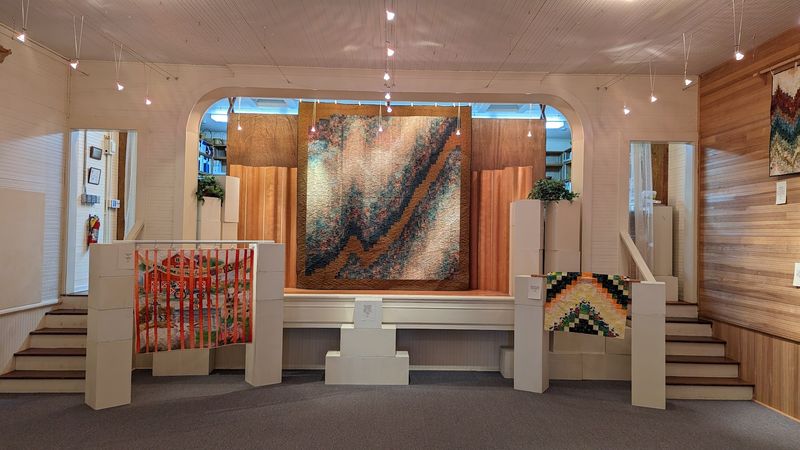
One of the best reasons to visit more than once is the gallery room, which never shows the same thing twice for long. Past exhibitions have featured hand-woven tapestries, embroidered panels, antique sewing tools, and entire showcases dedicated to a single color, like a memorable summer display built entirely around the rich, moody world of indigo.
An upcoming exhibit planned around Fairy and Folk Tales promises to bring fiber-based artwork inspired by classic stories, which sounds like exactly the kind of creative challenge that brings out the best in skilled textile artists. Member artists submit their own pieces, so each show reflects the real talent living right here in the Pacific Northwest community.
The rotating nature of these exhibitions means that even longtime members find fresh reasons to return. A quilt pieced from a quilter’s mother’s old dresses, for example, carries emotional weight that no painting could replicate.
Each exhibition at Latimer feels personal, intentional, and worth every minute you spend standing in front of it, trying to absorb all the detail stitched into every panel.
The Quilt Archive and the Bed Turning Experience
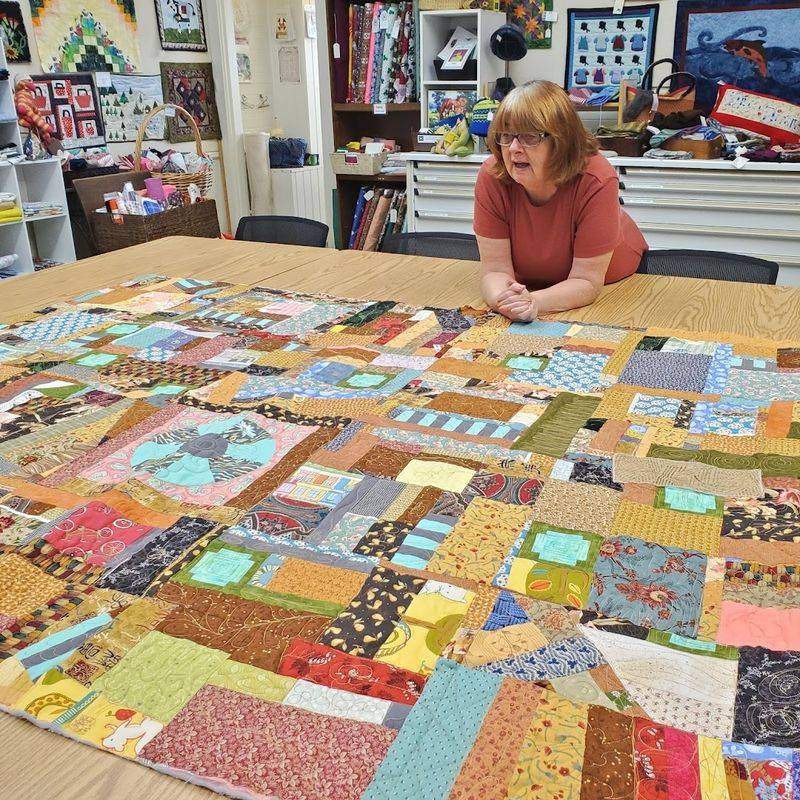
Here is something that most casual visitors do not know: if you call the center about a week ahead of your visit, the staff will arrange a bed turning just for your group. This means they take you directly into the quilt archive and bring out historic quilts one by one, explaining the stories, techniques, and origins behind each one.
The archive holds quilts that span generations, and the detail work in some of the older pieces is genuinely astonishing. Hand-stitched patterns sewn without modern tools, by women who treated every square inch of fabric as a small act of devotion, are the kind of thing that reframes how you think about patience and skill.
The bed turning experience is not something you will find at most museums, and it transforms a standard visit into something closer to a private history lesson. You are not looking through glass at artifacts.
You are in the room with them, close enough to see the individual stitches, which is a rare and memorable privilege that keeps people coming back to Latimer year after year.
Try Your Hand at a Real Working Loom
Plenty of museums ask you to keep your hands to yourself. Latimer takes the opposite approach, and that is a big part of what makes it so memorable.
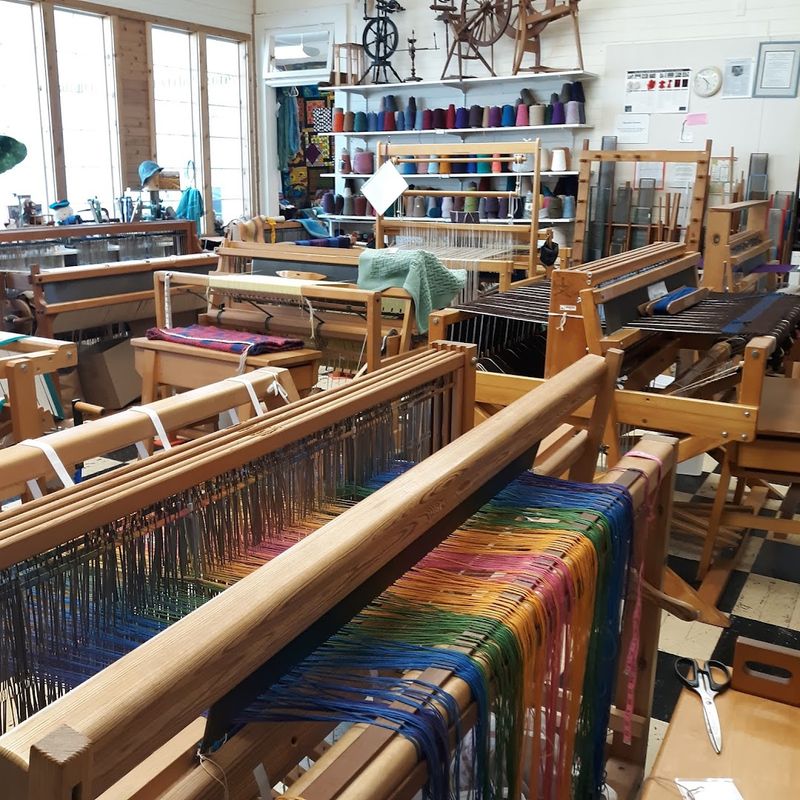
There is a working loom available for visitors to try, and the staff are genuinely happy to show you how it operates. Even a few minutes at the loom gives you a completely different appreciation for how fabric is actually made.
The loom room sometimes has active weavers working on their own projects during visiting hours, and watching someone move through the process with practiced ease is both calming and impressive. Friday is a particularly good day to visit if you want to catch Fabric Weavers and Rug Hookers in action, as the center hosts regular fiber arts gatherings throughout the week.
First-timers often describe their loom experience as one of the highlights of the whole Oregon Coast trip, which is saying something given the competition from beaches and cheese factories nearby. There is something quietly satisfying about creating even a small section of woven cloth with your own hands, and Latimer makes that accessible to absolutely everyone who walks through the door.
Weekly Fiber Arts Gatherings That Welcome Everyone
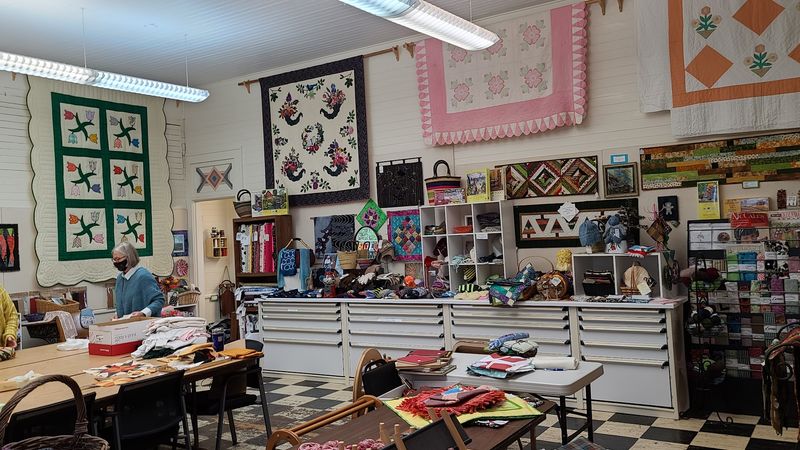
Community is woven into the DNA of this place, and the weekly schedule reflects that beautifully. Every Tuesday, a Fiber Arts Group meets at the center.
Thursday brings both a Morning and an Evening Knit Group, making it easy to fit into almost any schedule. Friday afternoons fill with Fabric Weavers and Rug Hookers, creating a lively, creative energy that casual visitors can feel the moment they walk in.
These gatherings are not closed-door club meetings. The center has always had an open, welcoming spirit that encourages new faces to pull up a chair and learn.
For fiber artists traveling through Oregon, knowing that a gathering might be happening during your visit adds a spontaneous social element to what might otherwise be a solo sightseeing stop.
The Latimer Quilt and Textile Center operates largely on volunteer energy, which means the people you meet during these sessions are there because they genuinely love what they do. That enthusiasm is contagious.
More than one visitor has walked in as a complete beginner and left with a new hobby, a handful of yarn, and a few new friends who share the same passion for making things by hand.
A Gift Shop Full of Locally Made Treasures
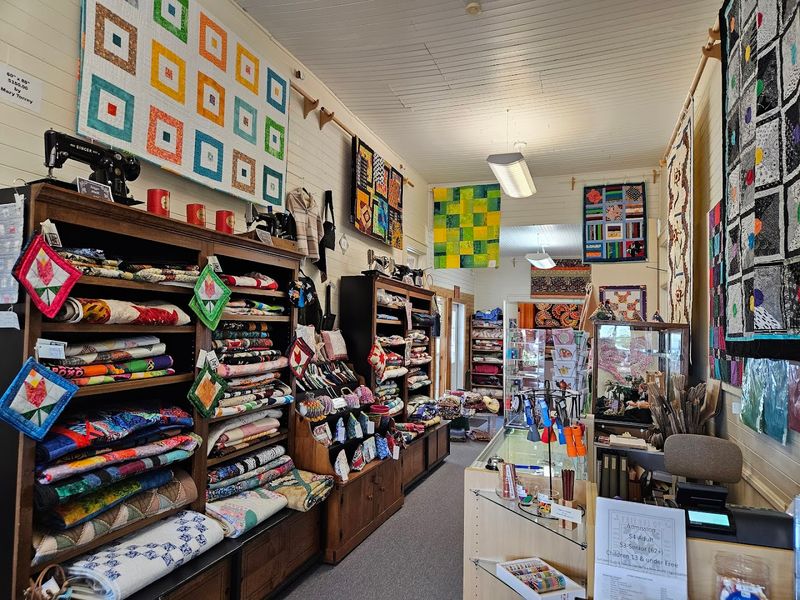
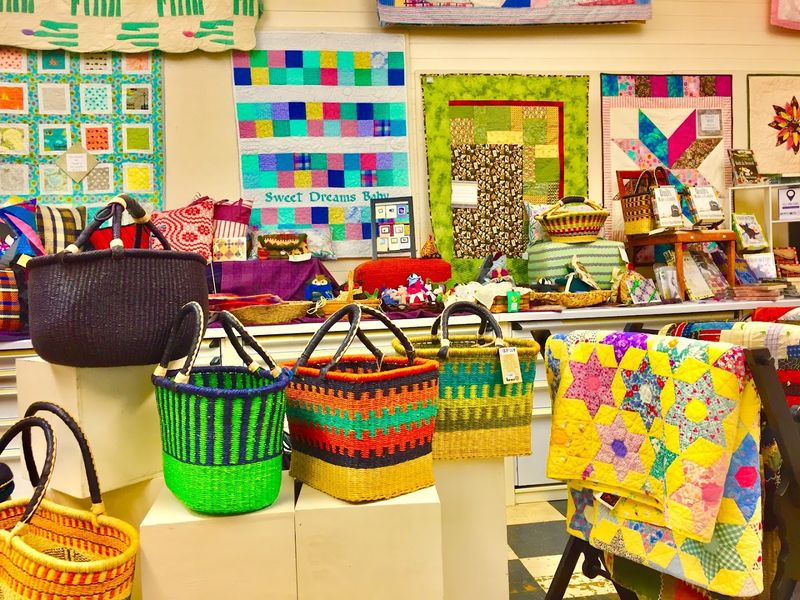
Budget a little extra time before you leave, because the gift shop at Latimer has a way of making wallets disappear in the most pleasant way possible. Hand-woven tea towels, finished quilts, hand-spun yarn, and one-of-a-kind textile pieces made by local artisans line the shelves, and the quality is consistently high because every item comes from someone who genuinely cares about their craft.
The shop also stocks quilting and knitting-themed mystery novels written by local author Arlene Sachitano, which makes for a wonderfully specific souvenir. Used quilting books, sewing guides, and craft references are available at prices that beat most thrift stores, which is a detail that longtime members mention with obvious delight.
Even if you arrive with no intention of buying anything, the gift shop functions as a small gallery of what local hands can produce. Alpaca yarn sheared from llamas that graze in the field right outside the building adds a hyper-local quality that no online retailer can replicate.
Buying something here feels less like a transaction and more like a direct handshake with the artist who made it, which is a feeling worth seeking out.
The Friendly Llamas and Alpacas Next Door
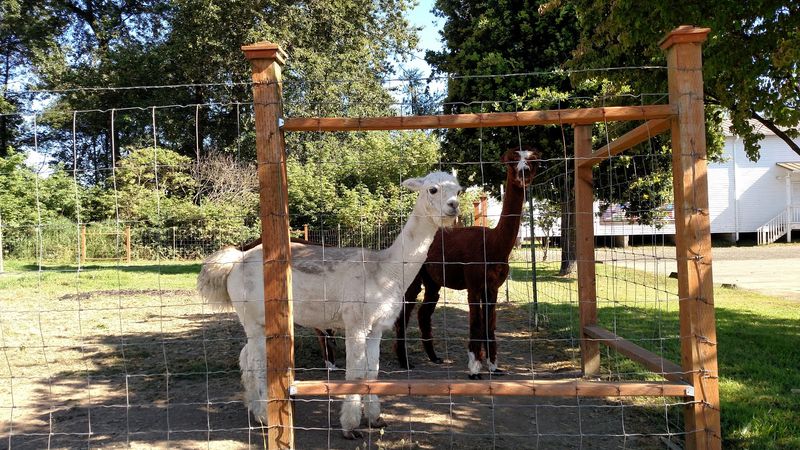
Few museums come with a bonus animal encounter, but Latimer manages to deliver one without even trying. The neighboring hobby farm keeps llamas and alpacas in a field right beside the building, and they are the kind of unbothered, photogenic creatures that make any visit feel a little more special.
Children especially tend to lose their minds with joy at the sight of them.
The connection between the animals and the museum is not just decorative. Yarn spun from alpaca fiber is actually sold in the gift shop, which closes the loop in a satisfying, very literal way.
You can look out the window at the source of the material and then hold the finished yarn in your hands moments later, which is a farm-to-fiber story that even non-crafters find charming.
The Pacific Northwest setting adds to the whole scene. Rolling green fields, the kind of overcast sky that makes colors look richer, and a cluster of woolly animals peering over a fence creates a backdrop that feels more like a storybook than a roadside stop.
It is one of those small details that visitors mention long after the trip is over, the unexpected delight that makes a place stick in your memory.
A Treasure Chest of Antique Buttons and Vintage Finds
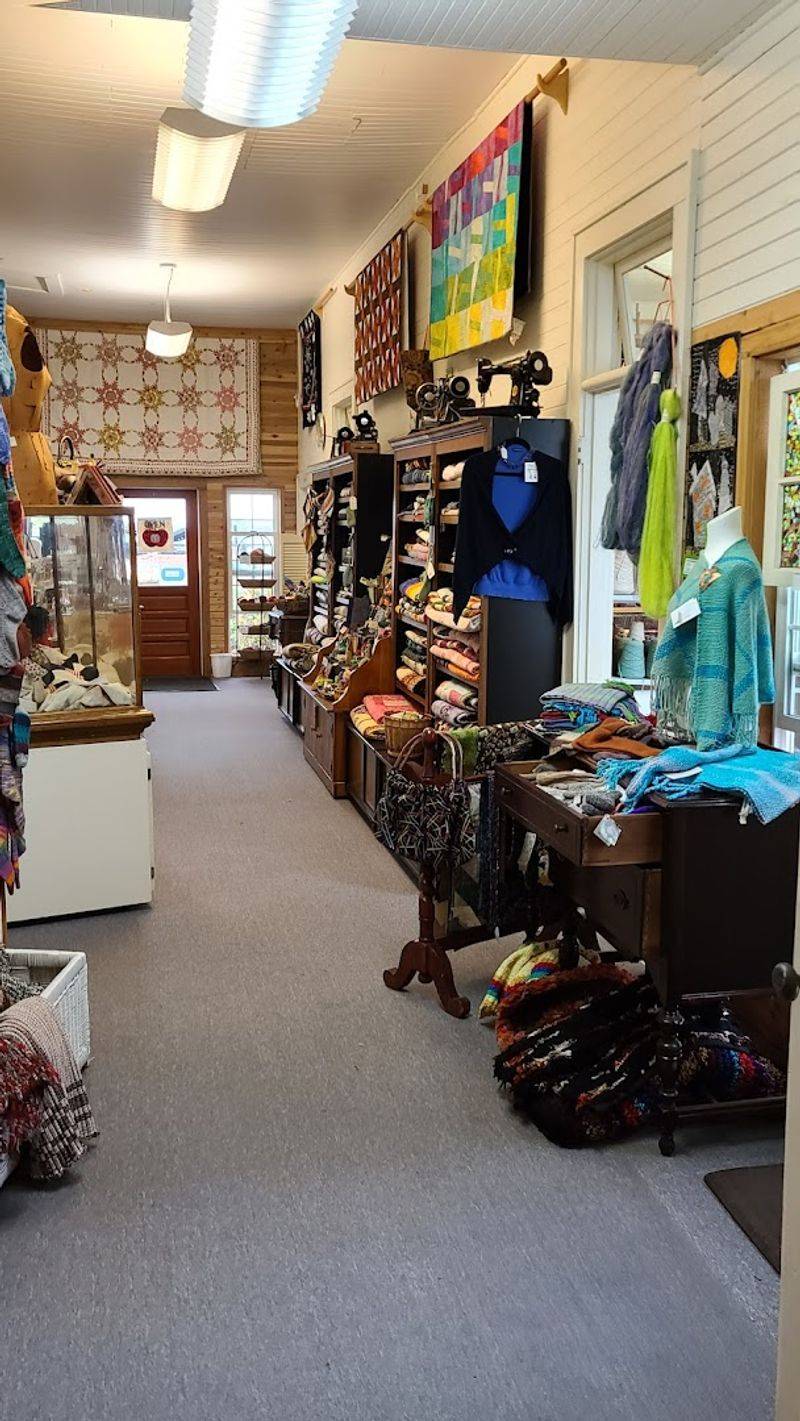
There is something deeply satisfying about sorting through a basket of antique buttons, and Latimer has made that simple pleasure a recurring feature of the visitor experience. Past exhibitions have included entire showcases built around vintage buttons, celebrating the artistry and variety of these small but significant objects.
A single afternoon spent examining them reveals an unexpected range of materials, shapes, and eras.
The button basket in the gift shop is one of those low-key highlights that catches people off guard. For a very small amount of money, you can fill a small bag with carefully chosen antique buttons that carry real history in their designs.
It is the kind of tactile, affordable souvenir that feels genuinely personal rather than mass-produced.
Current exhibitions have included unique items embellished with vintage buttons, showing how these tiny objects can anchor an entire creative vision when used with intention. The center has a talent for finding the beauty in things that the broader world tends to overlook.
Whether you collect buttons seriously or just appreciate the odd, satisfying weight of a well-made one in your palm, this corner of Latimer rewards close attention and a little patience.
Classes and Workshops for Every Skill Level
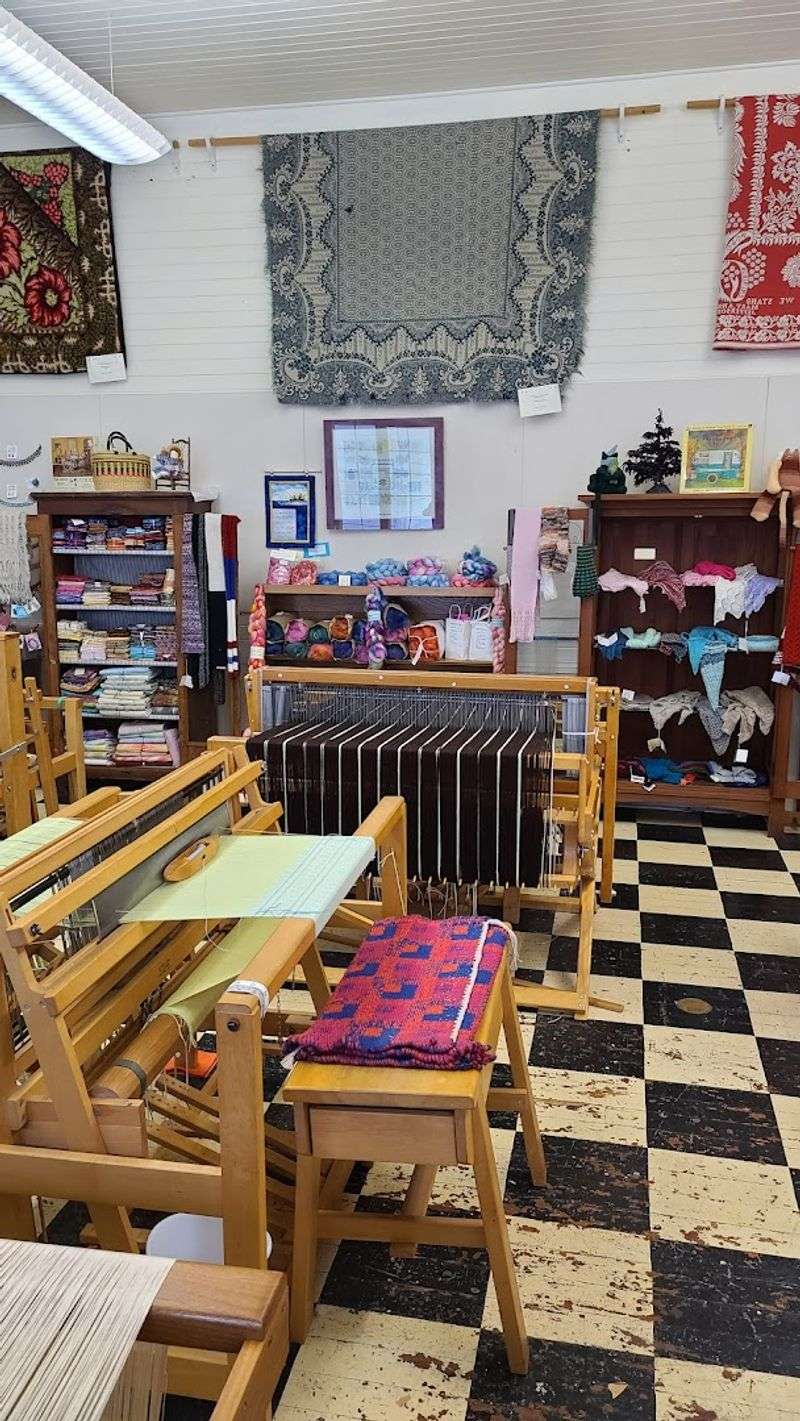
The Latimer Quilt and Textile Center is not content to be just a place you look at things. It actively teaches, offering classes and workshops that cover a broad range of fiber arts, from felting and needle felting to weaving, quilting, and beyond.
The classroom space within the schoolhouse building feels purpose-built for learning, with good light and enough room to spread out a project without bumping elbows.
Skill level is not a barrier here. Complete beginners are just as welcome as experienced crafters looking to try a new technique.
The teaching approach tends to be hands-on and encouraging, which fits the overall personality of the center perfectly. You are not going to feel out of place for not knowing the difference between a running stitch and a backstitch when you arrive.
For visitors who live too far away to attend regular classes, a single workshop during a trip to the Oregon Coast can serve as a meaningful introduction to a new craft. Felting supplies are available for purchase, so you can continue practicing at home long after you leave Tillamook behind.
The center genuinely wants people to carry these skills forward, and that intention comes through in every class offered.
The Dedicated Staff and Volunteer Community
A museum is only as good as the people who run it, and on that front Latimer is exceptionally well-staffed. The center operates largely through the dedication of volunteers and members who bring both expertise and genuine warmth to every interaction.
The single paid curator holds the whole operation together with a level of commitment that visitors notice immediately and remember long afterward.
Staff members do not just point you toward exhibits and step back. They tell you stories, explain techniques, share the history of specific pieces, and make the experience feel personal rather than transactional.
That human element is what separates Latimer from a passive display of objects and turns it into something closer to a conversation with the past.
The volunteer model also means that the people you meet here have chosen to be present. Nobody is going through the motions.
The Tuesday Fiber Arts Group, the knitters on Thursday, the weavers on Friday, all of them contribute to an atmosphere that feels alive and purposeful. For travelers who have grown tired of impersonal tourist attractions, Latimer offers something genuinely different: a community that is happy to let you in, even if only for an afternoon.
Why Quilt Lovers Keep Returning Season After Season
Some places earn a single visit. Latimer earns a membership.
The combination of rotating exhibitions, weekly community gatherings, hands-on workshops, and an ever-changing gift shop gives repeat visitors a reason to return every few months without ever experiencing the same afternoon twice. Long-term members describe a decades-long relationship with the center that has shaped their creative lives in meaningful ways.
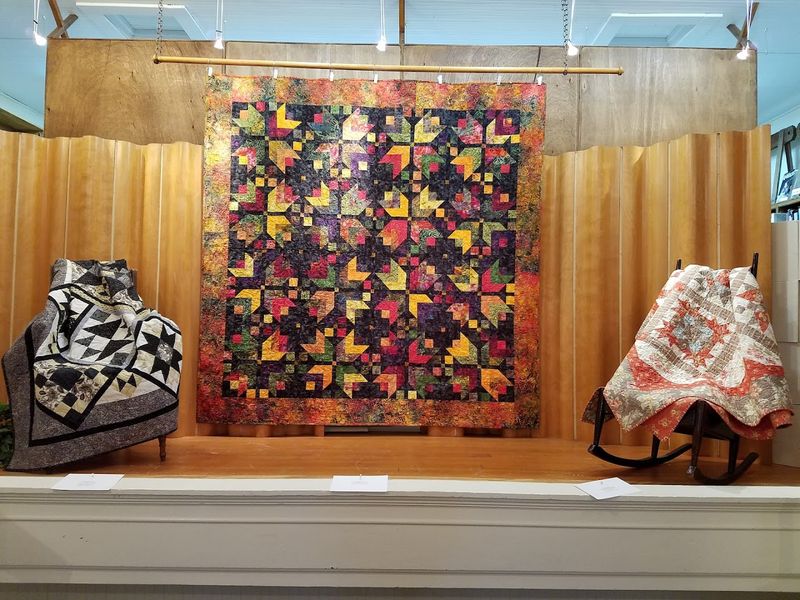
The quilt collection alone justifies multiple visits. Quilts over a hundred years old hang alongside contemporary fiber art, and the contrast between historical technique and modern vision is endlessly interesting.
A room full of century-old hand-stitched quilts, examined up close, reveals a level of skill and patience that modern mass production simply cannot match or replicate.
Oregon has no shortage of beautiful places to spend a day, but Latimer occupies a specific niche that nothing else on the coast fills. It is the kind of place that quilt lovers describe to their friends with barely contained excitement, the kind of place that makes a road trip feel purposeful rather than just scenic.
If the Oregon Coast is on your list, this museum deserves a permanent spot on the itinerary, not as an afterthought, but as a destination in its own right.
Planning Your Visit: Practical Tips for First-Timers
A little preparation goes a long way when visiting Latimer. The center is open Tuesday through Friday from 10 AM to 4 PM, and Saturday from 10 AM to 4 PM as well.
Sunday and Monday are closed, so plan accordingly. The address is 2105 Wilson River Loop, Tillamook, OR 97141, and it sits in a spot that is easy to combine with other Tillamook area stops, including the famous cheese factory nearby.
If a bed turning is on your wish list, call 503-842-8622 at least a week before your visit to arrange it. Walk-in visits are warmly welcomed, but the archive experience requires advance notice.
Arriving on a Tuesday, Thursday, or Friday gives you the best chance of catching active fiber artists at work, which adds a living, breathing dimension to the museum that static displays alone cannot provide.
The admission fee is very reasonable, and becoming a member is an option worth considering if you plan to return. Parking is available on-site, and the building is accessible.
Whether you are driving up from Portland, exploring the northern Oregon Coast, or making a point to stop here the way savvy travelers do, Latimer rewards every mile of the journey with something genuinely worth seeing.
Share this story