Witchcraft accusations in medieval Europe rarely arose from actual evidence. More often, they grew out of fear, superstition, personal grudges, and suspicion of anyone who seemed different.
Between the 13th and 17th centuries, thousands of ordinary people found themselves accused of crimes they could not possibly prove they had not committed.
The reasons behind these accusations followed surprisingly consistent patterns. An unusual habit, a dispute with a neighbor, or even a stroke of good or bad luck could attract unwanted attention.
These twelve examples, drawn from historical records and documented witch trials, reveal how everyday behavior could become dangerously misunderstood in a world searching for supernatural explanations.
1. Owning a Black Cat

Long before black cats became Halloween decorations, they carried genuine social risk in medieval Europe. The association between black cats and witchcraft was not simply folklore.
It was a belief reinforced by Church documents and local superstition alike.
Pope Gregory IX’s papal decree of 1233 explicitly linked black cats to devil worship, which helped cement the idea across Catholic Europe. Once that connection entered official religious thinking, ordinary cat ownership became something neighbors could use against you.
The belief held that witches could transform into cats or send their cats as demonic messengers to carry out curses. If your black cat wandered onto a neighbor’s property the night before their cow stopped producing milk, the timing alone could be enough to fuel an accusation.
2. Having an Argument with the Wrong Person
Interpersonal conflict in a small medieval village carried risks that go well beyond bruised feelings. Communities were tight-knit and long-memoried, and a public quarrel created a narrative that could be retrieved and weaponized months or even years later.
The pattern documented in historical witch trial records is remarkably consistent. A dispute occurred, often over land, livestock, or a small debt.
Shortly after, the other party experienced some form of misfortune. The connection was made, and an accusation followed.
Keith Thomas, in his influential 1971 study of religion and the decline of magic in England, identified this sequence as one of the most common triggers for witchcraft accusations in English villages. The accused had often refused a request or been refused one, creating a social grievance that later attached itself to an unexplained event.
3. Knowing Too Much About Herbs
Herbal knowledge was genuinely valuable in a world without pharmacies or trained physicians. Village healers, often called wise women, provided remedies for fevers, infections, and difficult pregnancies.
For centuries, this knowledge was respected and sought out.
The problem arose when treatments failed. Medieval communities had no germ theory to explain why a patient worsened or a remedy backfired.
When outcomes turned bad, the healer’s knowledge shifted in the public imagination from helpful to sinister.
The Church also played a role. As Christian institutions expanded their authority over everyday life, folk healing practices rooted in pre-Christian traditions came under increasing suspicion.
Herbs associated with older spiritual customs were particularly problematic, and women who used them risked being accused of practicing pagan magic.
4. Living Alone
Social structure in medieval Europe was built around households, and a person living outside that structure attracted immediate suspicion. Widows and unmarried women who maintained independent households had no male authority figure to speak on their behalf, which left them legally and socially exposed.
Church teachings of the period emphasized that women were more susceptible to temptation and required guidance. A woman who managed her own affairs without male oversight contradicted that model, and contradiction invited scrutiny.
Historical records from witch trials in England, France, and the Holy Roman Empire consistently show that women living alone made up a disproportionate share of the accused. Their isolation was not just a social inconvenience.
It was treated as evidence of something darker.
5. Keeping Unusual Pets
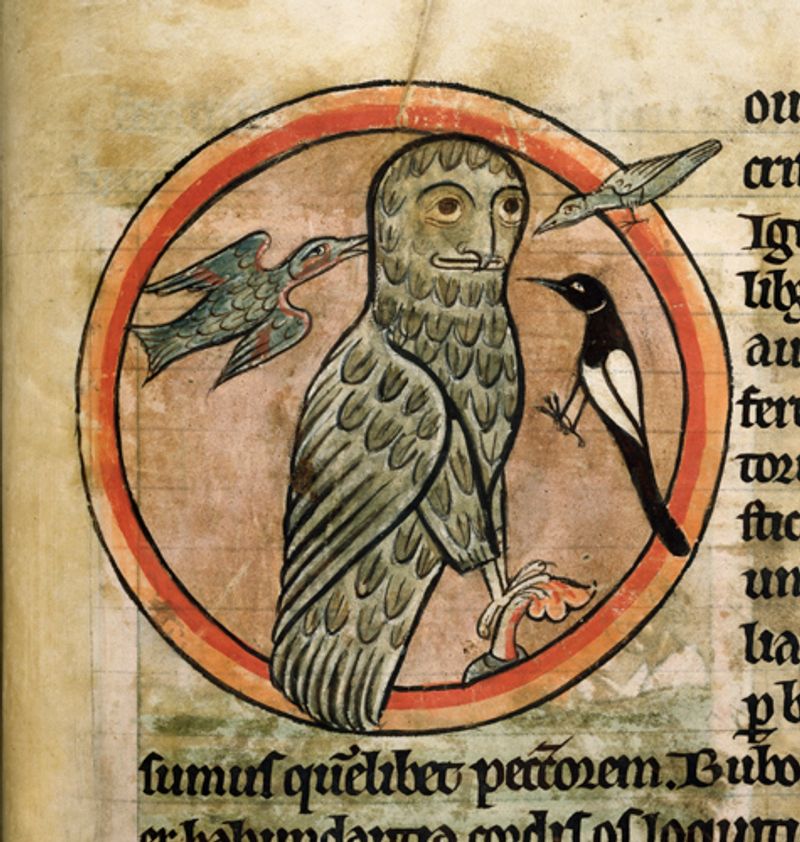
Familiars were a specific and well-documented element of English witchcraft belief, though similar ideas appeared across continental Europe as well. The concept held that a witch was given a small animal by the Devil to serve as a helper, carrying out curses and reporting back on neighbors.
Cats appeared most frequently in this role, but owls, toads, hares, dogs, and even insects were named in trial records as suspected familiars. The 1582 St. Osyth witch trials in Essex, England, produced detailed testimony about familiars including creatures named Tiffin, Tyffin, and Piggin, described as small animals that carried out the accused women’s instructions.
Owning any of these animals was not automatically incriminating, but it added texture to an accusation. A toad found near a neighbor’s sick child, or an owl seen perching repeatedly on a particular house, could be woven into a narrative that a prosecutor found useful.
6. Being Unusually Successful
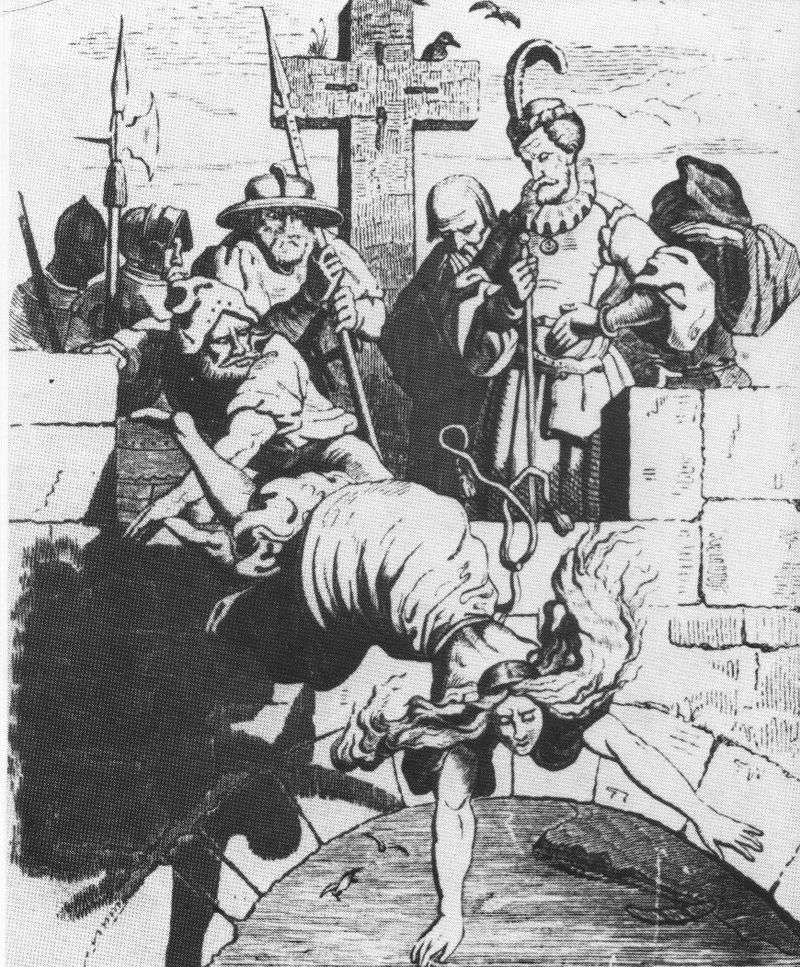
Prosperity in a subsistence economy was not always celebrated. When one farmer’s crops thrived while neighbors struggled, or when a merchant’s trade flourished without obvious explanation, suspicion could replace admiration fairly quickly.
Medieval economic thinking had limited room for the idea of individual competitive advantage. People broadly understood the world as a fixed resource pool governed by God’s will.
Unusual success, by that logic, had to come from somewhere. If God had not visibly blessed you, perhaps someone else had.
The concept of the “evil eye” fed directly into this dynamic. Across European folklore, the belief persisted that certain individuals could draw prosperity toward themselves at the expense of others, through deliberate supernatural means.
A particularly successful neighbor was therefore not just lucky. They were potentially extracting good fortune from the community.
Trial records from Germany and Scotland both include cases where defendants were accused specifically because their harvests were better than average during difficult years. Success, without a visible or accepted explanation, functioned as its own form of evidence.
Standing out in either direction, too poor or too comfortable, carried real social risk in medieval village life.
7. Owning Strange Birthmarks
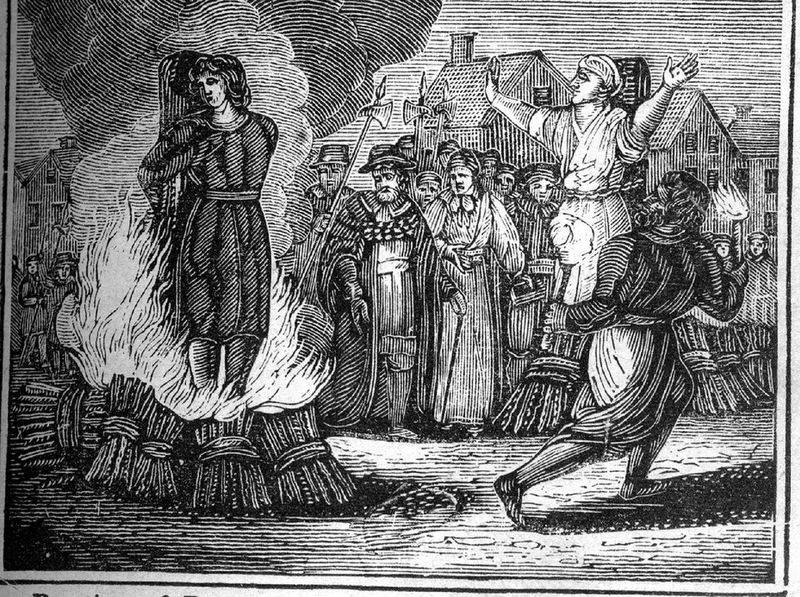
The human body became a kind of evidence document during the height of European witch trials. Birthmarks, moles, warts, scars, and skin discolorations were catalogued by witch hunters as potential signs of a diabolical pact.
The concept of the “witch’s mark” or “devil’s mark” appeared in major demonological texts of the period, including the Malleus Maleficarum, published in 1487. That text, written by Heinrich Kramer, described marks left by the Devil on those who had entered into his service.
The idea spread rapidly through ecclesiastical and legal circles.
Witch finders, particularly in England and Scotland, made a profession out of identifying these marks. Matthew Hopkins, England’s self-appointed Witch Finder General in the 1640s, reportedly earned fees for each mark he identified.
The marks were believed to be insensitive to pain, so accused individuals were pricked with needles to test them.
Almost any physical irregularity could qualify. A birthmark on an unusual location, a skin tag, or a scar from an old injury might all be presented as evidence.
The body itself, in that framework, could testify against its owner without the person saying a single word.
8. Talking to Yourself
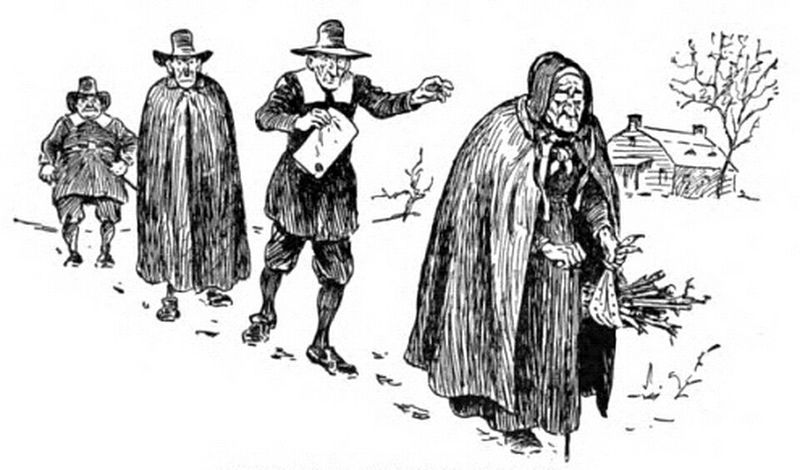
Eccentric behavior in a small, closely watched community rarely went unnoticed. Someone observed muttering quietly while walking through the market, or speaking aloud while tending a garden with no one else nearby, could attract exactly the kind of attention they did not want.
The theological framework of the period offered a ready interpretation. If a person was speaking and no human listener was present, they must be addressing something else.
Spirits, demons, and invisible familiars were all considered plausible interlocutors within the belief system of the time.
Mental illness, which we understand today as a medical condition, had no equivalent framework in medieval thinking. Behaviors associated with conditions like schizophrenia, dementia, or severe anxiety were often attributed to spiritual causes.
The person was not unwell. They were communing with something forbidden.
Several documented witch trial cases include testimony from neighbors who described the accused talking to themselves or to animals in unusual ways. These observations, reported secondhand and often years after the fact, carried genuine weight in proceedings where evidence standards were far looser than modern courts would recognize.
Unusual speech patterns could be enough to begin a case.
9. Surviving a Serious Illness
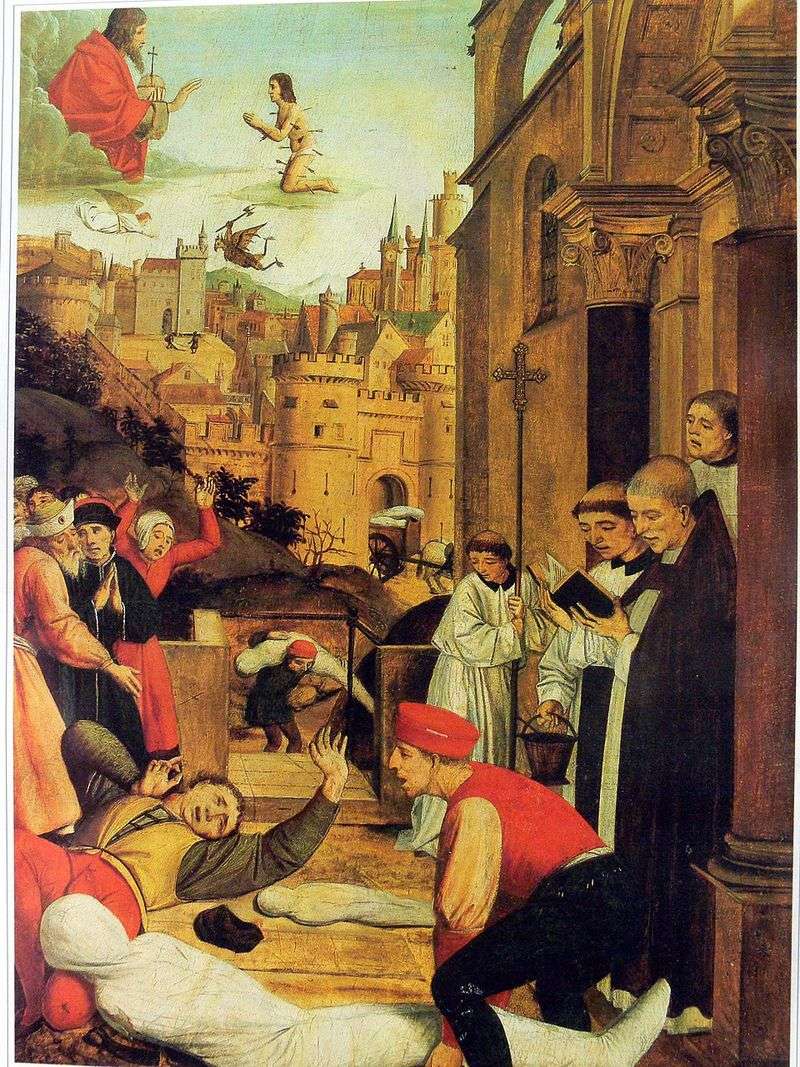
Recovery was not always welcome news in medieval Europe. When a serious epidemic swept through a village and one person survived while others did not, that survival could be viewed as something other than good fortune.
The Black Death, which killed roughly a third of Europe’s population in the 14th century, created exactly this kind of social pressure. Communities devastated by the plague were desperate for explanations, and people who recovered when others did not stood out in uncomfortable ways.
The theological reasoning was circular but internally consistent. Witches were believed to have made pacts with the Devil, and the Devil would protect his servants from harm.
Therefore, someone who survived a disease that killed devout Christians might have supernatural protection of the wrong kind.
This logic appeared in trial records and was sometimes used alongside other accusations rather than as a standalone charge. But it carried real weight in communities where survival itself needed justification.
The expectation was not that you would recover. When you did, you owed your neighbors an explanation that fit within the acceptable range of divine providence.
Unusual survival did not always fit that range.
10. Being an Elderly Woman
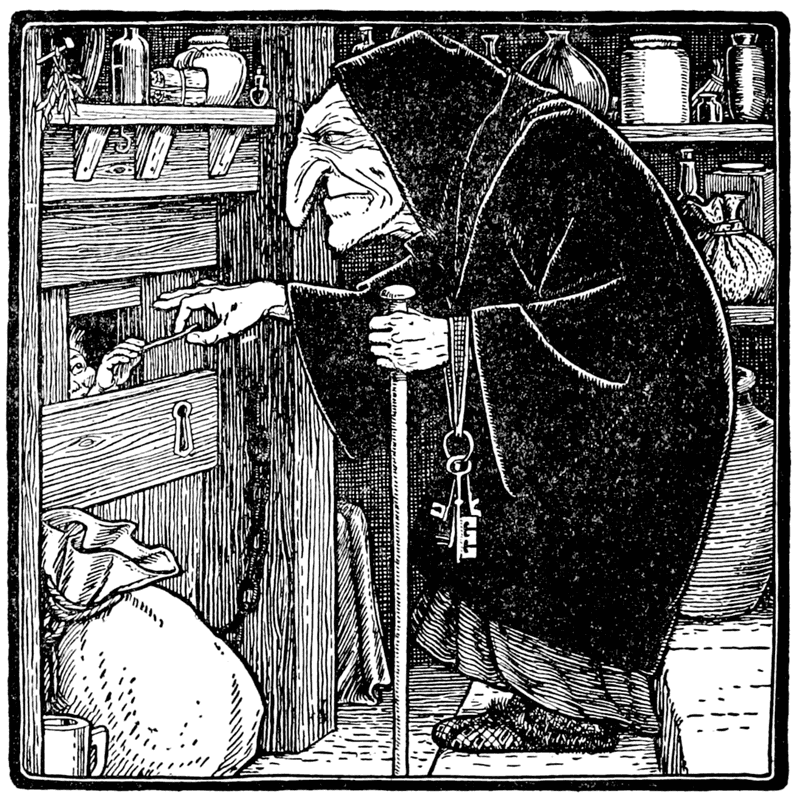
Statistical patterns from documented witch trials across England, Scotland, France, Germany, and Switzerland consistently show that elderly women represented the largest single demographic among the accused. Scholars estimate that between 75 and 85 percent of those tried for witchcraft in early modern Europe were women, and a significant portion of those were over 50.
Several factors combined to create this vulnerability. Older women often lived alone after being widowed, had limited economic resources, and occupied the margins of community life rather than its center.
They were less likely to have powerful relatives who could intervene on their behalf.
Cultural attitudes toward aging women in medieval and early modern Europe were not generous. Older women who had outlived their reproductive and domestic roles were sometimes viewed with unease rather than respect.
That unease had deep roots in classical and biblical traditions that associated female aging with moral danger.
When misfortune struck a household and neighbors searched for a cause, the elderly woman at the edge of the village was a natural focal point. She was socially isolated, economically marginal, and had few defenders.
Those conditions did not create guilt, but they created opportunity for accusation in a system that rarely required much more than opportunity.
11. Witnessing a Natural Disaster
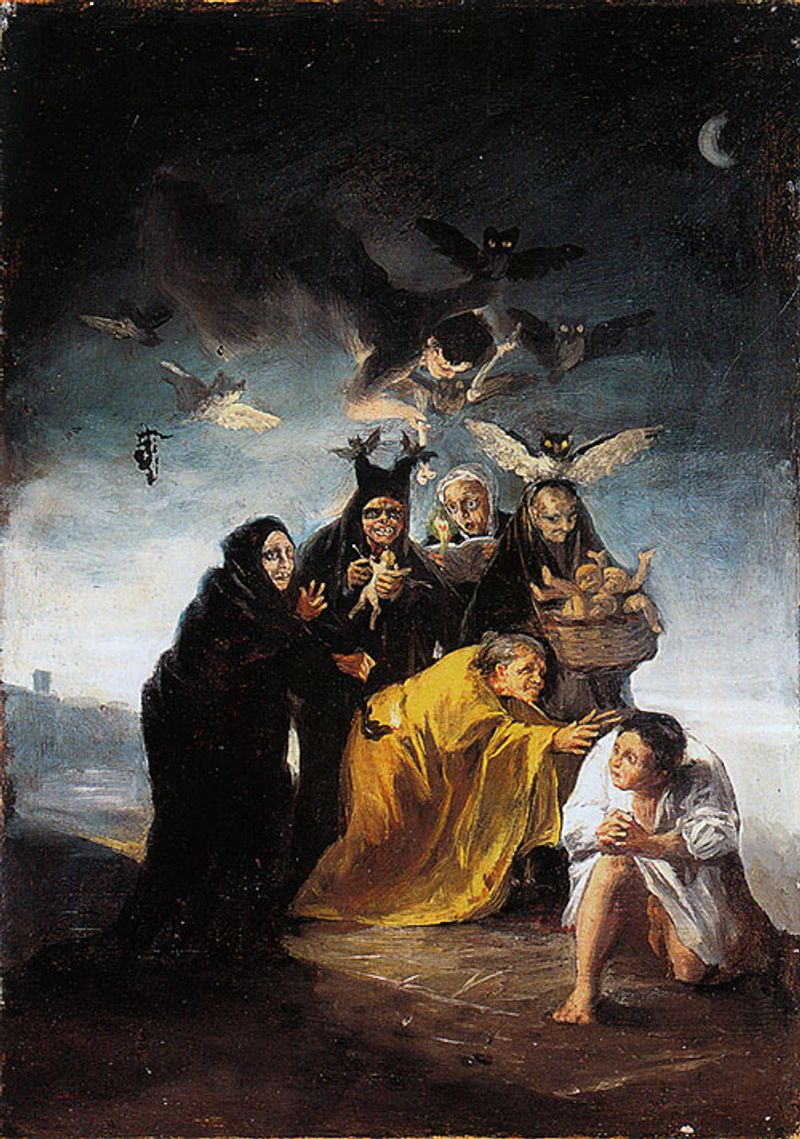
When storms destroyed harvests, droughts emptied wells, or epidemics moved through livestock, medieval communities needed frameworks for understanding what had happened. Divine punishment was one explanation.
Human malice channeled through supernatural means was another, and it had the advantage of offering a target.
The concept of weather magic was taken seriously in medieval ecclesiastical and legal thought. The Malleus Maleficarum devoted substantial attention to the idea that witches could raise storms, redirect hail, and destroy crops through ritual means.
This was not fringe belief. It appeared in official theological texts treated as authoritative references by courts and inquisitors.
Anyone who happened to be in the wrong place at the wrong time, observed near a field before a frost or seen outdoors during an unusual storm, could find themselves named in the aftermath. Proximity to the event combined with existing social suspicion was often enough to initiate an accusation.
The 1484 papal bull Summis desiderantes affectibus, issued by Pope Innocent VIII, specifically mentioned witches causing crop failures and storms as a justification for expanding inquisitorial authority. Natural disasters, in other words, had official ecclesiastical backing as evidence of witchcraft activity.
The disaster was the crime, and finding the criminal was considered a religious obligation.
12. Failing a Witch Test
Once an accusation was made, the methods used to confirm or deny it were stacked against the accused in ways that made neutral outcomes nearly impossible. The swimming test, or ordeal by water, held that a guilty witch would float because water, as a purified element, would reject her.
An innocent person would sink.
The logical trap was obvious. Sinking proved innocence but risked drowning.
Floating proved guilt and led to further prosecution. The test was formally condemned by Pope Nicholas I as early as 858, but it persisted in popular practice and was revived during later witch trial periods, particularly in England and the Dutch Republic.
Other tests included the pricking test for insensitive marks described earlier, weighing the accused against a Bible, and reciting the Lord’s Prayer without error. Stumbling over words during an extremely stressful interrogation was treated as evidence of supernatural interference rather than human nervousness.
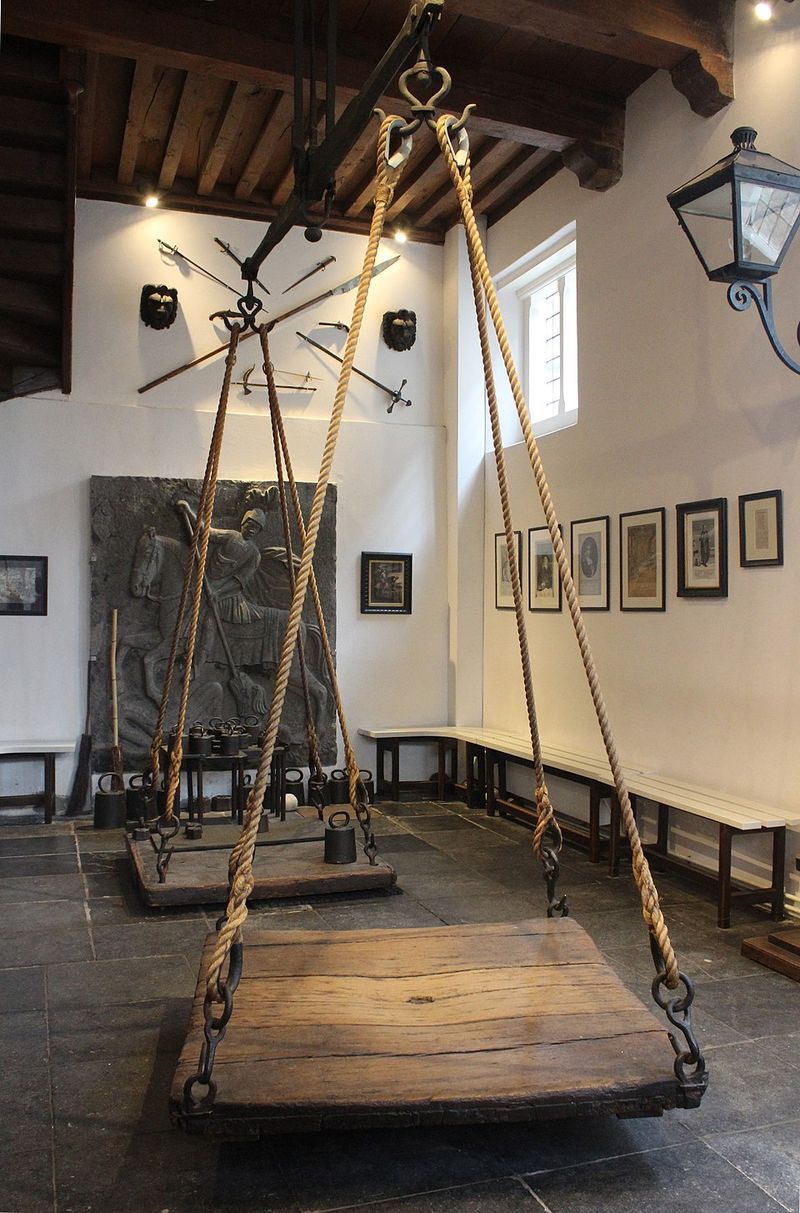
One unusual exception was the Heksenwaag (Witches’ Scales) in Oudewater, Netherlands. There, accused individuals could be officially weighed and issued a certificate proving they were of normal weight.
Because witches were believed to be light enough to fly, a certificate from Oudewater often helped protect women from conviction and execution elsewhere.
Share this story