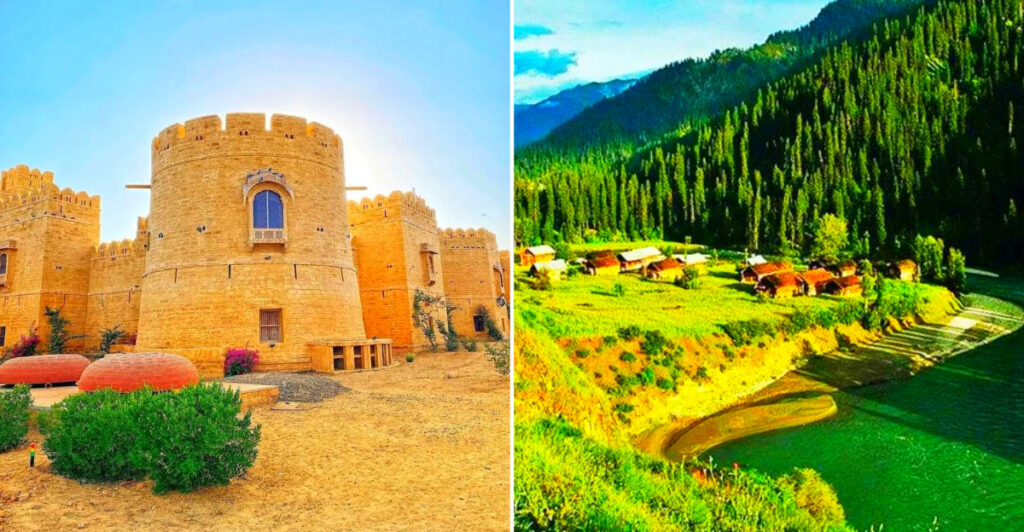
India feels less like a single country and more like a collection of entirely different worlds. One region offers frozen deserts and snow-covered mountains, while another is filled with tropical backwaters, ancient temples, or endless salt flats.
The 14 regions in this list showcase the incredible variety that makes India so fascinating, each with its own culture, history, landscapes, and traditions. Some are famous for good reason, while others remain underrated gems waiting to be discovered.
1. Ladakh
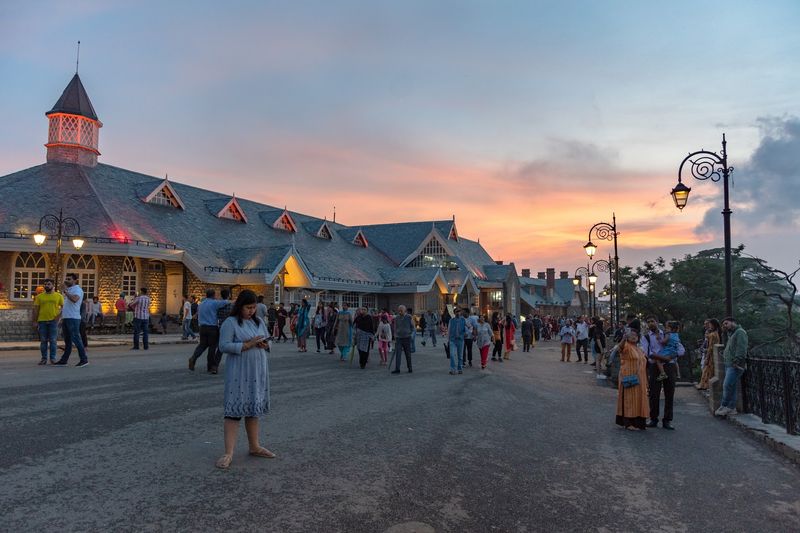
Perched at elevations where most trees simply give up, Ladakh is one of the few places in India where the landscape looks more like the surface of another planet than a travel destination.
This high-altitude cold desert sits in the far north, bordered by the Himalayas and the Karakoram range. The terrain is stark, dry, and dramatic, with wide open valleys carved by ancient rivers and dotted with whitewashed Buddhist monasteries that have stood for centuries.
Pangong Lake, with its shifting shades of blue and green, is one of the most photographed spots in the country. The local Ladakhi culture has strong Tibetan roots, and festivals like Hemis are full of masked dances and centuries-old traditions.
Road trips through mountain passes like Khardung La attract adventure seekers from around the world. Ladakh is not just a place you visit; it is a place that genuinely changes your sense of scale.
2. Rann of Kutch, Gujarat
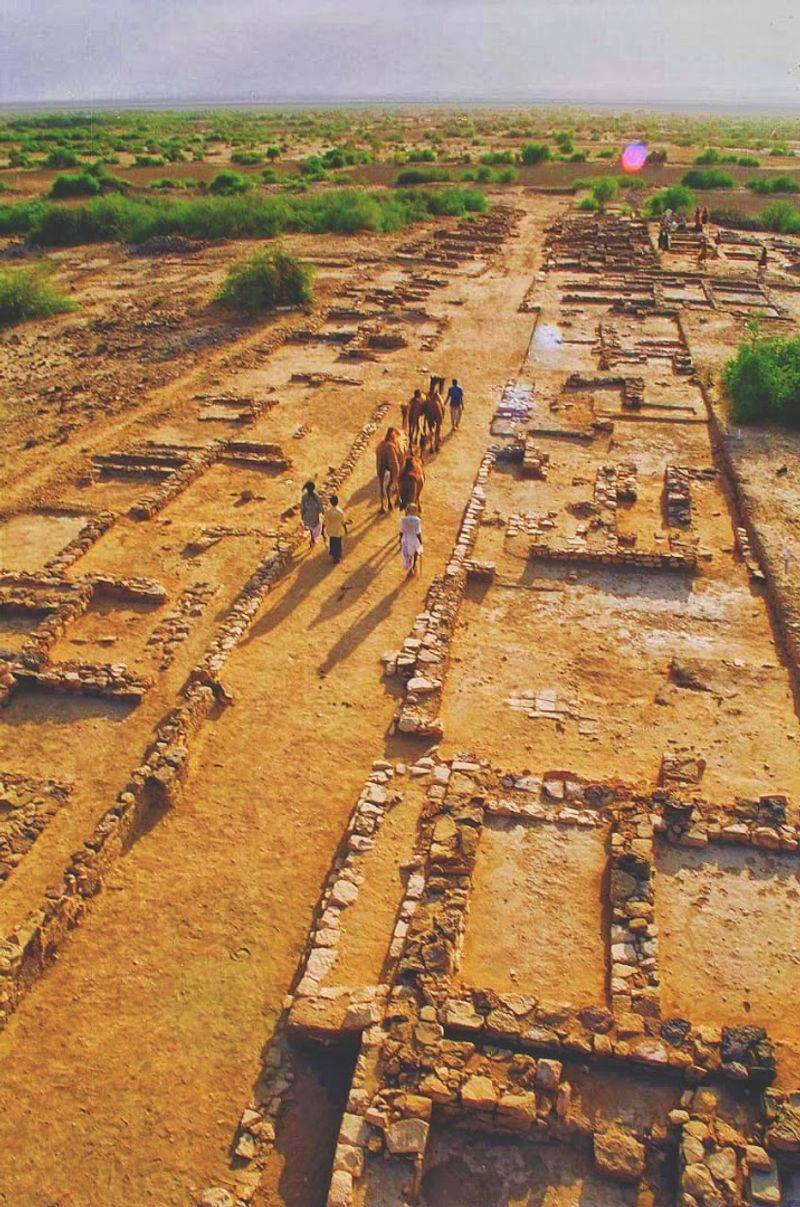
Few landscapes in India stop people in their tracks quite like the Rann of Kutch, a massive salt marsh that turns bone-white during the dry season and stretches so far that the horizon seems to disappear.
Covering over 7,500 square kilometers, the Great Rann is one of the largest salt deserts in the world. For most of the year it is quiet and remote, but between November and February, the Rann Utsav festival transforms the region into a buzzing cultural destination.
Temporary tent cities go up near Dhordo village, and visitors can experience traditional Gujarati folk performances, handicraft markets, and camel rides under a sky packed with stars. The craftsmanship of local Kutchi artisans, particularly their embroidery and mirror work, is recognized across India and internationally.
Gujarat’s Rann is also home to the Indian wild ass sanctuary, one of the few places on Earth where you can spot this rare animal roaming freely.
3. Kashmir Valley
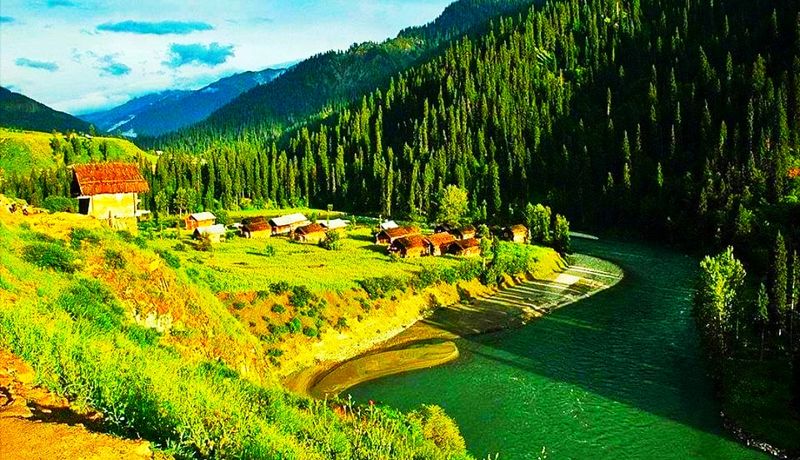
Dal Lake in Srinagar looks like something a very talented painter made up, with wooden shikara boats gliding across still water while snow-capped peaks form a backdrop that seems almost unfairly beautiful.
The Kashmir Valley sits at about 1,600 meters above sea level, cradled by the Himalayas on all sides. Its alpine meadows, locally called margs, are some of the most visited in the country.
Gulmarg and Pahalgam are two of the most popular spots, offering trekking in summer and skiing in winter.
Mughal emperor Jahangir famously said that if there was paradise on Earth, it was Kashmir. The Mughal gardens he helped build, including Shalimar Bagh and Nishat Bagh, are still open to visitors and remain beautifully maintained.
The local handicraft tradition here is extraordinary, covering pashmina shawls, hand-knotted carpets, and walnut wood carvings. These crafts have been passed down through families for generations.
4. Sundarbans, West Bengal
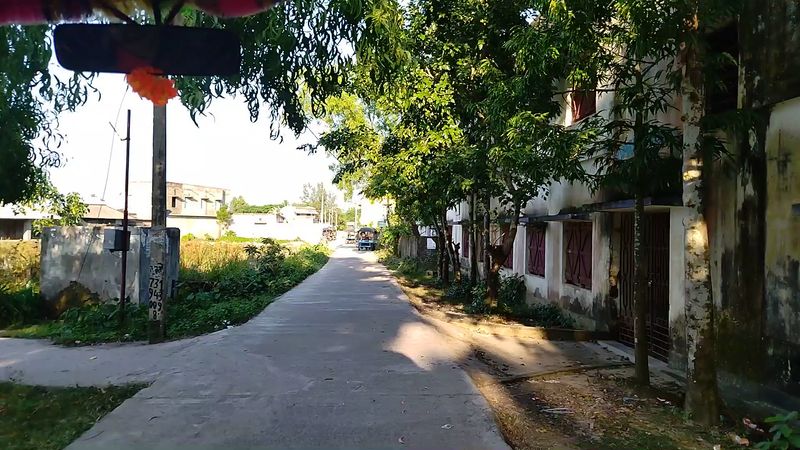
Somewhere in the tangle of roots, muddy rivers, and dense green canopy of the Sundarbans lives one of the most elusive big cats on the planet, and visitors come from across the world just to catch a glimpse.
Spanning about 10,000 square kilometers across India and Bangladesh, the Sundarbans is the world’s largest mangrove ecosystem and a UNESCO World Heritage Site. The Royal Bengal tiger population here has adapted to swimming between islands, which makes them genuinely different from tigers found elsewhere in India.
Getting around requires a boat, and the network of waterways is so complex that local guides are essential. The communities living on the forest’s edge have developed a culture deeply shaped by their environment, including traditions around the forest goddess Bonbibi.
Wildlife here also includes saltwater crocodiles, spotted deer, and hundreds of bird species. The Sundarbans rewards patient, curious travelers who don’t mind trading comfort for something truly rare.
5. Meghalaya
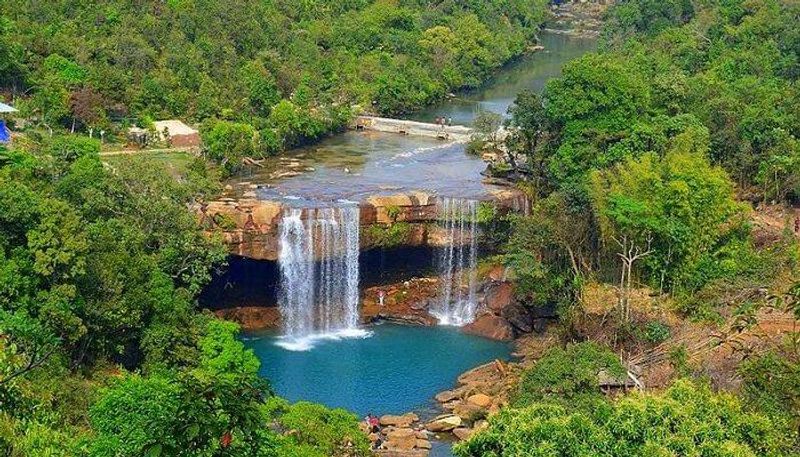
Meghalaya holds a record most places would not want: Mawsynram, a village in this northeastern state, is officially one of the wettest places on Earth, receiving over 11,000 millimeters of rain annually.
Rather than seeing all that rainfall as a problem, the Khasi people of Meghalaya turned it into an engineering marvel. Over centuries, they trained the aerial roots of rubber trees to grow across rivers, creating living root bridges that are stronger than any wooden structure and actually get sturdier with age.
The state capital, Shillong, is a relaxed hill town with a distinct character shaped by Khasi culture and a surprisingly active music scene. Cherrapunji, nearby, is home to stunning waterfalls and some of the most dramatic cave systems in Asia.
Meghalaya also runs on a matrilineal social system, where family lineage and property pass through the mother’s side. That alone makes it unlike almost anywhere else in India.
6. Rajasthan’s Thar Desert
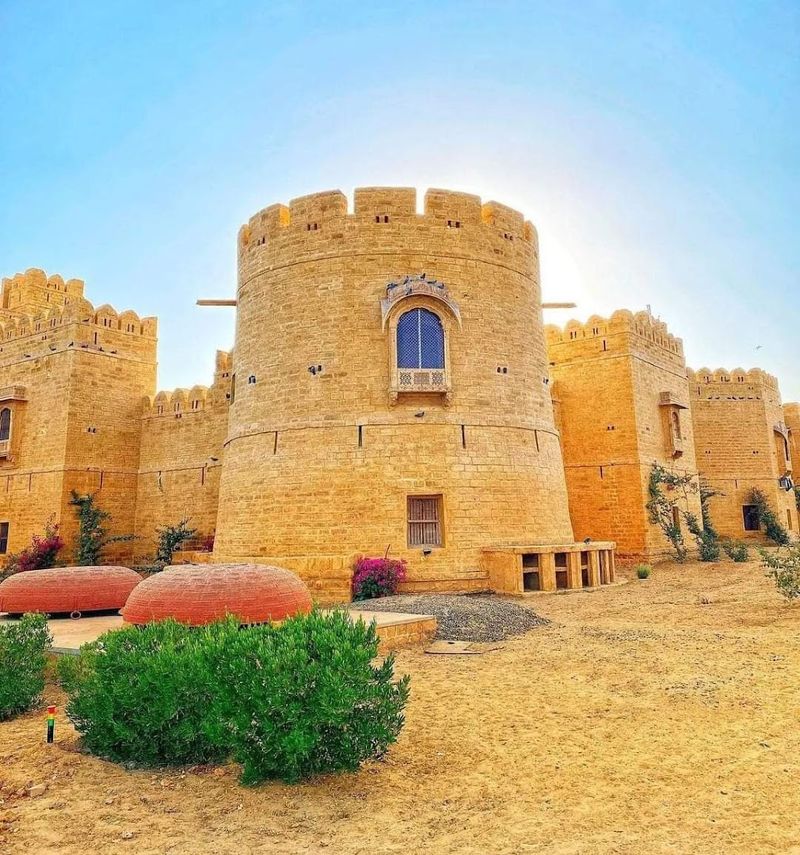
The Thar Desert covers about 200,000 square kilometers of northwestern India and is the most densely populated desert in the world, a fact that surprises almost everyone who hears it.
Cities like Jaisalmer, Jodhpur, and Bikaner sit within or near the Thar, each with its own towering fort built from local sandstone. Jaisalmer’s fort is one of the few fully inhabited forts in the world, with homes, shops, and hotels operating inside its ancient walls.
Camel safaris into the dunes near Sam or Khuri are a popular way to experience the landscape, especially at sunset when the sand turns shades of copper and orange. Desert folk music traditions here include instruments like the khartal and morchang, and performances are a regular part of local festivals.
The textile and block printing traditions of Rajasthan are internationally celebrated. Towns like Bagru and Sanganer produce hand-printed fabrics using techniques that have not changed in hundreds of years.
7. Andaman & Nicobar Islands
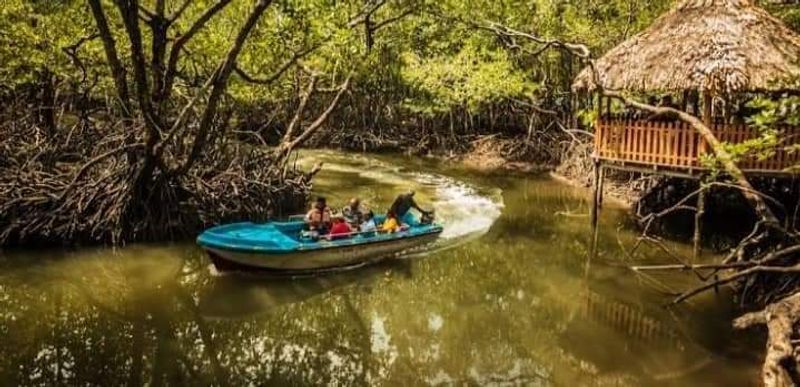
Geographically speaking, the Andaman and Nicobar Islands have more in common with Myanmar than with New Delhi, sitting roughly 1,400 kilometers from the Indian mainland in the Bay of Bengal.
The archipelago consists of over 570 islands, but only about 37 are open to tourists. Havelock Island, now officially called Swaraj Dweep, is home to Radhanagar Beach, which has repeatedly been named one of the best beaches in Asia.
The underwater world here is exceptional. Coral reefs around North Bay and Elephant Beach support a wide variety of marine life, making the area popular for scuba diving and snorkeling.
Several dive schools operate on Havelock, catering to both beginners and certified divers.
The islands also carry significant history. Cellular Jail in Port Blair, where the British imprisoned Indian freedom fighters, is now a national memorial and a museum that draws thousands of visitors every year.
8. Varanasi, Uttar Pradesh
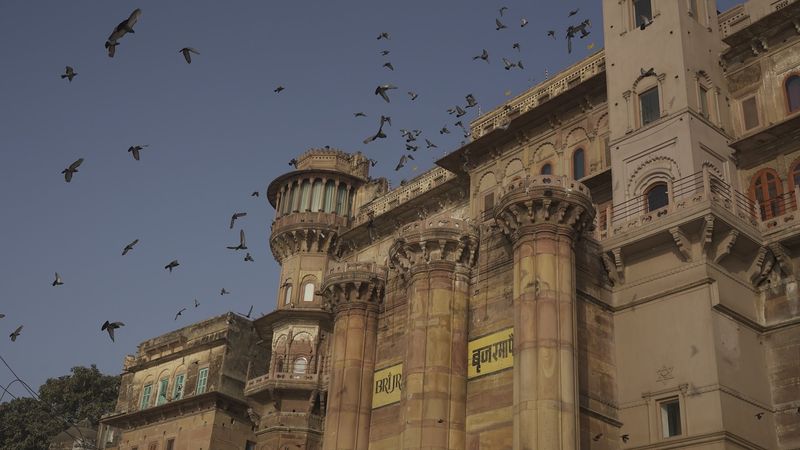
Mark Twain once wrote that Varanasi is older than history, older than tradition, and older even than legend. That may be a slight exaggeration, but archaeologists date continuous human settlement here to at least 3,000 years ago.
The city sits on the western bank of the Ganges and is organized around a series of ghats, stone stairways leading down to the river. There are 88 ghats in total, each with its own character and function.
Dashashwamedh Ghat hosts a large evening prayer ceremony called Ganga Aarti every night, drawing hundreds of onlookers.
Varanasi is also one of India’s most important centers for classical music, Sanskrit scholarship, and silk weaving. Banarasi silk sarees, woven with gold and silver thread, are among the most prized textiles in the country.
The city’s narrow lanes, called galis, form a labyrinthine old town where temples, sweet shops, and tea stalls occupy nearly every corner. Getting pleasantly lost here is almost guaranteed.
9. Sikkim
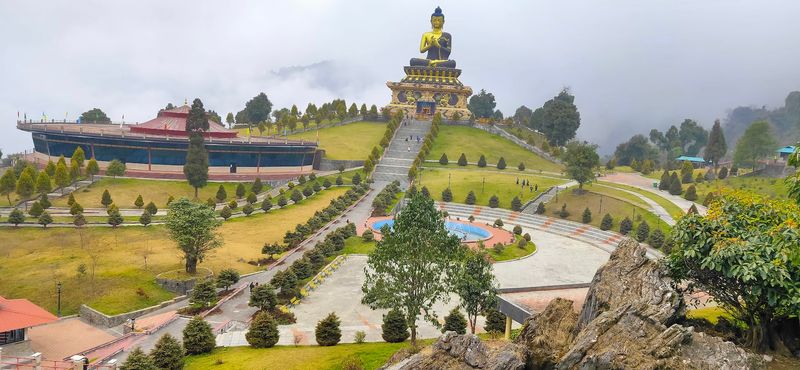
Sikkim became the first fully organic state in India in 2016, banning chemical fertilizers and pesticides across the entire region. That commitment to clean farming is just one of the things that makes this small Himalayan state genuinely different.
Bordered by Nepal, Tibet, and Bhutan, Sikkim has a cultural identity shaped by Nepali, Sikkimese, and Tibetan influences. The state religion is Buddhism, and monasteries like Rumtek and Pemayangtse are major landmarks that attract both pilgrims and curious travelers.
Kanchenjunga, the world’s third-highest mountain, dominates the western skyline and can be seen clearly from Gangtok, the state capital, on clear mornings. Trekking routes in Sikkim range from moderate valley walks to serious high-altitude expeditions.
The Yumthang Valley in North Sikkim transforms into a carpet of blooming rhododendrons each spring, a natural display that draws visitors from across the country. Sikkim also produces some of India’s most respected teas from its Darjeeling-adjacent gardens.
10. Goa
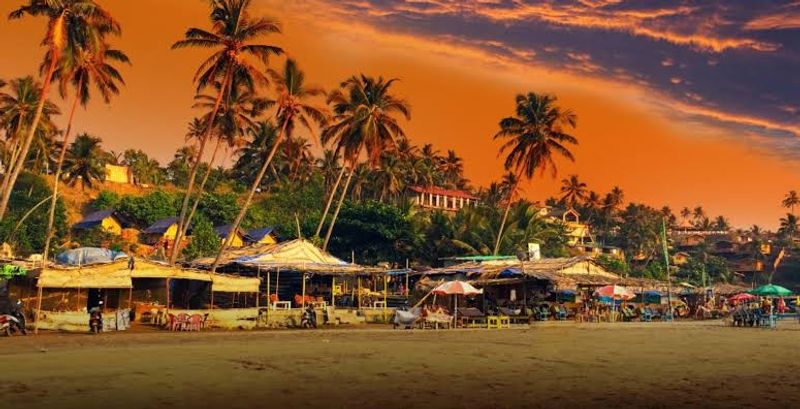
Portugal ruled Goa for 451 years, from 1510 to 1961, and that colonial history left a mark on the region’s architecture, cuisine, and culture that is visible in every whitewashed church and terracotta-roofed villa.
Old Goa, the former colonial capital, is a UNESCO World Heritage Site containing some of the most impressive baroque churches in Asia. The Basilica of Bom Jesus, which holds the remains of St. Francis Xavier, draws pilgrims and tourists year-round.
Goa’s coastline stretches over 100 kilometers and is divided into distinct zones. The northern beaches like Anjuna and Vagator have a more lively, backpacker-friendly energy, while the south around Palolem and Agonda is quieter and more laid-back.
Goan cuisine blends Indian and Portuguese influences in ways you won’t find anywhere else in the country. Dishes like vindaloo, xacuti, and bebinca have roots in this cross-cultural kitchen that developed over centuries of coexistence.
11. Nagaland
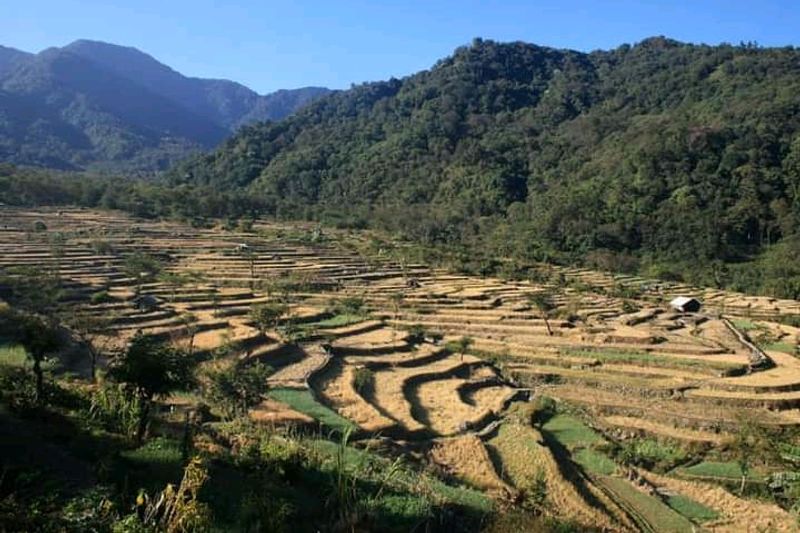
Nagaland is home to 16 major tribes, each with its own distinct language, dress, and traditions, making it one of the most culturally diverse small states in all of India.
The Hornbill Festival, held every December in the village of Kisama near the capital Kohima, brings all 16 tribes together for ten days of performances, crafts, traditional games, and food. It is often called the Festival of Festivals and is one of the best ways for outsiders to experience Naga culture in one place.
The state’s landscape is rugged and largely forested, with elevations ranging from river valleys to peaks over 3,800 meters. Dzukou Valley, known for its rolling hills and seasonal wildflowers, is a popular trekking destination.
Nagaland also carries significant World War II history. The Battle of Kohima in 1944 was a turning point in the Burma Campaign, and the Kohima War Cemetery remains a well-maintained and deeply respected memorial site.
12. Hampi, Karnataka
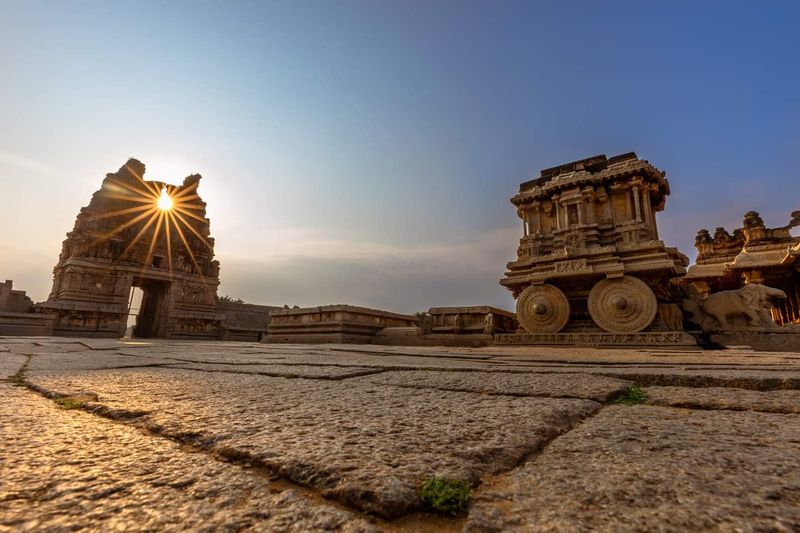
Hampi looks like someone scattered a thousand giant boulders across the landscape and then, for good measure, built an entire empire among them. That is not far from what actually happened.
Between the 14th and 16th centuries, Hampi was the capital of the Vijayanagara Empire, one of the largest and wealthiest kingdoms in the world at its peak. The city is estimated to have had a population of around 500,000 people.
Today, its ruins spread across 26 square kilometers and are protected as a UNESCO World Heritage Site.
The Virupaksha Temple, still actively used for worship, is the oldest structure in the complex and dates back to the 7th century. The stone chariot at the Vittala Temple is one of the most recognized images in Indian archaeology.
Hampi also attracts a steady stream of rock climbers who come specifically for its unique granite bouldering terrain. The combination of ancient history and outdoor adventure makes it unlike any other destination in Karnataka.
13. Punjab
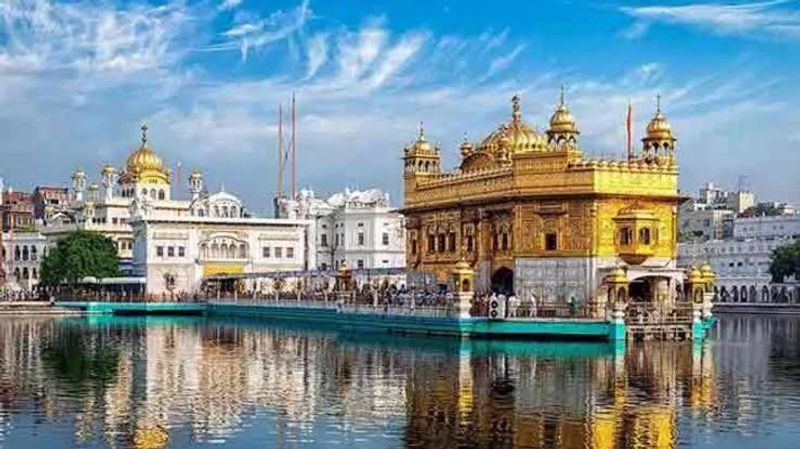
The Golden Temple in Amritsar serves free meals to over 100,000 people every single day, making its langar, or community kitchen, one of the largest free kitchens on Earth. That one fact says a great deal about Punjabi culture.
Punjab is India’s primary wheat-producing state, and the landscape during harvest season is a patchwork of gold and green that stretches as far as you can see. The state’s agricultural identity runs deep, and festivals like Lohri and Baisakhi are tied directly to farming cycles.
Bhangra and giddha are the folk dance forms that originated here, and their energy has influenced popular music far beyond India’s borders. Live performances during local festivals are high-energy and genuinely fun to watch.
Amritsar’s old city, the area surrounding the Golden Temple, is packed with history. The Jallianwala Bagh memorial, just a short walk from the temple, marks one of the most significant events in India’s independence movement.
14. Spiti Valley, Himachal Pradesh
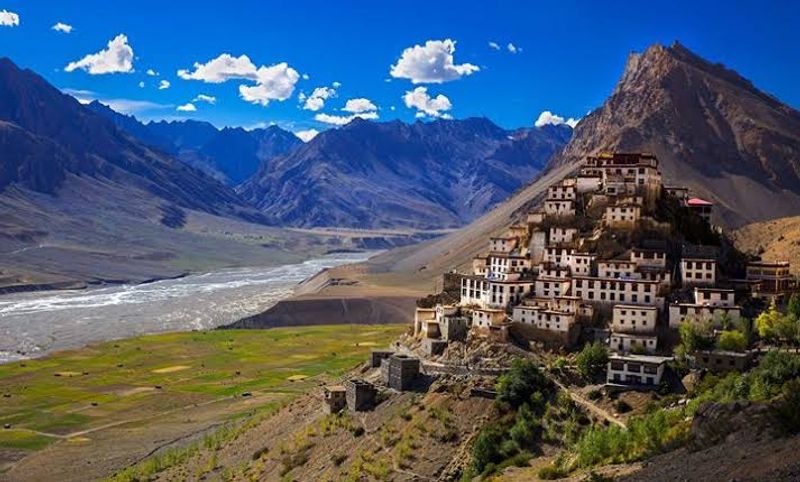
At an average altitude of 3,800 meters and with roads that close entirely for months during winter, Spiti Valley is not exactly easy to reach. That difficulty is a big part of its appeal.
Located in the cold desert region of Himachal Pradesh, Spiti sits between Ladakh to the north and the Kinnaur district to the south. The landscape is almost entirely bare rock and sky, with the occasional splash of green around river-fed villages like Kaza, Langza, and Kibber.
Key Monastery, perched on a rocky hilltop above the Spiti River, is the largest monastery in the valley and one of the oldest in the region, with origins dating back to the 11th century. Tabo Monastery, nearby, holds a collection of ancient murals and is often called the Ajanta of the Himalayas.
Spiti’s villages have some of the highest motorable roads in the world. The fossil-rich terrain around Langza has yielded marine fossils that prove this entire region was once underwater, a fact that feels impossible to believe when you are standing there.
Share this story