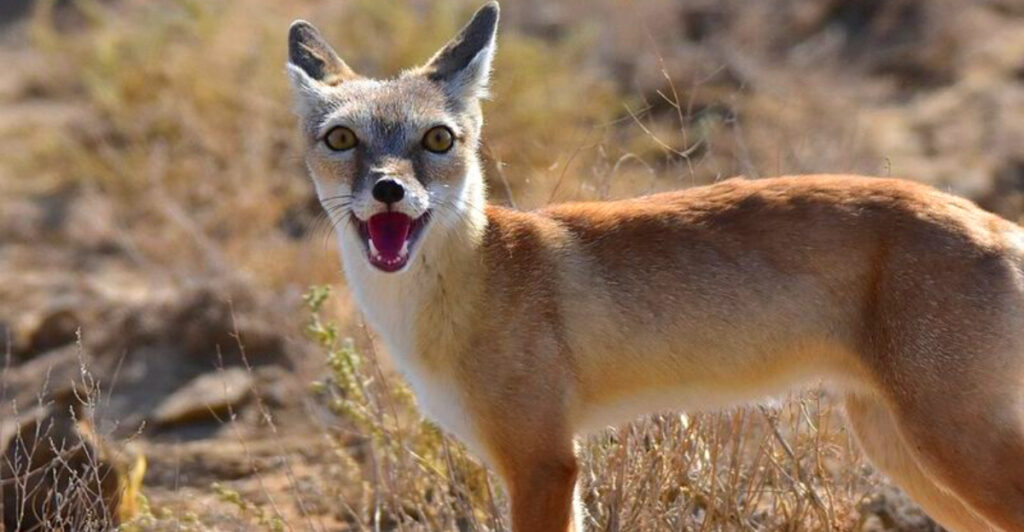
Most people picture a fox darting through suburban backyards or trotting across a snowy field, but the world of wild foxes goes far beyond that familiar image. Across remote deserts, isolated islands, and high mountain plateaus, rare fox species have carved out survival in places that would challenge almost any other mammal. Some of these animals were nearly wiped out entirely, only to be pulled back from the edge through years of dedicated conservation work. Others remain so elusive that scientists still have gaps in their knowledge about basic population numbers.
What makes these regions so fascinating is not just the foxes themselves, but the extraordinary landscapes they call home. From the fog-wrapped forests of a Chilean island to the windswept grasslands of Central Asia, each location on this list tells a story about resilience, adaptation, and the ongoing effort to protect wildlife before it is too late.
1. Channel Islands National Park, California, USA
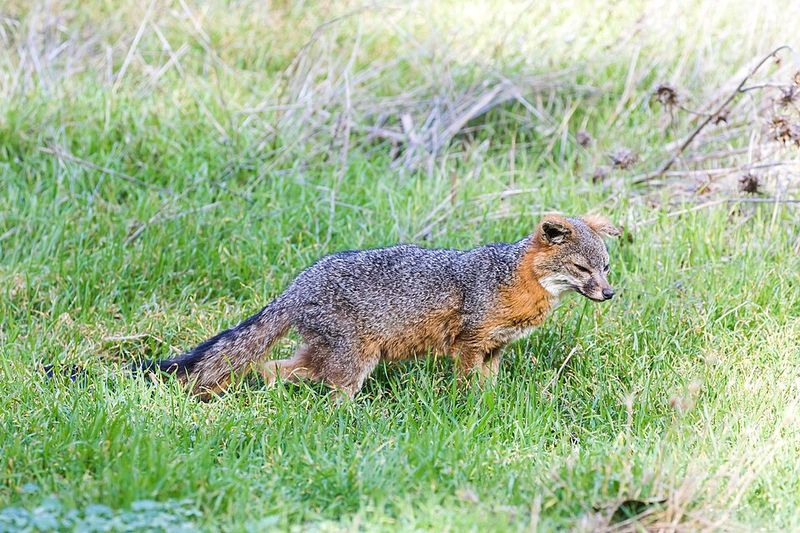
Against all odds, the island fox bounced back from near-extinction in one of conservation’s most celebrated comeback stories. This tiny canid, smaller than most house cats, lives exclusively on six of California’s Channel Islands and nowhere else on the planet.
Each island actually hosts its own genetically distinct subspecies, which makes the situation both fascinating and fragile. Golden eagles, introduced diseases, and habitat disruption once drove populations so low that some islands had fewer than 15 individuals remaining.
Intensive captive breeding programs, eagle removal efforts, and ongoing monitoring helped numbers recover to several thousand animals across all six islands. Visitors hiking the trails on Santa Cruz or Santa Rosa Island occasionally spot these bold little foxes approaching curiously with minimal fear of humans.
Channel Islands National Park protects their habitat, but continued management is essential since the island fox remains classified as a species requiring careful oversight.
2. Atacama Desert, Northern Chile
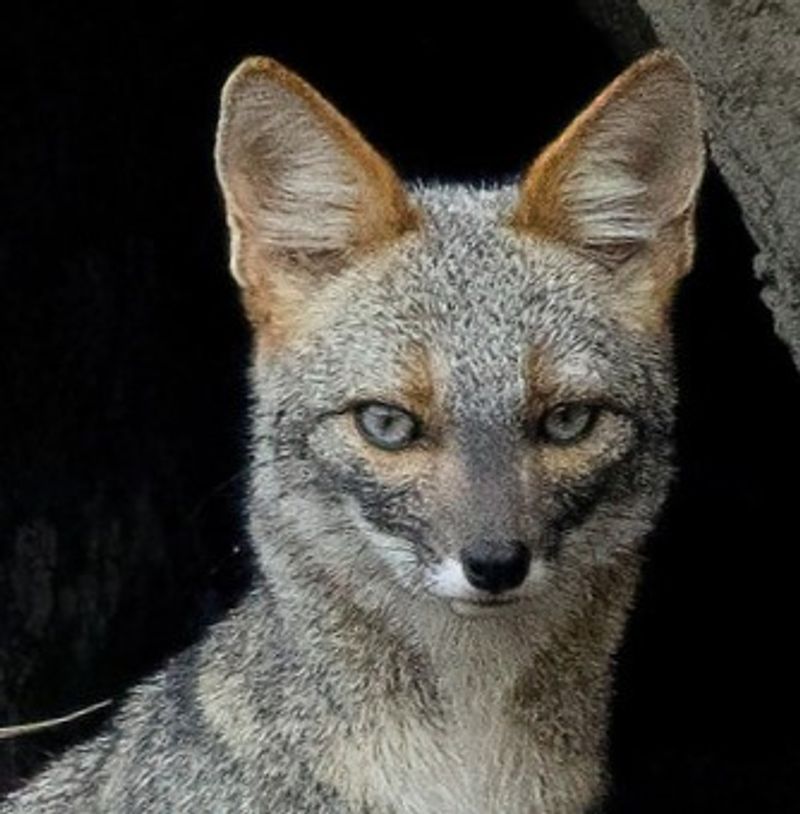
Surviving in the driest non-polar desert on Earth is not a casual achievement, and the Sechuran fox manages it with remarkable efficiency. At the southern edge of its range, this adaptable canid navigates rocky hillsides and coastal desert habitats where annual rainfall can be measured in millimeters.
The Sechuran fox is not picky about food, which is probably its greatest survival skill. It consumes small mammals, lizards, insects, bird eggs, and even cactus fruit depending on what the season offers.
Unlike many desert animals, it does not strictly avoid daytime activity, making sightings more likely for patient observers. The Atacama’s surreal landscape of salt flats, volcanoes, and stone formations creates an almost otherworldly backdrop for wildlife encounters.
Conservation status for this species is currently listed as Least Concern, though habitat pressure from mining expansion in northern Chile remains a concern worth monitoring.
3. Sechura Desert, Piura Region, Peru
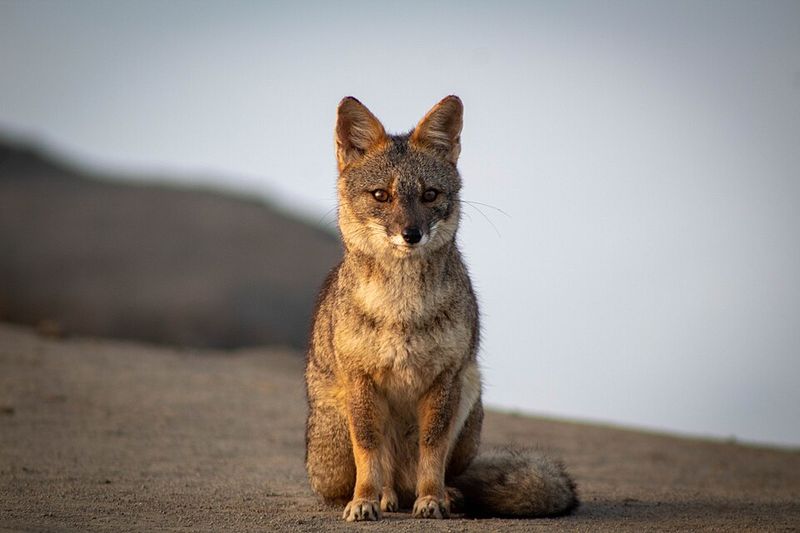
The Sechuran fox earned its name from this exact stretch of Peruvian coastline, making the Sechura Desert the spiritual homeland of one of South America’s most underappreciated predators. This fox has a lean build, large ears, and a pale grayish coat that blends neatly into the dusty landscape.
Piura’s protected natural areas, including parts of the Cerros de Amotape National Park system, provide refuges where the species continues to operate on its own terms. Researchers studying the fox in this region have documented its surprisingly wide dietary range, which includes marine invertebrates washed ashore on coastal sections.
Local communities and conservation organizations have worked to reduce persecution of the fox, which was historically targeted by farmers protecting poultry. Population surveys suggest numbers remain stable in protected zones, though unprotected areas face ongoing pressure from agricultural expansion and human settlement creeping into traditional fox territory.
4. Ethiopian Highlands, Ethiopia
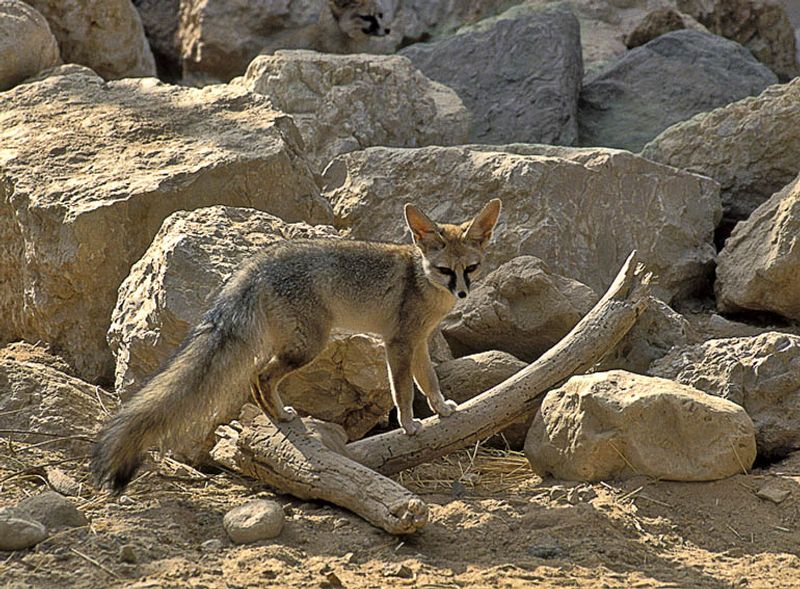
High above the African plains, the Ethiopian Highlands shelter wildlife found nowhere else on the continent. While the Ethiopian wolf grabs most of the conservation headlines in this region, Blanford’s fox quietly occupies rocky escarpments and cliff habitats at lower elevations, largely avoiding the spotlight.
Blanford’s fox is a master of vertical terrain. Its small, lightweight body and semi-retractable claws allow it to scale cliff faces and navigate ledges that would stop most other canids in their tracks.
In Ethiopia, suitable rocky habitats exist in several areas, though population data for this region remains incomplete. The fox is primarily frugivorous and insectivorous, relying heavily on figs and other wild fruits alongside invertebrates rather than hunting larger prey.
Habitat degradation from agriculture and overgrazing poses a long-term threat, and increased survey work is needed to fully understand how many individuals currently persist across Ethiopia’s highland ecosystems.
5. Arabian Desert, Oman
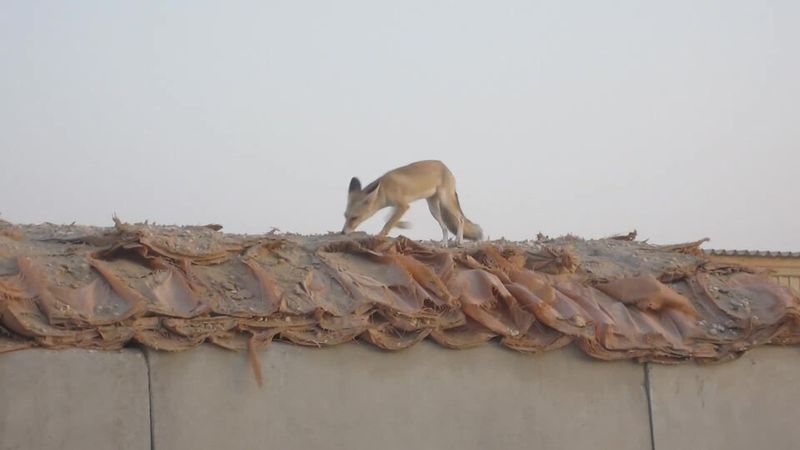
Oman deserves far more attention from wildlife enthusiasts than it typically receives. The country’s combination of mountain ranges, gravel plains, and coastal desert creates a patchwork of habitats that supports both Blanford’s fox and the slightly larger Ruppell’s fox in overlapping zones.
Ruppell’s fox is the specialist of open desert and sandy terrain, with a pale sandy coat that provides excellent cover against bare ground. Blanford’s fox, meanwhile, sticks closer to the rocky mountain areas where its climbing ability gives it a clear advantage.
Both species are largely nocturnal and rarely encountered during daylight hours, which means population surveys in Oman rely heavily on camera traps and track identification. The Arabian Peninsula’s rapid development has fragmented habitat in some coastal areas, though Oman’s relatively low population density has helped preserve large stretches of undisturbed desert.
Ongoing wildlife monitoring programs are gradually building a clearer picture of fox distribution across the country’s varied terrain.
6. Namib Desert, Namibia
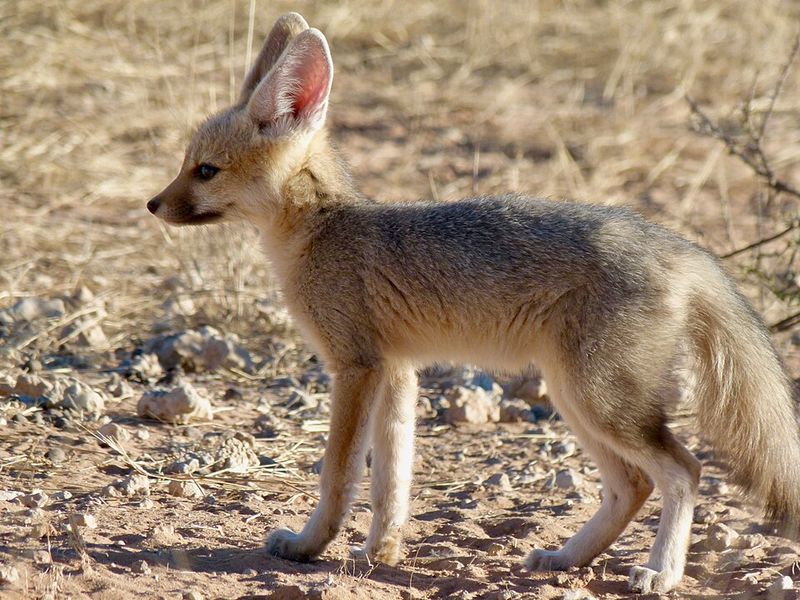
Africa’s oldest desert stretches along Namibia’s Atlantic coast in a landscape so ancient and stark that it makes most other wild places look positively crowded. The Cape fox navigates this environment with quiet efficiency, hunting rodents, insects, and small reptiles across vast open terrain.
Though the Cape fox is not classified as globally endangered, it remains one of Africa’s least-studied wild canids, and that anonymity is part of what makes encounters in Namibia feel special. It is the only true fox species native to sub-Saharan Africa, a fact that gives it an ecological significance beyond its modest size.
Namibia’s protected areas, including the Namib-Naukluft National Park and surrounding conservancies, provide substantial habitat where human interference is limited. The fox tends to use burrows dug by other animals rather than excavating its own, which speaks to a certain practical resourcefulness.
Community conservancy programs in Namibia have helped reduce historic levels of persecution, improving the outlook for Cape fox populations across the region.
7. Tibetan Plateau, Qinghai, China
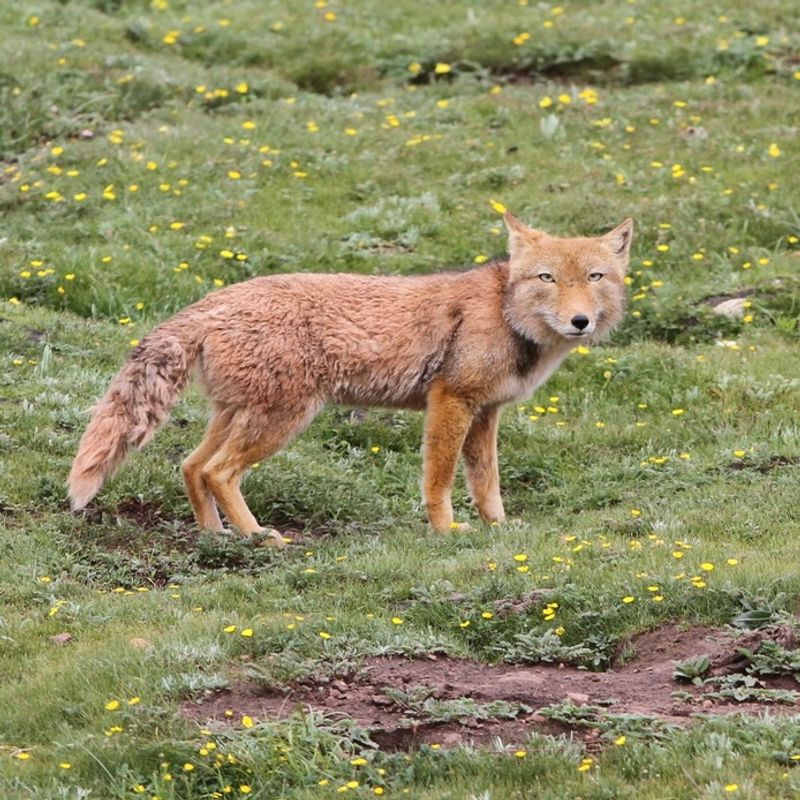
No fox on Earth has a more memorable face than the Tibetan fox, whose wide, flat, almost rectangular head gives it a permanently skeptical expression that has made it a viral sensation in wildlife photography circles. Behind that deadpan look is a highly effective predator perfectly tuned to high-altitude life.
The Tibetan Plateau in Qinghai Province sits at elevations between 4,000 and 5,000 meters above sea level, where oxygen is thin and winters are brutal. The Tibetan fox thrives here by specializing in hunting pikas, small burrowing mammals that blanket the plateau in enormous numbers.
An interesting behavioral pattern involves Tibetan foxes following brown bears, which dig up pika burrows during foraging. The fox waits nearby and snatches fleeing pikas before they can escape, a strategy that requires patience and precise timing.
The species faces pressure from pika poisoning campaigns, which reduce its primary food source, making conservation advocacy in this region especially important.
8. Ladakh, India
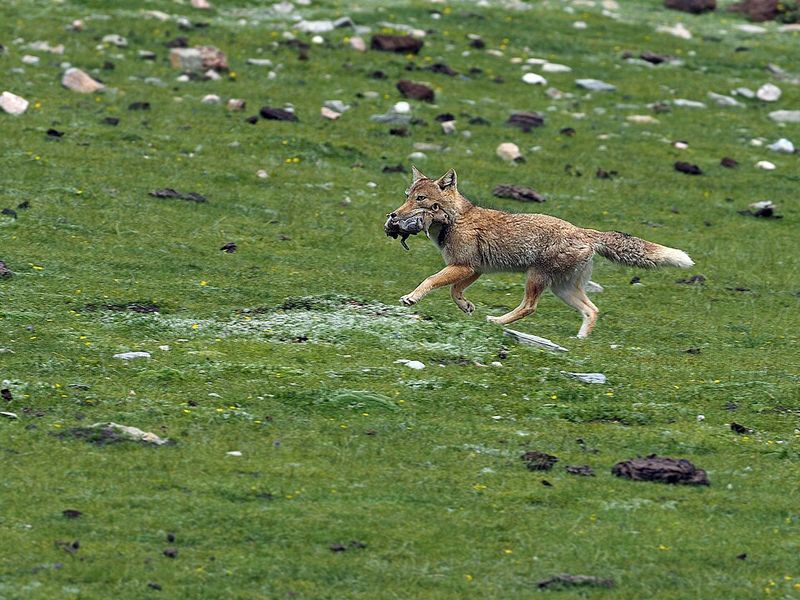
Ladakh is the kind of place that makes you reconsider your definition of remote. Perched at extreme altitude in the northernmost part of India, this cold desert landscape is one of the least densely populated regions in all of Asia, and the Tibetan fox takes full advantage of that quiet.
The same species found on the Tibetan Plateau extends its range into Ladakh’s wide valleys and barren hillsides, where pika populations provide reliable food. Spotting one requires patience and a willingness to scan seemingly empty terrain for long stretches of time.
Wildlife watchers visiting Ladakh for snow leopards or black-necked cranes sometimes encounter Tibetan foxes as an unexpected bonus. The fox’s coloring blends remarkably well with the tawny browns and grays of Ladakhi hillsides, which is why many visitors walk right past one without realizing it.
Limited agricultural development and sparse human settlement have helped preserve the habitat quality that this species depends on across the region.
9. Gobi Desert, Mongolia
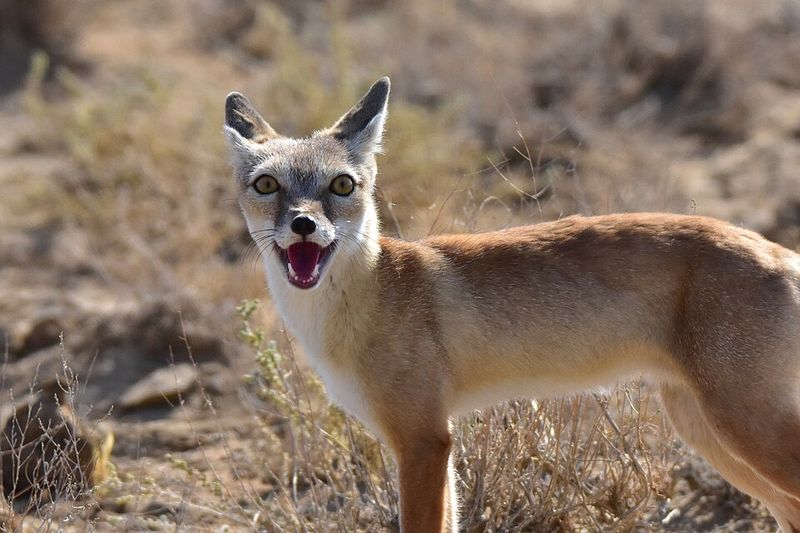
Speed matters when you live on the open steppe, and the corsac fox has built its survival strategy around exactly that. Unlike woodland foxes that rely on cover and stealth, the corsac operates in wide open country where there is nowhere to hide and quick reflexes are the primary defense against predators.
Mongolia’s grasslands and semi-desert zones bordering the Gobi support healthy corsac populations, and the country’s vast undeveloped landscape gives this fox more room to operate than almost anywhere else in its range. The corsac is notably nomadic compared to other fox species, shifting territories seasonally in response to food availability and harsh winter conditions.
One remarkable behavioral trait is its tolerance for other corsac foxes. Unlike the highly territorial red fox, corsacs have been observed sharing dens during cold periods, which suggests a degree of social flexibility unusual among canids.
Mongolia remains one of the best destinations on the planet for experiencing intact steppe ecosystems, and the corsac fox is one of its most charismatic residents.
10. Patagonian Steppe, Santa Cruz Province, Argentina
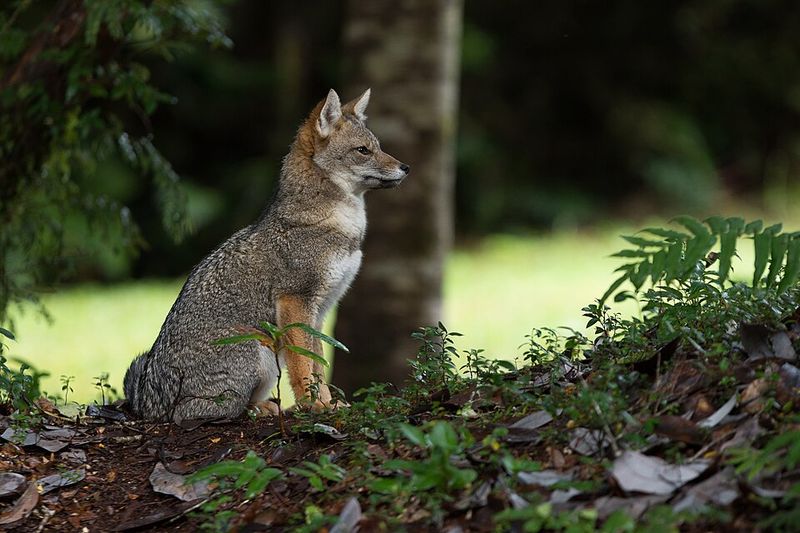
Patagonia has a way of making everything feel bigger, the sky, the wind, the silence, and somehow the wildlife encounters too. Santa Cruz Province covers an enormous stretch of southern Argentina where the South American gray fox roams across windswept grasslands alongside guanacos, rheas, and Patagonian maras.
The South American gray fox is not the rarest canid in the region, but it plays a critical ecological role as a mid-sized predator in an ecosystem that has lost many of its larger carnivores. Its presence helps regulate rodent and rabbit populations across vast areas of unprotected steppe.
Protected areas like Perito Moreno National Park provide refuges where the fox encounters minimal human pressure. Darwin noted these foxes during his famous voyage, famously describing how one allowed him to approach close enough to strike with a geological hammer, a detail that speaks to their historically low fear of humans.
Conservation efforts in Patagonia increasingly focus on reducing poisoning and trapping, which remain the primary threats to fox populations across the region.
11. Nahuelbuta National Park, Araucania Region, Chile
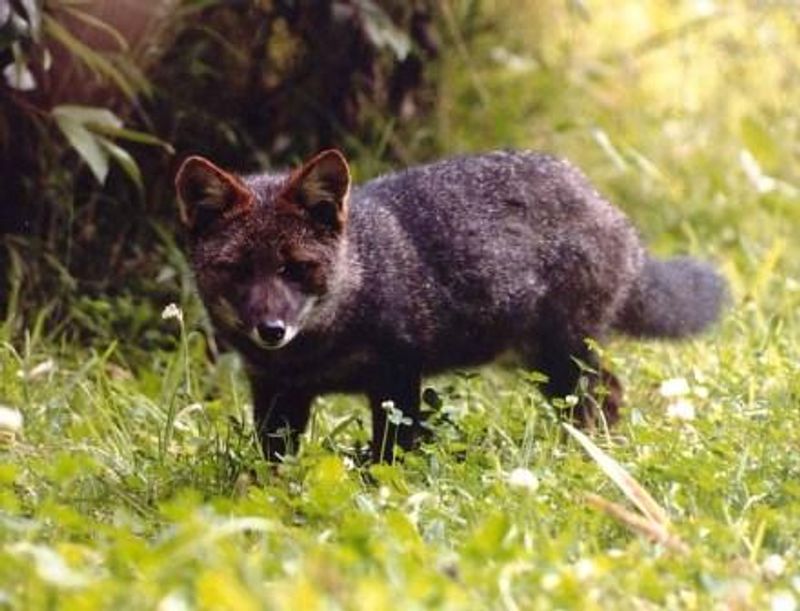
Hidden within one of Chile’s most ancient forest systems, Darwin’s fox clings to survival in a landscape that has remained largely unchanged for thousands of years. Nahuelbuta National Park protects a critical mainland population of this endangered species, separate from the better-known island population on Chiloe.
Darwin’s fox is one of the world’s rarest canids, with total population estimates ranging between 600 and 1,000 individuals across both mainland and island populations combined. That number puts it firmly in the category of species where every individual matters.
The fox in Nahuelbuta faces threats from domestic dogs, which can transmit diseases and directly attack individuals. Feral dogs entering park boundaries represent one of the most immediate and difficult challenges for conservationists working in the area.
Monitoring programs use camera traps and GPS collars to track individual foxes and assess territory sizes. The dense temperate forest makes direct observation difficult, so technology plays a central role in understanding how this population is faring.
12. Chiloe National Park, Chiloe Island, Chile
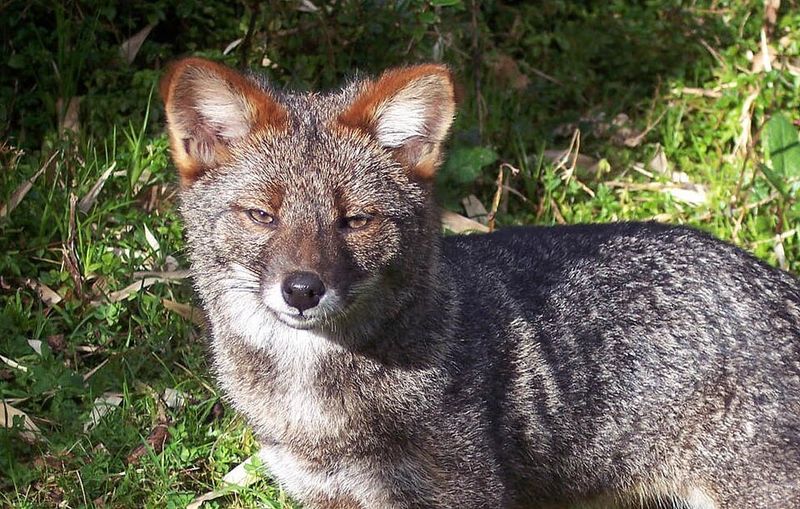
Chiloe Island has a personality all its own, a place of wooden churches, stilt houses, and forests so thick and green they seem to belong to a different hemisphere entirely. It is also the most important refuge on Earth for Darwin’s fox, a small, dark-coated predator that exists nowhere else in the world outside of southern Chile.
The island’s relative isolation and limited road development have helped preserve the dense evergreen forest that Darwin’s fox depends on. Unlike many endangered species that require vast territories, Darwin’s fox maintains relatively small home ranges within intact forest patches, which makes targeted habitat protection a practical strategy.
The species was first collected by Charles Darwin himself during the voyage of the Beagle in 1834, which gives it a historical significance that adds another layer of interest for wildlife enthusiasts. Chiloe National Park forms the core protected zone, though fox activity extends into adjacent forests and private land.
Community engagement programs encourage local landowners to maintain forest cover, recognizing that park boundaries alone cannot secure the species’ future.
13. Kyzylkum Desert, Uzbekistan
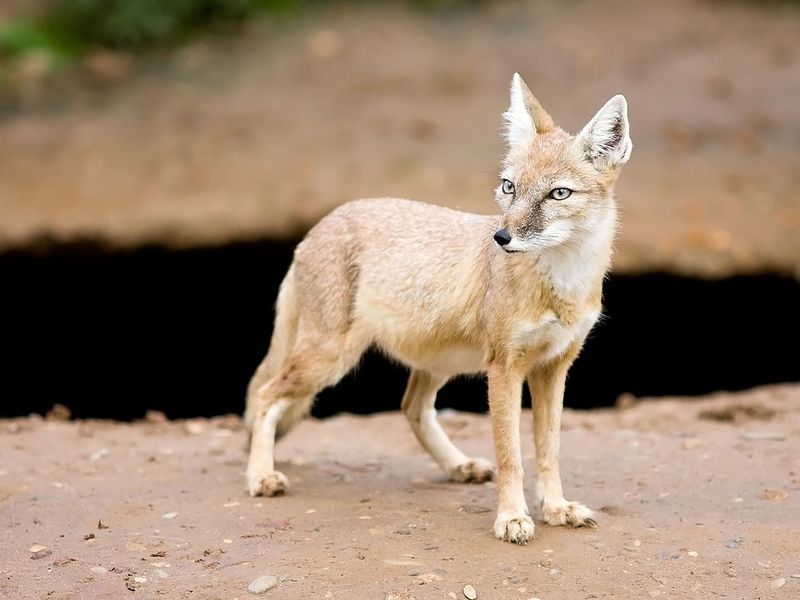
Central Asia does not appear on most wildlife travel itineraries, which is precisely why the Kyzylkum Desert remains one of the planet’s most overlooked wilderness regions. Stretching across Uzbekistan and into neighboring Kazakhstan, this vast sand and gravel desert supports a pale-coated corsac fox population that few international observers ever document.
The corsac fox here faces the full extremes of a continental climate, with summer temperatures exceeding 40 degrees Celsius and winter temperatures dropping well below freezing. Its thick winter coat and ability to go without water for extended periods make it one of the more physiologically impressive foxes in the world.
Nomadic herding has shaped the Kyzylkum landscape for centuries, and corsac foxes have generally coexisted with low-intensity pastoralism. The bigger threat comes from intensive agriculture and irrigation projects that have converted portions of the desert into farmland.
The Kyzylkum represents a genuine frontier for wildlife research, and conservationists argue that better survey data from this region is urgently needed to understand how corsac populations are holding up across Central Asia.
Share this story