Long before stainless steel tanks and high-tech labs entered the picture, humans were making wine in clay pots buried in the earth, treading grapes by foot in stone basins, and passing down cellar secrets like family heirlooms. Some of those traditions never stopped. Across more than a dozen corners of the world, winemakers are still doing things the old way, not because they have to, but because centuries of practice have proven that some methods simply work. These regions carry real, living history in every bottle, and a visit to any one of them feels less like a wine tour and more like a time machine with surprisingly good refreshments.
From volcanic islands in Greece to underground clay vessels in Georgia, each place on this list has its own story, its own technique, and its own stubborn commitment to honoring the past. Here are 13 regions where ancient winemaking traditions are still very much alive.
1. Kakheti, Telavi, Georgia
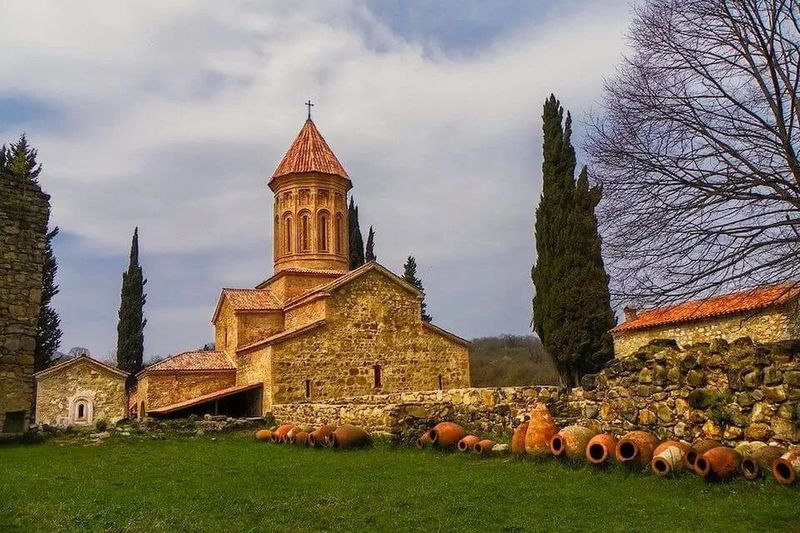
Eight thousand years ago, someone in what is now Georgia buried a clay pot in the ground, filled it with crushed grapes, and waited. That practice never really stopped.
In Kakheti, the country’s most celebrated wine region, many family wineries around Telavi still ferment and age their product in large clay vessels called qvevri, sealed with beeswax and left underground for months. The buried clay maintains stable temperatures naturally, eliminating the need for refrigeration or climate control systems.
Grapes are often crushed with skins, stems, and seeds included, then poured directly into the qvevri for natural fermentation using indigenous yeasts. UNESCO recognized this method in 2013 as Intangible Cultural Heritage of Humanity.
Indigenous grape varieties like Rkatsiteli and Saperavi thrive here. Many wineries welcome visitors for tours and tastings, offering a direct connection to one of the oldest confirmed winemaking traditions on the planet.
2. Areni, Vayots Dzor Province, Armenia
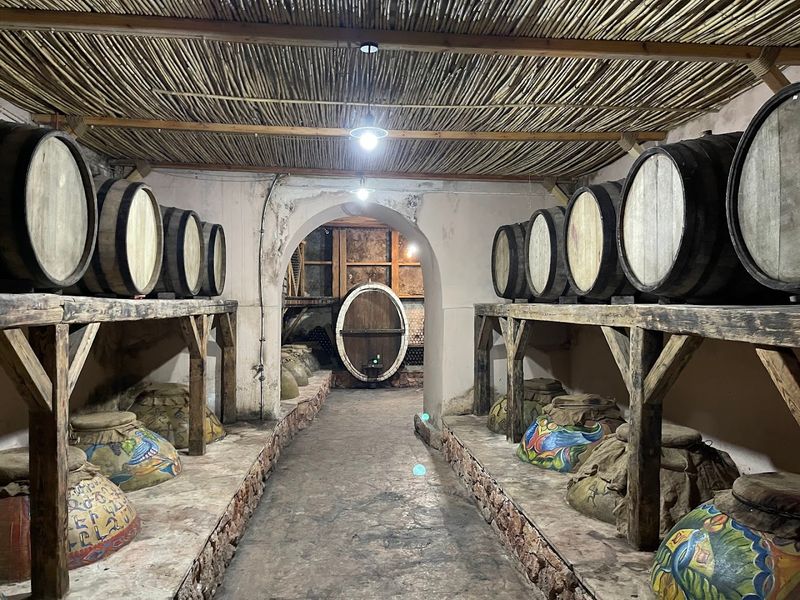
Archaeologists did not just find old bottles in Armenia. They found an entire winery inside a cave, complete with a press, fermentation vats, and storage jars dating back to around 4100 BCE, making it one of the oldest known winemaking sites ever discovered.
The village of Areni sits close to that cave and continues building on that extraordinary legacy. Local producers work almost exclusively with the indigenous Areni Noir grape, a variety tough enough to survive harsh winters and expressive enough to reflect its mountainous terroir.
Many vines in the region are ungrafted, meaning they escaped the phylloxera epidemic that devastated European vineyards in the 19th century. Traditional clay storage jars called karases, similar in function to Georgian qvevri, are still used by some producers for fermentation and aging.
The annual Areni Wine Festival draws visitors from across the world each October, celebrating this unbroken thread of history.
3. Alentejo, Vila de Frades, Portugal
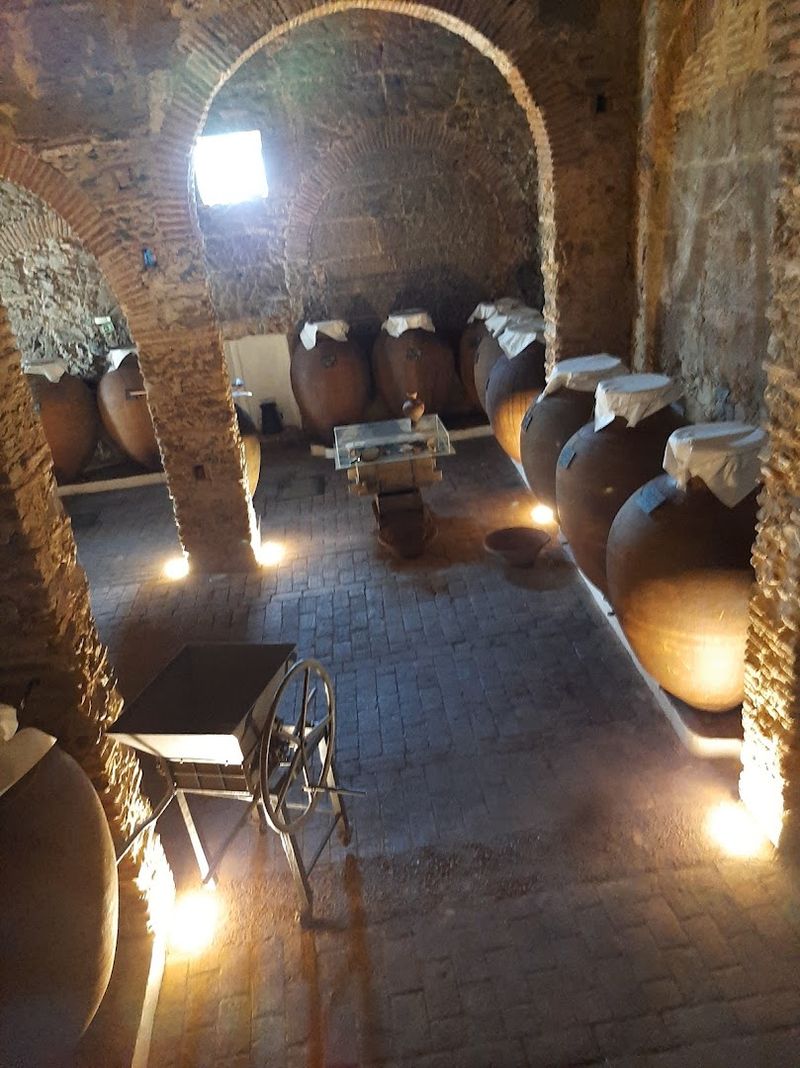
Roman soldiers stationed in the Alentejo region more than 2,000 years ago would recognize exactly what the winemakers of Vila de Frades are still doing today, and that is a genuinely remarkable thing to consider.
The village holds the unofficial title of Capital of Vinho de Talha, a style of wine made entirely inside large clay amphorae called talhas. Grapes go in whole, fermentation happens naturally with wild yeasts, and solids settle to the bottom while the liquid slowly clarifies above them. A small tap at the base of each talha allows the wine to be poured directly without filtering.
This method has been practiced continuously in the region, earning it serious consideration for UNESCO Intangible Cultural Heritage status. Every December, the Festas Baquicas brings cellar visits, tastings, and community celebration to the village.
Few places in Europe offer such an uninterrupted connection to Roman-era agricultural practice.
4. Santorini, Thira, Greece

Santorini’s vines do not grow upward. They grow in tight, low circles, coiled close to the volcanic ground like sleeping creatures, and that unusual shape is not an accident.
The traditional training method, called kouloura, was developed over centuries to protect grape clusters from the island’s fierce seasonal winds and to capture precious moisture from morning dew in a climate where rainfall is scarce. The volcanic sandy soils are naturally hostile to phylloxera, which means many vines have never been grafted and some are estimated to be over 200 years old.
Every vineyard task, from pruning to harvesting, is done entirely by hand because the traditional vine structure and rocky terrain make machinery impractical. The indigenous Assyrtiko grape dominates production, known for its sharp acidity and mineral character.
Santorini also produces Vinsanto, a traditional sweet wine made from sun-dried grapes, a practice with roots stretching back to antiquity.
5. Etna Wine Region, Castiglione di Sicilia, Sicily, Italy
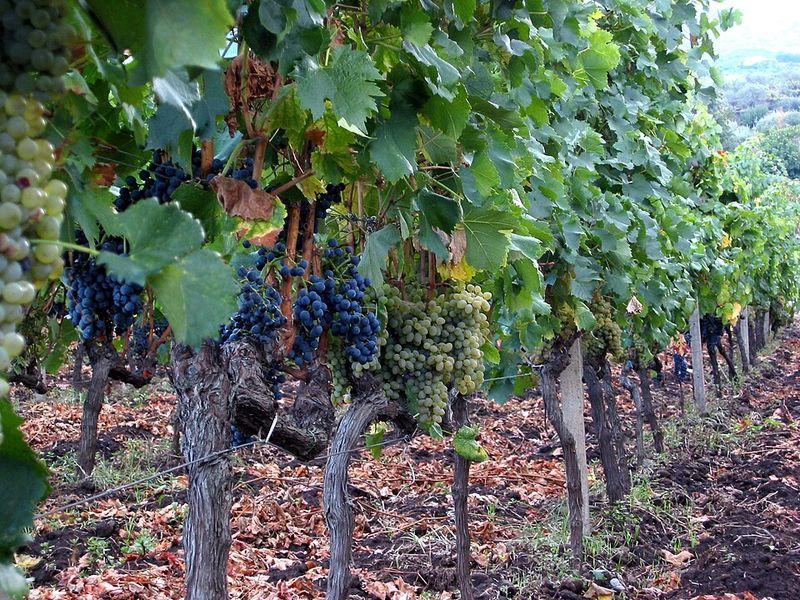
Mount Etna has been destroying and rebuilding its own vineyards for millennia, and somehow that cycle of destruction has produced one of Italy’s most fascinating wine landscapes.
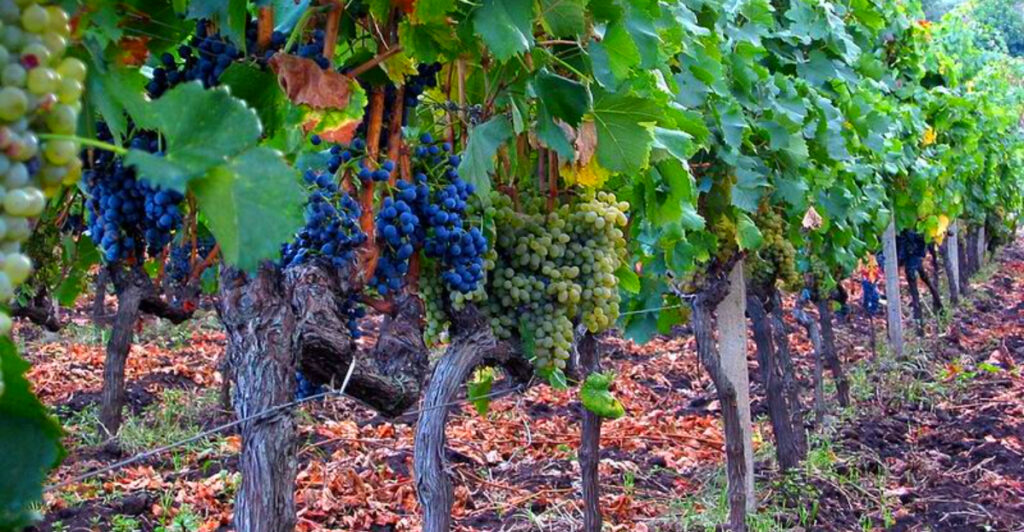
The slopes around Castiglione di Sicilia are lined with ancient lava stone terraces, all built and maintained by hand because no machine can navigate the steep, uneven ground. Bush vines trained in the traditional alberello style grow directly from mineral-rich volcanic soil, with some individual plants exceeding 100 or even 200 years of age.
The volcanic, sandy soil offers natural resistance to phylloxera, so many vines remain ungrafted, a rarity in the modern wine world. Historic palmenti, gravity-fed stone cellars carved from lava rock, were once used for foot treading and pressing, and a number of producers have restored them for active use.
Native varieties like Nerello Mascalese and Carricante are the focus here, each reflecting the extraordinary complexity of Etna’s layered geological history.
6. Douro Valley, Pinhão, Portugal
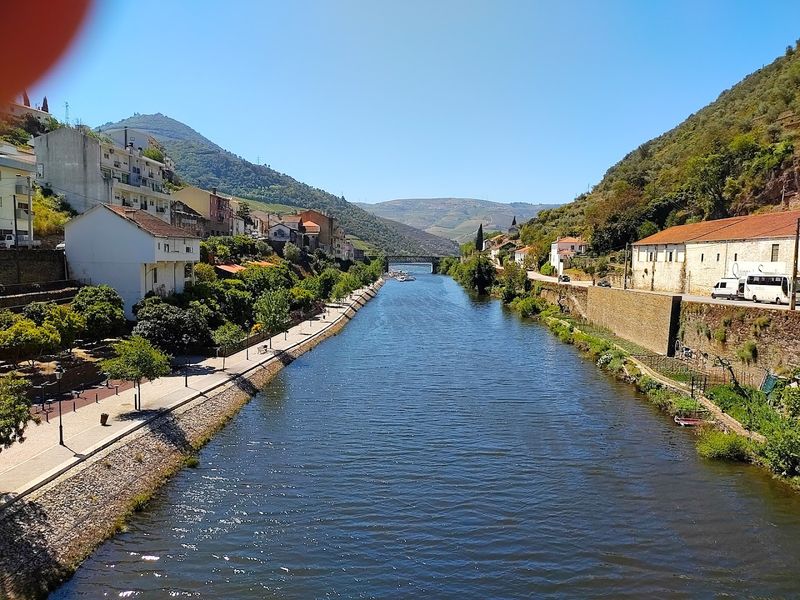
There is a reason some of the Douro Valley’s most respected estates have not switched to mechanical grape processing, and it has nothing to do with nostalgia.
Foot treading in traditional granite lagares, shallow open stone tanks, remains one of the gentlest ways to extract color and character from grape skins without crushing the seeds, which would release bitter compounds into the final product. Several historic Quintas near Pinhao still carry out this practice during harvest, typically from mid-September to mid-October.
The Douro Valley itself holds the distinction of being the world’s oldest officially demarcated wine region, a boundary established by the Marquis of Pombal in 1756. The terraced vineyards carved into steep schist and granite hillsides represent centuries of backbreaking manual labor.
Visitors to the Quintas around Pinhao can often watch the treading process firsthand and explore historic estate cellars that have been producing wine across many generations of the same families.
7. Valle d’Itria, Alberobello, Puglia, Italy
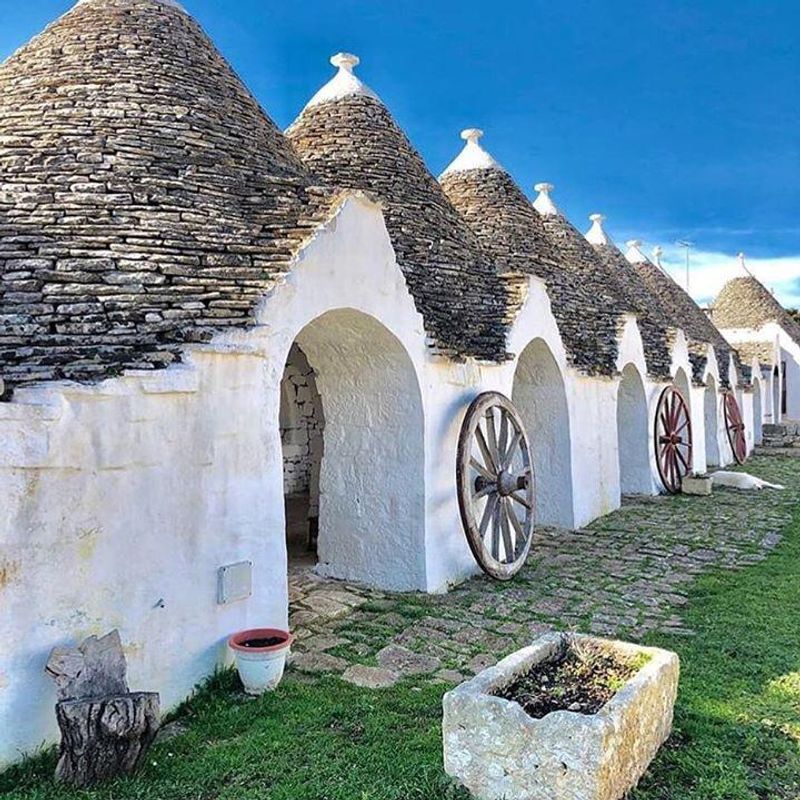
Southern Italy’s Valle d’Itria is the kind of place where the walls themselves tell the story, quite literally, since the dry stone boundaries dividing fields and vineyards here have been standing without a drop of mortar for thousands of years.
The region’s UNESCO-recognized trulli, those distinctive conical stone houses, share the landscape with centuries-old vineyards worked almost entirely by hand. The vendemmia, or harvest season, runs from late August through mid-October, and many local families still pick grapes by hand just as their grandparents did.
Indigenous varieties like Verdeca and Susumaniello had nearly disappeared before local producers committed to reviving them. Some smaller wineries have also returned to fermenting or aging in buried clay vessels called giare, a technique with roots in the ancient Messapian culture that preceded Roman settlement in the region.
The combination of UNESCO heritage, living tradition, and genuinely rare grape varieties makes this corner of Puglia worth serious attention.
8. Tokaj, Tokaj, Hungary
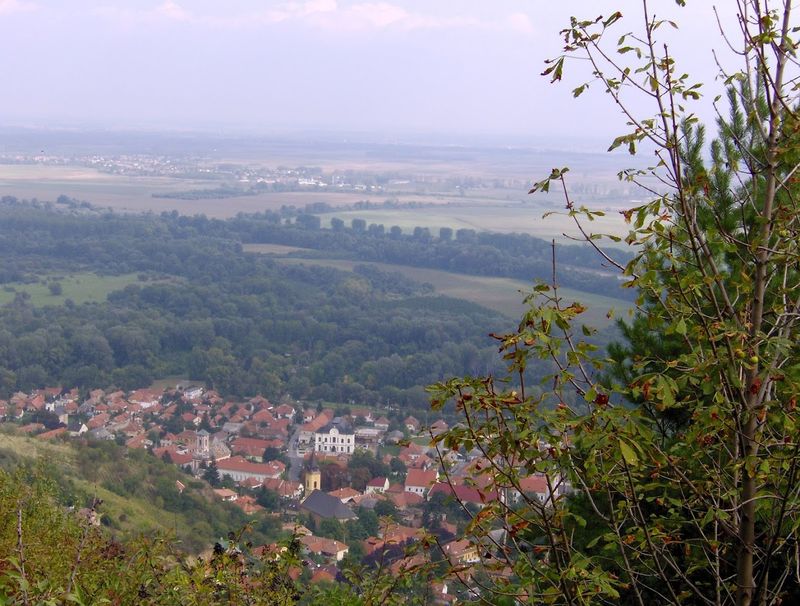
Tokaj’s winemakers have been chasing mold for over 500 years, and it turns out that was a very good idea.
The region’s famous sweet Tokaji Aszu owes its existence to Botrytis cinerea, or noble rot, a fungal condition that shrivels individual grapes and concentrates their sugars and complexity. Harvesters select each affected berry by hand, sometimes making multiple passes through the same vineyard over several weeks to catch grapes at exactly the right stage.
Aging happens in historic underground tunnels carved into volcanic tuff, some dating back to the 14th century. These cellars maintain naturally stable temperatures and high humidity, and many are coated in a unique mold called Cladosporium cellare that contributes to the wine’s slow maturation and layered character.
Traditional sweetness levels were once measured using wooden baskets called puttonyos, a system still referenced in labeling today. Tokaj was also the first wine region in the world to establish an official classification system, back in 1730.
9. Lavaux, Cully, Switzerland
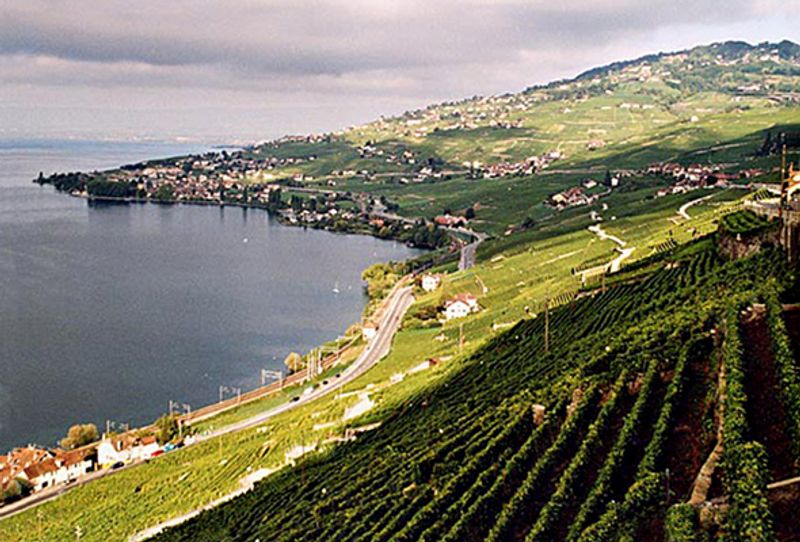
Nearly a thousand years ago, Benedictine and Cistercian monks began shaping the hillsides above Lake Geneva into one of the most labor-intensive wine landscapes in Europe, and those terraces are still producing today.
The Lavaux region, a UNESCO World Heritage Site since 2007, stretches about 30 kilometers along Lake Geneva’s northern shore between Lausanne and Chateau de Chillon. Over 450 kilometers of dry stone walls support roughly 10,000 individual vineyard terraces, all of which require hand labor to maintain and harvest because machinery simply cannot navigate the steep, narrow passages.
The region benefits from what locals call a triple sun effect: direct sunlight, reflection off the lake surface, and heat stored and released by the stone walls overnight. Chasselas is the dominant grape variety, producing light, crisp white wines that reflect the precise character of each terrace.
Family wineries like Domaine Louis Bovard in Cully have operated for generations, keeping traditional methods central to their annual production cycle.
10. Wachau Valley, Dürnstein, Austria
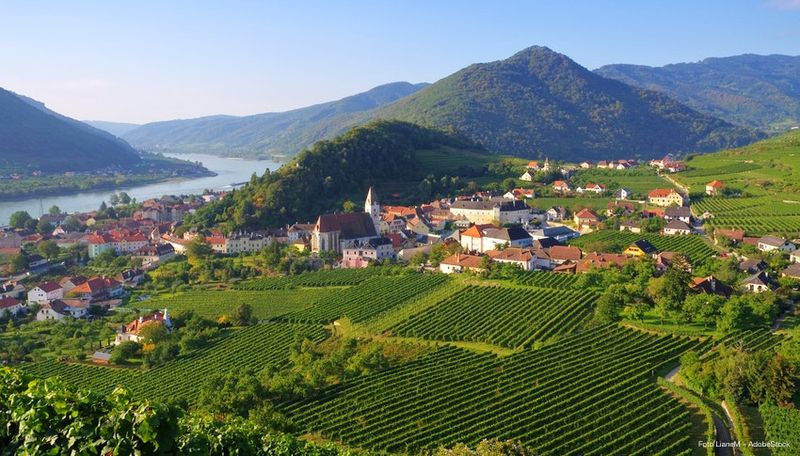
The dry stone walls of the Wachau Valley are not just decorative. Some of them have been standing since the 11th century, and every single one was built and is still maintained entirely by hand.
This UNESCO World Heritage Site along the Danube River features vineyards on slopes reaching gradients of up to 30 degrees, making mechanical equipment impractical for most tasks. The walls prevent soil erosion on those steep faces while also storing heat during the day and releasing it gradually at night, creating a microclimate that benefits both Gruner Veltliner and Riesling, the region’s two signature grape varieties.
Gruner Veltliner typically grows on lower loess-rich slopes, while Riesling is reserved for the highest and most demanding primary rock terraces. The entire harvest is done by hand every year without exception.
Historic villages like Durnstein, complete with a ruined castle overlooking the river, give the valley a character that feels genuinely unchanged from centuries past.
11. Valle de Guadalupe, Ensenada, Baja California, Mexico
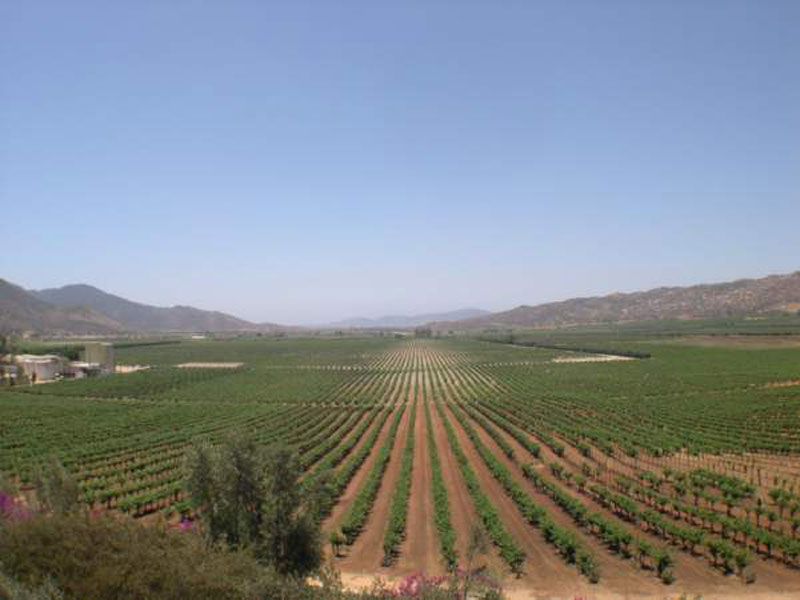
Jesuit priests planted the first vines in Baja California during the 17th century, and while the region has since built a reputation for creative, forward-thinking producers, a quieter tradition runs alongside all the buzz.
A growing number of small, family-owned wineries in Valle de Guadalupe operate with intentional simplicity: hand harvesting, natural fermentation, and small-batch production that keeps every decision personal and deliberate. Some of the oldest dry-farmed bush vines in the valley are over 50 years old, cultivated without irrigation in the dry Baja climate, which also reduces the need for pesticides.
Several producers have begun fermenting in clay amphorae, reviving a method that connects them to the very earliest winemakers in human history. Owners at these smaller estates often greet visitors personally, offering a level of direct engagement that larger commercial operations rarely provide.
The result is a wine region that holds both its Mexican identity and its ancient agricultural roots with equal pride.
12. Istria, Momjan, Croatia
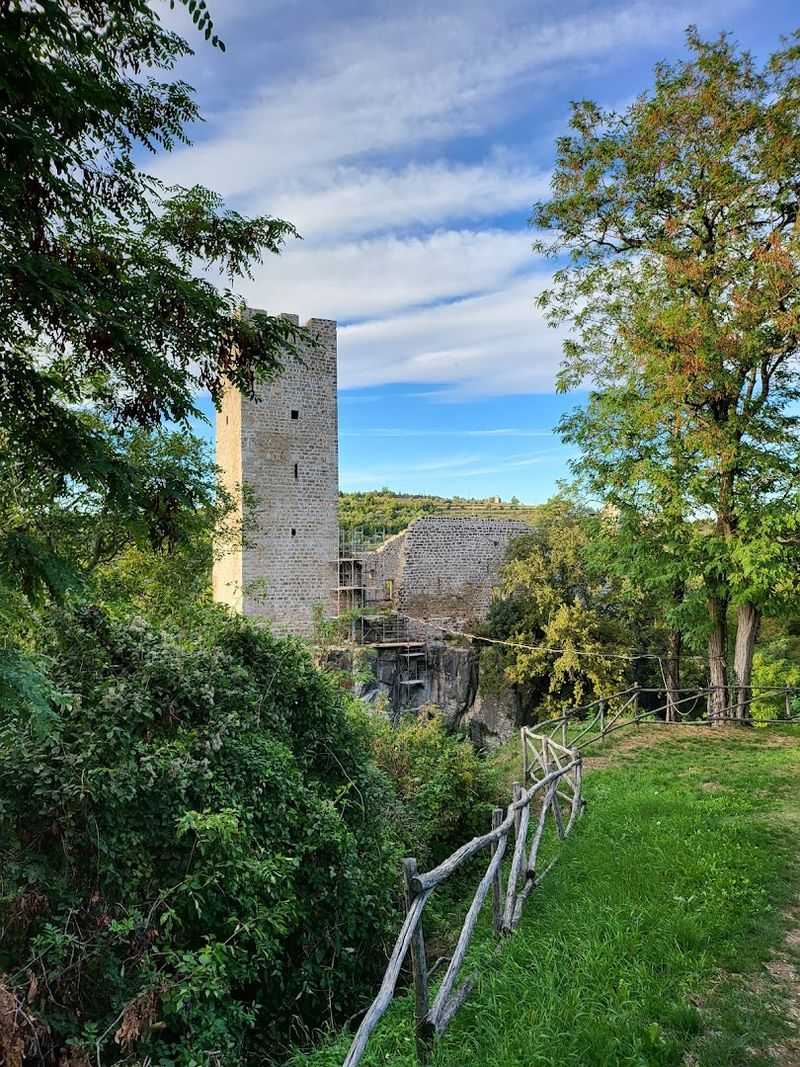
Croatia’s Istrian peninsula has been cultivating vines since the ancient Greeks and Romans passed through, and the northern village of Momjan has held onto that heritage with particular determination.
The area is best known for its indigenous Momjan Muscat, a variety with protected designation of origin status that is harvested by hand at small family estates. Malvazija Istarska and Teran, two other indigenous varieties central to Istrian identity, are also cultivated across the region using traditional practices that have remained largely consistent for generations.
Some producers, including long-established estates like Kozlovic and Kabola, have been making wine for over a century. A number of smaller wineries have adopted clay amphorae for aging, echoing methods used in this region long before modern cellar technology existed.
Medieval villages, rolling hills, and a genuine sense of unhurried rural life make Momjan and the surrounding area one of the most rewarding and underappreciated wine destinations in all of Europe.
13. Valle de Colchagua, Santa Cruz, Chile
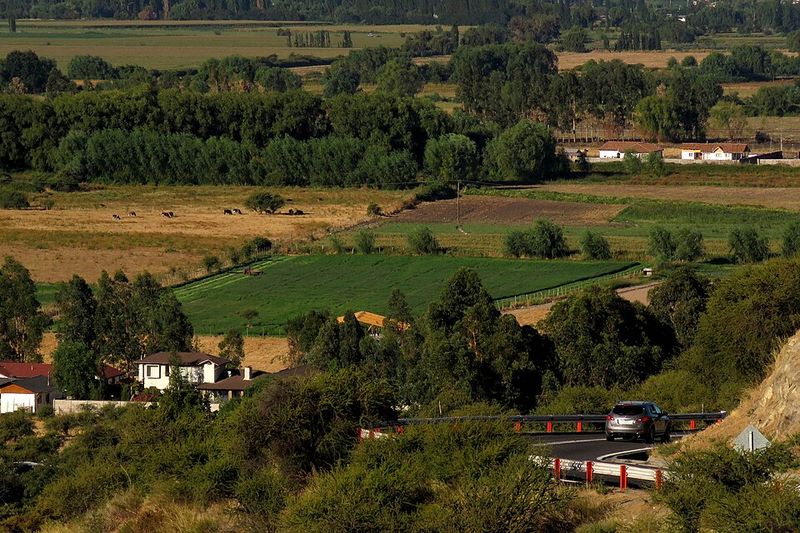
Spanish missionaries introduced the first vines to the Colchagua Valley in the 16th century, and while the region has grown into one of Chile’s most recognized wine areas, its older, quieter side is where the real history lives.
Several family-owned estates and historic haciendas, some dating back to the 18th and 19th centuries, continue operating with hand harvesting and small-scale production as their guiding principles. These producers focus on minimal intervention, allowing grapes to express their natural character rather than engineering a consistent commercial product.
Each March, grape harvest festivals invite visitors to participate directly in the picking process, maintaining a communal tradition that connects modern visitors to Chile’s earliest agricultural communities. Some smaller producers have also turned their attention to native varieties like Pais and Torontel, occasionally using amphora fermentation to honor ancestral methods.
The combination of rural landscapes, historic architecture, and a deep respect for generational craftsmanship makes Colchagua far more than just another South American wine stop.
Share this story