Food trends come and go, but some leave such a strong impression that we never quite forget them. From gelatin molds filled with vegetables to rainbow-colored bagels flooding social media, certain foods captured the imagination of entire generations.
Each era has its own culinary obsessions shaped by culture, technology, and what was simply cool at the time. Take a look back at 15 food fads that truly defined the moments they came from.
1. Jell-O Salads
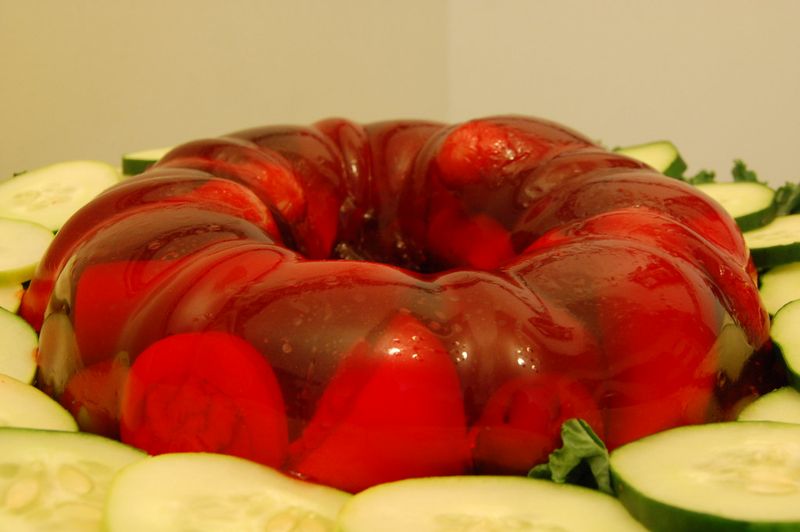
Back in the 1950s and 1960s, nothing said “impressive dinner party” quite like a wobbly, colorful Jell-O mold sitting at the center of the table. Housewives across America embraced gelatin salads as a sign of modern cooking, mixing in everything from shredded carrots to olives and canned fruit.
Gelatin was marketed heavily by brands like Kraft, which published recipe booklets filled with creative mold ideas. The trend reflected a postwar excitement about processed, convenient foods that seemed almost futuristic at the time.
Today, Jell-O salads are more of a punchline than a dinner staple, but they remain a beloved symbol of mid-century American cooking. Church potlucks and family reunions in certain regions still feature them proudly.
Love them or laugh at them, these wiggly creations genuinely defined an era of American food culture that was both optimistic and wonderfully strange.
2. Fondue
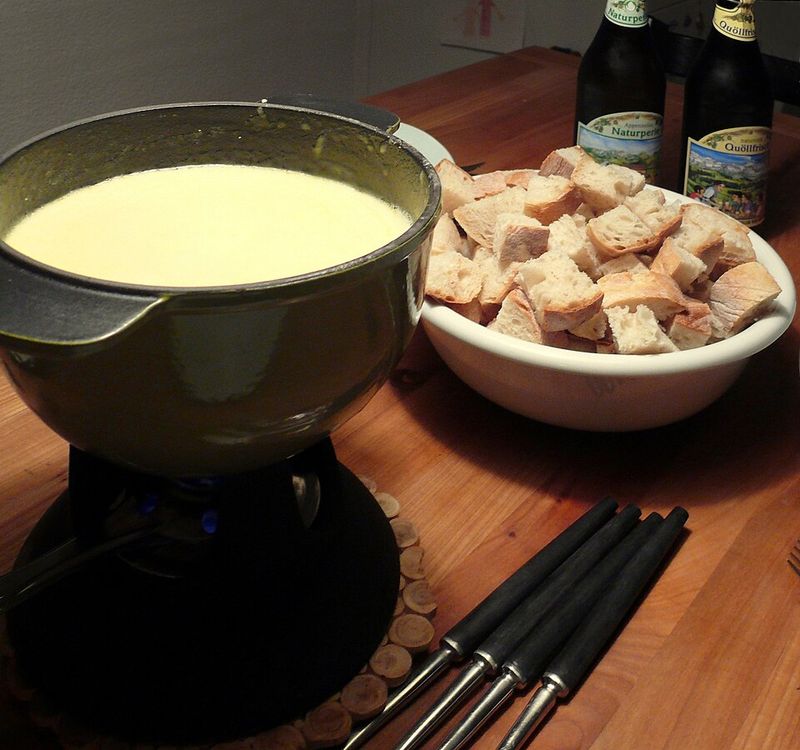
Fondue turned an ordinary dinner into an experience. In the 1970s, gathering around a bubbling pot of melted cheese or chocolate became the ultimate social activity, and fondue sets were one of the most popular wedding gifts of the decade.
The trend actually originated in Switzerland but exploded in American pop culture after the 1964 World’s Fair introduced many people to Swiss cuisine. Restaurants dedicated entirely to fondue opened across the country, and home cooks eagerly invested in ceramic pots and long forks.
Chocolate fondue became equally fashionable as a dessert option, with strawberries and marshmallows standing by for dipping. While fondue faded from mainstream menus by the 1980s, it never truly disappeared.
Specialty fondue restaurants still operate today, and the ritual of communal dipping carries a warm, nostalgic charm that newer food trends have struggled to replicate.
3. Pineapple Upside-Down Cake

Few desserts carry as much mid-century charm as the pineapple upside-down cake. This golden, caramelized creation became wildly popular in the 1950s, largely thanks to Dole’s aggressive marketing campaigns promoting canned pineapple as a modern kitchen staple.
The recipe itself is older, but canned pineapple made it accessible to everyday home cooks who could now afford a tropical ingredient year-round. Maraschino cherries nestled in the center of each ring added a pop of color that made the cake look almost too pretty to eat.
Baking this cake became a rite of passage for many American homemakers. It showed up at bake sales, holiday tables, and neighborhood gatherings throughout the decade.
Although it lost its trendy status as food fashions shifted, pineapple upside-down cake has experienced multiple revivals since. Bakers today still love it for its simplicity, buttery flavor, and undeniable retro personality.
4. TV Dinners
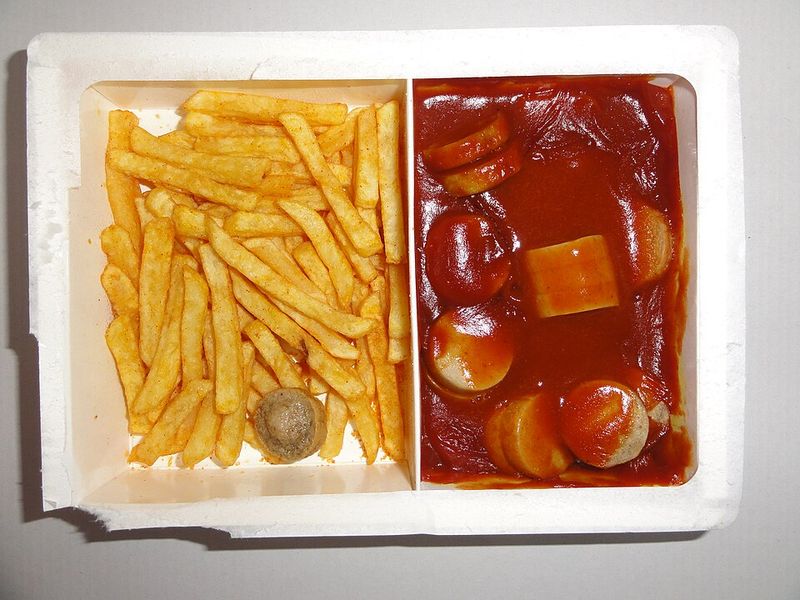
When Swanson introduced the TV dinner in 1953, it changed the way American families thought about mealtime. The idea was simple: a pre-cooked, frozen meal in a segmented aluminum tray that you could heat and eat while watching your favorite television show.
Swanson reportedly created the product to use up a massive surplus of Thanksgiving turkey, and the timing could not have been better. Television ownership was booming, and families were looking for ways to enjoy their new sets without missing a meal.
The original dinner included turkey, cornbread dressing, peas, and sweet potatoes.
TV dinners reshaped American culture by making convenience a dinner table value. They also sparked a long-running debate about family meals and screen time that continues today.
Frozen meals have evolved dramatically since then, but the original TV dinner tray remains one of the most recognized symbols of postwar American life and changing household habits.
5. Tang
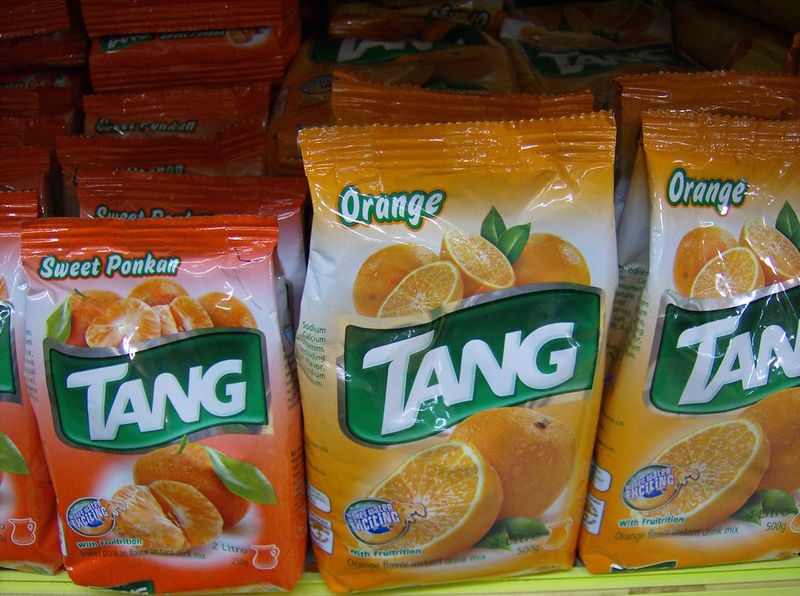
Tang did not become famous on its own. NASA gave it a massive boost when astronauts on the Friendship 7 mission in 1962 brought the powdered orange drink along for the ride, and suddenly every kid in America wanted to drink what astronauts drank.
General Foods had actually introduced Tang in 1957, but sales were modest until the space connection launched its popularity into orbit, quite literally. The bright orange powder mixed with water to create a sweet, citrusy drink that tasted nothing like real orange juice but somehow felt exciting and modern.
Tang became a lunchbox staple throughout the 1960s and 1970s, riding the wave of America’s space obsession. Its appeal has faded significantly in the United States, though it remains a popular beverage in many countries around the world.
For one generation of American kids, Tang was the closest thing to being an astronaut.
6. Quiche

Quiche had a moment in the 1970s and early 1980s that turned it from a French regional dish into a symbol of sophisticated American dining. Brunch culture was on the rise, and quiche fit perfectly into the idea of a meal that felt fancy without requiring hours in the kitchen.
Quiche Lorraine, made with eggs, cream, and bacon in a buttery pastry crust, was the most popular version. Restaurants added it to their menus, and home cooks embraced it as a dish that could impress guests without too much stress.
It became so associated with a certain upwardly mobile lifestyle that Bruce Feirstein wrote a 1982 humor book titled “Real Men Don’t Eat Quiche.”
That cultural joke actually reflected how mainstream quiche had become. While its trendy peak has passed, quiche remains a respected brunch staple.
Its creamy, savory filling and flaky crust have genuine staying power beyond any fleeting food fashion.
7. Blackened Cajun Cuisine
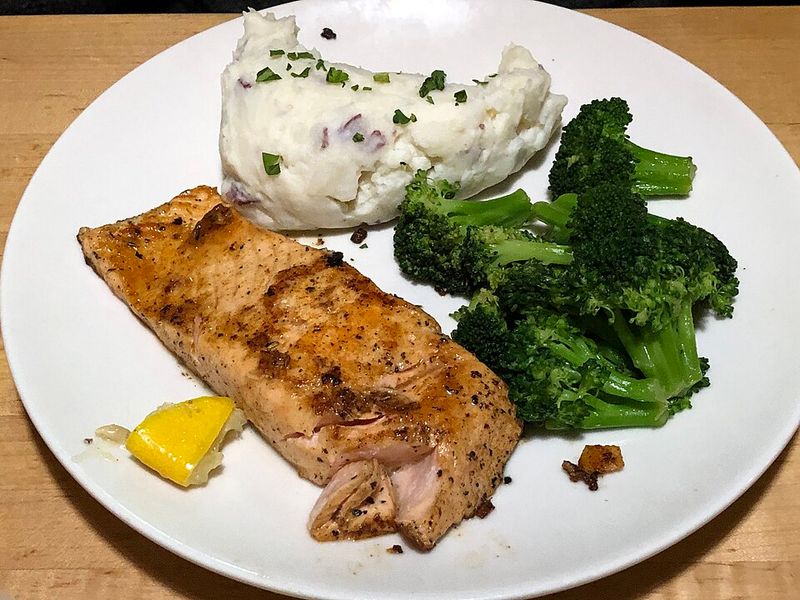
Chef Paul Prudhomme almost single-handedly sparked a national obsession with Cajun cuisine in the early 1980s. His technique of coating fish or meat in bold spices and cooking it in a screaming-hot cast iron skillet created a charred, intensely flavored crust that food lovers went wild for.
Blackened redfish became so popular after Prudhomme featured it at his New Orleans restaurant K-Paul’s Louisiana Kitchen that redfish populations in the Gulf of Mexico were briefly threatened from overfishing. The dish became a cultural phenomenon, spreading to restaurants across the country almost overnight.
Cajun seasoning blends flew off grocery store shelves, and home cooks tried to replicate that bold, smoky flavor in their own kitchens. The craze introduced many Americans to Louisiana’s rich food traditions for the first time.
Blackened dishes are still common today, but nothing matched the electric excitement of that original 1980s Cajun explosion.
8. Sun-Dried Tomatoes
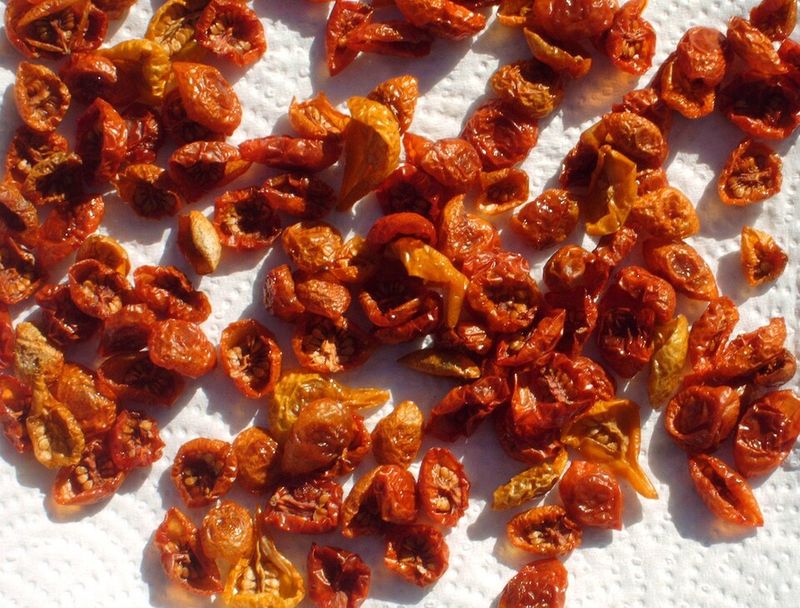
Sun-dried tomatoes were everywhere in the late 1980s and throughout the 1990s. They showed up on pasta, pizza, sandwiches, salads, and just about any dish that wanted to signal Italian sophistication.
Their intense, chewy, concentrated flavor felt exotic compared to the canned tomatoes most Americans had grown up with.
The trend was part of a broader American embrace of Mediterranean cuisine, fueled by growing interest in Italian cooking and the health benefits associated with olive oil and vegetables. Gourmet food shops sold sun-dried tomatoes packed in jars of herbed olive oil, which became a popular hostess gift.
By the early 2000s, the backlash was swift, and sun-dried tomatoes became shorthand for dated, overused ingredients. Chefs moved on to fresher preparations.
Still, these wrinkled little flavor bombs deserve some credit for opening American palates to bolder, more complex tomato flavors that eventually influenced how we cook today.
9. Frozen Yogurt
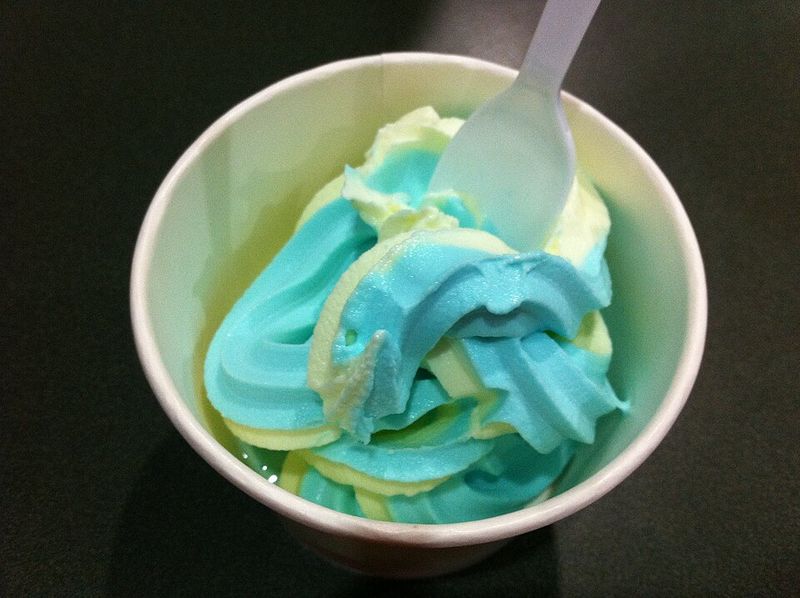
Frozen yogurt hit peak popularity in the 1980s and again in the late 2000s, convincing millions of people that they were making a healthier choice than eating ice cream. Whether that was entirely true or not almost did not matter, because the product was genuinely delicious and endlessly customizable.
The original wave was led by brands like TCBY, which opened in 1981 and expanded rapidly throughout the decade. The second wave brought self-serve froyo shops with walls of toppings, where customers paid by weight and loaded up their cups with fresh fruit, mochi, and candy.
At its peak, froyo shops seemed to appear on every corner of every shopping center. The market eventually became oversaturated, and many locations closed as quickly as they had opened.
Frozen yogurt is still widely available today, but the frenzy has cooled considerably, leaving behind a solid, enjoyable dessert without the cultural buzz it once carried.
10. Low-Fat Snack Foods

The 1990s declared war on fat, and food companies were happy to fight it on their behalf. Low-fat and fat-free versions of cookies, chips, salad dressings, and dairy products flooded supermarket shelves as Americans became convinced that cutting fat was the key to better health.
SnackWell’s cookies became the poster child for this era. People ate them by the boxful under the assumption that fat-free meant guilt-free, even as manufacturers quietly replaced fat with extra sugar to maintain flavor.
Nutritionists later pointed out that this trade-off was not necessarily a health improvement.
The low-fat craze ultimately taught consumers an important lesson about reading labels carefully and understanding what actually goes into processed foods. It also helped fuel the rise of sugar awareness that followed in the 2000s.
Looking back, the low-fat era was a well-intentioned experiment that ended up being more complicated than the simple promise on the package suggested.
11. Atkins Diet Foods
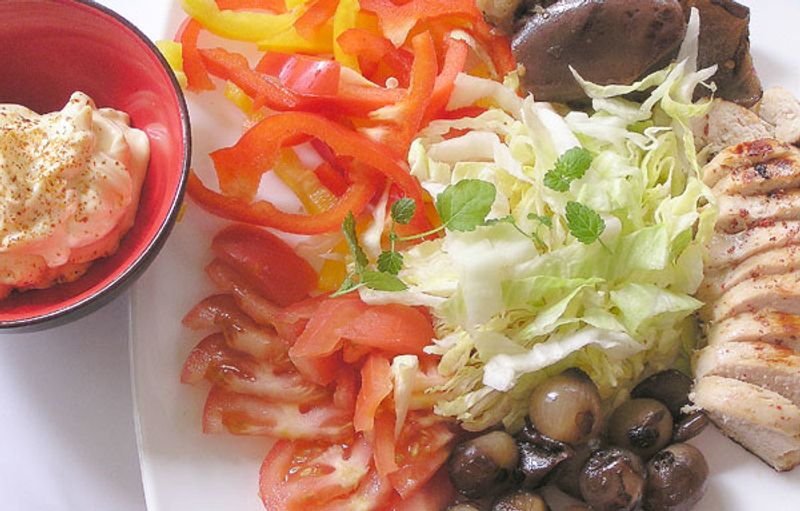
Around 2003, it felt like half the country had stopped eating bread. The Atkins Diet, originally developed by Dr. Robert Atkins in the 1970s, roared back to life in the early 2000s and turned the food industry upside down.
Suddenly, carbohydrates were the enemy, and protein was king.
Supermarkets stocked entire sections dedicated to low-carb products. Atkins-branded bars, shakes, and packaged meals competed with dozens of similar products from other brands.
Restaurants added low-carb menu options, and burger joints offered lettuce-wrapped sandwiches to accommodate the craze.
The diet’s popularity faded after Dr. Atkins died in 2003 and studies raised questions about the long-term sustainability of extreme carbohydrate restriction. However, the Atkins approach laid important groundwork for later low-carb movements like the ketogenic diet.
The food products it inspired also helped normalize the idea of functional, diet-specific packaged foods in mainstream grocery shopping.
12. Cupcakes

Cupcakes were already a beloved childhood treat, but around 2000 they transformed into something far more glamorous. Credit goes partly to a famous scene in “Sex and the City” where characters eat cupcakes from Magnolia Bakery in New York City, which sparked a nationwide pilgrimage to bakeries serving gourmet versions of the humble cake.
Suddenly, cupcakes were not just for kids’ birthday parties. Specialty cupcake shops opened across the country, offering flavors like salted caramel, red velvet, and lavender honey with architectural frosting towers that were almost too elaborate to eat.
The Food Network ran cupcake competitions, and bakeries like Sprinkles built entire businesses around the concept.
The cupcake bubble eventually burst as food media declared the trend exhausted, but the legacy is real. Cupcakes elevated the idea of individual-sized desserts and helped launch a broader artisan bakery movement that continues to thrive in cities and small towns alike.
13. Cronuts
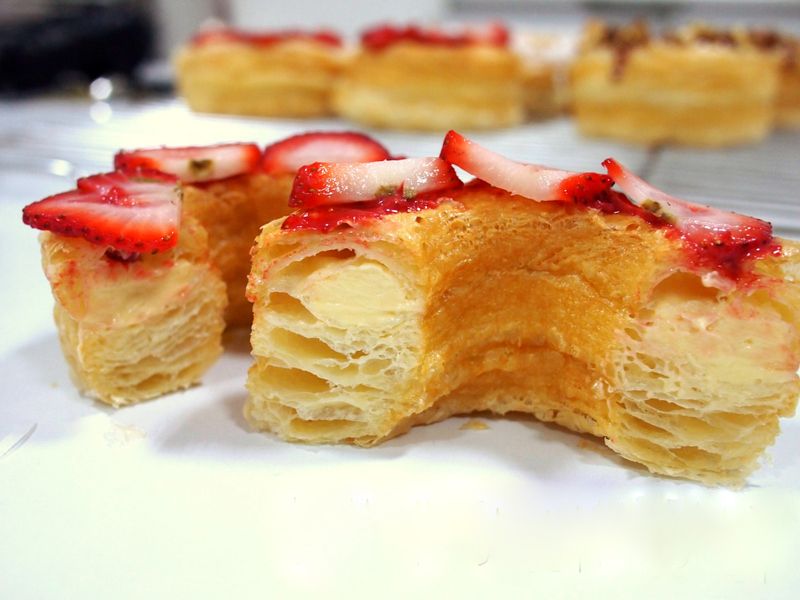
Chef Dominique Ansel introduced the cronut at his New York City bakery in May 2013, and the internet lost its mind almost immediately. The cronut is a croissant-doughnut hybrid, fried in grapeseed oil and filled with flavored cream, and it created a level of food hype rarely seen before or since.
Lines formed outside Dominique Ansel Bakery before dawn every single day. A limit of two cronuts per person was enforced.
Scalpers reportedly sold them for as much as one hundred dollars each on the street. The cronut was trademarked, and copycat versions appeared in bakeries around the world within weeks.
The cronut phenomenon marked a turning point in how food trends spread through social media. Instagram and food blogs amplified the hype faster than any magazine or television show could have.
While cronut mania has settled down, the pastry is still sold at the original bakery and remains a creative milestone in modern pastry culture.
14. Rainbow Bagels
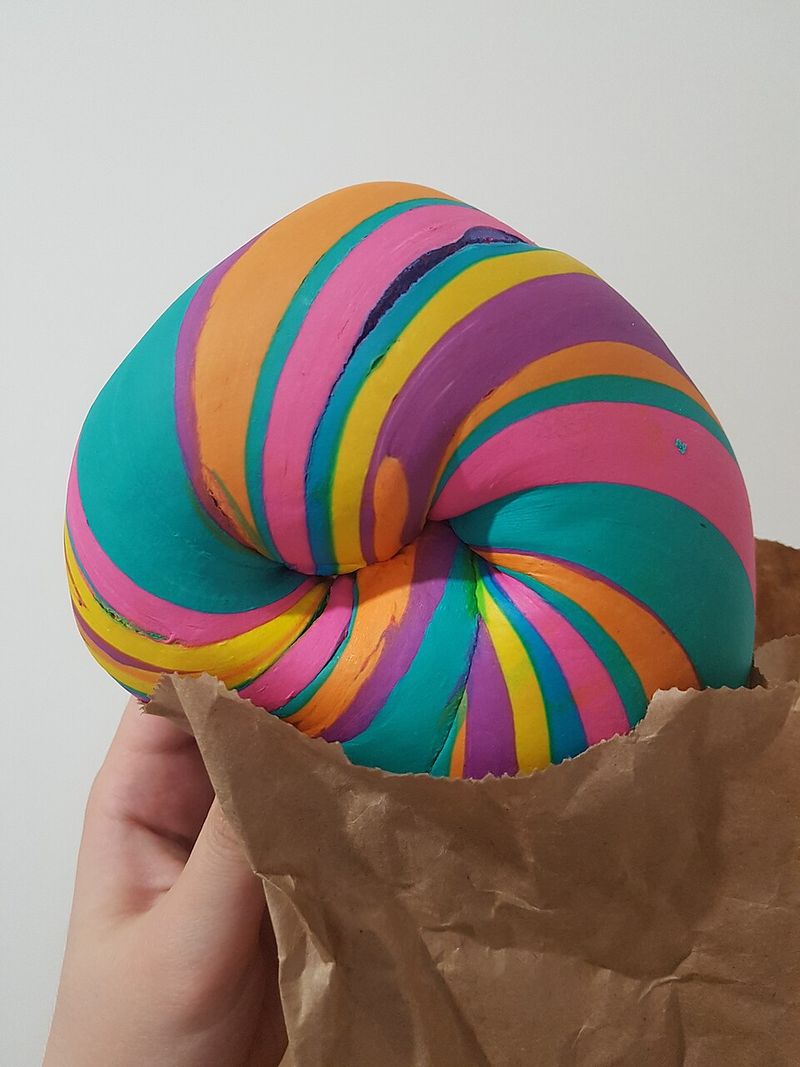
Rainbow bagels look less like breakfast and more like something from a carnival. The Bagel Store in Brooklyn, New York, created these psychedelically swirled creations, and when photos hit social media around 2016, the response was immediate and massive.
A Buzzfeed video showing the bagels being made was viewed tens of millions of times.
Lines stretched around the block in Brooklyn as people traveled specifically to photograph and eat the colorful bagels, usually paired with equally vibrant funfetti cream cheese. The appeal was almost entirely visual.
Taste-wise, reviewers noted the flavor was similar to a regular bagel, but the experience of holding one was genuinely joyful.
Rainbow bagels perfectly captured the Instagram era of food, where appearance often mattered as much as flavor. The trend inspired rainbow versions of countless other foods, from grilled cheese to cakes.
It also sparked a broader conversation about whether social media was changing what we actually want from food.
15. Avocado Toast
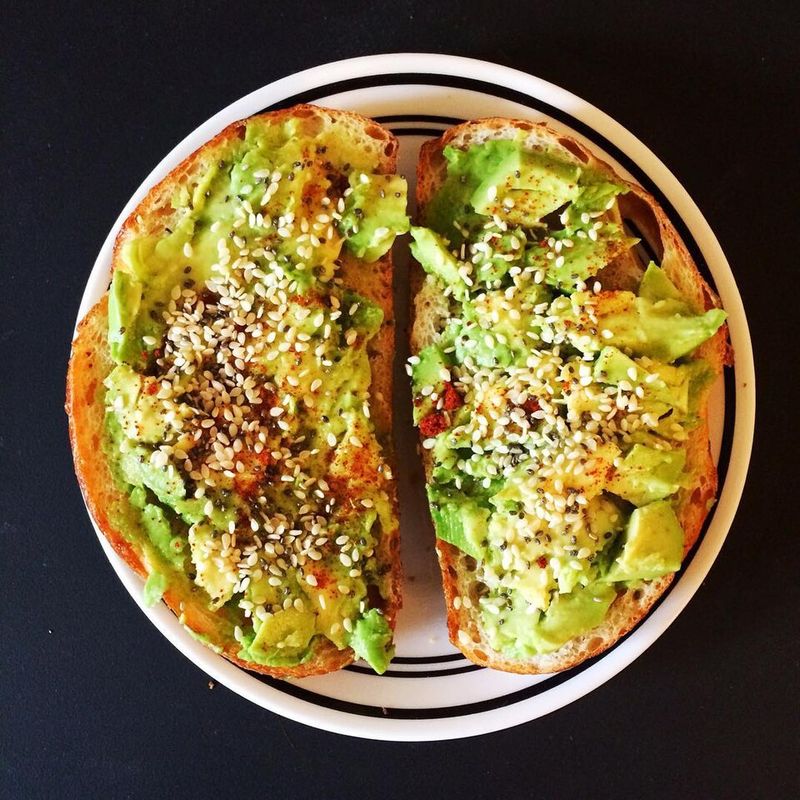
Avocado toast became the defining food of an entire generation and somehow also the center of a cultural debate. The dish itself is simple: mashed or sliced avocado spread on toasted bread, usually dressed with salt, lemon, and various toppings.
But its rise to icon status was anything but ordinary.
Australian chef Bill Granger is often credited with popularizing it on cafe menus in the 1990s, but the dish exploded globally around 2015 as health-conscious eating and photogenic food became intertwined. It appeared on seemingly every brunch menu, and its green, vibrant look made it one of the most photographed foods on Instagram.
The backlash was inevitable, including a widely shared quote suggesting millennials could afford homes if they stopped buying avocado toast. That comment only amplified the cultural conversation around the dish.
Today, avocado toast is no longer a novelty but a genuine menu staple, proving some food fads actually earn a permanent spot at the table.
Share this story