 Unearth The Voyage
The 1970s brought some of the most unforgettable moments in television history, and people everywhere gathered around their TV sets to watch, discuss, and debate them. From shocking deaths to groundbreaking premieres, these moments changed how we thought about entertainment and even sparked real-world conversations.
Whether you remember watching them live or heard about them from family and friends, these iconic TV moments from the ’70s left a lasting mark on pop culture that we still talk about today.
1. Who Shot J.R.? (Dallas, 1979)
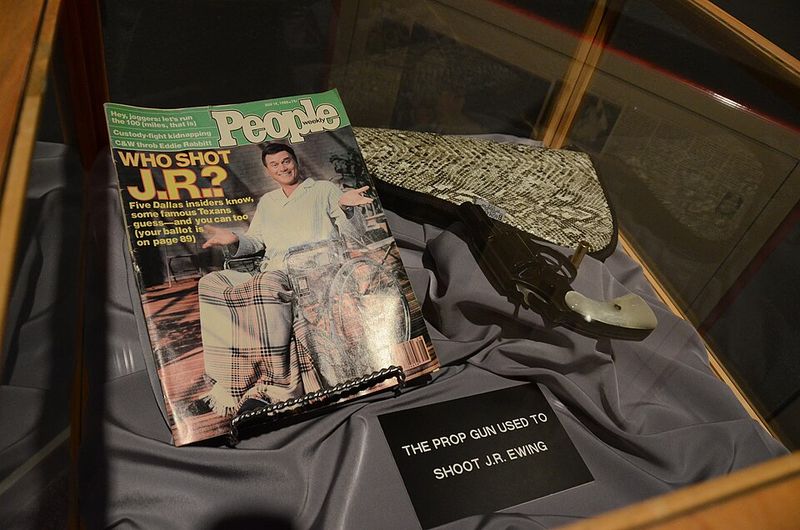
Back in March 1979, millions of viewers watched in shock as the villainous J.R. Ewing got shot on Dallas.
Nobody knew who pulled the trigger, and that mystery turned into the biggest cliffhanger television had ever seen. People spent months guessing, arguing, and placing bets on who the shooter might be.
The answer wouldn’t come until November 1980, but the shooting itself happened in the 1979 season finale. This moment changed how TV shows used cliffhangers forever.
Networks realized they could keep audiences hooked for months between seasons.
The episode that revealed the shooter became the second most-watched TV episode in American history at the time. Over 83 million people tuned in to finally learn the truth.
Even people who didn’t normally watch Dallas got caught up in the excitement.
J.R. Ewing, played by Larry Hagman, became a cultural icon because of this moment.
His scheming ways made him the perfect character for a mystery like this. The phrase “Who shot J.R.?” appeared on t-shirts, bumper stickers, and in everyday conversation.
This single scene proved that TV could create national events that brought everyone together. Water cooler conversations at work centered around theories and suspects.
Television had never felt quite so powerful before this moment.
2. The Final Episode of M*A*S*H’s Henry Blake Era (1975)
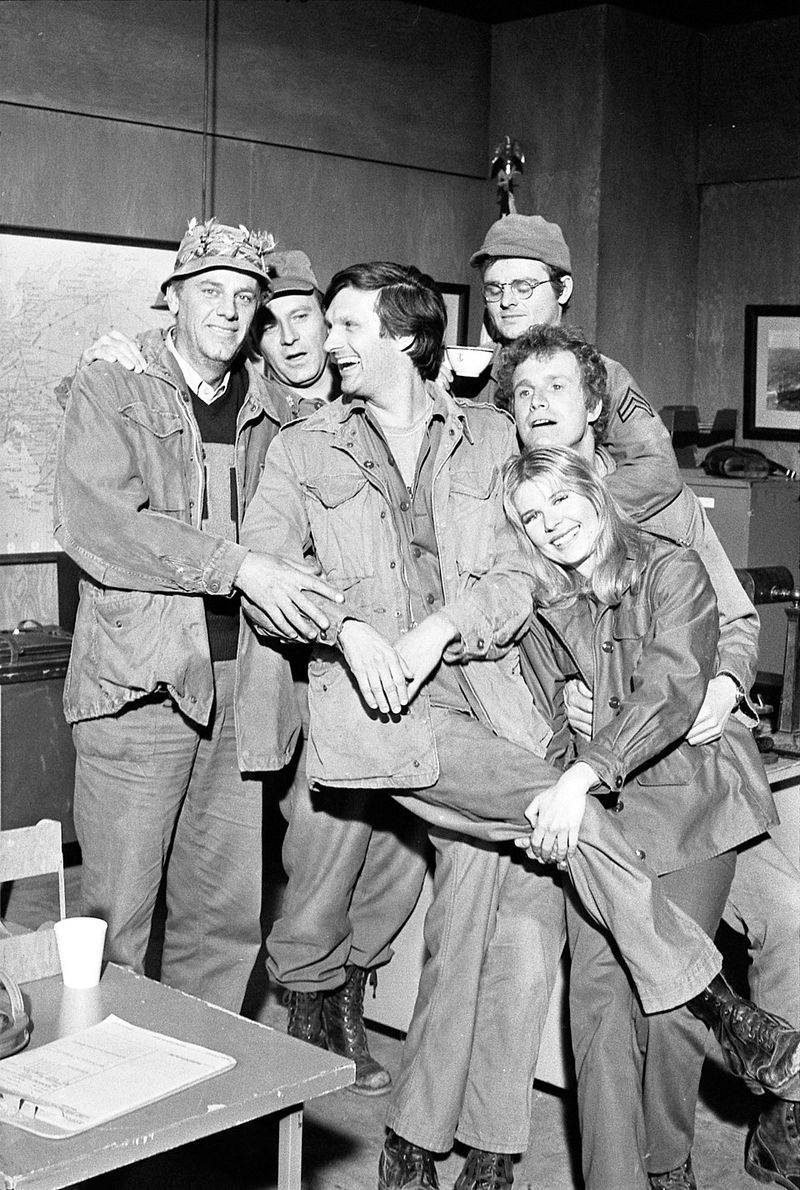
Comedy shows were supposed to be safe, predictable, and comforting. Then M*A*S*H changed everything on March 18, 1975, when Lt.
Col. Henry Blake’s character suddenly died.
Viewers expected him to simply leave the 4077th and go home to his family in Illinois.
Instead, Radar O’Reilly walked into the operating room and announced that Blake’s plane had been shot down over the Sea of Japan. There were no survivors.
The stunned silence from the characters matched what audiences felt at home.
The show’s creators kept this twist secret from almost everyone, including most of the cast. They wanted genuine reactions, and that’s exactly what they got.
The tears and shock you see on screen were real emotions from actors who had just learned their friend was written off.
This bold storytelling choice sparked huge debates about whether sitcoms should tackle such heavy topics. Some viewers were angry and felt betrayed.
Others praised the show for treating war with the seriousness it deserved.
The episode became one of the most talked-about moments in television history. It proved that even comedies could deliver powerful, emotional punches.
M*A*S*H never shied away from showing war’s true cost after that.
3. Fonzie Jumps the Shark (Happy Days, 1977)
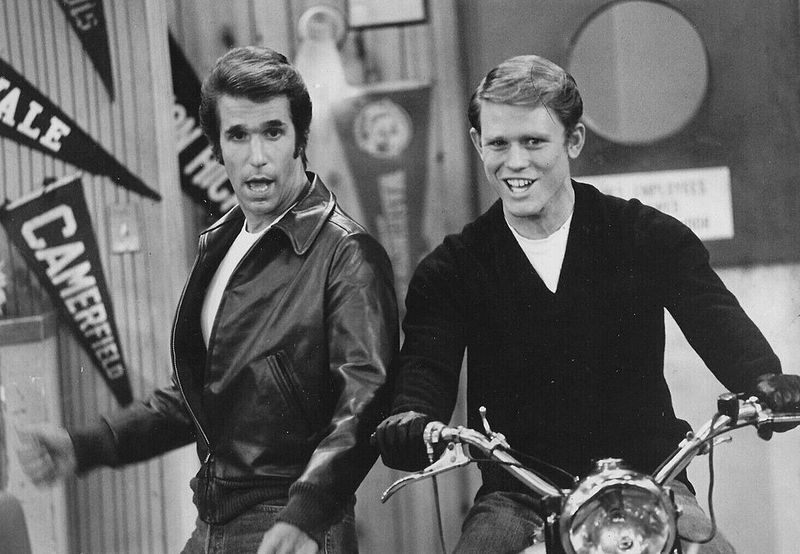
September 20, 1977, gave us more than just another Happy Days episode. It gave us a phrase that would describe declining TV shows forever.
In “Hollywood: Part 3,” Fonzie literally jumped over a shark while water skiing in his leather jacket.
The scene was meant to show how cool and fearless the Fonz was. Instead, many fans saw it as the moment when Happy Days stopped being about nostalgic 1950s life and became too silly.
The show was trying too hard to top itself with outrageous stunts.
Years later, writer Jon Hein used this exact moment to coin the term “jumping the shark.” It describes the point when a TV show runs out of good ideas and does something desperate for attention. Now people use this phrase for any show that’s past its prime.
At the time, though, kids thought the scene was awesome. The episode got great ratings, and nobody knew it would become infamous.
Happy Days continued for another seven seasons after this moment.
The irony is that this phrase became more famous than the actual episode. Fonzie remained a beloved character despite the shark jump.
Henry Winkler’s portrayal of the cool greaser left a lasting impact on television history, leather jacket and all.
4. Roots Changes Television Forever (1977)
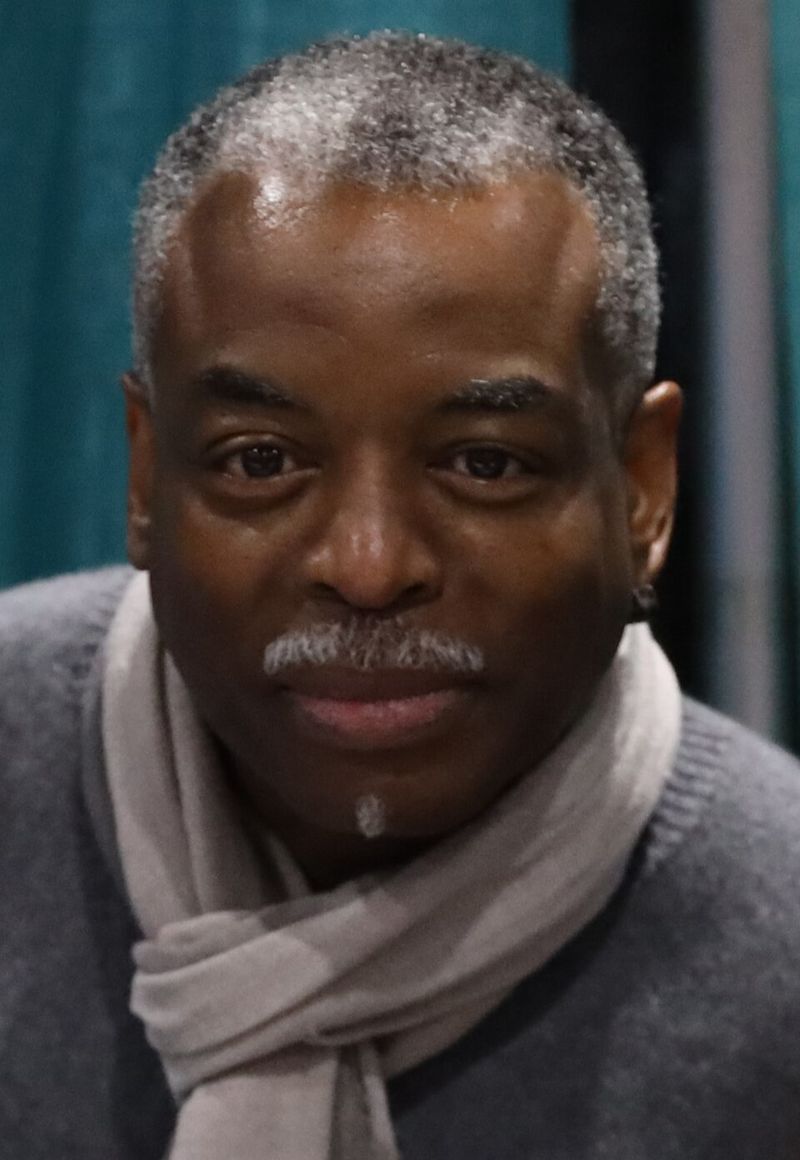
Nothing prepared America for Roots when it premiered in January 1977. This eight-night miniseries told the story of Kunta Kinte and his descendants, from slavery through freedom.
Over 130 million people watched at least part of it, making it a genuine cultural phenomenon.
The final episode drew more than 100 million viewers, making it the most-watched single TV episode up to that point. Families watched together, often in stunned silence.
Schools changed their schedules so students wouldn’t miss episodes.
Author Alex Haley’s story brought the brutal reality of slavery into American living rooms in a way history books never could. The miniseries didn’t soften the violence or the dehumanization.
It forced uncomfortable but necessary conversations about race and American history.
LeVar Burton’s portrayal of young Kunta Kinte became iconic, especially the scenes where he refused to accept his slave name. His defiant cry of “My name is Toby!” echoed in viewers’ minds long after the credits rolled.
The entire cast delivered powerful performances that felt deeply personal.
Roots proved that television could educate while entertaining. It won nine Emmy Awards and a Peabody Award.
More importantly, it changed what stories networks were willing to tell and what audiences were ready to watch.
5. Mary Richards Throws Her Hat (The Mary Tyler Moore Show, 1970)
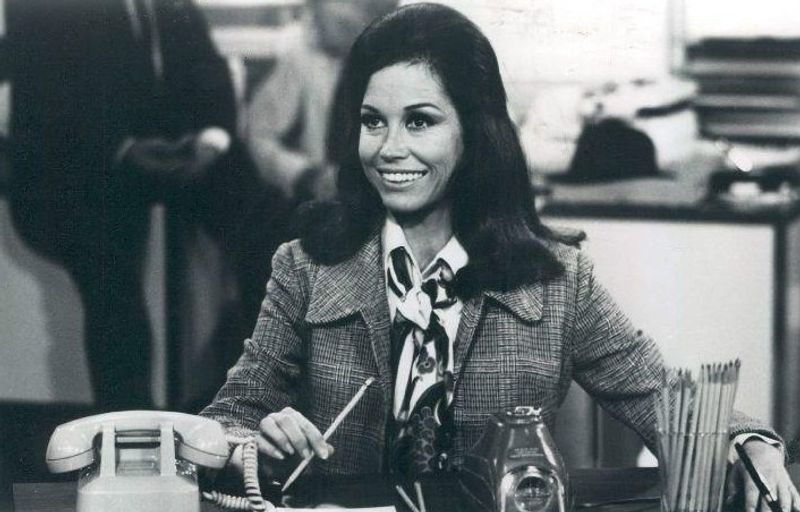
One simple gesture captured an entire movement. When Mary Tyler Moore tossed her hat in the air during the opening credits, she wasn’t just celebrating a nice day in Minneapolis.
She was celebrating independence, possibility, and a new kind of woman on television.
The opening sequence debuted on September 19, 1970, and immediately became iconic. Mary’s joyful spin and hat toss represented single women everywhere who were making their own way in the world.
She wasn’t waiting for a husband to complete her story.
The Mary Tyler Moore Show broke ground by focusing on a never-married career woman in her thirties. Mary Richards worked in a newsroom, had her own apartment, and built a chosen family with her coworkers.
This was revolutionary for 1970s television.
That hat toss became so famous that a statue now stands in downtown Minneapolis recreating the moment. Tourists visit it regularly to take photos and toss their own hats.
The spot where they filmed the opening became a pilgrimage site for fans.
Mary Tyler Moore’s portrayal gave women a new kind of role model. She was kind but not a pushover, professional but not cold, single but not desperate.
The show ran for seven seasons and won 29 Emmy Awards, proving audiences were hungry for these stories.
6. Archie Bunker Says What Others Wouldn’t (All in the Family, 1971)
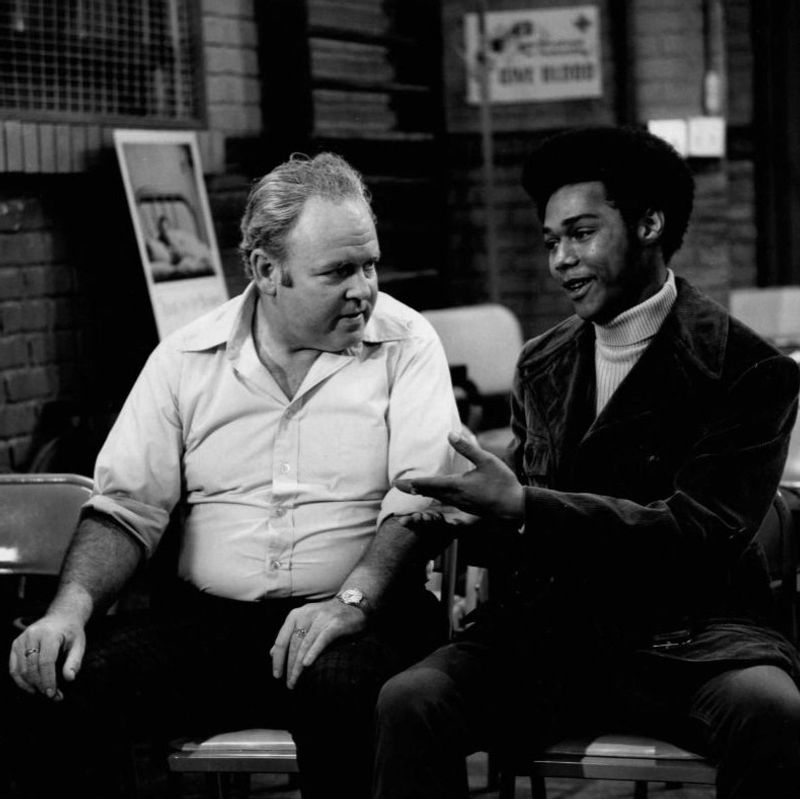
All in the Family premiered on January 12, 1971, and immediately made people uncomfortable. Archie Bunker, played brilliantly by Carroll O’Connor, said racist, sexist, and ignorant things that most TV characters would never dare utter.
The show’s genius was using Archie’s bigotry to expose and challenge those exact attitudes.
Norman Lear created the show to spark conversations about race, politics, religion, and class. Every episode felt like it was ripping topics from newspaper headlines.
Families watching at home found themselves debating the issues Archie and his family argued about.
The show didn’t shy away from controversial subjects. It tackled everything from the Vietnam War to women’s liberation to LGBTQ rights.
Some viewers loved seeing their own prejudices reflected back at them, while others recognized Archie as someone who needed to change.
Archie’s liberal son-in-law Mike, called “Meathead,” provided the counterpoint to Archie’s outdated views. Their arguments formed the heart of the show.
Wife Edith and daughter Gloria tried to keep peace while navigating their own growth.
All in the Family became the number one show on television for five straight years. It won four Emmy Awards for Outstanding Comedy Series.
More importantly, it proved TV could address serious social issues while still making people laugh and think.
7. The Carol Burnett Ear Tug (The Carol Burnett Show, 1970s)
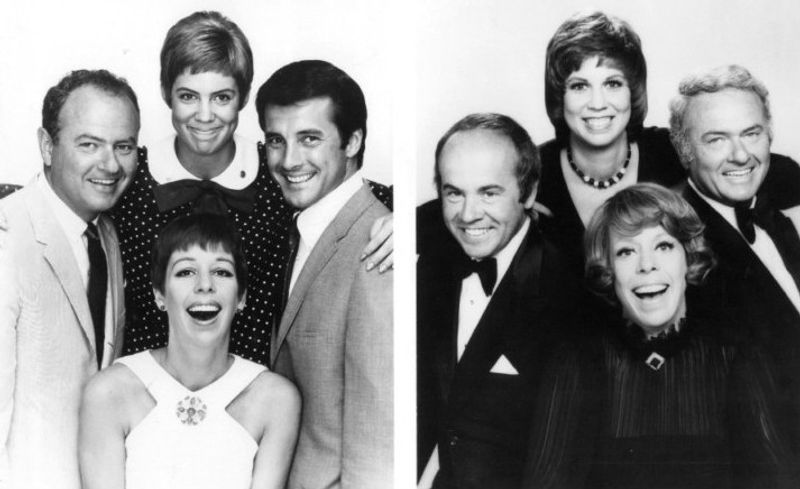
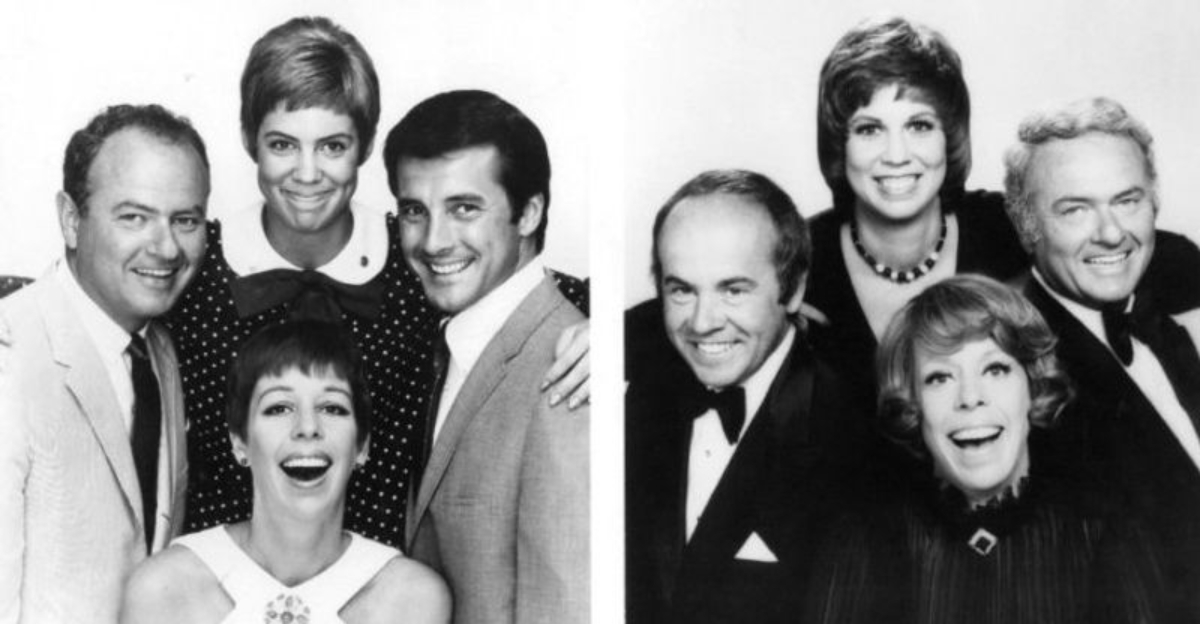
Every episode of The Carol Burnett Show ended the same special way. Carol would tug on her left ear while saying goodbye to the audience.
This simple gesture became one of television’s most beloved traditions, and it carried a touching personal meaning.
Carol started the ear tug as a silent message to her grandmother, who had raised her. It meant “I’m okay, and I love you.” Her grandmother could watch the show and know Carol was thinking of her.
What began as a private family signal became something millions of viewers looked forward to.
The ear tug represented everything warm and genuine about Carol Burnett. She never tried to be distant or untouchable.
Instead, she brought audiences into her world and made them feel like family too.
The Carol Burnett Show ran from 1967 to 1978 and became one of the most successful variety shows in television history. Carol’s comedy sketches, especially her parodies and character work, had viewers laughing every week.
But that ear tug at the end always brought a smile.
Fans still associate that gesture with Carol Burnett decades later. It shows how the smallest, most personal moments can resonate with millions of people.
Carol proved you didn’t need elaborate stunts to create memorable television, just authenticity and heart.
8. Johnny Carson’s Toilet Paper Joke (The Tonight Show, 1973)
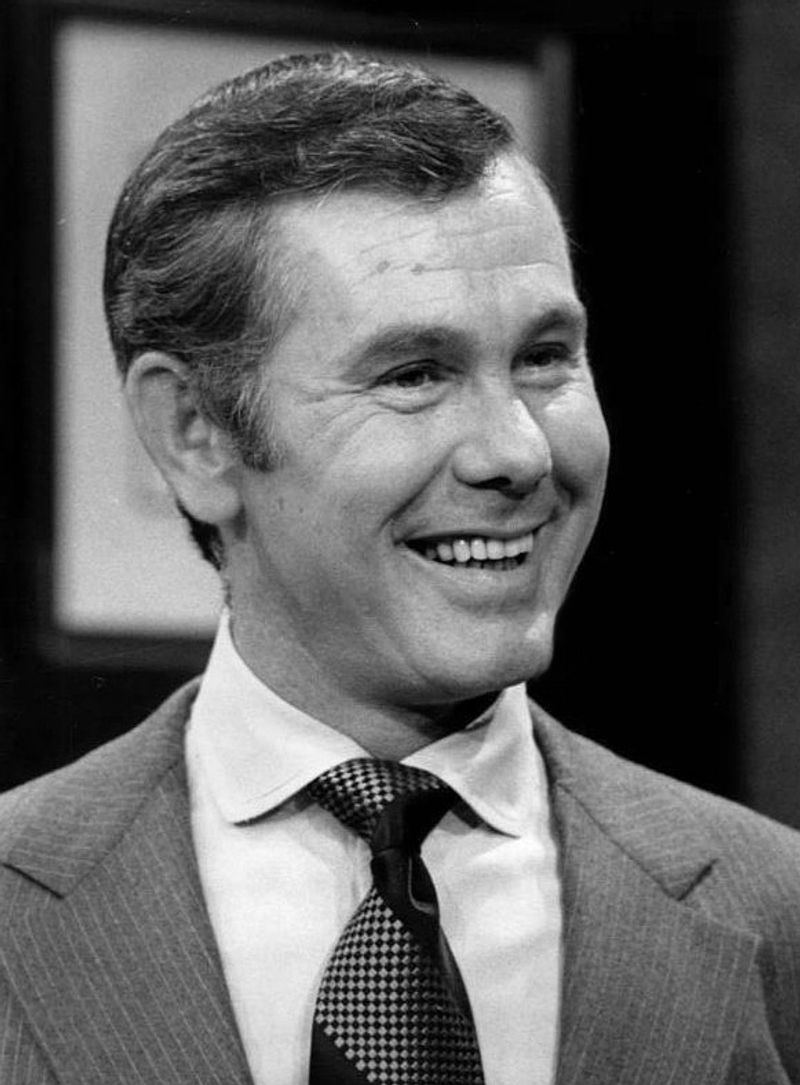
Sometimes a joke has consequences nobody expects. On February 8, 1973, Johnny Carson made a casual comment during his Tonight Show monologue about a toilet paper shortage.
He was just trying to get laughs, but his words sparked genuine panic across America.
Carson joked that there might be a toilet paper shortage based on a news report he’d seen. The next morning, people rushed to stores and started hoarding toilet paper.
Shelves emptied within hours as shoppers feared running out of this essential product.
The irony was that there wasn’t actually a toilet paper shortage until people created one by panic buying. Carson’s joke became a self-fulfilling prophecy.
This demonstrated the incredible power television had over public behavior, especially when that message came from someone as trusted as Johnny Carson.
Carson apologized on air and explained it had been a joke. He even brought out toilet paper during his monologue to prove there was plenty available.
Still, it took weeks for stores to restock and for the panic to fully die down.
This incident became a case study in media influence and mass psychology. It showed how quickly misinformation could spread and how people respond to perceived scarcity.
The Tonight Show continued to dominate late night, but Carson became more careful about what he joked about.
9. Kojak Loves His Lollipop (Kojak, 1973)
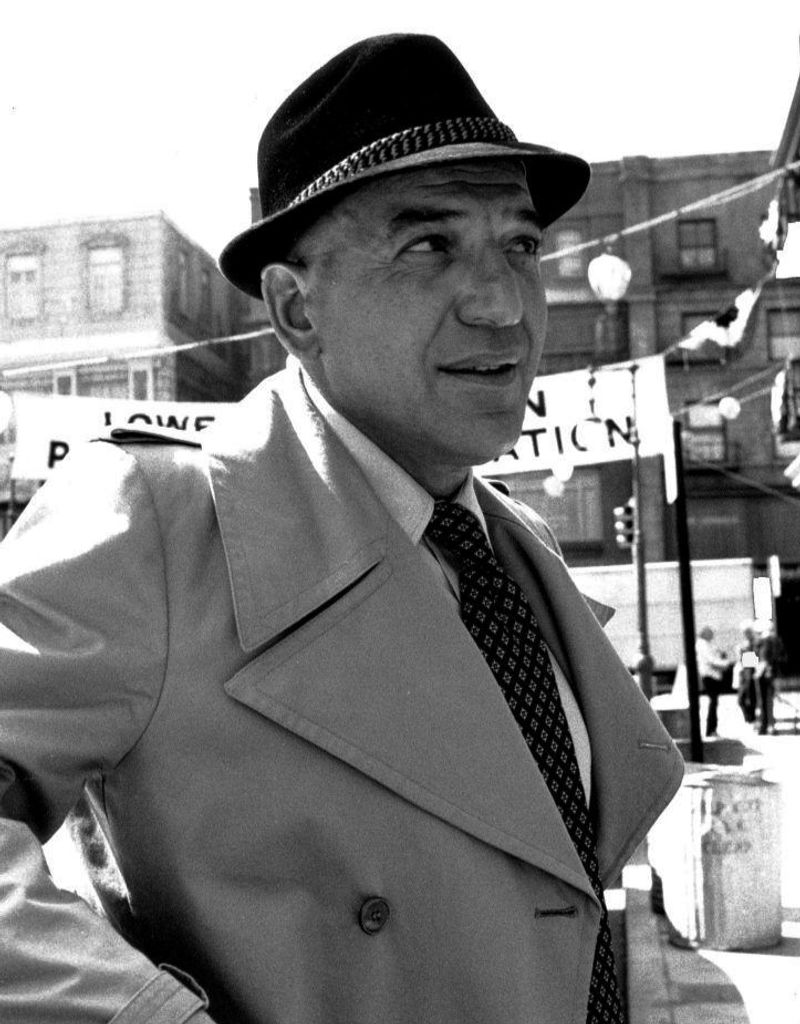
Who loves ya, baby? That catchphrase and a simple lollipop turned Telly Savalas into one of the most recognizable TV detectives ever.
Kojak premiered on October 24, 1973, and immediately stood out from other cop shows with its unique style and memorable lead character.
Lieutenant Theo Kojak was tough, bald, and always had a lollipop in his mouth. That lollipop wasn’t just a random prop.
It symbolized Kojak’s character, a detective who was hard-nosed but had a sweet side underneath all that toughness.
Telly Savalas reportedly suggested the lollipop as a replacement for cigarettes, which his character had given up. This small detail made Kojak feel more real and relatable.
Viewers loved seeing a detective who was trying to break bad habits just like regular people.
The show’s gritty portrayal of New York City crime felt more realistic than other detective shows of the time. Kojak didn’t always get the bad guy, and cases weren’t always wrapped up neatly.
This authenticity, combined with Savalas’s charisma, made the show a hit.
Kids started asking for lollipops like Kojak’s, and Telly Savalas became a pop culture icon. The show ran for five seasons and earned Savalas an Emmy Award.
That lollipop became as famous as the detective himself, proving that sometimes the smallest details create the biggest impact.
10. The Brady Kids Perform on The Brady Bunch (Early 1970s)
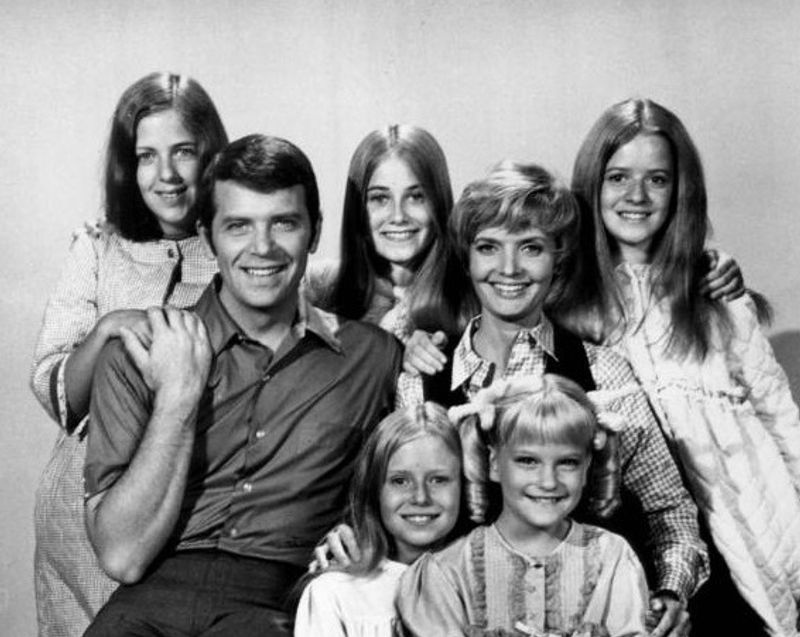
The Brady Bunch wasn’t just about blended family adventures and life lessons. The show regularly featured the Brady kids singing and performing, often in the most wonderfully cheesy ways imaginable.
These musical moments became both beloved and mocked, but kids absolutely ate them up.
Songs like “It’s a Sunshine Day” actually charted on the real Billboard Hot 100. The Brady kids released albums and went on tour as a real band.
What started as TV show moments turned into a genuine pop music phenomenon, however briefly.
The performances were often hilariously over-the-top, with matching outfits and synchronized dance moves that looked dated even in the early ’70s. Adults rolled their eyes, but children wanted to be just like the Brady kids.
They memorized the songs and put on their own backyard shows.
Looking back, these musical interludes represent pure, innocent entertainment from a simpler time. The Brady Bunch never pretended to be edgy or cool.
It embraced wholesome family fun without apology, and the musical numbers were the ultimate expression of that philosophy.
The show ran from 1969 to 1974 and created one of television’s most enduring families. Those corny songs and performances became nostalgic touchstones for an entire generation.
People still remember the lyrics decades later, even if they’re embarrassed to admit it.
11. Captain Kangaroo Says Goodbye (Captain Kangaroo, 1974)
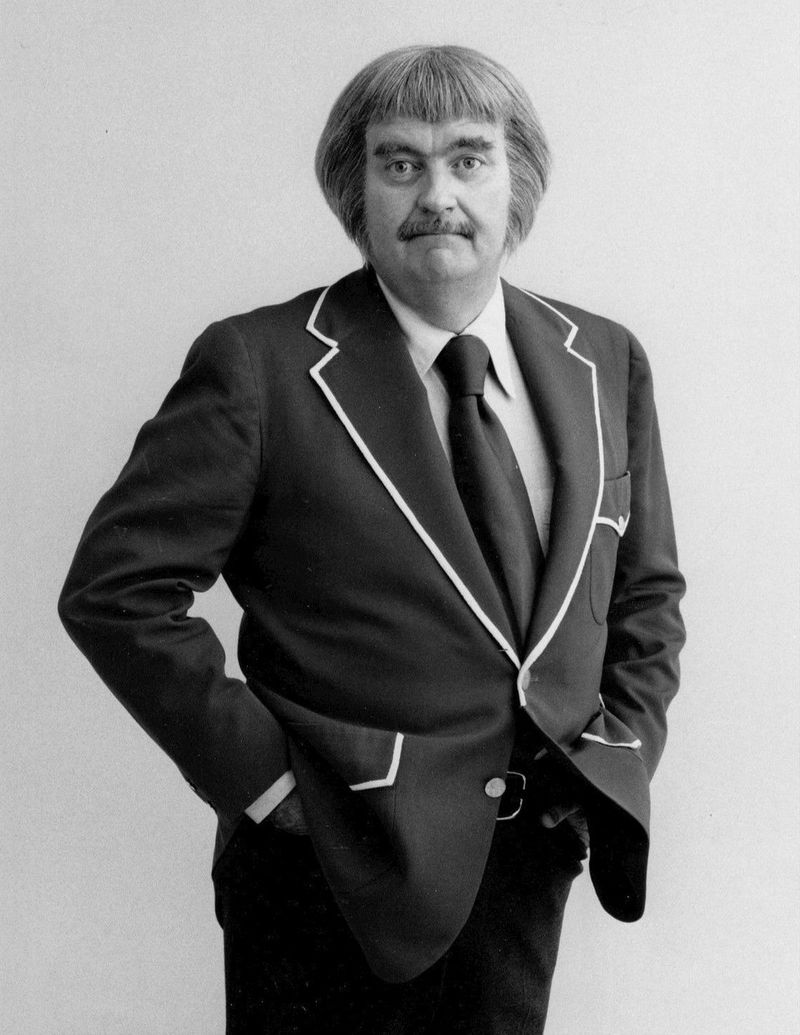
Captain Kangaroo had been a morning staple for children since 1955, so when Bob Keeshan briefly left the show in 1974, families reacted with genuine distress. Kids who had grown up watching the gentle Captain suddenly faced mornings without him.
Parents realized just how much this show meant to their families.
The show wasn’t flashy or loud like other children’s programs. Captain Kangaroo was calm, patient, and treated young viewers with respect.
Bob Keeshan believed children deserved quality programming that nurtured their curiosity and imagination rather than just keeping them quiet.
When news spread that the Captain might not return, letters poured into CBS from worried parents and heartbroken kids. This outpouring showed how deeply children’s television could impact families.
The Captain wasn’t just a TV character; he felt like a trusted friend and teacher.
Thankfully, Bob Keeshan did return, and Captain Kangaroo continued entertaining and educating children for many more years. The show would eventually run until 1984, making it one of the longest-running children’s programs in television history.
Its gentle approach influenced countless other educational shows.
The 1974 scare highlighted how emotionally invested families were in quality children’s programming. Parents wanted shows that reflected their values and treated their kids with kindness.
Captain Kangaroo delivered that every single morning, creating memories that lasted lifetimes.
12. Saturday Night Live Premieres (SNL, 1975)
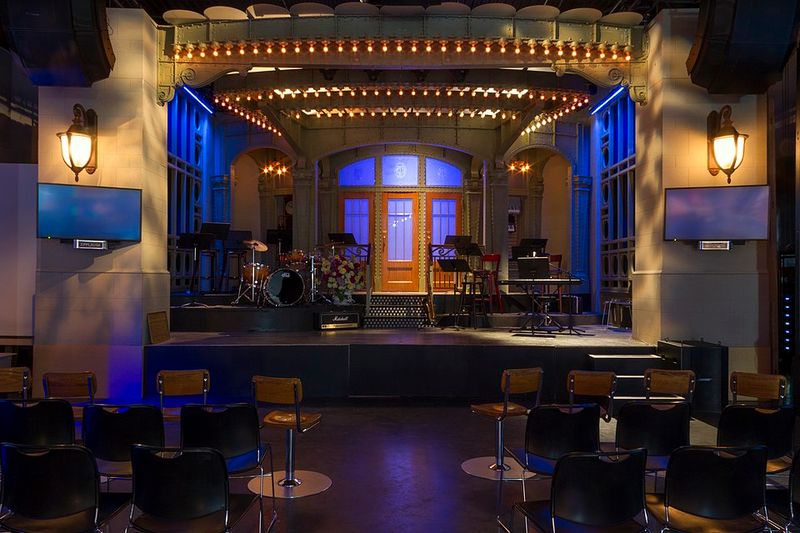
Late night television changed forever on October 11, 1975, when Saturday Night Live first aired. Live comedy was back, and it was raw, unpredictable, and willing to take risks that other shows wouldn’t touch.
Nothing felt safe anymore, and that was exactly the point.
The original Not Ready for Prime Time Players included comedy legends like John Belushi, Gilda Radner, Dan Aykroyd, and Chevy Chase. They brought an anarchic energy that felt fresh and dangerous.
You never knew what might happen during a live broadcast, and that uncertainty made it must-see TV.
SNL tackled politics with a sharpness that network television usually avoided. The show’s Weekend Update segment made news funny and accessible to younger viewers.
Political satire became part of mainstream entertainment in a way it hadn’t been before.
George Carlin hosted the first episode, setting the tone for celebrity hosts who would become part of the show’s appeal. Musical guests brought credibility and variety.
The format created a new template for sketch comedy that countless shows have tried to copy.
Saturday Night Live became a cultural institution almost immediately. It launched careers, created catchphrases, and gave people something to talk about on Monday mornings.
The show proved that live television could still be exciting and relevant in an era of recorded programming. Nearly 50 years later, it’s still on the air.
13. Cher Walks the Line on Network TV (The Sonny & Cher Comedy Hour, 1970s)
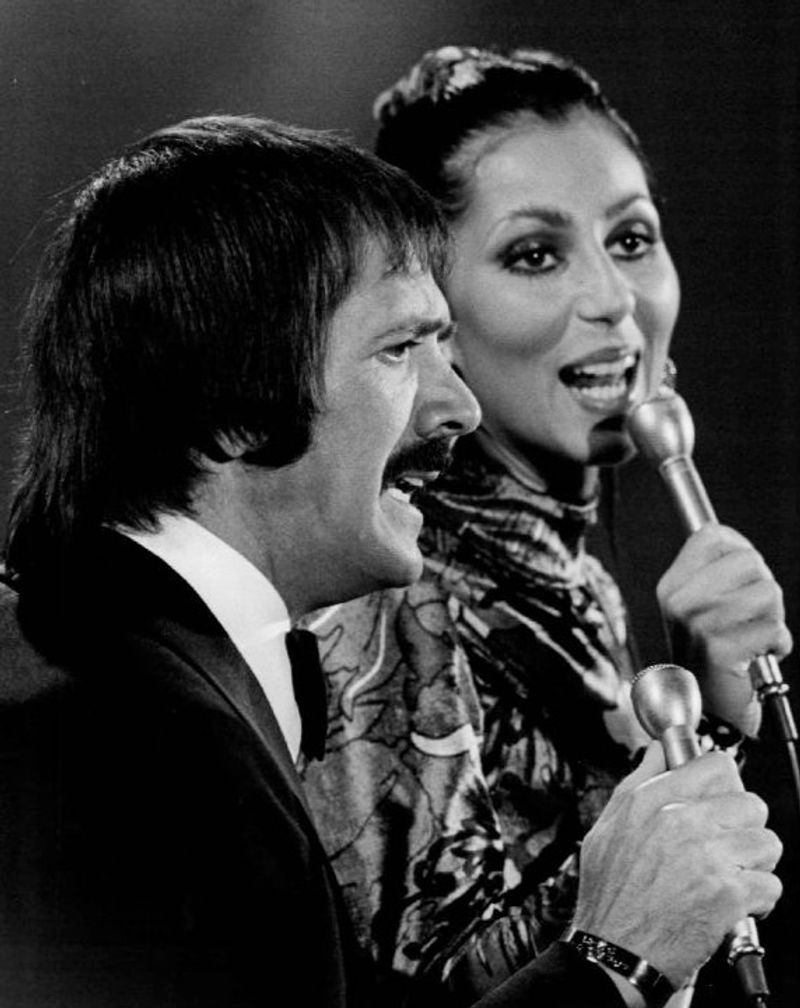
Cher didn’t just push boundaries on The Sonny & Cher Comedy Hour; she practically erased them. Her daring outfits designed by Bob Mackie regularly sparked controversy and made network executives nervous.
Viewers couldn’t stop talking about what Cher would wear next, and ratings proved they loved watching.
Network standards and practices departments frequently pushed back against Cher’s revealing costumes. They worried about showing too much skin during family viewing hours.
Cher and her designers found creative ways to walk right up to the line without crossing it, though sometimes they definitely crossed it.
The show premiered in 1971 and became a variety show sensation. Sonny and Cher’s playful banter and musical performances drew audiences, but Cher’s fashion choices became just as big a draw.
Women wanted to know where she got her clothes, even if they’d never wear anything that bold themselves.
Cher’s willingness to take fashion risks on television influenced how female performers presented themselves. She showed that women could be glamorous, funny, and in control of their own image.
Her confidence inspired viewers to be bolder in their own lives.
The show ran in various forms throughout the ’70s, and Cher’s fashion statements remained a constant topic of conversation. Those elaborate, revealing outfits became part of television history.
They proved that what performers wore could be just as memorable as what they said or sang.
14. The Jeffersons Move On Up (The Jeffersons, 1975)
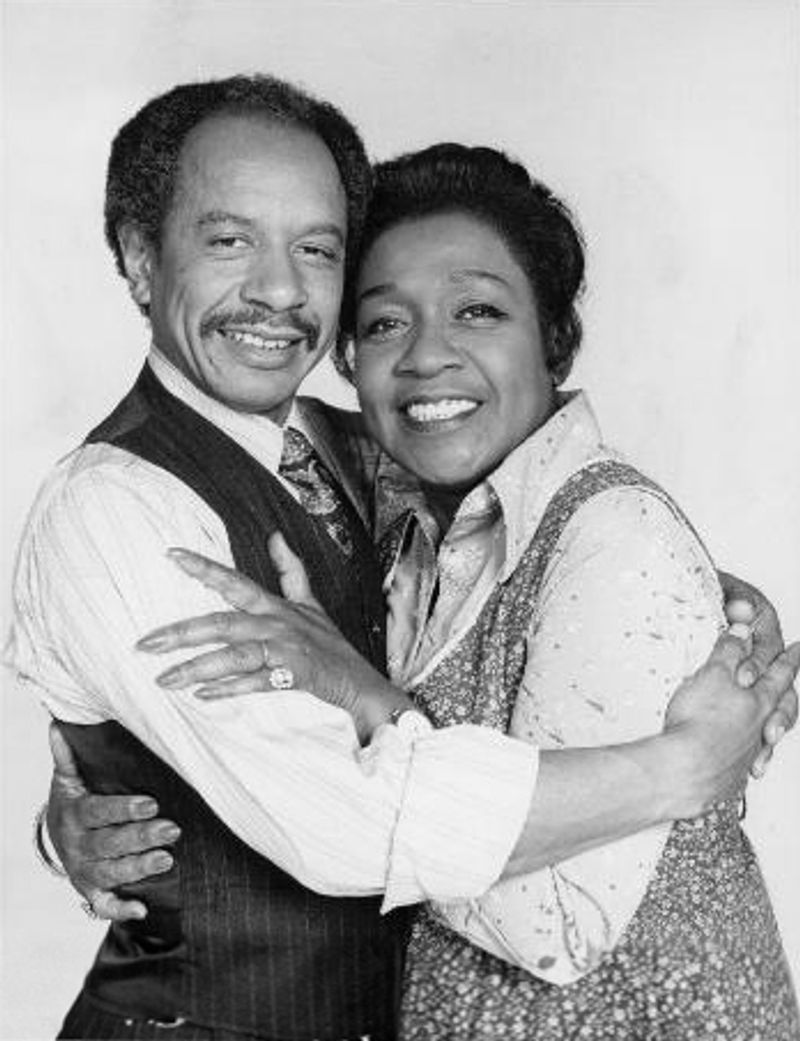
On January 18, 1975, George and Louise Jefferson finally moved on up to a deluxe apartment in the sky. The Jeffersons premiered as a spinoff of All in the Family, but it quickly became important in its own right.
A Black family living in luxury on Manhattan’s Upper East Side was groundbreaking for 1970s television.
George Jefferson owned a successful chain of dry-cleaning stores, and he wasn’t apologetic about his wealth. This representation of Black economic success was rare on television.
The show celebrated the Jeffersons’ achievements while still keeping them relatable and funny.
Sherman Hemsley played George with perfect comedic timing, making him lovably abrasive and ambitious. Isabel Sanford’s Louise, affectionately called “Weezy,” provided the heart and wisdom.
Their relationship felt real, with genuine love underneath all the bickering.
The show tackled issues of race, class, and interracial relationships through the friendship between the Jeffersons and their neighbors, Tom and Helen Willis. These storylines sparked important conversations in living rooms across America.
The show never preached but always made people think.
The Jeffersons ran for 11 seasons, making it one of the longest-running sitcoms with a predominantly Black cast. Its theme song became an anthem about success and upward mobility.
The show proved that diverse stories could succeed in mainstream television, paving the way for many shows that followed.
15. The Last Episode of The Mary Tyler Moore Show (1977)
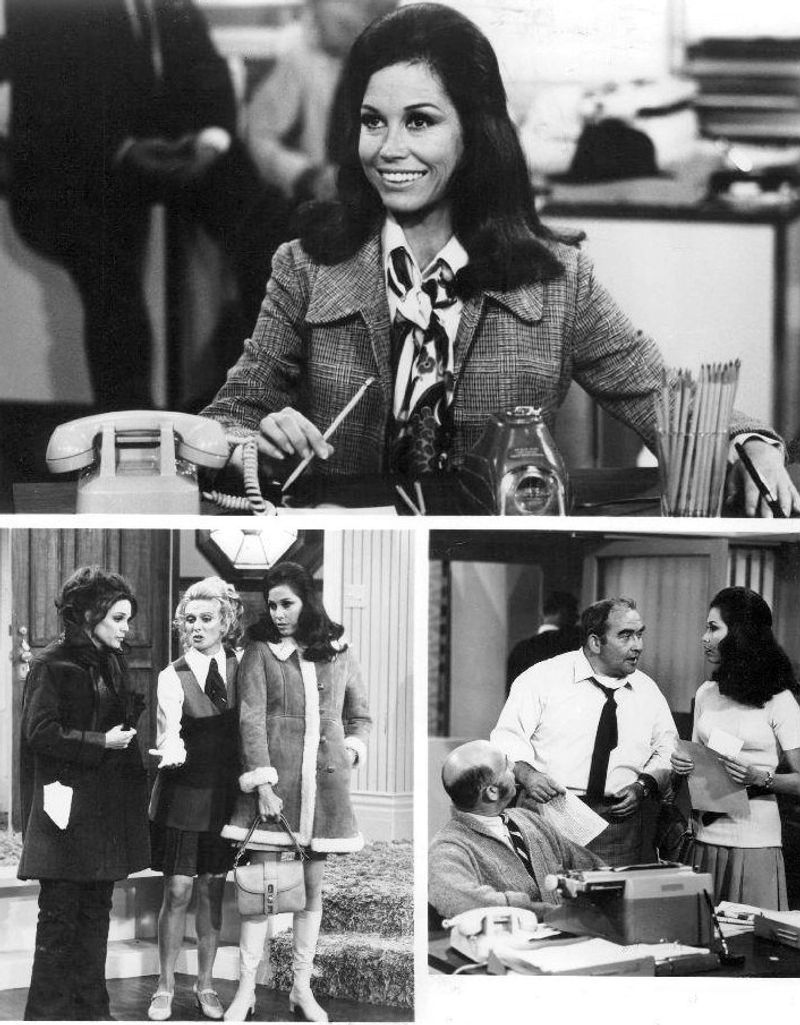
There wasn’t a dry eye in America on March 19, 1977. The Mary Tyler Moore Show ended its seven-season run with an episode that perfectly captured what made the show special.
The WJM newsroom staff learned they were all being fired except for the bumbling Ted Baxter, which was both heartbreaking and hilariously ironic.
The final scene brought the entire cast together for one last moment in the newsroom. They gathered in a group hug that nobody wanted to end.
As they shuffled toward the tissue box while still hugging, viewers laughed through their tears.
Mary’s final act was turning off the lights in the newsroom, symbolically closing this chapter of television history. The moment felt like saying goodbye to dear friends.
The show had made viewers feel like part of this workplace family for seven years.
This finale set the standard for how to end a beloved sitcom with grace and emotion. It didn’t try to tie everything up too neatly or force a happy ending.
Instead, it acknowledged that life moves forward and people have to say goodbye sometimes.
The Mary Tyler Moore Show won 29 Emmy Awards during its run and is still considered one of the greatest sitcoms ever made. That final group hug remains one of television’s most iconic images.
It reminded everyone that the best shows aren’t really about plots; they’re about the people we grow to love.



