North Africa hides some of the most extraordinary places on the planet, and most travelers fly right past them on their way to the pyramids or the beach. Tucked behind endless dunes, ancient trade routes, and dramatic rock plateaus, these desert towns have been quietly existing for centuries, doing their own thing without needing anyone’s approval.
Some were once thriving hubs of trans-Saharan commerce, others were carved into cliffsides or built from mud and salt, and a few even inspired the set designers of a certain galaxy far, far away. This list covers 12 remote desert towns scattered across North Africa, from Morocco’s golden dune fields to the ancient manuscripts of Mauritania, each one offering something genuinely different.
Whether you are a history enthusiast, an adventure traveler, or simply someone who finds joy in discovering places that most people cannot even point to on a map, these destinations deserve a spot on your radar.
1. Siwa Oasis, Egypt
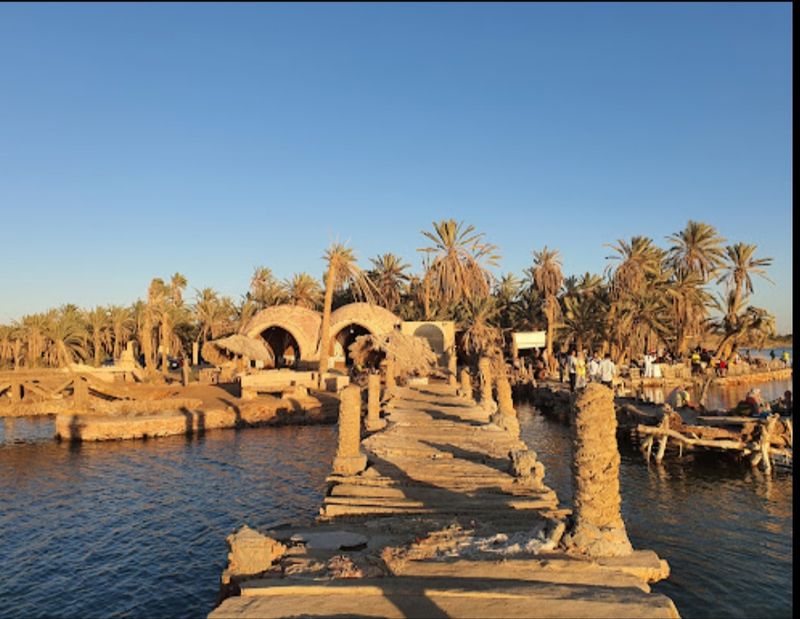
Alexander the Great once made a long, difficult journey through the desert just to ask a question here, which says a lot about how seriously people took this place.
Siwa Oasis sits in Egypt’s Western Desert, close to the Libyan border, and it operates on its own schedule entirely. The Shali Fortress, a crumbling 13th-century mudbrick structure at the center of town, has been slowly returning to the earth for hundreds of years and somehow still looks impressive.
The local Amazigh (Berber) community has kept its language, music, and crafts largely intact despite centuries of outside contact. Cleopatra’s Pool is a natural freshwater spring where visitors can swim, and the Mountain of the Dead holds ancient tombs carved directly into the rock.
The Great Sand Sea stretches beyond the oasis, offering safaris and sandboarding for those who want to test their nerves. Siwa is genuinely unlike anywhere else in Egypt.
2. Tozeur, Tunisia
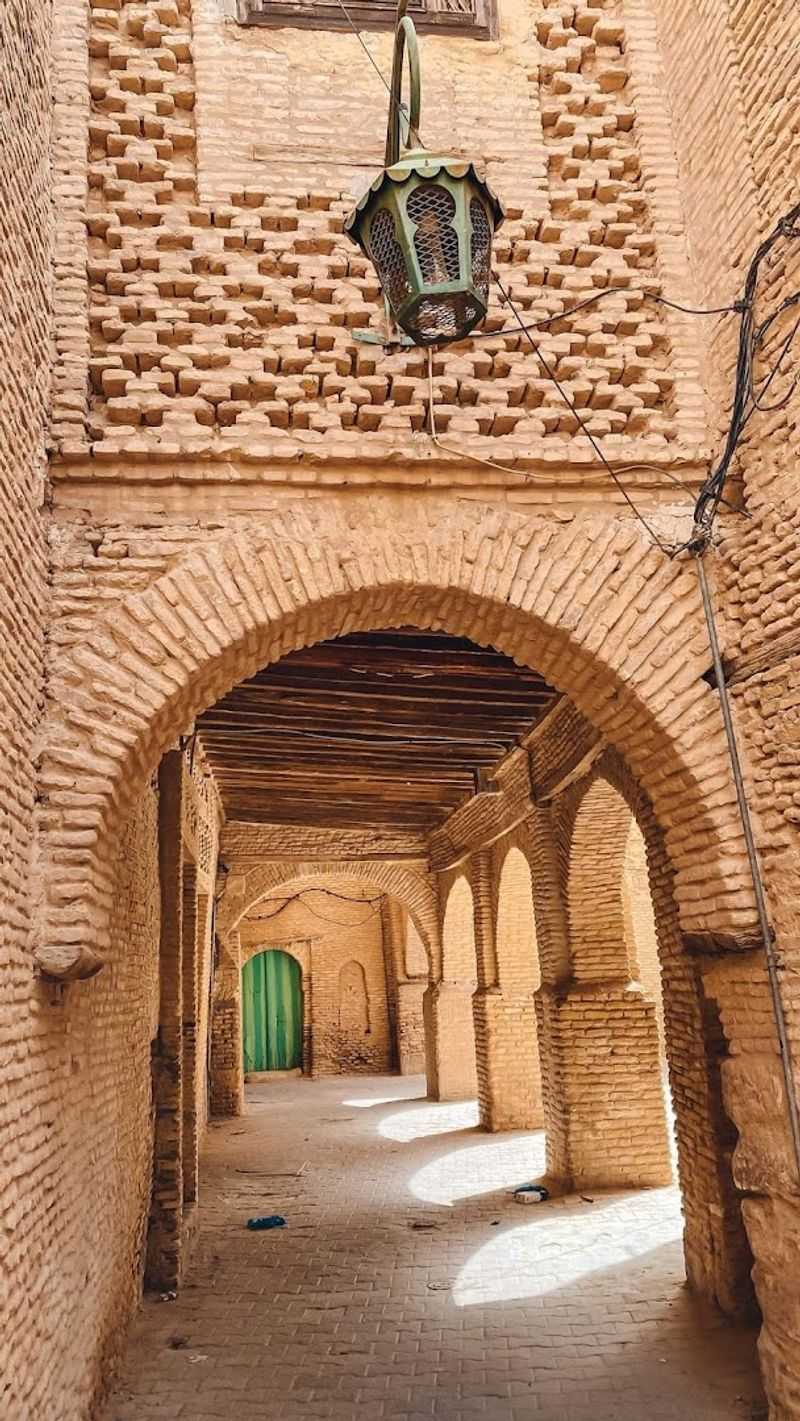
The brickwork in Tozeur’s old medina is not decorative in the way that word usually implies. Local builders developed a geometric pattern using yellow bricks arranged in raised relief, and entire neighborhoods in the Ouled El Hadef district are covered in it.
Tozeur sits in southwestern Tunisia and serves as a base for exploring some seriously varied terrain. The palm oasis outside town contains an ancient irrigation system that has been channeling water to crops for centuries, and it still works.
Nearby mountain oases like Chebika and Tamerza offer ruined Berber villages and small waterfalls tucked into rocky canyons. Tozeur also happens to be close to the film set used for Mos Espa in the Star Wars prequel trilogy, which draws a specific type of very enthusiastic visitor.
The town’s caravan history runs deep, and the old medina preserves that layered past in its architecture and street layout. Tozeur is compact enough to explore on foot without getting exhausted.
3. Djanet, Algeria
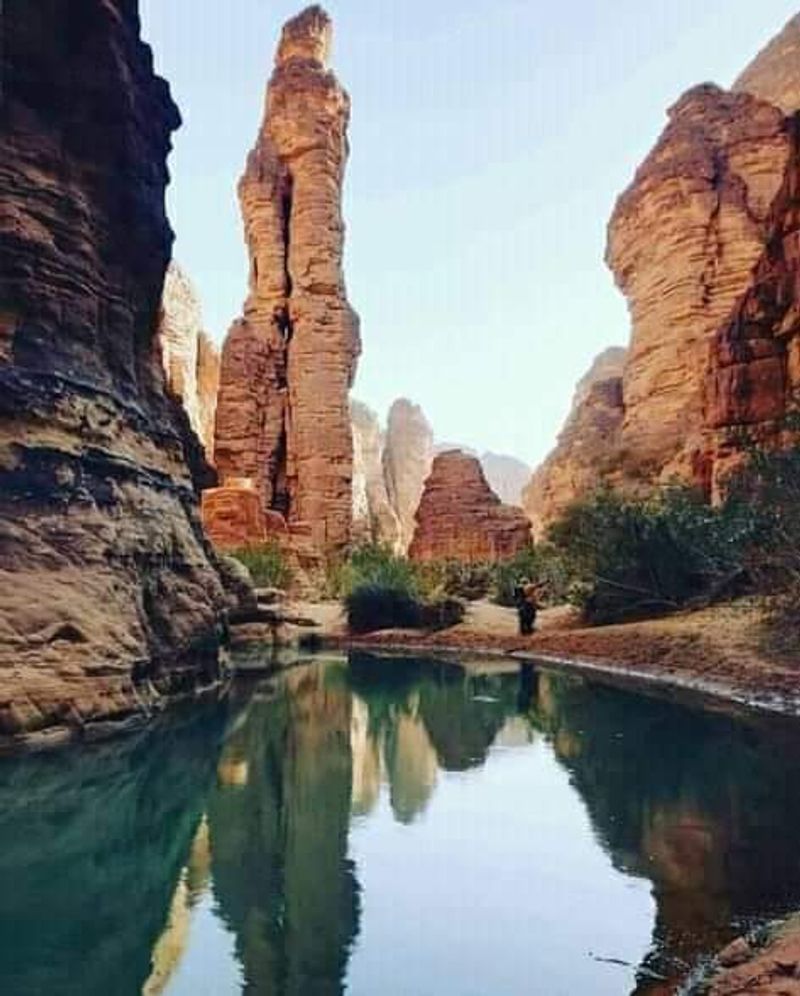
Prehistoric people painted detailed scenes of animals and human figures on the rock walls of the Tassili n’Ajjer plateau thousands of years ago, and Djanet is the town you pass through to go see them.
Located in far southeastern Algeria, Djanet sits at the edge of one of the most geologically dramatic landscapes in the entire Sahara. The Tassili n’Ajjer is a UNESCO World Heritage site, recognized both for its ancient rock art and for its bizarre sandstone formations that look like they belong on a different planet.
Getting to Djanet takes real effort, which is part of why the area remains largely untouched by mass tourism. The town itself is small and functional, with local guides available for multi-day treks into the plateau.
Rock art sites in the area date back as far as 10,000 years, depicting animals like elephants and hippos that have long since vanished from the region. That detail alone makes the journey worth planning carefully.
4. Merzouga, Morocco
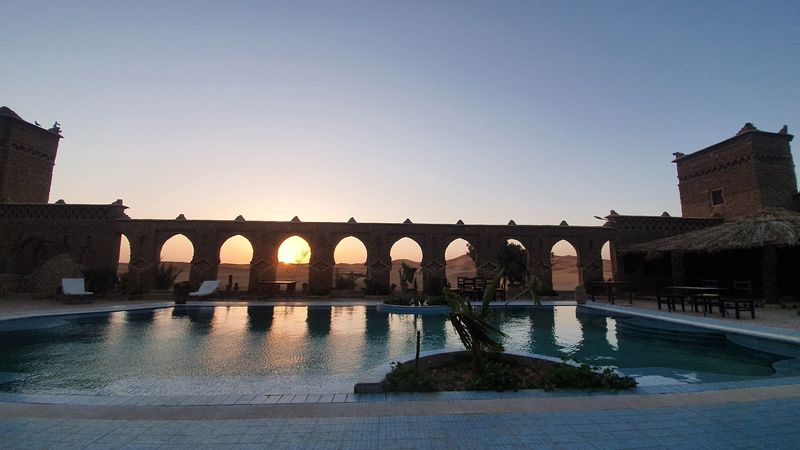
The dunes here do not ease you in gradually. Erg Chebbi rises up to 150 meters high right at the edge of the village, which makes Merzouga one of those places where the landscape immediately makes you feel very small.
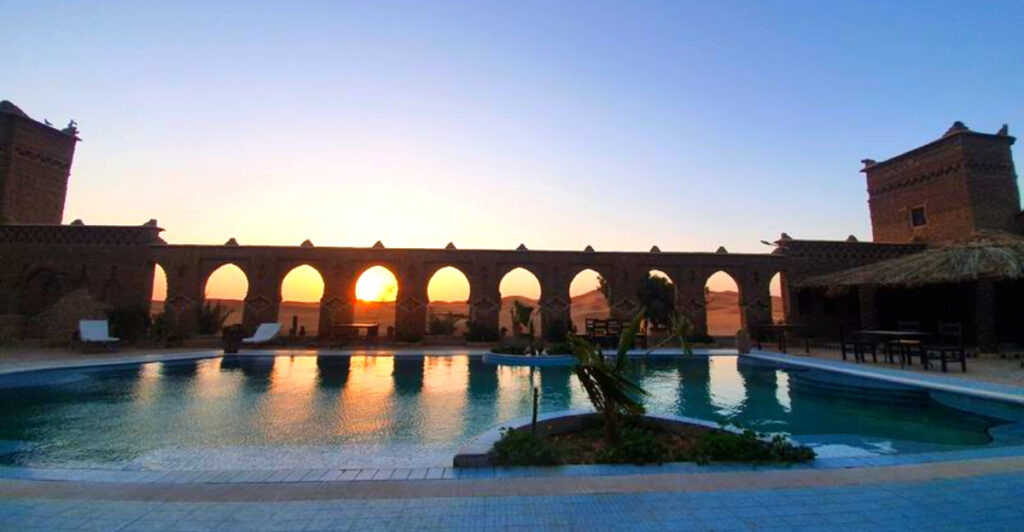
Located in southeastern Morocco, Merzouga is the main access point for one of the Sahara’s most dramatic dune systems. Camel treks into the dunes are the classic activity, with overnight stays in traditional Berber camps that include open-air sleeping under an impressive number of visible stars.
Sandboarding is popular for those who prefer sliding down things rather than staring at them. The village itself carries a relaxed Arab-Berber character, with guesthouses and small cafes lining the sandy streets.
During certain seasons, a shallow lake forms near the village and attracts a surprising variety of birds, which is not something most people expect to find this deep in the Sahara. Merzouga rewards those who stay more than one night.
5. M’Hamid El Ghizlane, Morocco
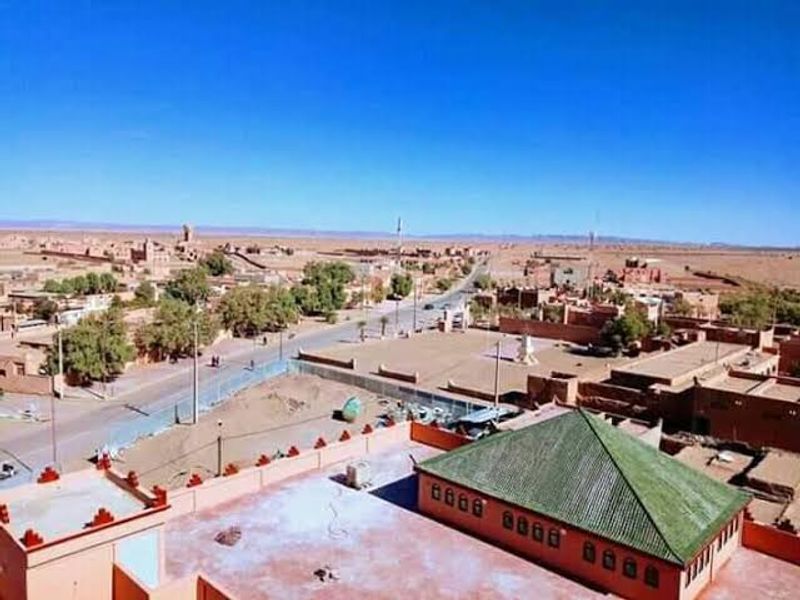
The road ends here, and that is not a metaphor. M’Hamid El Ghizlane sits at the southern tip of the Draa Valley where the tarmac literally stops and the Sahara takes over.
Historically, this quiet town was a critical waypoint for caravans heading toward Timbuktu, and the old mud-brick ksars with their defensive towers still stand as evidence of that era. Today, the town functions as the main departure point for expeditions into the Erg Chigaga dunes, which are Morocco’s largest and most remote dune system, sitting about 50 kilometers further into the desert.
The Taragalte Festival, held each October, brings nomadic culture to the foreground through music, traditional art, and community performances that attract both locals and international visitors.
The town has a calm, unhurried quality that feels less developed than other Moroccan desert destinations, which is precisely its appeal. Camel trekking, sandboarding, and 4×4 excursions into the dunes are the main draws for adventure-minded travelers.
6. Ghadames, Libya
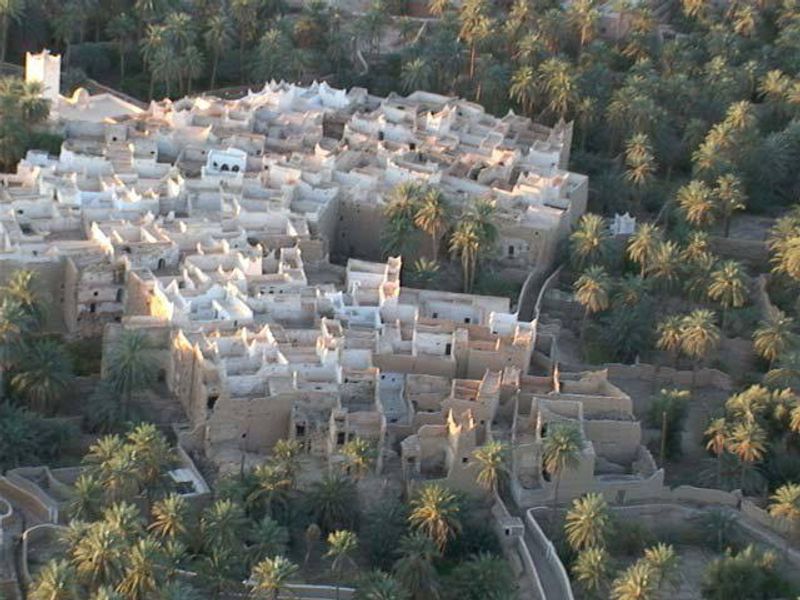
Every alleyway in the old city of Ghadames is covered, creating a continuous network of shaded passages that kept residents out of the direct sun for generations before air conditioning existed.
This ancient Libyan oasis town is a UNESCO World Heritage site and one of the best-preserved pre-Saharan settlements anywhere in North Africa. The architecture is a practical response to extreme heat: thick mudbrick walls, narrow streets, and rooftop terraces connected between houses so that women could move across the neighborhood without descending to street level.
The old city is largely uninhabited now, with most residents having moved to a newer part of town, but it remains structurally intact and open to visitors who make the considerable effort to reach it. Ghadames sits near the borders of both Tunisia and Algeria, which gives it a crossroads character reflected in its history and culture.
Its nickname, the Pearl of the Desert, has been used so often it has become almost obligatory, but the old city genuinely earns the description.
7. Douz, Tunisia
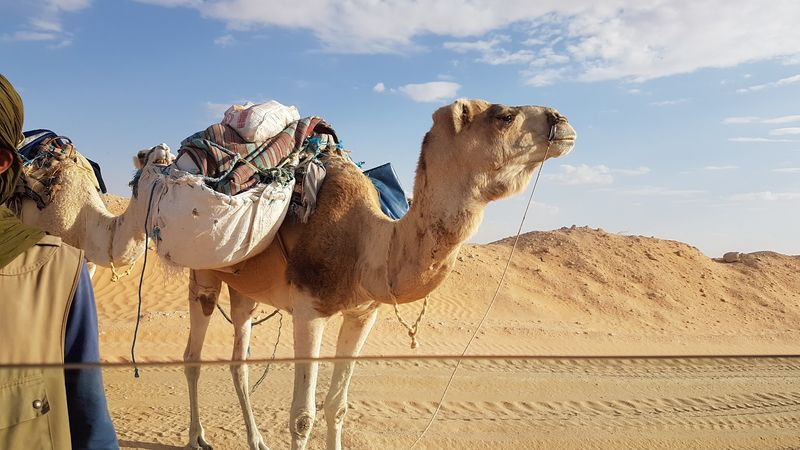
Douz takes its desert identity seriously enough to host an entire international festival dedicated to celebrating it, which runs annually and features camel racing, traditional poetry, and horseback displays.
The International Festival of the Sahara draws visitors from across Tunisia and beyond, turning this otherwise quiet south-central town into a lively showcase of desert culture for a few days each year. Outside festival season, Douz settles back into its role as a calm oasis town surrounded by palm groves and the beginning of the Grand Erg Oriental dune system.
The Museum of the Sahara gives context to the region’s nomadic traditions and desert way of life, and it is worth a visit before heading out on any excursion. Camel treks, quad biking, and 4×4 desert tours all depart from here regularly.
Historically, Douz was a key stop on trans-Saharan caravan routes, and the town’s camel market still operates in a way that connects it directly to that past. It is a practical, grounded desert base with real cultural depth.
8. Timimoun, Algeria
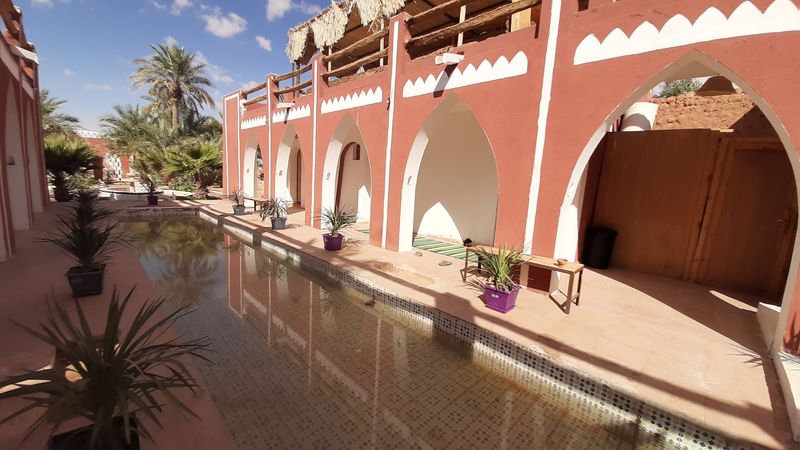
From a distance, Timimoun looks like the desert itself decided to build a city, matching the surrounding landscape so closely that the town and the terrain seem to belong to the same design.
Known as the Red Oasis, Timimoun’s buildings are constructed in a Neo-Sudanese style using ochre-colored mud brick, which gives the entire town a warm reddish tone that contrasts sharply with the green of the palm groves and the gold of the surrounding dunes. The Grand Erg Occidental stretches out beyond the town, and a large salt lake called the Sebkha borders the settlement.
Ancient ksour (fortified villages) dot the surrounding area, and the underground irrigation channels known as foggaras have been supplying water to the palm oases here for centuries. Timimoun sits in Algeria’s Gourara region, which has its own distinct cultural traditions separate from the country’s northern cities.
The visual contrast between the red architecture and the desert environment makes Timimoun one of the most photographically striking towns in the entire Sahara.
9. Taghit, Algeria
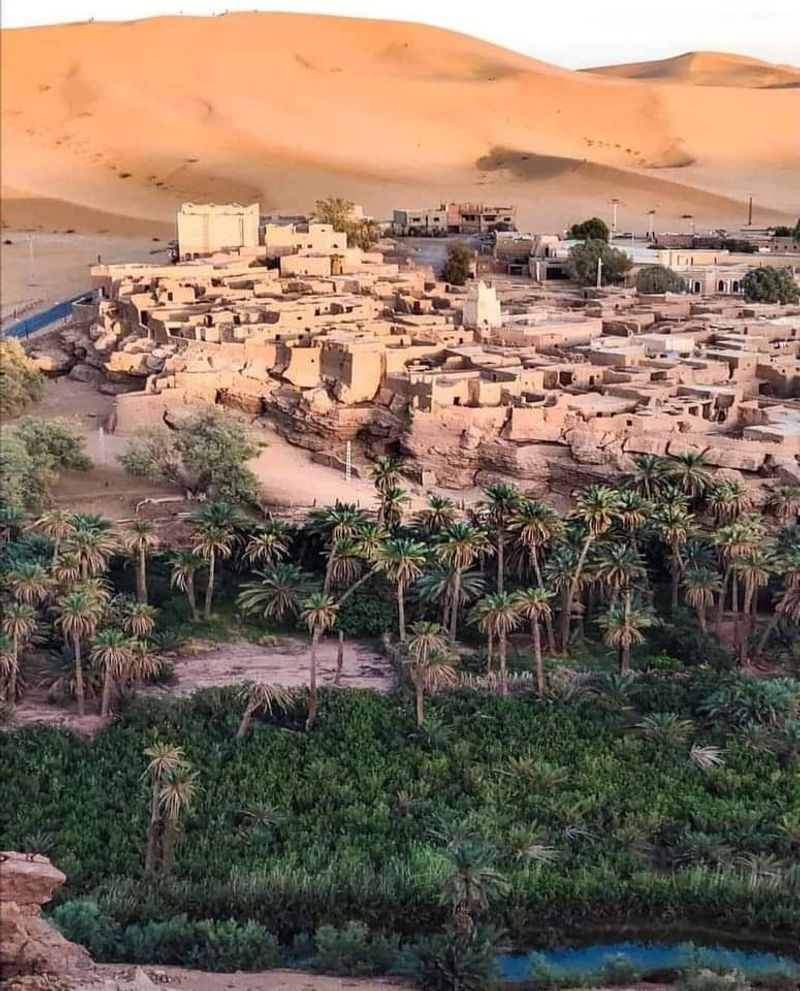
Right at the base of a massive dune system, with a palm-filled oasis valley running below it, Taghit has a layout that seems almost too perfectly arranged to be accidental.
Located in western Algeria near the Moroccan border, Taghit is built around a historic ksar, a traditional fortified settlement with thick earthen walls and a tight internal street network. The dunes behind the town rise steeply and dramatically, making it one of the most visually immediate desert experiences in Algeria.
Rock engravings discovered in the surrounding area date back thousands of years, adding a prehistoric layer to the town’s already considerable history. The oasis below the ksar supports date palms and small agricultural plots that have sustained the local population for generations.
Taghit receives far fewer visitors than Morocco’s desert destinations, which means the experience here feels quieter and less packaged. For travelers who want a genuine Algerian desert town without the crowds, Taghit makes a compelling case for itself without trying particularly hard.
10. Tataouine, Tunisia
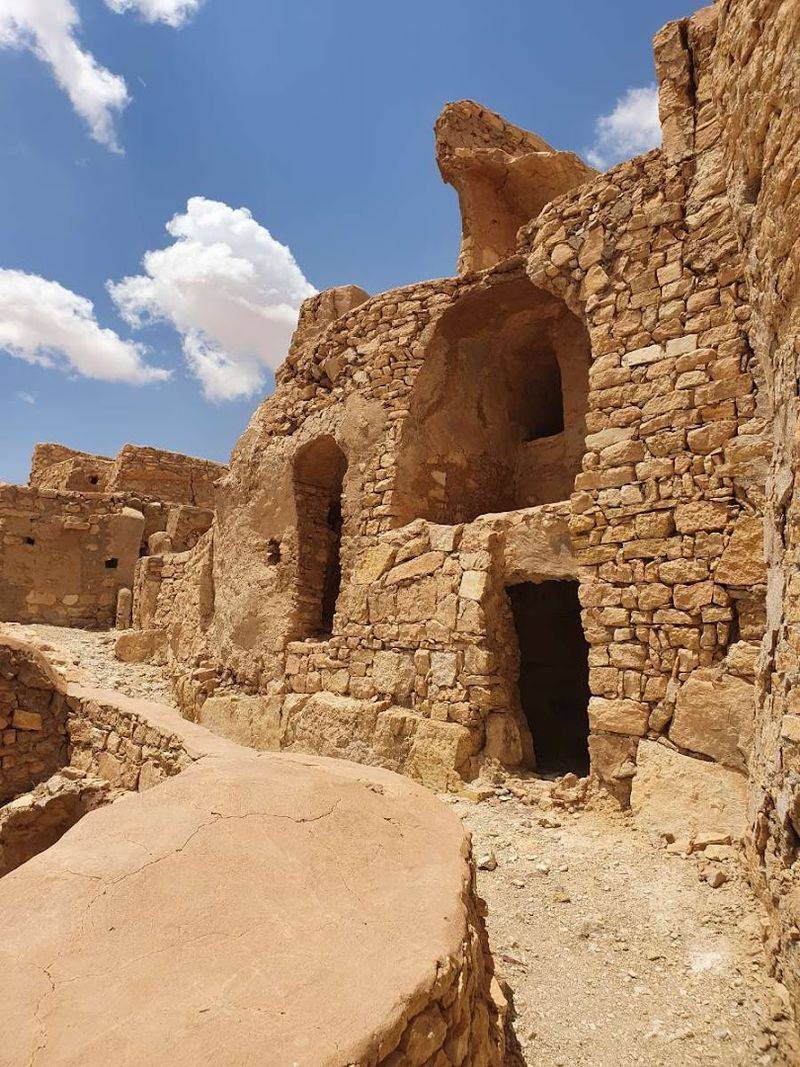
Yes, the name really did inspire the Star Wars planet, and yes, actual film crews did show up here in the 1970s and decided the landscape was alien enough to use without modifications.
Tataouine sits in the rugged desert south of Tunisia and is best known for its ksar architecture, specifically the hilltop granary complexes called ghorfas, which are stacked stone chambers that Berber communities used to store food and valuables. Ksar Ouled Soltane and Ksar Hadada are among the best-preserved examples and are accessible by road.
The surrounding landscape is dry, rocky, and genuinely dramatic, with eroded ridgelines and scattered desert villages that have changed very little over the past century. Berber heritage remains strong in the region, and local guides can provide context that maps and signage simply cannot.
Beyond the Star Wars connection, Tataouine offers a window into a way of life that developed specifically in response to a harsh and unforgiving environment. The history here is practical, community-driven, and worth understanding properly.
11. Zagora, Morocco
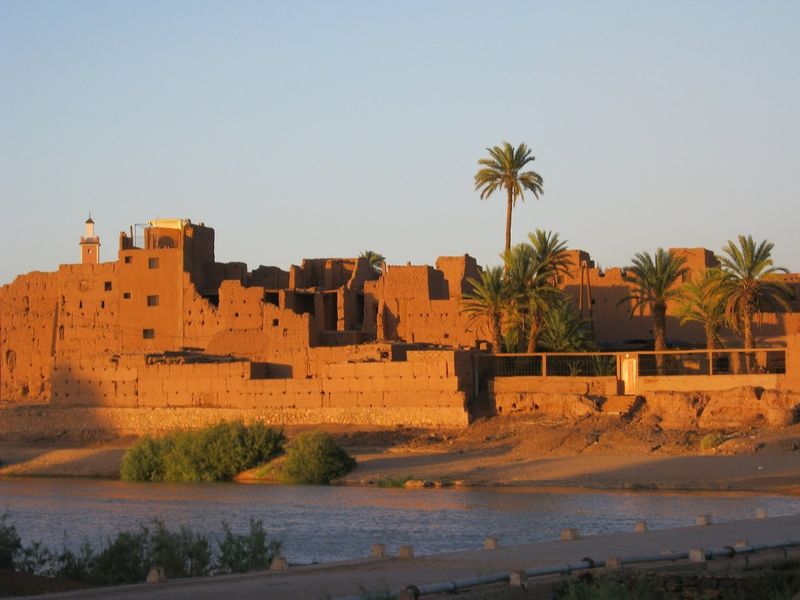
A famous old sign at the edge of town once declared it was 52 days by camel to Timbuktu, which is the kind of directional information that puts desert distances into an immediately humbling perspective.
Zagora sits in the Draa Valley in southern Morocco and was once a significant node on the trans-Saharan trade network that connected sub-Saharan Africa to the Mediterranean world. Caravans carrying gold, salt, and slaves passed through here for centuries, and the town’s layout still reflects that commercial history.
Palm groves line the valley floor around the town, and the surrounding desert landscape shifts between rocky hammada and sandy erg depending on which direction you head. The Amezrou kasbah, an old Jewish quarter with a traditional mellah, adds another layer of cultural history to the area.
Today, Zagora is a calm base for desert excursions toward the Erg Chigaga dunes or the smaller Erg Ezahar nearby. It offers a more relaxed alternative to Merzouga for travelers who prefer fewer tour groups.
12. Farafra, Egypt
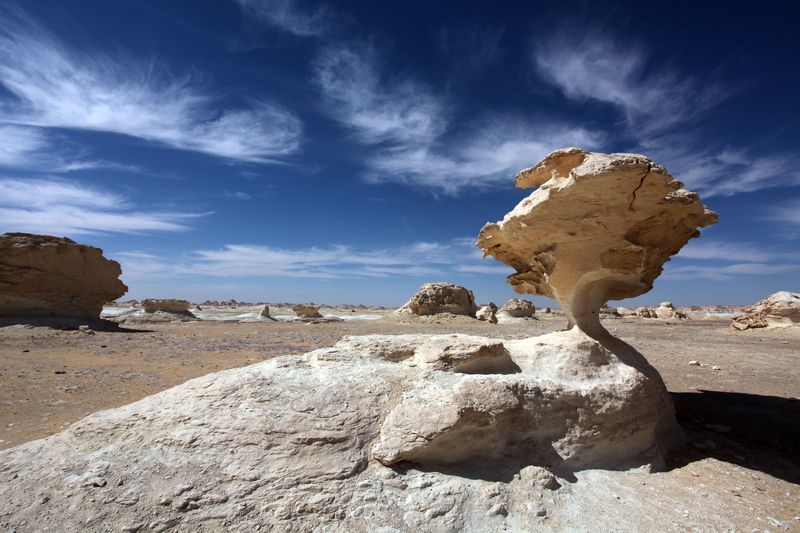
The White Desert just outside this town looks like a field of giant chess pieces made from chalk, which is actually a reasonable description of what wind erosion can accomplish over millions of years.
Farafra is Egypt’s most isolated and least populated oasis, sitting in the Western Desert with a small, tight-knit community that has developed largely apart from the rest of the country. The town itself features whitewashed mud-brick homes and a relaxed pace that reflects its remote position.
White Desert National Park is the main draw, with wind-sculpted chalk formations rising from the flat desert floor in surreal shapes that have made it one of Egypt’s most photographed natural landscapes. The nearby Black Desert, formed by volcanic activity, creates a dramatic visual contrast with its dark hills and basalt-covered dunes.
Crystal Mountain, a ridge embedded with large quartz crystals, sits along the road between Farafra and Bahariya. Natural hot springs like Bir Sitta offer a practical and welcome stop after a day of exploring.
Farafra rewards patient, curious travelers.
Share this story