Deep in northern Michigan, the remains of a once-active town lead to a small, isolated cemetery tied to one of the state’s most persistent legends. It is a place people seek out not for landmarks, but for the stories connected to it.
What makes it stand out is the mix of documented history and local accounts that have circulated for years. Visitors report unusual experiences, while the site itself reflects a past shaped by loss and abandonment.
Where Exactly This Place Is and How to Get There
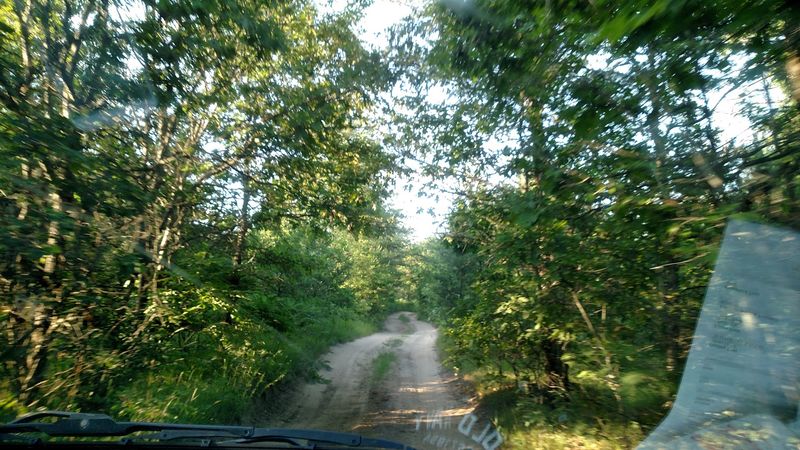
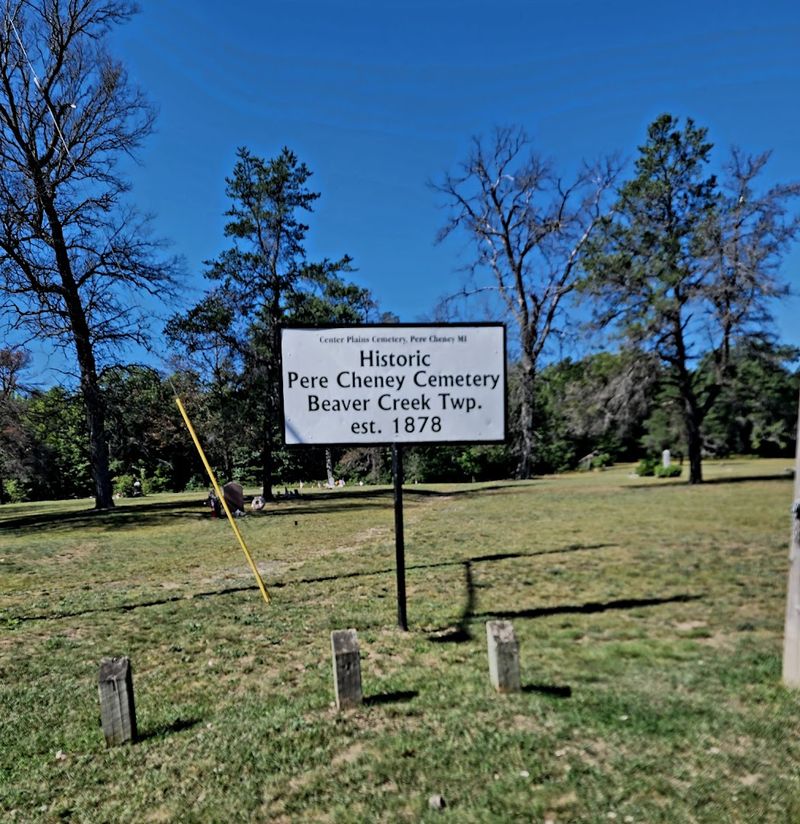
Getting to Pere Cheney Cemetery is genuinely half the adventure, and not in a casual way. The cemetery is located in a remote wooded area in Crawford County, Michigan, near the town of Grayling, with a mailing address associated with Roscommon, MI 48653.
The coordinates place it at roughly 44.5731 degrees north, 84.6351 degrees west, which puts it deep in the northern Michigan forest. Google Maps will attempt to route you from the south, but that path crosses private, gated land, so the north approach is the correct one.
A truck, Jeep, or high-clearance SUV is strongly recommended because the narrow dirt roads are bumpy and unforgiving. Standard sedans will likely struggle, and getting stuck out here is a real possibility.
The cemetery is maintained by Beaver Creek Township and is open to visitors from 8 AM to 8 PM daily. Plan your visit carefully, because arriving after dark means trespassing, and the township takes that seriously.
The Rise and Fall of the Town That No Longer Exists
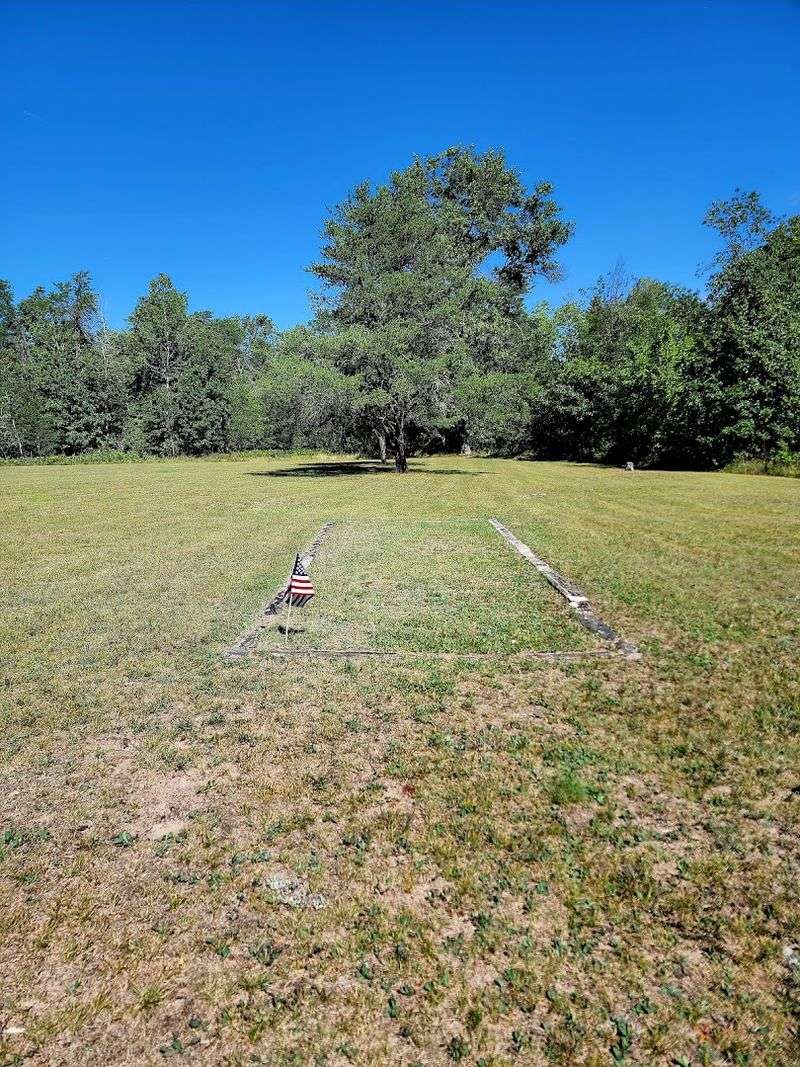
Pere Cheney was once a real, breathing community. Founded in 1873 and 1874 by a man named George Cheney, the town grew quickly thanks to the lumber industry that was booming across northern Michigan at the time.
At its peak, the town held around 1,500 people, which was a significant number for a frontier settlement carved out of dense forest. It had the energy and ambition of a place that expected to be around for a long time.
Then everything unraveled. Devastating diphtheria outbreaks hit in 1893 and 1897, claiming many lives in a short period.
Fires swept through and destroyed large portions of the village. By 1917, fewer than 20 residents remained, the land was auctioned off, and Pere Cheney became an official ghost town.
The cemetery is the only physical evidence that a community ever existed here at all, which gives the whole place a deeply melancholy feeling that no legend can fully explain.
The Witch Legend That Started It All
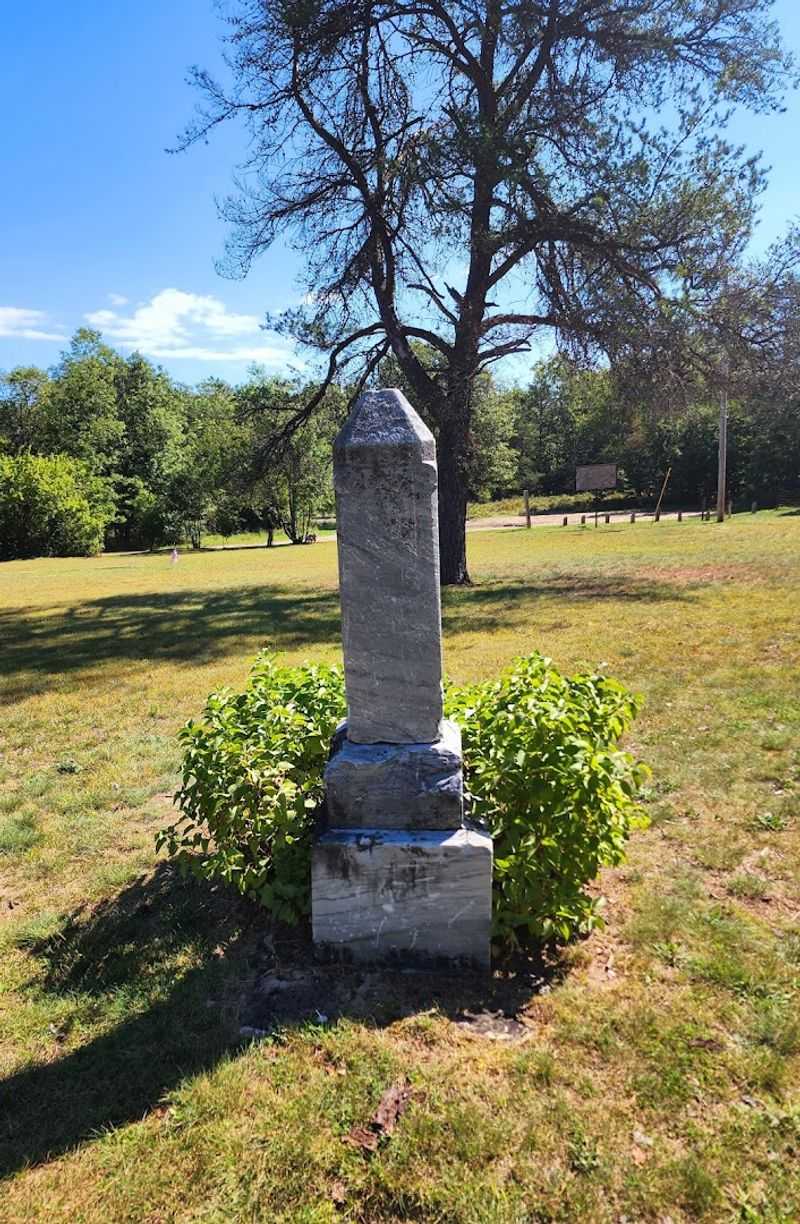
The legend that draws most visitors to this cemetery is one of the more persistent paranormal stories in all of Michigan. It centers on a woman, often described as a witch, who allegedly cursed the town before its collapse.
Two main versions of the story circulate. In one, a woman who had a child outside of marriage was banished from the community and responded by placing a curse on the town.
In the other, a midwife was accused of witchcraft, hanged from an oak tree in the cemetery, and buried on the grounds.
Some versions of the story claim her grave was once marked by a red glowing stone, which has since disappeared or been stolen. It is worth being clear that no historical records confirm the existence of this woman, her execution, or any curse.
The legend appears to have grown organically from the town’s genuinely tragic history, which is arguably more haunting than any invented story could be. Ahead, the reported paranormal experiences get even more specific.
What Visitors Have Actually Reported Experiencing Here
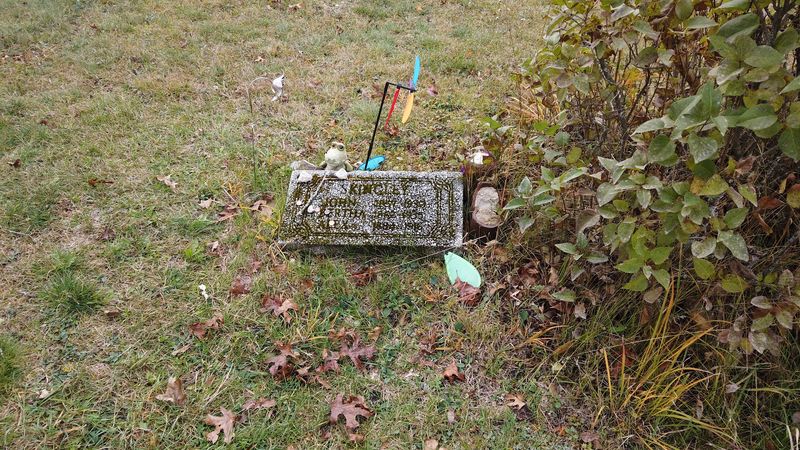
The reported experiences at this cemetery are surprisingly consistent across many years and many different visitors. Glowing orbs in photographs are among the most commonly described phenomena, with people capturing what appear to be floating balls of light in images taken on the grounds.
Disembodied voices and the sound of children laughing are frequently mentioned, even by visitors who describe themselves as skeptics. That specific detail, children’s laughter in a place where so many young people passed away during the diphtheria outbreaks, carries a particular weight.
Perhaps the strangest and most repeated claim involves small handprints, described as child-sized, appearing on car windows and hoods after leaving the cemetery. One account from a Friday the 13th visit in 2003 describes windows fogging up on the drive out with tiny prints covering the glass.
Not every visitor reports anything unusual at all, and plenty leave feeling only a deep sense of sadness rather than fear. The vandalism story coming up adds another disturbing layer to all of this.
The Heartbreaking Condition of the Graves
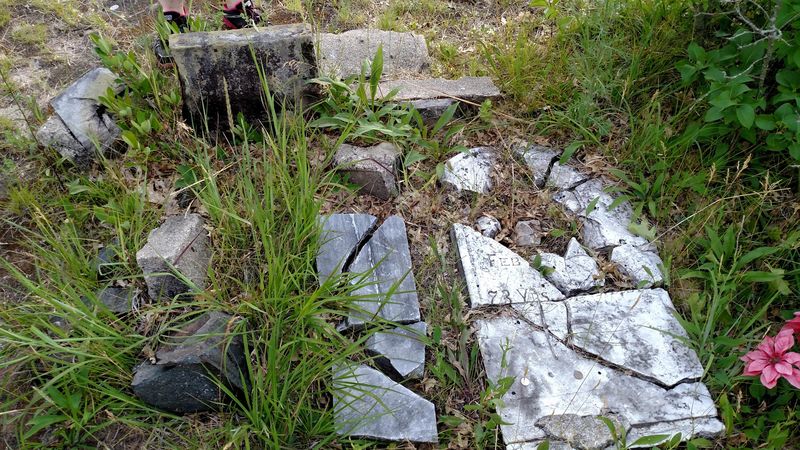
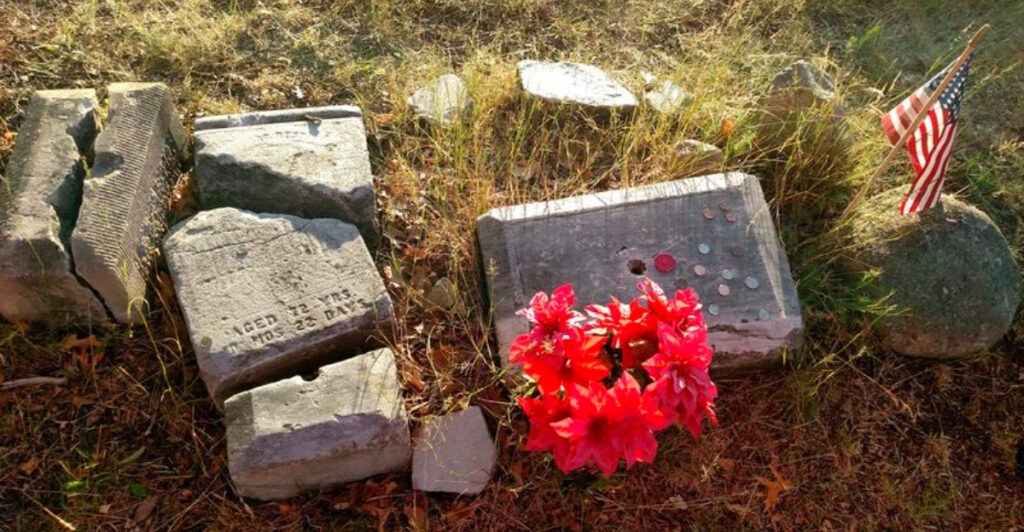
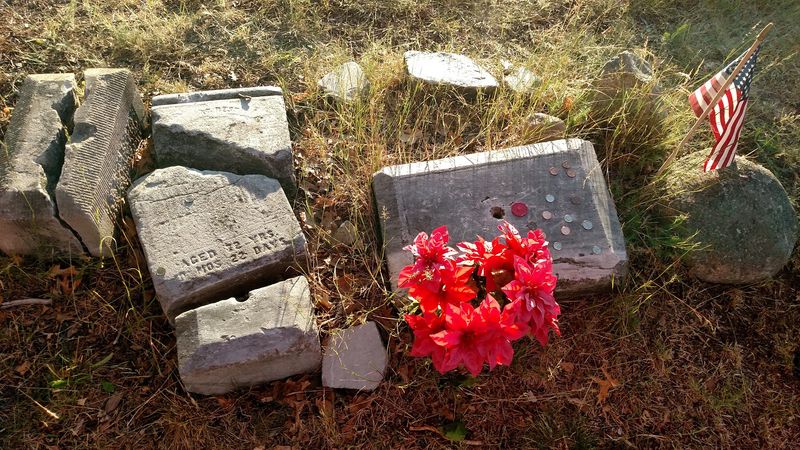
One of the first things you notice when you actually walk through this cemetery is how many headstones are damaged, missing, or broken into pieces. The vandalism here has been extensive over the decades, and it is genuinely upsetting to see.
Teenagers attempting to dig up what they believed to be the witch’s grave in 2001 is one documented incident. Even more jarring is the account of a former Crawford County sheriff who reportedly vandalized the cemetery himself as a teenager, which says something about how little protection this place had for many years.
Despite all of this, the cemetery is now maintained by Beaver Creek Township, and visitors who care about the place have made efforts to restore what they can. Some people have placed broken headstone pieces back together by hand.
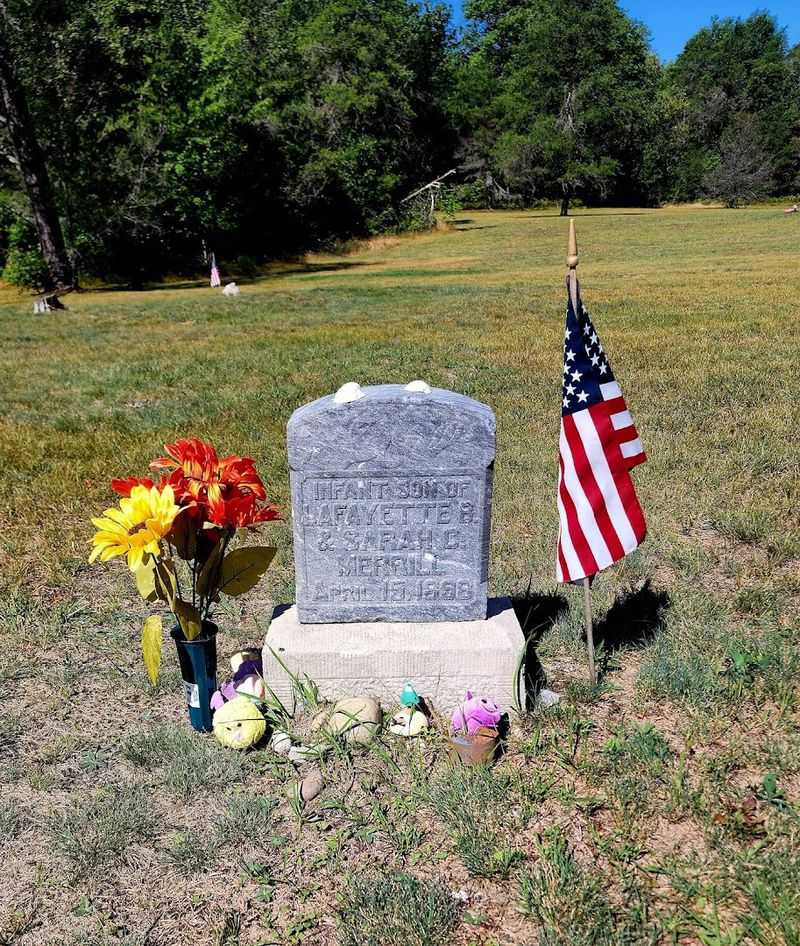
Others leave coins, smooth stones, and small tokens on the graves as a gesture of respect. Moss covers much of the ground, which adds to the quiet, forgotten quality of the space.
The atmosphere here is something you really need to experience in person to fully understand.
The Diphtheria Outbreaks That Shaped the Cemetery’s Story
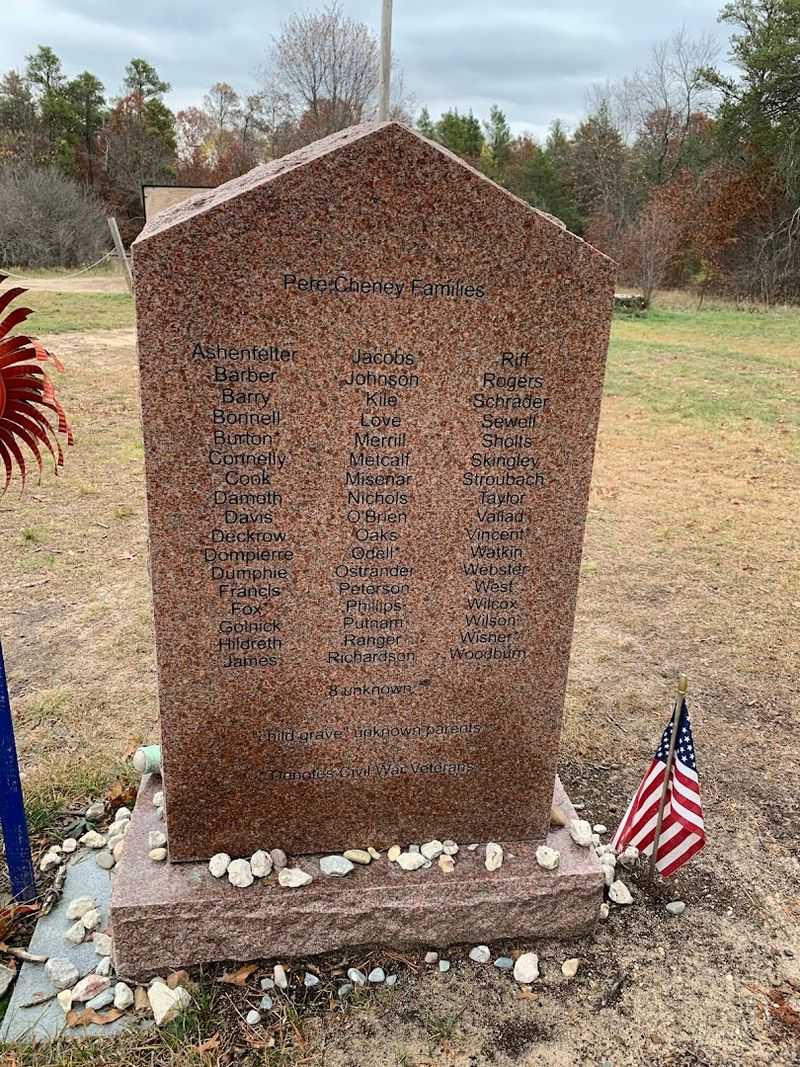
Understanding the real history behind Pere Cheney Cemetery means understanding what diphtheria actually did to small communities in the late 1800s. Diphtheria is a bacterial infection that attacks the throat and airways, and before modern vaccines, it was a leading cause of fatality in children and adults alike.
The 1893 and 1897 outbreaks that struck Pere Cheney were devastating at a scale hard to imagine today. A town of around 1,500 people suddenly faced wave after wave of illness with no effective treatment available.
Entire families were affected, and the cemetery holds approximately 90 graves, many of them belonging to children.
Some accounts suggest that burial pits were used during the worst of the outbreaks, with the remains of the affected being handled in ways meant to stop further spread of disease. Whether or not every detail of these accounts is accurate, the sheer scale of suffering that took place here is not a legend.
It is documented history, and it makes the cemetery feel unlike any other place I have visited in Michigan.
The Eerie Quiet That Surrounds the Whole Area
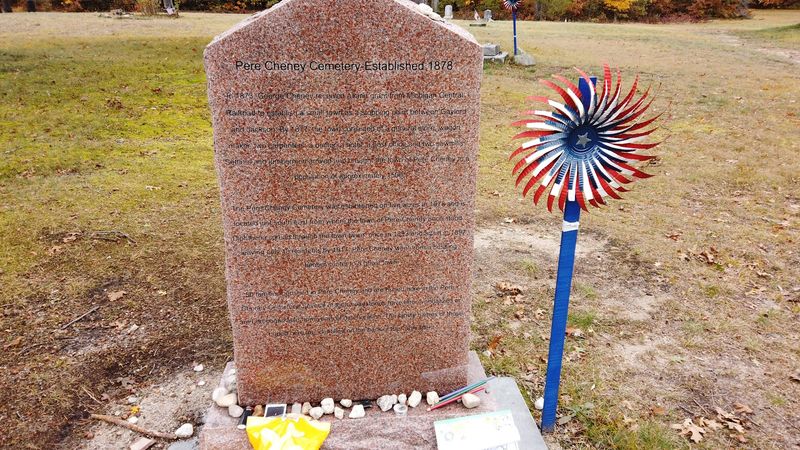
There is a specific kind of silence in that cemetery that feels different from ordinary quiet. The forest around it absorbs sound in a way that makes the space feel sealed off from the rest of the world, even on a clear afternoon.
Visitors consistently describe the atmosphere as peaceful but heavy, the kind of stillness that makes you hyperaware of every small noise. A snapping branch or a distant bird call registers more sharply here than it would anywhere else.
That heightened awareness is probably why so many people convince themselves they are hearing voices or laughter when they visit.
Moss is the primary ground cover in much of the cemetery, which adds a soft, muffled quality to the whole space. The single lamp at the entrance, the only light source on the property, does nothing to illuminate the back corners, which remain completely dark after sunset.
That combination of deep forest, near-total silence, and genuine historical tragedy creates an atmosphere that does not need any supernatural assistance to feel deeply unsettling. What the cemetery looks like up close is just as striking.
Why People Still Leave Offerings on the Graves
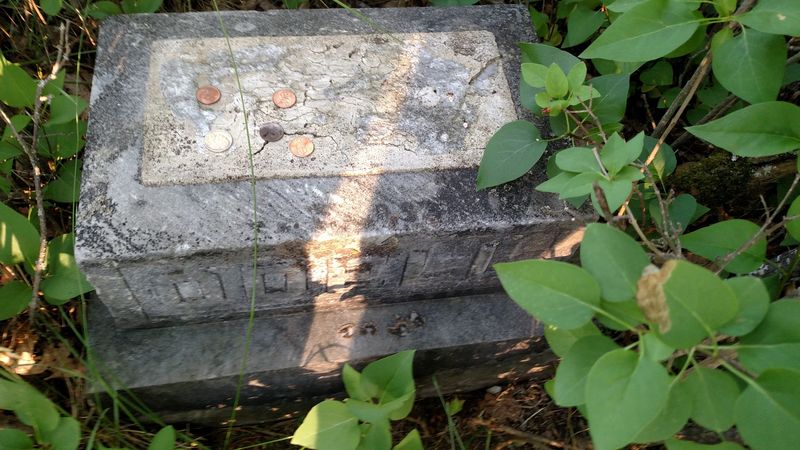
One of the more quietly moving things about visiting Pere Cheney Cemetery is what you find resting on the headstones. Coins, smooth stones, small stuffed animals, and circular metal grave markers half-hidden in the grass are all common sights throughout the grounds.
The tradition of leaving coins on graves has roots in various cultural practices, often interpreted as a way of paying respect or acknowledging the person buried there. At Pere Cheney, it feels particularly meaningful given how long many of these graves went unvisited and unacknowledged.
Some visitors bring extra change specifically to leave behind, making a point of stopping at every visible headstone. Others place stones they have collected along the trail.
The gesture transforms what could be a purely morbid tourist stop into something that feels more like a communal act of remembrance. Fifty families and roughly 90 individuals are buried here, many of them victims of disease and hardship.
Leaving something behind, however small, feels like the least a visitor can do for people whose town simply vanished around them.
The Ghost Town Connection That Makes This Cemetery Unique
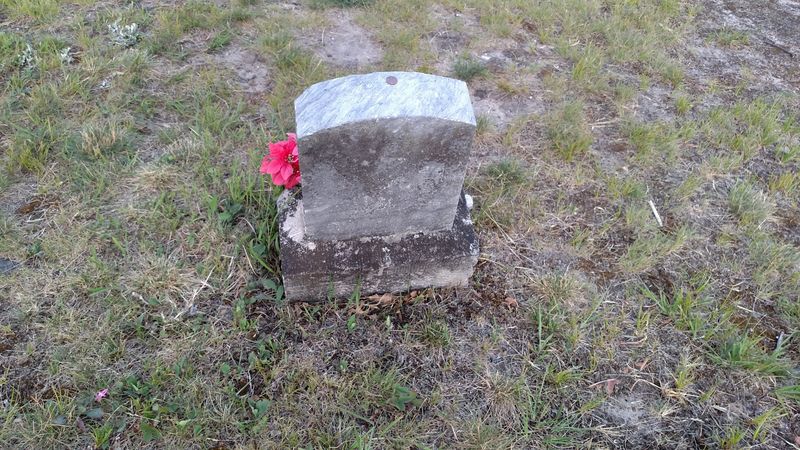
Most cemeteries exist within communities, surrounded by churches, neighborhoods, and familiar landmarks. Pere Cheney Cemetery stands entirely alone, which is what makes it so disorienting to visit.
The town that built it is completely gone.
No buildings remain from the original settlement. No foundations, no roads, no markers beyond the cemetery itself.
The forest has reclaimed every inch of what George Cheney’s lumber town once occupied, leaving only the graves to suggest that 1,500 people once called this place home.
That quality of total erasure is genuinely rare. Ghost towns across the American West often have at least a few crumbling structures left behind.
Pere Cheney has nothing but trees, dirt roads, and a small fenced cemetery that somehow survived everything the town did not. The cemetery is occasionally referred to as Center Plains Cemetery in some older records, which adds one more layer of obscurity to its already complicated identity.
That isolation is also what makes the drive out here feel like crossing into a different kind of territory entirely.
Practical Tips for Visiting Without Running Into Trouble
A visit to Pere Cheney Cemetery rewards preparation. The hours are 8 AM to 8 PM every day of the week, and those boundaries are enforced.
Showing up after dark is trespassing, and the township is clear about that rule, so plan your timing accordingly.
The road conditions are the biggest practical challenge. The north approach is the reliable route, but even that requires a truck or a high-clearance SUV.
Standard cars and low-riding vehicles will struggle badly on the bumpy, narrow dirt trail, and getting stuck out here with no cell service is a real risk.
Bring water, wear sturdy shoes, and let someone know where you are going before you head out. The cemetery is large by old cemetery standards, with far more space than the visible headstones suggest.
Many graves are unmarked or have been lost to time. The township office is the best contact for any questions about access or rules.
Most importantly, treat the space with the respect it deserves, because real people and real families are buried here.
How the Cemetery Has Been Portrayed in Michigan Paranormal Culture
Pere Cheney Cemetery has earned a firm place in Michigan’s paranormal community over the past few decades. Ghost hunters regularly make the trek out to the remote site, armed with EVP recorders, cameras, and a genuine hope of capturing something unexplainable.
EVP, which stands for electronic voice phenomena, involves recording audio in hopes of capturing voices or sounds not heard at the time of recording. Several visitors have reported attempting EVP sessions at the cemetery and coming away with nothing, while others describe audio they cannot explain.
The site’s reputation has spread well beyond local legend, appearing in online paranormal forums, Michigan history blogs, and regional haunted location guides. Friday the 13th has become a particularly popular night to visit, with groups making the pilgrimage as a kind of annual tradition.
The cemetery’s combination of genuine historical tragedy, an unverifiable but compelling legend, and physical isolation makes it a natural focal point for people drawn to unexplained experiences. That reputation, earned or not, shows no sign of fading anytime soon.
What Stays With You After You Leave
I have visited a fair number of places with paranormal reputations, and most of them feel more theatrical than genuinely affecting. Pere Cheney Cemetery is different in a way that is hard to put into words without sounding dramatic.
The history alone is enough to change how you feel about the drive back. Knowing that a thriving community of 1,500 people was reduced to nothing by disease, fire, and abandonment, and that the only thing left is a small patch of graves in the middle of a forest, carries a weight that lingers.
Pere Cheney Cemetery is not just a paranormal curiosity. It is a reminder that entire worlds can disappear, and that sometimes only the graves are left to tell the story.
Share this story