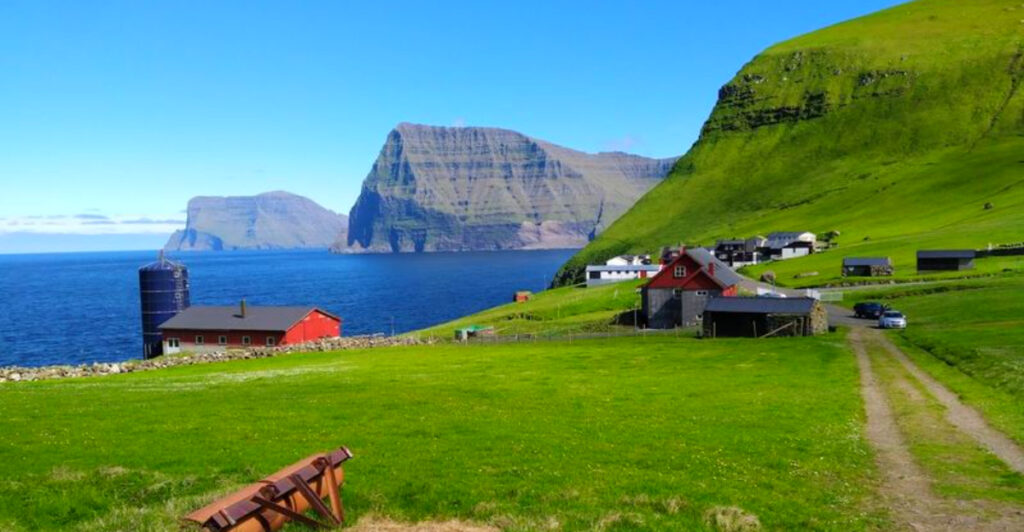
The Nordic countries have a reputation for dramatic landscapes, colorful cities, and impressive design, but some of their most fascinating destinations lie far from the mainland. Scattered across icy seas and rugged coastlines are islands where nature still calls most of the shots.
These are places where roads sometimes end at the harbor, where centuries-old traditions remain part of daily life, and where the scenery looks more like a fantasy novel than a travel brochure.
What makes these islands so captivating isn’t just their remoteness. Each one offers a distinct personality shaped by geography, history, and the determined communities that call them home.
Some are known for towering cliffs and seabird colonies. Others boast volcanic landscapes, medieval villages, or coastlines carved by centuries of wind and waves.
For travelers seeking destinations that feel genuinely different from the modern world, these Nordic islands deliver. The farther you venture from the busy capitals, the more extraordinary the journey becomes.
Here are 13 remote Nordic islands that feel like they belong in a world all their own.
1. Mykines, Faroe Islands
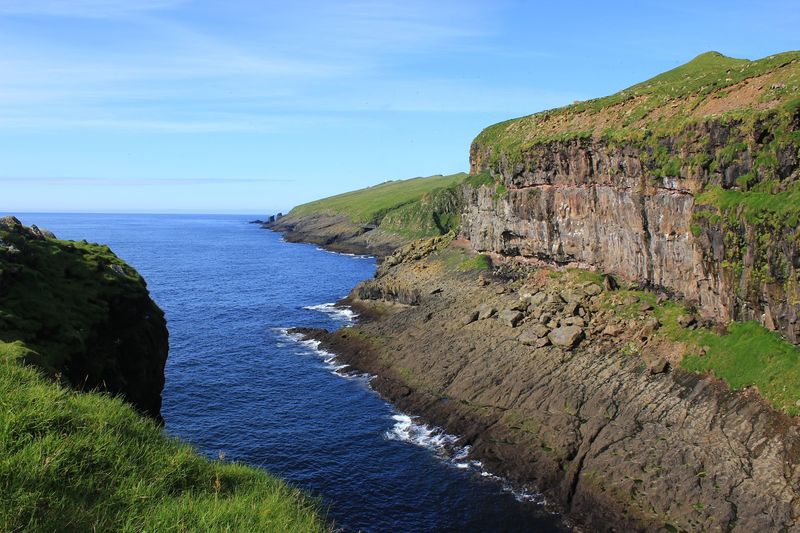
Puffins practically outnumber people on this tiny Atlantic outpost.
Mykines sits at the western edge of the Faroe Islands and is often considered one of the archipelago’s most isolated communities. Home to only a handful of permanent residents, the island feels wonderfully detached from modern distractions.
Visitors arrive by ferry or helicopter, immediately realizing that convenience is not the main attraction here.
The island is famous for its enormous seabird colonies, particularly puffins that gather in remarkable numbers during nesting season. Hiking trails lead across grassy cliffs to a lighthouse perched on a neighboring islet, connected by a narrow footbridge that seems designed for adventure.
Despite its modest size, Mykines offers some of the most dramatic scenery in the North Atlantic. Steep cliffs plunge into the ocean, waves crash against rocky formations, and vast open views stretch toward the horizon.
It is the kind of place where checking your phone suddenly feels much less important than watching the natural world unfold around you.
2. Røst, Norway
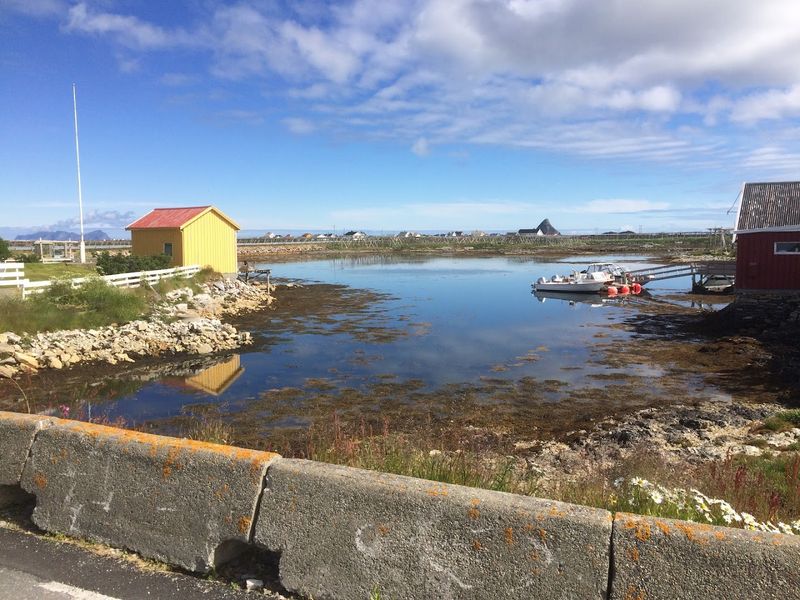
Far out in the Norwegian Sea sits a community that has mastered the art of thriving on the edge.
Røst is one of Norway’s most remote inhabited island groups, located beyond the better-known Lofoten Islands. Although small in population, it has been an important fishing center for centuries, helping sustain coastal communities across northern Norway.
The landscape surprises many visitors. Unlike the dramatic peaks common elsewhere in the region, Røst consists largely of low-lying islands surrounded by open ocean.
This creates enormous skies and uninterrupted views that make the islands feel much larger than they actually are.
Birdwatchers are particularly drawn to Røst. The surrounding waters support thriving seabird populations, making it one of Scandinavia’s most important wildlife destinations. Historic fishing villages add character to the landscape, while traditional wooden buildings provide glimpses into centuries of maritime history.
Life moves at a different pace here, shaped by weather, fishing seasons, and the rhythms of the sea rather than busy schedules.
3. Grimsey, Iceland
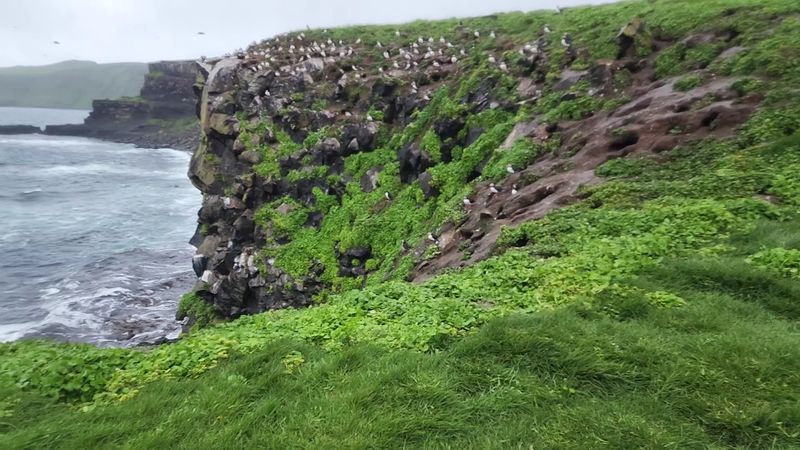
Crossing the Arctic Circle becomes surprisingly easy when an entire island is sitting directly on it.
Grimsey lies about 25 miles off Iceland’s northern coast and holds the distinction of being the country’s only inhabited territory within the Arctic Circle. Reaching it requires a ferry ride or a short flight, both of which add to the sense of embarking on a genuine expedition.
The island’s isolation creates an unusual atmosphere. Colorful houses stand against dramatic coastal cliffs, while seabirds occupy large sections of the shoreline.
Visitors often make a point of crossing the Arctic Circle marker, turning a geographic milestone into a memorable travel moment.
Fishing remains central to local life, and the small community maintains a strong connection to Iceland’s maritime traditions. The surrounding ocean frequently reveals whales and other marine wildlife, adding extra excitement to an already distinctive destination.
Grimsey proves that a tiny island can deliver a remarkably large sense of adventure.
4. Uløya, Norway
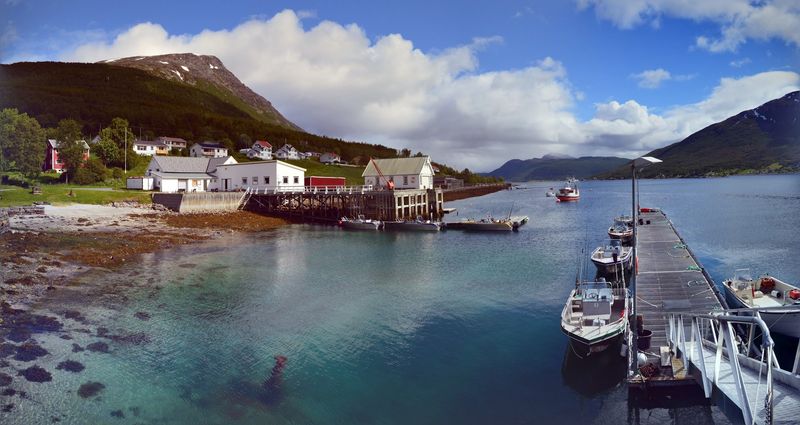
Maps tend to overlook places like this, which is exactly why they deserve attention.
Uløya lies in northern Norway, surrounded by fjords, mountains, and open water. Despite its impressive scenery, the island remains largely unknown outside Scandinavia.
Small communities are scattered along the coastline, connected by roads that reveal exceptional views at nearly every turn. The surrounding waters support fishing traditions that have shaped local life for generations.
Hiking opportunities abound, with trails leading through forests and up mountain slopes overlooking the fjords below. Seasonal changes bring entirely different experiences, from long summer days to snowy winter landscapes.
Uløya offers the rare feeling of discovering somewhere genuinely underappreciated.
5. Vigur, Iceland
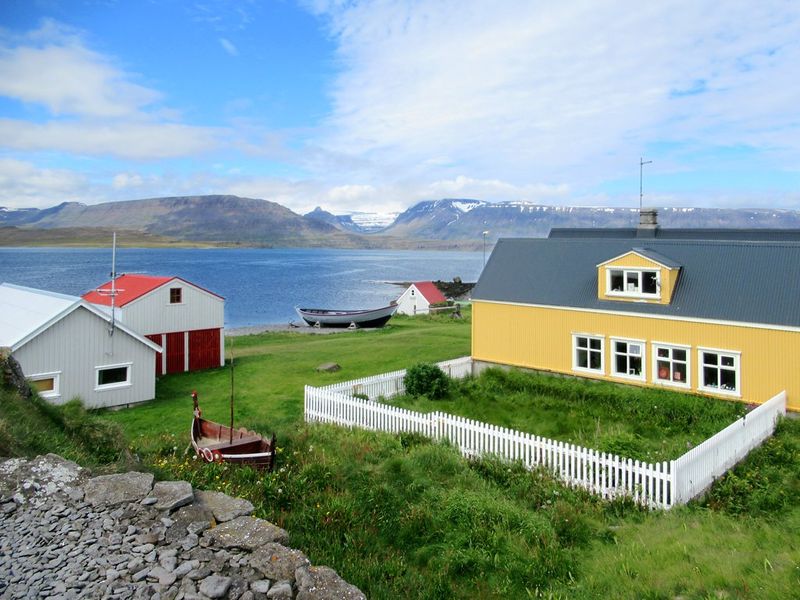
One family, one island, and thousands of birds create a surprisingly memorable combination.
Vigur is a privately owned island located in Iceland’s remote Westfjords region. Despite its small size, it has become famous for both wildlife and traditional Icelandic culture.
The island supports large colonies of puffins, Arctic terns, and eider ducks. Visitors often arrive specifically to observe these birds while learning about the island’s longstanding relationship with sustainable harvesting practices.
Historic buildings add another layer of interest. Vigur is home to Iceland’s oldest wooden boat and one of the country’s oldest windmills, both carefully preserved by the resident family.
The absence of roads, crowds, and large-scale development allows the island’s unique character to shine. A visit feels less like a typical sightseeing excursion and more like being welcomed into a living piece of Icelandic history.
6. Sandoy, Faroe Islands
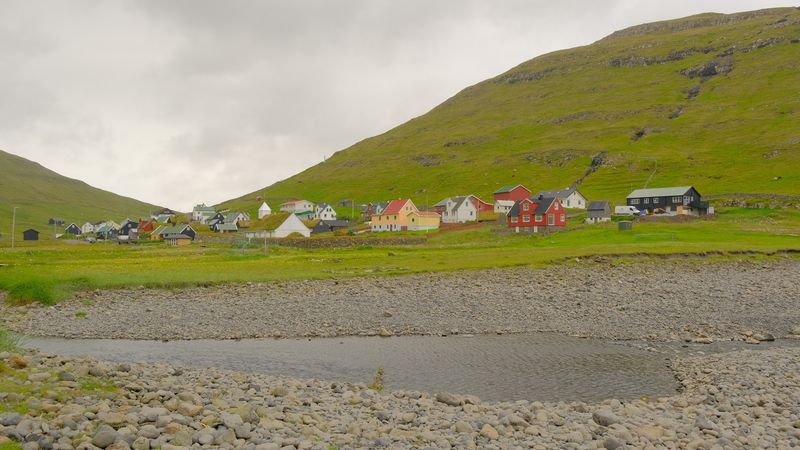
Not every Faroese island competes for the steepest cliffs.
Sandoy offers a softer side of the Faroe Islands, replacing towering mountains with rolling hills, lakes, and expansive coastal views. Yet its gentler landscape makes it no less captivating.
Traditional villages dot the countryside, connected by quiet roads that encourage slow exploration. Local folklore remains deeply woven into the island’s identity, with stories of hidden people and mysterious creatures still shared today.
Birdlife thrives across wetlands and coastal areas, attracting nature enthusiasts seeking a different perspective on the Faroes. Historic churches and archaeological sites provide insight into centuries of settlement in this remote region.
Sandoy feels refreshingly unhurried. Visitors often discover that the island’s greatest attraction is simply having the space and time to appreciate its understated beauty.
7. Senja, Norway
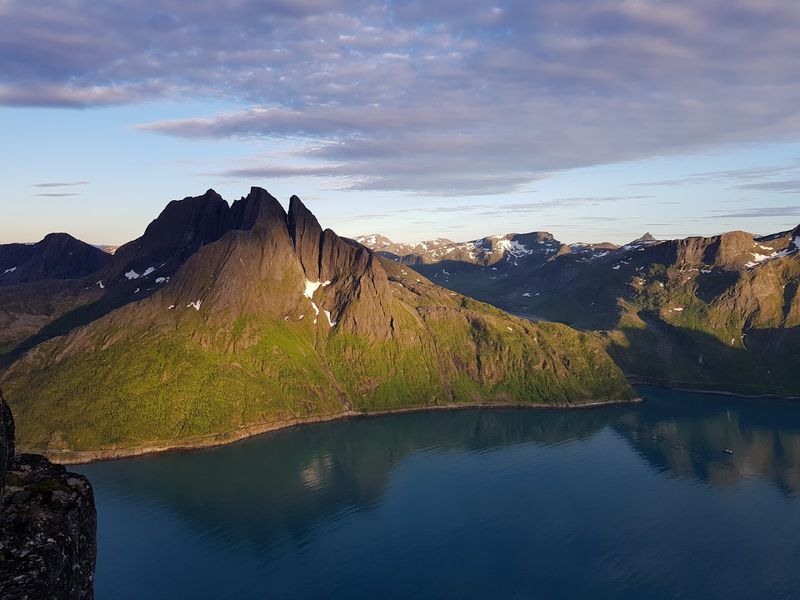
Norway’s second-largest island somehow remains one of its best-kept secrets.
Senja combines many of the country’s most spectacular landscapes into a single destination. Jagged mountains rise directly from the sea, picturesque fishing villages line sheltered coves, and scenic roads reveal one astonishing view after another.
The island is often compared to the Lofoten Islands, but with fewer visitors and a more relaxed atmosphere. That relative quiet allows travelers to enjoy dramatic scenery without feeling rushed.
Outdoor activities abound. Hiking trails range from leisurely walks to challenging summit climbs, while coastal waters attract kayakers and wildlife enthusiasts.
Senja’s diversity is remarkable. One side of the island showcases rugged mountain terrain, while another features forests, beaches, and agricultural communities.
Every turn reveals something different.
8. Kalsoy, Faroe Islands
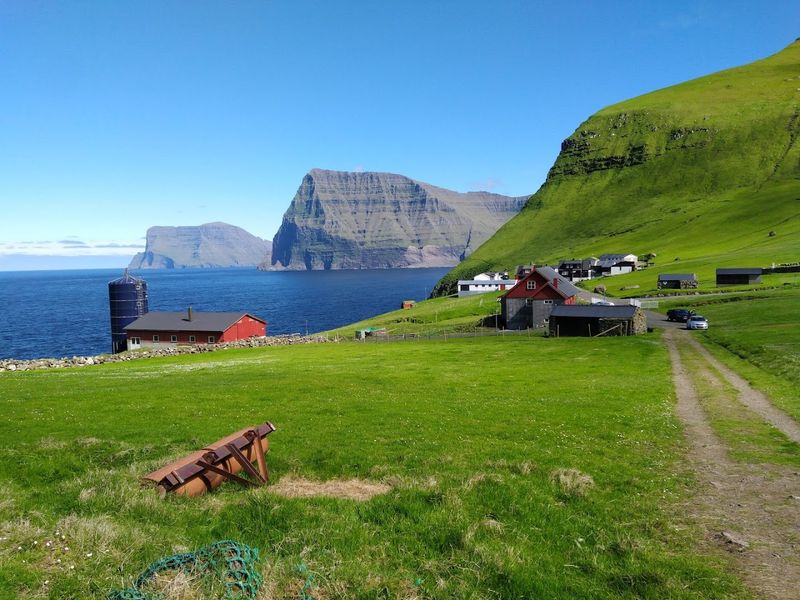
A tunnel system earned this island the nickname “the flute,” and somehow that’s only part of its appeal.
Kalsoy consists of a series of narrow valleys connected by tunnels that link small villages scattered along the island’s eastern side. The western coastline, meanwhile, rises dramatically above the Atlantic.
The island gained international attention after appearing in a major film production, but its natural beauty has impressed visitors for generations. Hiking routes lead to spectacular viewpoints and a lighthouse perched near the island’s northern tip.
Several villages contain only a few dozen residents, creating an atmosphere that feels wonderfully removed from modern urban life. The landscape encourages exploration, rewarding visitors with dramatic coastal vistas and fascinating local history.
Kalsoy demonstrates how a relatively small island can leave an enormous impression.
9. Suðuroy, Faroe Islands
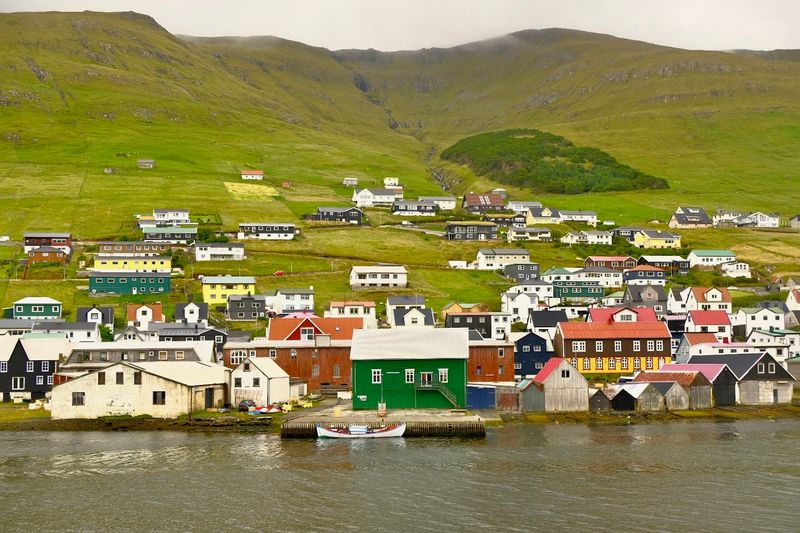
The southernmost Faroese island marches to its own rhythm.
Separated from the main islands by a substantial stretch of ocean, Suðuroy feels distinctly different from the rest of the archipelago. Its dramatic cliffs rank among the highest in Europe, creating unforgettable coastal scenery.
Historic villages preserve traditional Faroese architecture, while hiking trails reveal panoramic views across the North Atlantic. Geological formations throughout the island highlight its volcanic origins.
Many visitors appreciate Suðuroy’s authenticity. Tourism exists, but daily life remains firmly rooted in local traditions and community connections.
The island’s relative isolation has helped preserve its unique character, making it one of the most rewarding destinations for travelers willing to venture beyond the usual routes.
10. Anholt, Denmark
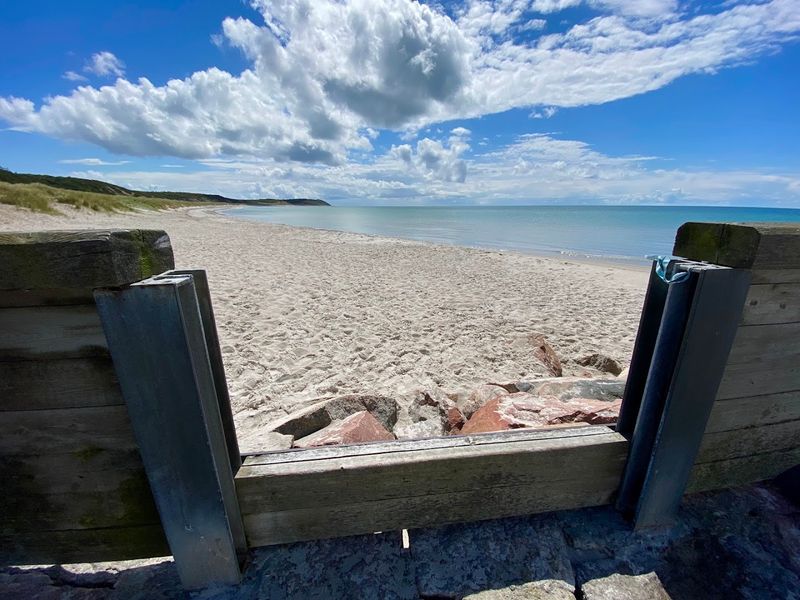
Half the island resembles Scandinavia. The other half looks as though it belongs somewhere entirely different.
Anholt sits in the Kattegat Sea between Denmark and Sweden and features one of the country’s most unusual landscapes. Much of the island consists of a vast desert-like area known as Ørkenen, or “The Desert.”
This stark terrain contrasts dramatically with coastal meadows, beaches, and small forests elsewhere on the island. The result is an environment unlike any other in Denmark.
A historic lighthouse and charming harbor town add human character to the landscape, while the surrounding waters attract seals and seabirds.
Anholt’s isolation contributes significantly to its appeal. The island feels delightfully self-contained, offering visitors a rare opportunity to experience a genuinely distinctive corner of Scandinavia.
11. Stora Karlsö, Sweden
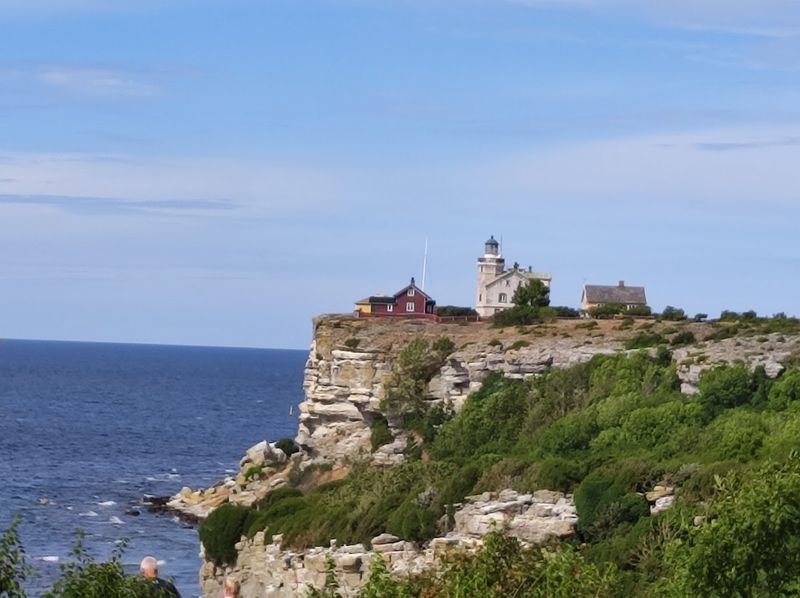
Some islands become famous for what lives there rather than who lives there.
Stora Karlsö lies off Sweden’s Baltic coast and serves as one of the country’s oldest nature reserves. Human residents are few, but wildlife flourishes in extraordinary numbers.
Massive seabird colonies occupy the island’s cliffs during nesting season, creating one of northern Europe’s most important bird habitats. Guided tours help visitors understand the ecological significance of the island while exploring its rugged terrain.
The island’s limestone formations and caves add geological interest to an already fascinating destination. Archaeological discoveries suggest people have visited the island for thousands of years.
Today, conservation remains the primary focus, preserving a landscape that feels wonderfully untouched by modern development.
12. Hailuoto, Finland
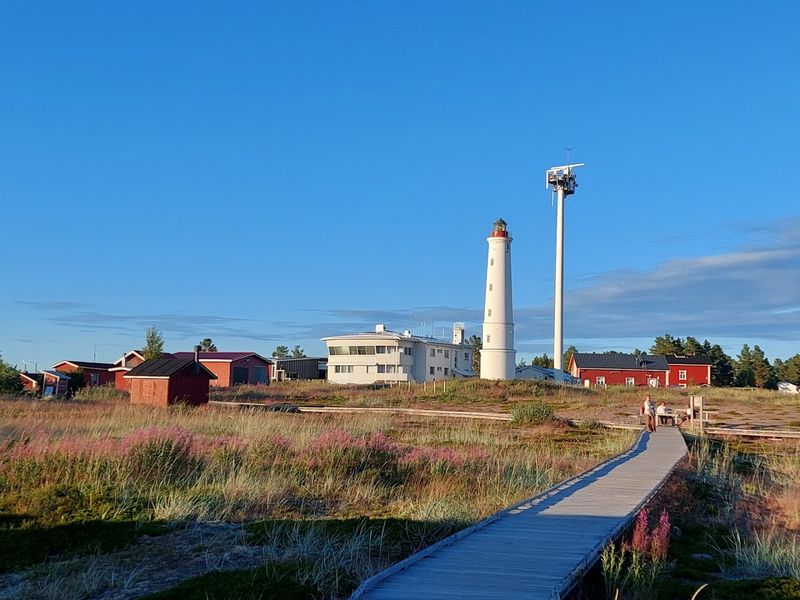
Winter occasionally turns this island into a destination reachable by driving across the sea.
Hailuoto sits in the Gulf of Bothnia and is Finland’s largest island. During particularly cold winters, an official ice road connects it to the mainland, creating one of Europe’s most unusual transportation experiences.
The island features sandy beaches, forests, wetlands, and traditional villages. Its relatively flat landscape contrasts sharply with the dramatic mountains found elsewhere in the Nordic region, yet possesses a beauty all its own.
Birdwatchers regularly visit thanks to the island’s importance as a migration stopover. Cultural traditions remain strong, and local events celebrate both history and community life.
Hailuoto combines natural beauty and unique local character in a way that feels distinctly Finnish.
13. Nólsoy, Faroe Islands
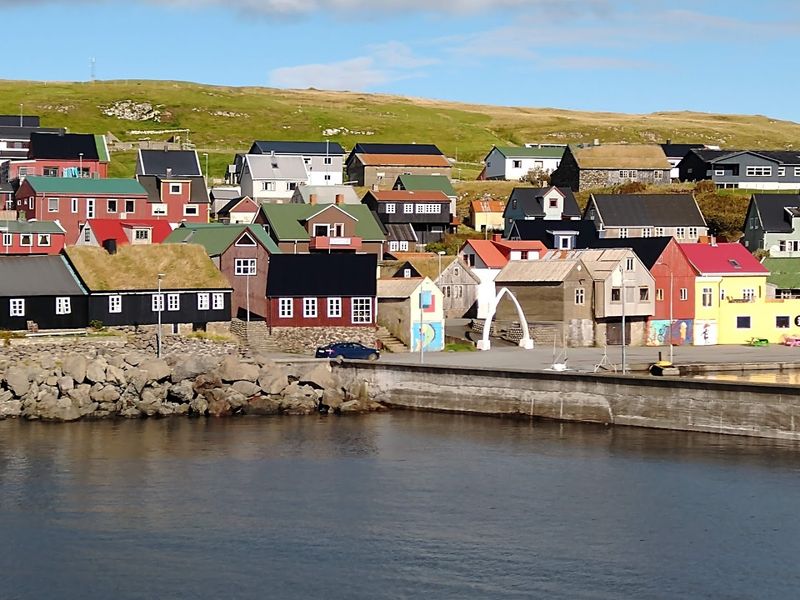
The capital city sits just across the water, yet this island feels worlds away.
Nólsoy lies only a short ferry ride from Tórshavn, the Faroe Islands’ capital, but maintains a wonderfully independent personality. The island contains a single village where colorful homes line quiet streets overlooking the harbor.
Hiking trails lead through rolling hills and along dramatic coastlines. Birdlife flourishes, particularly among storm petrels, which nest here in significant numbers.
Local traditions remain an important part of daily life, contributing to the island’s welcoming atmosphere. Visitors often arrive expecting a brief excursion and end up lingering far longer than planned.
Nólsoy proves that remoteness is not always measured in miles.
Share this story