 Unearth The Voyage
Dining culture has spent decades cycling through themes, chef theatrics, and rooms designed more for cameras than regulars. Yet the places people talk about for years are often the ones that kept the same counter, the same recipes, and the same practical attitude while trends came and went.
These restaurants tell a quieter story about modern food history: loyalty built through repetition, confidence, and dishes that never needed a sales pitch. Keep reading and you will find twelve spots where cultural memory lives in the menu, and where restraint turned into a lasting kind of fame.
1. Peter Cat (Kolkata, India)
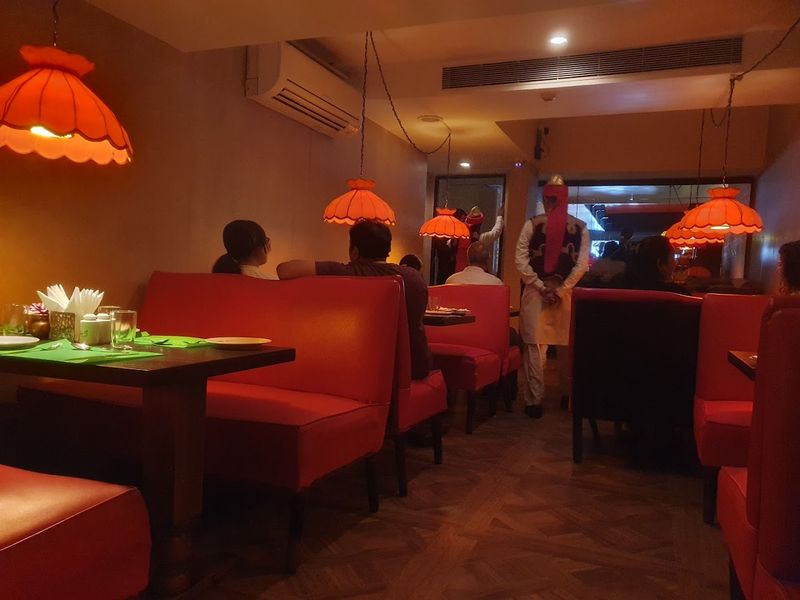
Some dining rooms stay relevant by refusing the makeover memo, and Peter Cat has mastered that art. Opened in Kolkata in the 1970s, it became widely known for Chelo Kebabs, a dish that blended Iranian influence with a distinctly local restaurant identity.
The room, service style, and menu have long suggested continuity rather than reinvention. That matters in a city where restaurant memory is tied to family outings, business lunches, and the long afterlife of Park Street as a social landmark.
You are not asked to admire conceptual plating or a carefully staged brand story here. People come because the formula proved itself decades ago: dependable portions, recognizable flavors, and a sense that the restaurant understands its role as a keeper of urban habit rather than a contestant in the latest dining fashion.
2. Ćevabdžinica Željo (Sarajevo, Bosnia & Herzegovina)
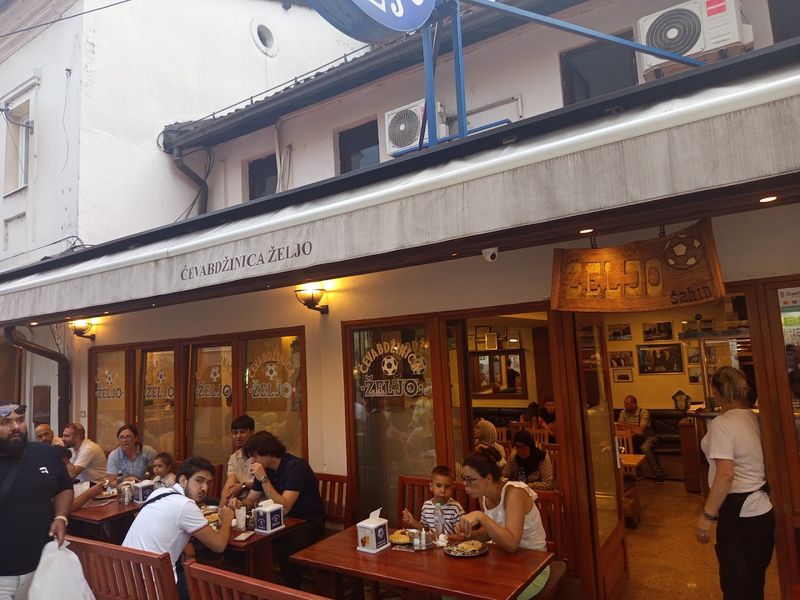
Some restaurants define a city as much as any landmark, and in Sarajevo, Željo carries that weight with ease. Known for ćevapi served in somun with onions and kajmak, it represents a style of Balkan dining built on speed, familiarity, and deeply rooted culinary identity.
The setting is direct and functional, often busy in a way that reflects daily life rather than curated popularity. In a region where food is closely tied to tradition and social rhythm, places like this act as anchors of continuity across generations.
You do not come here for atmosphere in the modern sense. People return because the flavors are consistent, the portions satisfying, and the experience grounded in something older than trend cycles – a reminder that the most enduring restaurants are often the ones that never felt the need to reinvent themselves in the first place.
3. L’As du Fallafel (Paris, France)
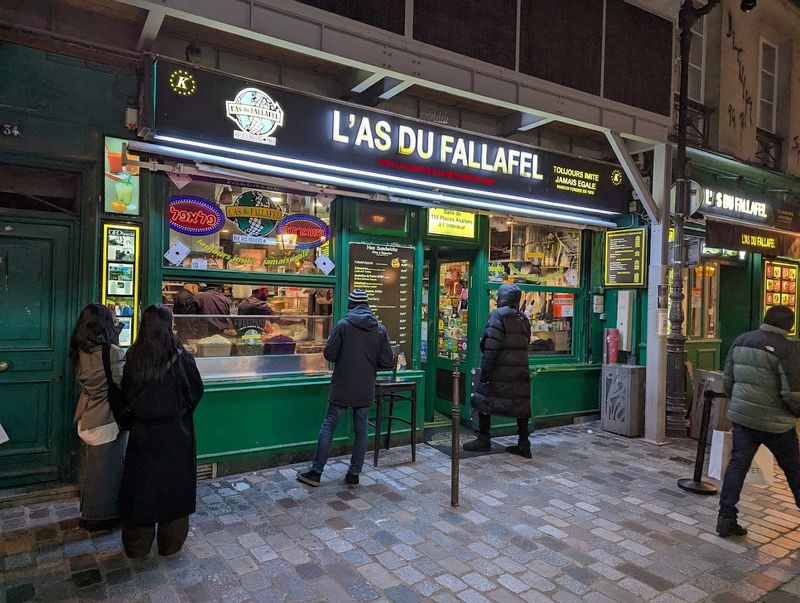
Queues on narrow streets usually signal hype, but L’As du Fallafel turned waiting into part of the routine long before social media. In Paris’s Marais district, it became famous for generously filled sandwiches that connected street food convenience with the neighborhood’s layered Jewish history.
The setting is practical, direct, and slightly crowded in a way that feels earned rather than engineered. That matters in an area where preservation, tourism, and changing retail habits have constantly reshaped what daily life looks like.
You order, collect your food, and make peace with whatever standing space appears, which is part of the charm. The restaurant’s popularity comes from consistency and context: a dish with broad appeal, a location tied to longstanding community memory, and a style of service that suggests the food itself is doing the promotional work.
4. Joe’s Pizza (New York, USA)
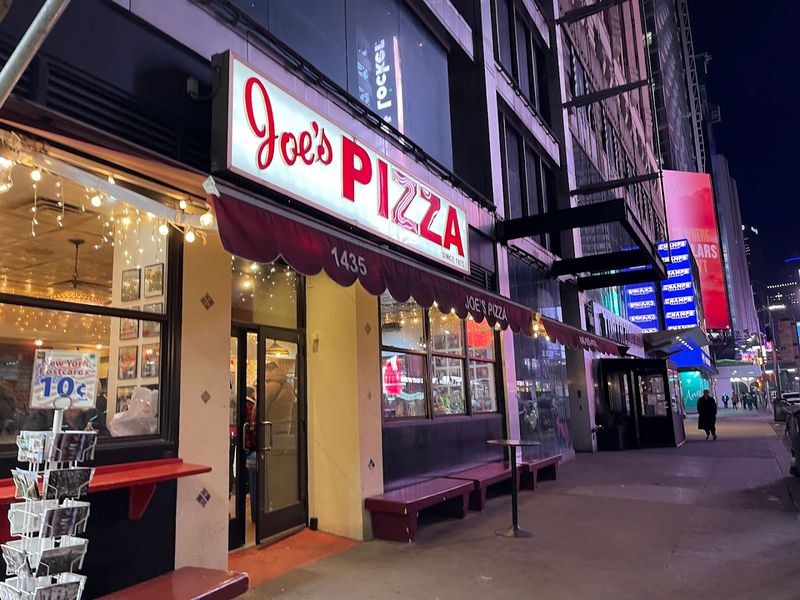
A plain slice can carry more civic pride than a tasting menu, and Joe’s Pizza proves the point. Founded in Greenwich Village in 1975, it built its name on straightforward New York pizza sold without decorative language, dramatic upgrades, or much patience for distraction.
The shop represents a style of city eating shaped by speed, repetition, and trust. For decades, slice counters like this served office workers, students, night crowds, and visitors seeking the version of New York they had already pictured before arriving.
You do not go to study the furniture or decode a concept statement taped to the wall. People love Joe’s because it protects a familiar standard in a city that regularly replaces its landmarks with newer, shinier candidates, and because one folded slice at the counter still feels like the most efficient argument for simplicity ever sold.
5. St. John Restaurant (London, UK)
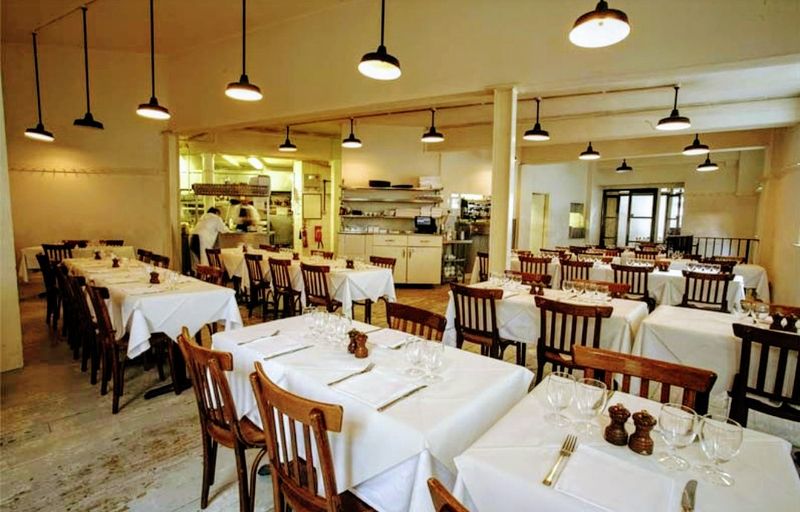
White walls have rarely carried such influence without trying to look important, which is part of St. John’s quiet joke. Opened in London in 1994 by Fergus Henderson and Trevor Gulliver, it helped reshape British dining by making plain presentation and rigorous cooking feel intellectually confident.
Its reputation grew from substance, especially the restaurant’s role in popularizing nose-to-tail eating within mainstream conversation. Instead of relying on theatrical luxury, St. John treated old culinary habits, neglected cuts, and direct language as serious material worth revisiting.
You can see why diners admire it even if the room appears almost stubbornly restrained. The restaurant became historically important because it challenged assumptions about what British food could be, influenced chefs far beyond London, and showed that a menu written with uncommon clarity can outlast decorative trends by a comfortable margin.
6. El Rinconcillo (Seville, Spain)
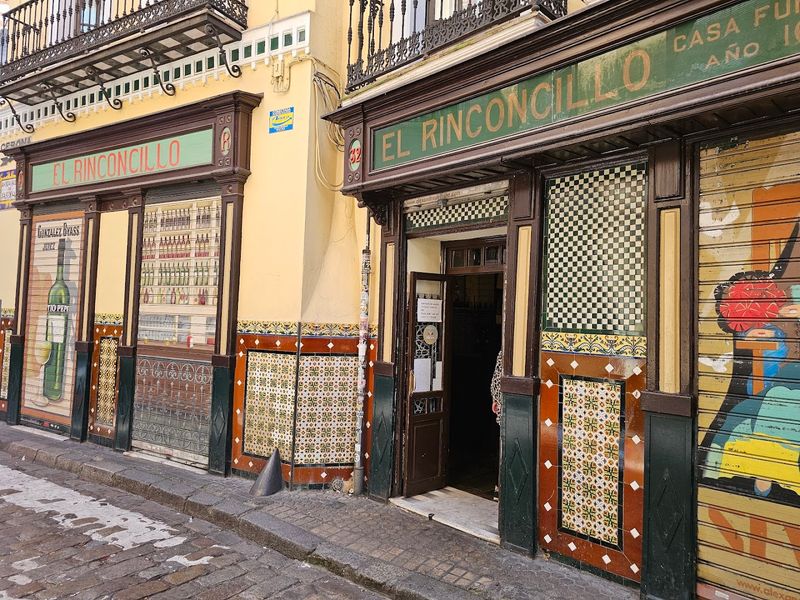
Age alone never guarantees affection, but El Rinconcillo has turned longevity into a working skill. Founded in Seville in 1670 according to its own long-accepted story, it stands as a rare example of a restaurant woven into civic memory rather than merely preserved for curiosity.
The bar’s appeal rests in continuity: traditional tapas, familiar service rituals, and an environment that still points to earlier habits of public eating. In Spain, these spaces matter because they reflect social customs built around conversation, brief stops, and meals spread across daily routines.
You are not visiting a museum piece pretending to be a restaurant for tourists. People return because the place continues to function as a living institution, one that links present-day Seville to centuries of ordinary dining behavior while proving that tradition, when handled confidently, needs no glossy redesign to remain persuasive.
7. Katz’s Delicatessen (New York, USA)
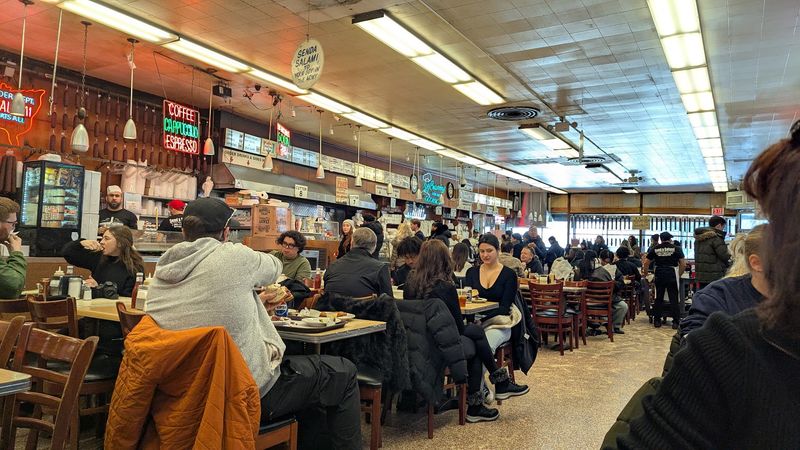
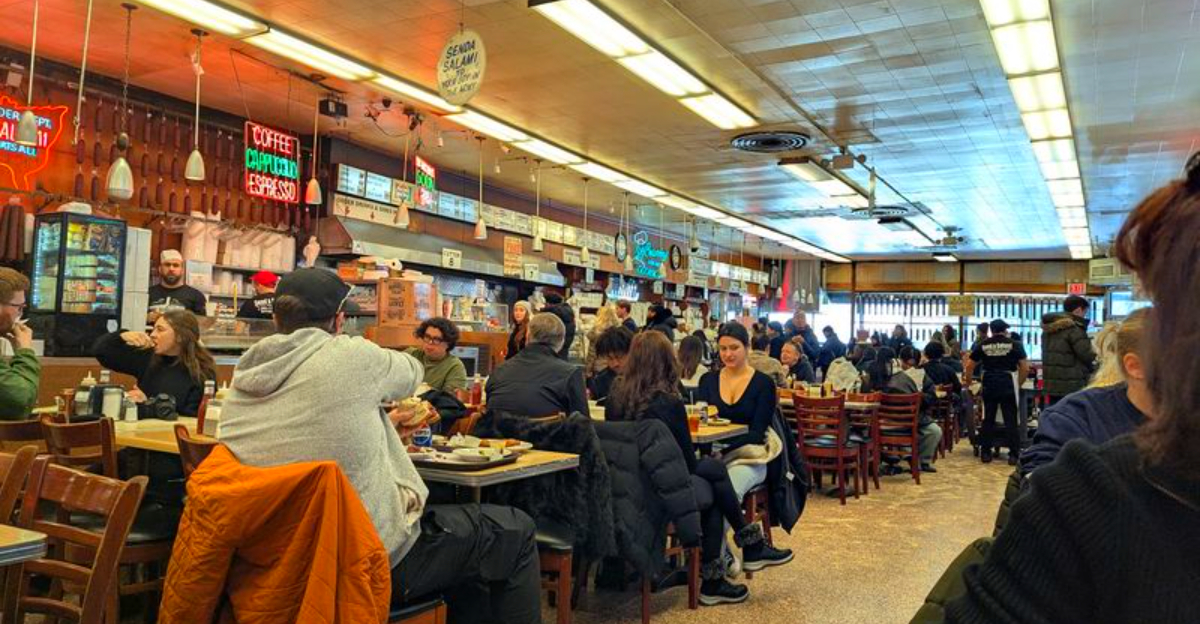
If a sandwich could hold municipal history, Katz’s Delicatessen would qualify as a public archive. Established in the late nineteenth century on Manhattan’s Lower East Side, it grew alongside immigrant neighborhoods, labor culture, and the expanding mythology of the New York deli.
Its appeal has never depended on polished quiet or carefully managed exclusivity. The crowded counters, ticket system, and oversized pastrami sandwiches feel rooted in an older style of urban eating where efficiency, appetite, and personality mattered more than decor strategy.
You can trace a century of city change through places like this, especially as many classic delis disappeared under rent pressure and shifting food habits. Katz’s endured by doing the obvious things exceptionally well, serving abundance with almost comic confidence, and letting regulars, tourists, film references, and family traditions all pile into the same room.
8. Pho Hoa (Ho Chi Minh City, Vietnam)
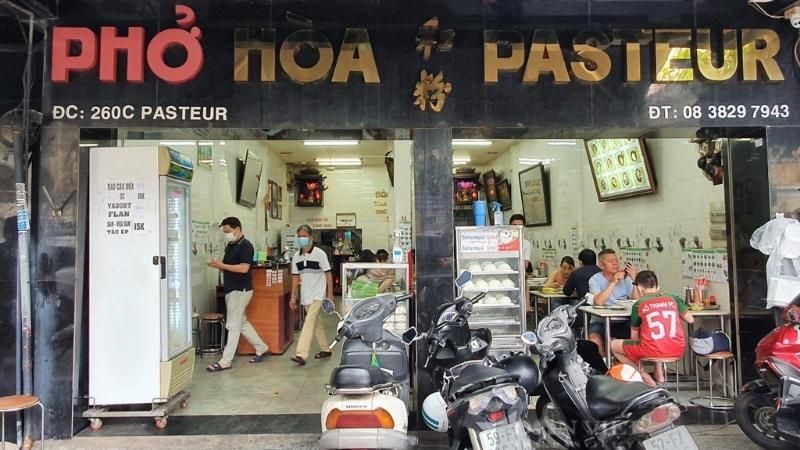
Plastic stools have launched entire reputations, and Pho Hoa shows why presentation can stay secondary. In Ho Chi Minh City, the restaurant is known for a practical, fast-moving style centered on pho, a dish whose modern history tracks migration, regional identity, and urban daily rhythm.
Pho itself developed through layered influences in northern Vietnam before spreading and changing across the country during the twentieth century. Restaurants like this matter because they preserve a highly recognizable version of public eating where speed, value, and repeatability outrank decorative comfort every single time.
You come for a bowl that regulars trust, not for a room designed to flatter your camera roll. The no-fuss setup reinforces the point that authenticity is often organizational rather than theatrical, built from routines, proportion, and consistency, all of which explain why loyal customers keep returning without needing persuasion from modern branding.
9. Gjusta (Los Angeles, USA)
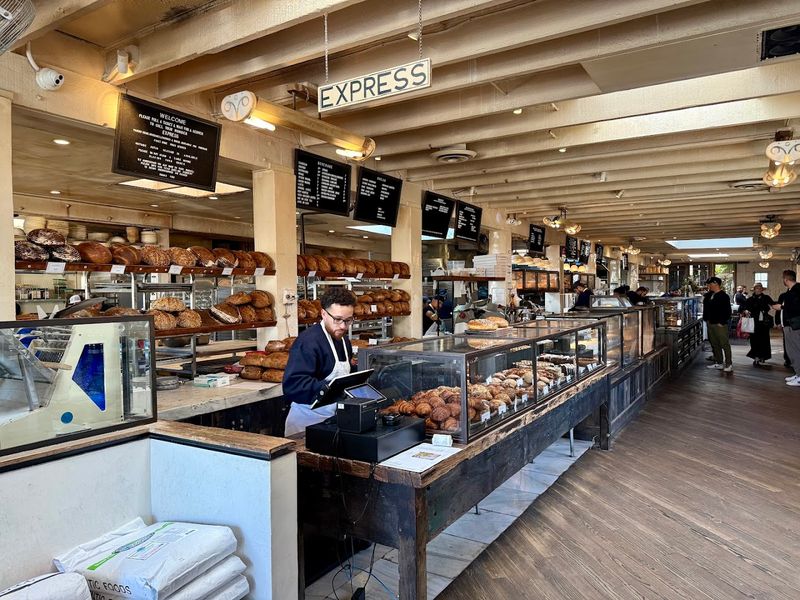
Los Angeles has perfected the art of looking curated, which makes Gjusta’s semi-improvised feel especially interesting. Opened in Venice in 2014 by the team behind Gjelina, it built a following through bakery work, smoked fish, sandwiches, and a service model that often seems delightfully unconcerned with formal comfort.
The industrial setting and uneven seating arrangements could have read as affectation, yet the food established credibility quickly. In a city shaped by car culture, wellness trends, and design-conscious dining, Gjusta became notable for making inconvenience feel acceptable because the kitchen delivered with such consistency.
You may hover, wait, or negotiate table space, and somehow that never becomes the real story. People love it because the place channels a recognizable modern California idea: excellent ingredients, strong technique, and a willingness to let logistics remain slightly messy rather than polishing every edge into a forgettable perfection.
10. Di Fara Pizza (Brooklyn, USA)
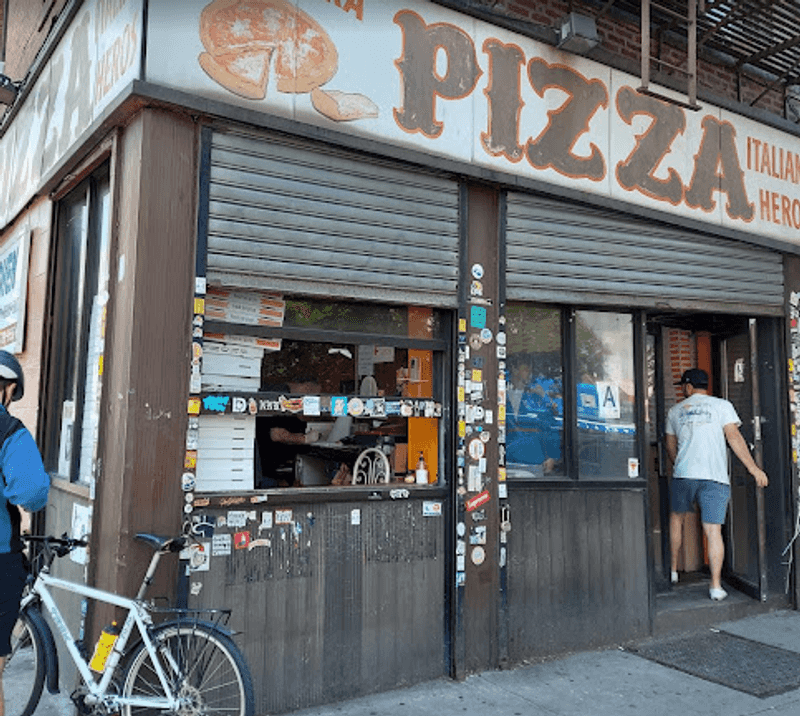
Patience becomes part of the recipe at Di Fara Pizza, and regulars accepted that bargain for decades. Opened in Midwood, Brooklyn, in 1965 by Domenico DeMarco, the pizzeria earned reverence through hands-on preparation and a stubborn refusal to behave like a streamlined fast-casual operation.
Its fame grew in an era when neighborhood pizza shops were central to New York’s everyday food map. Di Fara stood out because craft remained visibly personal, with DeMarco himself associated for years with the deliberate pace that made each pie feel tied to individual labor rather than systematized production.
You do not visit expecting speed, spacious comfort, or any polished version of hospitality training. People came anyway, and often enthusiastically, because the place embodied an older idea of culinary authority: one person, one method, decades of repetition, and a final result strong enough to make minor chaos look like background paperwork.
11. Tori Shin (Tokyo, Japan)
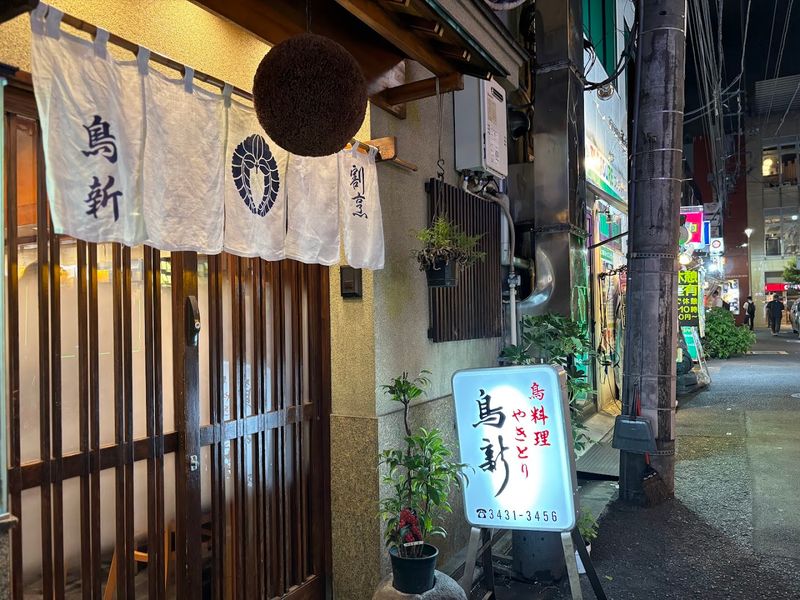
Precision can look almost casual when the craft is deep enough, and Tori Shin leans into that paradox. Known in Tokyo for yakitori prepared with close attention to timing, seasoning, and sequence, it represents a dining tradition where technical discipline carries more prestige than decorative spectacle.
Yakitori developed as an accessible grilled food, then evolved through specialization into a serious culinary category. Restaurants like this show how Japanese dining culture often values mastery through repetition, with the counter itself acting less as theater and more as a practical workspace open to view.
You notice the concentration, the order of service, and the confidence of a menu that does not need much explanation. People love places like Tori Shin because they communicate seriousness without stiffness, offering a lesson in how restraint, clear standards, and years of method can produce memorable meals without adding unnecessary visual noise.
12. Caffe Reggio (New York, USA)
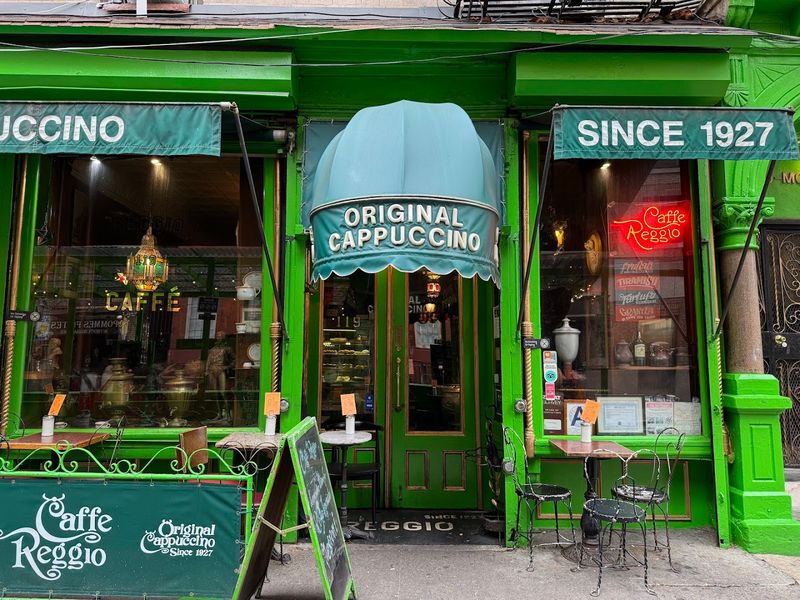
Few cafes wear their age with such unapologetic confidence as Caffe Reggio in Greenwich Village. Open since 1927, it became linked with New York’s coffeehouse culture, neighborhood bohemian life, and the long American fascination with espresso as both beverage and social signal.
The old interiors are not a branding exercise added later by consultants chasing authenticity points. They reflect a place that lived through shifting urban scenes, from mid-century artistic communities to later waves of tourism and real-estate transformation that altered much of the surrounding district.
You can sit there and feel how certain public rooms survive by remaining themselves a little too stubbornly. People stay because the cafe offers more than caffeine: it preserves an older model of lingering, talking, and people-watching in a city that increasingly rewards turnover, efficiency, and whatever phrase a trend forecaster wrote down last week.
13. Nasi Ayam Kedewatan Ibu Mangku (Bali, Indonesia)
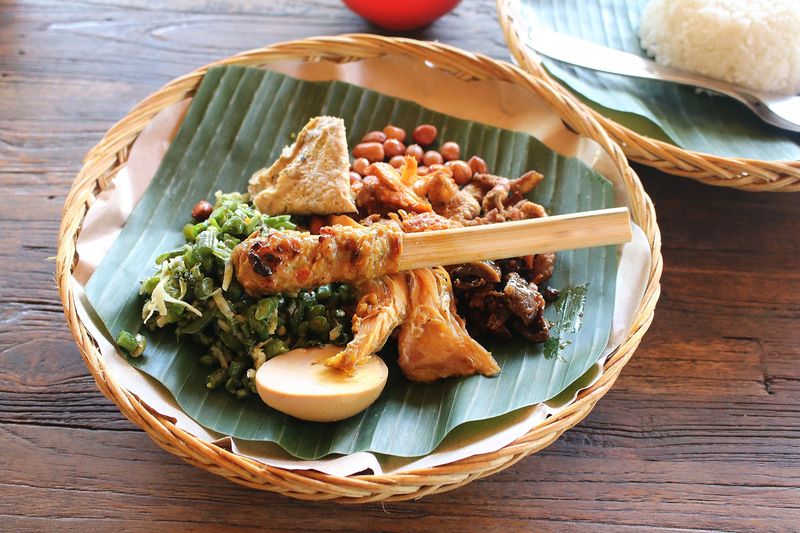
Some institutions become famous by staying close to home, and this Balinese favorite built exactly that kind of reputation. Nasi Ayam Kedewatan Ibu Mangku is celebrated for a classic rice plate with chicken and accompaniments, served in a setting that prioritizes steadiness over any ambition to impress strangers.
Its importance lies partly in how regional dishes travel from local routine into wider culinary recognition without losing their basic structure. Bali’s food culture often gets overshadowed by scenery and hospitality marketing, so places like this matter because they keep attention on everyday eating traditions and repeat customers.
You go because consistency is persuasive in a way advertising rarely is. The no-frills environment tells you the house has invested its energy where regulars actually notice it, and the restaurant’s lasting appeal comes from preserving a reliable version of Balinese cooking that remains grounded even as tourism keeps rewriting expectations around it.



