Just outside Donnelly, a restored early 20th-century community gives visitors the chance to explore one of Idaho’s most remarkable pieces of living history. Original log cabins, a 1905 general store, a one-room schoolhouse, a church, and a towering red barn stand across a quiet meadow, preserving the story of a town that nearly disappeared after the railroad bypassed it. Walking between the buildings feels less like visiting a museum and more like stepping into another era.
The experience goes beyond historic structures. Summer concerts fill the century-old barn with music, seasonal festivals bring the grounds to life, and volunteers share the stories behind the Finnish settlers whose remarkable craftsmanship can still be seen in the hand-built log cabins. Whether you’re heading to McCall or exploring central Idaho, it’s a stop that rewards anyone curious about the state’s frontier past.
Here’s why Historic Roseberry Townsite has become one of Idaho’s most rewarding road trip stops and a destination where history still feels very much alive.
Finding the Townsite: Location and First Impressions
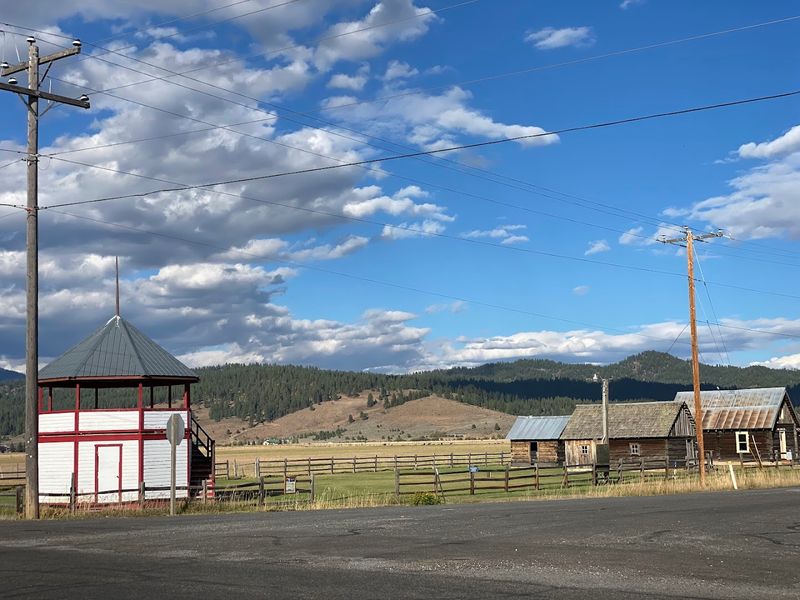
A short drive east of Donnelly on Farm-to-Market Road, about 12 miles south of McCall in Valley County, Idaho, the Historic Roseberry Townsite appears almost without warning. The address is 13131 Farm-to-Market Road, and the site sits roughly two hours north of Boise along US-55.
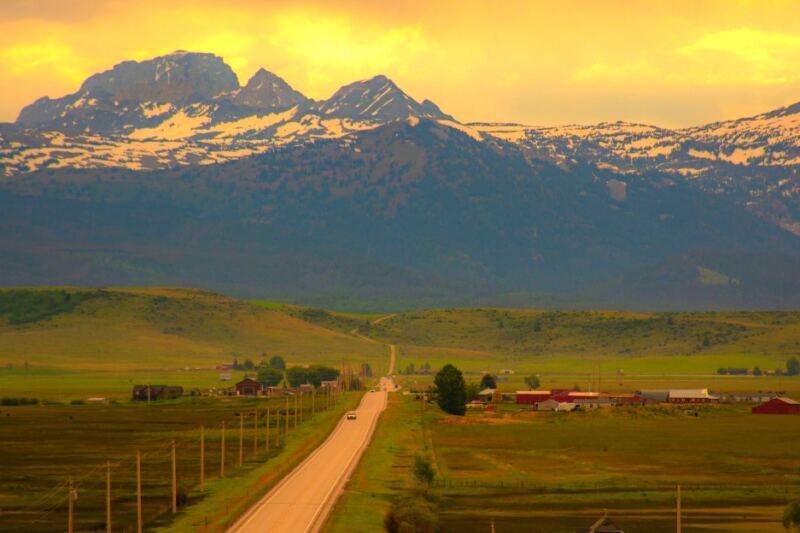
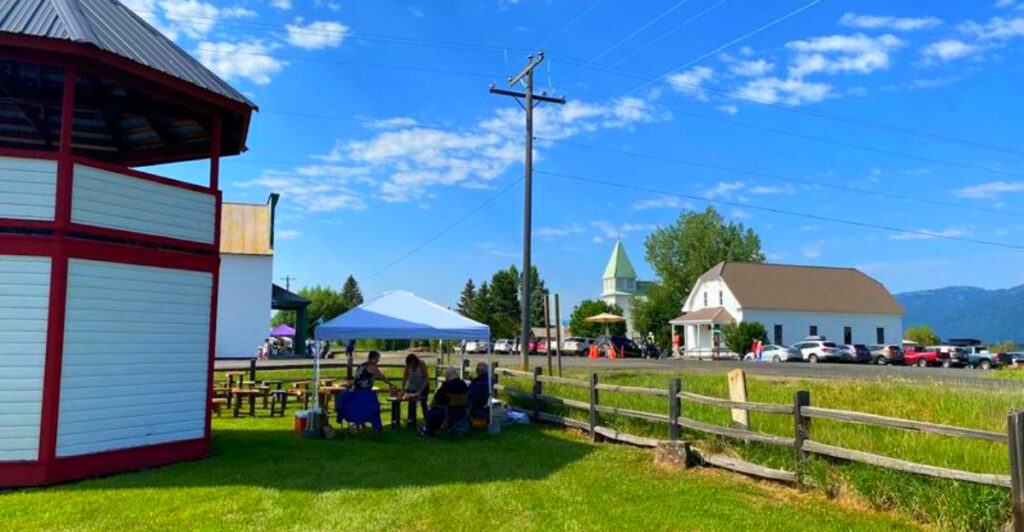
The first thing you notice is the meadow, wide and green, with old wooden structures arranged across it like a small neighborhood that simply forgot to disappear. There is no grand entrance gate or flashy signage, just a gravel lot, a paved parking area, and the quiet hum of mountain air.
Public restrooms are available on site, which is a practical detail worth knowing before you plan your visit. The grounds are accessible year-round for walking, even when the museum buildings are closed for the season. That open-meadow setting, framed by Idaho mountain ridges, makes the first impression feel genuinely cinematic without trying too hard.
How a Railroad Decision Erased a Thriving Town
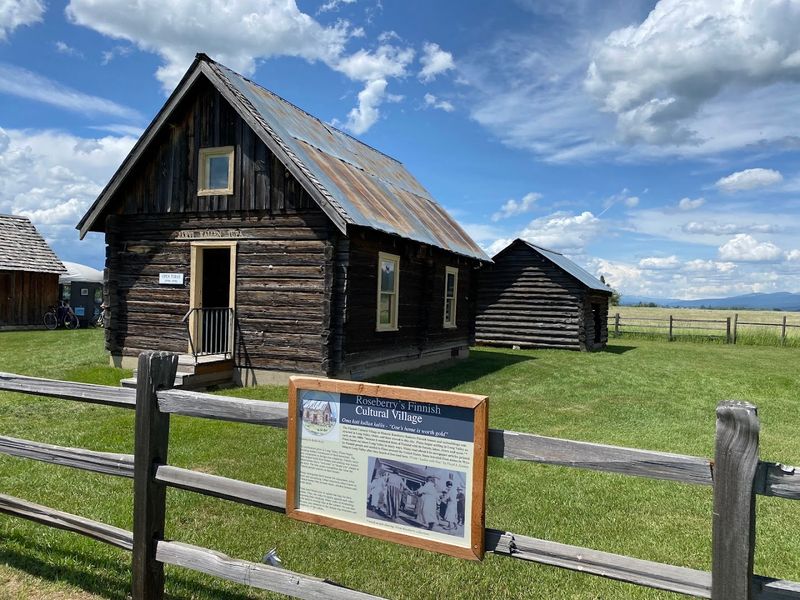
By 1911, Roseberry was the largest town in Valley County, Idaho. It had a bank, a newspaper, a creamery, a soda fountain, two blacksmiths, two general stores, a brass band, a baseball team, and even a five-sided hotel that sounds like it belonged in a fever dream.
Then, around 1914 and 1915, the railroad chose to lay its tracks roughly two miles to the west. That single decision redirected the town’s entire future, because businesses and families physically moved their buildings to the new rail stop, which became Donnelly.
The Roseberry General Store held on until 1939, but the rest of the community slowly emptied out. What remained behind was a collection of original structures, standing in the meadow like quiet witnesses to a boom-and-bust story that played out across countless American frontier towns. The railroad giveth, and the railroad taketh away, as Idaho history proved rather bluntly here.
The Finnish Immigrants Who Built This Place to Last
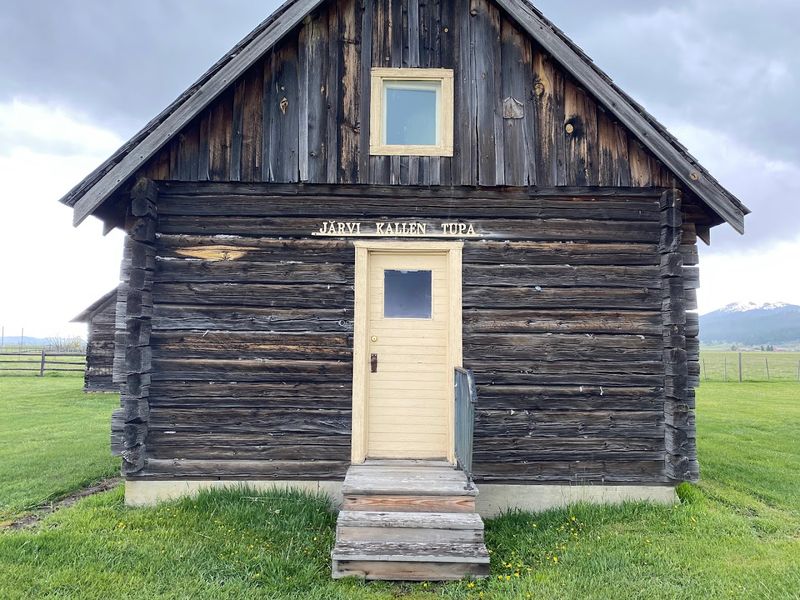
Roseberry holds a distinction that surprises most visitors: it is recognized as the largest presentation of Finnish culture in the entire Western United States. Finnish immigrants settled here in the early 1900s and brought with them a building tradition that set their work apart from anything else in the valley.
Their log cabin construction technique involved fitting logs so precisely together that no chinking material was needed between them. The logs were notched and stacked with a tightness that kept out the Idaho cold without any filler, and those same cabins still stand today as proof that the craftsmanship was not exaggerated.
The Finn and Jarvie House, believed to be the last log house built by a Finnish immigrant in the area, dates to the 1930s and is part of the townsite collection. Running your hand along one of those log walls, feeling how snugly the timber sits, gives you a quiet respect for the people who built this community from scratch.
The General Store That Never Moved
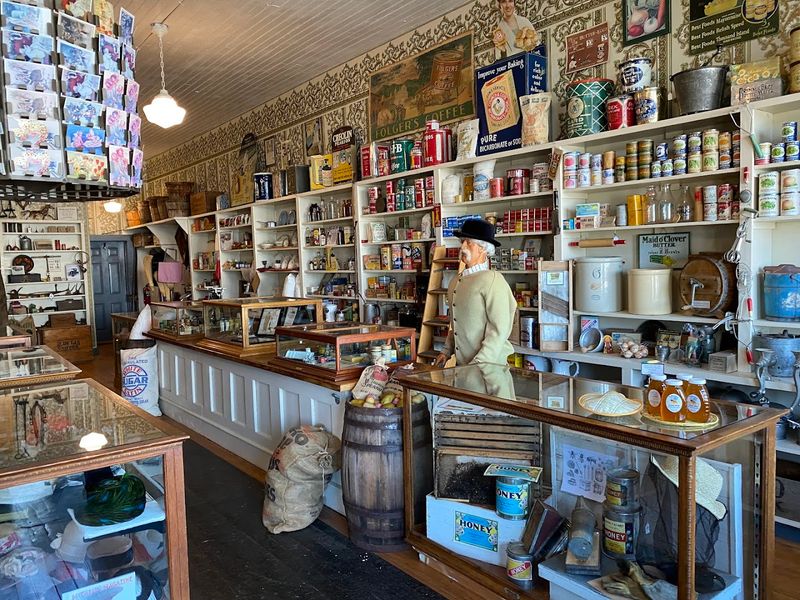
Most of the buildings at the Historic Roseberry Townsite were relocated from other parts of the valley and carefully restored on site. The Roseberry General Store is the exception, standing in its original location since 1905, which makes it one of the most authentic structures on the entire property.
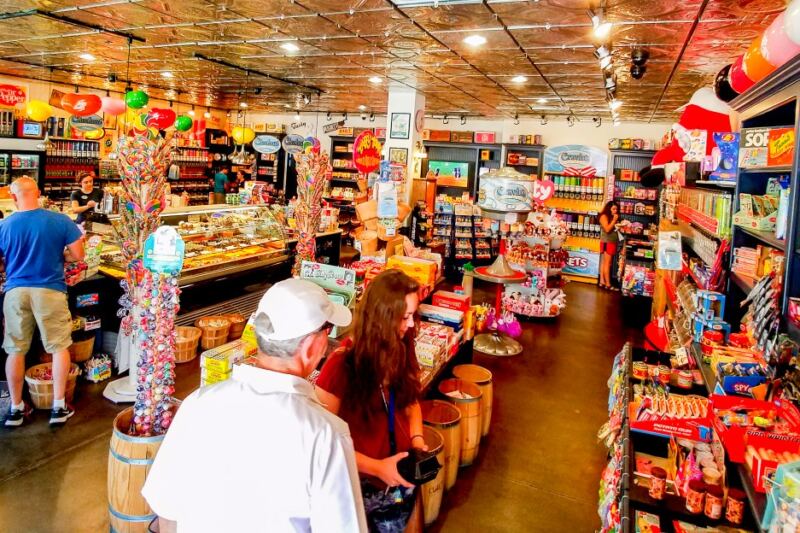
Inside, the store reflects the 1905 period with genuine period details, and it still operates as a retail space today. Shelves carry old-fashioned candies, classic toys, and European gifts, which feels like a nod to the Finnish heritage of the original settlers.
Picking up a piece of old-fashioned candy while standing in a building that has occupied the same patch of Idaho earth for over 120 years is a small but oddly moving experience. The store is one of those rare spots where commerce and history overlap without either one feeling forced or staged. It is worth lingering here longer than you expect to.
Twenty-Five Historic Buildings and the Stories They Hold
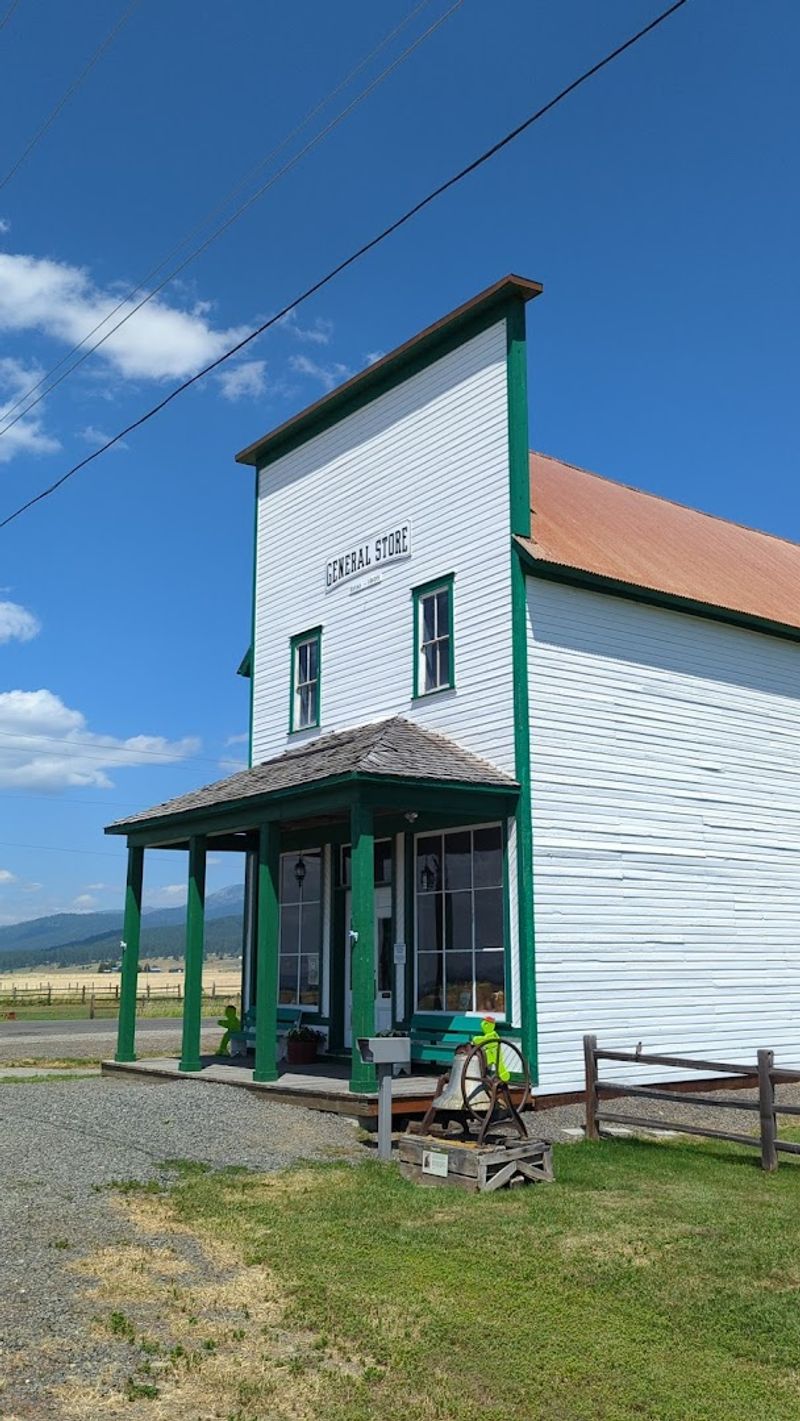
The townsite currently features approximately 20 to 25 historic structures, each one brought in from different corners of the valley or preserved in place. The collection includes Finnish cabins, the Mahala Blacksmith Shop built in 1904, the Whitney-Fairbrother one-room schoolhouse from 1914, and the Methodist-Episcopal Church from 1904.
The old McCall City Hall also made its way to the site, which is a fun detail because it means the townsite has absorbed pieces of multiple Idaho communities under one grassy roof. Interpretive signs throughout the grounds explain what each building was used for and who lived or worked there.
Walking the property feels less like touring a museum and more like wandering through a neighborhood that simply paused in time. Each structure has its own character, from the compact Finnish cabins to the tall red barn that anchors the far end of the meadow. The collection of old farm machinery displayed outdoors adds yet another layer of texture to the whole experience.
The Iconic Barn at Roseberry and Its Musical Life
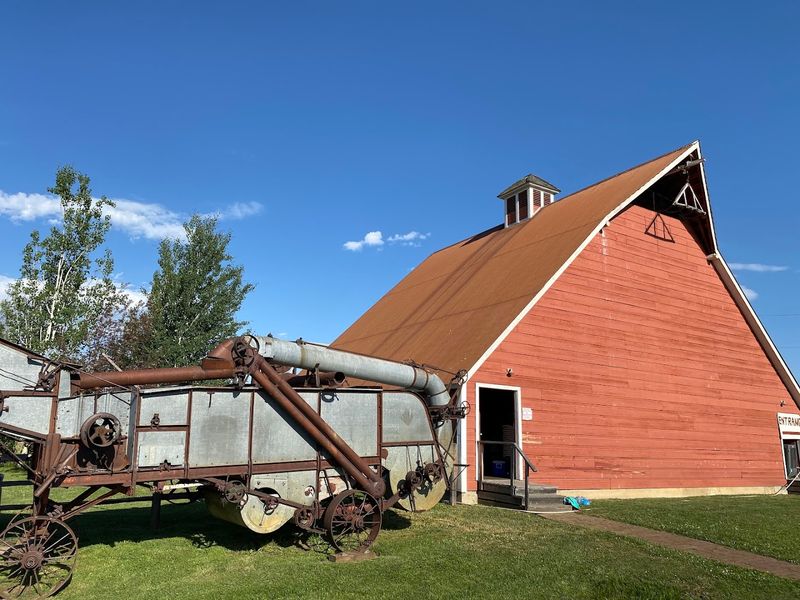
The Barn at Roseberry, built in 1912, is arguably the most photographed structure on the property. Its weathered red exterior and broad silhouette against the Idaho mountain backdrop make it the kind of building that stops people mid-step to reach for their camera.
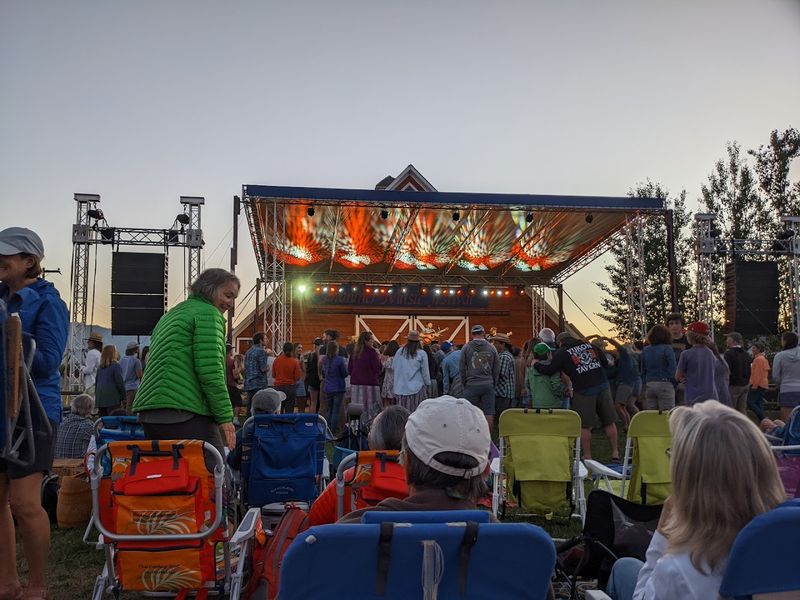
What makes the barn genuinely special is what happens inside it during summer. The McCall Folklore Society produces the Summer Music Festival there each July, a three-day event that fills the old barn with live performances and a crowd of music lovers who seem delighted to be exactly where they are.
Wednesday Night Concerts in July and August bring local talent to the space on a weekly basis, and the atmosphere during those evenings is relaxed, community-focused, and completely free of pretension. The barn is also available for private rentals including weddings and family reunions, and based on reviews from people who have used it for exactly those purposes, the setting delivers something that a conventional event venue simply cannot replicate.
The Volunteers Who Keep the Past Alive
The entire Historic Roseberry Townsite is run by volunteers through the Long Valley Preservation Society, which was founded in August 1973. The society oversees the Valley County Museum Complex, and the people who show up to open the buildings, lead informal tours, and share stories are doing it entirely out of passion for local history.
The docents here are known for their storytelling. Conversations with them tend to drift into fascinating territory, covering everything from the mechanics of Finnish log-joinery to the social dynamics of a frontier town that had its own newspaper and brass band.
The original restoration effort began in 1969 when Frank Eld purchased the old mercantile building with the intention of creating a museum. By 1971, Frank and his mother Ella Eld had established the Valley County Museum. That founding vision, driven by two people who simply did not want history to disappear, now lives on through the dozens of volunteers who keep the site open every season.
A Calendar Packed With Events Worth Planning Around
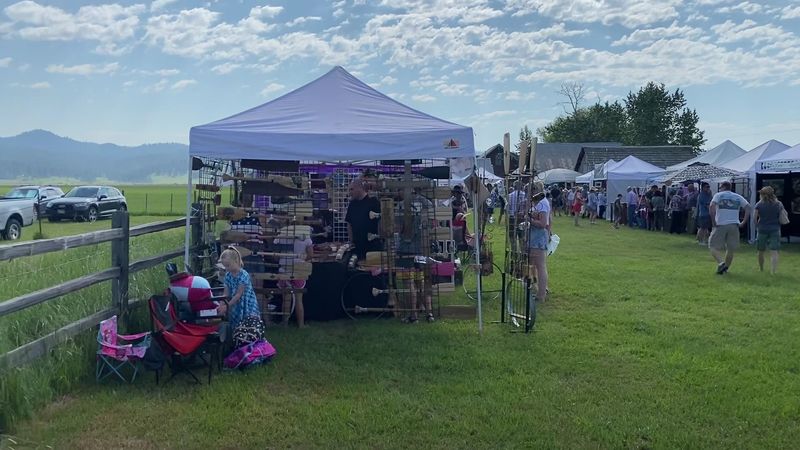
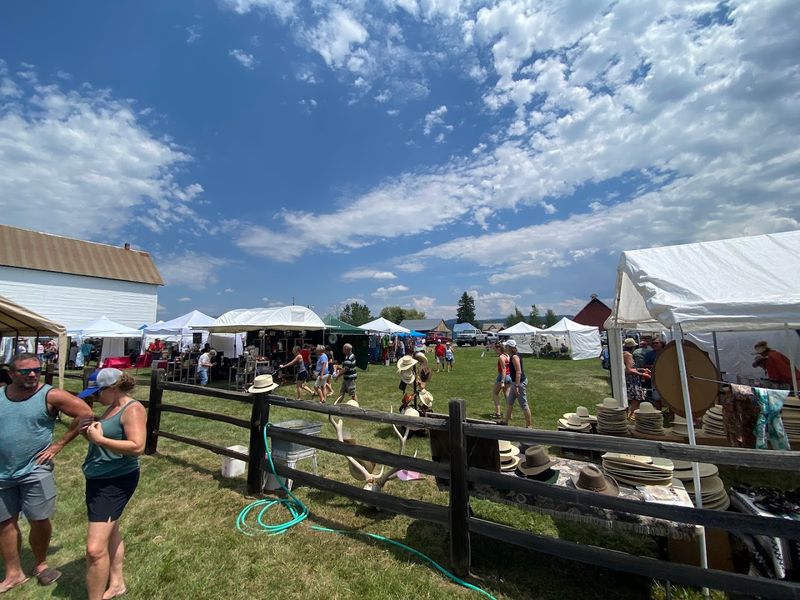
One of the most practical things to know about the Historic Roseberry Townsite is that the event calendar gives visitors a reason to plan a specific trip rather than just a casual drive-by. The Cowboy Trade Days and Antique Fair happens in June, drawing collectors and curious browsers to the meadow for a weekend of browsing and conversation.
The Fourth of July weekend brings an Arts and Crafts Fair, and August hosts the Pioneer Picnic. Labor Day weekend features the Ice Cream Social, which sounds modest but consistently draws a cheerful crowd. November rounds out the year with a Christmas Market and Festival of Trees that transforms the site into a seasonal gathering spot.
Each event uses the historic buildings and open meadow as a backdrop, which means that even a craft fair here feels different from one held in a convention center parking lot. The setting does most of the work, and the community does the rest. Check historicroseberry.org before you go to confirm current event dates.
Visiting Hours, Seasons, and What to Expect on Arrival
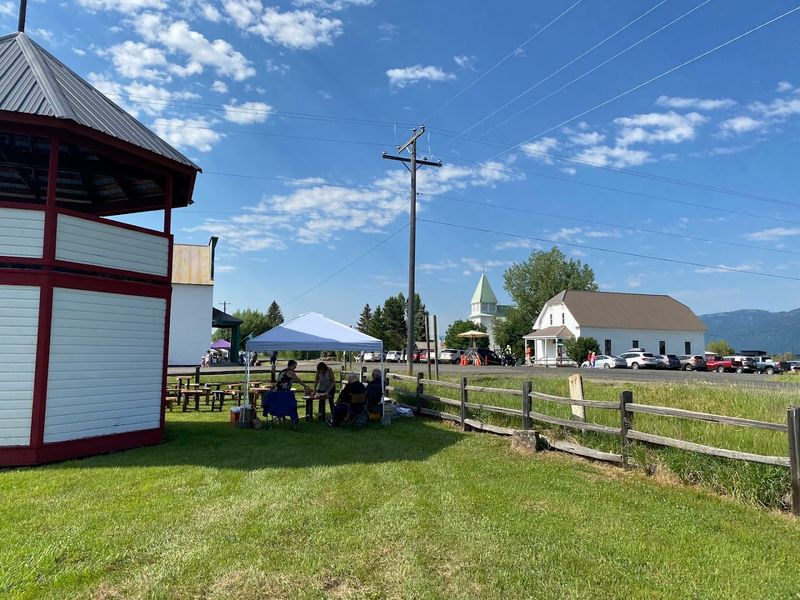
The museum buildings at the Historic Roseberry Townsite are typically open from May through September. During June, July, and August, the site operates on an extended schedule with hours on Fridays and Saturdays in addition to the regular Sunday window. The grounds themselves are open for walking year-round, which means even an off-season visit offers something worth seeing.
Paved parking and public restrooms are available on site, so a family visit with kids does not require any logistical gymnastics. The open meadow layout means children have room to roam while adults take their time reading the interpretive signs and peeking through building windows.
The recommended visiting period runs from late spring through early fall, when the Idaho mountain landscape is at its most welcoming. For the most accurate and current hours, a quick check at historicroseberry.org before you leave is the smartest move. You can also reach the site by phone at 208-325-5000 or 208-315-1080 if you prefer to call ahead.
The Atmosphere That Makes This Place Feel Different From a Typical Museum
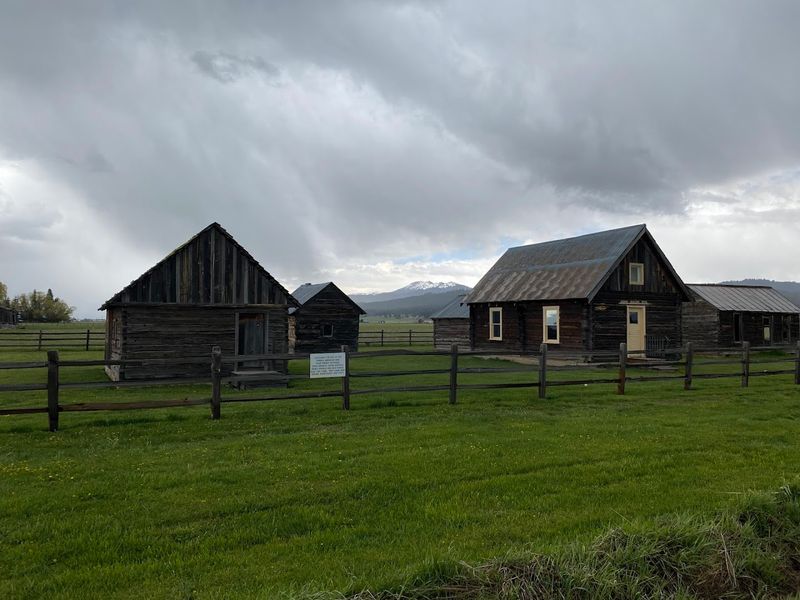
There is a quality to the Historic Roseberry Townsite that does not translate well in photographs, though people keep trying. The open meadow layout, the surrounding mountain ridgeline, and the absence of chain-link fences or velvet ropes create a sense of genuine access rather than curated distance.
Visitors describe the site as feeling more immersive than a conventional museum, and that assessment holds up on arrival. The buildings are not behind glass or cordoned off behind barriers. You can stand in the doorway of a Finnish cabin from 1904 and genuinely feel the scale and intention of the space.
The grassy grounds are well-suited for a picnic, and the park-like setting encourages a slower pace than most roadside attractions. A rating of 4.8 out of 5 stars across dozens of independent reviews suggests that the experience consistently delivers on its promise. That kind of consistency, especially for a volunteer-run site, is not accidental, and it is worth making the detour to find out why.
Why Roseberry Deserves a Spot on Your Idaho Road Trip Route
The drive along US-55 between Boise and McCall is already one of the more scenic stretches of highway in Idaho, following the Payette River through a canyon before opening into the Long Valley. Adding a stop at the Historic Roseberry Townsite turns a pleasant drive into something genuinely memorable.
The site sits just east of Donnelly, which is roughly 12 miles south of McCall, making it an easy addition to any trip heading north toward Payette Lake or the surrounding recreation areas. The stop requires no special gear, no advance tickets, and no prior knowledge of Idaho history, though you will leave with considerably more of the latter than you arrived with.
The combination of authentic architecture, Finnish cultural heritage, a working general store, live music events, and volunteer-guided storytelling makes Roseberry the kind of place that earns a second visit before you have even finished the first one. History, it turns out, is a lot more engaging when it is still standing right in front of you.
Share this story