 Unearth The Voyage
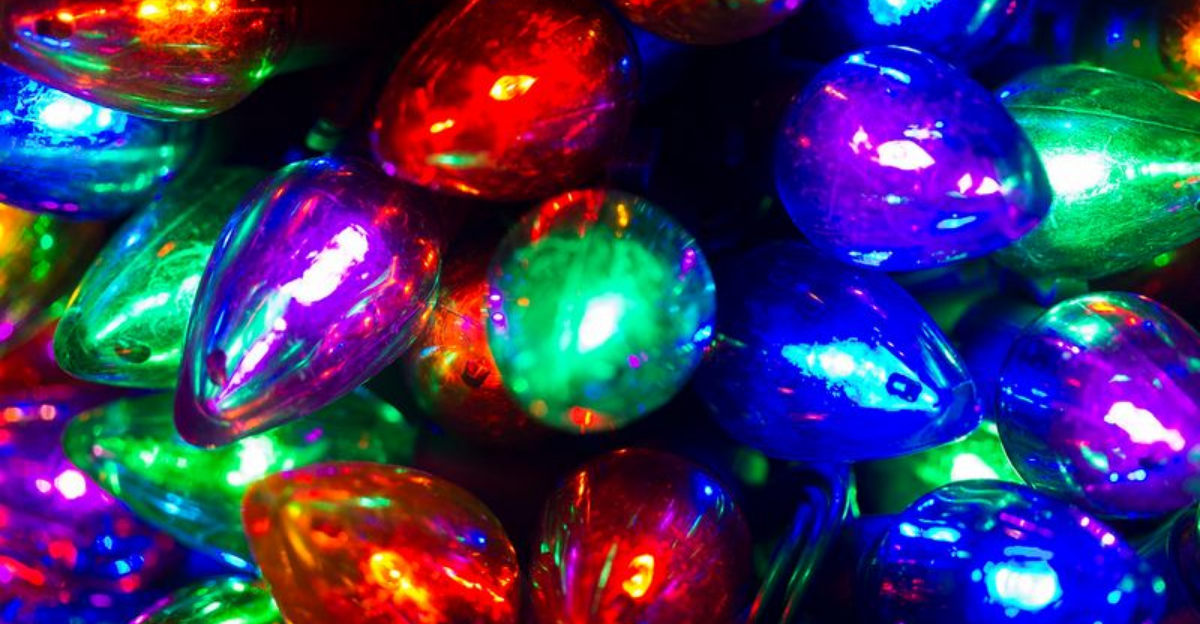
Christmas traditions have changed dramatically over the decades. Many decorations and customs that once filled homes during the holiday season have quietly faded away, replaced by safer, more modern alternatives. Some vanished because they were dangerous, while others simply fell out of style as tastes evolved and technology advanced.
1. Real Candles on the Christmas Tree
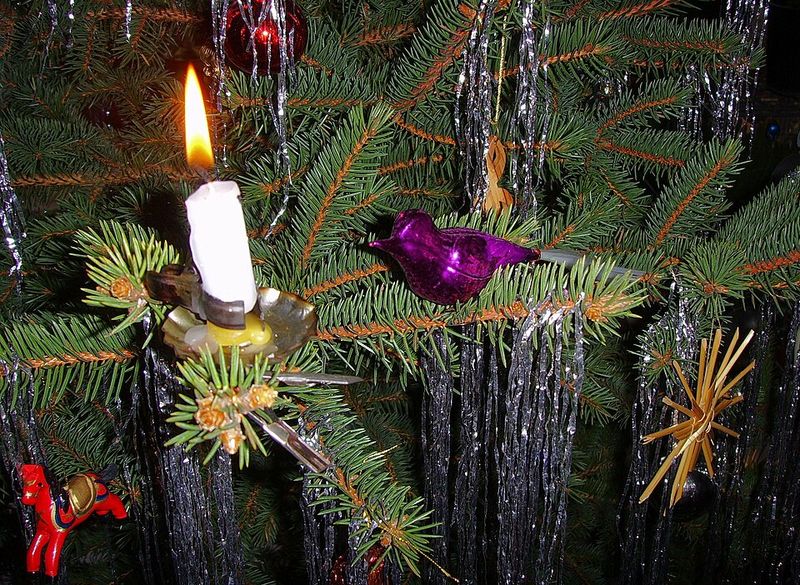
Before electric lights, families clipped real wax candles onto Christmas tree branches using metal holders. The flickering flames created a magical glow that modern bulbs struggle to replicate. But beauty came with serious risk.
House fires were common, and as electric Christmas lights spread from the late 1800s onward, the candle tradition declined rapidly. Modern safety guidance is crystal clear: never use actual candles on a tree or near evergreens.
Today, tree candles appear only in museums, vintage illustrations, or very controlled historic reenactments—not in everyday living rooms where families gather.
2. Lead Tinsel Icicles (Lametta)
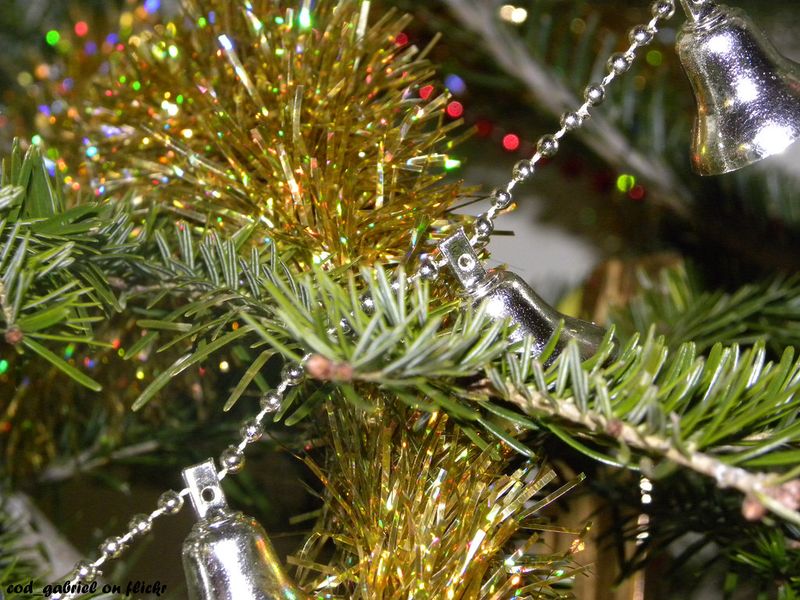
Heavy, shimmery icicles once draped perfectly straight on Christmas trees, creating that dense metallic sparkle people still remember fondly. This was lead tinsel, also called lametta, and it was everywhere in mid-20th-century American homes.
Growing awareness of lead poisoning, especially for children, changed everything. In the early 1970s, the FDA moved to ban lead tinsel, pushing manufacturers toward aluminum and then plastic alternatives.
Unopened vintage lead icicles still exist for collectors, but they are considered unsafe to use, especially around kids and pets who might touch or ingest them.
3. Asbestos Snow for Trees and Windows

Yes, people once sprinkled asbestos on their Christmas trees. In the first half of the 20th century, asbestos was sold as artificial snow for trees, mantels, and store displays because it was white, fluffy, and fire-resistant.
It even appeared on movie sets, including early films, before its cancer risk became widely understood. Once the link between asbestos and serious lung disease like mesothelioma became clear, this snow disappeared from stores and decor completely.
Today, old boxes of asbestos snow are collector curiosities only—definitely not something anyone is sprinkling around the living room anymore.
4. Bubble Lights as the Main Tree Lights
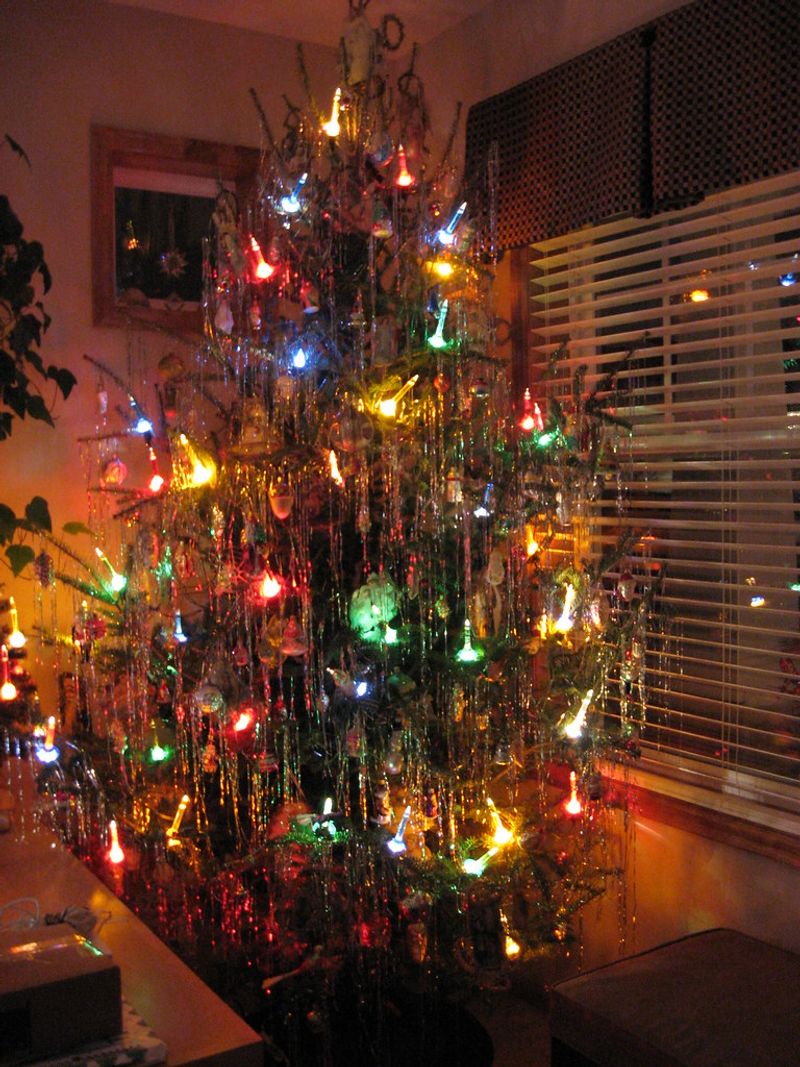
Bubble lights look like little candles filled with colored liquid that starts bubbling when the bulb warms up. Kids either adored them or slightly feared them. Patented in the 1940s, they became extremely popular from the late 1940s through the 1970s, especially in the U.S.
As miniature string lights and later LEDs took over, bubble lights faded into a nostalgic niche. You can still buy reproductions, but they are no longer the default way to light a Christmas tree.
Safety experts warn that some vintage versions contain methylene chloride and outdated wiring, so original sets are better left unplugged and displayed as collectibles.
5. Aluminum Christmas Trees
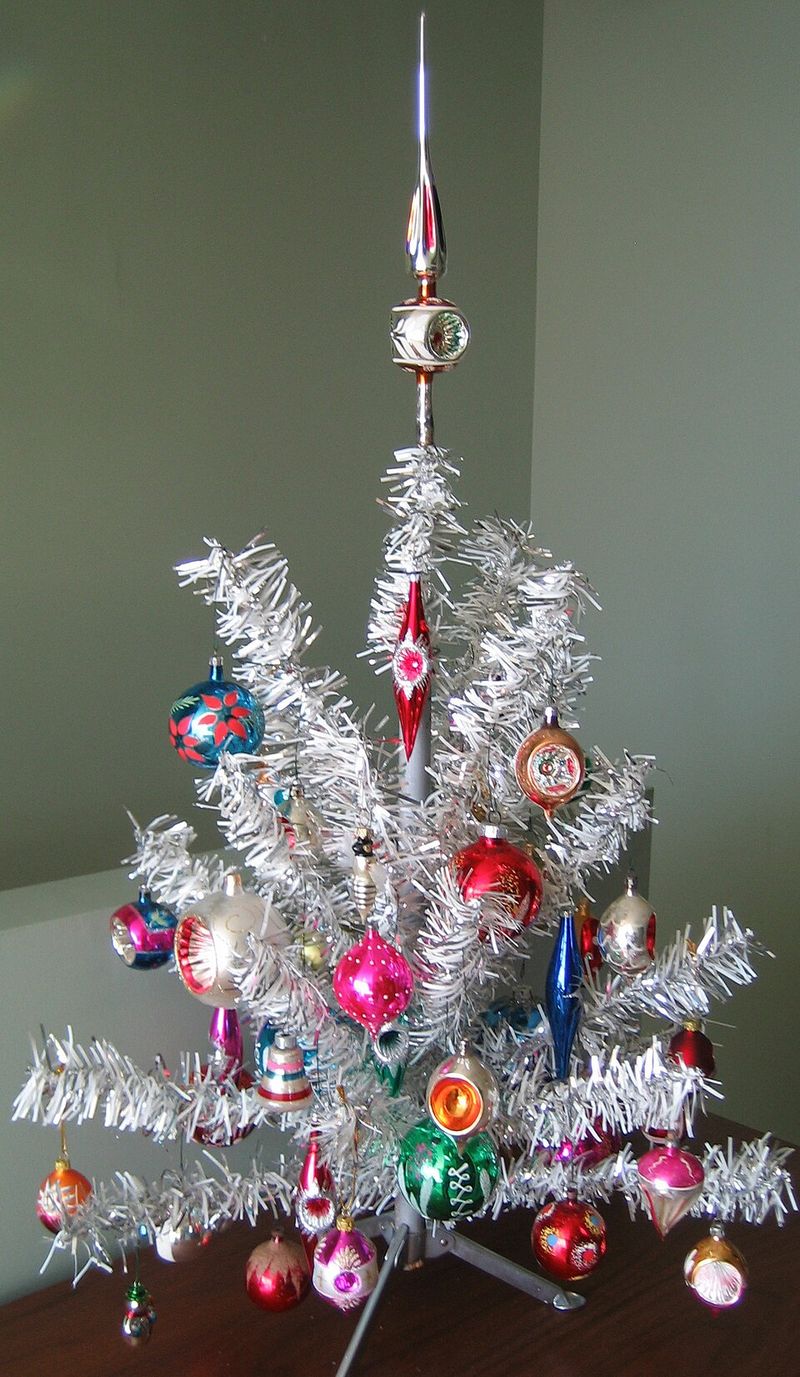
Shiny aluminum Christmas trees—often silver, sometimes pastel—feel like pure 1960s space-age glamour. Commercial production took off around 1958, and aluminum trees were wildly popular into the mid-1960s.
Then came A Charlie Brown Christmas in 1965, which poked fun at their artificial look and helped turn public opinion back toward real evergreens. By the early 1970s, they had virtually vanished from mainstream stores.
Original aluminum trees live mostly in collectors’ homes and retro-themed displays today. They have had a mini-comeback with vintage-loving decorators and celebrities, but they are still far from the standard tree in most households.
6. Rotating Color Wheels for Silver Trees
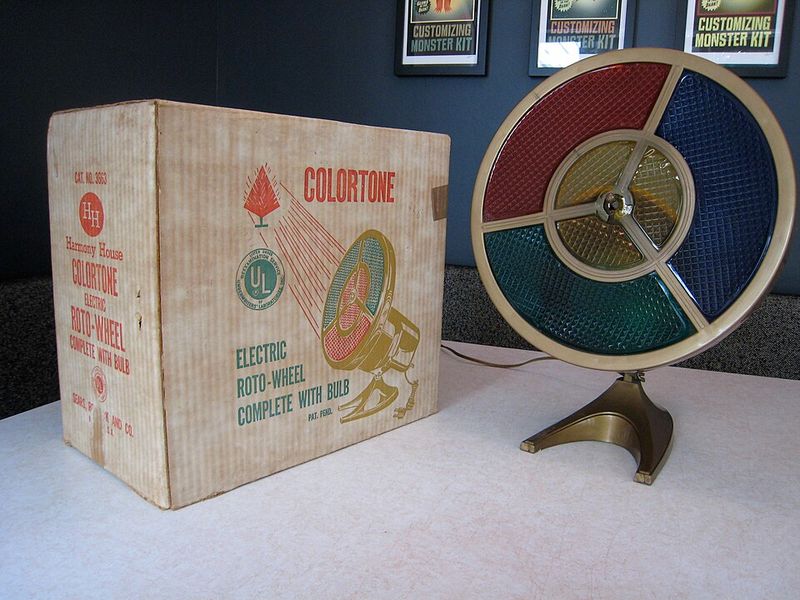
Aluminum trees were never meant to be wrapped in electric lights because the metal posed shock risks. Instead, they often sat in front of a rotating color wheel. These electric wheels, popular in the late 1950s and 1960s, slowly spun a multicolored disc in front of a lamp.
The effect washed the tree in changing red, green, blue, and yellow light, creating a mesmerizing display. Modern LED spotlights and pre-lit trees have replaced them for everyday decorating.
Color wheels still exist—but mainly as retro accessories for vintage aluminum trees, not something you will find in an average big-box Christmas aisle today.
7. The Sears Christmas Wish Book (and Big Toy Catalogs)
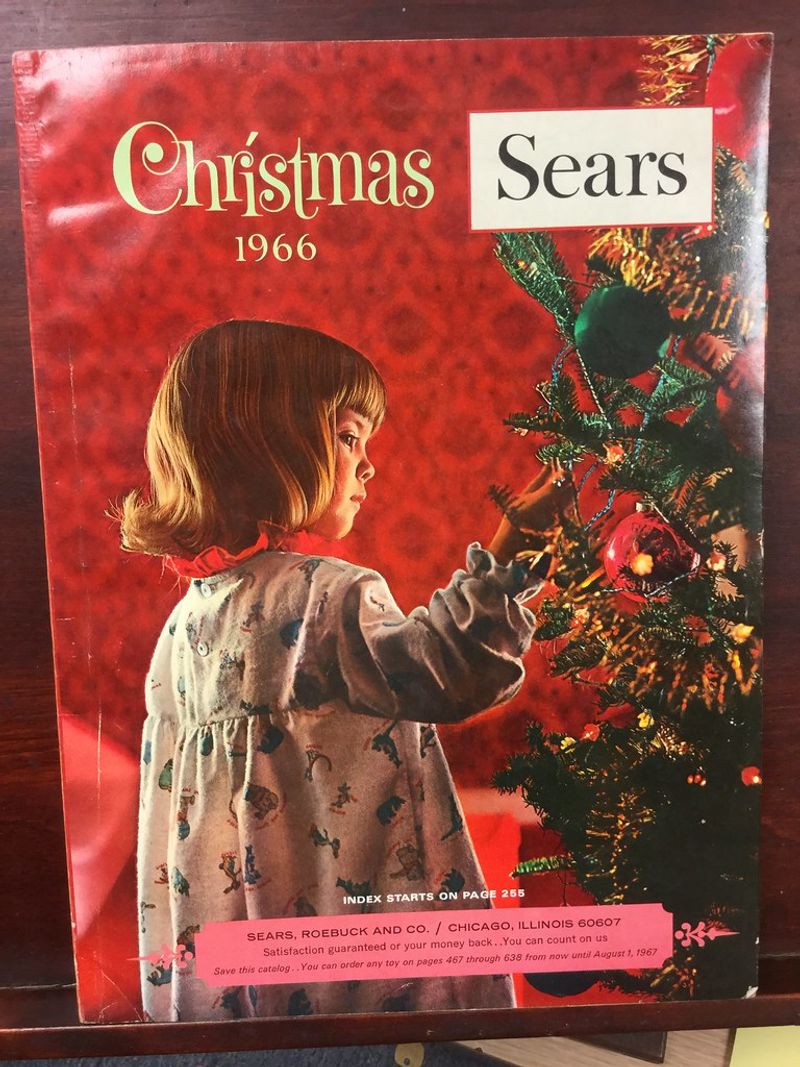
For decades, kids did not scroll websites—they circled toys in the Sears Wish Book. Sears began publishing its Christmas catalog in 1933, and the Wish Book became an annual ritual: hundreds of pages of toys, clothes, and gadgets arriving in late summer or fall.
Sears stopped its large catalogs in 1993 as shopping shifted toward malls and, later, online. The last classic print Wish Book editions appeared in the 2000s and 2010s in much smaller form and eventually moved to digital.
Today, kids build wish lists on apps, Amazon, and store websites instead of flipping through massive toy catalogs on the couch.
8. Popcorn and Cranberry Garlands
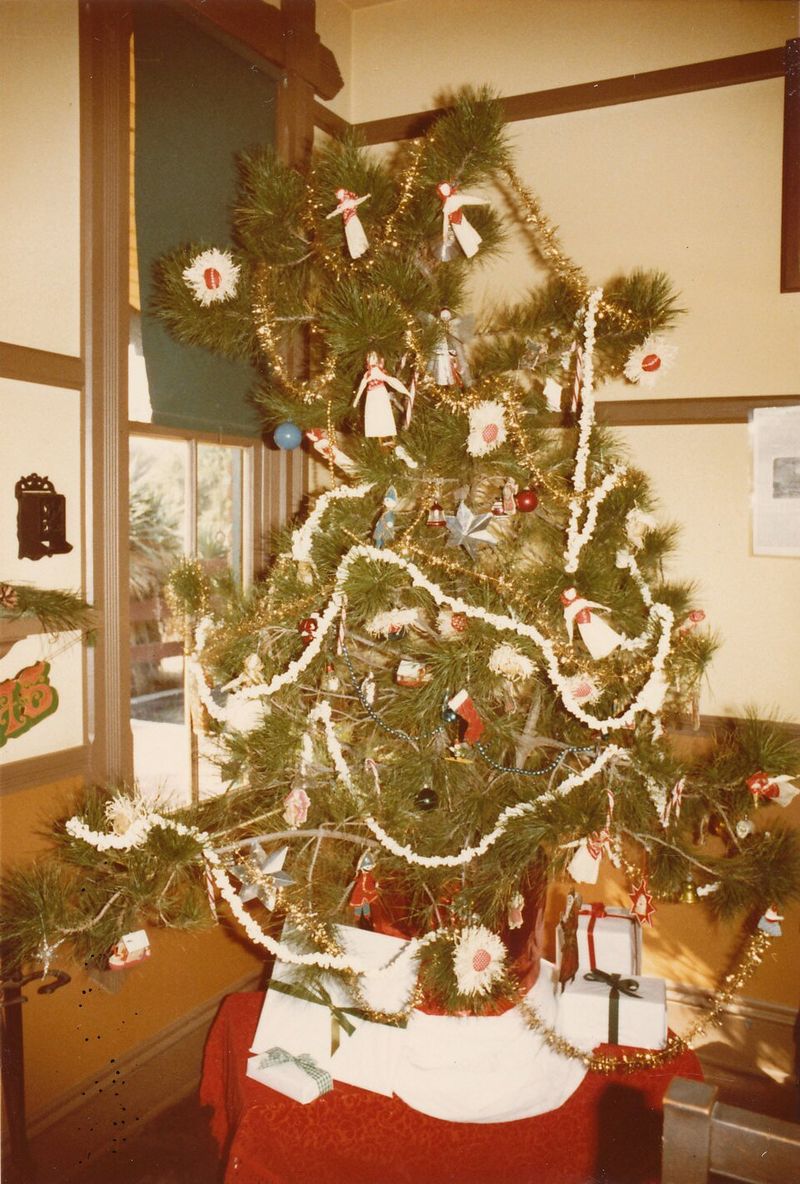
Once upon a time, people literally decorated with their snacks. Stringing popcorn and cranberries into garlands became popular in 19th-century America, especially among German-American families, because it was cheap, available, and looked beautiful on real trees.
Old photos and accounts describe trees draped in long strands of popped kernels dyed in bright colors, mixed with dried fruit and nuts. You can still find DIY tutorials, but premade plastic garlands, ribbon, and store-bought ornaments have largely replaced this slow, hands-on tradition.
Most people today know it more from movies and craft blogs than from real living-room trees each December.
9. Popcorn Balls as Ornaments and Gifts
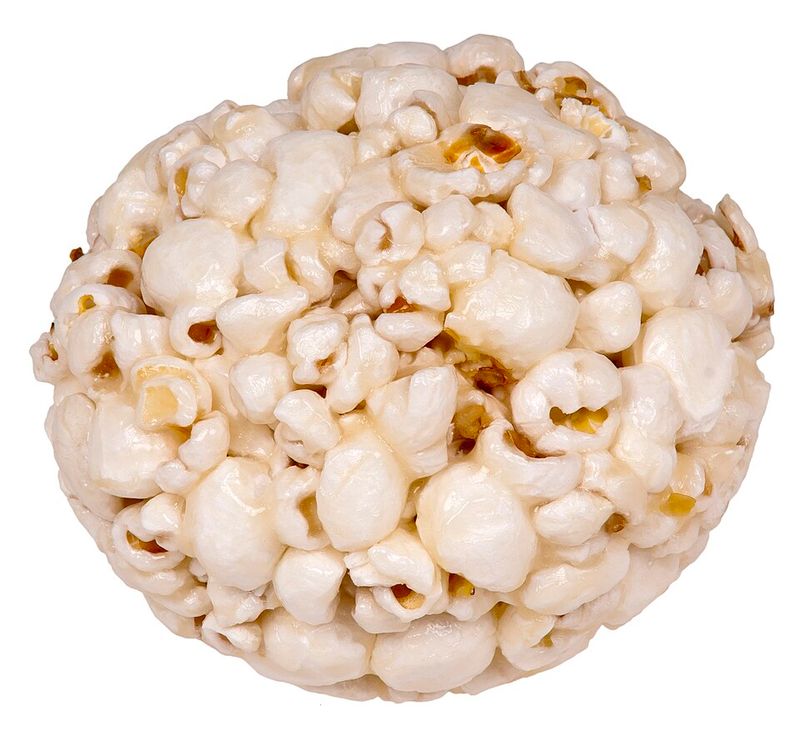
Closely related to the garlands: popcorn balls. In the late 19th and early 20th centuries, popcorn balls—sweet, sticky spheres held together with syrup or marshmallow—were popular both as Christmas treats and as decorations.
Families would hang them on the tree, line mantels with them, or wrap them as small gifts. While you might spot popcorn balls at a nostalgic candy shop or in old cookbooks, they are no longer a standard holiday treat in most homes.
Modern sweets—boxed chocolates, cookies, and store-bought candy—have largely pushed this sticky classic off the seasonal menu for good.
10. Mercury-Glass Ornaments as Everyday Tree Decor
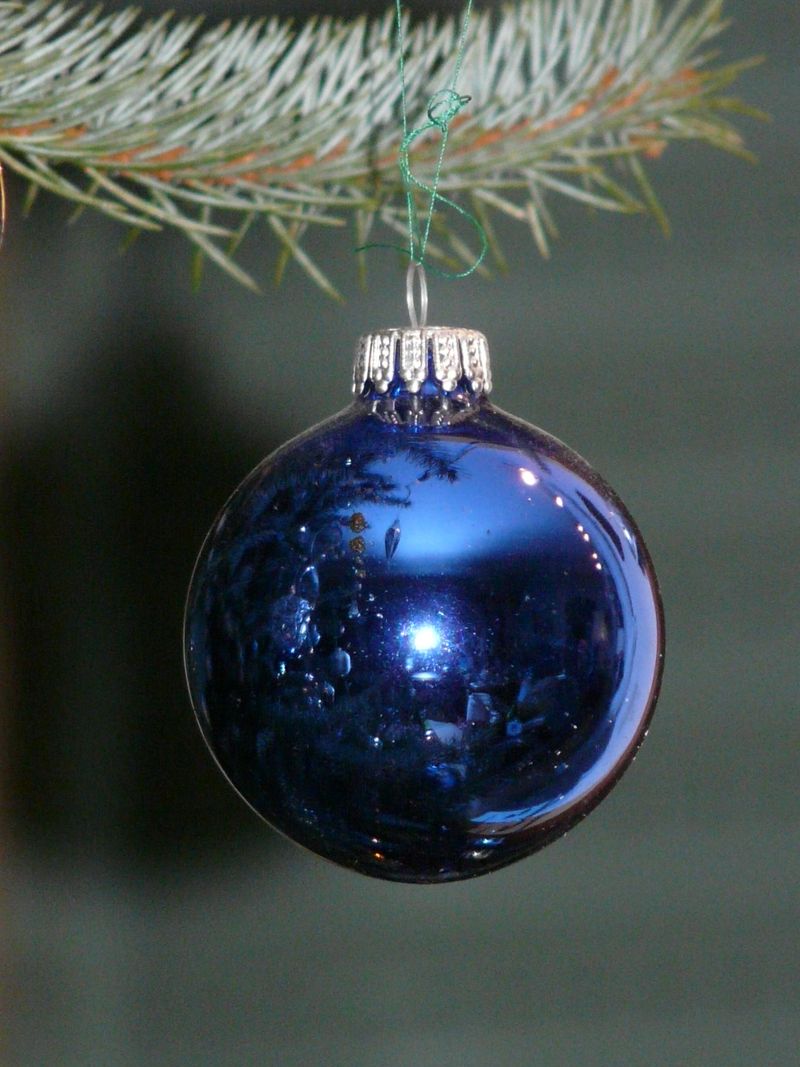
Mercury glass and early glass ornaments were once the default, not the fancy option. From the late 19th century through the mid-20th century, hand-blown glass ornaments from Germany and then brands like Shiny Brite in the U.S. filled Christmas trees—often silvered inside and finished with bright paints and glitter.
Today, genuine vintage mercury-glass ornaments are collectible antiques sold on sites like eBay and Etsy, not everyday decorations you grab in a supermarket. Designer trees sometimes use new mercury-look ornaments to mimic the style.
For most households, cheap shatter-resistant plastic balls have taken over the tree completely.
11. Cardboard Putz Villages Under the Tree
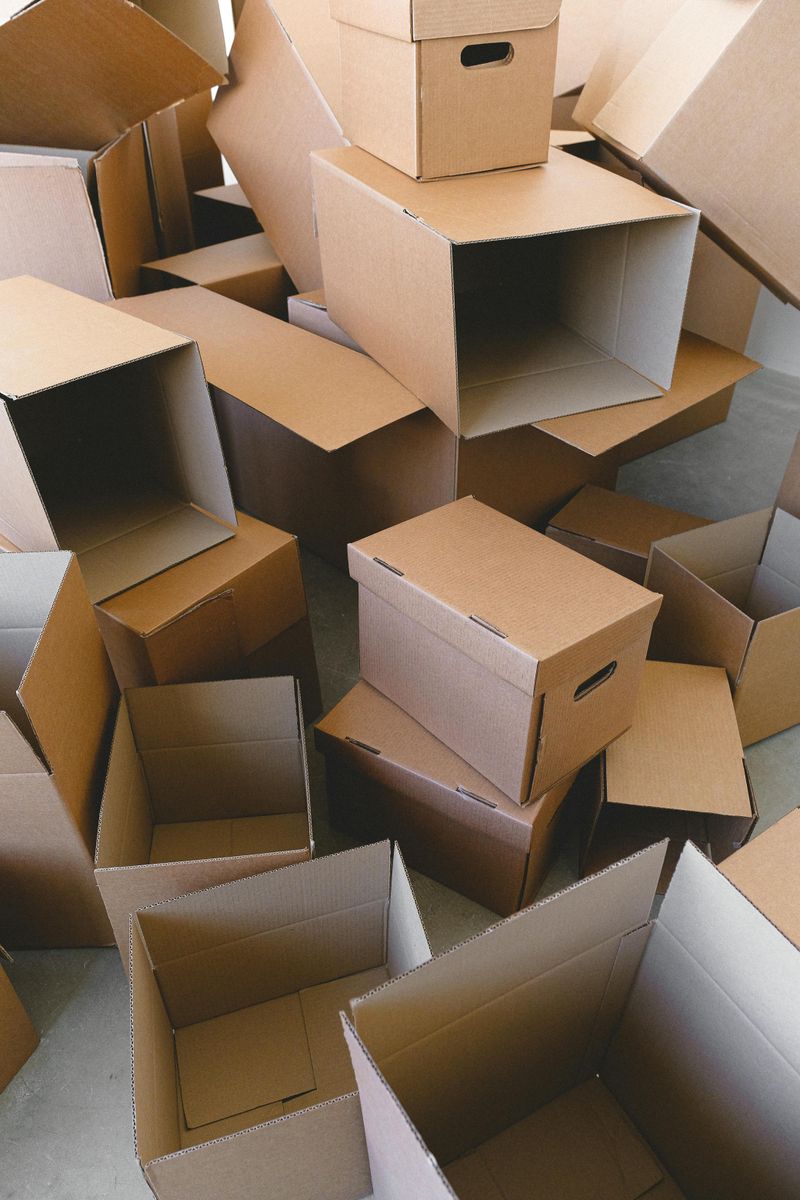
Before ceramic villages and expensive collectibles, there were humble cardboard putz houses. In the late 1930s and 1940s, American toy makers sold inexpensive sets of small cardboard houses—often glittered and lit from behind—to arrange under Christmas trees.
These putz villages became a standard part of mid-century living room displays, complete with tiny reindeer and cardboard churches. While the idea of a Christmas village is still going strong, the original cardboard versions are now mostly a collector obsession.
Modern decor has shifted to ceramic or resin villages, if people use them at all, and many homes skip villages entirely due to space and time.
12. Big Incandescent C7 and C9 Bulb Strings as the Default Lights
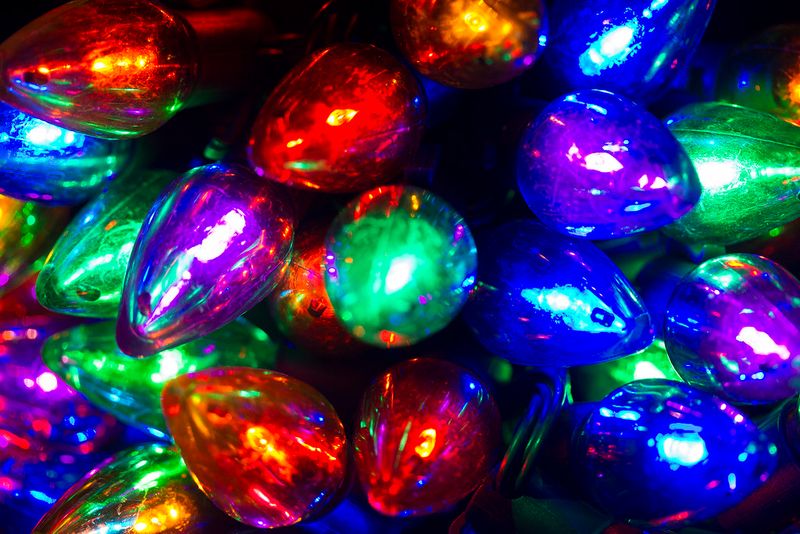
Remember those chunky, hot C7 and C9 incandescent bulbs outlining roofs and trees? Mid-20th-century Christmas displays often relied on large, high-wattage bulbs. They are still beloved for their nostalgic glow, but they use much more energy and run hotter than modern LEDs.
Recent industry commentary notes that incandescent replacement bulbs in these sizes are being phased out as costs rise and demand moves sharply to LEDs. Today, you will mainly see big incandescent strings in vintage photos, old movies, or as a deliberate retro choice.
For most households, cool-running, energy-efficient LED minis have taken their place on trees and rooflines everywhere.



