 Unearth The Voyage
Christmas dinner has changed a lot over the years. What your grandparents thought was fancy and delicious might seem totally strange to people your age. From wiggly gelatin molds to desserts soaked in alcohol, older generations loved holiday foods that would make most young people scratch their heads in confusion. Here are eleven retro Christmas dishes that perfectly show the gap between what Boomers grew up eating and what Gen Z thinks belongs on a holiday table.
1. Fruitcake
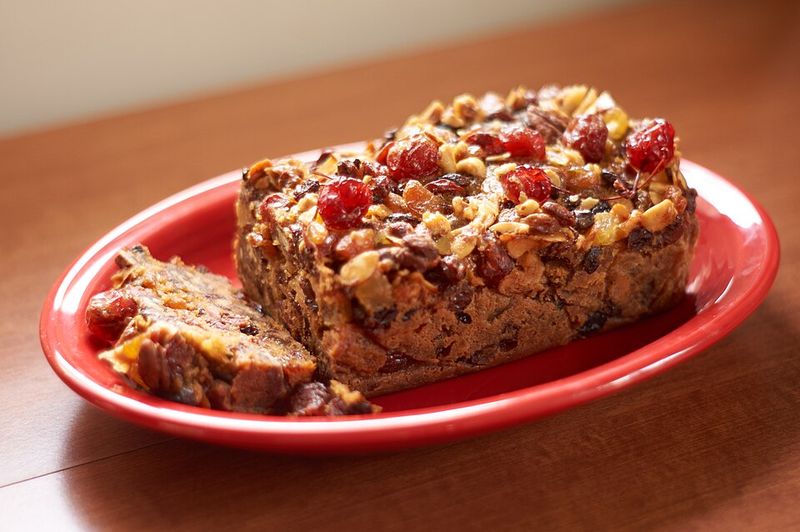
Dense, boozy, and packed with candied fruit, fruitcake has been a Christmas tradition for centuries. This controversial dessert originated in Europe and spread to North America with settlers who valued its long shelf life.
Boomers remember fruitcake arriving in the mail from fancy bakeries or being made by a beloved aunt every single year. The smell of brandy-soaked spices meant the holidays had officially arrived. For them, it represented grown-up sophistication and family tradition.
Younger generations see it differently. To Gen Z, fruitcake looks like a mysterious brick of candied fruit that nobody actually wants to eat, just pass around as a joke.
2. Ambrosia Salad
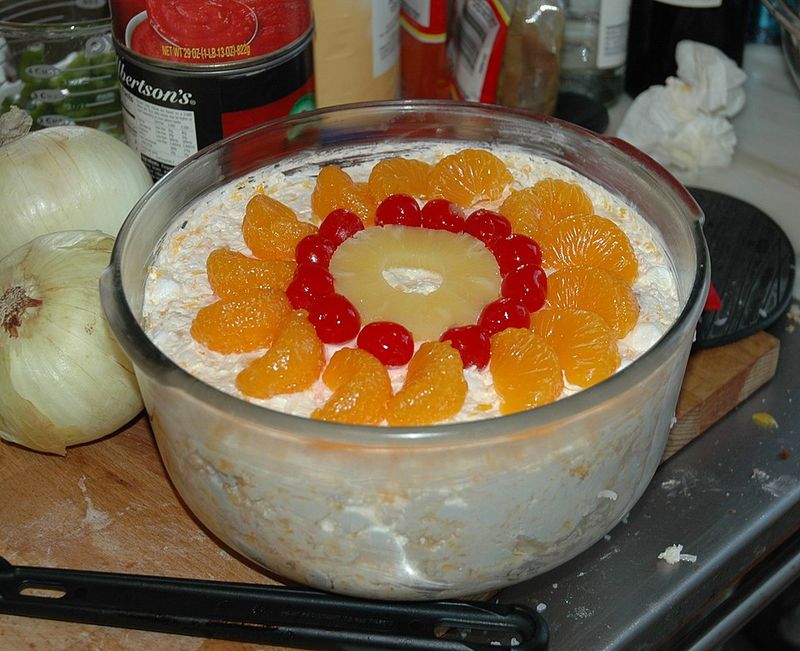
Sweet, creamy, and loaded with marshmallows, ambrosia salad has confused people for decades about whether it counts as dessert or a side dish. This colorful mix of canned fruit, coconut, and whipped topping became a Southern potluck staple.
For Boomers, this was the glamorous dish that made grandma’s Christmas table sparkle. Simple to make but impressive to serve, it tasted like church suppers and family reunions all mixed together in one spoonful.
Gen Z cannot understand why anyone calls something packed with marshmallows a salad. The squishy texture and tangy dairy combo feels weird to anyone who didn’t grow up with it.
3. Jell-O Salads & Congealed Christmas Molds
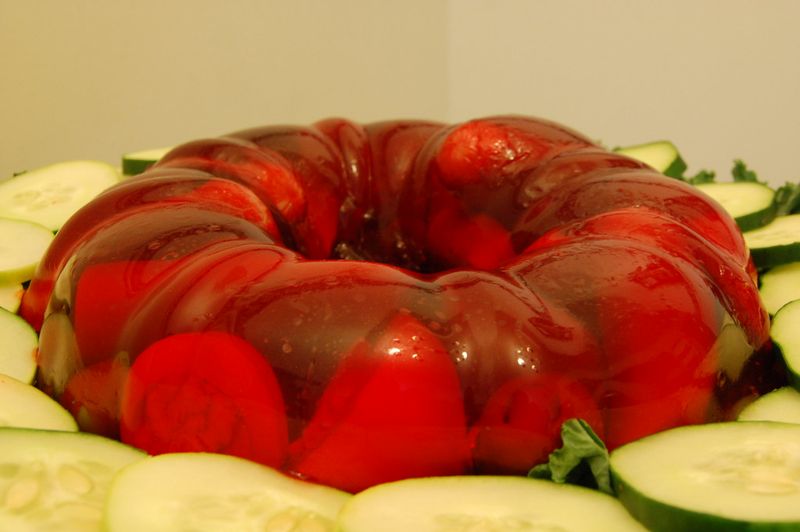
Bright, jiggly, and sometimes filled with surprising ingredients, gelatin molds ruled mid-century holiday tables. These wobbly creations came in every color and often contained fruit, vegetables, or even cottage cheese suspended in flavored gelatin.
Boomers saw these as fancy centerpieces that showed off modern convenience foods. Many remember specific family recipes that appeared every Christmas without fail. The dramatic unmolding was part of the show, proving you knew how to entertain properly.
Modern eaters think Jell-O belongs in kids’ lunch boxes, not masquerading as salad. Adding floating vegetables or cottage cheese makes it feel like a science experiment gone wrong.
4. Green Bean Casserole
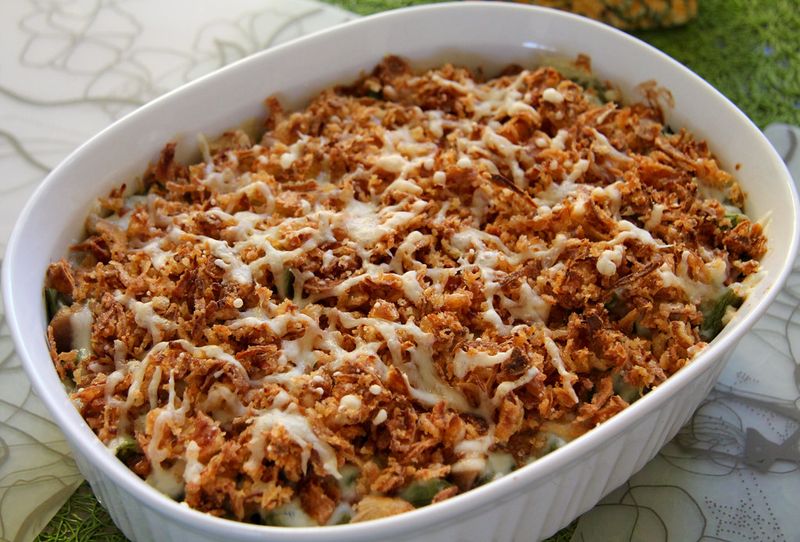
Created in 1955 by a Campbell Soup test kitchen employee, this casserole became an instant holiday classic. Canned green beans, cream of mushroom soup, and crunchy fried onions combined into the ultimate comfort food that still appears on millions of Christmas tables today.
Boomers grew up seeing the recipe printed right on the soup label. It represented easy elegance and tasted like home. The creamy, salty, crunchy combination hit every comfort food note perfectly.
Younger cooks raised on fresh vegetables and from-scratch cooking often dismiss it as mushy canned soup casserole. They would rather reinvent it completely than embrace the original version.
5. Canned Jellied Cranberry Sauce
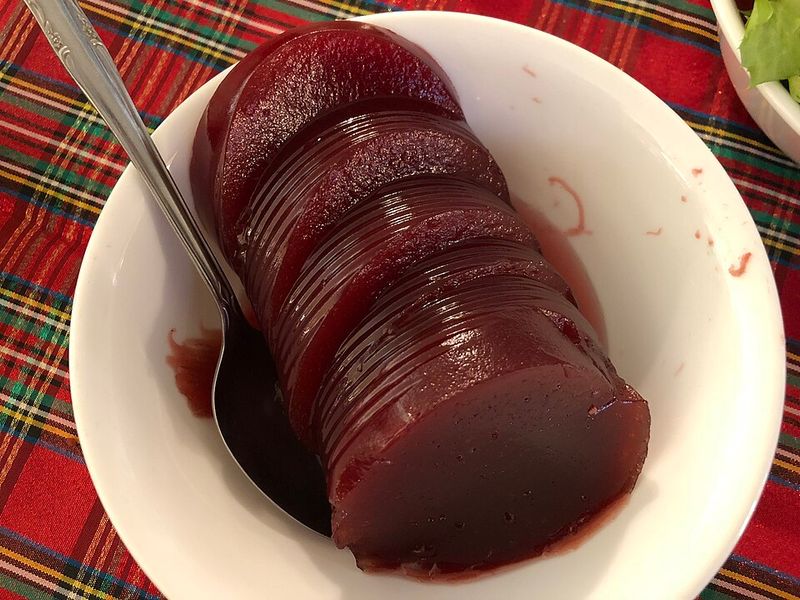
Sliding out of the can with its ridges perfectly intact, jellied cranberry sauce is pure holiday nostalgia for older generations. Many families prefer this wobbly cylinder over homemade versions specifically because it tastes like childhood Christmases.
Boomers remember the distinctive sound it made leaving the can and how it sliced into perfect rounds. Consistent, sweet-tart, and requiring zero effort, it appeared on the table every single year without question.
Gen Z finds it bizarre to prefer processed food that keeps the exact shape of its packaging. Fresh, chunky cranberry sauce looks way better on Instagram and tastes more authentic to them.
6. Mincemeat / Mince Pies
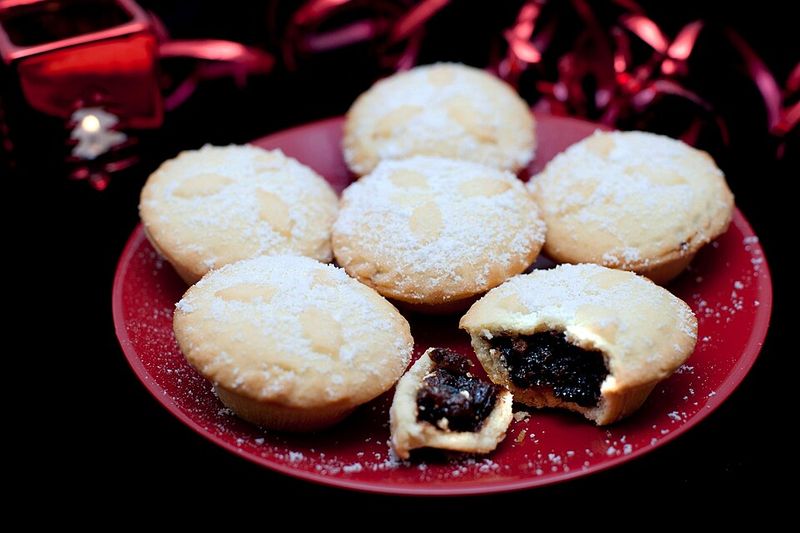
These small sweet pies filled with spiced dried fruit have medieval roots and remain a British Christmas staple. Despite containing no actual meat today, the name comes from the historical suet and meat mixture that once filled them.
Boomers with British heritage grew up eating mince pies as the essential Christmas dessert. Even in North America, church bake sales and old cookbooks kept the tradition alive for families who valued their connection to the past.
The confusing name throws Gen Z off immediately. Is it meat or fruit? Why does it taste so strongly spiced and boozy? Most younger people find them too old-fashioned compared to lighter, simpler desserts.
7. Figgy / Christmas Pudding
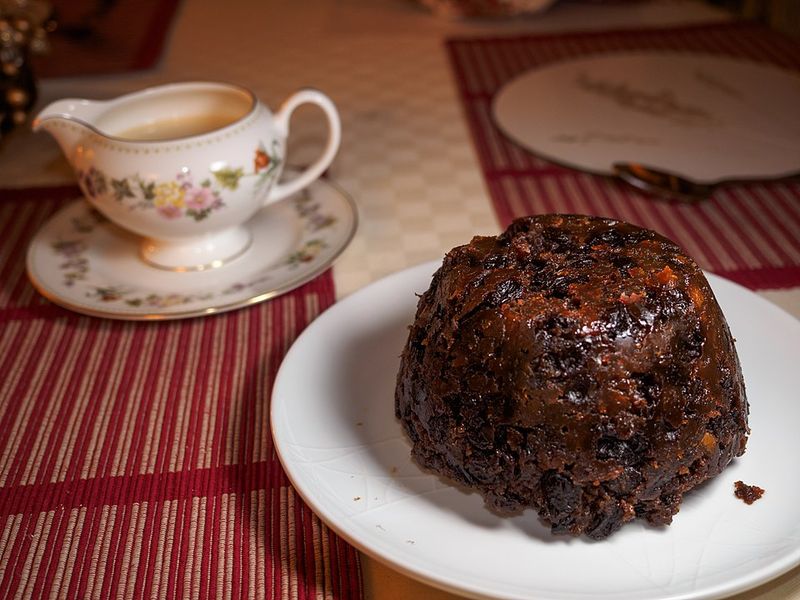
You have heard it mentioned in Christmas carols, but probably never tasted it. This dense, steamed dessert made with breadcrumbs, dried fruit, suet, and spices has been declining in popularity despite its centuries-long history.
For Boomers, Christmas pudding meant theater and tradition. Hours of steaming, dramatic unmolding, brandy poured over the top, and blue flames dancing at the table created memories that lasted a lifetime. It was ritual, not just food.
Gen Z sees a dark, mysterious dome that requires way too much effort. The long prep time and flaming presentation feels excessive next to grabbing a box of brownies from the store.
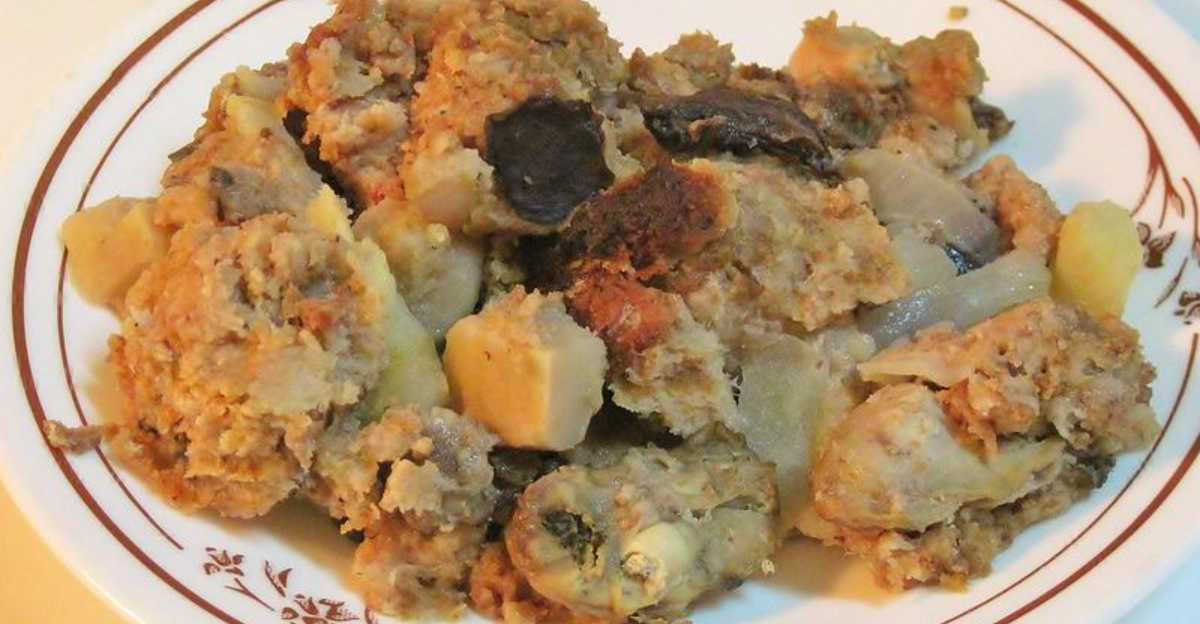
8. Oyster Dressing (Oyster Stuffing)
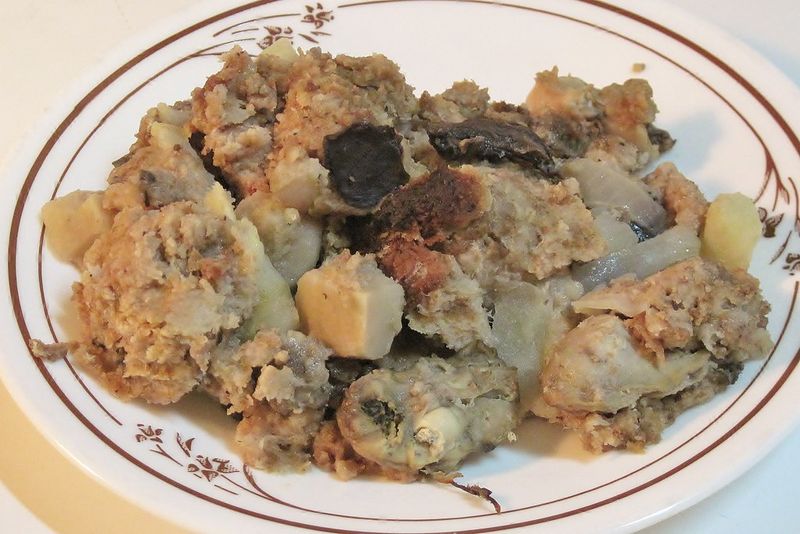
Along Southern coasts, Christmas dinner meant bread stuffing enriched with fresh oysters, butter, and aromatics. This special-occasion variation showed up only when families could splurge on expensive seafood for the biggest holidays.
Boomers from oyster-dressing families considered it the grown-up version of regular stuffing. Rich, briny, and tied to regional pride, it meant Christmas had truly arrived. Many remember grandparents who insisted the meal was incomplete without it.
If you grew up elsewhere, mixing oysters with bread pudding sounds intense and maybe a little strange. Younger guests familiar only with sage stuffing are not sure how to react to this luxury variation.
9. The Retro Cheese Ball
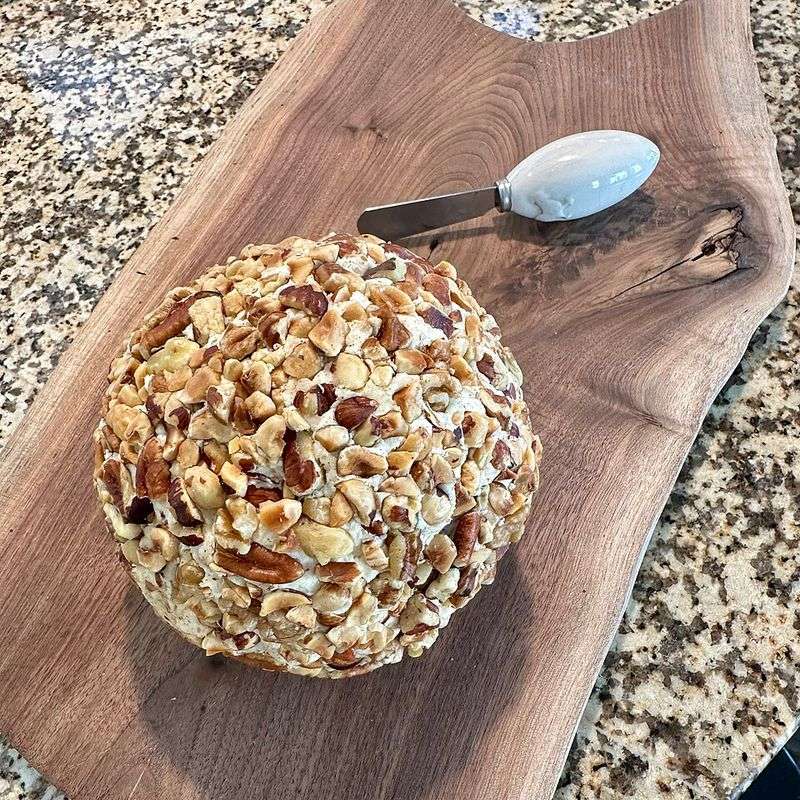
Big, round, and covered in chopped nuts, the cheese ball dominated party tables throughout the 1950s and 60s. Cream cheese mixed with shredded cheddar and seasonings, then rolled into a sphere, became the easiest way to feed a crowd of holiday guests.
Boomers consider it essential party equipment. Put one cheese ball in the center of a cracker tray and the gathering is official. It is cheap, feeds everyone, and screams nostalgic holiday entertaining.
Younger hosts prefer curated charcuterie boards with fancy artisan cheeses. A giant orange ball rolled in walnuts feels kitschy and extremely grandma-core, which is precisely why Boomers keep making them.
10. Sausage Balls (Bisquick + Sausage + Cheddar)
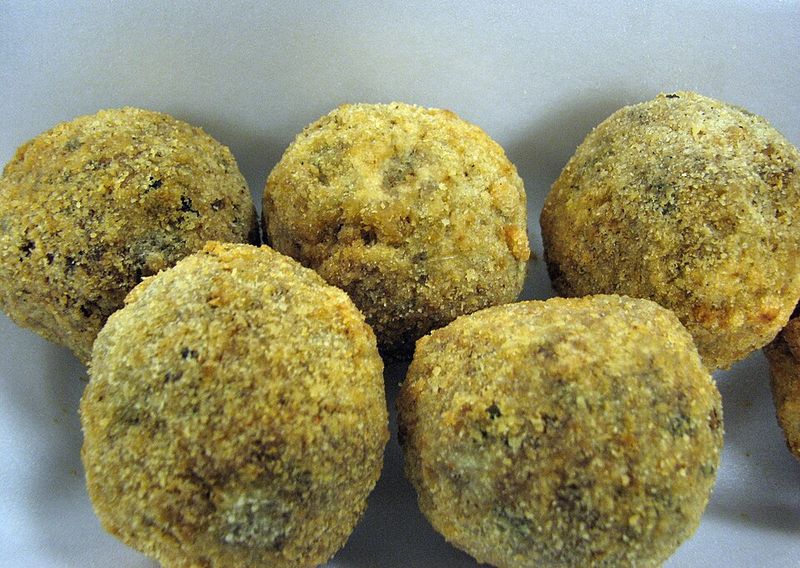
Breakfast sausage, Bisquick, and shredded cheddar rolled into bite-size balls and baked until golden. That is it. These Southern and Midwestern staples show up at Christmas brunches, office potlucks, and holiday parties throughout December.
Boomers love them because they are filling, cheap, and incredibly easy to make in huge batches. You can find them everywhere during the holidays. For many people, sausage balls are just part of the December landscape, as reliable as snow.
Gen Z finds them visually underwhelming and confusing. Are they breakfast or party food? These little beige balls do not compete well against colorful snack boards and viral TikTok recipes they are used to seeing.
11. Ribbon Candy & Old-Fashioned Christmas Hard Candy
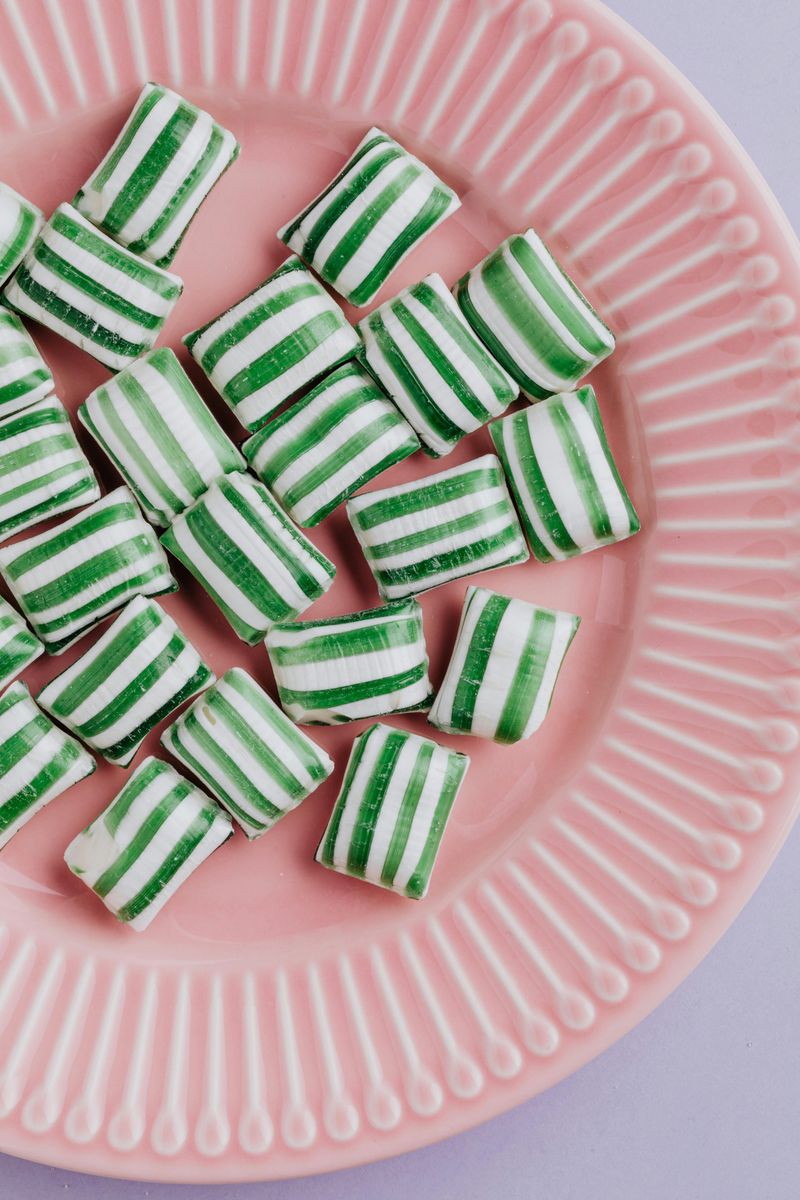
Delicate loops of glassy ribbon candy and colorful hard sweets filled fancy bowls on coffee tables all December long in Boomer households. These old-fashioned treats were as much decoration as they were candy, sitting in dishes you were almost afraid to touch.
Boomers associate them with childhood visits to grandparents and long, cozy holiday afternoons. The candies looked beautiful and tasted like pure nostalgia, even if they were hard enough to crack a tooth.
Modern kids grew up with individually wrapped chocolates and elaborate advent calendars. A bowl of random hard candies feels more like a museum display than actual food worth eating to Gen Z.



