Rhode Island may be the smallest state in the country, but it punches well above its weight when it comes to attractions. Tucked inside a sprawling Victorian-era park in Providence sits a zoo that has been drawing crowds since 1872, making it one of the oldest zoos in the entire United States.
That kind of staying power does not happen by accident. Over 150 years of operation, this beloved institution has grown from a simple animal collection into a full-scale conservation hub, a seasonal events powerhouse, and a family destination that keeps people coming back year after year.
Whether you are a lifelong Rhode Islander or just passing through New England, this zoo offers far more than a casual stroll past animal enclosures. The history, the animals, the events, and the setting all combine to make it something genuinely worth your time.
Over 150 Years of Conservation and Community
Few attractions anywhere in New England can claim a founding year of 1872, but Roger Williams Park Zoo wears that badge with quiet confidence. What started as a modest collection of animals donated to the city has evolved into a nationally accredited zoological institution that takes its conservation mission seriously.
The zoo is accredited by the Association of Zoos and Aquariums, a distinction that reflects high standards in animal care, education, and conservation programming. That accreditation is not handed out freely, and maintaining it requires ongoing commitment from the entire organization.
Over the decades, the zoo has participated in Species Survival Plans, which are cooperative breeding programs designed to maintain healthy and genetically diverse animal populations. The fact that a zoo in a small New England state is playing a role in global wildlife preservation is a genuinely impressive detail that most first-time visitors do not expect to discover.
40 Acres of Animals, Trails, and Surprises
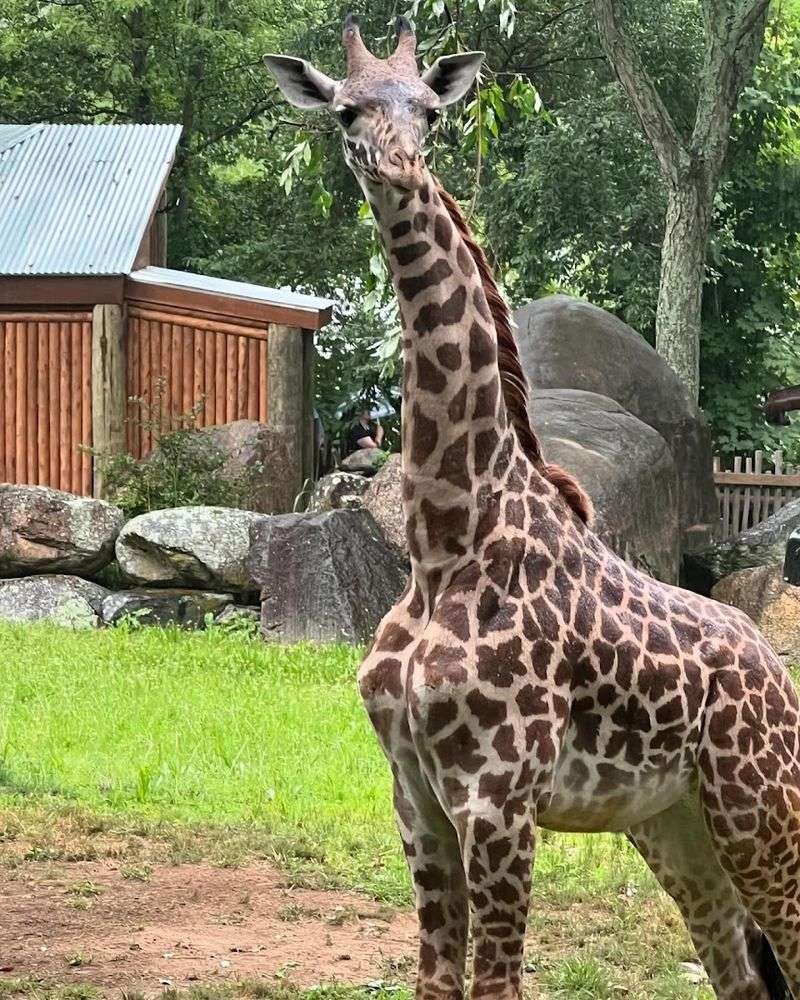
Forty acres sounds manageable until you actually start walking the grounds and realize just how much is packed into that space. The zoo is home to more than 160 species of animals, ranging from African elephants and giraffes to Andean bears and snow leopards, all living in habitats designed to reflect their natural environments as closely as possible.
The layout encourages exploration rather than a single linear route. Paved paths wind through different habitat zones, and educational signage at each exhibit gives context about the animals, their native regions, and the conservation challenges they face in the wild.
A wetlands trail adds a quieter, more nature-walk feel to part of the visit, where native birds and aquatic wildlife share space with zoo residents. For a 40-acre property, the variety on offer is genuinely remarkable, and most guests find that a single visit is not quite enough to cover everything thoroughly.
The Animals That Keep People Talking
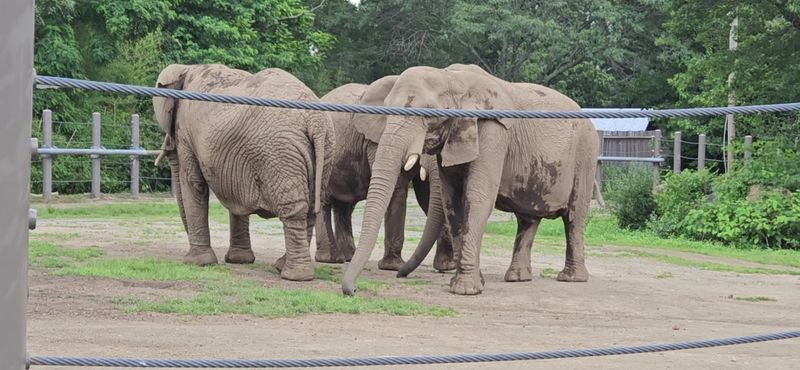
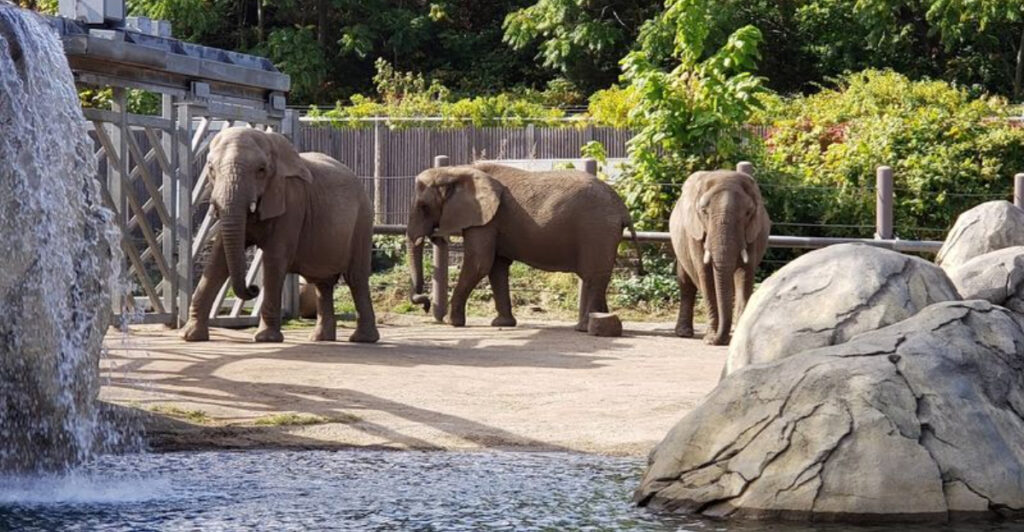
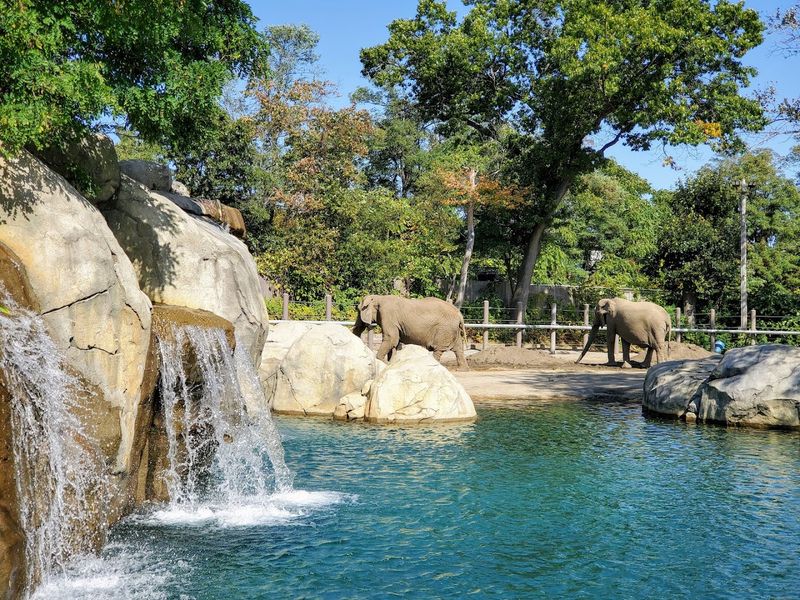
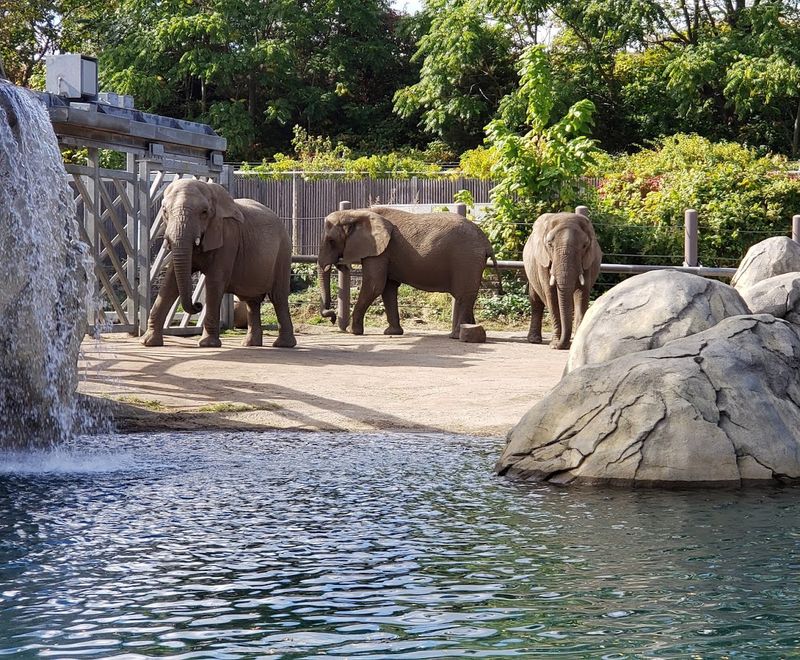
Giraffes, elephants, camels, and snow leopards are among the headline attractions at this zoo, and they tend to draw the longest crowds at their respective enclosures. The African elephant habitat is one of the more spacious exhibits, giving the animals room to move and interact in ways that feel natural rather than staged.
The giraffe exhibit is a particular favorite because of how close guests can get to these towering animals. Watching a giraffe move across its habitat from just a short distance away is a genuinely striking experience that photographs do not fully capture.
Wild cats are another strong draw, and the zoo’s collection includes species that many people have never seen outside of a nature documentary. Golden lion tamarins, blue hyacinth macaws, and penguins round out an animal roster that covers multiple continents and ecosystems.
The variety alone makes this zoo stand out among New England destinations.
The Farmyard Area: Where Young Guests Become Animal Experts
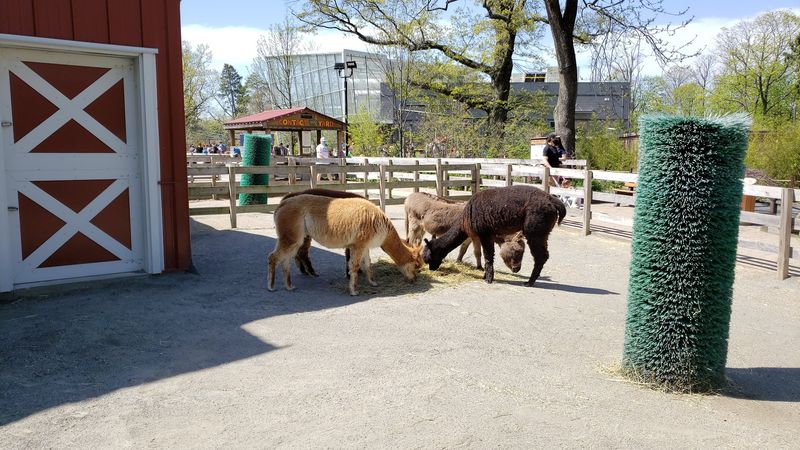
Not every zoo experience needs to involve rare or exotic species to be memorable. The farmyard area at Roger Williams Park Zoo has become one of the most beloved sections of the entire property, particularly for families with younger children.
Goats are the stars of the show here, and they are friendly, curious, and completely unintimidated by small guests. Children can brush them, feed them, and get up close in a way that is simply not possible with the zoo’s larger or more exotic residents.
This hands-on interaction tends to create some of the most lasting memories for young visitors. There is something about a child connecting directly with an animal, even a common farm animal, that carries more weight than simply observing wildlife from behind a barrier.
The farmyard section also serves an educational purpose, introducing kids to domestic animals and basic animal care in a low-pressure, fun environment.
The Jack-O-Lantern Spectacular: A Fall Tradition Unlike Any Other
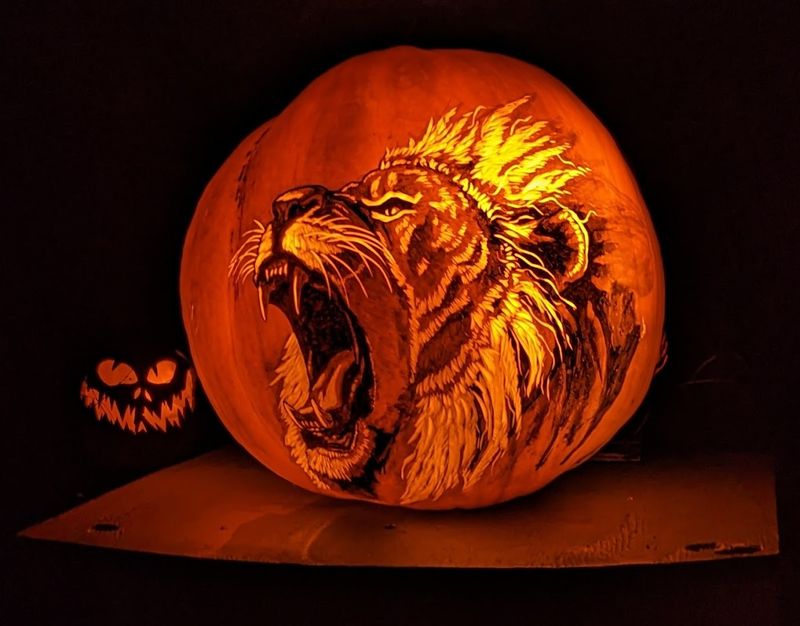
Every fall, Roger Williams Park Zoo transforms after dark into one of the most talked-about seasonal events in all of New England. The Jack-O-Lantern Spectacular draws crowds from across the region for good reason: over 5,000 carved pumpkins line a roughly one-mile path through the zoo grounds, and many of them are carved to a level of artistry that rivals museum installations.
The event runs in the evening hours and takes approximately one hour to walk through at a comfortable pace. Pumpkins are arranged thematically, with trivia questions embedded along the route and answers revealed at the end, which adds an interactive layer that keeps guests engaged throughout.
Tickets must be purchased in advance online, and specific time slots fill up quickly, especially on weekends. A pro tip that circulates among repeat guests: parking above the zoo and walking down saves considerable time compared to queuing for the main entrance lot during peak event nights.
Holiday Lights Spectacular: Winter at the Zoo Has Its Own Magic
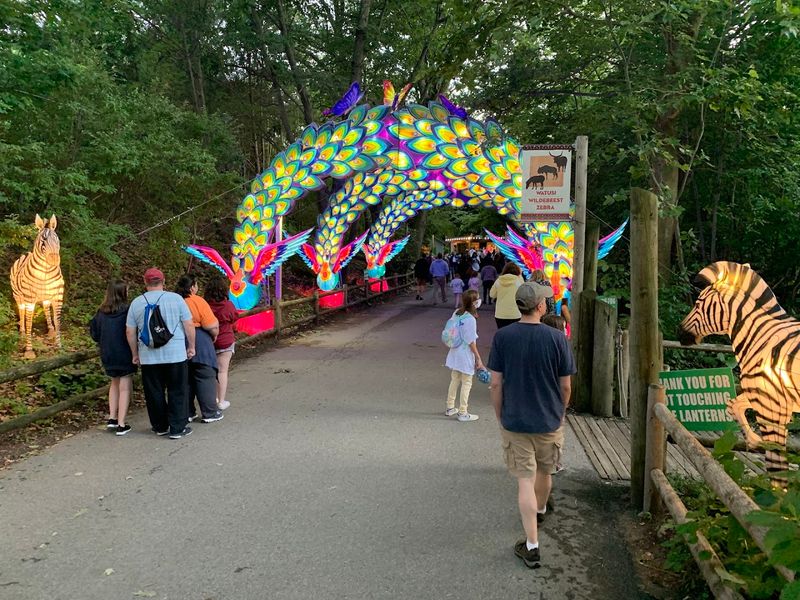
The zoo does not slow down once the temperatures drop. The Holiday Lights Spectacular, typically held around the Thanksgiving and December holiday season, turns the zoo grounds into a glowing winter display that draws families looking for a festive outing that goes beyond the usual mall experience.
The event features large-scale light installations throughout the zoo property, with holiday music playing along the route. Families tend to spend around an hour walking through, and the combination of lights, cool air, and seasonal atmosphere creates a distinctly different experience from the warm-weather visits.
The weekend after Thanksgiving is a particularly popular time to attend, and the event has built a loyal following of guests who return annually. For families who have already done the Jack-O-Lantern Spectacular in October, the Holiday Lights Spectacular gives them a reason to come back just weeks later, essentially turning the zoo into a year-round destination rather than a summer-only attraction.
Summer Dino Events and Seasonal Programming That Keeps Things Fresh
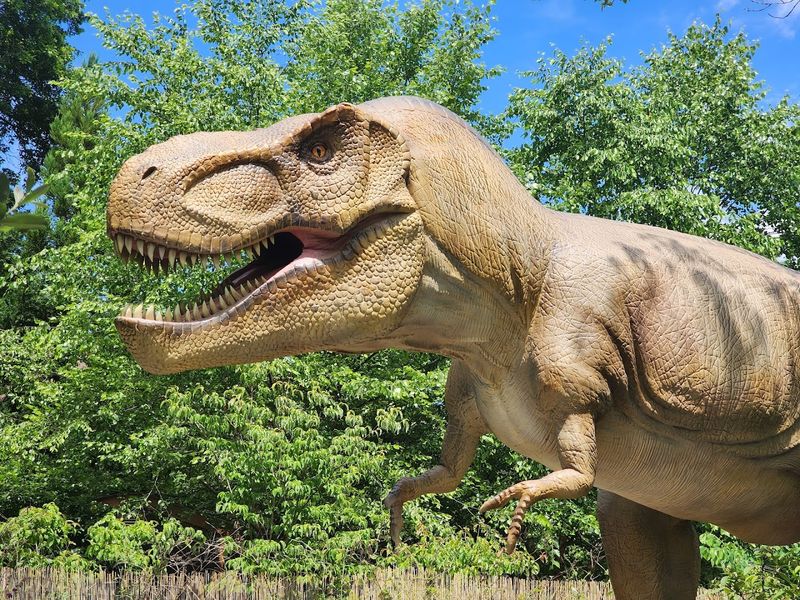
Between the fall pumpkin event and the winter light show, the zoo also fills its summer calendar with themed programming that gives families new reasons to visit even if they have already been before. Dinosaur-themed events have been a summer staple, featuring life-size animatronic dinosaurs placed throughout the grounds alongside the regular animal exhibits.
These seasonal overlays work well because they add an entirely different layer to the existing zoo experience without replacing what is already there. A family that visits in July for the dinosaur event and returns in October for the pumpkins is essentially getting two distinct experiences at the same location.
There is also a splash area available during warmer months, giving younger guests a way to cool down mid-visit. The zoo’s programming team clearly puts considerable thought into keeping the calendar varied and appealing to multiple age groups, which explains why so many families describe returning multiple times per year as a normal part of their routine.
The Vintage Carousel: A Ride Through Rhode Island Nostalgia
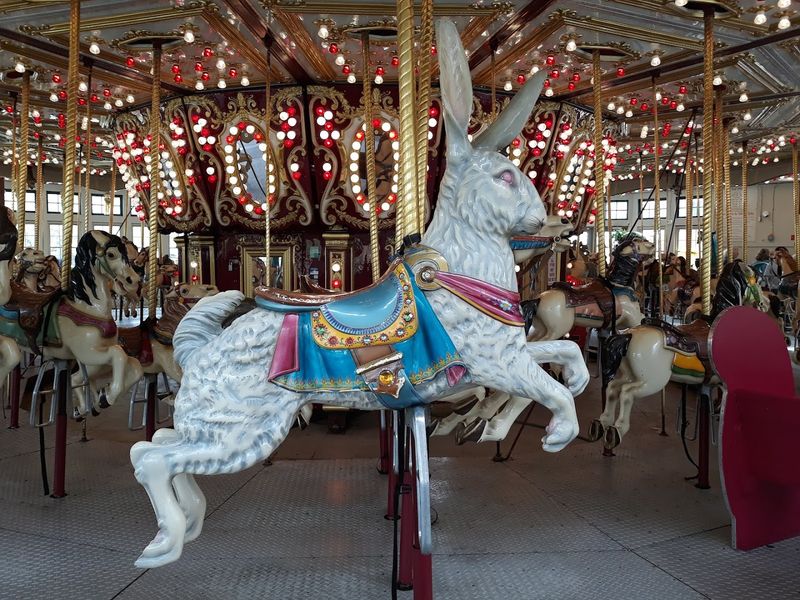
Among the more charming details tucked inside Roger Williams Park Zoo is a vintage carousel that has been delighting riders for generations. Carousels of this age and character are increasingly rare, and the one at this zoo carries a particular nostalgic quality that stands apart from the modern rides found at theme parks.
The carousel operates within the zoo grounds and adds a classic amusement element to what is already a full day of activity. For grandparents bringing grandchildren, it often becomes a shared moment of recognition, a ride that connects different generations through a simple, unhurried experience.
It is the kind of detail that might seem minor compared to the elephant habitat or the Jack-O-Lantern Spectacular, but it contributes to the overall texture of a visit in a way that guests tend to remember. Small touches like this are part of what gives Roger Williams Park Zoo its distinctive character among American zoos.
The Wetlands Trail: A Quieter Side of the Zoo
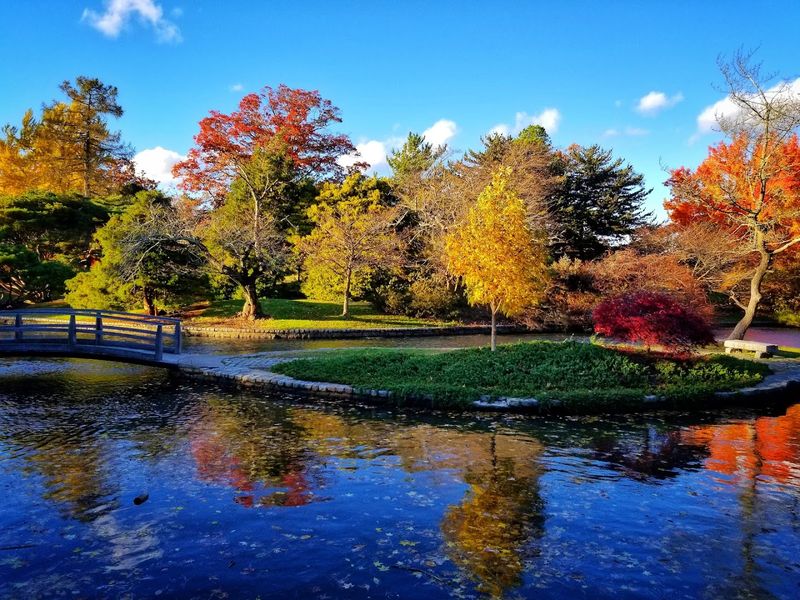
Not every part of the zoo is about exotic animals behind fenced habitats. The wetlands trail offers a markedly different pace, winding through a natural wetland environment where native birds, turtles, and other wildlife coexist with the zoo’s curated collection.
This section of the property has the feel of a genuine nature walk rather than a zoo exhibit, and it tends to attract guests who appreciate a quieter, more contemplative part of the visit. Birdwatchers in particular find this trail rewarding, as native species move freely through the wetland habitat without the constraints of an enclosure.
The trail is paved and accessible, making it a manageable route for guests of most fitness levels. It also serves as a natural transition between different sections of the zoo, giving visitors a moment to decompress between the more active and crowded exhibit areas.
The wetlands trail is the kind of feature that rewards guests who take their time and do not rush through the visit.
Practical Tips for Planning Your Visit
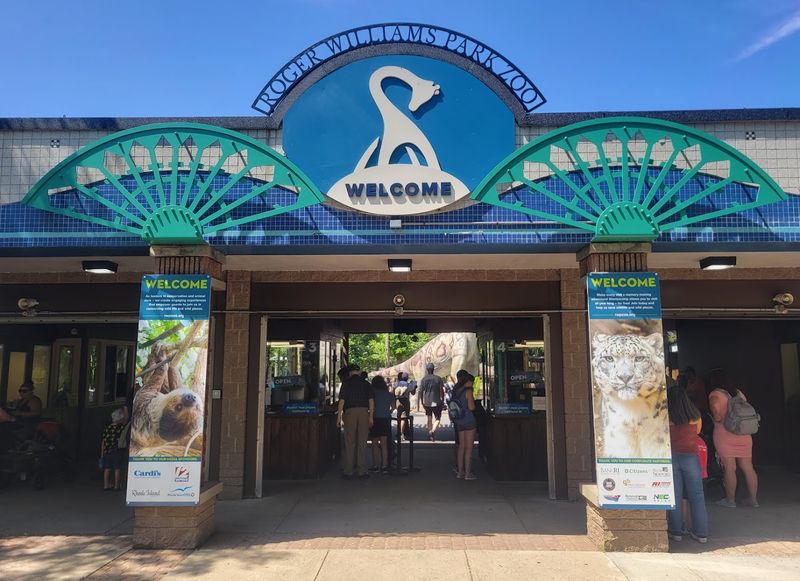
A few practical details can make the difference between a smooth visit and a frustrating one. The zoo is open every day from 9 AM to 4 PM, and arriving closer to opening time is consistently reported as the better strategy, especially on weekends.
Morning hours tend to mean fewer crowds, more active animals, and easier navigation.
Parking is available on site, though it can back up significantly during evening events like the Jack-O-Lantern Spectacular. An alternative that experienced guests recommend is parking above the zoo and walking down, which typically involves about a ten-minute walk and saves a significant amount of time during busy periods.
For seasonal events, tickets must be purchased online in advance, and this is non-negotiable since walk-up availability is extremely limited. The zoo also offers a military discount on general admission, which is worth noting for eligible families.
A clear map is available at the entrance and makes navigating the 40-acre property much easier.
Conservation at the Core of Everything
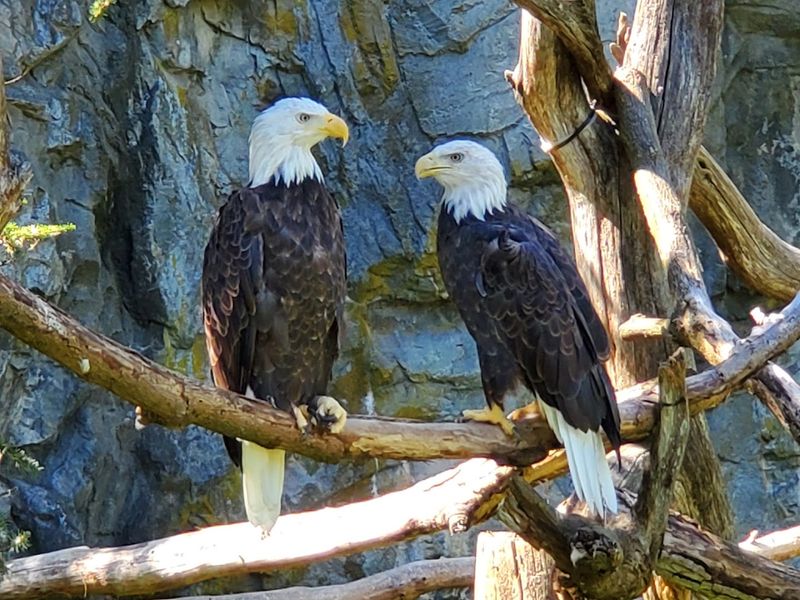
Beyond the entertainment value, Roger Williams Park Zoo operates with a genuine conservation mission that shapes how it manages its animal collection and engages its guests. As an AZA-accredited institution, the zoo participates in Species Survival Plans for numerous animals, contributing to breeding programs that help protect genetically diverse populations of threatened species.
Educational signage throughout the zoo connects each animal exhibit to broader conservation narratives, explaining habitat loss, climate pressures, and what guests can do to support wildlife protection in their own lives. This educational layer transforms a standard zoo visit into something more meaningful, particularly for school-age children who are at a formative stage of developing environmental awareness.
The zoo also runs programming specifically designed for schools and community groups, reinforcing its role as an educational institution rather than purely a recreational one. Supporting this zoo with a visit is, in a very direct sense, supporting the broader work of wildlife conservation on a global scale.
Why This Zoo Keeps Drawing People Back Year After Year
There are plenty of zoos across New England, but few have the combination of history, programming, animal variety, and seasonal events that make Roger Williams Park Zoo a destination people return to repeatedly rather than checking off a single-visit bucket list item.
The consistency of the experience across different seasons is a major factor. A visit in July feels completely different from a visit in October or December, yet each one delivers something worth the trip.
That kind of year-round relevance is difficult to build and even harder to maintain over 150-plus years of operation.
For Rhode Islanders, this zoo is a point of genuine local pride. For out-of-state guests, it is a discovery that tends to exceed expectations.
Either way, a trip to 1000 Elmwood Ave in Providence has a way of turning into a tradition rather than a one-time outing, and that might be the most honest measure of what makes a destination truly special.
A Historic Address That Has Stood the Test of Time
At 1000 Elmwood Ave, Providence, RI 02907, Roger Williams Park Zoo holds the distinction of being one of the oldest zoos in the United States. Founded in 1872, it predates many of the country’s most famous institutions and has been a cornerstone of Rhode Island’s cultural landscape for well over a century.
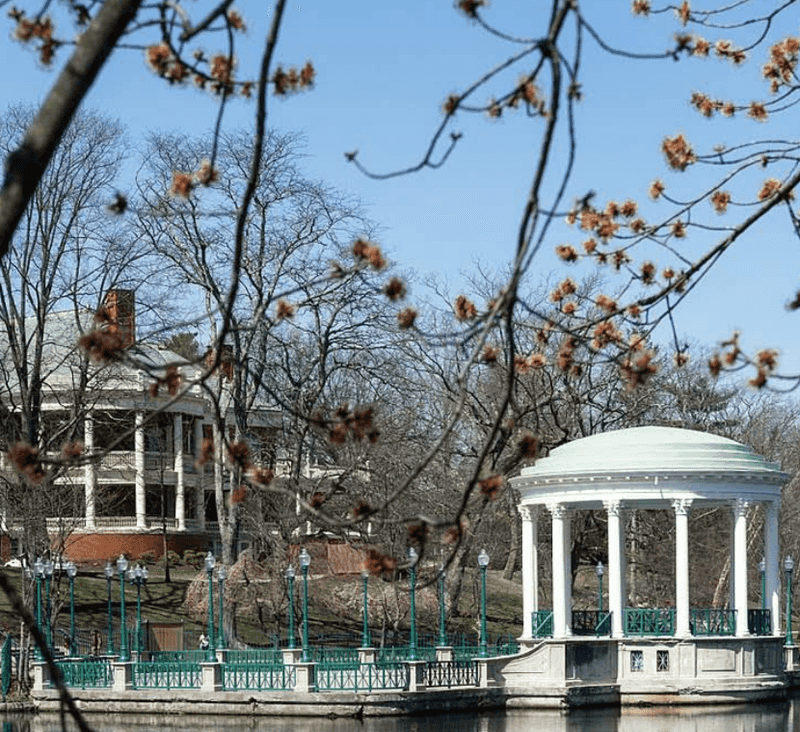
The zoo sits within Roger Williams Park, a 435-acre Victorian-era public park that was donated to the city of Providence in 1871. The park itself was designed in the naturalistic landscape style, which means the zoo’s setting feels more like a nature preserve than a traditional concrete enclosure complex.
Getting there is straightforward, with clear signage from major roads and ample parking on site. The zoo opens at 9 AM every day of the week and closes at 4 PM, making it an ideal full-morning or early-afternoon outing for families, couples, and solo explorers alike.
Share this story