 Unearth The Voyage
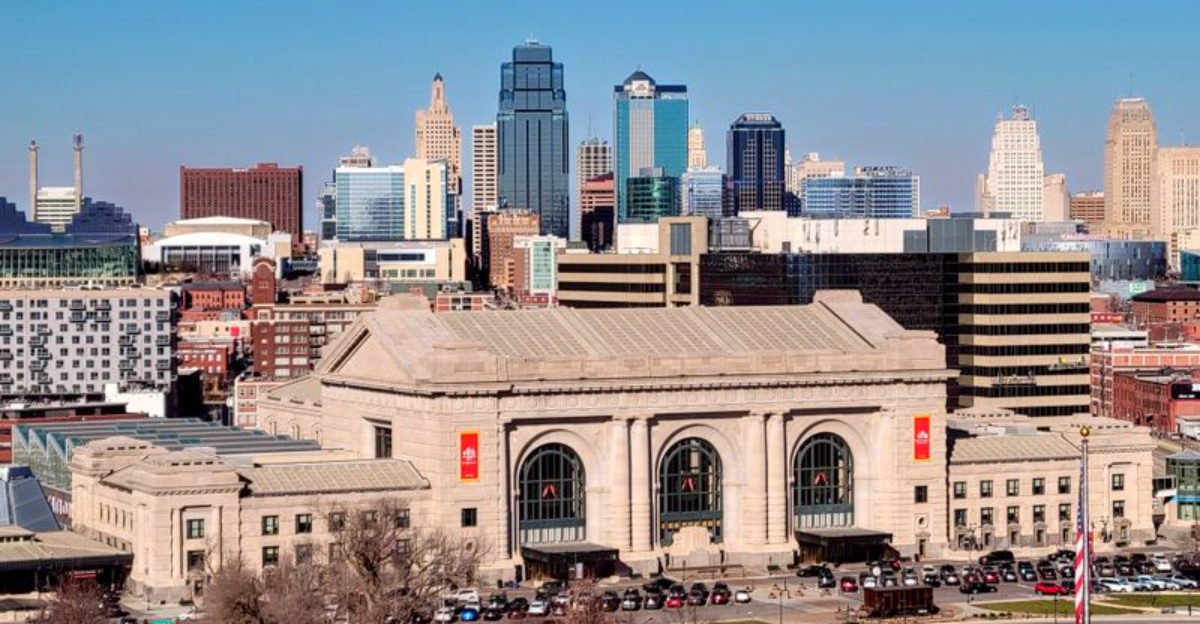
When you think about settling down somewhere new, natural disasters probably cross your mind. Hurricanes, tornadoes, wildfires, and earthquakes can turn life upside down in an instant. Fortunately, some American cities offer surprising shelter from these threats, giving families peace of mind and safer communities. From coastal capitals to Midwest metros, these ten spots stand out for their remarkably low disaster risk.
1. Juneau, Alaska
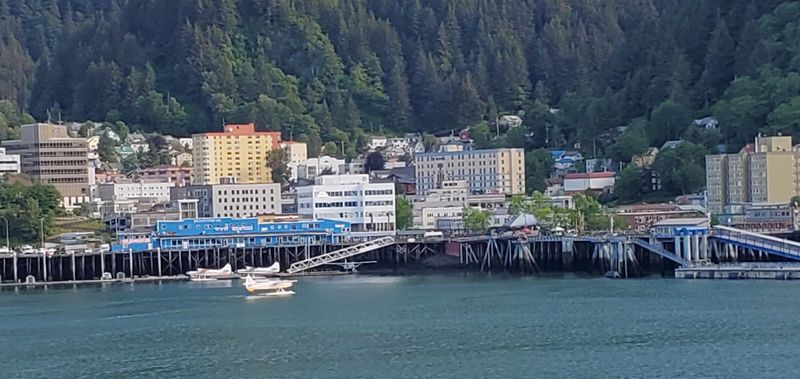
Perched along Alaska’s rugged coast, Juneau claims the crown as the safest city from natural disasters among 182 analyzed locations. Its northern position keeps hurricanes, major tornadoes, and massive wildfires at bay, offering residents rare protection from the big threats that plague other regions.
Winter storms do roll through, and heavy snowfall is a given. Steep terrain can trigger landslides, and occasional flooding demands attention. Remoteness also means evacuation routes are limited, so supply chains matter more here than in cities connected by highways.
2. Burlington & South Burlington, Vermont
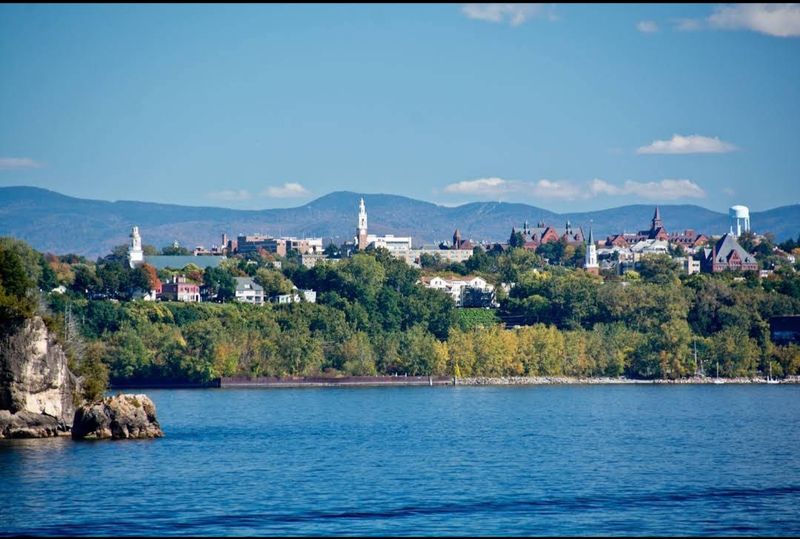
Vermont’s mountainous landscape acts like a natural shield, keeping hurricanes and tornadoes far from Burlington and its neighbor, South Burlington. Both cities land near the top of safety rankings thanks to strong emergency systems and geography that favors calm over chaos.
Flooding along rivers has caused trouble in the past, especially during heavy rains. Winter brings serious snow and ice storms that can shut down roads. Still, if you crave four distinct seasons without the constant worry of major disasters, this Green Mountain corner delivers security and beauty in equal measure.
3. Lewiston, Maine
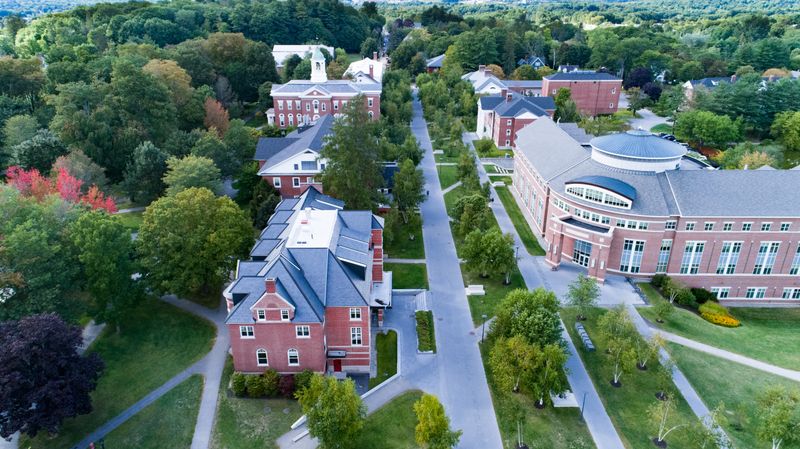
Lewiston earns its spot on this list by dodging the worst nature can throw at the East Coast. Data shows it ranks among the lowest for disaster risk nationwide, while also scoring well on financial stability measures that help communities bounce back quickly.
Maine’s location means major hurricanes lose steam before arrival, though nor’easters still pack a punch with heavy snow and wind. Rivers can overflow during extreme weather, and coastal areas face occasional flooding. Even so, Lewiston’s track record makes it a hidden gem for anyone seeking New England charm without constant disaster alerts.
4. Warwick, Rhode Island
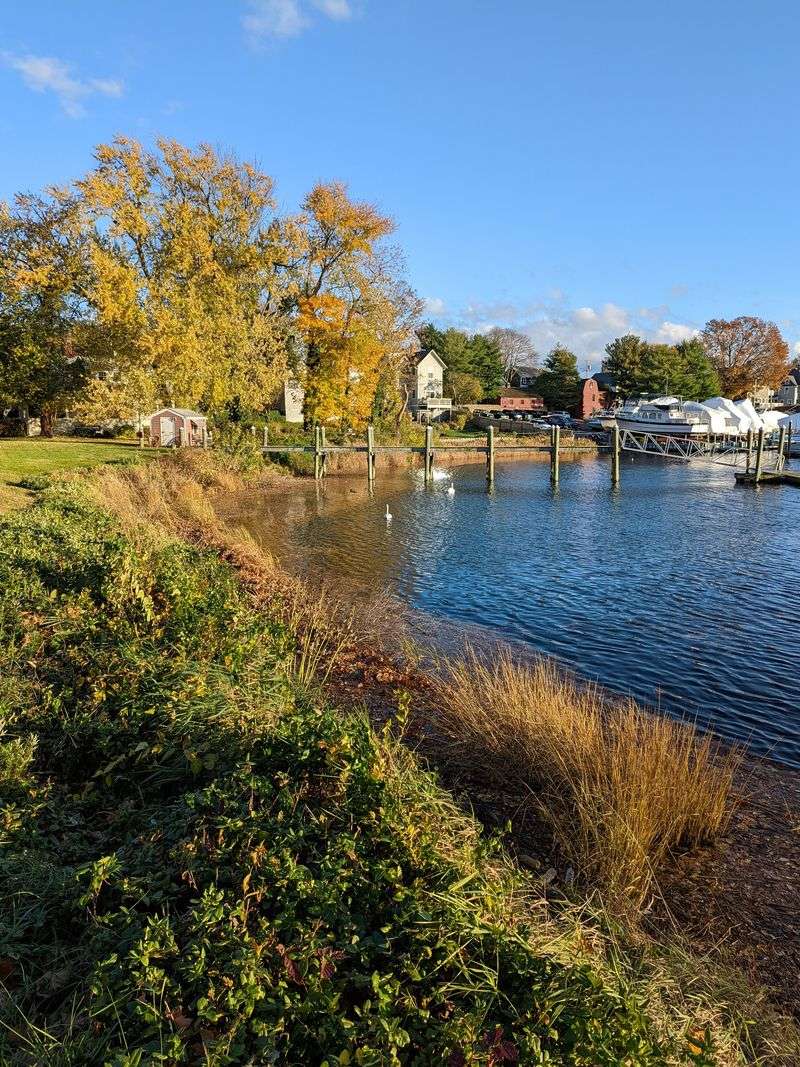
Crowned the safest city overall in recent rankings, Warwick combines low disaster risk with strong community safety scores. Rhode Island’s small size might fool you, but its census tracts rarely hit FEMA’s moderate risk threshold, a rarity for coastal states.
Atlantic hurricanes sometimes brush past, though they usually weaken before causing serious harm. Coastal storms and flooding in low-lying neighborhoods remain the main concerns. For families wanting ocean access without the constant hurricane dread that grips the South, Warwick offers an appealing middle ground with New England character and solid infrastructure.
5. Casper, Wyoming
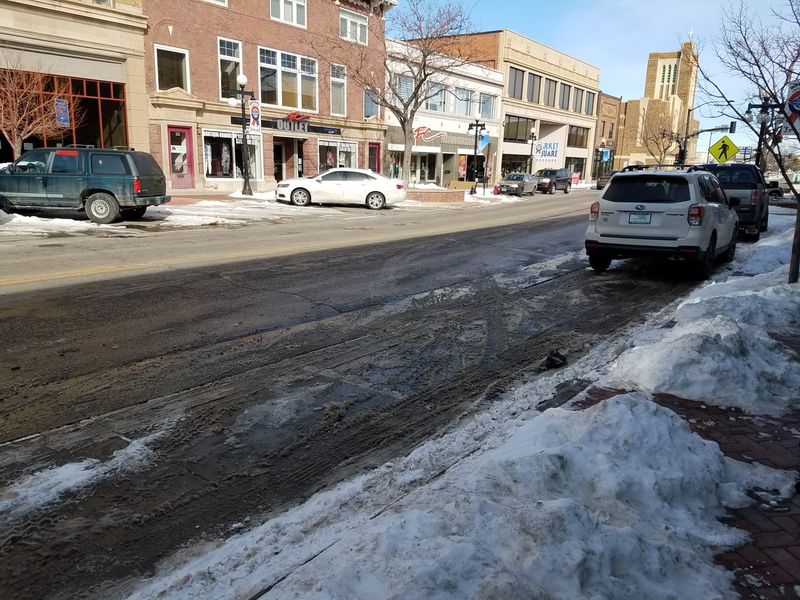
Out where the prairie meets the mountains, Casper ranks fifth-lowest for natural disasters among nearly 200 cities studied. Wyoming’s wide-open spaces might suggest vulnerability, but the state’s overall risk profile stays remarkably low compared to crowded coasts or fire-prone West.
Winter storms and bone-chilling cold are part of the deal here, along with strong winds that sweep across the plains. Severe thunderstorms pop up occasionally, and localized flooding can happen. Hurricanes and coastal chaos simply don’t reach this far inland, making Casper a quiet refuge for those who prefer big skies to big risks.
6. Columbia, Maryland
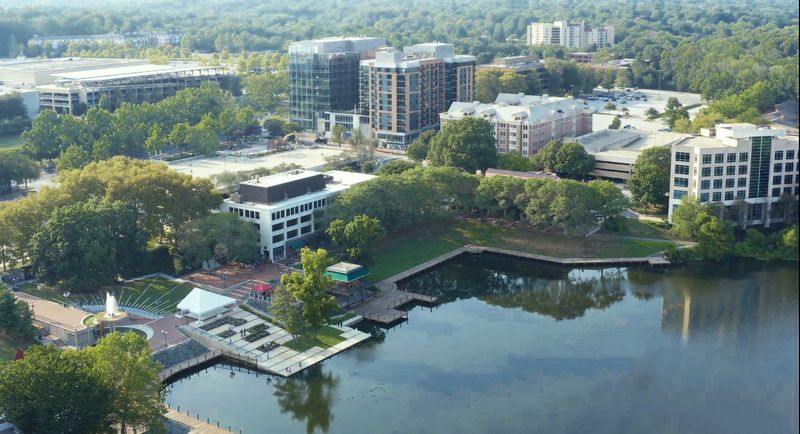
A planned community that tops charts for home and community safety, Columbia also ranks 11th nationwide for low disaster exposure. Maryland sits in a sweet spot where hurricanes weaken and tornadoes stay rare, giving residents fewer reasons to stock emergency kits year-round.
Heavy rain and flash flooding near streams are the main headaches, especially during summer downpours. Winter can bring snow and ice storms that slow life down for a few days. For families seeking suburban stability, good schools, and minimal natural threats, Columbia checks nearly every box without the drama of coastal or Sun Belt living.
7. Cleveland & Columbus, Ohio (plus Ohio’s big metros)
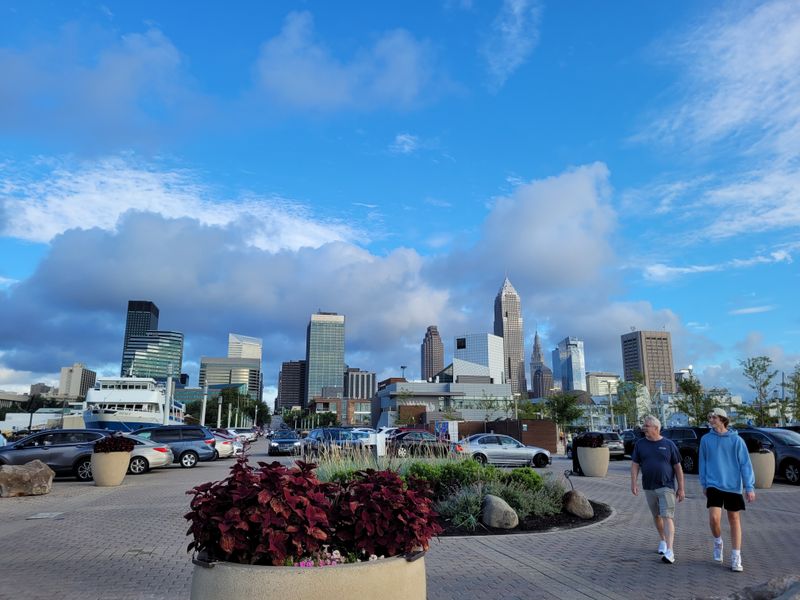
Ohio’s major metros land on multiple low-risk lists, with Cleveland, Columbus, Cincinnati, and Dayton all earning recognition for minimal climate threats. Fewer than one in ten new home listings face serious exposure to flooding, wildfires, extreme heat, or severe wind over the next three decades.
Tornadoes do touch down occasionally, though they’re typically weaker and less frequent than in core Tornado Alley. River flooding and winter storms happen, but coastal hurricanes and western megafires stay distant worries. Big-city amenities without the constant disaster alerts make Ohio’s metros an underrated choice for safety-minded movers.
8. Detroit, Michigan
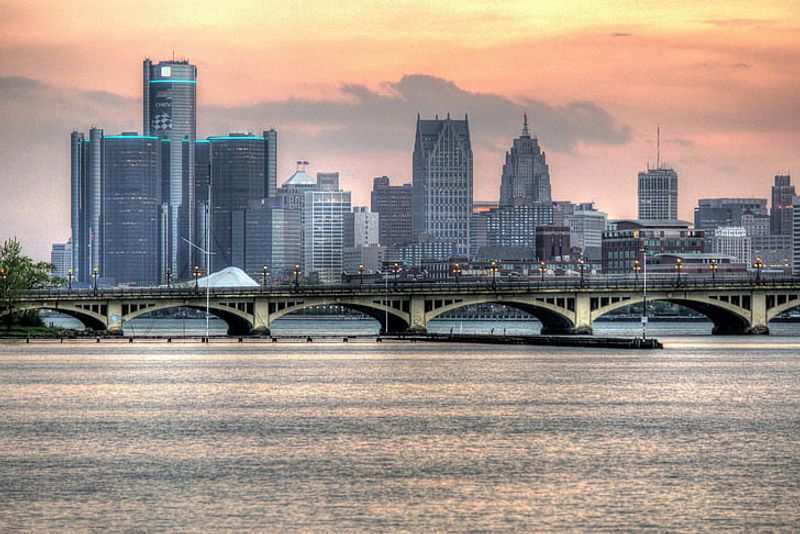
Shielded by the Great Lakes, Detroit avoids hurricanes and sees relatively few major tornadoes or earthquakes. Climate-risk scoring places it among seven Midwest metros where under ten percent of new listings face major hazards like flooding, wildfire, or extreme heat in the coming decades.
Lake-effect snow and heavy winter ice are part of the package, and intense rainstorms can cause localized flooding. Still, for a major metro with deep history and affordable housing, Detroit offers a surprisingly calm natural-disaster profile. Revitalization efforts and strong infrastructure add to its appeal for families seeking urban life without coastal or wildfire anxiety.
9. Minneapolis–St. Paul, Minnesota

The Twin Cities join the exclusive club of Midwest metros with minimal climate risk, again with fewer than ten percent of new home listings facing major threats over the next 30 years. Minnesota’s inland position spares it from hurricanes, and large-scale disasters stay uncommon.
Brutal winters bring blizzards, ice storms, and temperatures that test even the toughest residents. Spring and summer thunderstorms can spawn tornadoes or flash flooding, though these events are less frequent than in states farther south. For those who can handle cold snaps, Minneapolis and St. Paul deliver vibrant culture, strong schools, and peace of mind about nature’s biggest hazards.
10. Kansas City, Missouri

Rounding out the list of low-risk Midwest metros, Kansas City benefits from its inland location and distance from major fault lines, eliminating hurricane and tsunami worries entirely. Climate-risk data shows relatively low overlap of hazards like wildfire, extreme heat, and coastal flooding.
Tornado and severe-storm potential runs higher here than some other cities on this list, since Kansas City sits closer to traditional Tornado Alley. Intense thunderstorms and occasional flooding demand preparedness. For those weighing affordability, job markets, and moderate risk, Kansas City strikes a better balance than many coastal or Sun Belt hotspots, even if it’s not completely tornado-free.



