 Unearth The Voyage
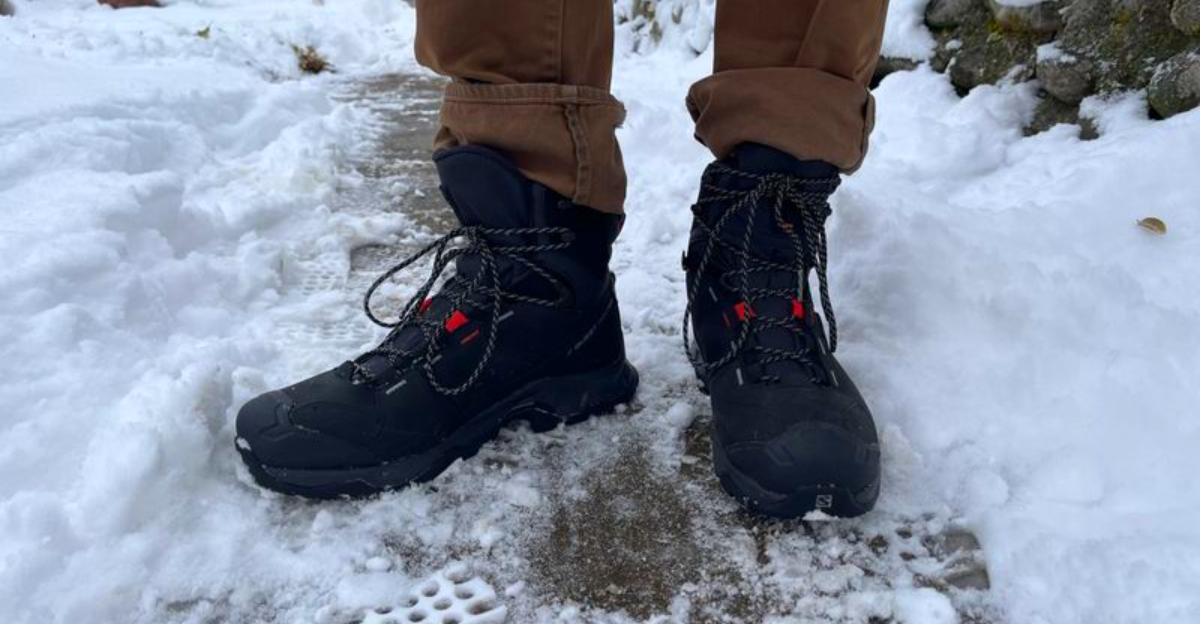
Cold, wet trails can ruin a hike fast, so choosing boots that stay warm and dry is everything. Salomon and KEEN both promise waterproof protection, but they deliver it in very different ways.
If you want a snug, performance fit that seals in heat, one brand shines. Prefer roomy comfort and versatile daily wear?
The other might be your winner. Let’s compare warmth, waterproofing, and fit so you can step into winter with confidence.
Waterproofing: GORE-TEX vs KEEN.DRY
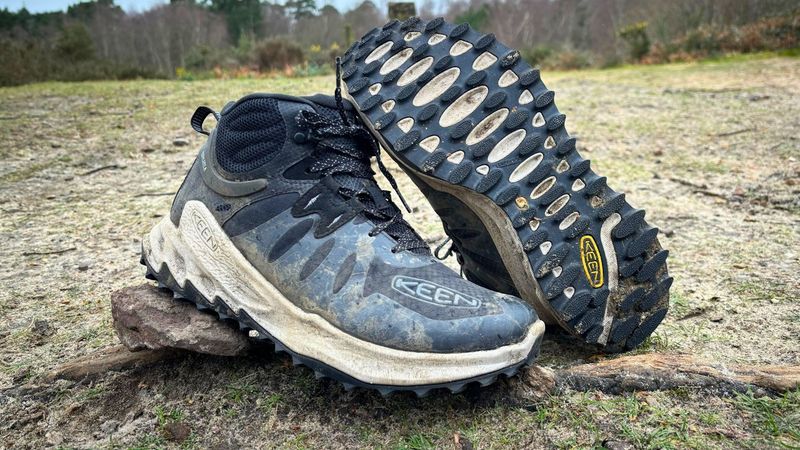
Waterproofing defines winter comfort because wet socks equal cold feet. Salomon leans on GORE-TEX membranes, which breathe while blocking rain, sleet, and slush on demanding trails.
KEEN counters with KEEN.DRY, dependable for daily wet conditions and shorter, moderate hikes.
On paper, GORE-TEX typically offers stronger long-term sealing, especially under heavy, sustained precipitation. That edge can translate into warmer toes because moisture stays out.
KEEN.DRY is lighter feeling and cost effective, great for commuters and weekend trail loops.
Choose GORE-TEX for harsh storms and deeper snowfields. Pick KEEN.DRY when versatility, value, and everyday comfort matter most.
Fit and Warmth: Snug vs Roomy
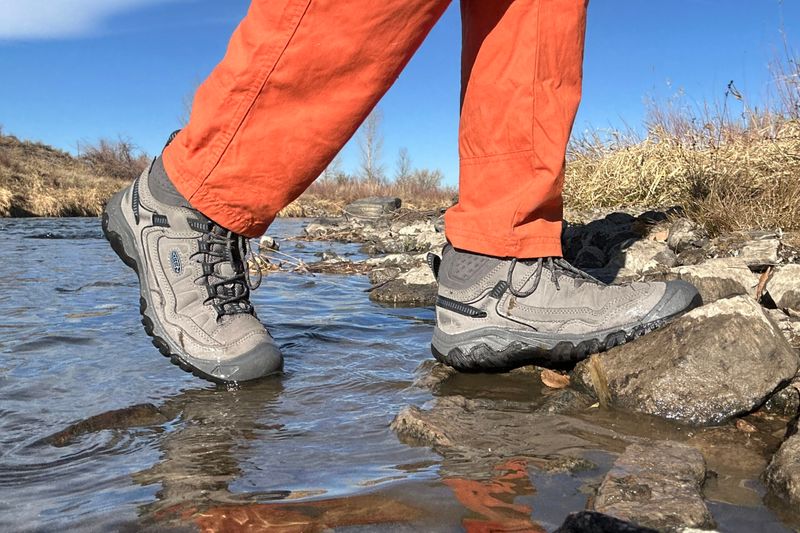
Fit shapes warmth more than many realize. Salomon’s snug, performance fit hugs the midfoot and heel, limiting cold air circulation and heat loss.
KEEN’s roomier toe box helps toe splay, comfort, and thicker socks, perfect for long days and wider feet.
If your feet run cold, a closer seal can keep warmth in during windy ridge walks. Yet, space for lofty socks can rival insulation when temperatures plunge.
Balance matters.
Dial your size with Salomon for precision and locked-in feel. Choose KEEN for comfort-first miles and sock layering flexibility.
Warmth comes from the right combination for you.
Insulation and Liners: Real Warmth Factors
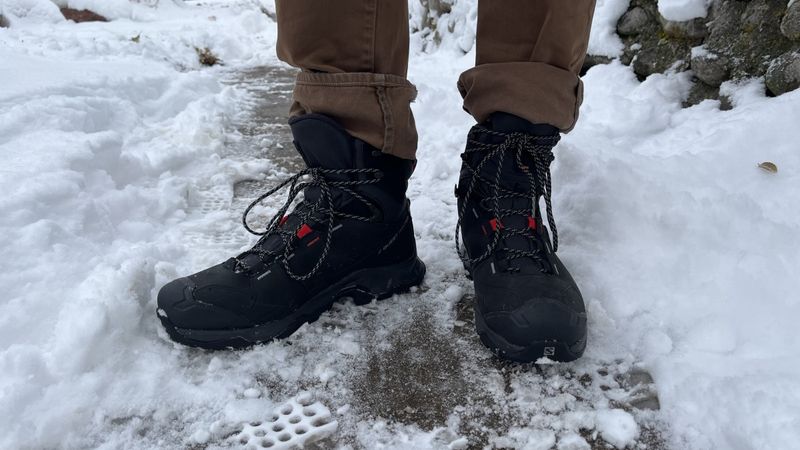
Warmth is not only waterproofing. Salomon often pairs GORE-TEX with foam and liners that hold heat without bulk, ideal for active hikers.
KEEN integrates KEEN.WARM insulation in models like Revel, offering serious cold ratings for deep winter days.
Active movement generates heat, so breathable warmth can outperform heavy padding on climbs. For slow, icy starts or low exertion, higher insulation pays dividends.
Both brands balance moisture management against loft.
Match insulation to your output. High-energy hikers tend to prefer lighter liners from Salomon.
Cold-prone hikers and stop-and-go travel often favor KEEN’s beefier insulation packages.
Traction in Winter Conditions

Warm feet still slip without traction. Salomon uses Contagrip compounds and defined lugs that bite on packed snow and mixed rock.
KEEN emphasizes broad, multi-directional lugs and winter rubber blends designed to keep hold on frozen dirt and slush.
In icy valleys, microspikes can still be necessary, but out-of-the-box grip matters for confidence. Salomon’s patterns feel agile and technical.
KEEN’s stability inspires trust on longer, steady miles.
Pick tread by terrain. For steep, technical routes, Salomon’s bite shines.
For all-day winter mileage and comfort, KEEN’s broad lugs and rubber blends feel planted and reliable.
Salomon Quest 4 GTX: Rugged and Sealed
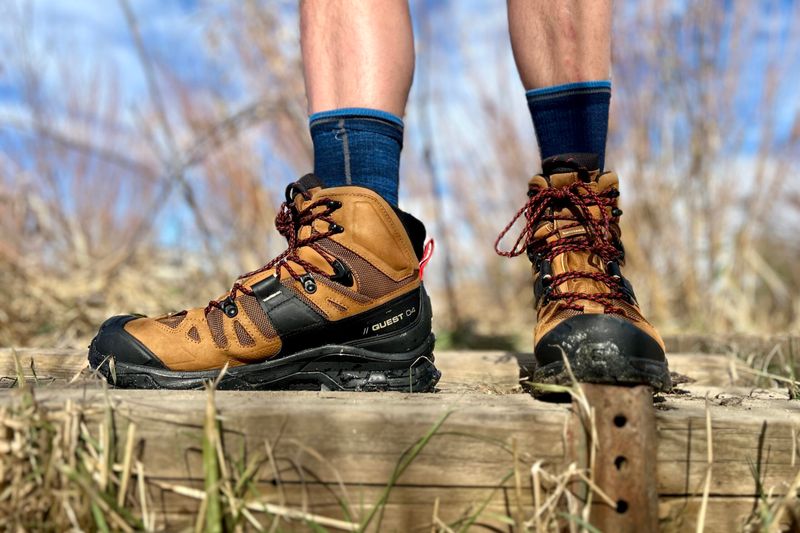
For 2026, the Salomon Quest 4 GTX remains a fortress for wet, rugged routes. GORE-TEX keeps slush out, while the chassis stabilizes heavy loads on snowy scrambles.
The fit is secure, helping trap warmth when gusts cut across exposed ridgelines.
It is not the lightest option, and it can feel stiff in deep cold until warmed by movement. But once moving, support and dryness deliver confidence.
Choose this if storms are frequent, trails get gnarly, and warmth comes from motion plus a tight seal. Pair with quality socks and gaiters for maximal winter protection.
Salomon X Ultra 5 Mid GTX: Light and Quick
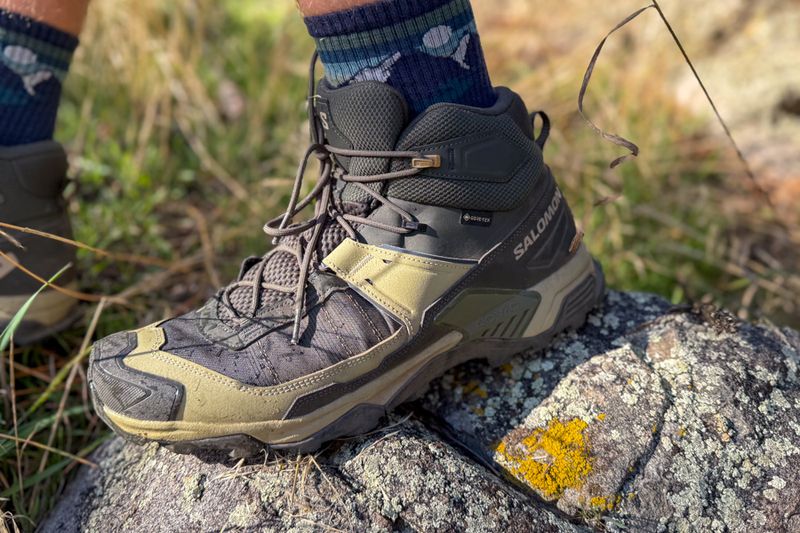
If you want agility, the X Ultra 5 Mid GTX trades bulk for speed. It is waterproof with GORE-TEX, grips confidently, and breathes through tempo hikes on cold mornings.
Warmth relies on movement plus the snug fit sealing drafts.
Compared with heavier winter boots, absolute insulation is lower. However, the lighter build keeps legs fresh over long distances and rolling terrain.
Use this for shoulder-season snow, fast winter laps, and travel where weight matters. Add thermal socks and a vapor barrier liner on frigid days.
It rewards active hikers who run warm.
KEEN Revel 3: Insulation First Warmth
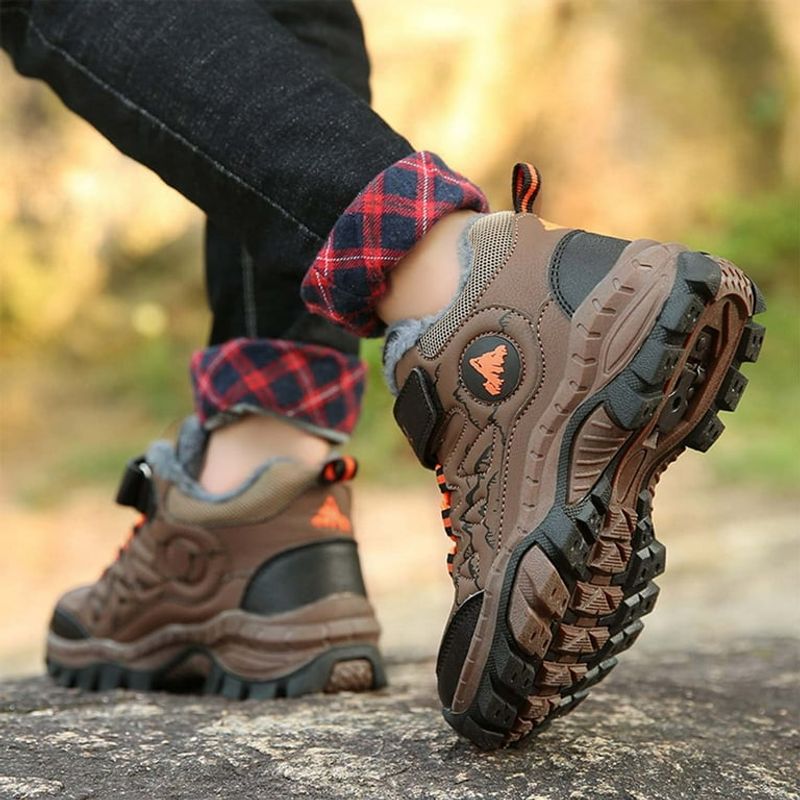
KEEN Revel 3 leans hard into warmth with KEEN.WARM insulation and KEEN.DRY waterproofing. Rated for deep cold, it feels cozy right from the door.
The roomy toe box welcomes thick socks, ideal when temps plunge or pace slows.
It is heavier than fast hikers, but the payoff is dependable heat during long, frigid days. Traction and cushioning support steady mileage on packed trails.
Choose Revel 3 for subfreezing commutes, snowshoe approaches, and low-output winter walks. If your feet chill quickly, this boot’s insulating comfort beats lighter options.
It is a true cold-weather ally.
KEEN Targhee IV Waterproof: Everyday Winter Comfort
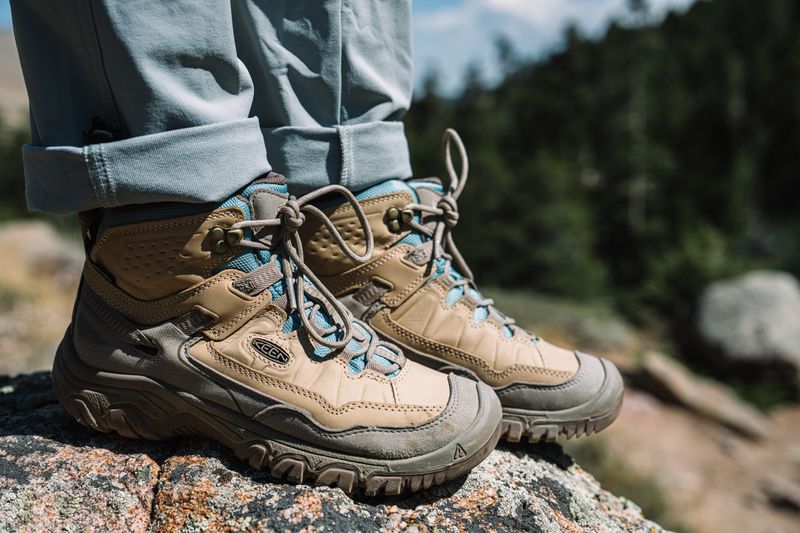
Targhee IV Waterproof balances comfort, waterproof reliability, and a generous fit. KEEN.DRY handles slush and rain on commutes and casual trail loops.
It is not the warmest, but roomy volume lets you layer thermal socks when needed.
Underfoot cushioning smooths hard winter surfaces, while durable uppers resist salt and abrasion. Traction is solid for mixed trails and town paths.
Pick Targhee IV for mild winter adventures, travel, and all-day errands where comfort rules. Add gaiters and midweight wool socks when the mercury drops.
It is a versatile, easy-wearing choice for everyday cold weather.



