Europe’s borders have never just been lines on a map. They are places where languages blur together, where architecture tells stories of empires that no longer exist, and where two countries sometimes share a single town square. The continent is full of regions that sit right at the edge of one nation and the beginning of another, and those in-between places often turn out to be the most fascinating of all. From the wild limestone peaks of the Albanian Alps to a medieval German town that sits a short walk from Belgium, each of these destinations carries centuries of layered history that you simply cannot find in the well-trodden capital cities.
This article takes you through twelve border regions across Europe that combine striking natural scenery with deep cultural roots, giving you a clear picture of what makes each one worth the journey. Pack your curiosity and read on.
1. Valbona Valley National Park, Kukës County, Albania
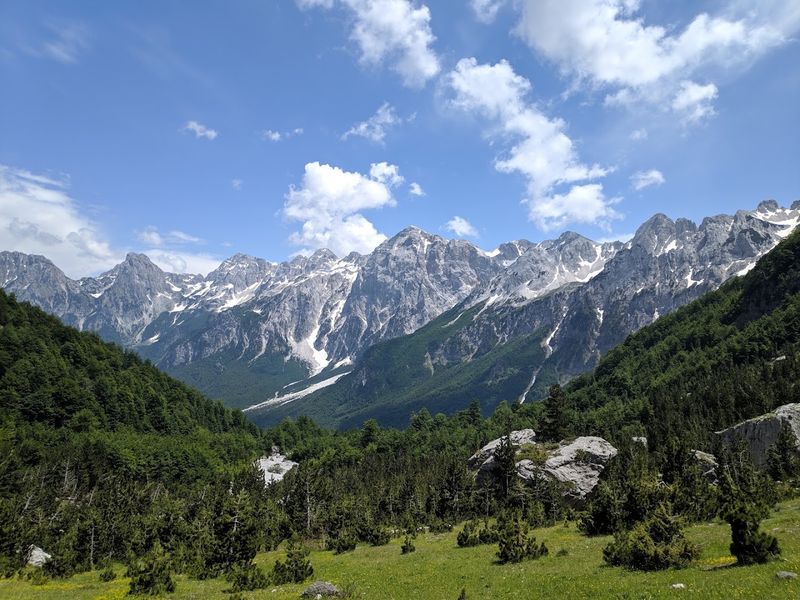
Few places in Europe can claim the title of “Miracle of the Alps,” but Valbona Valley National Park earns it honestly. Tucked against Albania’s border with Montenegro, this park combines soaring limestone peaks, emerald rivers, and ancient mountain villages into one of the Balkans’ most unforgettable landscapes.
The famous 17-kilometer trail connecting Valbona and Theth is the park’s headline act, forming part of the broader Peaks of the Balkans route that crosses three countries. Waterfalls, karst formations, and glacial meadows appear at nearly every turn along the way.
What makes Valbona truly stand apart is its living mountain culture. The region was historically governed by the Kanun, a 15th-century customary law that emphasized a powerful tradition of hospitality called besa. Visitors staying in local guesthouses still experience this tradition firsthand, welcomed with homemade bread, honey, and cheese. The park is also home to brown bears, wolves, and the critically endangered Balkan lynx.
2. Triglav National Park, Julian Alps, Slovenia
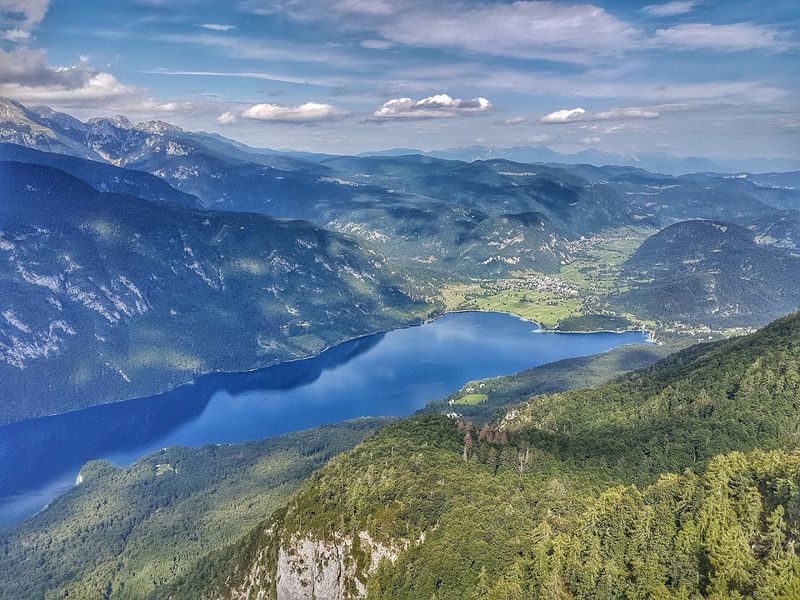
Slovenia’s only national park punches well above its weight, stretching all the way to both the Italian and Austrian borders and packing an extraordinary variety of landscapes into a relatively compact area.
Lake Bohinj, quieter and larger than the more famous Lake Bled, sits at the heart of the park and draws visitors who prefer their alpine scenery without the crowds. The Soča River, known for its remarkable turquoise color caused by glacial minerals, cuts through the western part of the park and is popular with kayakers and hikers alike.
Triglav’s cultural depth is just as impressive as its geography. Centuries of Slavic, Germanic, and Italian influence have shaped the region’s architecture, traditions, and local dialects in ways that make every village feel slightly different from the last. The park also holds significant national symbolism, as Mount Triglav, the country’s highest peak at 2,864 meters, appears on Slovenia’s national flag and coat of arms.
3. Krkonoše National Park, Hradec Králové Region, Czech Republic
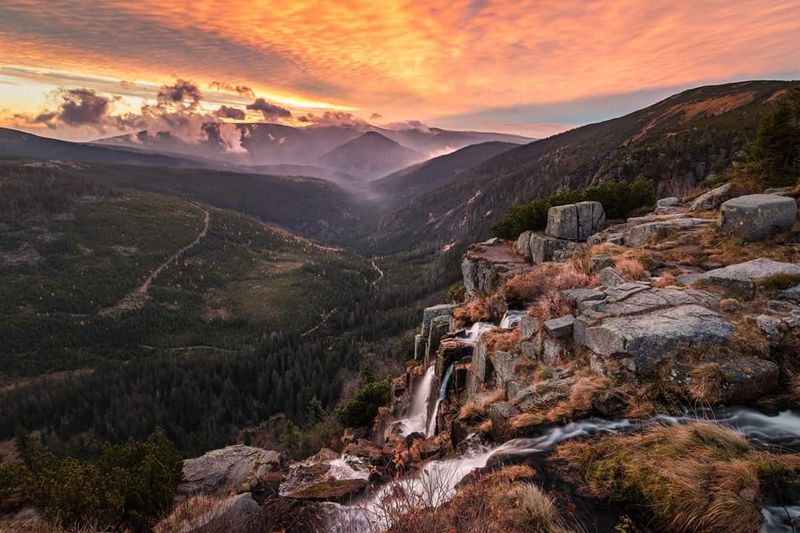
Bordering Poland at the top of the Czech Republic’s highest mountain range, Krkonoše National Park is the kind of place that rewards visitors across every season without ever delivering the same experience twice.
Summer brings hikers to its alpine meadows and panoramic ridgeline viewpoints, while winter transforms the park into one of Central Europe’s most popular ski destinations. The Giant Mountains, as the range is also known, are home to impressive waterfalls, including Pančavský vodopád, one of the tallest in the Czech Republic.
Krkonoše has an interesting cross-border identity that sets it apart from many other national parks in the region. It operates in formal partnership with Poland’s neighboring Karkonosze National Park, and together they form a protected landscape that ignores the political line running along the ridge. The park is also famous locally for the legend of Krakonoš, a mountain spirit said to rule over the peaks and test the character of any traveler bold enough to wander his domain.
4. Karkonosze National Park, Lower Silesian Voivodeship, Poland
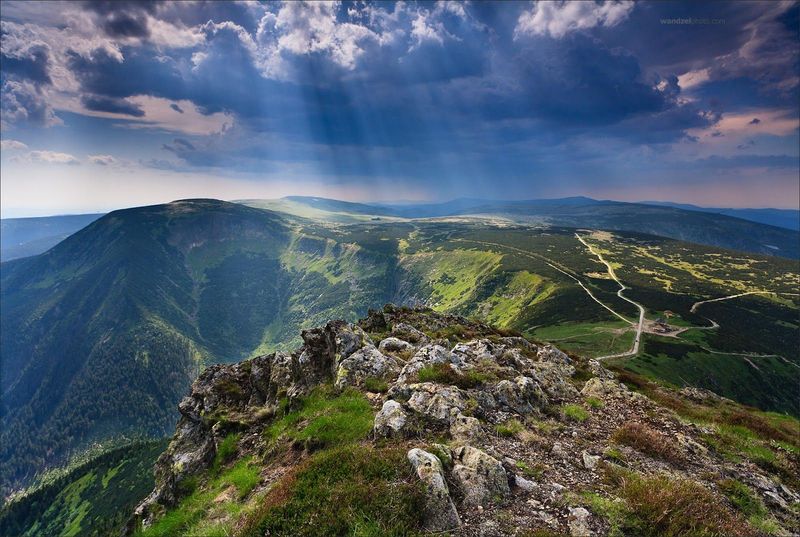
The Polish side of the Giant Mountains has its own distinct personality, and Karkonosze National Park delivers it in full. Granite peaks, sweeping ridgelines, and dramatic weather patterns give the landscape a rugged character that has attracted travelers since the 19th century.
The park’s most famous natural feature is Śnieżka, the highest peak in the range at 1,603 meters, topped by a distinctive disc-shaped meteorological station that looks like it belongs in a science fiction film. Scenic waterfalls and protected peat bogs add variety to the terrain below the ridges.
The cultural side of Karkonosze is just as compelling. Historic spa towns like Szklarska Poręba and Karpacz developed along the foothills during the height of Central European tourism in the 1800s, and their architecture still reflects that era’s style. The region is also tied to the legend of Liczyrzepa, the Polish version of the mountain spirit Krakonoš, whose mischievous reputation adds a layer of folklore to every trail walked here.
5. Neusiedler See Seewinkel National Park, Burgenland, Austria
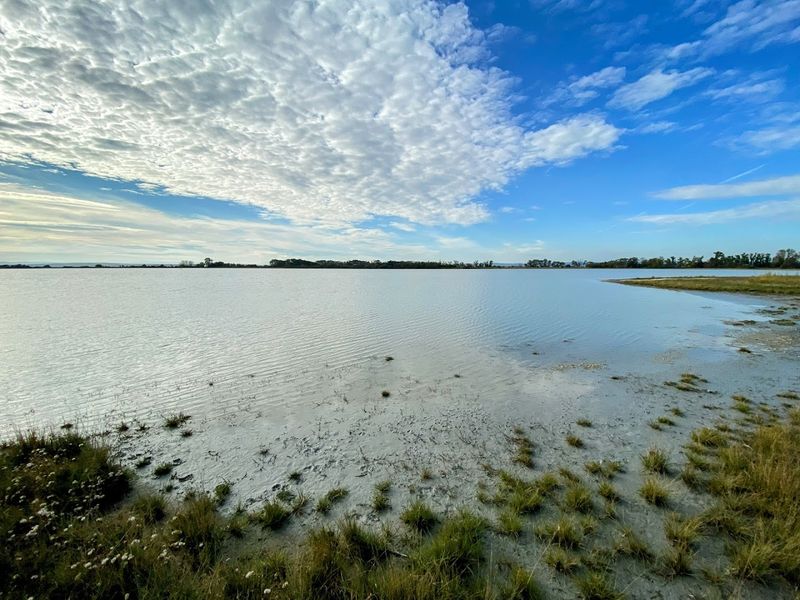
Central Europe does not usually bring vast shallow lakes and open steppe landscapes to mind, but Neusiedler See Seewinkel National Park changes that assumption completely. Located along Austria’s border with Hungary, this park surrounds one of the continent’s most unusual water bodies, a lake so shallow that you can stand in the middle of it and barely reach your waist.
The lake and its surrounding wetlands are internationally recognized as one of Europe’s most important birdwatching sites, hosting over 300 species across the year. Reed beds stretch for kilometers along the shoreline, and the flat, open landscape gives the whole area a character more typical of the Pannonian Plain than the Alps.
Traditional villages around the park still practice crafts and agricultural methods tied to the region’s long Hungarian and Austrian shared history. The area has been a UNESCO World Heritage Site since 2001, jointly listed with Hungary’s Fertő Hanság National Park directly across the border, reflecting how deeply the two countries share this remarkable natural and cultural landscape.
6. Fertő Hanság National Park, Győr Moson Sopron County, Hungary
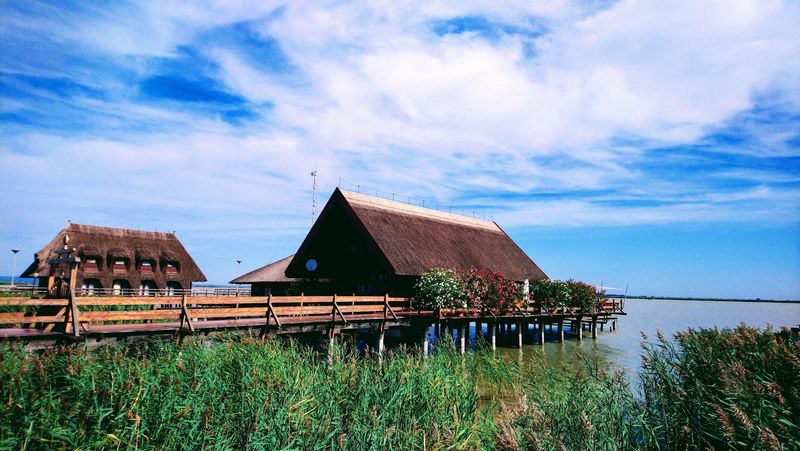
Right across the border from Austria, Fertő Hanság National Park picks up the story that Neusiedler See begins and continues it with a Hungarian chapter full of its own details. Lake Fertő, as it is known on this side, covers a large portion of the park and shares the same reed-fringed, bird-rich character as its Austrian counterpart.
Cyclists are particularly well served here, with quiet country roads threading through wetlands, farmland, and small villages that have changed little in appearance over the past century. The flat terrain makes it genuinely accessible for visitors of all fitness levels, which is not something every national park can claim.
The cultural mix in this region is especially layered. Hungarian, Austrian, and Croatian communities have lived alongside each other here for generations, leaving their mark on local architecture, place names, and traditions. The nearby town of Sopron is one of Hungary’s best-preserved baroque towns and adds a strong historical anchor to any visit to the park and its surrounding countryside.
7. Žumberak And Samobor Mountains Nature Park, Samobor, Croatia
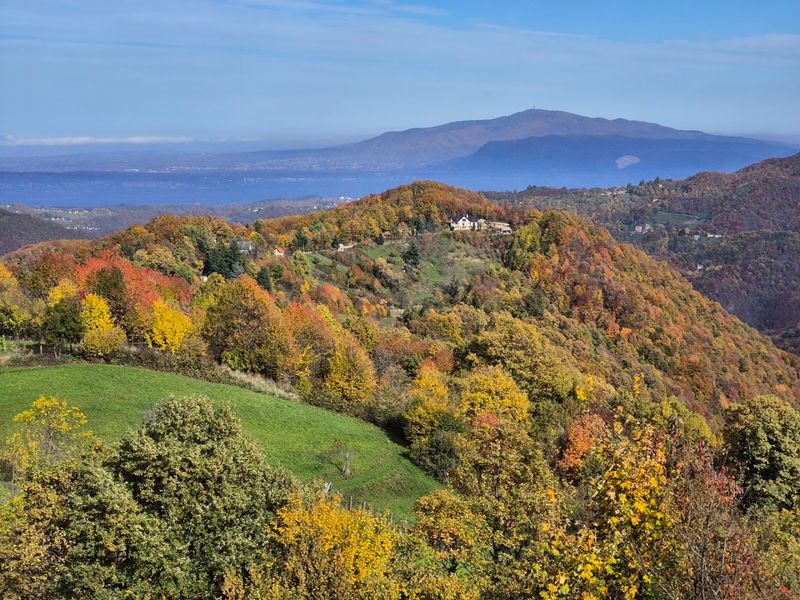
Croatia’s border with Slovenia hides one of the country’s most underappreciated natural areas, and Žumberak and Samobor Mountains Nature Park is the main reason to go looking for it. Forested ridges, quiet meadows, and traditional rural villages spread across this expansive park with almost none of the tourist traffic found along the Adriatic coast.
Historic churches, old military roads built during the Habsburg era, and scattered farmsteads tell the story of a region that spent centuries as a frontier zone between empires. The Žumberak area was once home to the Military Frontier, a defensive belt maintained by the Habsburg Empire, and traces of that history are still visible in the landscape and local customs.
The park sits close enough to Zagreb to be reached in under an hour, which makes it a practical escape for city visitors who want something genuinely different. Hiking trails range from easy valley walks to longer ridge routes with views extending toward Slovenia, giving the whole area a rewarding sense of openness that is hard to find this close to a capital city.
8. Gorizia, Friuli Venezia Giulia, Italy
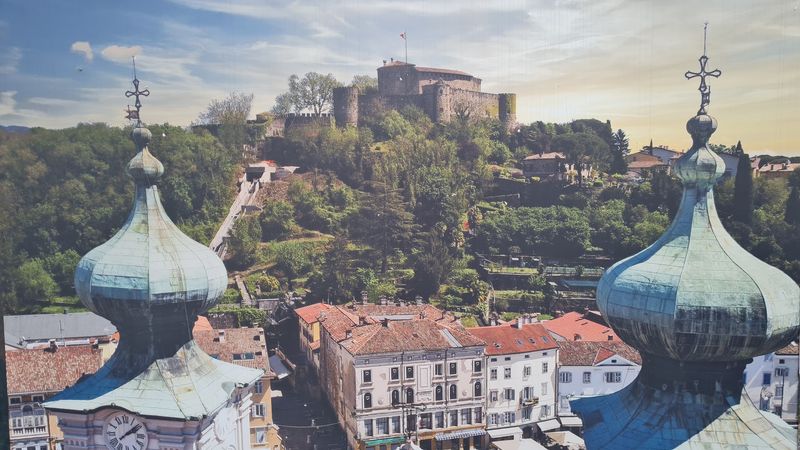
Gorizia holds a distinction that very few cities anywhere in Europe can match: it shares its urban space so completely with a neighboring country that crossing the border feels less like an international journey and more like walking from one neighborhood to the next.
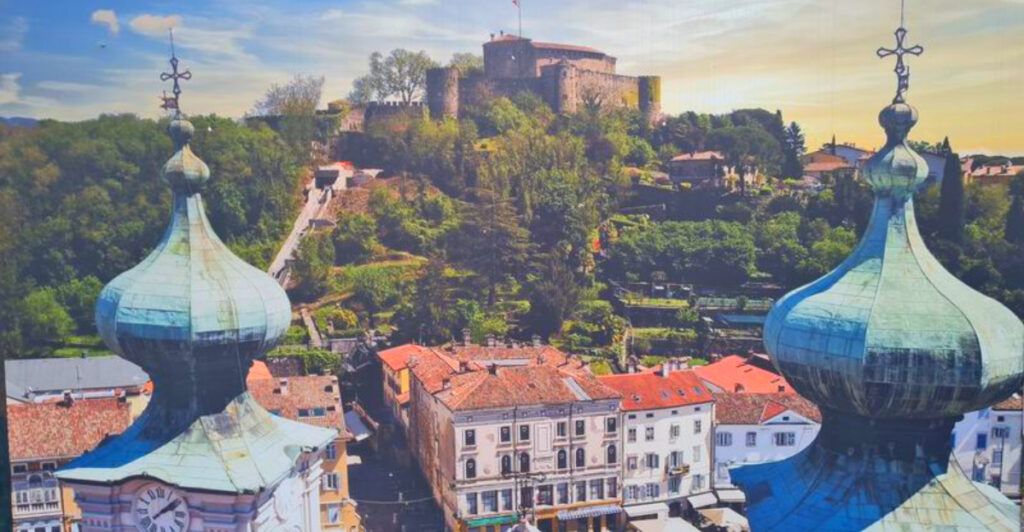
On one side stands Gorizia, with its elegant Habsburg architecture, medieval hilltop castle, and Italian piazzas. On the other sits Nova Gorica in Slovenia, a planned city built after World War II when the border divided what had been a single community. Together they were named the European Capital of Culture for 2025, a recognition of their unique shared identity.
The region carries the weight of 20th-century history more visibly than most. The nearby Isonzo Front, site of eleven major battles during World War I, shaped this landscape profoundly, and several memorials and museums in the area preserve that history carefully. Gorizia Castle, dating back to the 11th century, offers broad views over both cities and serves as a clear reminder of how much this borderland has changed across the centuries.
9. Narva, Ida Viru County, Estonia
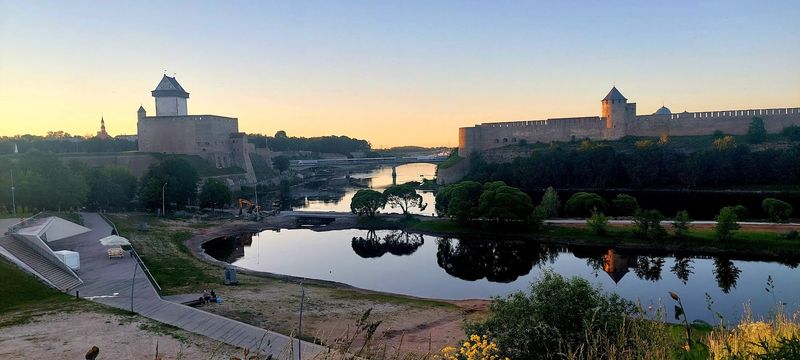
Few border settings in Europe are as visually dramatic as the stretch of the Narva River where Estonia and Russia face each other across the water. On the Estonian bank stands Hermann Castle, a medieval fortress built in the 14th century. Directly opposite, on Russian soil, the enormous Ivangorod Fortress responds with a scale that makes it clear both sides took this border very seriously indeed.
Narva has served as a crossing point between Northern and Eastern Europe for centuries, and that position has left a layered cultural identity that sets the city apart from the rest of Estonia. The majority of Narva’s population is Russian-speaking, and the city’s architecture and street life reflect that mix in ways that make it feel unlike any other town in the Baltic states.
The old town was largely rebuilt after World War II, but the castle and its riverside position remain the city’s defining features. The Narva Museum inside Hermann Castle documents the city’s long and complicated history, offering visitors a structured way to understand how this small city became one of Europe’s most geopolitically significant border points.
10. Monschau, North Rhine Westphalia, Germany
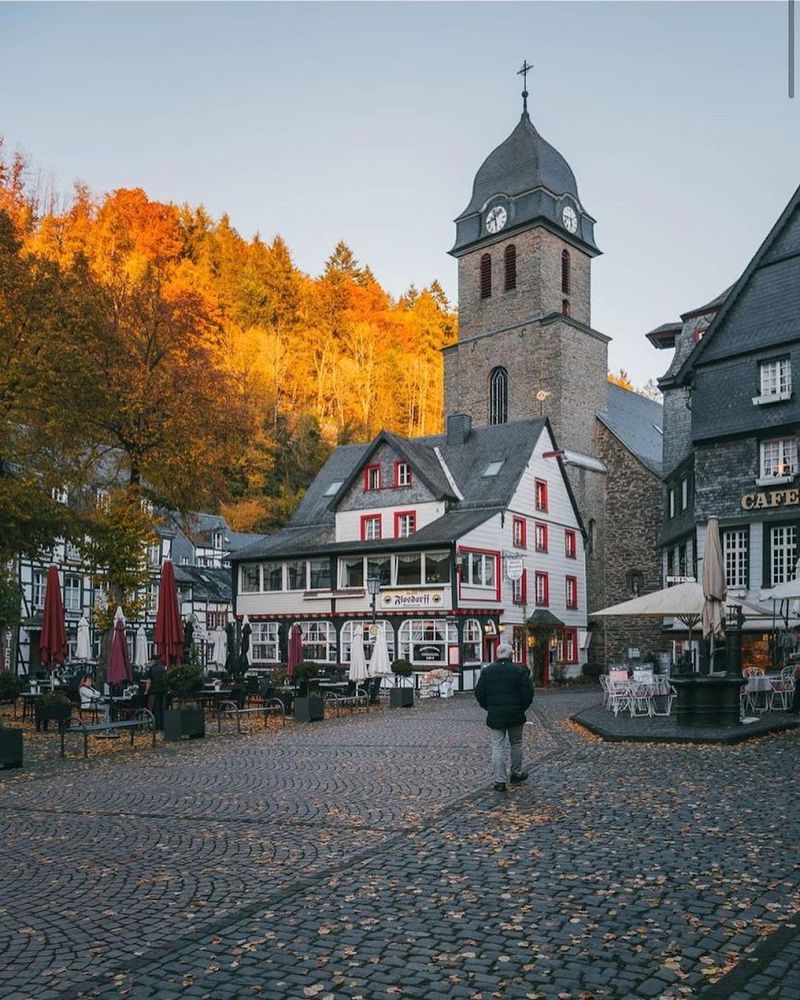
Monschau looks like the kind of town a set designer would build if asked to create the perfect image of a medieval German village, except it is entirely real and has been this way for centuries. Half-timbered houses line narrow cobbled streets that curve along the Rur River, and the whole ensemble sits inside a deep valley in the Eifel hills just minutes from the Belgian border.
The town’s history as a center of cloth manufacturing during the 17th and 18th centuries explains why its architecture is so well preserved. Wealthy merchants built the handsome townhouses that still define the streetscape today, and several of those buildings are now open to visitors as museums.
Forest trails around Monschau connect to the High Fens nature reserve, a vast upland bog that straddles the German-Belgian border and offers a completely different kind of landscape from the town itself. The combination of a beautifully preserved historic center and accessible cross-border natural scenery makes Monschau an unusually complete destination for travelers who want history and countryside in equal measure.
11. Cieszyn, Silesian Voivodeship, Poland
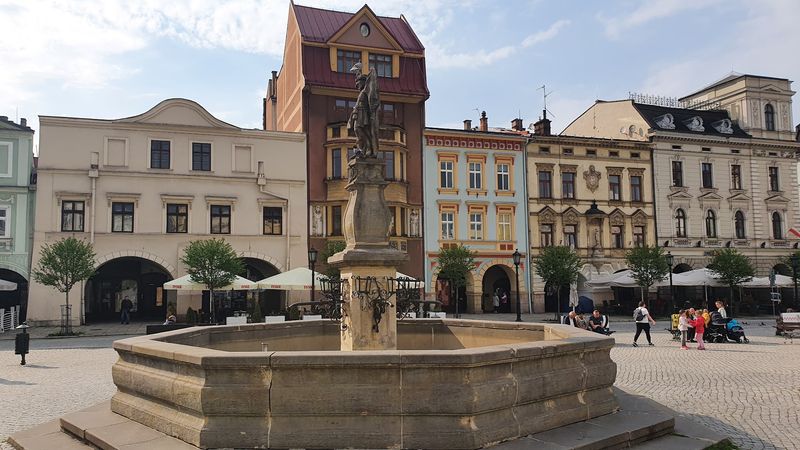
A single river divides one historic town into two countries, and that geographical fact has given Cieszyn one of the most interesting identities of any small city in Central Europe. The Olza River marks the border between Poland’s Cieszyn and the Czech Republic’s Český Těšín, but the two towns share a history so intertwined that walking across the bridge feels more like a reunion than a border crossing.
The medieval Piast Tower, one of the oldest stone structures in Poland, stands on a hill above the old town and offers a clear view over both sides of the river. Colorful town squares, historic churches, and a relaxed central European atmosphere make the Polish side an easy place to spend a full day without running out of things to notice.
The border was drawn in 1920 after World War I, splitting a community that had functioned as one for centuries. Today, that division has softened considerably, and residents of both towns cross freely for shopping, work, and leisure, making Cieszyn and Český Těšín a practical everyday example of European integration at its most straightforward.
12. Brajčino, Municipality of Resen, North Macedonia
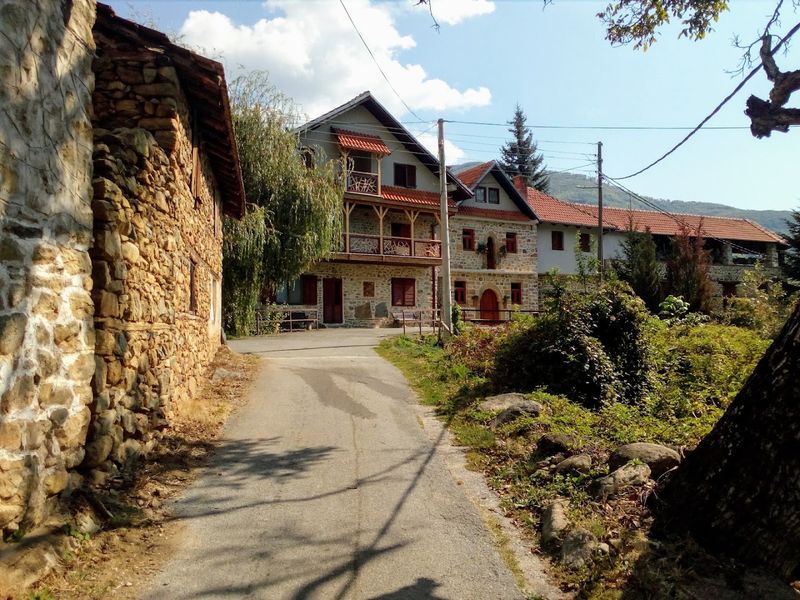
Near the point where North Macedonia, Greece, and Albania almost meet, the small village of Brajčino sits quietly in the hills above Lake Prespa, largely unknown to the broader tourist world and entirely at peace with that fact.
Traditional stone houses line narrow lanes shaded by old trees, and the village has preserved its architectural character with more consistency than many larger settlements in the region. Nearby trails lead into Pelister National Park, where ancient Molika pines, a species found in very few places on Earth, grow across the upper slopes of the mountain.
Lake Prespa itself is a shared body of water between three countries, making it one of Europe’s most geopolitically interesting lakes and also one of its most ecologically significant. The area supports rare bird species including Dalmatian pelicans, and the surrounding landscape has been largely protected from large-scale development. Visitors who make the effort to reach Brajčino typically find a level of calm and authenticity that has become increasingly rare in European destinations with easier access.
Share this story