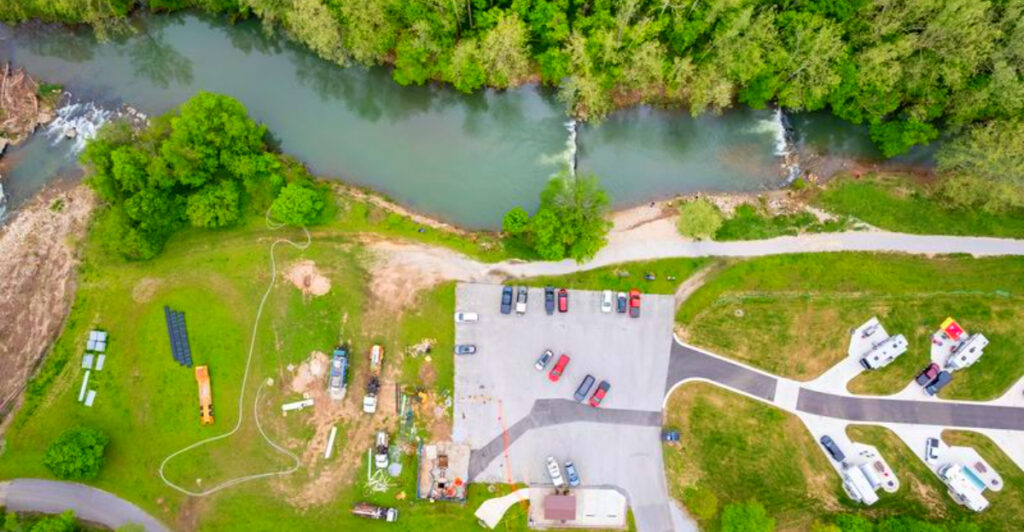
A spring that releases 20 million gallons of cold, clear water every day turned this Missouri park into one of the top trout fishing destinations in the Ozarks. Anglers arrive before sunrise for rainbow trout, while hikers and campers come for the river, wooded trails, and steep limestone bluffs that surround the valley.
Despite attracting nearly 2 million visitors a year, Roaring River State Park still feels quieter than most major outdoor destinations. Between the historic fish hatchery, scenic hiking trails, and constant 57-degree spring water, it offers a side of the Ozarks many travelers never expect.
Where the Park Sits and How to Find It
Eight miles south of Cassville in Barry County, Missouri, Roaring River State Park sits at 12716 Farm Rd 2239, Cassville, MO 65625, tucked into a deep, narrow valley carved from the rugged southwest Ozark hills. The drive in is part of the experience, with a notably steep descent into the valley that signals you are entering somewhere genuinely wild.
The park covers 4,294 acres and attracts close to 2 million visitors every year, which is a remarkable number for a destination that feels so naturally secluded once you are inside. The valley walls rise sharply on both sides, framing a ribbon of cold, clear river that runs through the heart of everything.
The park office is open Monday through Friday from 8 AM to 6 PM, and on weekends from 10 AM to 6 PM. You can reach the park directly at 417-847-2539, or explore more at mostateparks.com/park/roaring-river-state-park before your trip.
The Remarkable Spring That Started It All
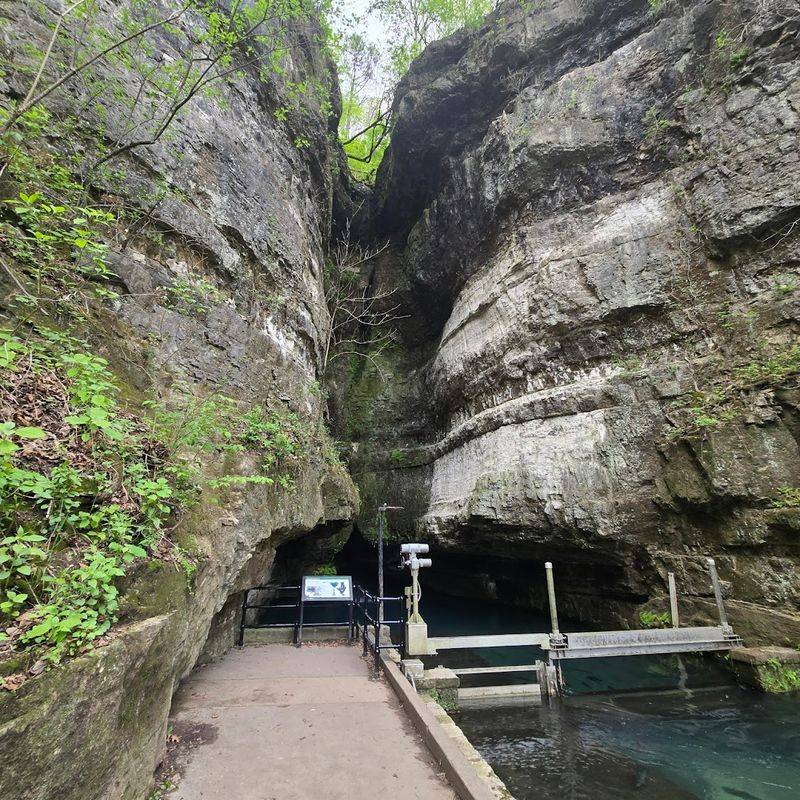
Not many parks can claim a single natural feature so dramatic that it basically defines the entire destination, but Roaring River Spring earns that status effortlessly. Every day, without pause, this spring pushes an average of 20 million gallons of water out of a deep, canyon-like gorge in the hillside, and the water arrives at a steady 57 degrees year-round.
The clarity of the water is almost unreal. You can watch trout holding position in the current as if they are suspended in glass, and the sound of the spring filling the river creates a constant, low roar that gives the park its name.
The spring source itself is accessible to visitors, and touring it is one of the most memorable parts of a trip here. The cave-like opening from which the water emerges, framed by dripping limestone walls and ferns, is the kind of sight that makes you stop mid-sentence and just stare.
That cold rush of water sets the tone for everything downstream.
A Trout Fishing Tradition Unlike Any Other
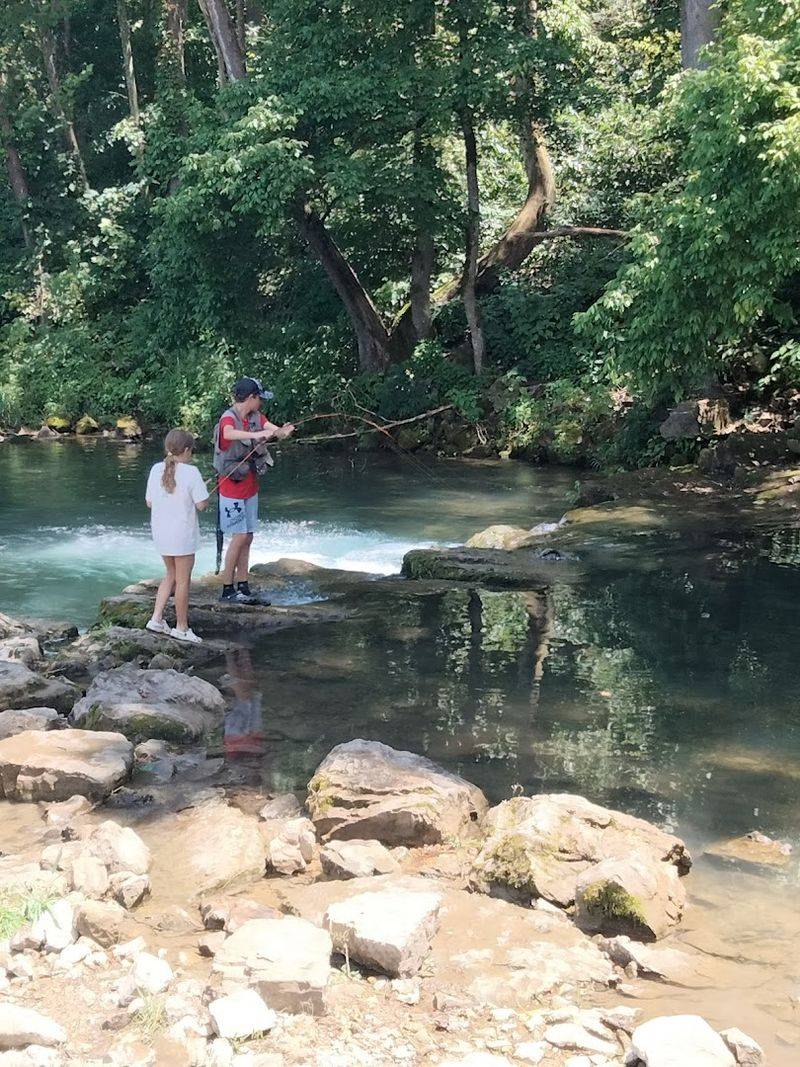
Few freshwater fishing experiences in the Midwest match what happens along this river on a calm morning. Roaring River State Park is one of only three Missouri state parks regularly stocked with rainbow trout, and the fish hatchery on-site produces more than 250,000 trout each year to keep the river well supplied.
The fishing season runs from March 1 through October 31, with a winter catch-and-release season on Fridays, Saturdays, Sundays, and Mondays from the second Friday in November through the second Monday in February. Anglers need a state fishing permit and a daily trout tag, both available at the park store.
The river is divided into distinct zones, each with its own rules about bait, lures, and catch limits. The daily limit is four trout, and brown trout must measure at least 15 inches to keep.
Rainbow trout have no length requirement. The possession limit sits at eight trout total, so a good day on the water can mean a genuinely rewarding cooler at the end.
The Fish Hatchery Worth a Dedicated Visit
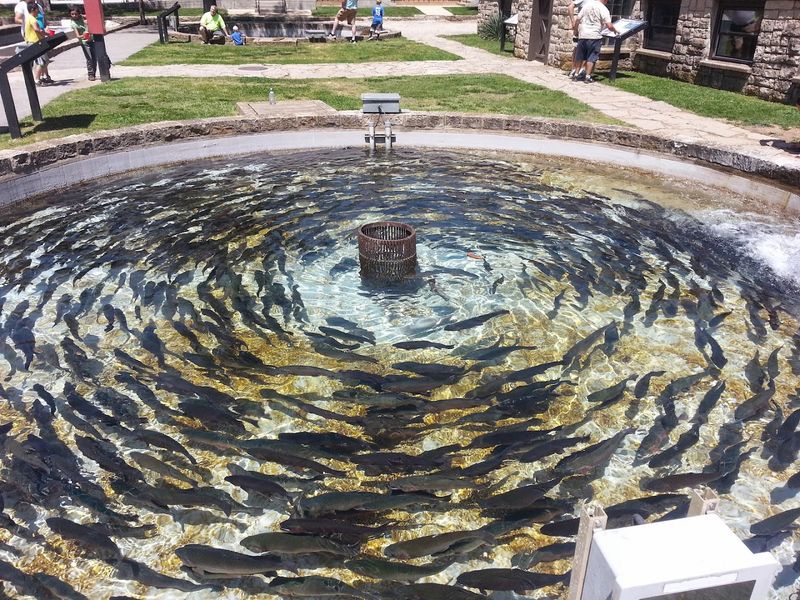
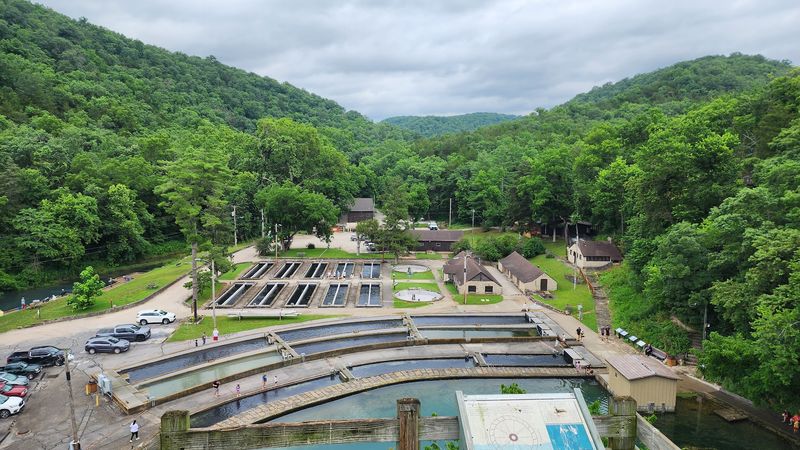
Most people come to catch trout, but the hatchery that makes all that fishing possible is a fascinating stop in its own right. Managed by the Missouri Department of Conservation, the Roaring River hatchery raises over 250,000 rainbow trout annually in a series of rearing pools fed by the same cold spring water that fills the river.
Watching the pools is genuinely entertaining. The trout pack densely into the rearing tanks, and tossing in feed causes an almost violent eruption of splashing fish that draws crowds of wide-eyed kids and equally wide-eyed adults.
The hatchery tour gives real context for why the fishing here is so consistently productive.
One quirky detail worth knowing: park staff use a pyrotechnic device daily between 8 AM and 10 AM near Campground 3 and the hatchery to deter black vultures from harassing the fish. So if you hear a sharp crack in the early morning, that is the park actively protecting next season’s catch, not something to worry about.
Seven Trails Through Ozark Wilderness
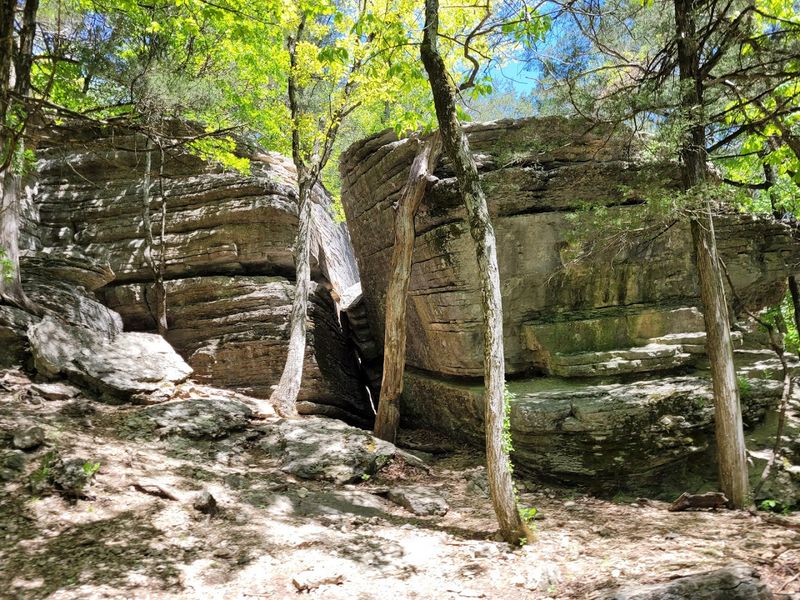
The fishing gets most of the headlines, but the hiking here is seriously underrated. Seven trails wind through the park’s 4,294 acres, passing through oak-hickory woodlands, alongside small Ozark streams, past limestone bluffs, and up to scenic overlooks that make the climb absolutely worth the effort.
The trails range in difficulty, so both casual walkers and more ambitious hikers can find something that fits their pace. The Fire Tower Trail is the standout for anyone wanting genuine backcountry solitude, as it leads into the 2,075-acre Roaring River Hills Wild Area, which is managed as a wilderness zone for primitive recreation with minimal development.
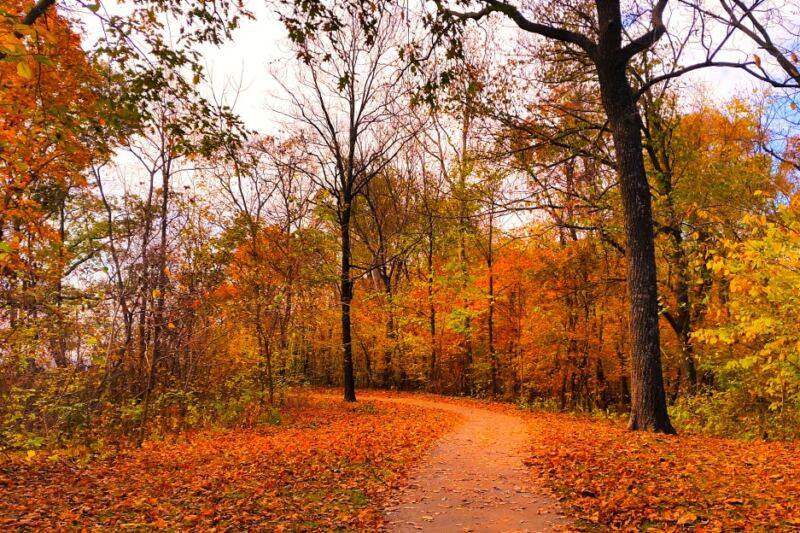
Fall is arguably the best time to hit the trails. The autumn foliage transforms the narrow valley into a canvas of orange, red, and gold, and the cooler temperatures make long hikes genuinely comfortable.
The combination of dramatic rock formations, rushing water, and dense forest canopy creates a hiking environment that feels much more remote than the park’s visitor numbers might suggest.
The Geology Hiding in Plain Sight
The landscape here did not happen overnight. Thousands of years of geological activity, largely driven by the ancient White River system, carved out the steep-walled valleys and exposed an unusually varied collection of rock formations throughout the park.
Shale, limestone, dolomite, and chert all appear in the same valley walls, creating a layered visual record of the region’s deep past.
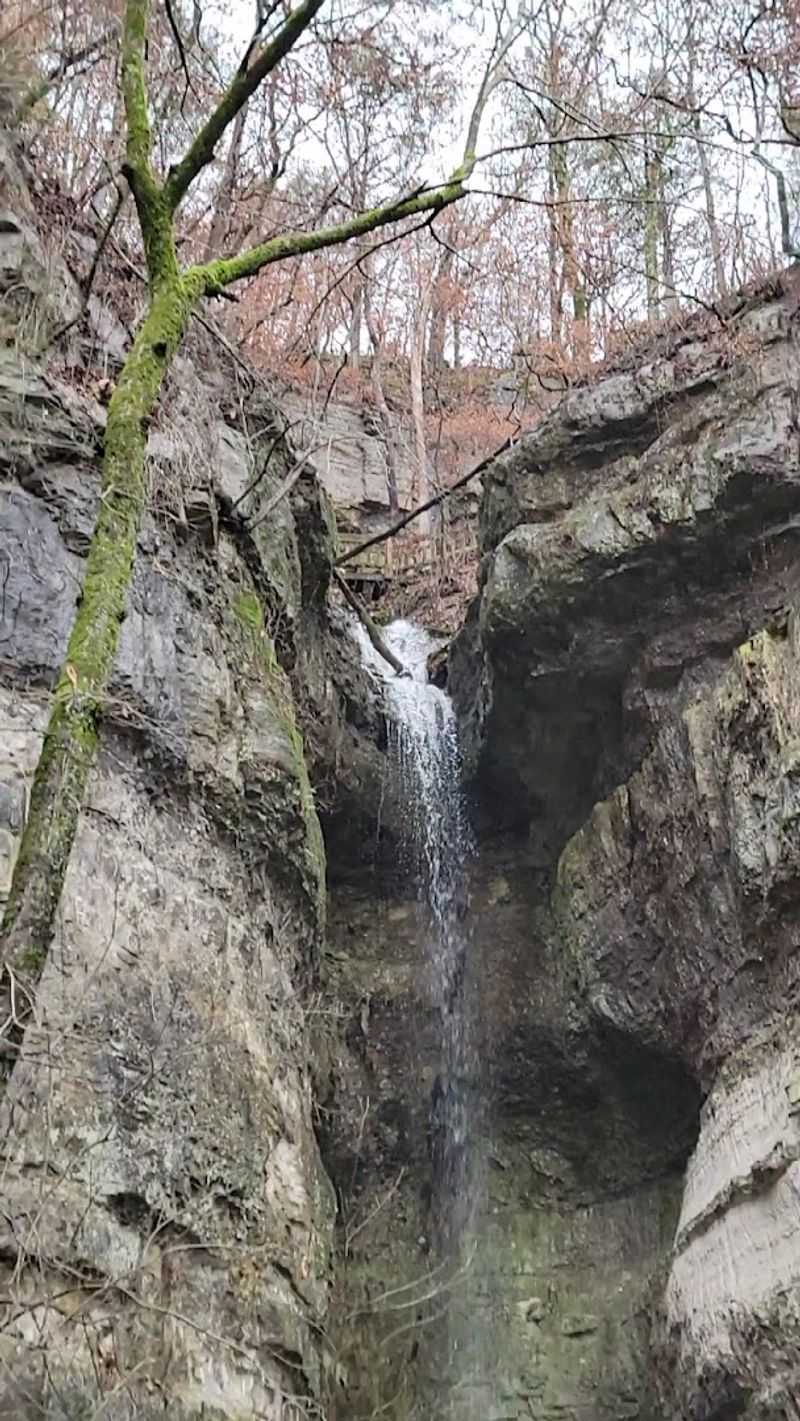
The narrow gorge where the spring emerges is perhaps the most dramatic example of this geology in action. The walls close in sharply, the rock is wet and dark, and the whole formation feels like the earth is actively showing its work.
It is the kind of place that makes geology feel exciting rather than academic.
Beyond the obvious formations, the park’s terrain is technically described as mountain-like, which surprises visitors who assume Missouri is flat. The Ozark hills in this corner of Barry County rise and fall with genuine elevation, and the park’s trails take full advantage of that rugged topography at every turn.
A Surprising Diversity of Plants and Wildlife
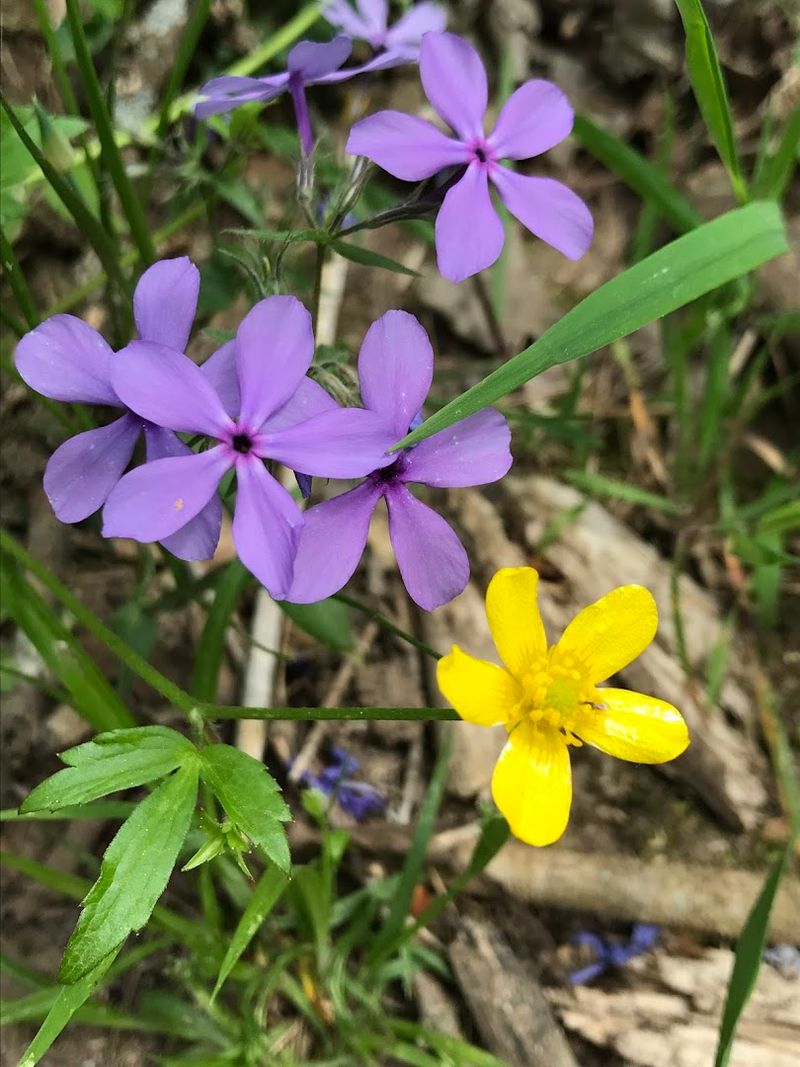
Over 600 species of plants have been recorded within the park’s boundaries, a number that reflects the ecological richness of this particular corner of the Ozarks. Among the most notable is the rare Ozark chinquapin tree, a species unique to the region and increasingly hard to find elsewhere due to a blight that has affected its population across much of its historic range.
The park’s diverse habitats, from open glades to dense woodland to riparian zones along the river, support a wide variety of wildlife as well. Bald eagles migrate through the area in winter, and spotting one perched above the river while anglers work the pools below is the kind of moment that stops a conversation cold.
The river corridor also supports native fish species beyond the stocked trout, and the surrounding forest hosts white-tailed deer, wild turkey, and a healthy population of the reptiles you would expect in Ozark terrain. The park’s trail signs do note that snake awareness is a reasonable precaution, particularly in the warmer months.
The CCC Legacy Still Standing Strong
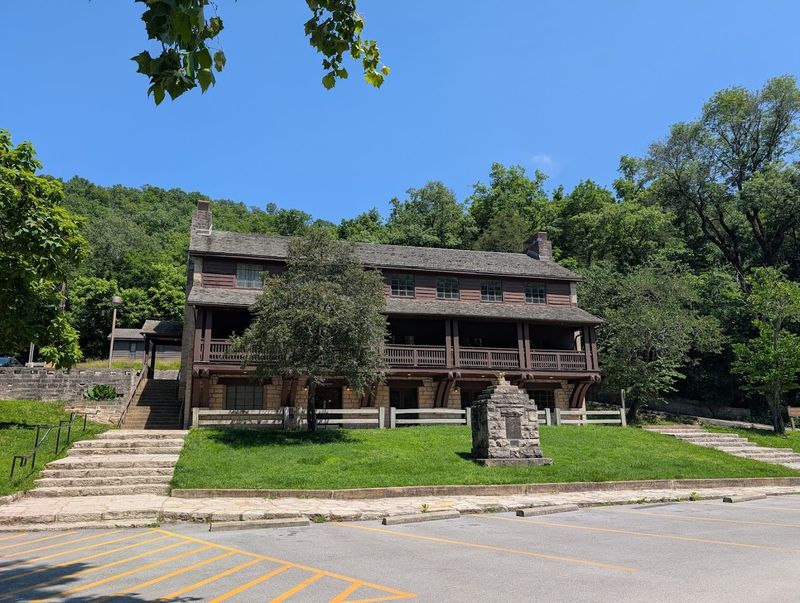
There is something deeply satisfying about staying in a park where the infrastructure was built to last, and Roaring River makes that point clearly. The fish hatchery, several of the original cabins, the trail system, and the beloved CCC Lodge were all constructed during the 1930s by the Civilian Conservation Corps and the Works Progress Administration, two New Deal programs that put thousands of Americans to work during the Great Depression.
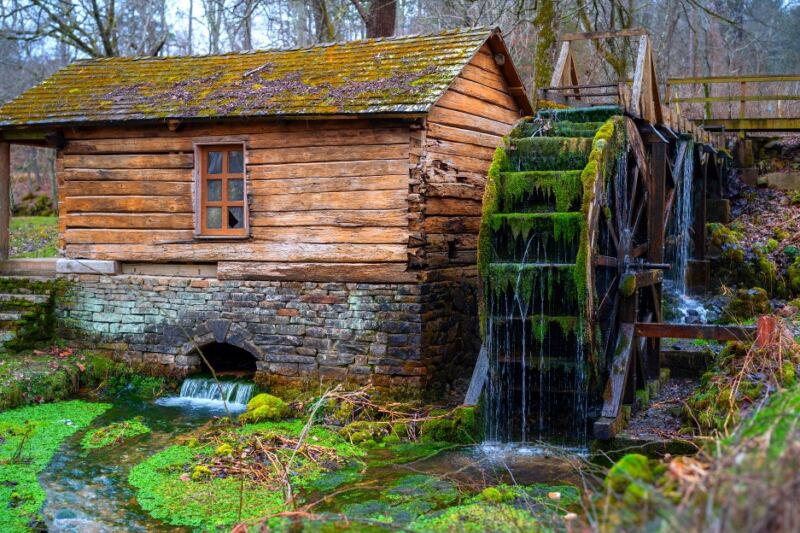
The craftsmanship from that era is still visible in the stonework, the timber framing, and the overall layout of the park, which was designed to blend into the landscape rather than dominate it. The land itself was donated in 1928 by businessman Thomas Mark “Doc” Sayman, whose generosity set the stage for everything that followed.
Spending time here with that history in mind adds a layer to the experience that goes beyond fishing and hiking. The trails you walk and the walls you sleep near were shaped by hands that saw this park as both a job and a gift to future generations, and that intention still shows.
Camping, Cabins, and the Emory Melton Inn
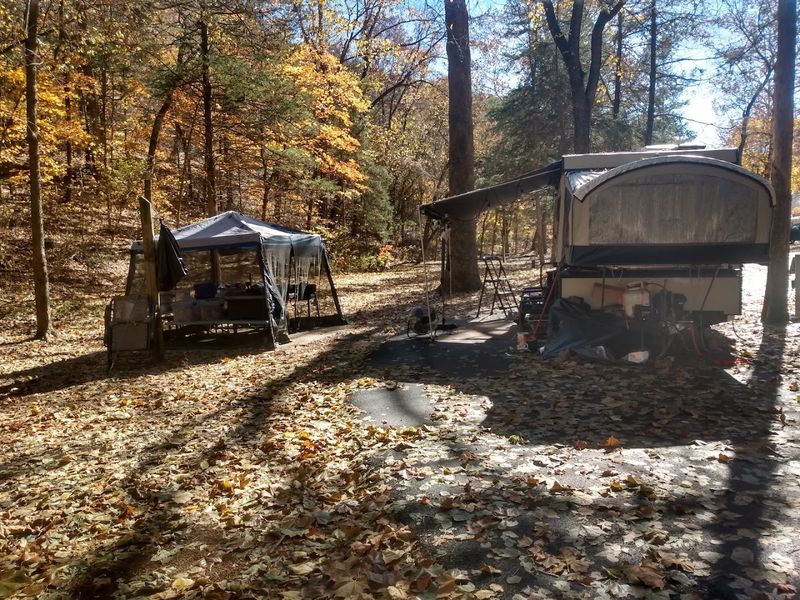
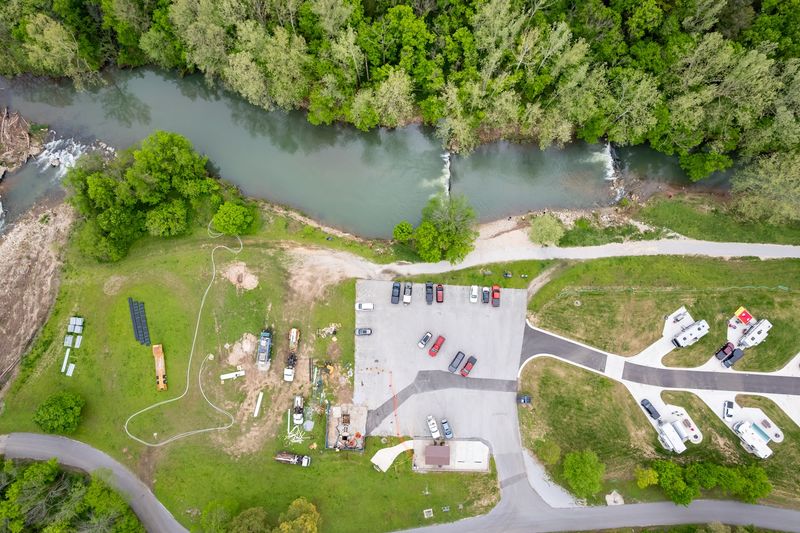
Accommodation options here run a wider range than most state parks manage to offer. Campgrounds provide basic, electric, and full sewer, electric, and water sites, with Campground 3 featuring newer concrete pads and full hookups right beside the river.
RV travelers in particular tend to rave about how well-positioned those sites are relative to the water.
Rustic cabins are available for those who want walls and a roof, though some of the older units reflect their 1930s origins in both character and condition. Reading recent visitor feedback before booking a specific cabin number is genuinely useful advice for managing expectations on that front.
The Emory Melton Inn and Conference Center represents the most comfortable end of the spectrum, offering modern rooms and a full-service restaurant on-site. The Inn keeps Wi-Fi intentionally limited to the lobby and meeting rooms, a policy that leans into the park’s identity as a place to unplug.
The park store, stocked with fishing supplies, groceries, and soft-serve ice cream in summer, handles most daily needs without requiring a trip into Cassville.
Planning Your Visit for the Best Experience
Timing matters more at this park than at many others, largely because the trout fishing schedule shapes everything around it. The main fishing season from March 1 through October 31 draws the largest crowds, with opening day in March being a near-legendary event among dedicated anglers who book cabins months in advance for that specific weekend.
Fall is widely considered the sweet spot for a balanced visit. The foliage peaks beautifully in the narrow valley, the campgrounds are full but not overwhelming, and the combination of fishing, hiking, and cool evenings by a fire is genuinely hard to beat.
Summer brings families and swimmers to the spring-fed swimming area, and the park store does brisk business in soft-serve cones.
Winter visits offer a quieter, more contemplative experience. The catch-and-release season keeps dedicated anglers present on weekends, and bald eagles passing through on their migration route add an unexpected wildlife bonus.
Whatever season brings you here, the Ozark hills and that relentless cold spring will be waiting exactly as you left them.
Share this story