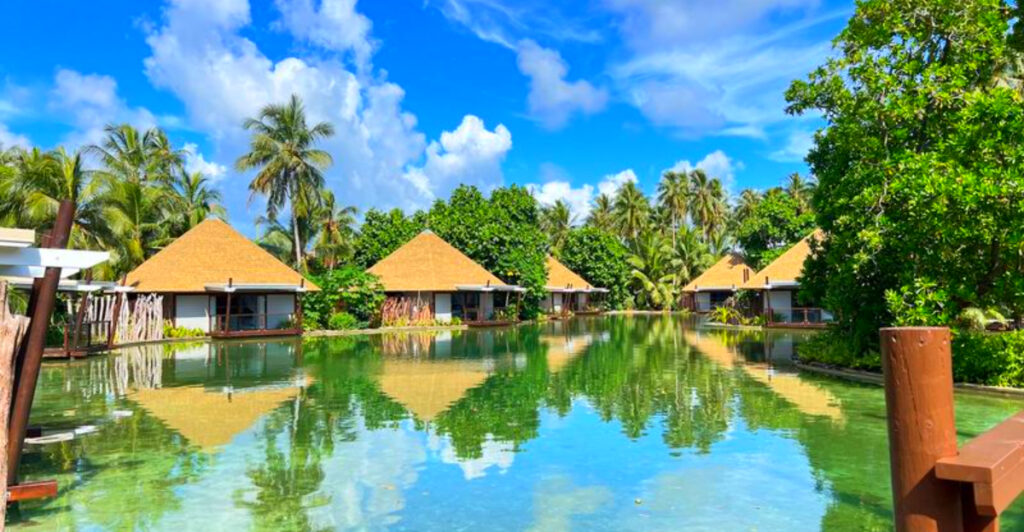
The South Pacific still has islands where life moves at its own pace, far removed from crowded resorts and carefully staged tourist experiences. Across this enormous region, small island communities continue to preserve traditions, landscapes, and ways of living that feel increasingly rare in modern travel.
Some of these islands are volcanic and mountainous, while others are tiny coral atolls barely rising above the ocean. A few are so remote that supply boats arrive only occasionally, and populations remain smaller than many neighborhoods back home.
This list highlights 13 South Pacific island communities that offer something travelers are struggling harder and harder to find: authenticity, isolation, and a genuine connection to local culture.
1. Aitutaki, Cook Islands
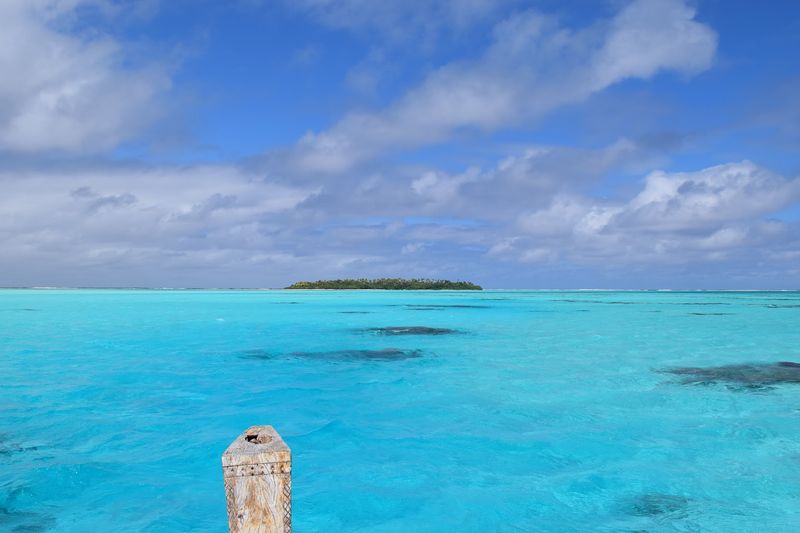
Picture a lagoon so clear that you can count fish from a boat without even leaning over the edge. Aitutaki sits in the southern Cook Islands and wraps its visitors in a stillness that busier destinations simply cannot offer.
The island has a handful of tiny villages connected by quiet roads where the loudest thing you will hear is a rooster disagreeing with your sleep schedule. Locals here are genuinely welcoming, and community life revolves around church, fishing, and family gatherings rather than catering to tour groups.
Many travelers who visit Aitutaki end up staying far longer than planned, largely because there is no rush to do anything at all. The lagoon is widely considered one of the most spectacular in the entire Pacific, yet the island never feels overcrowded.
That balance is increasingly rare and worth protecting.
2. Taveuni, Fiji
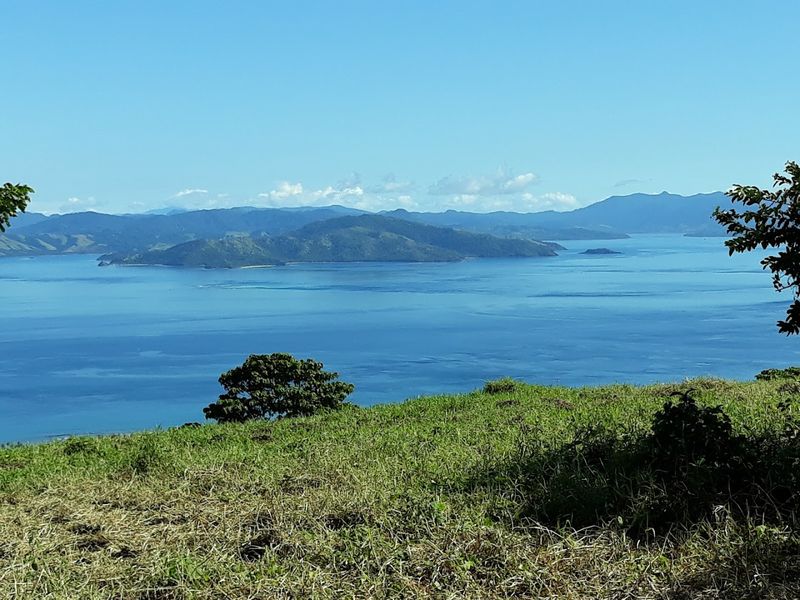
Nicknamed the Garden Island, Taveuni earns that title with a landscape so relentlessly green it almost looks painted. Located at the northeastern edge of Fiji, this island is home to waterfalls that drop straight into jungle pools and coral reefs that marine biologists genuinely get excited about.
Village life here follows a rhythm set long before any tourist arrived. Residents maintain traditional Fijian customs with real pride, and community events are not staged for visitors but simply open to them if they happen to be around.
The island also sits right on the 180th meridian, meaning you can technically stand with one foot in today and one foot in yesterday. Beyond that quirky geographical fact, Taveuni offers something more valuable: a Fiji that has not been polished into a resort brochure.
It is the real deal, quietly going about its business.
3. Huahine, French Polynesia
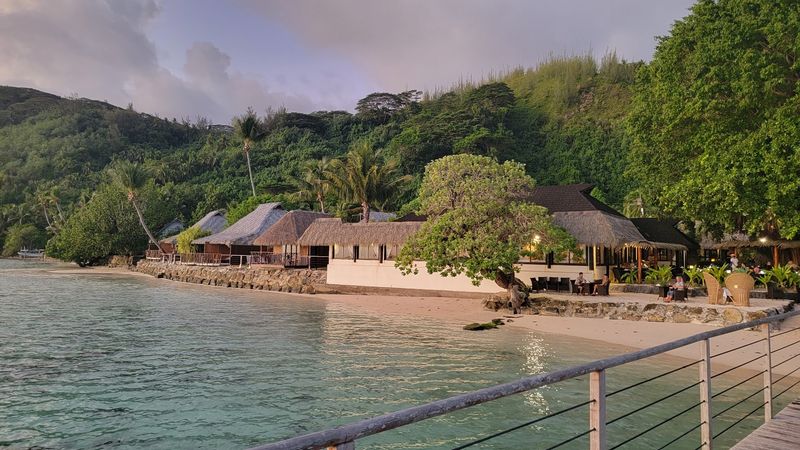
Huahine does not try to compete with its flashier neighbors. While Bora Bora collects the honeymooners and Tahiti handles the connecting flights, Huahine gets on with being genuinely wonderful without any fuss.
The island is actually two islands connected by a small bridge, and between them you will find ancient Polynesian temples called marae, still standing in the jungle as if waiting for someone to notice. Local villages are unhurried places where residents fish, grow vanilla, and live largely on their own terms.
French Polynesia introduced a modern infrastructure here, but Huahine absorbed it without losing its character. Markets carry fresh produce, small guesthouses outnumber large hotels, and the pace of daily life has a natural rhythm that feels genuinely restorative.
Travelers who discover Huahine tend to keep it to themselves, which is perhaps the highest recommendation possible.
4. Alofi, Niue
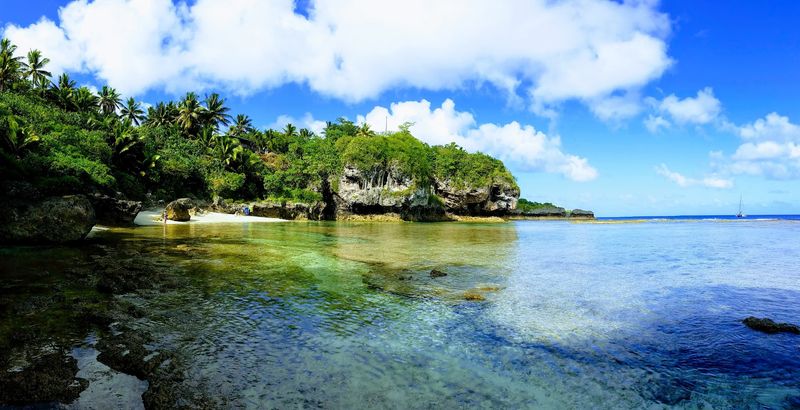
Niue goes by the nickname The Rock of Polynesia, and one look at its coastline explains why immediately. The entire island is a raised coral platform edged by limestone cliffs, with no sandy beaches to speak of but some of the clearest ocean water on the planet.
Alofi, its tiny capital, is one of the smallest national capitals in the world, with a population well under two thousand. That means the main street is genuinely quiet, the market is personal, and locals will likely remember your face by day two of your visit.
Between July and October, humpback whales pass close enough to shore that swimming alongside them is an organized and surprisingly accessible activity. The island also sits within one of the Pacific’s largest marine reserves.
Niue is proof that small scale and world class are not mutually exclusive descriptions.
5. Kiritimati, Kiribati
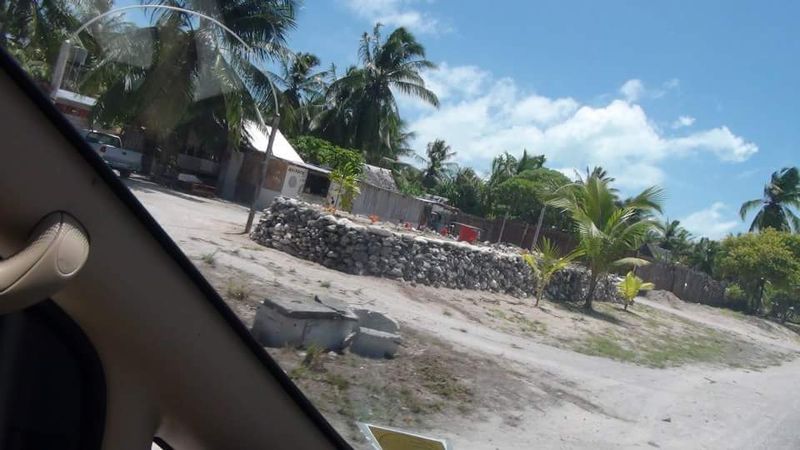
Kiritimati, pronounced Kirismas because the Kiribati language converts ti into s, is the world’s largest coral atoll by land area and one of the most remote places on Earth. It sits so far east in the Pacific that it was the first inhabited place to ring in the new year when the calendar changed in 2000.
The communities here are small and spread across a landscape of lagoons, beaches, and flat scrubland filled with seabird colonies that number in the millions. Fishing is the foundation of daily life, and the lagoon is internationally famous among serious anglers chasing bonefish.
Getting here requires effort, which is precisely why the island remains so untouched. There are no resort strips, no cruise ship docks, and no souvenir shops.
What exists instead is a community living close to the land and sea in a way that most of the world has long since abandoned.
6. Rurutu, French Polynesia
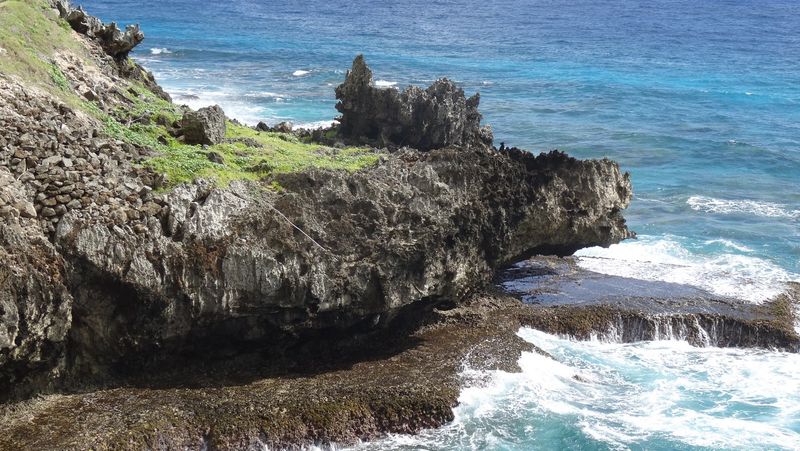
Every August, something extraordinary happens off the coast of Rurutu: humpback whales arrive in large numbers to breed, and the island becomes one of the few places in the world where you can snorkel alongside them legally and responsibly. That alone would make Rurutu worth the journey.
But the island offers more than its famous seasonal visitors. The landscape is volcanic and rugged, with caves carved into coastal cliffs and green hills that drop sharply to the ocean.
Villages are small and tight-knit, maintaining Polynesian traditions in crafts, dance, and community organization.
Rurutu sits in the Austral Islands, a chain that sits well south of Tahiti and rarely appears in mainstream travel coverage. The island has limited accommodation options, which naturally keeps visitor numbers low.
That is not a drawback for the right traveler. It is exactly the point of going.
7. Savai’i, Samoa
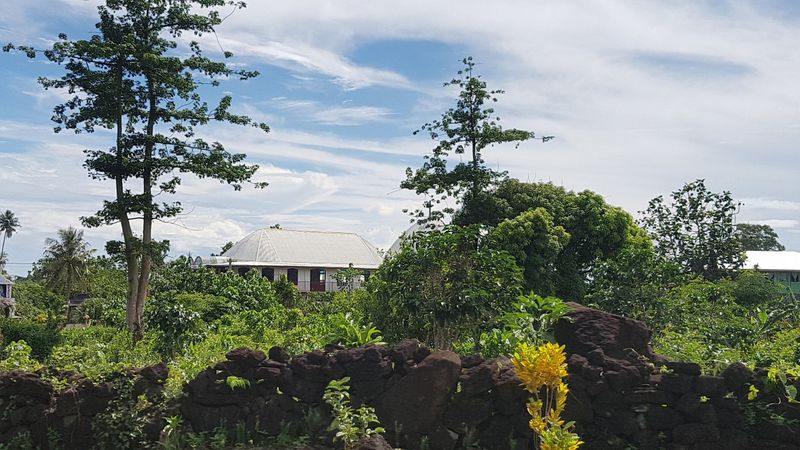
Samoa’s largest island flies under the radar almost entirely, which is a remarkable achievement given that it covers more land than all the other Samoan islands combined. Savai’i is where the lava flows from a relatively recent eruption in the early 1900s still stretch across the landscape like a frozen black river.
Tiny villages line the coastal road, each with a church that seems architecturally ambitious relative to the size of the community. The fa’a Samoa, or Samoan way of life, is observed more strictly here than almost anywhere else, with Sunday a genuinely quiet day of rest and community.
Blowholes on the southern coast shoot jets of ocean water high into the air, and waterfalls in the interior are accessible with minimal hiking effort. Savai’i rewards travelers who are comfortable slowing down and observing daily life rather than ticking off attractions.
The island is not performing for anyone.
8. Lifou, Loyalty Islands, New Caledonia
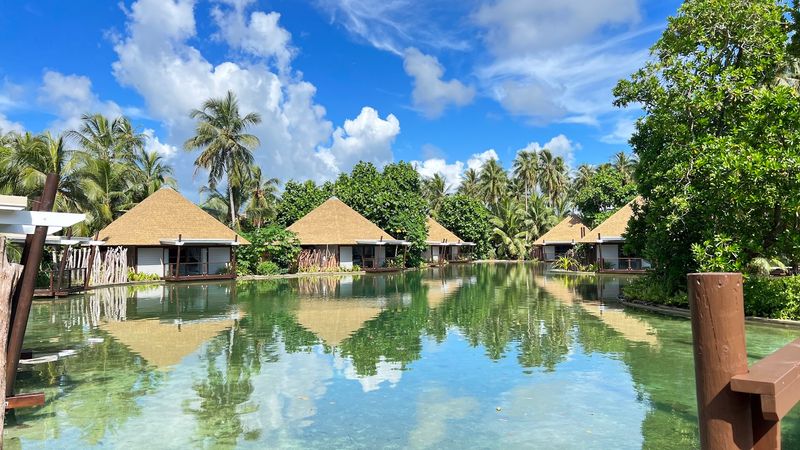
Lifou is the largest of the Loyalty Islands and sits about 100 kilometers east of New Caledonia’s main island, far enough away to feel like a different world entirely. French administration and deep Melanesian tradition coexist here in a way that produces a genuinely unique cultural character.
The island’s coastline is dramatic, with limestone cliffs dropping into water so blue it looks almost artificially colored. Tribal villages are scattered across the interior, and traditional chiefs still hold real social authority within their communities.
Lifou also has a connection to early Christianity in the Pacific, with some of the region’s oldest mission churches still standing and still active. Visitors who arrive by cruise ship get a brief taste, but the island rewards those who stay longer.
A few days here is enough to understand why Lifou locals rarely seem in any hurry to leave.
9. Ambrym, Vanuatu
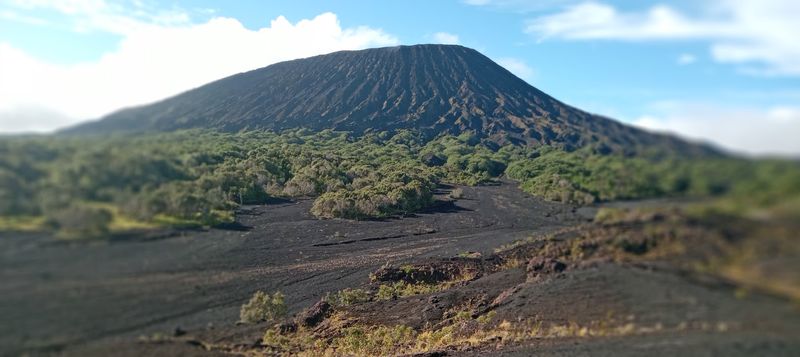
Ambrym has two active volcanoes, a reputation for powerful traditional magic called nakaimas, and black sand beaches that stretch along a coastline shaped entirely by ancient eruptions. It is not subtle, and it does not try to be.
The island’s Rom dance is one of the most visually striking traditional ceremonies in the Pacific, performed by men wearing towering masks made from tree ferns and banana leaves. These are not tourist performances put on for cruise passengers.
They are community ceremonies with real cultural weight.
Sand drawing, a complex art form using a single continuous line in the sand to create intricate patterns, was inscribed on UNESCO’s Intangible Cultural Heritage list, and Ambrym is one of its strongholds. Visitors who make the effort to reach this island generally describe it as one of the most memorable places they have ever been, which is high praise from people who travel seriously.
10. Ua Pou, Marquesas Islands, French Polynesia
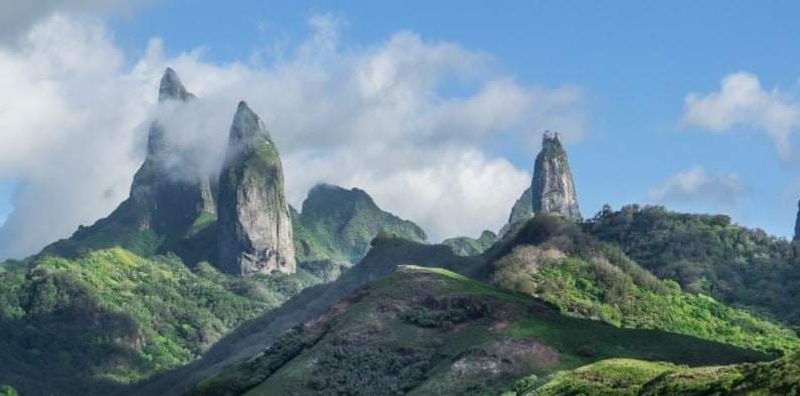
The basalt columns that shoot straight up from the center of Ua Pou look like something a fantasy novelist would invent and then decide was too dramatic to include. They are real, they are enormous, and they define the island’s skyline in a way that makes the first sighting genuinely startling.
Ua Pou is part of the Marquesas Islands, a chain so remote that even within French Polynesia it is considered far-flung. The island has a few thousand residents spread across small valleys, each community somewhat isolated from the others by the rugged terrain between them.
Marquesan art, particularly wood carving and tattooing, is among the most sophisticated in Polynesia, and local artisans on Ua Pou continue these traditions with serious skill. A biennial arts festival draws visitors from across the archipelago.
For those willing to make the long journey, the island delivers scenery and culture in equal and generous measure.
11. Gizo, Solomon Islands
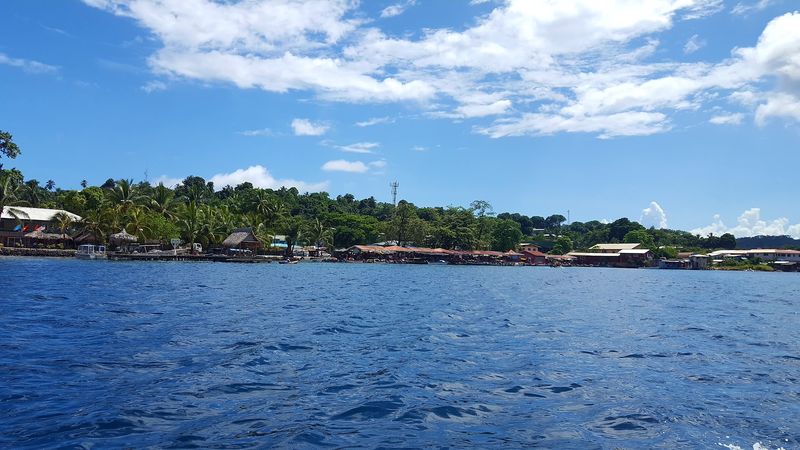
Gizo sits on a small island in the Western Province of the Solomon Islands, surrounded by a cluster of jungle-covered islets that make the harbor view look like a geography teacher’s dream illustration. The town itself is relaxed, slightly ramshackle in a charming way, and completely unpretentious.
The diving around Gizo is genuinely world-class. Sunken World War II wrecks, including Japanese and American vessels, sit in relatively shallow water accessible to recreational divers.
The reefs surrounding these wrecks have had decades to recover and are now thriving ecosystems.
Stilt villages built over the water are home to the Roviana people, whose community life centers on fishing and traditional navigation knowledge. Gizo also has a small connection to American history: a young John F.
Kennedy was rescued near here after his PT boat was destroyed during the war. Not every island town can claim that particular footnote.
12. Eua, Tonga
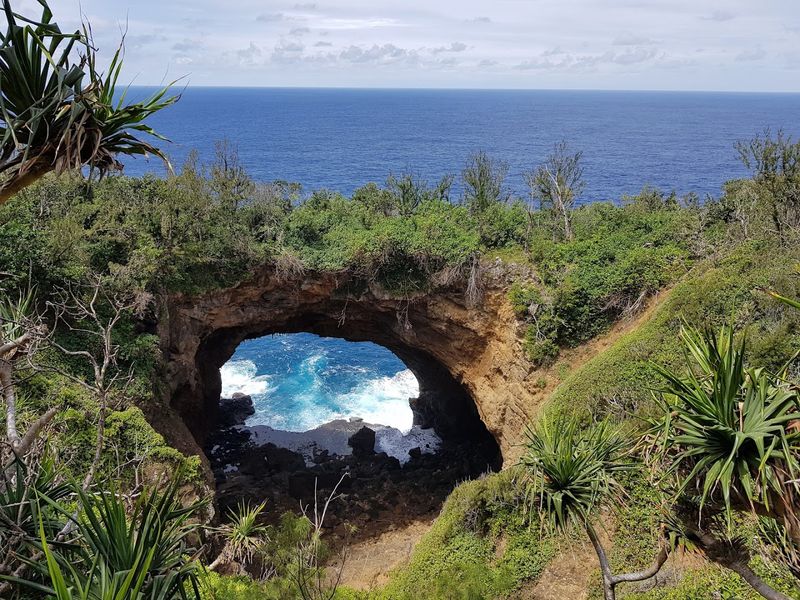
Eua is one of the oldest geological formations in the South Pacific, a fact that gives its landscape a completely different character from the flat coral atolls that dominate Tonga’s other islands. Here, cliffs drop sharply to the ocean, forests are dense enough to get properly lost in, and caves riddle the interior.
The island sits just 40 kilometers from Tonga’s main island of Tongatapu, but visitor numbers remain tiny. Most travelers pass through Nuku’alofa without ever boarding the ferry that would bring them here.
That oversight works in Eua’s favor.
Birdwatchers make specific pilgrimages to Eua for the Tongan megapode, a bird that buries its eggs in warm volcanic soil rather than sitting on them. Hikers find trail systems through forest that feel genuinely untamed.
Small villages dot the coast, and the welcome from residents tends to be warm and unscripted. Eua is the kind of place that rewards curiosity.
13. Mangaia, Cook Islands
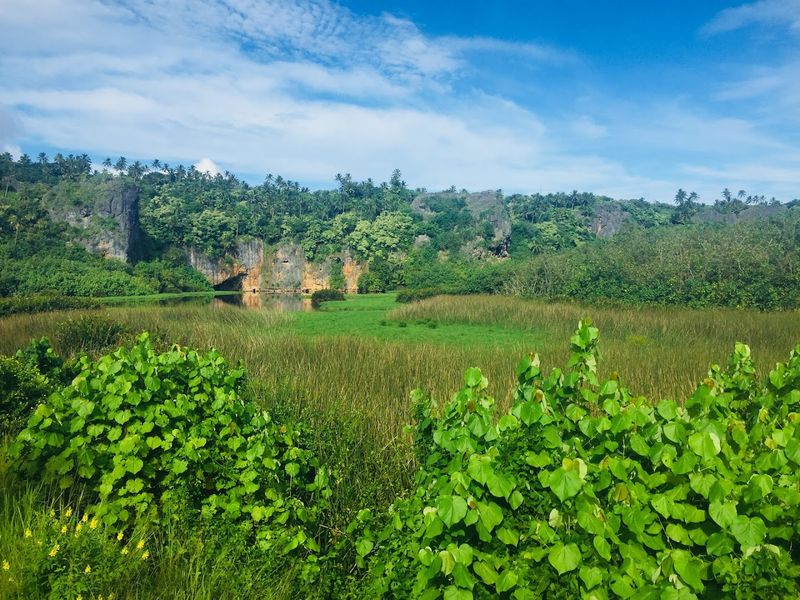
Geologists estimate that Mangaia is around 18 million years old, making it one of the oldest volcanic islands in the entire Pacific. That age shows in its landscape, which features a dramatic ring of raised fossilized coral called makatea surrounding a sunken volcanic interior.
The island’s caves are extensive and were historically used as burial sites, giving them a weight of local history that is hard to overstate. Community elders are the keepers of oral traditions that stretch back further than most written records in the region.
Mangaia has a population of just a few hundred people and receives so few visitors that arriving here feels like a genuine discovery. There are no resorts, no organized tours, and no tourist infrastructure to speak of.
What the island offers instead is direct contact with a Polynesian community that has maintained its identity on its own terms, without outside interference reshaping it.
Share this story