There is a restaurant in Chicago that has been feeding families, celebrating anniversaries, and perfecting pasta since Calvin Coolidge was president. Nearly a century of handmade tradition lives inside one building on Monroe Street, and the locals who know it treat it like a well-kept secret worth sharing.
The recipes have not changed much, the warmth has not faded, and the portions have stayed generous enough to make you loosen your belt on the walk home. This is the kind of place that makes you wonder why every meal cannot feel this honest and this good.
A Century of Roots on Monroe Street
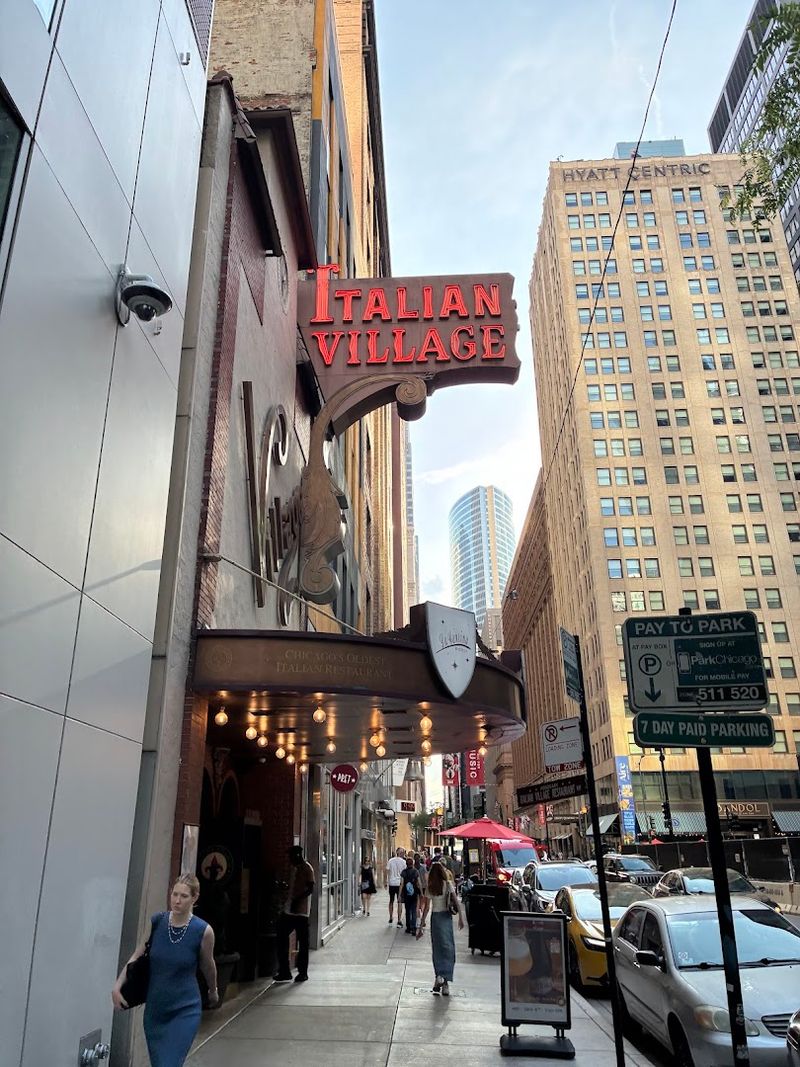
Some restaurants open and close before anyone notices they were there. The Village is not one of those restaurants.
At 71 W Monroe St, Chicago, IL 60603, this family-owned institution has held its ground in the heart of the Loop since 1927, making it Chicago’s oldest Italian restaurant still in continuous operation.
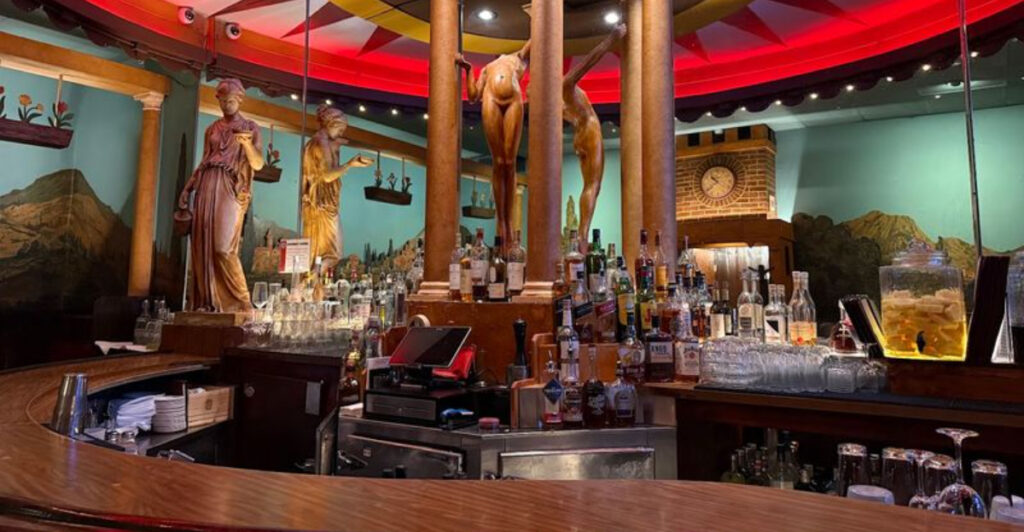
The address puts it right in the middle of downtown Chicago, surrounded by office towers and city buzz, yet the moment you cross the threshold, the noise of the street fades. The building itself carries history in its bones, with old-world decor that feels curated over decades rather than assembled in a weekend.
Unlike Oklahoma steakhouses or chain restaurants built for volume, The Village was built for something more personal: a dining experience rooted in family pride. The founders planted something here that grew slowly, stubbornly, and beautifully.
Nearly 100 years later, that same pride still shows up on every plate that leaves the kitchen.
The Family Behind the Food
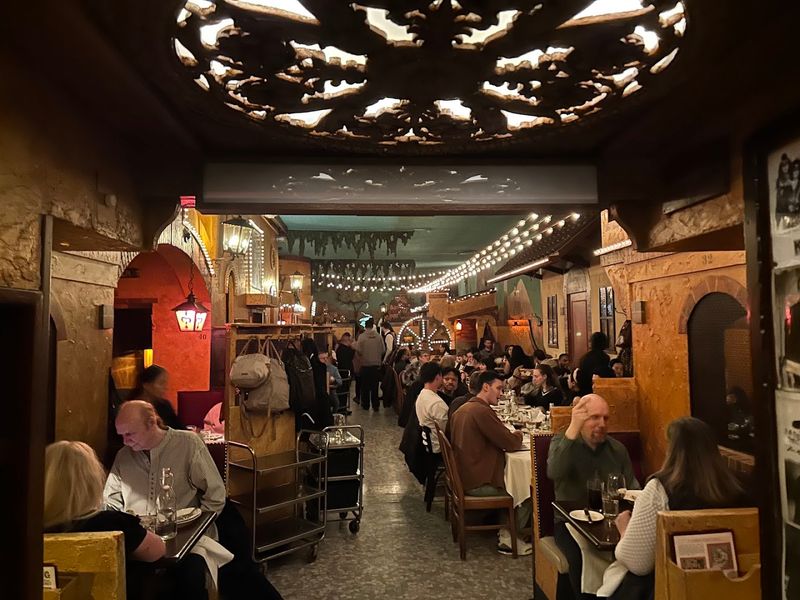
Not many restaurants can say the same family has been stirring the sauce for nearly a century. The Village has that rare distinction, and it shapes everything from the recipes to the way the staff treats guests who walk in without a reservation.
Family ownership means decisions are made with long-term pride rather than short-term profit. The menu reflects generations of refinement, not trend-chasing.
When a dish has been on the menu for decades, it is because it earned its place through consistency and flavor, not because a focus group approved it.
That family spirit extends to the dining room atmosphere. Regular guests are greeted warmly, and first-timers are made to feel like they belong.
It is the kind of hospitality that cannot be trained into a staff overnight. It comes from the top, passed down like a cherished recipe.
Much like Oklahoma family diners that anchor small communities, The Village anchors its corner of Chicago with genuine care and a deep sense of belonging that guests feel the moment they sit down.
Old-World Atmosphere That Earns Its Reputation
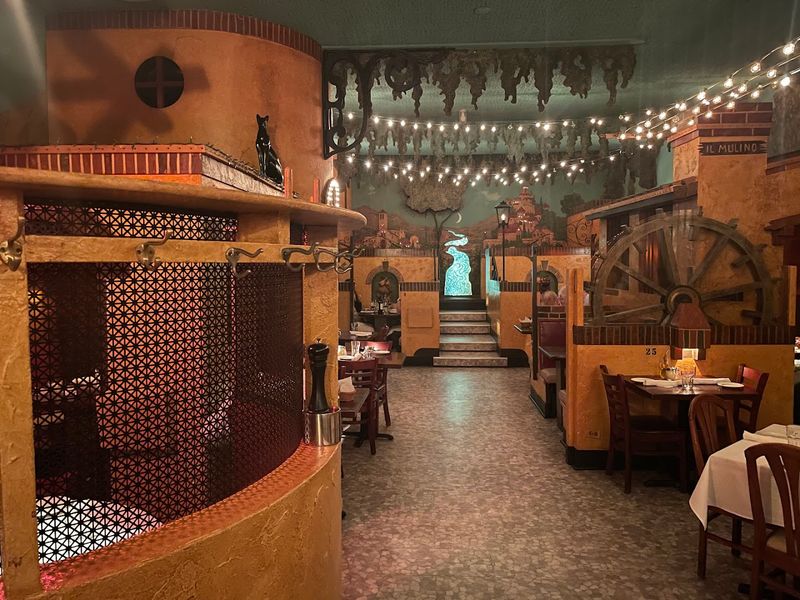
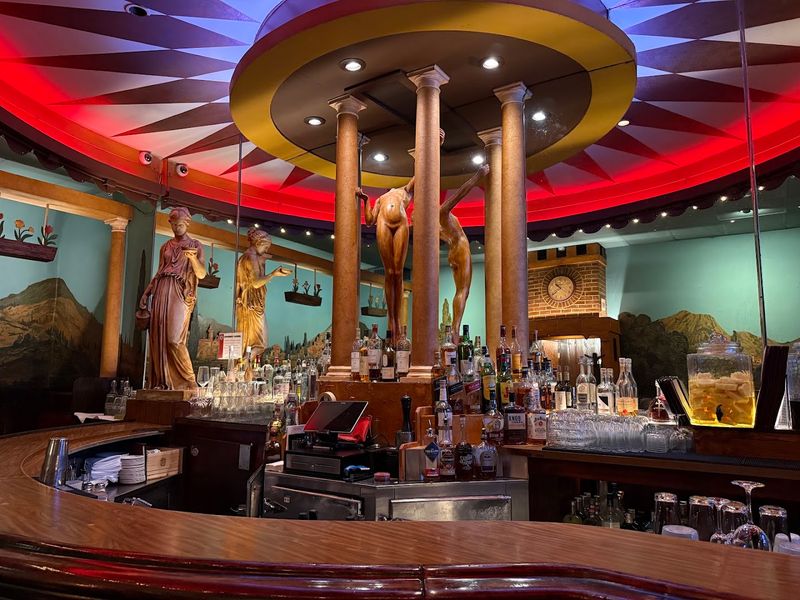
The atmosphere at The Village does something rare: it transports you. The lighting is dim and deliberate, the kind that makes every table feel like a private corner.
Antique decor lines the walls, and the seating areas each carry their own personality, so no two visits feel exactly the same.
The upstairs dining area is a particular favorite among regulars. The space feels more intimate, and some tables even come with a small call button to alert the staff when you need something, a thoughtful detail that feels charmingly old-fashioned and surprisingly efficient at the same time.
Music plays softly in the background, tasteful and unobtrusive, never competing with conversation. The overall effect is romantic without being stuffy, historic without feeling like a museum.
Couples celebrate anniversaries here year after year, and it is easy to understand why. The Village creates an environment that feels genuinely special, the kind of place where a Tuesday dinner can feel like an occasion worth remembering long after the plates are cleared away.
Handmade Pasta That Changes Everything
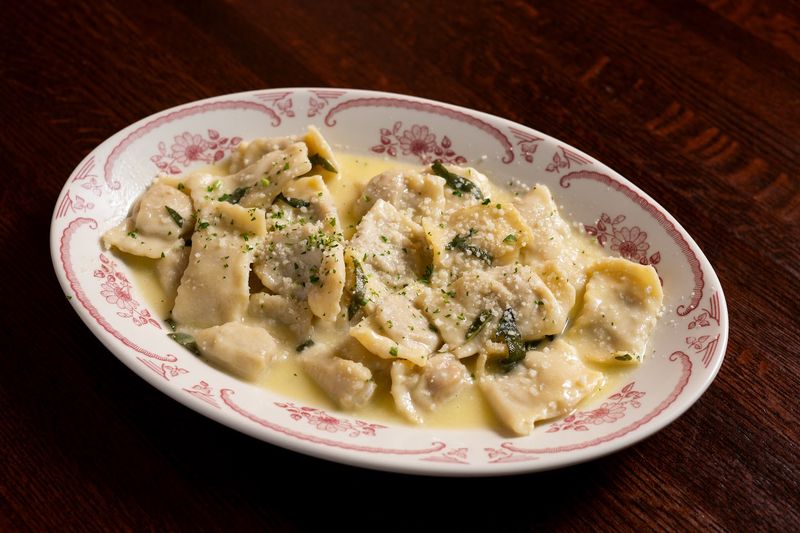
There is a reason regulars specifically ask for the handmade pasta when they arrive. The difference between fresh, hand-crafted pasta and the mass-produced alternative is not subtle.
At The Village, the pasta arrives with a texture that is tender and slightly toothsome, holding sauce the way only fresh dough can.
The four-cheese ravioli has developed a loyal following over the years. Each pillow of pasta is filled generously, and the cheese blend is rich without being overwhelming.
The lasagna is another standout, layered with both a hearty red meat sauce and a creamy bechamel that gives it unexpected depth and elegance.
Fettuccine Alfredo with grilled chicken delivers a sauce with genuine flavor, not the gluey, bland version found at lesser establishments. The vodka sauce, available with spaghetti and meatballs, carries a bold, well-rounded flavor that makes the dish feel complete.
Asking for homemade pasta here is not just a preference, it is practically a requirement for the full Village experience that keeps people coming back faithfully.
Signature Dishes Worth the Trip Alone
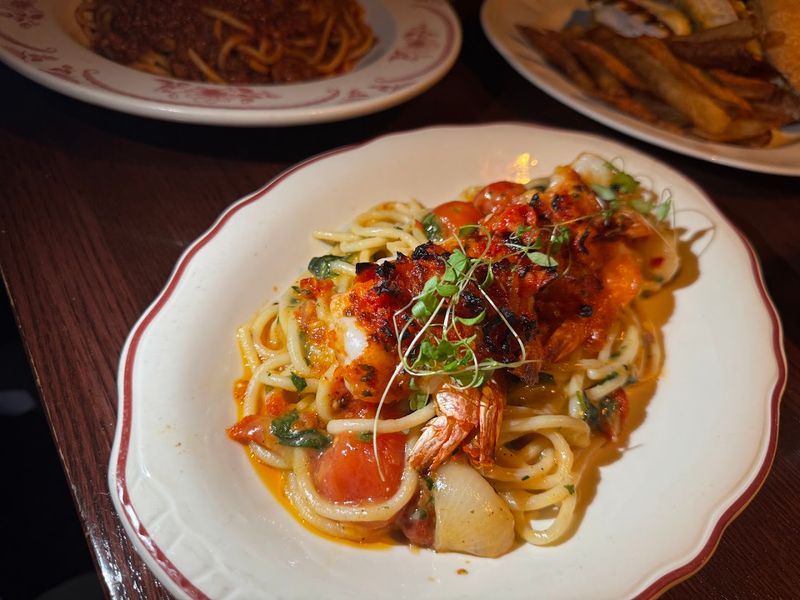
Certain dishes at The Village have earned their status through sheer repetition of excellence. The meatballs are among them.
Both the meatballs and the meat sauce are prepared pork-free, which opens the menu to a wider range of guests without sacrificing any of the bold, satisfying flavor that makes them a signature item.
Beef carpaccio is another dish that regulars return for specifically. Thin, delicate, and precisely seasoned, it sets a refined tone for the meal ahead.
The seafood pasta, when it hits its mark, delivers a briny, satisfying combination that feels genuinely coastal despite being served in the middle of the Midwest.
Daily specials sometimes include options like Chilean sea bass served over saffron risotto, a combination that one lucky diner described as the best fish they had ever eaten. The minestrone soup, offered as a complimentary starter with entrees, is rich and vegetable-forward in the best possible way.
These are not dishes that coast on nostalgia alone. They earn their reputation fresh, plate by plate, every single service.
The Appetizers That Set the Tone
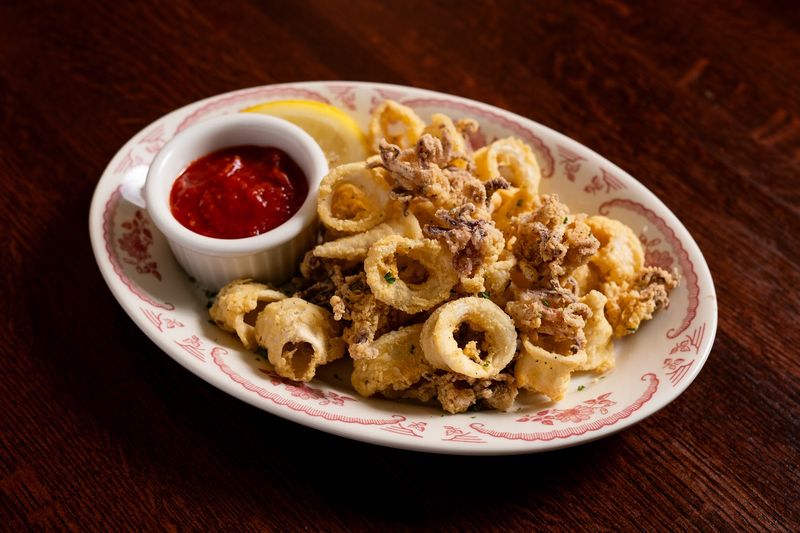
First impressions matter at any restaurant, and The Village starts strong. The bread basket arrives warm, fluffy, and fresh, the kind that disappears quickly and gets quietly requested again.
It is a small detail, but it signals immediately that the kitchen takes even the basics seriously.
The homemade mozzarella sticks are a revelation for anyone who has only ever encountered the pre-breaded, frozen versions found almost everywhere else. Made in-house, they carry a freshness and pull that the standard version simply cannot match.
The Caprese salad is another appetizer regulars order without hesitation, clean and straightforward, letting quality ingredients do the work.
Caesar salad is simple but well-executed, with balanced dressing and proper cuts that do not drown the lettuce. The garlic bread adds a satisfying crunch to the beginning of a meal.
Together, these starters build anticipation rather than fatigue, leaving just enough room to appreciate what comes next. In a city full of restaurants competing for attention, The Village earns it from the very first bite of warm bread at the table.
Entrees That Cover Every Craving
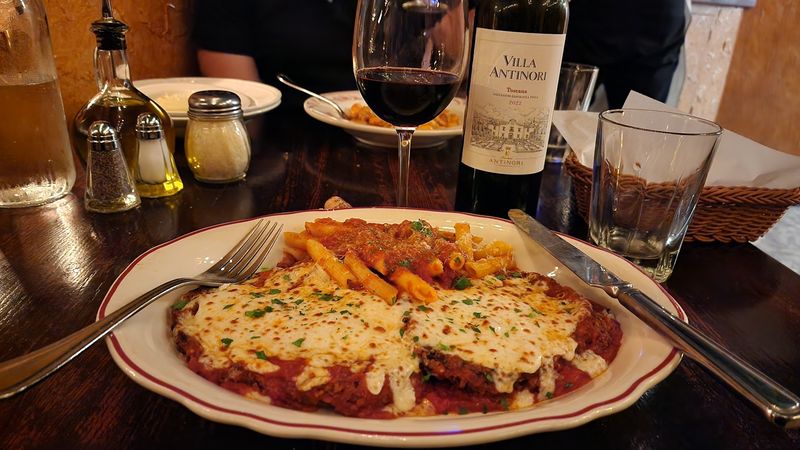
The Village menu does something smart: it satisfies both the guest who wants classic Italian comfort food and the one who prefers something a little more refined. Chicken Parmesan is a staple that, on a good night, delivers crispy, juicy results that remind you why this dish became a classic in the first place.
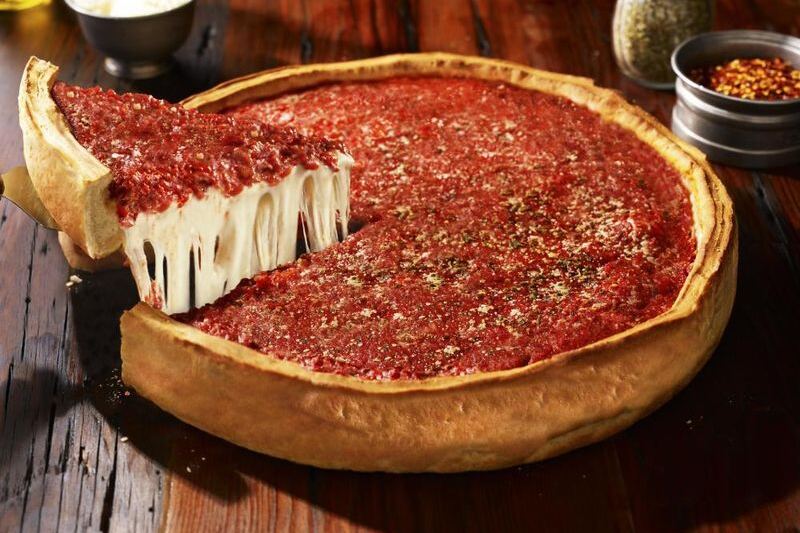
The thin-crust pizza is worth ordering even at a restaurant known primarily for pasta. The crust bakes up crispy on the bottom with a sauce base that does not soak through, and the toppings, including options like cup pepperoni, bacon, and sausage, are generous without overwhelming the balance of the pie.
For guests seeking something beyond pasta, the filet mignon has earned consistent praise for precise cooking and clean flavor. Spaghetti with meat sauce is a dependable choice that satisfies deeply, and the Chicken Piccata, while occasionally inconsistent based on timing, can be a bright, lemony highlight when it comes out fresh.
The range of options means most tables can find something that excites everyone, which is no small feat for a restaurant of any era or origin.
Desserts That End the Meal Right
Dessert at The Village is not an afterthought. It is a proper finale.
The tiramisu is a crowd favorite, creamy and coffee-forward without being overly sweet, a reliable classic done with care. The Affogato is deceptively simple but deeply satisfying, a scoop of cold ice cream meeting a shot of hot espresso in a way that somehow feels luxurious.
The Budino di Pane, a pistachio and chocolate bread pudding, is the kind of dessert that earns its own dedicated fans. Rich and layered, it balances nutty pistachio with smooth chocolate in a way that feels both comforting and sophisticated.
It is the kind of dish that makes you reconsider every bread pudding you have ever written off as boring.
Portion sizes remain generous even at the dessert stage, so sharing is always a reasonable strategy. But fair warning: once you taste the Budino di Pane, sharing becomes a negotiation.
The dessert menu at The Village treats the end of a meal as something worth celebrating rather than simply completing, and that philosophy makes a real difference in how you leave the table.
Service That Feels Personal
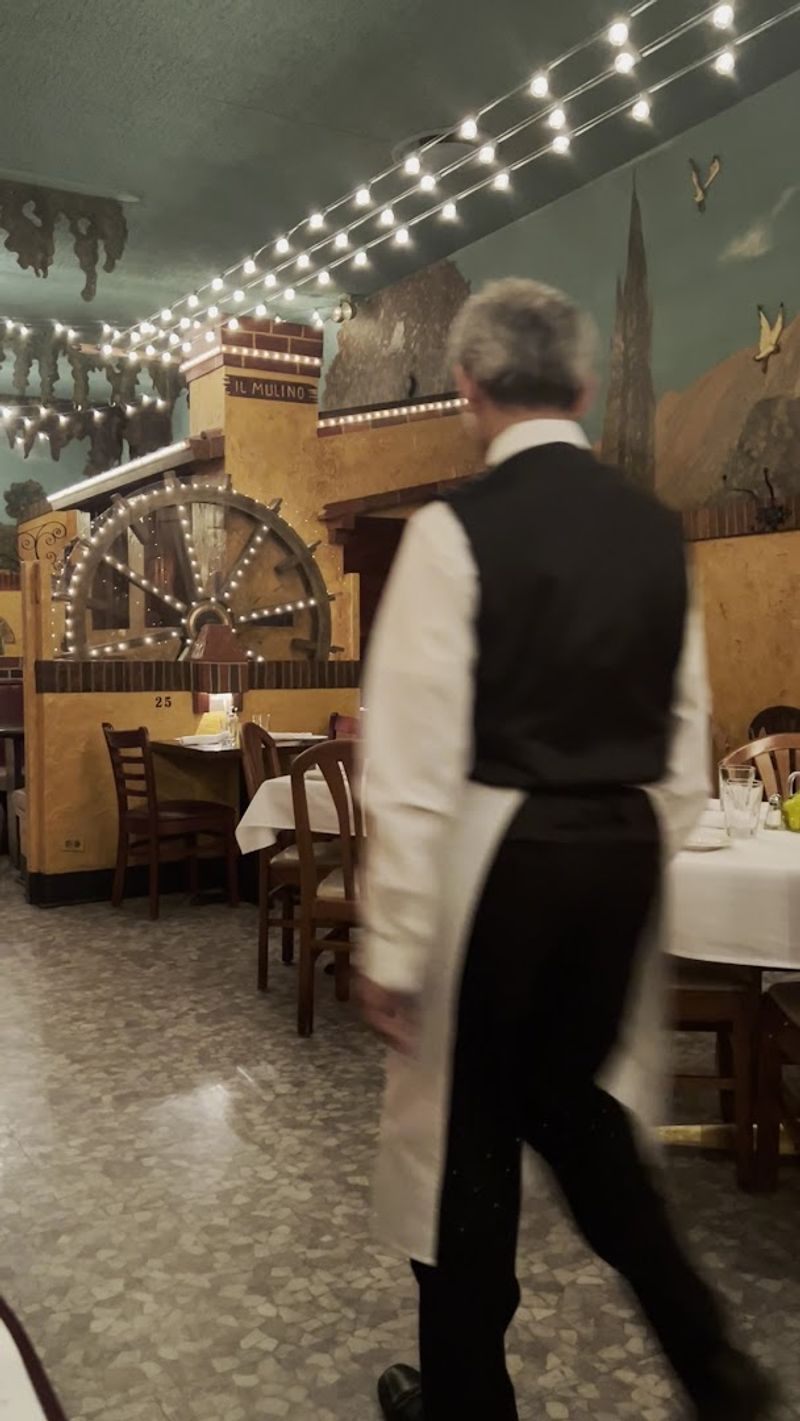
Good service in a historic restaurant can sometimes feel like a performance of tradition rather than genuine hospitality. At The Village, the service tends to land on the right side of that line.
Staff are described consistently as friendly, attentive, and quick without making guests feel rushed through their meal.
The kitchen moves efficiently, and food arrives at a pace that feels natural rather than pressured. Complimentary soup or salad comes with entrees, and servers are generally happy to help guests navigate the choice between the rich minestrone and the lighter chicken broth option.
The recommendation leans toward the minestrone, and it earns that endorsement.
Larger groups tend to have particularly smooth experiences here, as the staff is practiced at managing tables of various sizes without losing the personal touch. Walk-ins are accommodated when possible, which is a genuine kindness in a city where reservations often feel mandatory.
Not unlike the welcoming nature of Oklahoma hospitality that travelers often rave about, The Village makes strangers feel expected, cared for, and genuinely glad they showed up when they did.
Practical Details Every Visitor Should Know
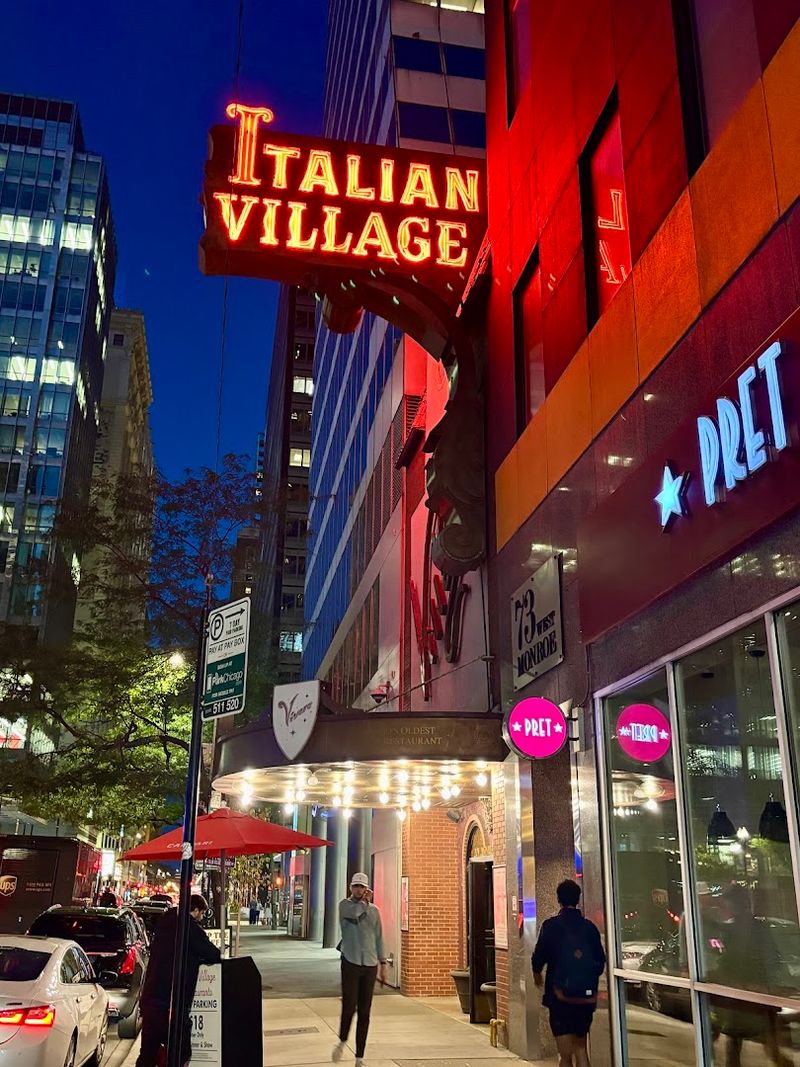
A few logistical facts make visiting The Village easier and more enjoyable. The restaurant is open seven days a week, from 11 AM to 8:30 PM Sunday through Thursday, and stays open until 9 PM on Fridays and Saturdays.
That schedule makes it accessible for both lunch and dinner visits throughout the week.
Pricing falls in the moderate range, marked as two dollar signs, which means a full meal with an appetizer and dessert is achievable without breaking the bank for a special occasion. The phone number for reservations or inquiries is 312-332-7005, and the website at thevillage-chicago.com carries additional menu information and updates.
The restaurant occupies multiple floors, with the upstairs dining room being a particular favorite. Guests with mobility considerations may want to call ahead to confirm accessibility options.
Walk-ins are often welcomed when space allows, but reservations are a smart move on weekends. Parking in the Loop requires some planning, but public transit drops off very close by, making The Village easy to reach from most neighborhoods across Chicago and even from visitors traveling in from further away.
Why Chicagoans Keep Coming Back
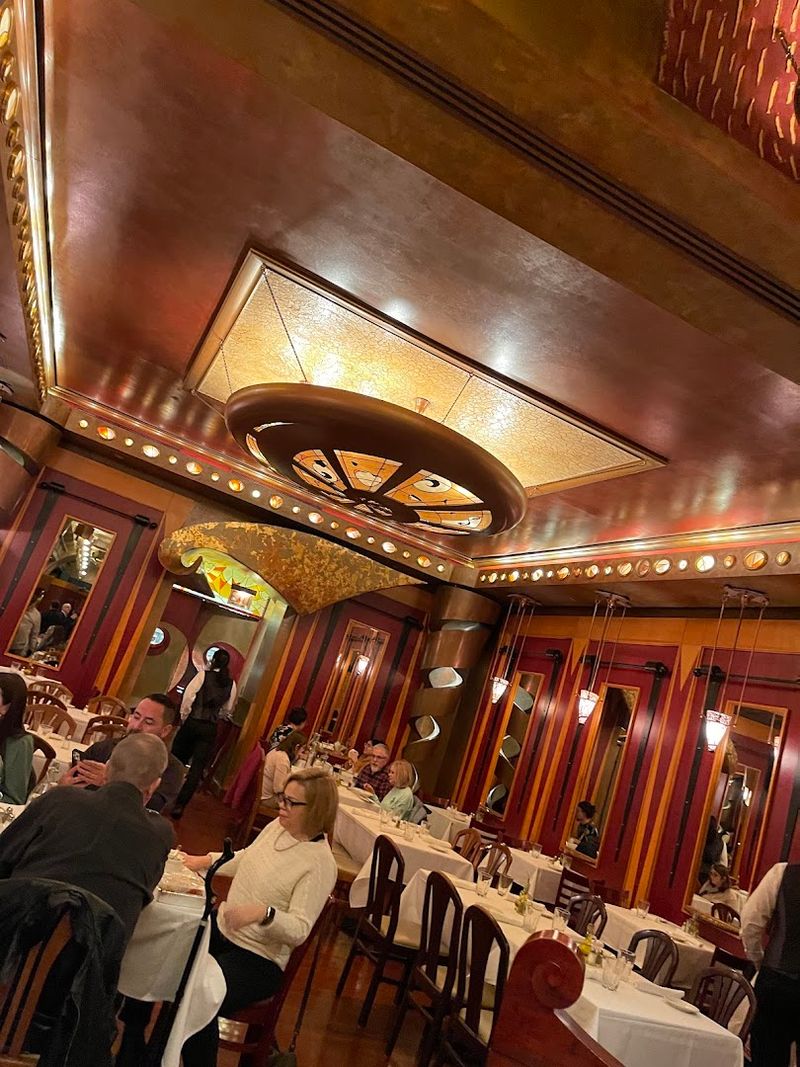
Repeat visitors are the truest measure of a restaurant’s worth, and The Village has built its reputation almost entirely on them. Couples return year after year for anniversaries.
Families celebrate milestones here. Office workers from the Loop slip in for lunch and find themselves booking dinner reservations on the way out.
The consistency is a big part of the appeal. Knowing that the lasagna will taste the same as it did two years ago is a comfort that newer restaurants simply cannot offer.
In a city where trends cycle fast and new openings grab headlines weekly, The Village offers something steadier and more satisfying.
There is also something genuinely moving about eating in a place that has survived nearly 100 years of history. The Great Depression, world conflicts, economic shifts, and a global pandemic have all come and gone, and The Village is still here, still serving pasta, still filling dining rooms.
Much like the enduring roadside institutions that travelers seek out across Oklahoma and beyond, this Chicago landmark proves that authenticity, consistency, and heart outlast every trend that tries to replace them.
A Living Piece of Chicago History
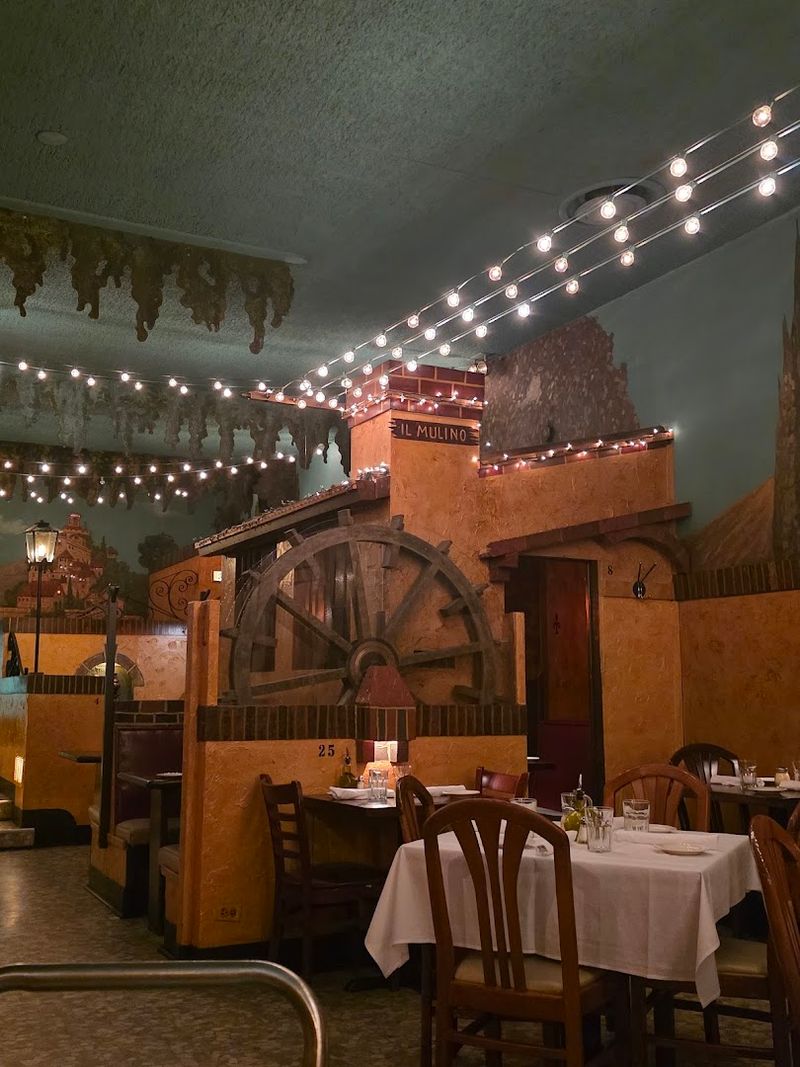
Few restaurants anywhere in the United States can claim nearly a century of uninterrupted service, and The Village wears that distinction quietly but confidently. The decor reflects decades of accumulated character rather than any single design decision.
Photographs, architectural details, and the layout of the rooms all carry echoes of the restaurant’s long past.
Chicago itself has changed dramatically since 1927. Skylines have grown, neighborhoods have shifted, and the Loop has transformed multiple times over.
Through all of it, The Village has remained a fixed point, a place where the city’s residents have consistently chosen to mark their most meaningful meals.
That kind of longevity is not accidental. It comes from a family that cared enough to protect what worked while staying attentive to what guests needed.
The result is a restaurant that feels both timeless and alive. Visitors from Oklahoma, from across the Midwest, and from around the world have sat at these tables and left with the same impression: that some places are worth preserving exactly as they are, because they already got it right a long time ago.
Share this story