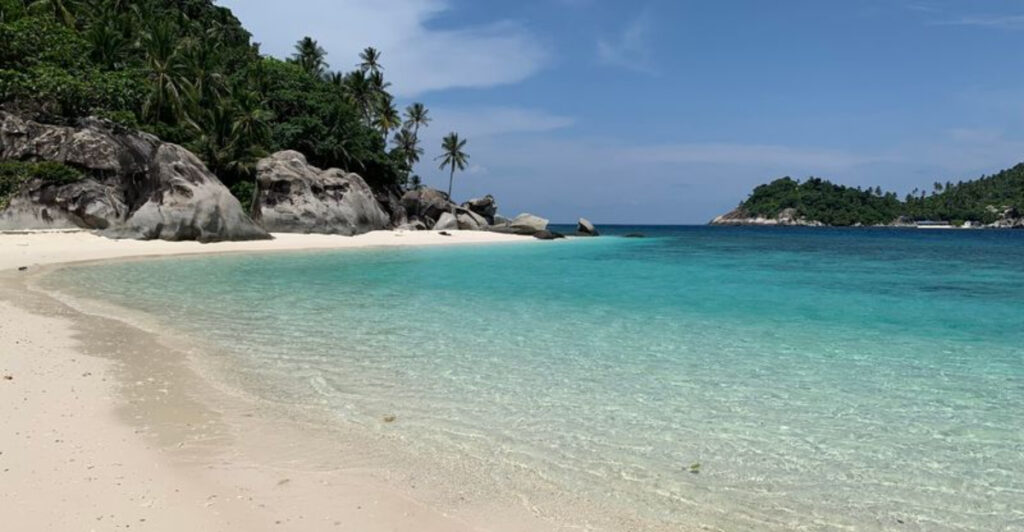
Malaysia has some of the most breathtaking islands in all of Southeast Asia, yet most travelers keep flying past them on the way to Bali or Phuket. That is honestly their loss.
From turtle-nesting beaches in Sabah to crystal-clear marine parks off Terengganu, these islands offer everything the famous ones do, minus the selfie sticks and souvenir traps. Pack your bags, because this list might just change your next vacation plan completely.
Pulau Tioman, Pahang
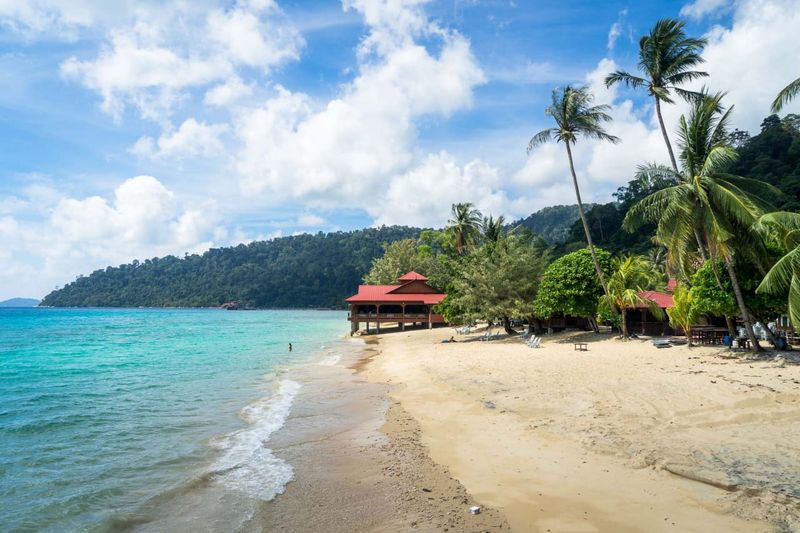
Tioman has a secret, and somehow the rest of the world still hasn’t figured it out. This island off Pahang’s coast combines jungle-covered mountains, coral reefs, and sleepy fishing villages into one unforgettable package.
It even made Time Magazine’s list of the world’s most beautiful islands back in 1970, which is wild considering how quiet it still feels today.
The diving here is genuinely excellent, with visibility that will make you forget every murky snorkeling experience you’ve ever had. Waterfalls hidden inside the rainforest give you a reason to step away from the beach for a few hours.
Villages like Salang and Juara each have their own personality, so hopping between them feels like visiting different islands altogether.
Getting here involves a ferry from Mersing or Tanjung Gemok, which is half the adventure. Tioman is proof that the most celebrated places don’t always need to be the most crowded ones.
Perhentian Islands, Terengganu
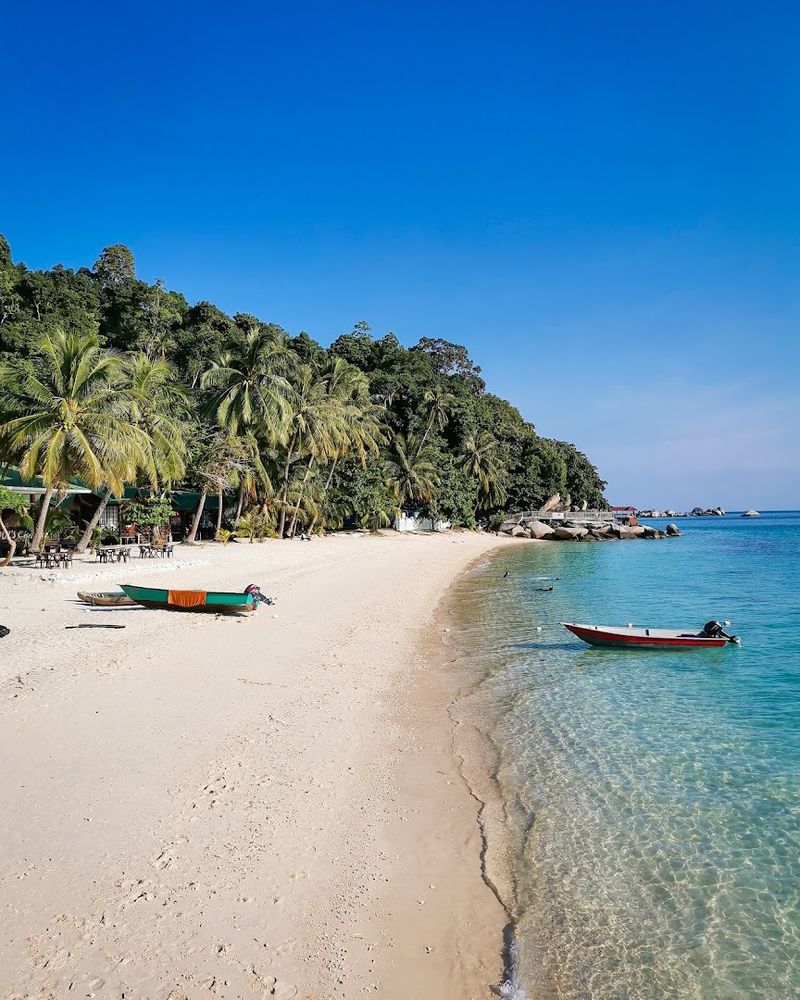
Sea turtles here don’t care about your schedule. They show up whenever they want, glide past snorkelers without a second glance, and honestly make you feel like the tourist you are in the best possible way.
The Perhentians, split between the larger Besar and the livelier Kecil, are where Malaysia’s east coast beach scene really shines.
Perhentian Kecil draws backpackers with its budget guesthouses and beachside BBQ nights, while Besar leans toward families and couples wanting something calmer. Both islands share the same ridiculously clear water and reefs packed with marine life.
Coral coverage here is genuinely impressive compared to many over-dived spots around the region.
The islands close between November and February due to monsoon season, so timing your visit matters. Book early if you’re going in July or August because word has gotten out, even if the Perhentians still fly under the international radar.
That won’t last forever.
Pulau Redang, Terengganu
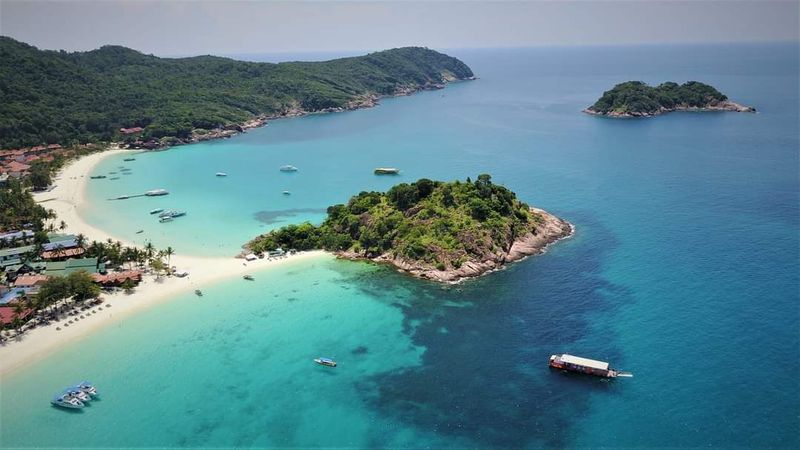
Redang’s water color is the kind that makes you question whether someone edited the photos. It hasn’t been edited.
The island sits inside a protected marine park, which means fishing is restricted and the reefs have had room to recover and thrive in ways you rarely see anymore.
Powdery white sand stretches along the main beach at Pasir Panjang, and the snorkeling just offshore is so good that even non-swimmers find themselves wanting to give it a try. The island hosts several resorts ranging from budget to mid-range, with most offering all-inclusive dive and snorkel packages that make planning straightforward.
Redang is best visited between March and October before the northeast monsoon rolls in. Visibility underwater can reach beyond ten meters on a good day, which dive instructors will tell you is something worth traveling for.
Many travelers rank this among Malaysia’s top beach destinations, and after one visit, it’s easy to understand why.
Pulau Lang Tengah, Terengganu
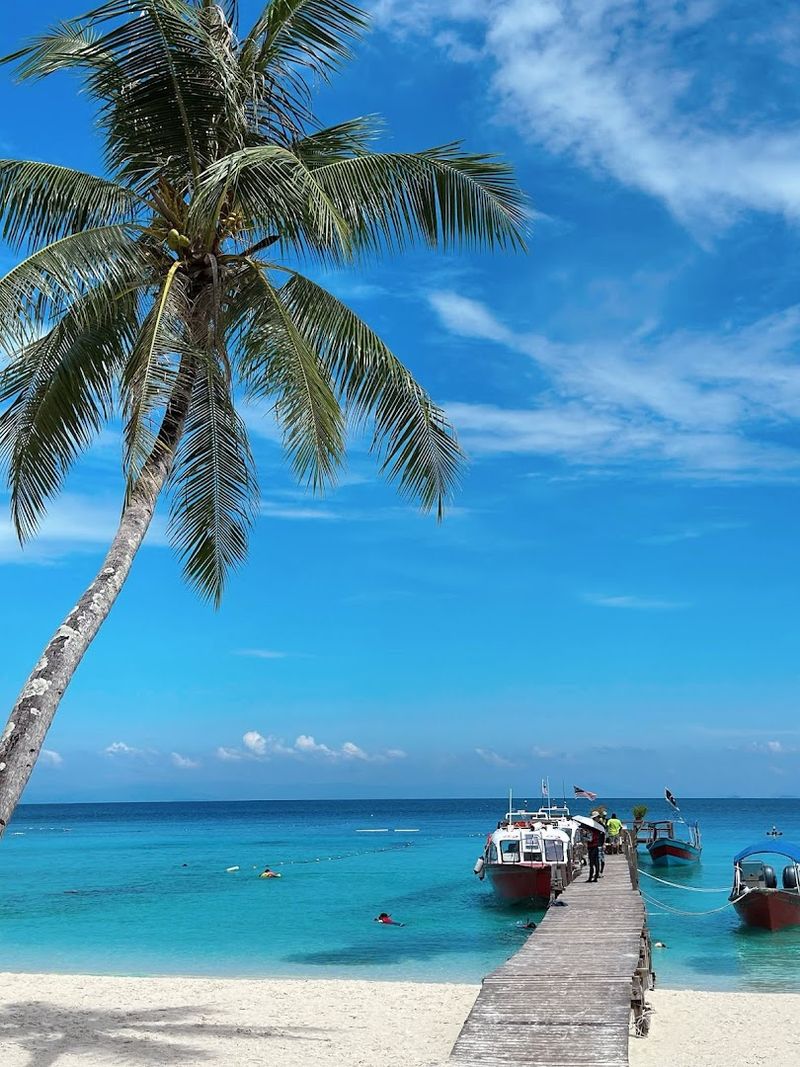
Tucked between Redang and the Perhentians, Lang Tengah is the middle child that somehow turned out the most interesting. It gets far fewer visitors than its famous neighbors, which means you might actually get a stretch of beach to yourself, a genuinely rare thing in Southeast Asia these days.
The island has only a handful of resorts, keeping the overall vibe calm and unhurried. Marine life here is healthy and diverse, with reef sharks, rays, and turtles spotted regularly by snorkelers and divers.
The coral gardens are particularly well-preserved thanks to lower foot traffic and the island’s protected status.
Lang Tengah is accessible via boat from Merang jetty, and the crossing takes roughly 45 minutes depending on sea conditions. Visiting during shoulder season, like May or early June, gives you good weather without the peak-season crowds.
This island rewards travelers who do a little extra research instead of just following the obvious trail.
Pulau Kapas, Terengganu
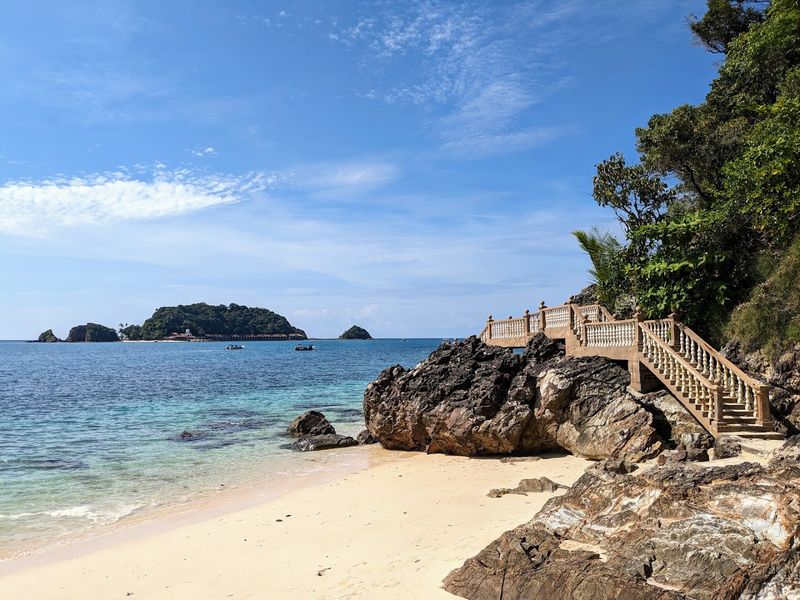
Kapas translates to “cotton” in Malay, which is exactly what the sand here feels like underfoot. The island sits just 15 minutes by boat from Marang jetty, making it one of the easiest tropical escapes on the entire east coast.
No massive resort complexes, no water parks, just beaches, reefs, and the kind of slow pace that actually forces you to relax.
Shallow reefs close to shore make snorkeling accessible even for beginners. The fish life is colorful and abundant, and you don’t need to be an experienced diver to appreciate it.
A handful of guesthouses and small resorts line the main beach, offering simple but comfortable accommodation.
I visited on a random Tuesday in June and counted maybe thirty other people on the whole island. That ratio of humans to beach is something you simply don’t find in Phuket or Bali anymore.
Kapas is the kind of place you stumble upon and immediately start keeping secret.
Pulau Tenggol, Terengganu
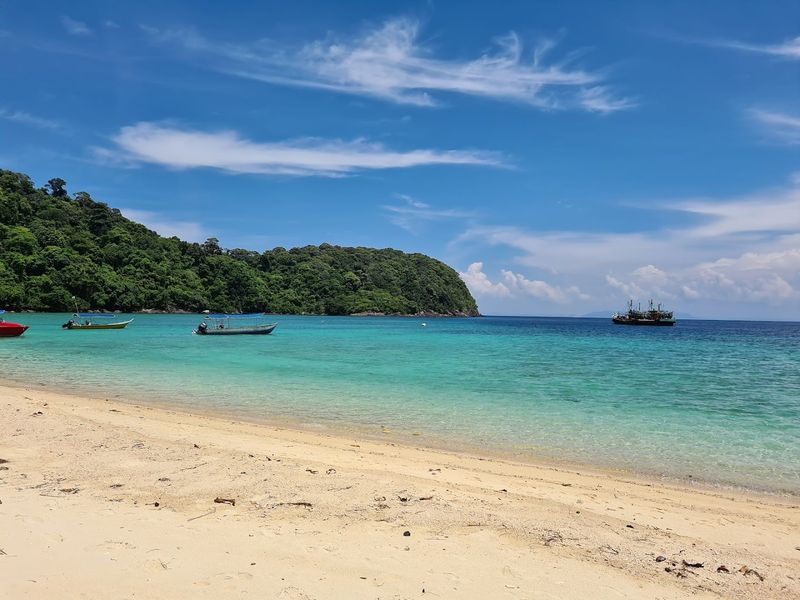
Whale sharks. That sentence alone should be enough to get any ocean lover’s attention.
Tenggol is one of the few places in Peninsular Malaysia where seasonal whale shark sightings are a realistic possibility, typically between April and September when the conditions align just right.
Above water, the island is rugged and undeveloped, with thick jungle covering most of the interior and only basic facilities available. That lack of development is precisely the point.
Tenggol attracts serious divers rather than resort-hoppers, and the underwater landscape rewards that commitment with dramatic walls, healthy reefs, and an impressive variety of marine species.
Dive operators in Kuala Terengganu and Marang run trips out to Tenggol, though the crossing can be rough during certain seasons. Accommodation options are limited, so planning ahead is essential.
This island is not for everyone, and that’s genuinely what makes it special. Some places are better when they stay a little hard to reach.
Pulau Rawa, Johor
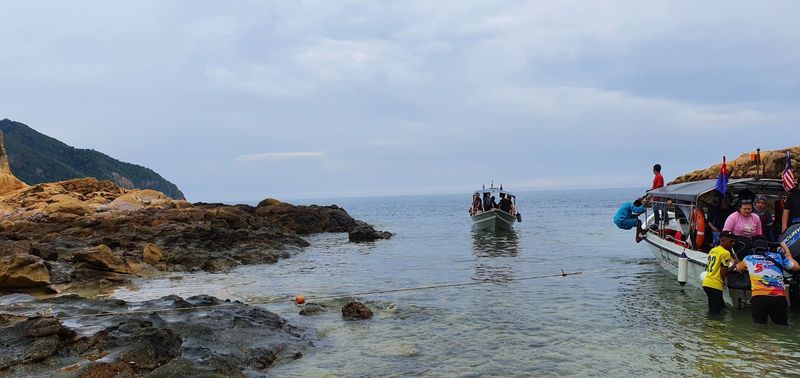
Rawa is the kind of island that shows up in daydreams but somehow stays off most travelers’ radar. This small private island off Johor’s coast features turquoise water so vivid it looks almost theatrical, and beaches that deliver exactly what the photos promise.
The fact that it sits in the shadow of more famous Tioman is genuinely baffling.
Access is via a short boat ride from Mersing, which makes the logistics surprisingly simple for such a secluded-feeling destination. The island is privately managed, meaning accommodation options are limited but quality tends to be solid.
Snorkeling directly off the beach reveals healthy coral and plenty of fish without any effort at all.
Rawa works particularly well for couples or small groups looking for a relaxed, crowd-free experience without venturing too far from the mainland. Weekend getaways from Singapore and Johor Bahru are common here, so weekdays offer noticeably more peace.
Rawa proves that small islands can punch well above their weight.
Pulau Sibu, Johor
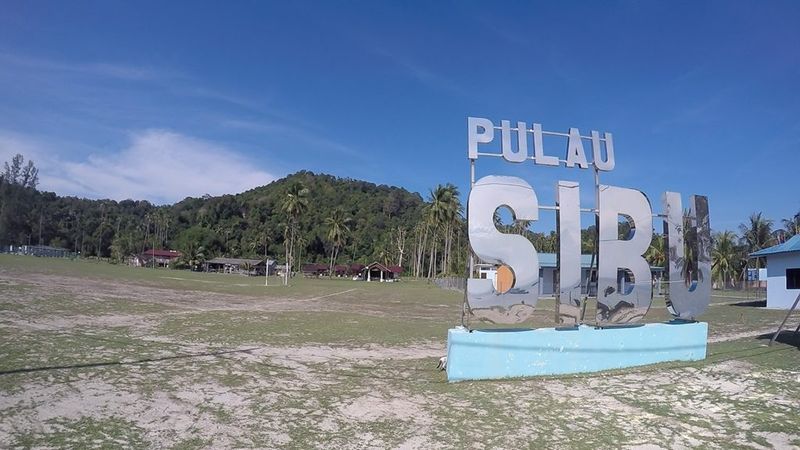
Volcanic rock formations jutting out of clear water is not something you expect to find off Malaysia’s southeastern coast, yet Sibu delivers exactly that. Part of the Sultan Iskandar Marine Park, the island combines unusual geology with jungle trails, decent snorkeling, and beaches that rarely feel overcrowded even during peak weekends.
Sibu has a laid-back, slightly forgotten quality that works strongly in its favor. The resorts here are modest and family-friendly, catering mostly to Malaysian weekenders from Johor and Singapore who know about this gem and wisely keep quiet about it.
Trails through the interior lead to viewpoints with sweeping coastal views that are worth the short hike.
Boat transfers from Tanjung Leman jetty take around 30 minutes. The marine park status means fishing is restricted, which keeps the reef life healthier than at many unprotected spots nearby.
Sibu is an easy recommendation for anyone who wants real island character without the polished resort experience.
Pulau Aur, Johor
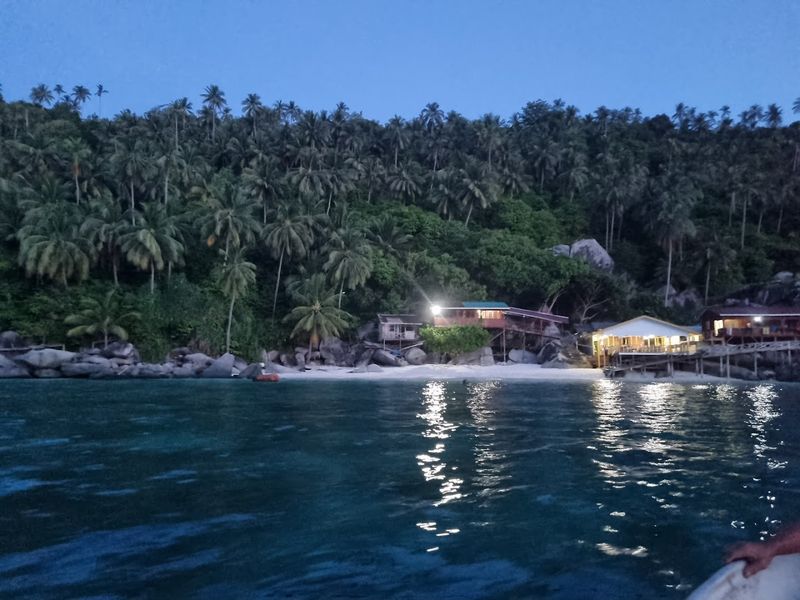
Getting to Aur takes effort, and that effort is the entire point. The island sits significantly further offshore than most of Johor’s other islands, meaning the reefs here have been spared the heavy traffic that damages coral in more accessible spots.
Divers who make the crossing consistently report some of the best reef health in the southern peninsula.
The journey from Mersing takes several hours by boat, which naturally filters out casual visitors. What remains is a tight community of dive enthusiasts who appreciate the healthy marine environment and the genuine sense of remoteness.
Marine life sightings include reef sharks, large groupers, and occasional pelagic species passing through.
Accommodation options on Aur are basic but functional, with dive packages typically covering meals, lodging, and multiple daily dives. This is not a beach-lounging destination so much as a serious diving one.
If underwater exploration is your main motivation for island travel, Aur belongs near the top of your Malaysian list.
Pulau Dayang, Johor
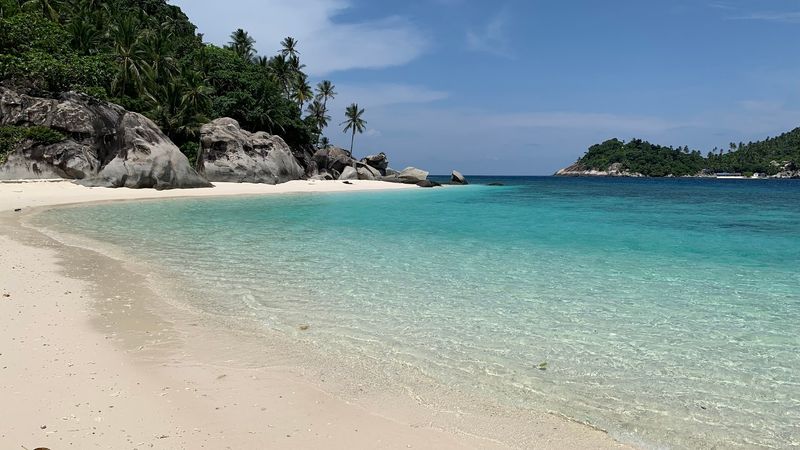
Dayang has a reputation among Malaysia’s dive community that sounds almost like folklore. Experienced divers talk about encounters with bumphead parrotfish, large Napoleon wrasse, and schools of fish so dense they block out the light.
It sounds exaggerated until you get underwater and realize it really is that good.
Often visited alongside neighboring Aur, Dayang sits even further from the mainland, which contributes to its remarkably untouched underwater environment. Mass tourism has simply never found its way here, partly because the logistics require genuine planning and partly because the island offers very little for non-divers.
That niche focus keeps the crowds away.
The island has basic dive resort accommodation and operates mainly as a liveaboard and day-trip destination for serious divers. Conditions can be challenging at certain times of year, so checking with local operators before booking is essential.
Dayang is a reminder that the best dive sites in Malaysia are often the ones you’ve never heard of before.
Pulau Pangkor, Perak
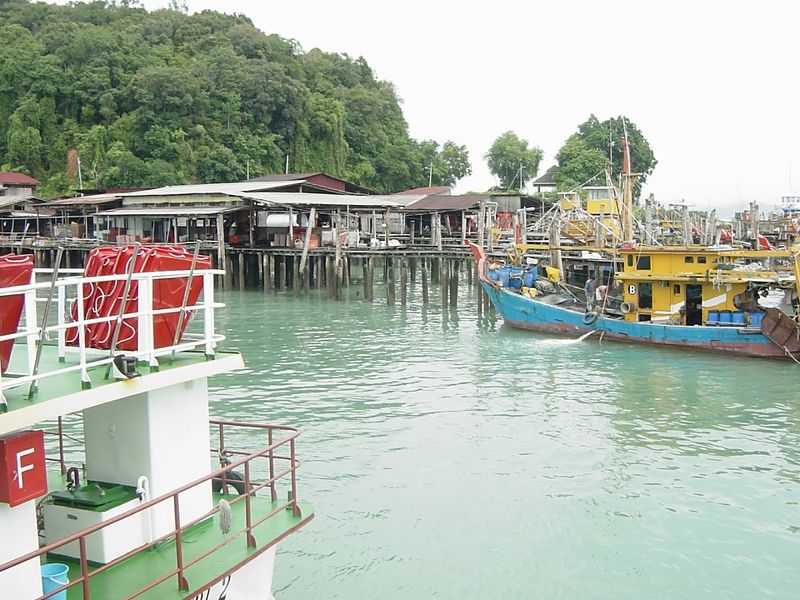
Pangkor is the island that Malaysians have loved for decades while international tourists kept walking right past it. That oversight is actually quite useful if you’re the kind of traveler who prefers local flavor over tourist infrastructure.
The island mixes fishing villages, colonial history, forested hills, and decent beaches into a package that feels genuinely authentic.
The Dutch East India Company built a fort here back in 1670, and the restored ruins still stand near the main village. History and beach in the same day trip is a combination that doesn’t come up often enough in island travel.
Local seafood restaurants along the waterfront serve some of the freshest fish dishes you’ll find anywhere in Perak.
Pangkor is accessible by ferry from Lumut, making it an easy add-on to a Perak road trip. The island is open year-round since it sits on the west coast and avoids the northeast monsoon.
Come here for character, not just coastline, and you’ll leave thoroughly satisfied.
Lankayan Island, Sabah
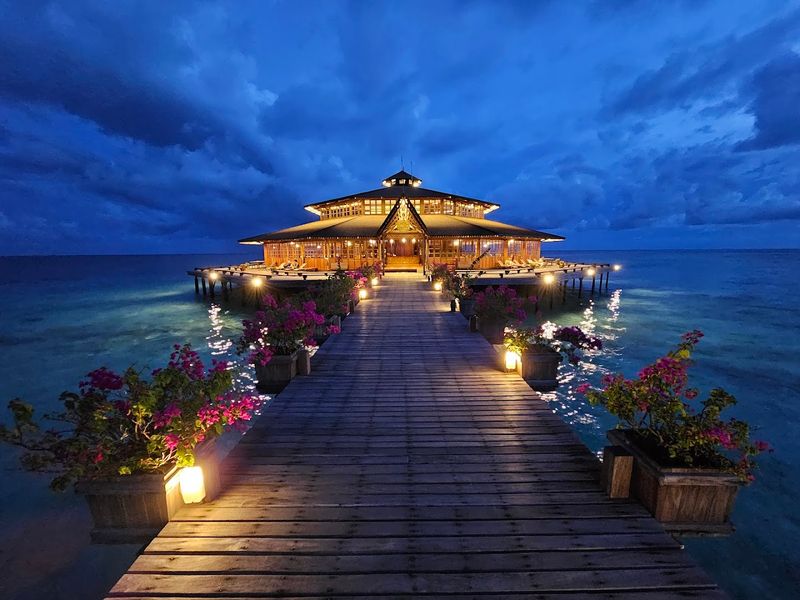
Lankayan is one of those places that makes you genuinely wonder how it isn’t more famous. A tiny island in the Sulu Sea, surrounded by water so clear it barely looks real, with turtle nesting beaches and dive sites that attract serious underwater photographers from around the world.
The remoteness is the selling point here, not an obstacle.
Green and hawksbill turtles nest on Lankayan’s beaches throughout the year, and the island operates a conservation program that allows guests to observe the process responsibly. Whale shark sightings are also reported seasonally, adding another layer of excitement for divers.
The coral around the island is healthy and varied, with macro life that keeps underwater photographers busy for days.
The only accommodation is a single eco-friendly dive resort, which keeps visitor numbers genuinely low. Access is via a boat transfer from Sandakan.
Lankayan is the kind of destination that serious travelers quietly bookmark and then never stop recommending to others.
Pom Pom Island, Sabah
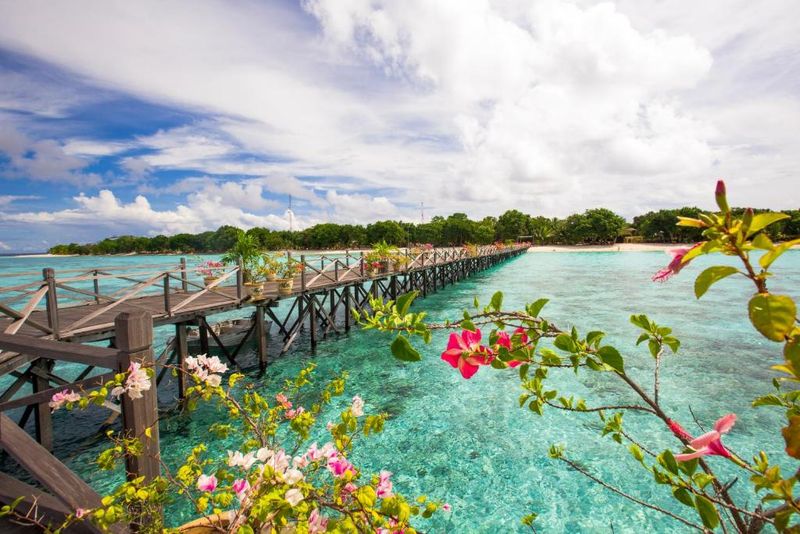
Pom Pom sits near Semporna in the Coral Triangle, which is essentially the ocean’s version of winning the geographic lottery. The island is tiny, the reefs are vibrant, and the turtle nesting activity happens with a regularity that still feels like a miracle every single time.
Growing recognition among divers hasn’t yet translated into the overcrowding that plagues similar spots elsewhere.
Snorkeling directly from the beach puts you over coral gardens almost immediately, which is the kind of convenience that spoils you for everywhere else. Dive sites around the island offer encounters with reef sharks, turtles, and abundant reef fish in conditions that range from beginner-friendly to genuinely challenging depending on the site.
Accommodation on Pom Pom is limited to a small number of chalets and a resort, keeping the island from tipping into mass tourism territory. Transfers run from Semporna town.
The combination of turtle conservation, excellent diving, and genuine quietness makes Pom Pom one of Sabah’s most rewarding island stops.
Mataking Island, Sabah
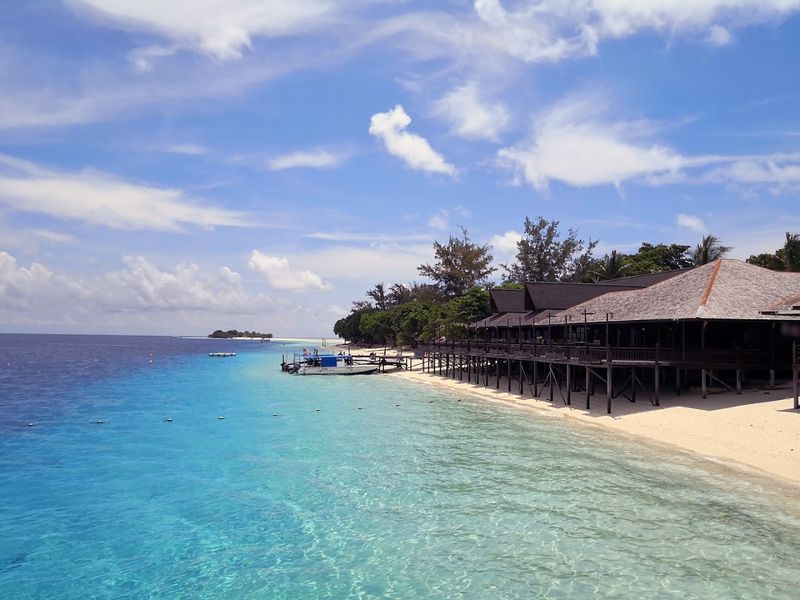
Mataking has an underwater post office, which is either the most whimsical thing you’ve ever heard about an island or a perfectly logical amenity depending on how much you love diving. Either way, it’s a detail that tells you everything about Mataking’s personality: playful, exclusive, and completely committed to the underwater experience.
The island offers some of the best diving access in Malaysian Borneo, sitting at the edge of the Coral Triangle where biodiversity is extraordinary. Vibrant reefs, white sand beaches, and a luxury dive-focused resort create a combination that appeals to travelers who want comfort alongside serious marine encounters.
Visibility here regularly exceeds fifteen meters.
Mataking is not a budget destination, but the quality of the experience justifies the price for divers who know what good reef diving actually looks like. Transfers run from Semporna.
The island also serves as a turtle conservation site, with nesting activity adding a meaningful ecological dimension to what is already a genuinely exceptional place to visit.
Pulau Tiga, Sabah
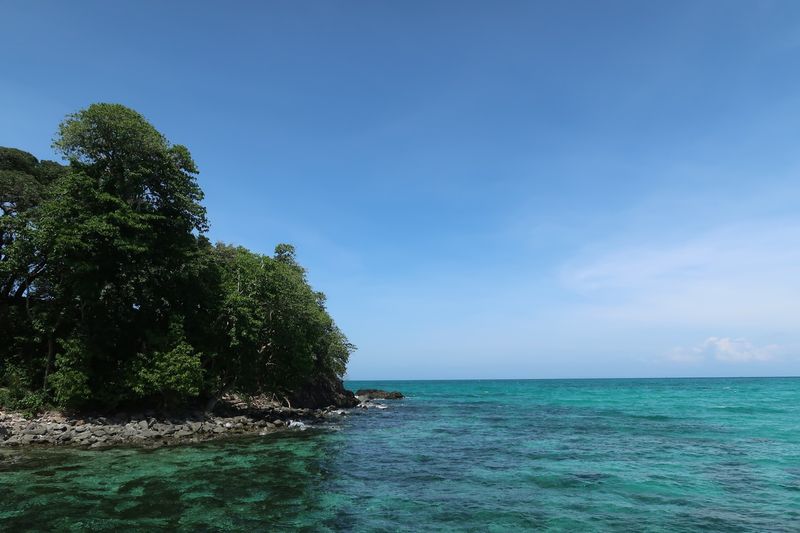
Pulau Tiga became globally famous when the first season of Survivor was filmed here in 2000, which is a genuinely strange origin story for a nature reserve. The cameras left, the contestants went home, and the island quietly returned to being one of Sabah’s most interesting natural attractions.
The mud pools alone make it worth the trip.
Three volcanic mud pools bubble away in the jungle interior, and yes, people do actually sit in them. The mud is said to have therapeutic properties, though the main appeal is honestly just how bizarre and fun the whole experience is.
Beyond the mud, the island has good beaches, jungle trails, and snorkeling spots that rarely see large crowds.
Pulau Tiga is accessible by boat from Kuala Penyu and sits within a protected park. Accommodation ranges from simple chalets to the somewhat famous Survivor Lodge.
The island offers a genuinely different kind of Malaysian island experience, one that swaps polished resort vibes for real ecological curiosity and a quirky pop culture footnote.
Share this story