Europe is stunning, but it comes with long flights, packed tourist sites, and prices that make your wallet cry. Central America offers colonial cities, jungle ruins, volcanic lakes, and Caribbean beaches, often at a fraction of the cost.
I took my first trip to Guatemala expecting something small and left completely hooked. These 15 destinations prove that skipping the crowds does not mean skipping the good stuff.
Antigua, Guatemala
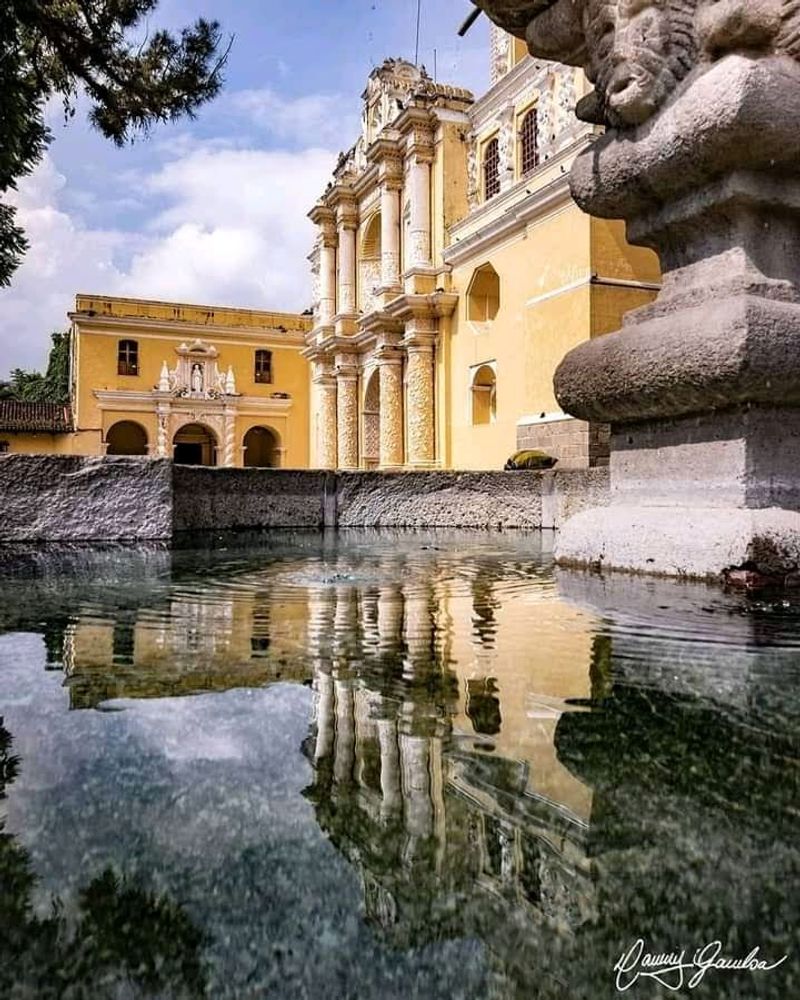
Cobblestone streets, volcano views, and a coffee culture so strong it could wake up a sleeping sloth. Antigua is the kind of place that makes you cancel your Rome plans and rebook your return flight.
It packs more charm per square block than most European capitals twice its size.
The city works beautifully as a slow-travel base. Wander past crumbling church facades, pick up handwoven textiles at the market, or join a coffee farm tour to see where that perfect cup actually comes from.
Guesthouses here are affordable, food is outstanding, and the volcano backdrop makes every photo look professionally edited.
Antigua also connects easily to other Guatemalan highlights, so you are never stuck. Whether you want a week of relaxed sightseeing or a launchpad for bigger adventures, this colorful colonial gem delivers.
Europe has old towns, but none of them have an active volcano looming overhead.
Lake Atitlán, Guatemala
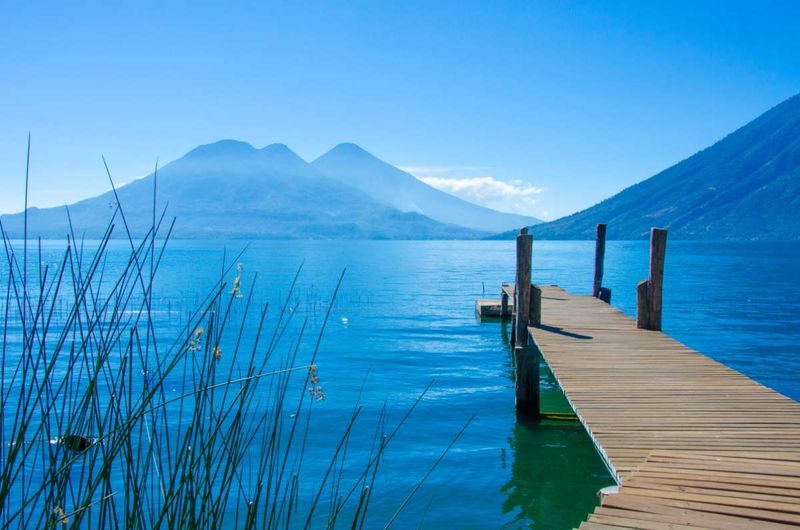
Lake Atitlán once made Aldous Huxley call it the most beautiful lake in the world. Bold claim, but honestly, after one boat ride with volcanoes rising on every side, the argument is hard to dispute.
The lake does not just look good, it feels alive.
Each village around the lake has its own personality. San Marcos is calm and spiritual.
San Pedro draws backpackers and coffee lovers. Santa Catarina Palopó is famous for its painted walls and textile traditions.
You can hop between them by lancha boat and spend days without repeating a single experience.
Budget travelers do especially well here. Guesthouses, cafes, and local food stalls keep costs low without sacrificing quality.
Skip the pricey Greek island ferries and grab a boat across Atitlán instead. The views cost nothing extra, and the volcano silhouettes at sunset are absolutely rent-free.
Tikal and Flores, Guatemala
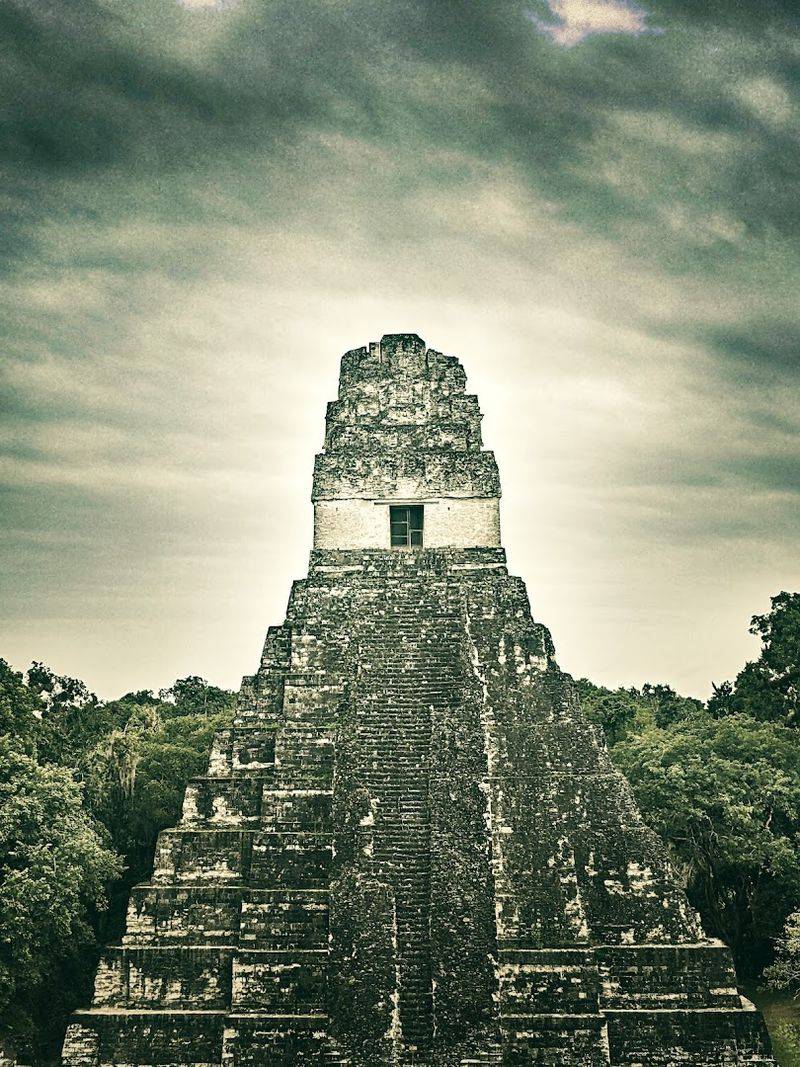
Tikal does not mess around. Temples taller than ten-story buildings rise straight out of the jungle, and the only soundtrack is howler monkeys and tropical birds.
No gift shops blocking the view. No audio guides competing with nature.
Just raw, ancient architecture swallowed by rainforest.
Flores makes the perfect home base. This tiny island town sits in a lake, connected to the mainland by a short causeway.
Its painted buildings, waterfront restaurants, and easy tour connections make it genuinely pleasant rather than just practical. Wake up early, catch the sunrise over Tikal, and be back for dinner without rushing.
History lovers who want ruins that feel wild rather than staged will find Tikal deeply satisfying. European ancient sites are impressive, but they rarely come with jungle acoustics and the occasional jaguar sighting.
Guatemala makes history feel like an actual adventure rather than a classroom field trip.
Caye Caulker, Belize
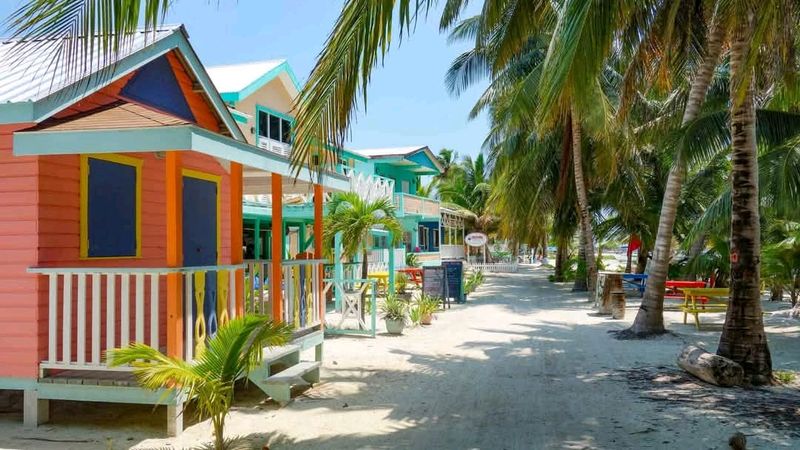
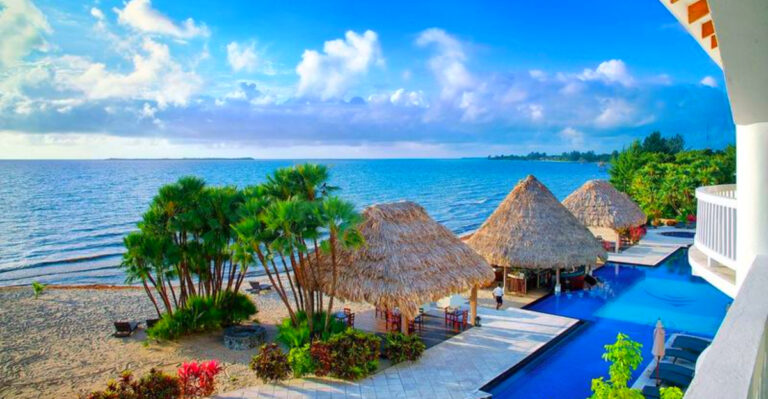
The official motto of Caye Caulker is “Go Slow,” and the island enforces it with zero apology. Streets are sandy, golf carts outnumber cars, and the biggest daily decision is which seafood shack to hit for lunch.
This is not a resort island. It is something better.
Snorkeling the nearby reef puts you face-to-face with nurse sharks, rays, and more colorful fish than a nature documentary. The Hol Chan Marine Reserve area is a short boat trip away and genuinely spectacular.
Even non-swimmers find the Split, a channel dividing the island, perfect for floating and watching the Caribbean do its thing.
Caye Caulker works for travelers who want a Caribbean island without the all-inclusive price tag. Guesthouses are cheap, fresh lobster is affordable, and the vibe is welcoming rather than exclusive.
Mediterranean beach towns charge premium prices for less personality. Belize charges far less and delivers far more reef.
San Ignacio, Belize
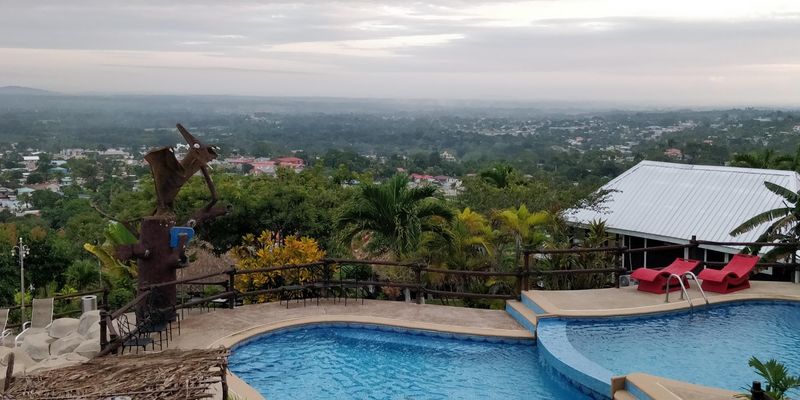
San Ignacio is the kind of inland town that overdelivers. Most people pass through expecting a one-night stop and end up booking three more nights because the day trips keep getting better.
Caves, ruins, rivers, and rainforest reserves all sit within easy reach of this Cayo District hub.
Xunantunich is the showstopper nearby, a Maya site with a pyramid tall enough to give you views deep into the jungle. Actun Tunichil Muknal, known as ATM Cave, takes you underground past ancient Maya artifacts in a setting that feels genuinely otherworldly.
These are not reconstructed tourist sites. They are the real thing.
The town itself has good local food, weekend markets, and a friendly atmosphere that makes coming back after a muddy day in the jungle feel earned. Europe has castle routes.
San Ignacio has actual jungle archaeology, and the adventure-to-cost ratio is frankly embarrassing for Europe.
Ruta de las Flores, El Salvador
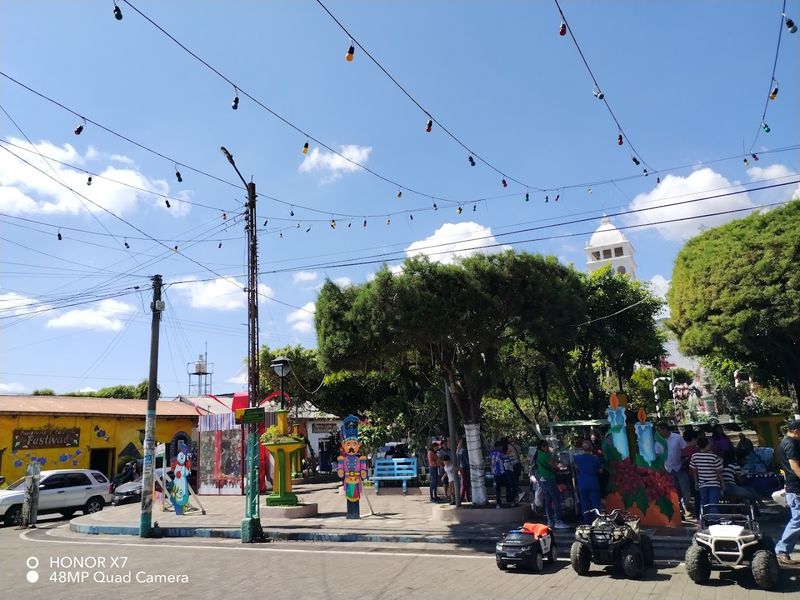
El Salvador does not always top travel lists, and that is exactly why Ruta de las Flores is such a find. This highland route connects small colonial towns through coffee country, mural-covered walls, waterfall hikes, and some of the best weekend food markets in all of Central America.
Few tourists know it. More should.
Juayúa hosts a famous weekend food festival where you can eat everything from grilled meats to creative local dishes for almost nothing. Ataco is the mural capital of the route, with walls painted in styles ranging from folk art to bold graphic work.
Apaneca offers coffee farm visits and a cooler mountain climate that feels like a genuine relief from coastal heat.
Travelers who love slow European village routes will feel right at home here, except the villages are Salvadoran, the coffee is exceptional, and nobody is fighting you for a table. That alone makes it worth the trip.
El Tunco, El Salvador
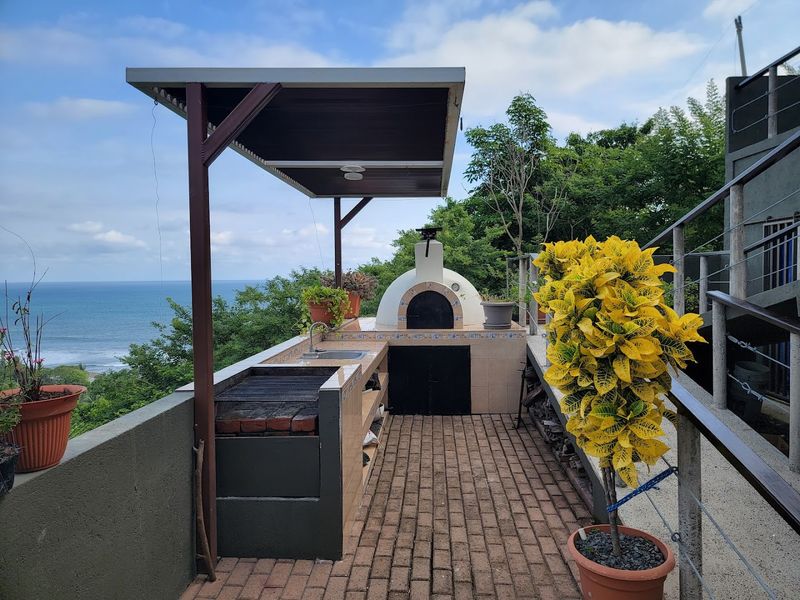
Black sand, crashing Pacific waves, and a surf-town energy that runs entirely on good vibes and fresh coconut water. El Tunco is small, loud at night, and completely unpretentious.
It does not try to be a luxury destination, and that is exactly what makes it work so well.
Surf lessons here are affordable and beginner-friendly, so first-timers are not just welcome, they are practically expected. The beach itself is dramatic rather than postcard-pretty, with dark volcanic sand and rocky formations that give it real character.
Sunsets over the Pacific from El Tunco are genuinely worth stopping for.
For travelers who want a beach escape with some energy, this beats paying European resort prices by a wide margin. Restaurants line the main strip with fresh seafood, cold drinks, and menus that do not require a second mortgage.
I spent four days here once and barely spent anything. The surf, though, was absolutely priceless.
Copán Ruinas, Honduras
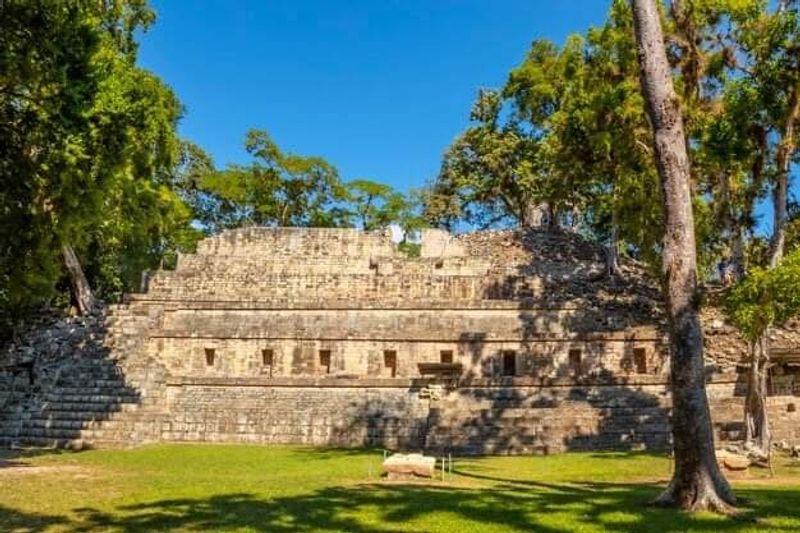
Copán Ruinas punches well above its weight. The town is small and walkable, the archaeological site nearby is world-class, and the combination of the two makes for one of the most rewarding stops in all of Central America.
The Hieroglyphic Stairway alone is worth the detour from anywhere.
The ruins at Copán are famous among archaeologists for their intricate stone carvings. Stelae depicting Maya rulers stand across the site with a level of artistic detail that rivals anything carved in ancient Rome or Greece.
The on-site museum houses some of the most impressive original Maya sculptures in the region.
Beyond the ruins, Copán town has good coffee shops, hot springs nearby, and a macaw sanctuary that makes for a surprisingly lovely afternoon. Europe’s ancient history is magnificent, but standing in front of a carved Maya altar in a tropical setting hits differently.
Quieter crowds, lower prices, and zero jet lag guilt.
Utila, Honduras
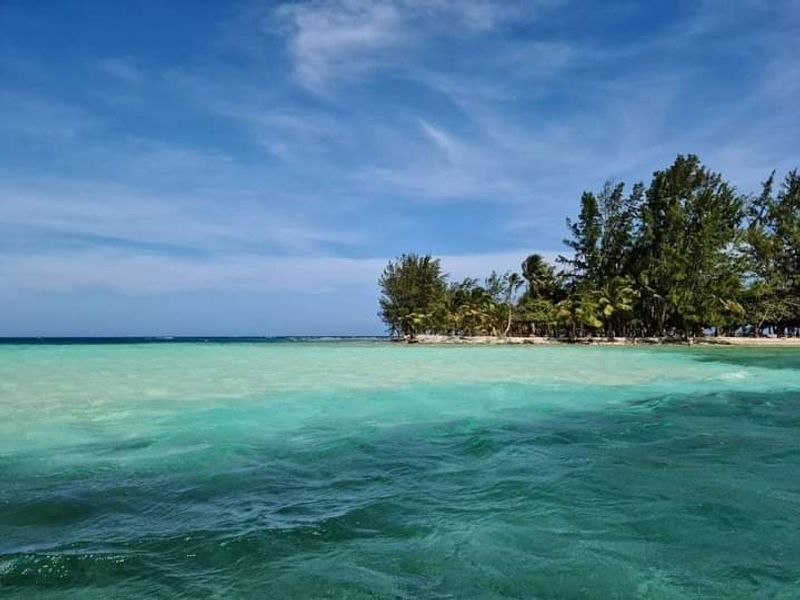
Utila has a reputation, and it is well-deserved. This small Bay Island has become one of the most affordable places in the world to get a scuba diving certification, which explains why it attracts a very specific and very enthusiastic type of traveler.
The reef is the main character here, and it plays the role brilliantly.
Whale sharks pass through Utila waters seasonally, making it a bucket-list stop for underwater wildlife enthusiasts. Even if you skip the diving, snorkeling the reef reveals an underwater world dense with color, movement, and marine life that Caribbean resorts elsewhere charge a fortune to access.
The island has a casual social scene, budget guesthouses, and simple restaurants that keep the whole experience accessible. European island escapes often come with sticker shock.
Utila’s version of island life runs on saltwater, sunscreen, and the kind of joy that comes from finally getting your dive certification at a fraction of the expected price.
León, Nicaragua
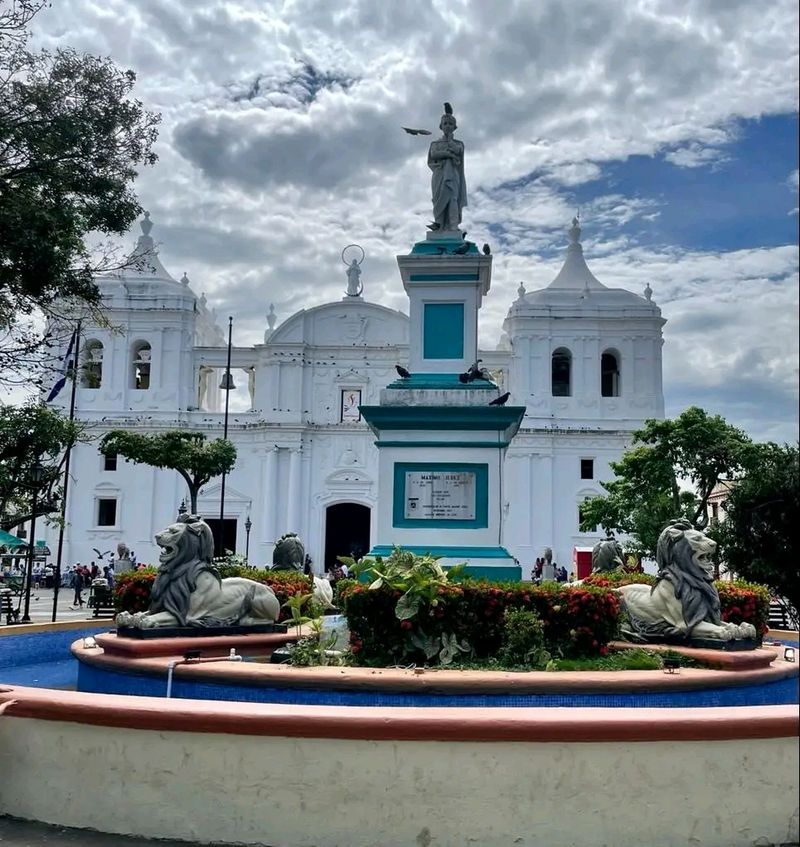
León is the kind of city that grabs you by the collar and says pay attention. Nicaragua’s cultural and intellectual capital has colonial architecture, revolutionary murals, rooftop cathedral walks, and the nearby Cerro Negro volcano where people actually sandboard down active volcanic slopes.
This is not your average old town visit.
The cathedral is the largest in Central America and worth every step of the climb to its rooftop for panoramic views over the city and surrounding volcanoes. Inside the city, museums cover Nicaragua’s complex political history with honesty and depth that adds real context to the streets outside.
León works well for travelers who want a city with genuine character rather than a polished tourist experience. Markets are lively, street food is excellent, and the student population keeps the energy young and interesting.
Compared to a European cultural weekend, León costs less, surprises more, and leaves you with stories that are far harder to replicate.
Granada and the Islets, Nicaragua
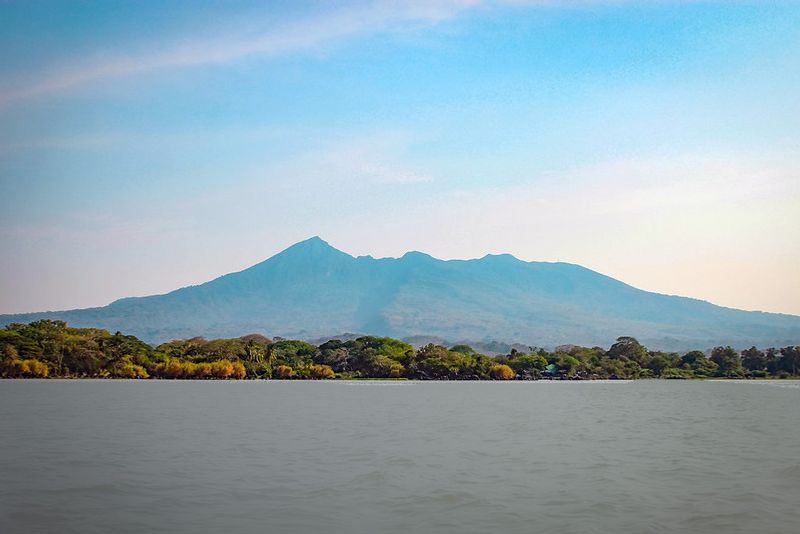
Granada has been called the oldest continuously inhabited European-founded city in the Americas, which is either impressive trivia or a great conversation starter at dinner, depending on your crowd. What matters more is that the city looks spectacular, with painted facades, horse-drawn carriages, and a lakeside setting that frames everything beautifully.
The Islets of Granada are a short boat ride from the city and genuinely worth the trip. Hundreds of tiny islands dot the edge of Lake Nicaragua, some with private homes, some with wildlife, and all of them offering a peaceful contrast to the city streets.
Howler monkeys and tropical birds are regular sightings along the route.
Granada works as both a destination and a base. Day trips to Mombacho Volcano, nearby markets, and Masaya Volcano National Park all connect easily from here.
For travelers who love the charm of a European colonial town but want a warmer, more colorful, and considerably cheaper version, Granada delivers without hesitation.
Ometepe Island, Nicaragua
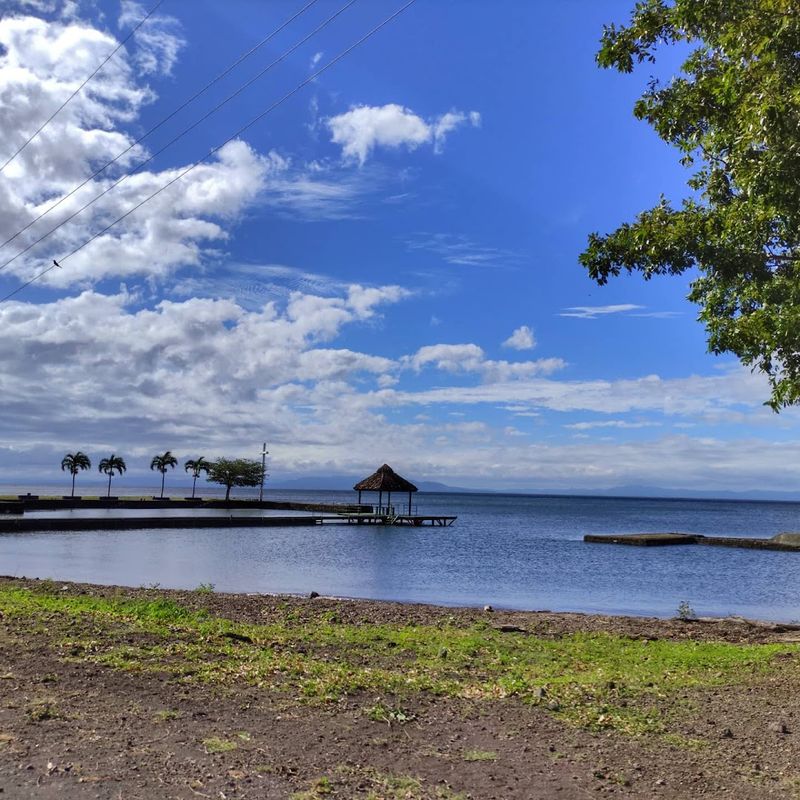
Two volcanoes rising from a freshwater lake sounds like something from a fantasy novel, but Ometepe Island is entirely real and entirely worth the ferry ride. The island’s unusual shape, formed by Concepción and Maderas volcanoes, creates a landscape that feels genuinely unlike anywhere else in Central America.
Hiking is the main draw, with routes up both volcanoes offering serious rewards for those willing to work for the views. But Ometepe also has petroglyphs, butterfly reserves, kayaking on the lake, and farm stays where you can genuinely slow down for a few days without staring at a screen.
The infrastructure is simple rather than polished, which is part of the appeal. Roads are rough, tuk-tuks are the main transport, and guesthouses lean toward rustic.
Travelers who find European lake destinations overrun and overpriced will appreciate Ometepe’s quieter rhythm. Freshwater views, volcano silhouettes, and zero cruise ship crowds make it quietly extraordinary.
La Fortuna and Arenal, Costa Rica
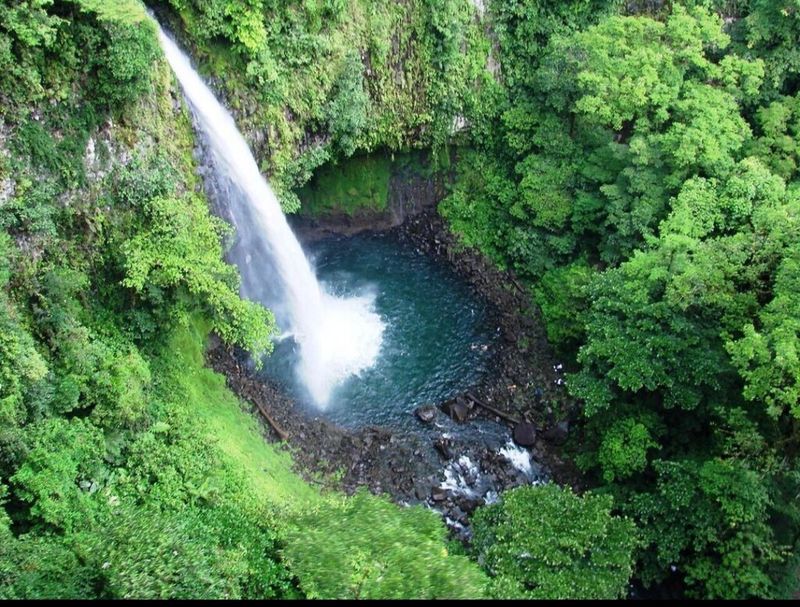
Arenal Volcano is one of those sights that makes you stop mid-sentence. A near-perfect cone rising above rainforest, with hot springs at its base and wildlife trails weaving through the jungle around it.
La Fortuna, the town nearby, has grown around this natural spectacle and done a solid job of making visitors feel welcome without losing the forest entirely.
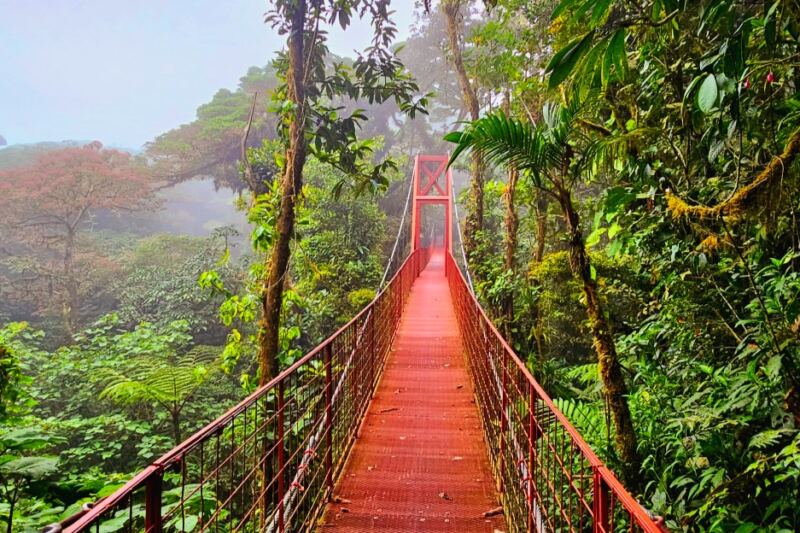
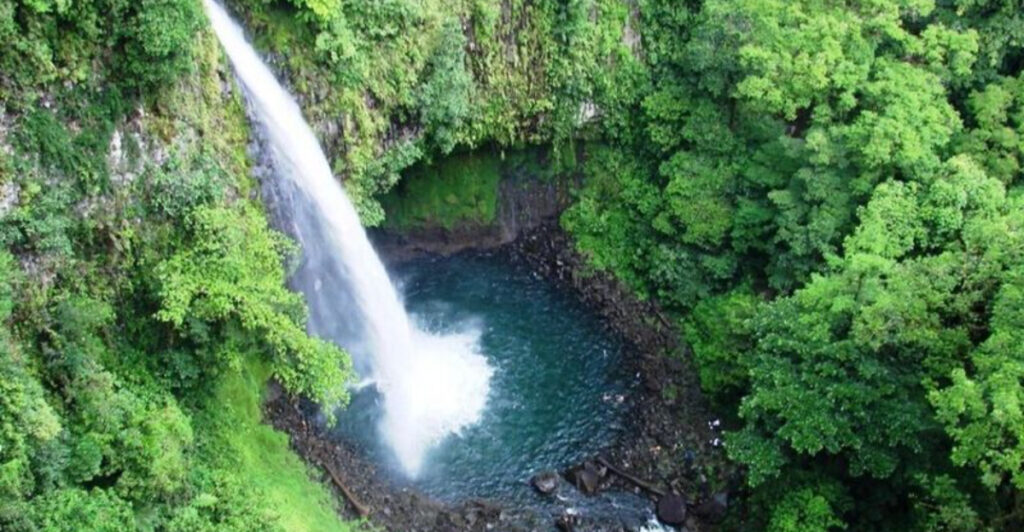
La Fortuna Waterfall is a short hike from town and genuinely impressive, dropping into a turquoise pool surrounded by jungle. Zipline tours, hanging bridges, and white-water rafting round out the adventure options for those who want more than a hot soak after a long hike.
First-time Central America visitors often start here because it is well-organized and easy to navigate. Budget options exist alongside mid-range choices, so the area does not have to break the bank.
For travelers who wanted European mountain spa towns, La Fortuna swaps the alpine charm for volcano drama and delivers something far more memorable.
Boquete, Panama
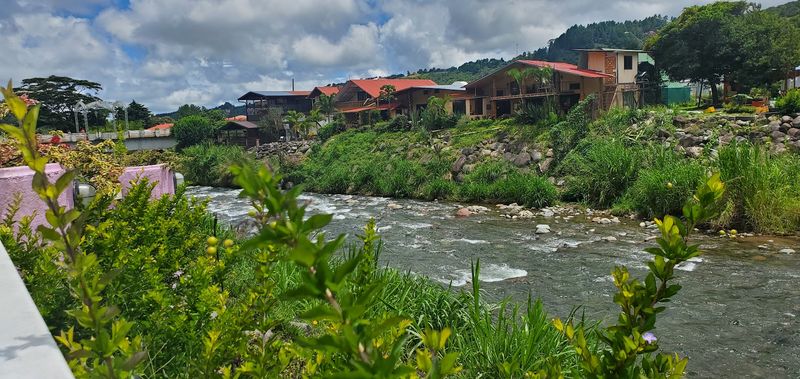
Boquete sits at about 1,200 meters above sea level in the Chiriqui highlands, and the air up there is cool, clean, and absolutely loaded with the smell of coffee. This is Panama’s highland escape, and it feels like a completely different country from the beaches and skyscrapers most people associate with Panama City.
Coffee estates here welcome visitors for tours that walk you through the full process from cherry to cup. Baru Volcano, the highest peak in Panama, looms over the town and offers a summit hike rewarded with views of both the Pacific and Caribbean on a clear day.
That two-ocean view is one of the more legitimately wild geographical facts in travel.
Boquete also has a strong birdwatching scene, with resplendent quetzals spotted in the cloud forest during nesting season. European alpine villages have their appeal, but Boquete trades ski lifts for coffee tastings and snowy peaks for cloud forest trails.
The trade feels very fair.
Bocas del Toro, Panama
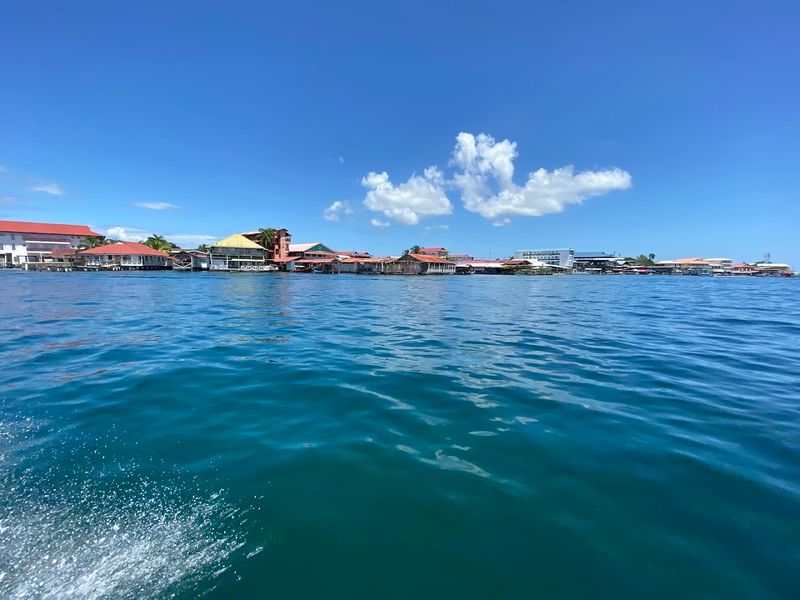
Bocas del Toro is the kind of place that appears on your social media feed and makes you immediately check flight prices. Wooden buildings on stilts over turquoise water, jungle-backed beaches, and an island-hopping setup that feels custom-built for people who refuse to stay in one spot too long.
It is as fun as it looks.
Isla Bastimentos is the standout for nature lovers, with red frog beaches, mangrove tours, and snorkeling spots that feel genuinely remote. Back on Isla Colón, the main hub, restaurants and bars line the waterfront with a casual Caribbean energy that invites you to stay one more night, then another, then probably a week.
Surfers, snorkelers, wildlife watchers, and dedicated beach loungers all find their groove here without stepping on each other. Bocas is social without being overwhelming.
For travelers who looked at Europe’s coastal hotspots and balked at the prices, this Caribbean archipelago offers a colorful, affordable, and personality-packed alternative that Europe simply cannot match.
Share this story