There is a small park in northeastern Illinois that punches well above its weight, and most people drive right past it without a second glance. Tucked along the banks of three converging rivers, it holds a restored 19th-century lockkeeper’s house, a working canal system, and trails that stretch for miles through some of the flattest, most quietly beautiful terrain in the state.
History buffs, birdwatchers, cyclists, and families with restless kids all find something worth their time here. By the time you finish this article, you will wonder why you have not already packed a picnic basket and pointed your car toward Channahon.
Where Three Rivers Meet: The Park’s Location and Layout
Few parks in Illinois can claim the geographic distinction that belongs to Channahon State Park. Officially addressed at 25302 W Story St, Channahon, IL 60410, this compact park sits precisely at the point where the DuPage River and the Kankakee River join to form the Illinois River, with the Des Plaines River running close alongside.
That convergence alone makes it a cartographer’s dream and a nature lover’s playground. The park covers a modest footprint, but the sheer variety packed into that space is genuinely surprising.
A paved parking lot greets visitors right off Story Street, and from there the trails fan out in multiple directions. Some paths hug the canal, while others cross bridges over the river channels, giving you a different waterway view at nearly every turn.
The park is open daily from 7:30 AM to 7 PM, and admission is free, which makes it an easy choice for a spontaneous afternoon outing. You can reach the park office by calling +1 815-467-4271, and more details are available at the Illinois DNR website for Channahon.
The Illinois and Michigan Canal: A Waterway That Changed Everything
Before railroads dominated American commerce, the Illinois and Michigan Canal was the economic lifeline of the entire Midwest. Completed in 1848, the canal connected the Chicago River to the Illinois River, creating a continuous water route between the Great Lakes and the Mississippi River system.
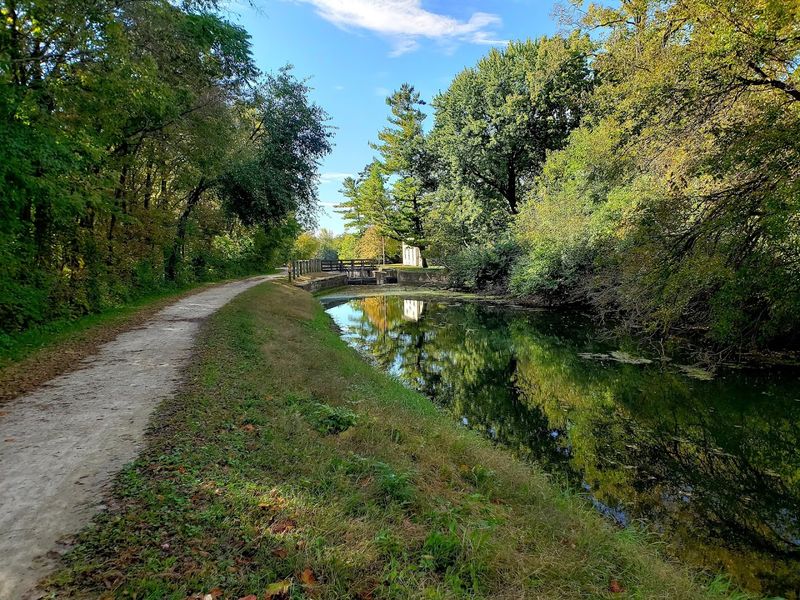
Channahon State Park preserves one of the most intact sections of this canal, and walking the towpath beside it feels like flipping back the pages of a history textbook to a chapter that actually makes sense.
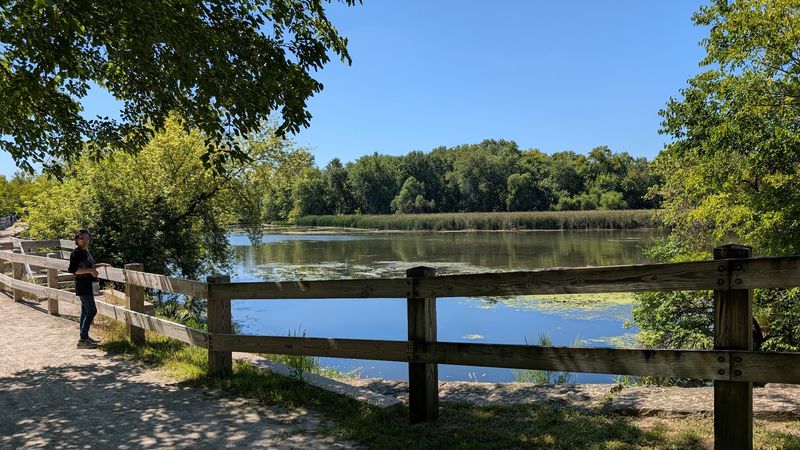
The canal water still flows here, calm and reed-lined, with turtles sunning on half-submerged logs and herons standing motionless in the shallows. The crushed limestone towpath that mule teams once walked is now a multi-use trail shared by joggers, cyclists, and casual strollers.
Interpretive signs placed along the route explain how the canal operated, what goods traveled through it, and why it eventually fell out of use as railroads took over. Those signs make even a short walk feel educational without feeling like a classroom lesson.
The canal is also part of the larger I&M Canal National Heritage Corridor, giving it federal recognition as a historically significant landscape worth protecting.
Lock 6 and the Lockkeeper’s House: Living History You Can Touch
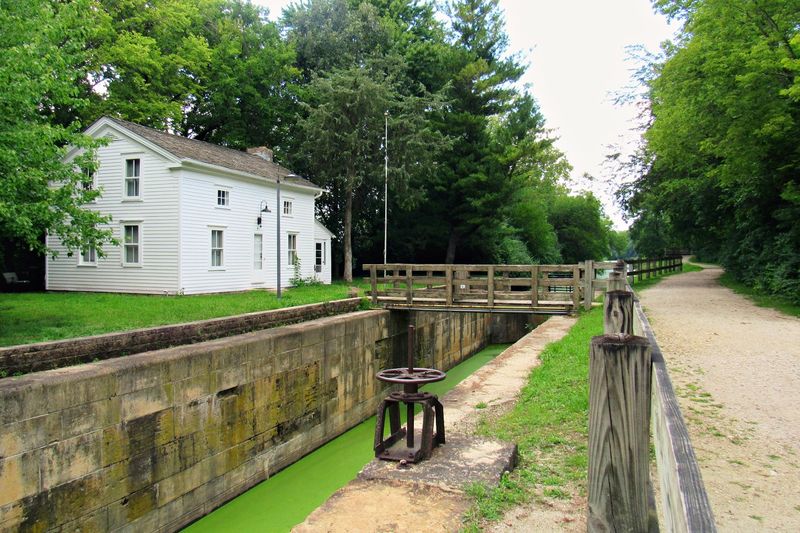
Canal Lock 6 is one of the few surviving lock structures from the original Illinois and Michigan Canal system, and it sits right inside Channahon State Park where you can walk up and put your hand on the worn stonework.
The lock was designed to raise and lower canal boats as the water elevation changed along the route, a clever piece of 19th-century engineering that required constant human supervision.
That human element is represented beautifully by the lockkeeper’s house standing just steps away. This restored wooden structure is one of only two original lockkeeper’s houses still standing anywhere along the entire canal route, which makes it genuinely rare.
Tours of the house offer a peek into the daily life of the families who lived and worked at the lock, managing boat traffic and maintaining the waterway through every season. The interior details, from period furniture to tools of the trade, bring those long-ago routines into sharp focus.
Even on days when tours are not running, the exterior of the house and the lock itself are open to view, and the stonework of the lock chamber is remarkably well preserved after nearly 180 years of existence.
The Channahon Dam: Water, Sound, and a Great Spot to Pause
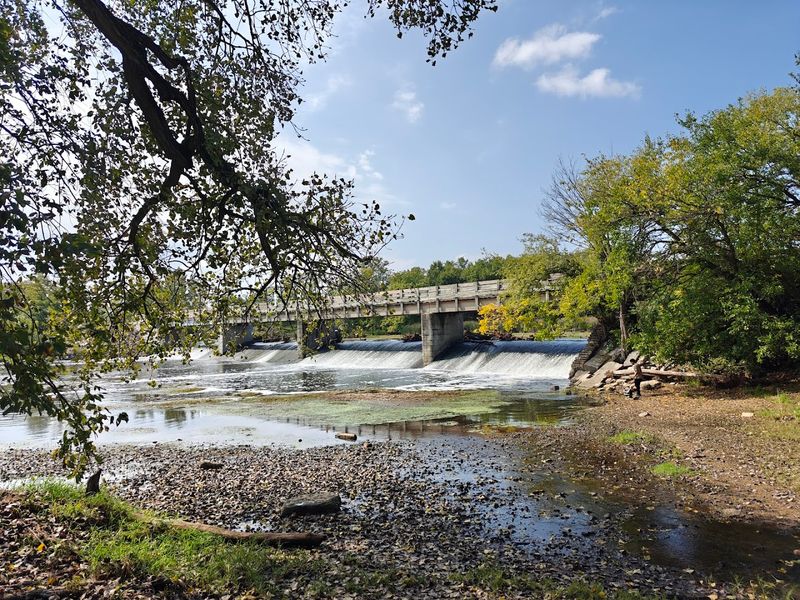
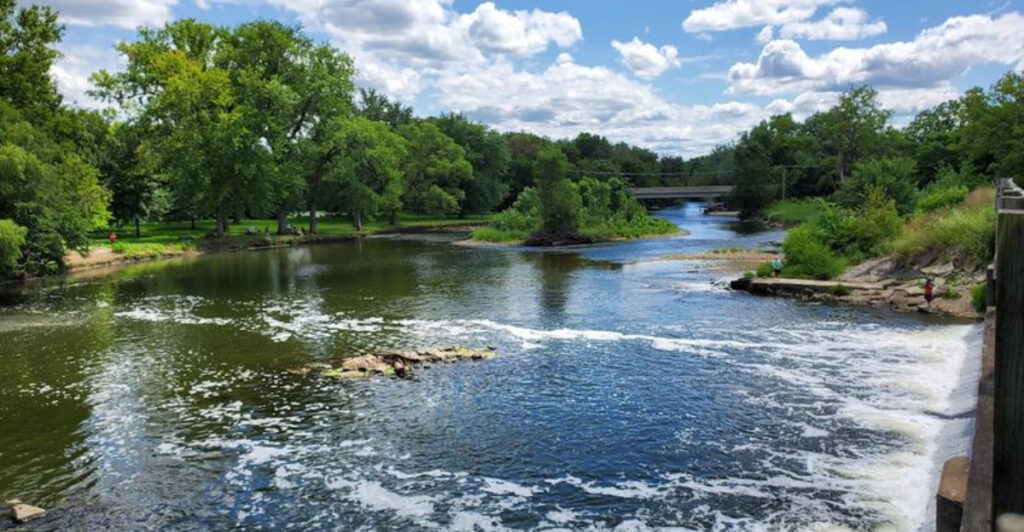
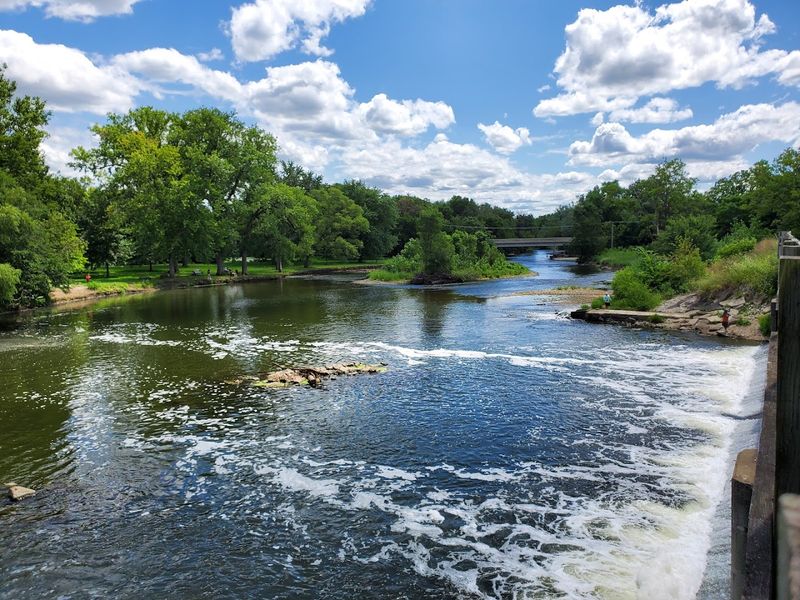
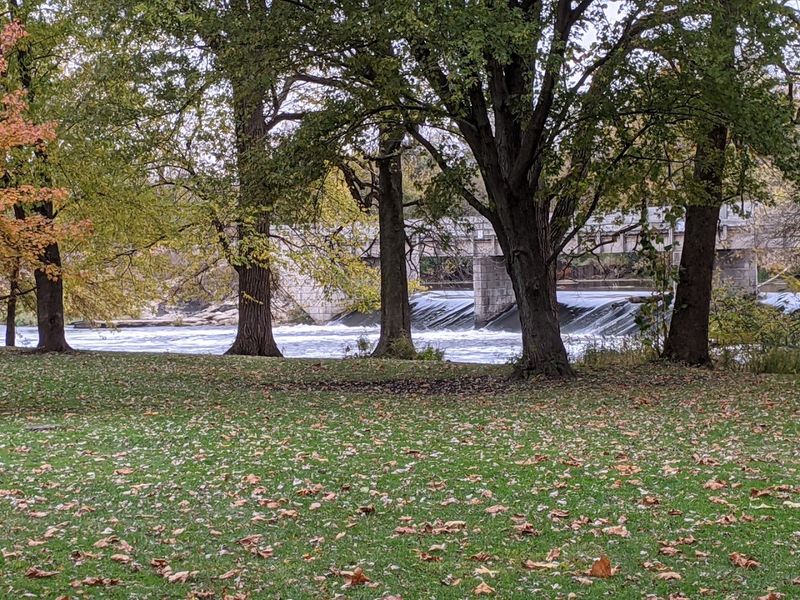
There is something deeply satisfying about standing near a dam and watching water do exactly what physics tells it to do. The Channahon Dam spans the DuPage River just inside the park, and the steady rush of water over its concrete edge is one of those sounds that instantly slows your heartbeat.
The dam is not enormous by any measure, but its scale is exactly right for this setting. It creates a small but dramatic waterfall effect that photographers, painters, and anyone who just needs a quiet moment tend to gravitate toward naturally.
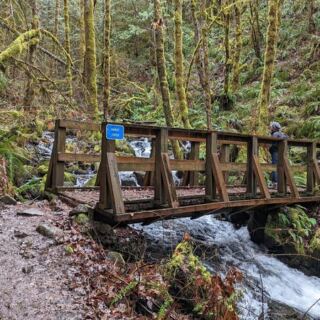
A viewing area near the dam gives you a clear sightline to the cascade, and a nearby bridge lets you cross over and look back at the whole scene from a different angle. The contrast between the churning water at the spillway and the flat, glassy surface upstream is visually striking in any season.
In spring, when snowmelt swells the river, the dam runs with considerably more force and the sound carries across the whole park. In late summer, the flow quiets down and the exposed rocks below the spillway attract shorebirds picking through the shallows for a meal.
Trails for Every Pace: Hiking and Biking Through the Corridor
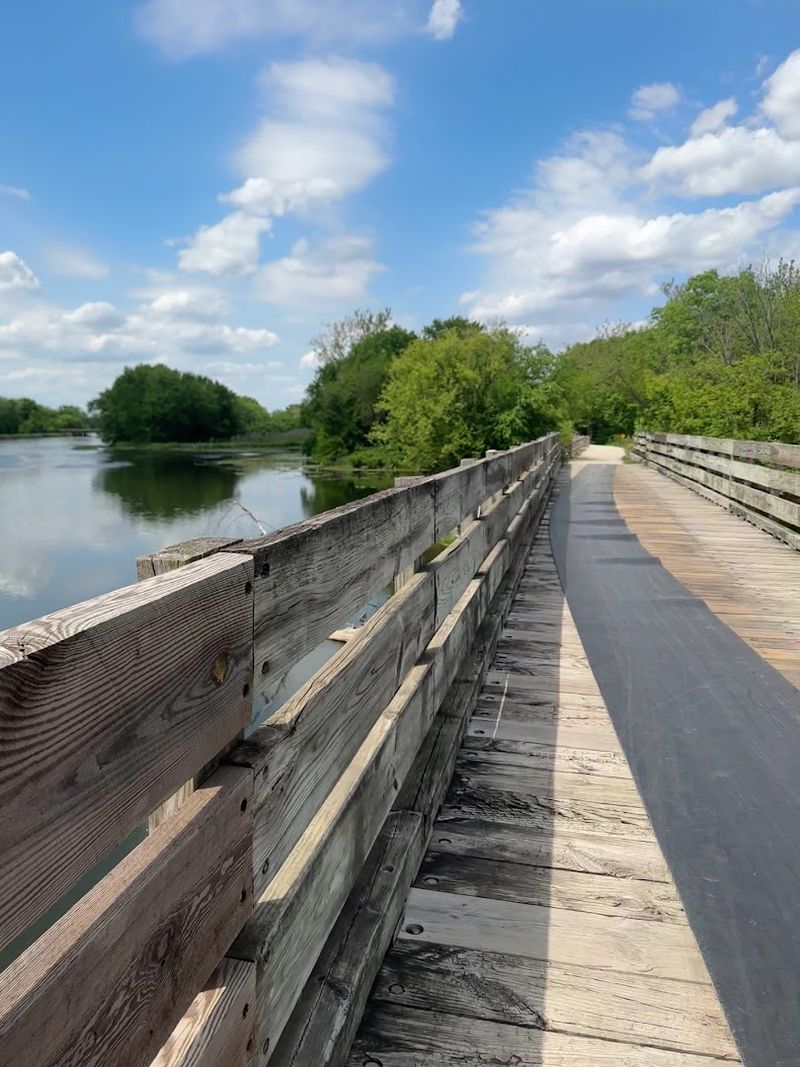
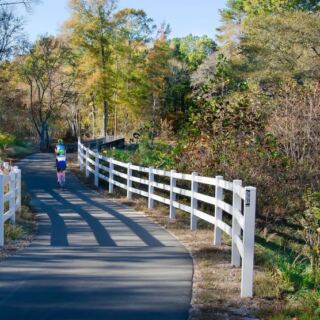
The trail network at Channahon State Park is one of its biggest practical selling points, and it connects to a much larger system that extends well beyond the park’s boundaries. The main towpath trail runs along the I&M Canal and is surfaced with crushed limestone, keeping it accessible for cyclists, joggers, and walkers of all fitness levels.
Heading east from the park, the trail leads toward the Four Rivers Forest Preserve roughly a mile away. Push a bit further and McKinley Woods Forest Preserve appears about three miles down the path, offering additional picnic areas and wooded terrain.
The trail between the canal and the Des Plaines River is particularly scenic, because you have water on both sides for a good stretch of the route. That double-water corridor keeps things interesting and gives the walk a slightly adventurous feel even on a flat, paved surface.
Trail etiquette here is noticeably good. Cyclists call out before passing, and the pace feels relaxed rather than competitive.
Dogs are welcome on leash, and the well-marked paths mean you are unlikely to take a wrong turn even on your first visit.
Birdwatching and Wildlife: More Than You Might Expect
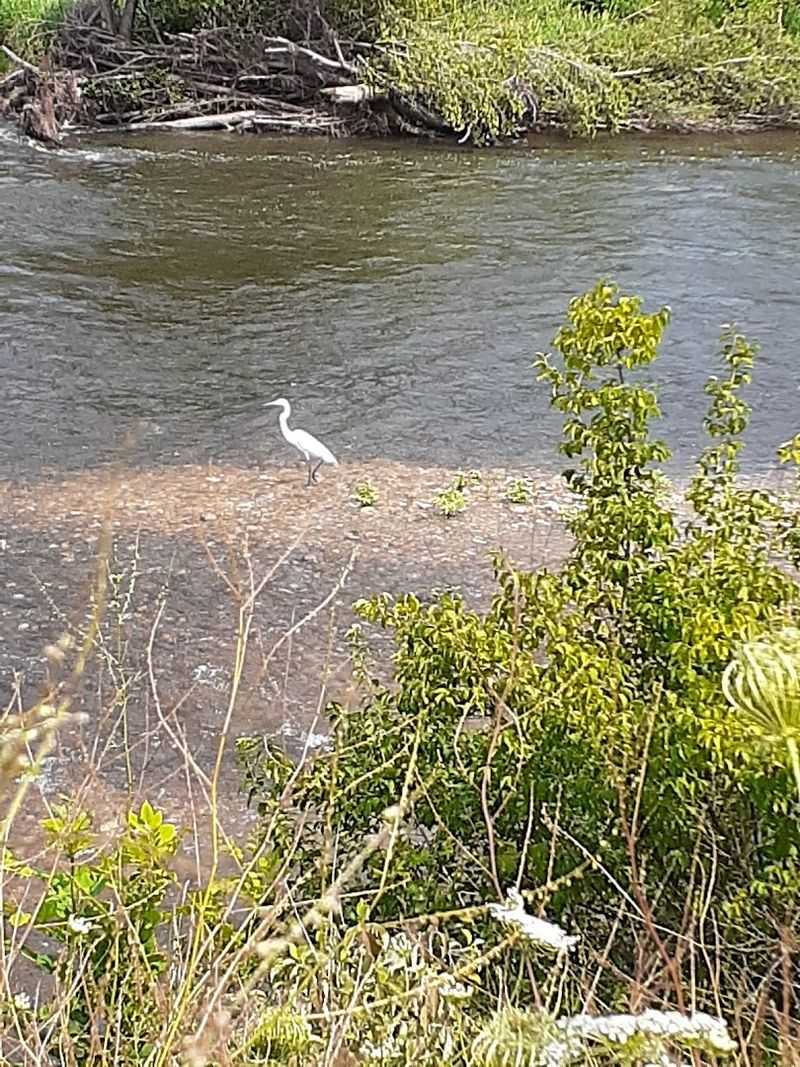
The confluence of three river systems creates exactly the kind of layered habitat that birds and wildlife need, and Channahon State Park delivers a surprisingly rich roster of species for such a small area. Great blue herons are practically permanent residents here, and you will almost certainly spot at least one motionless in the shallows during any visit.
Spring and fall migration seasons push the birdwatching potential to another level entirely. The park sits along a natural flyway corridor, and warblers, shorebirds, waterfowl, and raptors all use the river and canal areas as stopping points during their seasonal journeys.
Bald eagles have been reported in winter months, perching in the tall cottonwoods along the riverbank and scanning the water below. White-tailed deer move through the wooded edges of the park in the early morning and evening hours, and turtles are visible on almost any warm day.
Anglers and birders tend to share the same stretches of riverbank here in comfortable coexistence, both focused on the water and neither bothering the other. Bring binoculars if you have them, because the canal’s open water and the surrounding tree canopy create perfect viewing conditions from the towpath.
Fishing Along the Rivers and Canal: Cast a Line and Stay a While
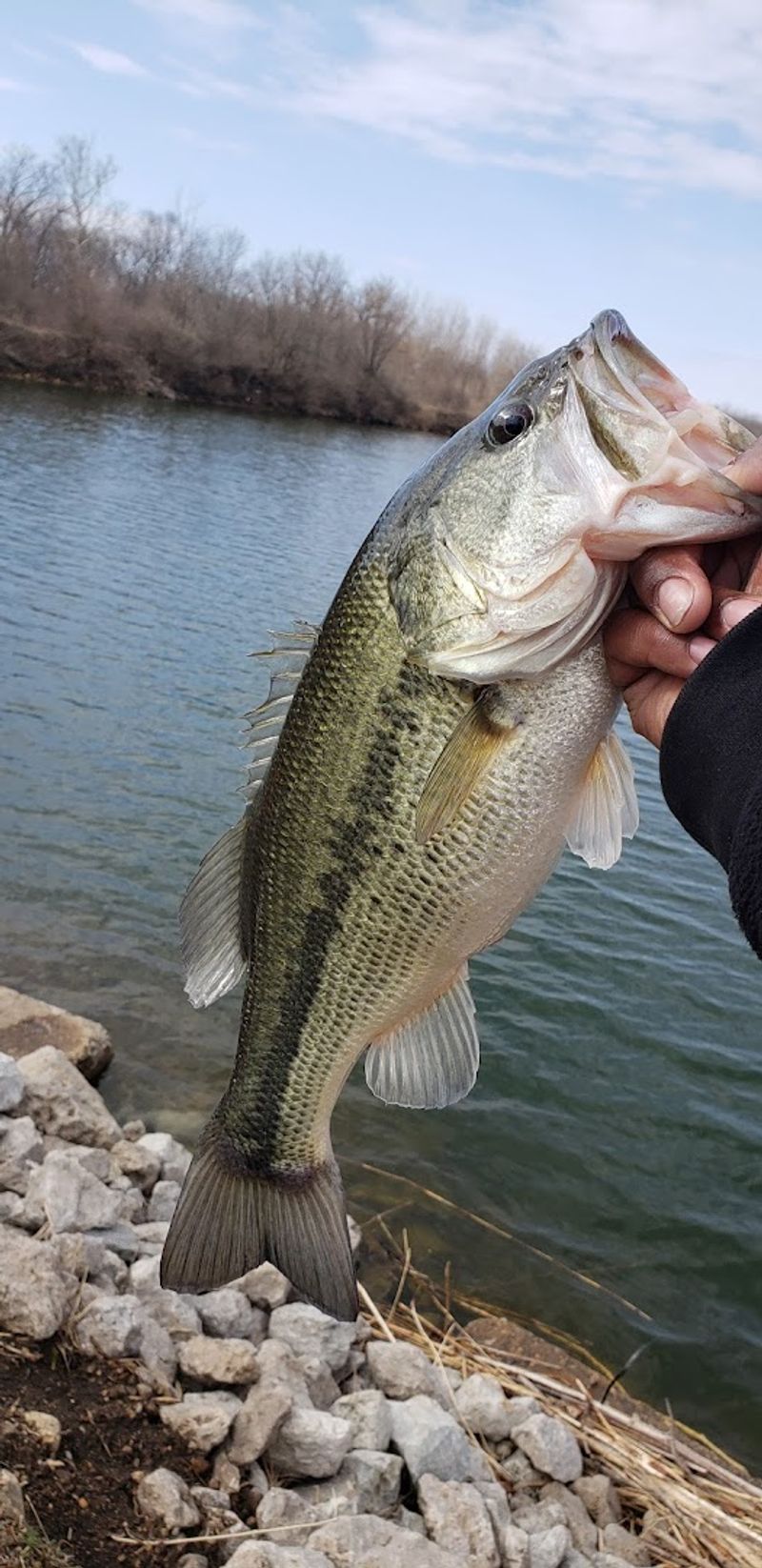
Anglers have been coming to Channahon State Park for generations, and the park’s position at a major river confluence makes the fishing here genuinely productive rather than merely scenic. The DuPage, Des Plaines, and Illinois rivers all come within easy reach of the park’s trails and bridges, and the canal itself holds fish as well.
Catfish, bass, and various panfish species are regularly pulled from these waters. The bridge near the dam is a popular casting spot, and on busy weekends you will often see a row of fishing lines hanging over the railing while kids peer down into the current below.
The canal sections tend to attract quieter, more patient anglers who prefer to set up along the bank with a cooler and a folding chair and let the afternoon pass slowly. That pace suits the park’s overall atmosphere perfectly.
No boat launch is available within the park itself, but kayaks and canoes can be put in at nearby access points along the canal, and the flat water makes paddling accessible even for beginners. The combination of fishing and paddling options gives the park real versatility for anyone who likes their recreation tied to water.
Tent Camping Under the Trees: A Simple, Satisfying Night Out
Tent camping at Channahon State Park is the kind of experience that reminds you how little you actually need to have a good night outdoors. The campground is primitive by design, meaning no electrical hookups and no RV pads, just flat ground, a picnic table, and the sound of the river not far away.
Each site comes with a fire ring and grill, and the clean pit toilet facilities are within easy walking distance of the camping area. The setup is honest and uncomplicated, which tends to attract campers who are there for the experience rather than the amenities.
Waking up to birdsong and the faint smell of the previous night’s campfire is a specific kind of morning that fans of tent camping recognize immediately. The park’s compact size means you are never far from the trails, so an early morning walk along the canal before anyone else arrives is entirely doable.
Reservations through the Illinois DNR system are recommended during peak spring and summer weekends, as the sites fill up faster than the park’s modest profile might suggest. The combination of history, water access, and a real campfire makes this one of the better primitive camping options in the greater Chicago metropolitan area.
Planning Your Visit: Practical Tips for Getting the Most Out of Channahon
A few practical details can turn a good visit to Channahon State Park into a great one. Parking is free and available directly off Story Street, with enough spaces to handle a moderately busy weekend without much stress.
The lot fills quickly on warm Saturday mornings in spring, so arriving before 9 AM gives you the best pick of spots.
The park is open every day of the week from 7:30 AM to 7 PM, which gives you a solid window for a half-day outing or a full day of trail walking and picnicking. Restrooms are available on site, and several picnic shelters with grills are scattered throughout the grounds.
Wear comfortable walking shoes with decent grip, especially if you plan to explore near the dam or along the canal banks where the ground can be uneven. Bringing insect repellent from late spring through early fall is a smart move, as the riverbanks attract mosquitoes in the warmer months.
The park connects directly to the I&M Canal Trail, so a bike makes the experience significantly more expansive. For more information or to check current conditions, the Illinois DNR website at dnr.illinois.gov covers everything from camping reservations to seasonal closures.
Share this story