 Unearth The Voyage
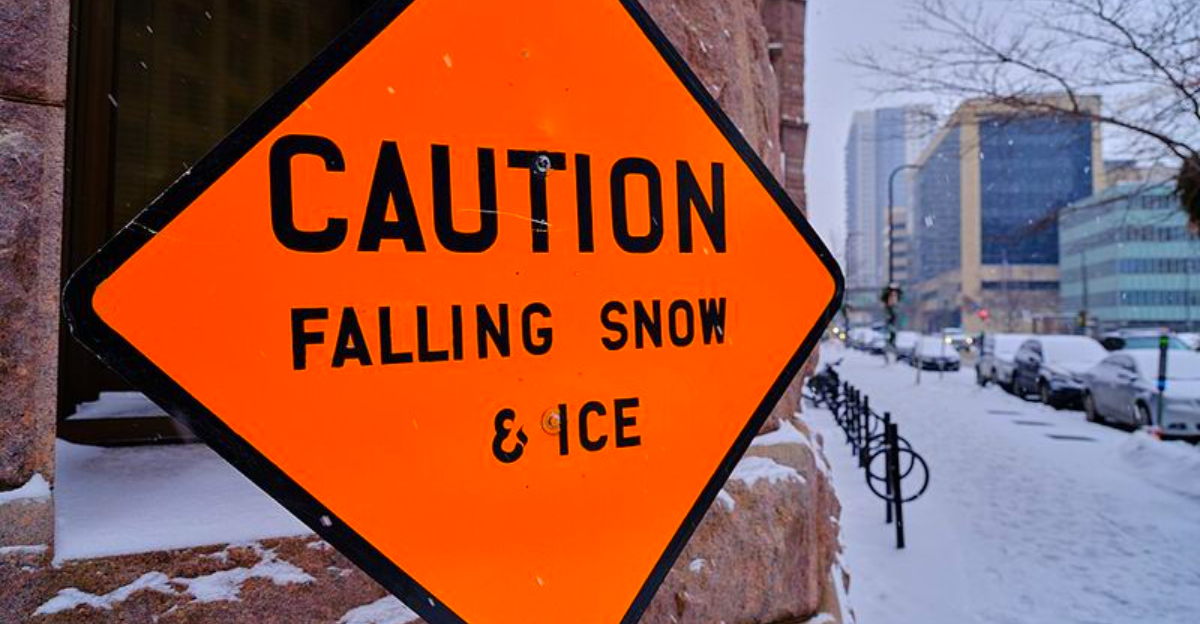
Minnesota is reeling as fierce snow, whipping winds, and bitter cold hammer daily routines and test patience. Minneapolis remains under a snow emergency, and you can feel the urgency as plows grind through drifts while flights and commutes unravel. The most heartbreaking news comes from MSP Airport, where a worker was fatally struck by a snowplow amid whiteout conditions. If you need to be out, this guide helps you navigate rules, safety, and what to watch next.
Minneapolis Snow Emergency Rules You Must Follow
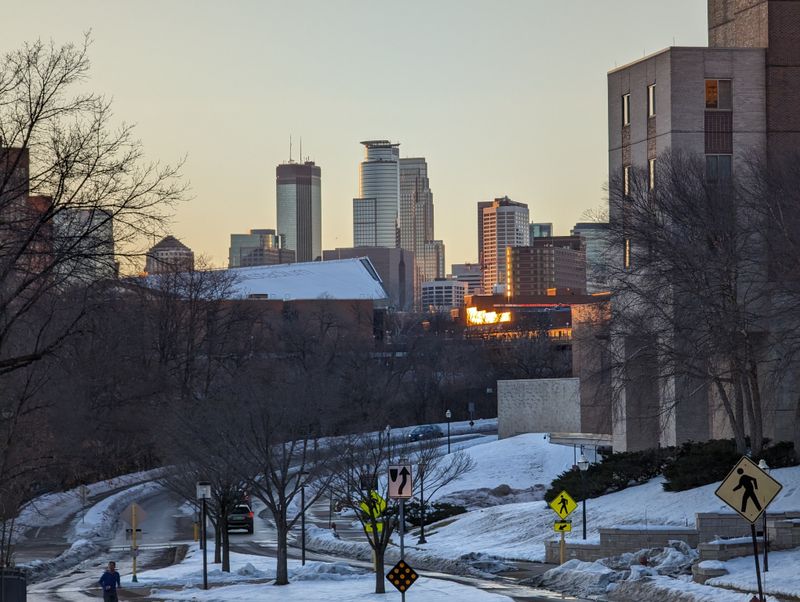
Minneapolis has activated a multi day plan to clear streets fast, and parking compliance makes or breaks that mission. Day 1 bans parking on Snow Emergency routes overnight until fully plowed. Day 2 prohibits parking on the even side of non routes and on both sides of parkways. Day 3 restricts the odd side of non routes.
Check posted signs and the city map before moving your car, because ticketing and towing continue through the snow emergency timeline. Sign up for alerts so you know when plows are scheduled. If your block is done early, rules still apply unless the city says otherwise.
Tragic Snowplow Death at MSP Airport
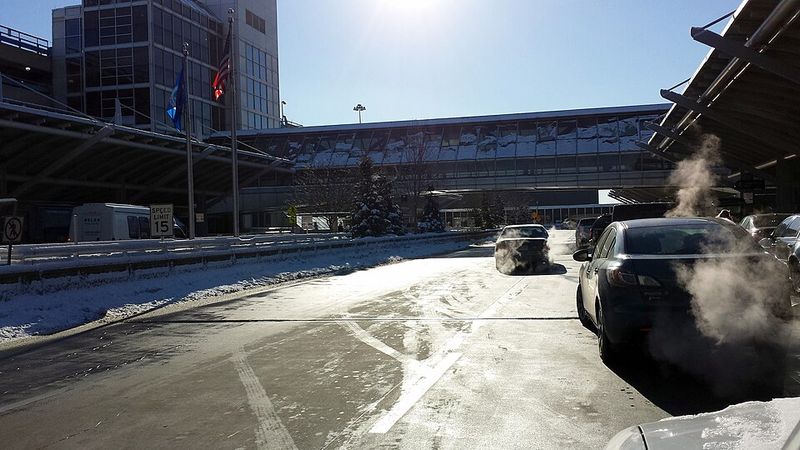
Authorities confirmed a fatal snowplow incident at Minneapolis Saint Paul International Airport that occurred Tuesday evening during intense snowfall and reduced visibility. The victim, an airport employee, was struck in a parking area near Terminal 2 as conditions rapidly deteriorated. Investigators are reviewing surveillance, vehicle telemetry, and operator statements.
You can honor this tragedy by choosing caution in active work zones and yielding wide space to snow removal crews. Slow to a crawl, maintain eye contact with drivers when possible, and avoid walking behind equipment. Grief counselors are supporting staff, and officials will publish findings once the investigation concludes.
Travel and Flight Disruptions Across Minnesota
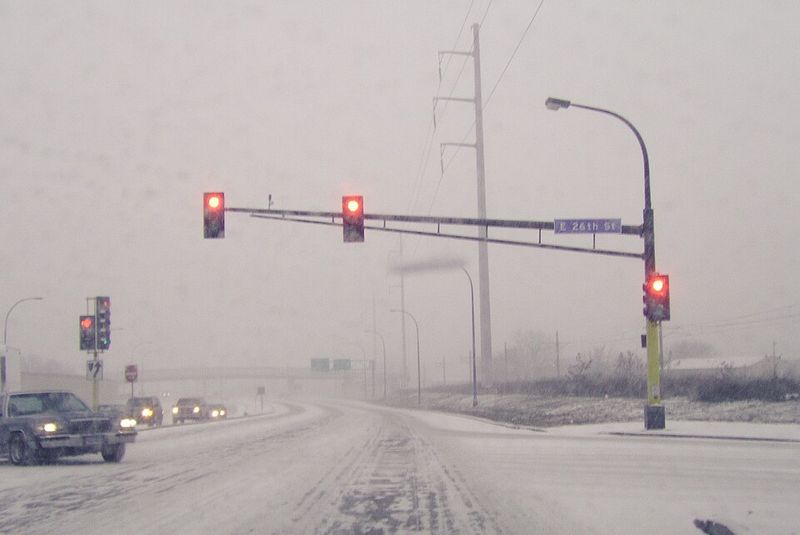
Whiteouts and slick roads have pushed travel into dangerous territory, with spinouts, jackknifes, and stranded vehicles increasing by the hour. Airlines at MSP have stacked delays and cancellations, cascading into missed connections. If you must fly, rebook early, track your flight in the app, and plan for security lines moving slowly.
On highways, reduce speed, abandon cruise control, and keep eight to ten seconds of following distance. If conditions worsen, exit safely and wait it out. Metro Transit alerts may change routes or suspend service. Keep charging cables handy, and store printed directions in case batteries fail.
How to Park and Shovel Without Getting Ticketed or Towed
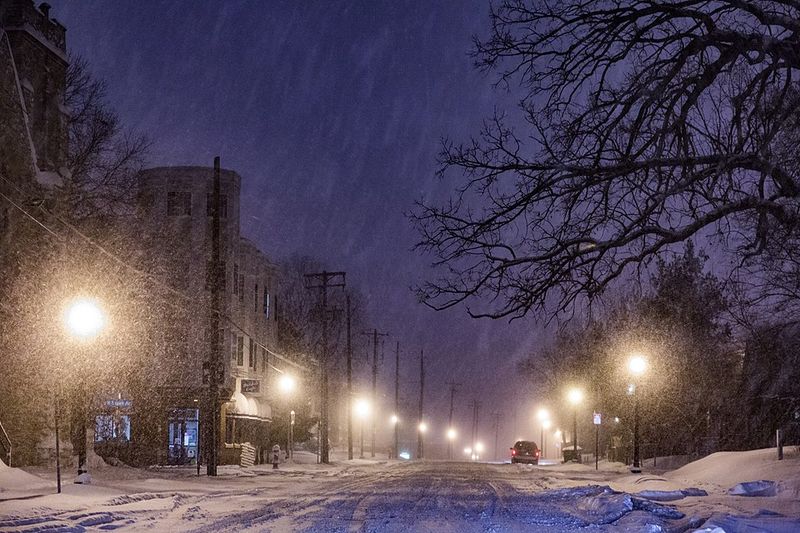
Before shoveling, move your vehicle according to the correct day restrictions so plows can clear the lane curb to curb. Do not shovel snow back into the street. Clear sidewalks the full width within the required timeframe, and keep hydrants visible from the street.
When you park, line tires near the curb and leave room at corners and alleys so plows swing through. If unsure which side is even or odd, check house numbers or a streetlight pole. Keep crosswalks and ADA ramps open. Fines and towing costs add up fast, so verify rules twice.
Health and Safety: Prevent Injuries and Frostbite
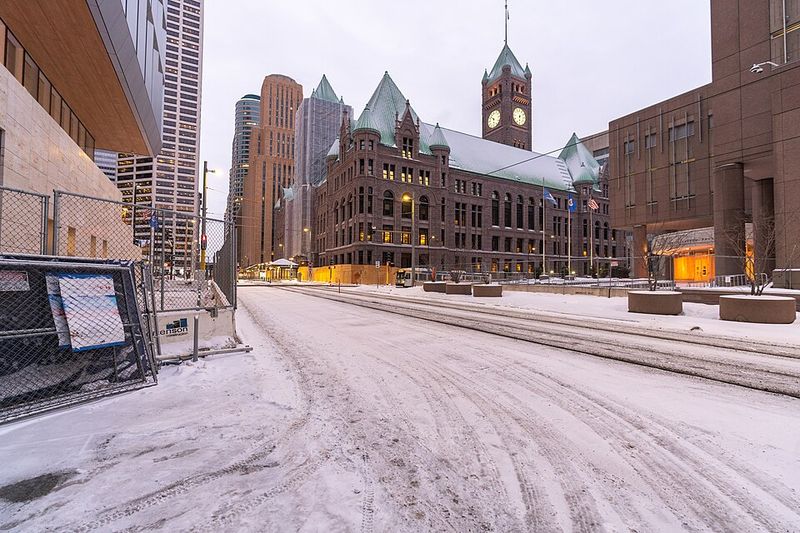
Shoveling wet, wind packed snow is hard on your back and heart, so warm up first and use smaller scoops. Work in intervals and drink water. Wear moisture wicking layers, a wind resistant outer coat, insulated gloves, and boots with traction to reduce slips.
For frostbite, look for numbness, pale or gray skin, and waxy texture. Get indoors, warm gently, and avoid rubbing. If you experience chest pain or dizziness while shoveling, stop immediately and call 911. Keep a buddy system when snowblowing, and never clear a jam with the engine running or hands near the auger.
Road Conditions, Whiteouts, and Rural Risks
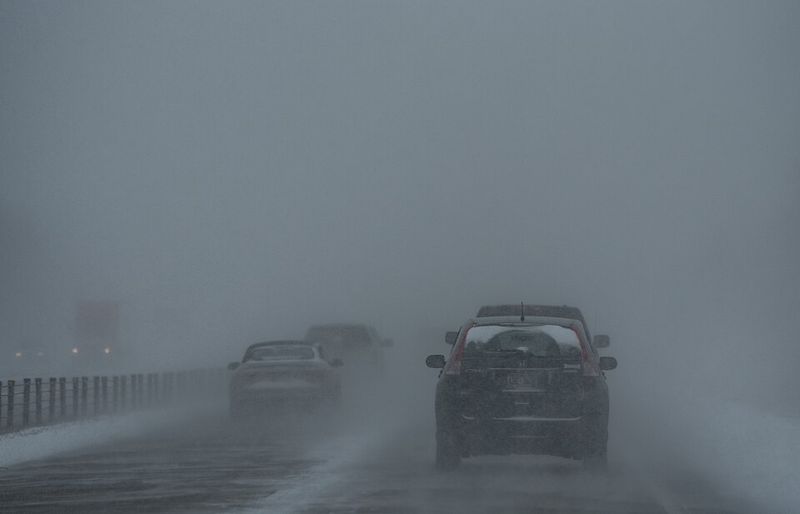
Gusty winds are drifting snow across open fields, rebuilding berms minutes after plows pass. Rural highways and county roads can flip from clear to blind in a heartbeat, especially near tree breaks and bridges. If you lose the centerline, slow down, follow reflective markers, and consider turning back.
Carry a winter kit: blankets, water, snacks, shovel, traction grit, jumper cables, and a phone power bank. If stranded, stay with your vehicle, crack a window slightly, and check the tailpipe often. Let someone know your route. In true whiteouts, hazard lights can mask your position, so use caution.
Community Support, Alerts, and What Comes Next
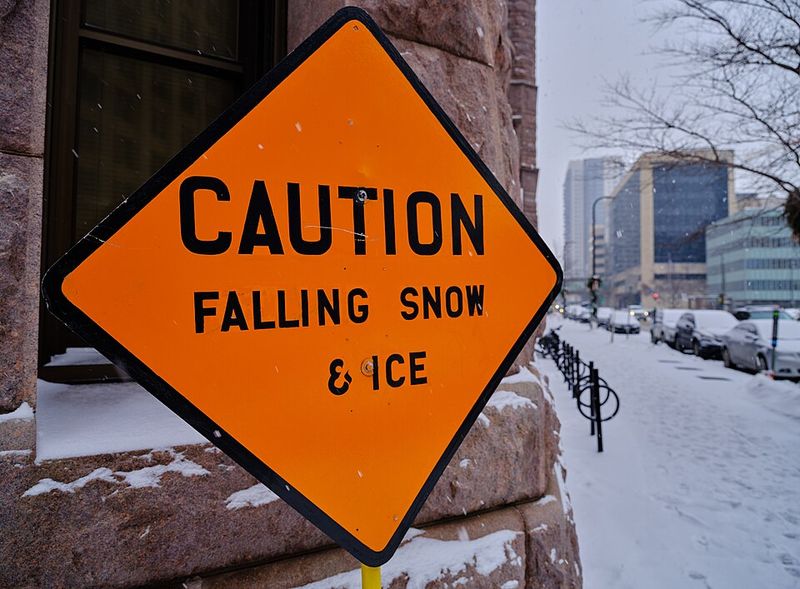
Stay plugged into official alerts from the National Weather Service, Minnesota DOT, and the City of Minneapolis. Enable text and email notifications for snow emergency updates and plow progress. Check neighbors, especially seniors, and clear shared sidewalks so mail and deliveries continue safely.
Expect additional accumulation and intermittent blowing snow through midweek, with frigid wind chills settling afterward. Keep salt stocked, top off windshield fluid, and park according to each day schedule. As cleanup advances, report missed spots via 311. Your patience and vigilance help crews finish faster, and every small kindness ripples through the block.



