Soccer has always had its share of tough, uncompromising players who left opponents bruised, rattled, and sometimes outright terrified. These were the enforcers, the warriors, and the boundary-pushers who redefined what it meant to compete at the highest level.
Some were celebrated for their tenacity, while others became infamous for going well beyond the limits of fair play. Here is a look at 14 of the most notorious hard men ever to lace up a pair of cleats.
1. Vinnie Jones (Wales)
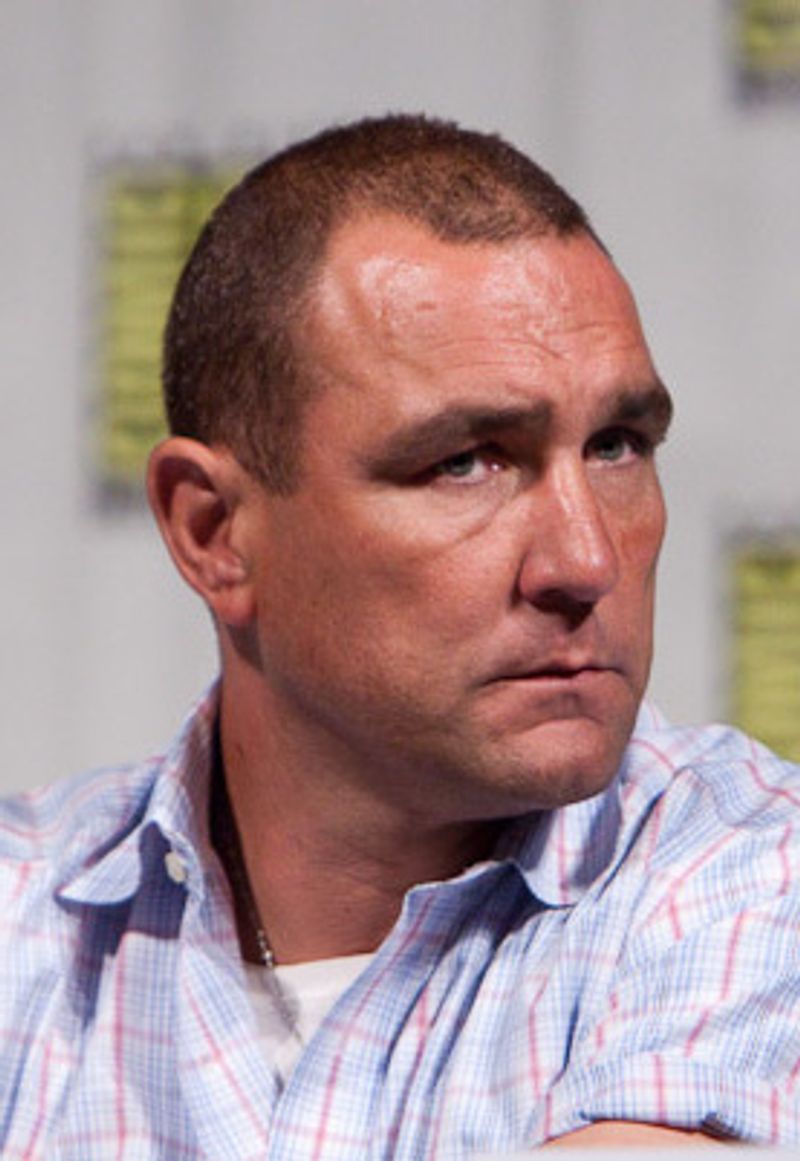
Few players have ever walked onto a football pitch and made an entire stadium nervous just by showing up. Vinnie Jones was exactly that kind of player.
He made his name at Wimbledon as part of the infamous “Crazy Gang,” a group of players known for physical, no-nonsense football.
Jones was famous for his crunching tackles and his ability to intimidate opponents before the game even started. His infamous grip on Paul Gascoigne in a pre-match photo became one of the most recognized images in English football history.
He accumulated yellow and red cards at a remarkable rate throughout his career. After retiring, Jones transitioned into acting, appearing in movies like “Lock, Stock and Two Smoking Barrels.” His reputation as a hard man followed him off the pitch and made him a true cult figure in football history.
2. Roy Keane (Republic of Ireland)
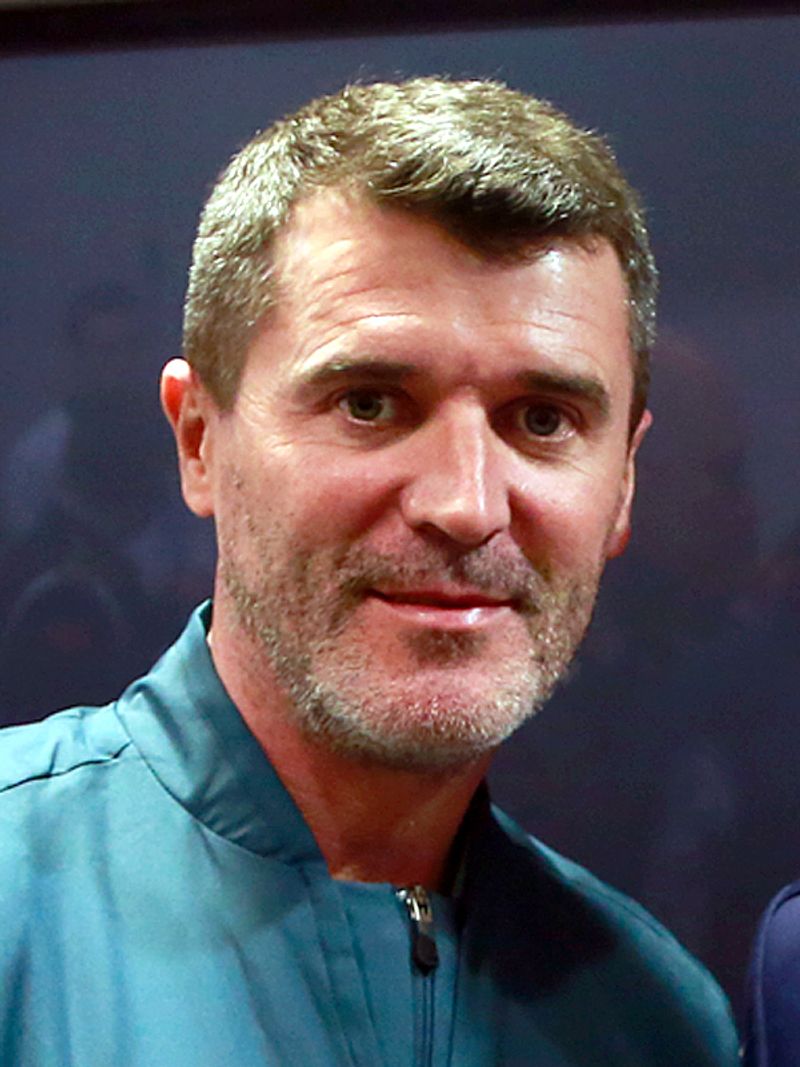
Roy Keane did not just play football; he commanded it. The Manchester United captain was widely regarded as one of the most ferocious midfielders of his generation, combining elite skill with an almost frightening will to win.
His 2001 tackle on Alf-Inge Haaland at Manchester City became one of the most controversial moments in Premier League history. Keane later admitted in his autobiography that the challenge was deliberate, which shocked the football world and resulted in a lengthy ban.
Beyond his aggression, Keane was a genuinely world-class player who led United to multiple Premier League titles and the 1999 Champions League. His intensity and leadership made him feared and respected in equal measure.
He remains one of the most discussed and debated figures in the modern game, a player who blurred the line between brilliance and brutality.
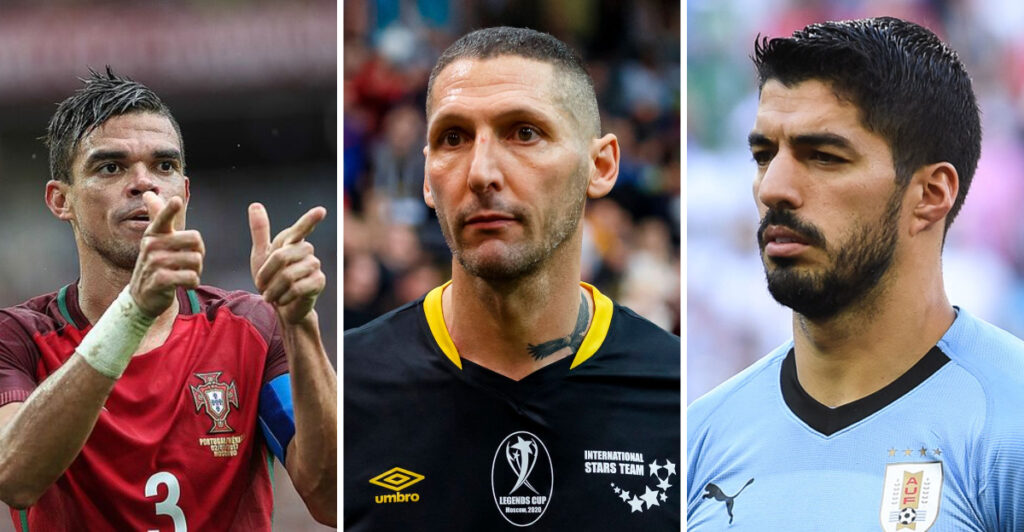
3. Pepe (Portugal)
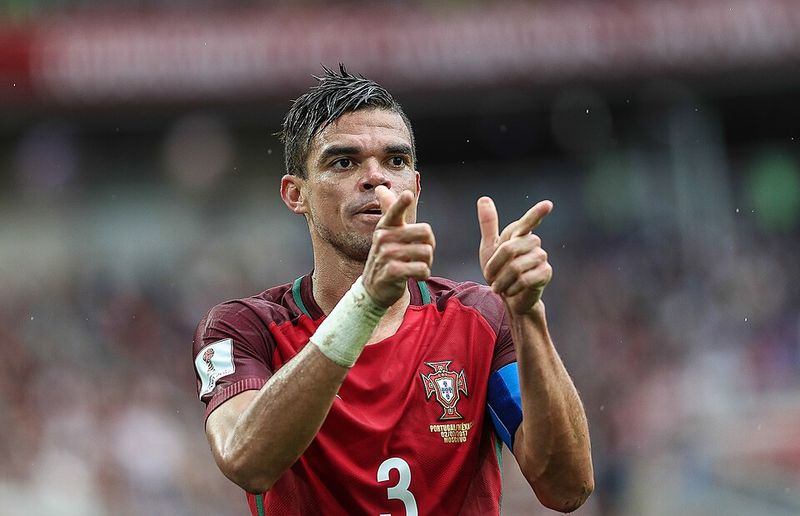
Pepe built his reputation as one of the most feared defenders in world football during his long career at Real Madrid. He was exceptional in the air, strong in the tackle, and utterly relentless in his pursuit of opposing attackers.
However, it was his darker moments that cemented his place on this list. He was involved in numerous controversial incidents, including a shocking stamp on Getafe midfielder Javi Casquero’s hand during a La Liga match that earned him a three-match ban.
His battles with Lionel Messi in El Clasico matches were legendary for their intensity and occasional nastiness. Pepe never backed down from a confrontation, which made him both a nightmare for opponents and a polarizing figure for neutrals.
Even deep into his 30s, his competitive fire showed absolutely no signs of cooling down whatsoever.
4. Sergio Ramos (Spain)
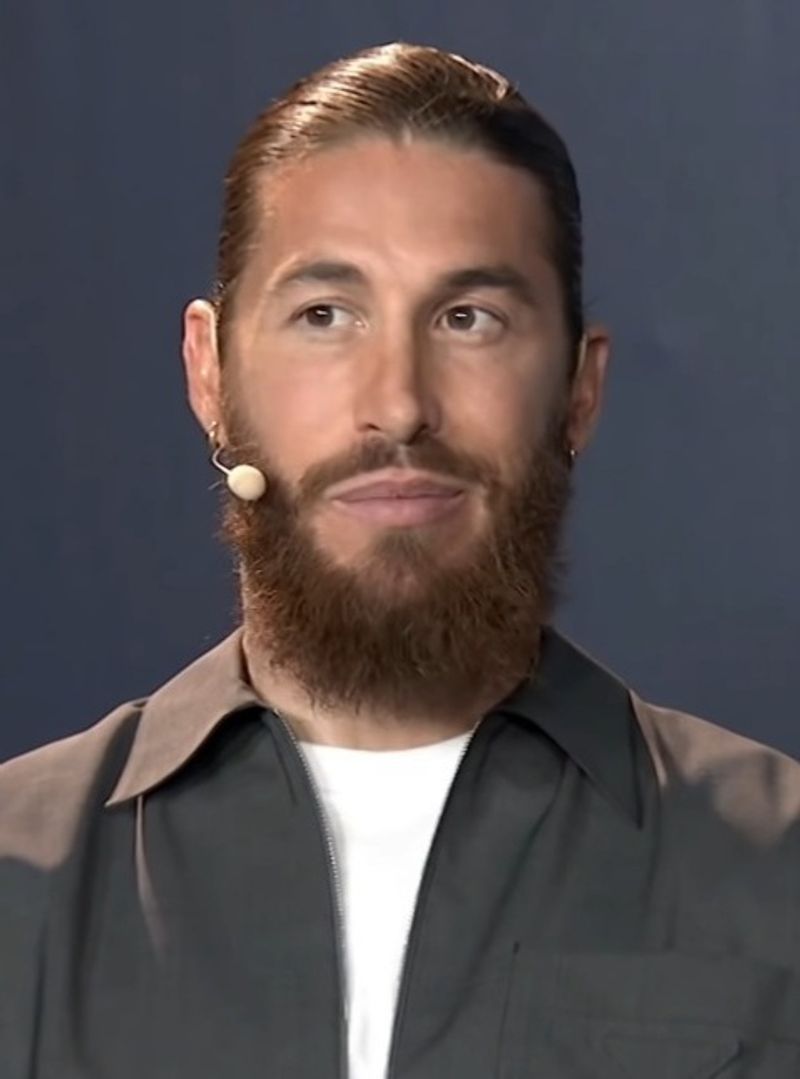
Sergio Ramos collected red cards the way other players collect trophies. The Spanish captain holds the record for the most red cards in the history of La Liga, which tells you everything you need to know about his style of play.
He was a supremely gifted defender with outstanding technical ability, leadership, and an almost supernatural ability to score crucial goals. But he was also calculated in his aggression, frequently targeting key opposing players at pivotal moments in matches.
His foul on Mohamed Salah in the 2018 Champions League final, which forced the Liverpool forward off injured, remains one of the most debated incidents in recent football history. Ramos always insisted he was simply competitive, not dirty.
Whether you believe that probably depends on which team you support. His career record speaks for itself as both spectacular and scandalous in nearly equal measure.
5. Nigel de Jong (Netherlands)
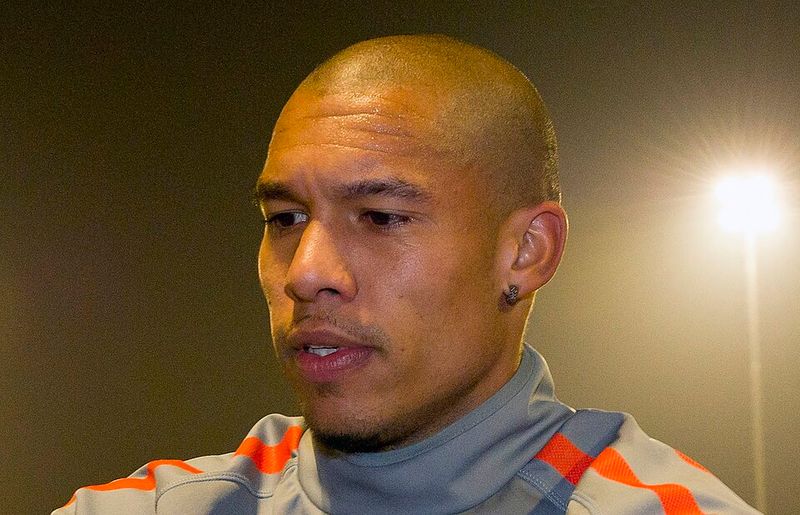
The 2010 World Cup final gave the world one of the most jaw-dropping moments of on-field aggression in tournament history. Nigel de Jong launched a kung-fu style kick directly into the chest of Spain’s Xabi Alonso, a challenge that somehow only resulted in a yellow card rather than an immediate red.
De Jong was a defensive midfielder who took ball-winning to an extreme level throughout his career at clubs like Manchester City and AC Milan. Opponents knew that going up against him meant risking serious physical harm.
His tackle count and foul rate were consistently among the highest in any league he played in.
Despite his reputation, he was also an effective and disciplined player when he kept his aggression under control. His Netherlands and club teammates valued his protective instincts even when his methods made football authorities deeply uncomfortable.
He was undeniably effective, even if often unpleasant to face.
6. Andoni Goikoetxea (Spain)
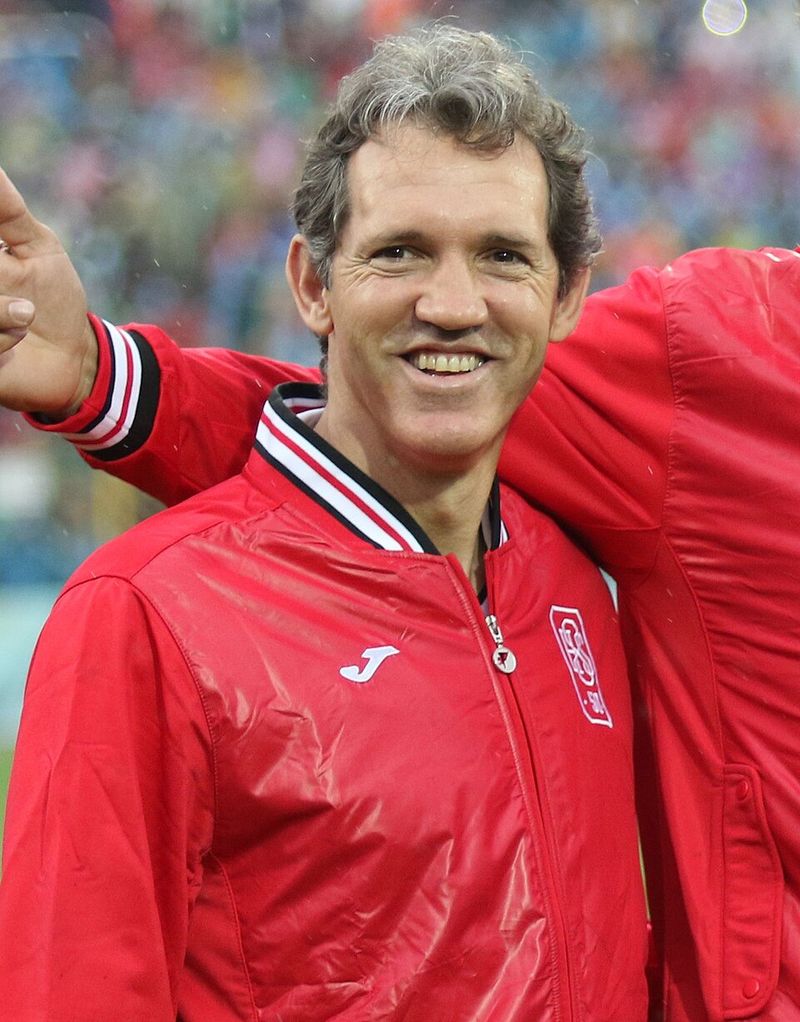
Known throughout Spain and beyond as “The Butcher of Bilbao,” Andoni Goikoetxea earned his grim nickname through a series of truly brutal challenges during the 1980s. He played for Athletic Bilbao during one of their most successful periods and was a cornerstone of their physically intimidating defensive setup.
His most infamous moment came in 1983 when he shattered Diego Maradona’s ankle with a reckless tackle that sidelined the Argentine genius for months. Maradona himself reportedly called it the worst foul ever committed against him, which is saying something given the physical treatment he received throughout his career.
Goikoetxea allegedly kept the boot he wore during that tackle displayed at home like a trophy, a detail that remains deeply unsettling to this day. He played in an era when referees gave defenders far more freedom, but even by those standards, his methods were considered extreme and often outright dangerous.
7. Paolo Montero (Uruguay)
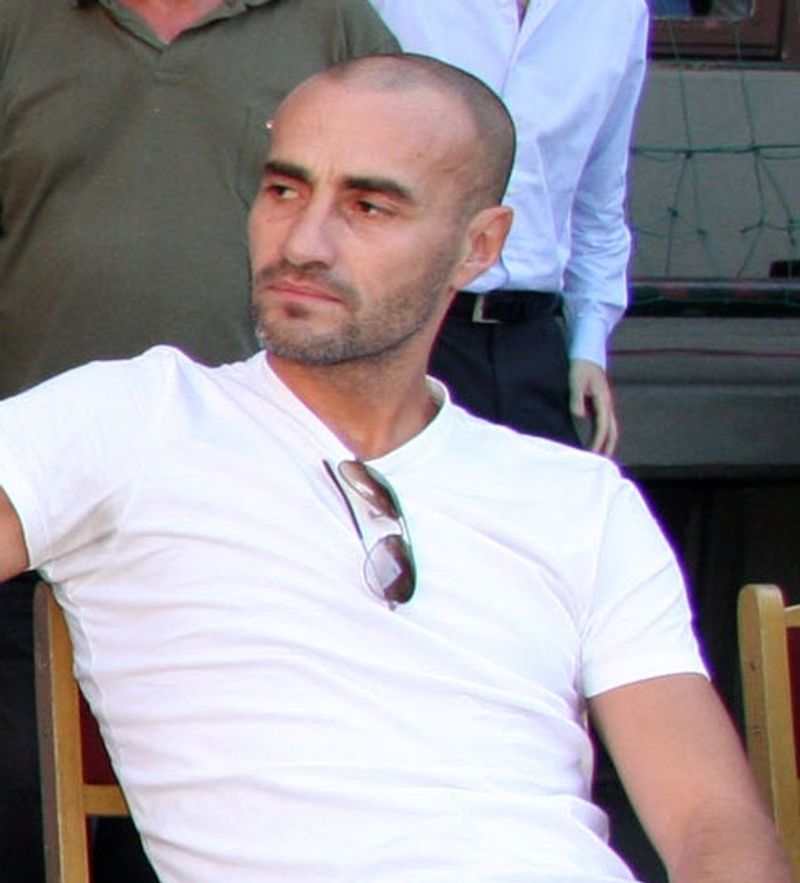
Paolo Montero was the kind of central defender who made strikers genuinely reconsider their career choices. The Uruguayan spent the majority of his club career at Juventus, where he formed part of one of the most formidable defensive units in Italian football history.
He accumulated a record number of red cards in Serie A, finishing his career with 16 dismissals in the Italian top flight alone. That figure remains legendary in a league that was already famous for its physical and tactical defending.
Montero never seemed to learn restraint, yet Juventus kept him because his effectiveness outweighed his disciplinary problems.
His aggression was not random; it was targeted and purposeful, aimed at disrupting dangerous forwards before they could cause damage. Opponents dreaded facing him in the box during set pieces.
He represented a very particular era of South American defensive football that was unapologetically fierce and confrontational at every opportunity.
8. Marco Materazzi (Italy)
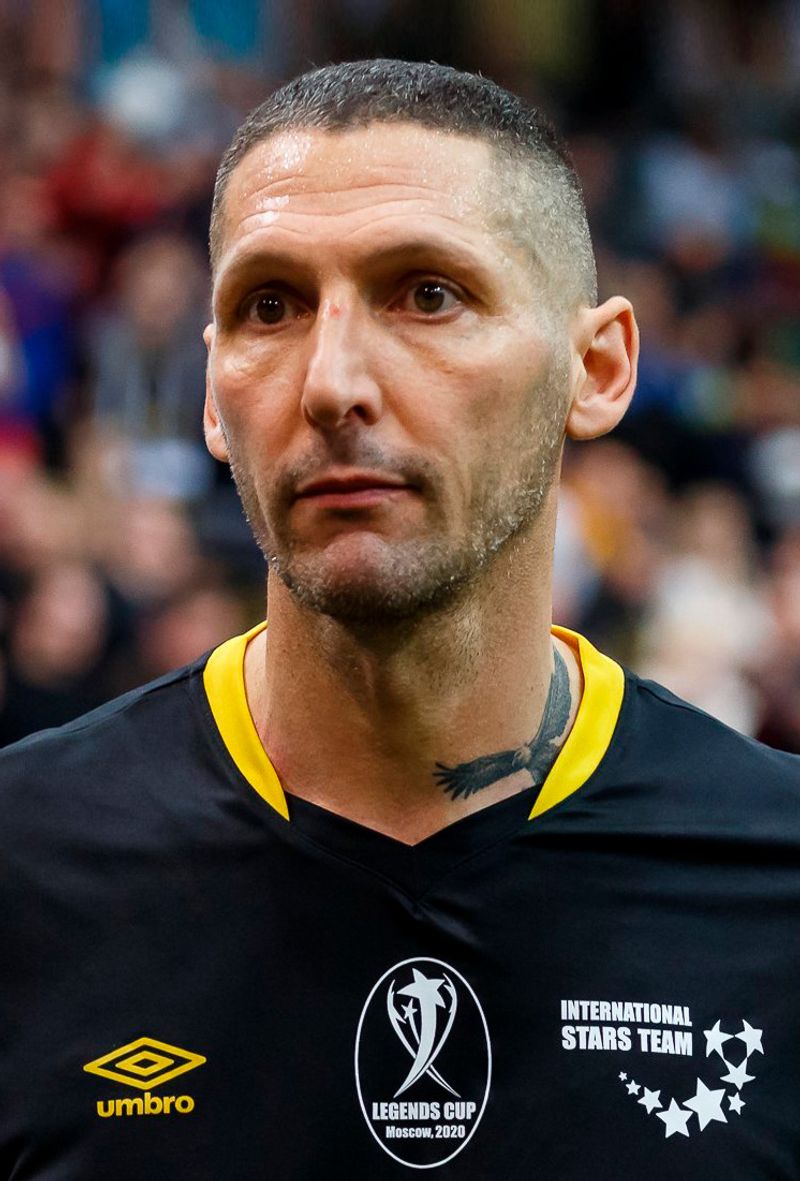
Marco Materazzi will forever be linked to one of the most extraordinary moments in World Cup history. His exchange with Zinedine Zidane in the 2006 final, which ended with Zidane headbutting him in the chest, became one of the most replayed clips in the history of the sport.
Materazzi later admitted he had provoked Zidane with a comment about his sister, confirming what most observers had suspected. But beyond that single infamous moment, he was also a genuinely rough and combative defender throughout his career at Internazionale and with the Italian national team.
He regularly led Serie A in disciplinary points and was no stranger to deliberate fouls and verbal confrontations on the pitch. Materazzi was clever about his aggression, staying just within the boundaries of what referees would allow.
He helped Italy win the 2006 World Cup while managing to make himself one of the tournament’s most controversial figures simultaneously.
9. Harald Schumacher (West Germany)

Goalkeepers rarely make lists like this, but Harald Schumacher earned his place through one of the most brutal incidents ever witnessed at a World Cup. During the 1982 semi-final between West Germany and France, Schumacher launched himself at French substitute Patrick Battiston, leaving him with broken teeth, cracked ribs, and unconscious on the pitch.
Astonishingly, the referee did not even award a free kick. Schumacher showed no remorse on the pitch and was not punished during the match.
France went on to lose the game on penalties, and the incident became a defining symbol of football’s failure to protect players in that era.
Schumacher later wrote a controversial autobiography that caused further outrage in Germany. Despite his talent as a goalkeeper, including winning the European Championship in 1980, his legacy remains heavily overshadowed by that single catastrophic collision in Seville that the football world has never forgotten.
10. Luis Suarez (Uruguay)
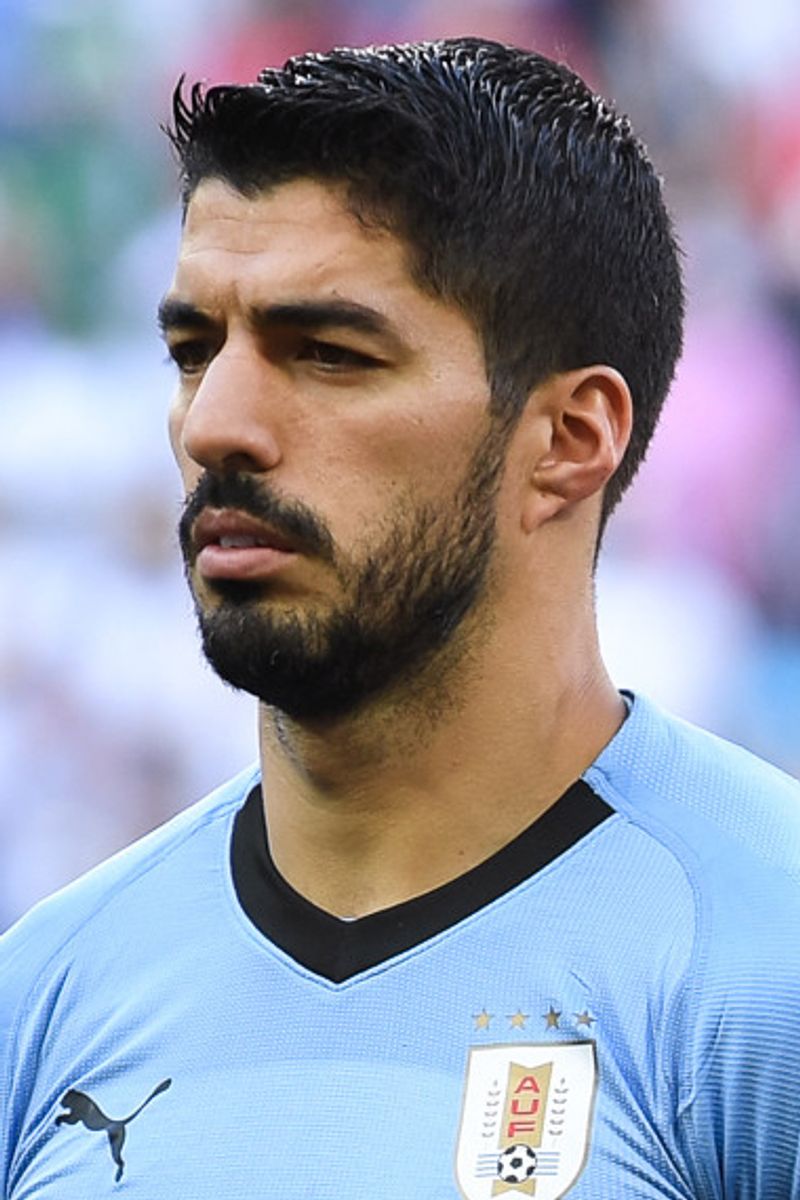
Luis Suarez is one of the most gifted forwards of his generation, capable of moments of pure brilliance that take your breath away. He is also responsible for some of the most bizarre and controversial behavior ever seen on a professional football pitch, which is quite the combination.
He bit opponents on three separate occasions during his career, incidents involving Otman Bakkal, Branislav Ivanovic, and Giorgio Chiellini. Each time, he received bans and widespread criticism, yet remarkably continued to find clubs willing to sign him based on his extraordinary talent.
Beyond the biting, he was also found guilty of racially abusing Patrice Evra and handled the ball deliberately to deny Ghana a World Cup goal in 2010. Suarez remains a deeply divisive figure who somehow managed to be both adored and despised at the very same time.
His talent is undeniable; his conduct frequently was not.
11. Eric Cantona (France)
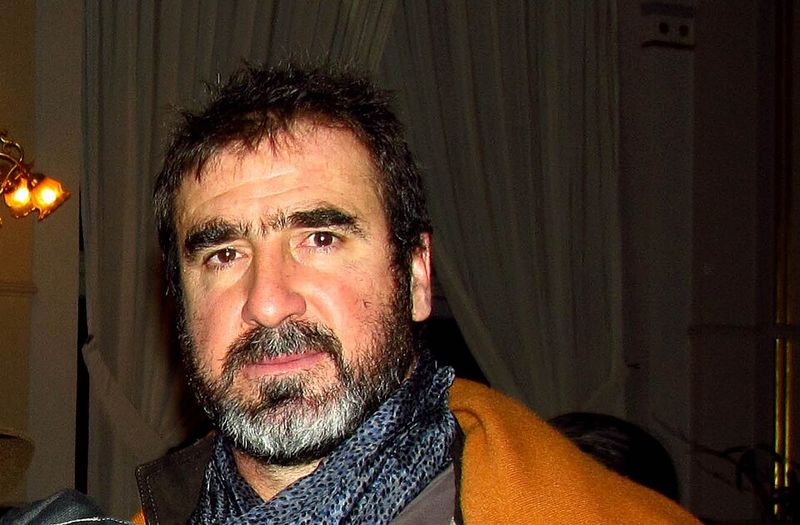
Eric Cantona was a football genius who played with flair, intelligence, and a fiery temperament that occasionally spilled over into complete chaos. He was the king of Manchester United during the early Premier League era, inspiring the club to multiple titles with his vision and technical excellence.
But January 1995 produced one of the most shocking moments in English football history. After being sent off against Crystal Palace, Cantona launched a kung-fu kick into the crowd, targeting a fan who had allegedly directed abuse at him as he walked to the tunnel.
The incident earned him an eight-month ban and nearly ended his career in England. Cantona returned more composed and more brilliant than ever, winning the PFA Player of the Year award in 1996.
His legacy is complex: an undeniable genius who could not always keep his volcanic personality contained within the boundaries of the game.
12. Graeme Souness (Scotland)
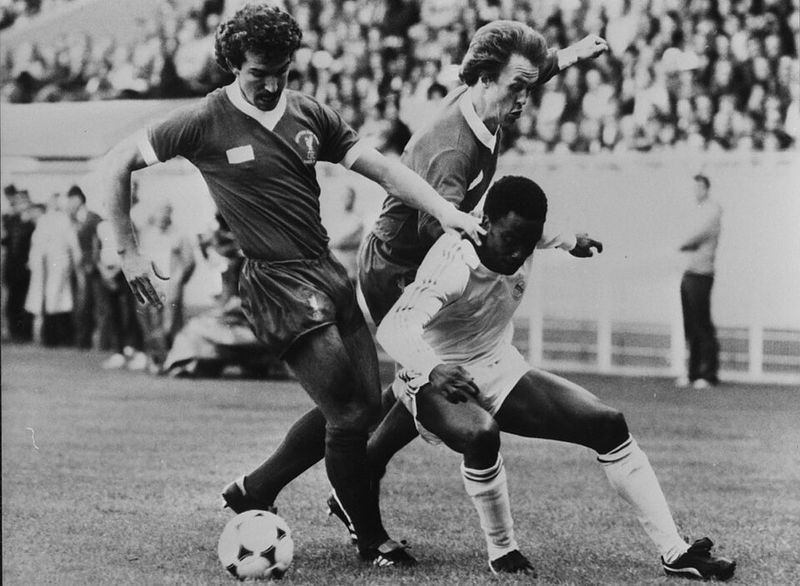
Graeme Souness was the engine room of one of the greatest Liverpool sides in history and one of the most physically dominant midfielders of his era. He could pass, he could score, and he could absolutely destroy an opponent in a tackle without a moment’s hesitation.
During the 1984 European Cup final against Roma, played in Rome itself, Souness scored the opening goal and then spent the rest of the match winding up the home crowd and their players with calculated provocation. It was a masterclass in psychological warfare combined with elite football.
His career was littered with confrontations, bookings, and incidents that would likely result in lengthy bans under modern officiating standards. Souness never apologized for his approach, viewing physical dominance as a core part of what made him effective.
He later became a respected manager, but his playing reputation as an iron-fisted enforcer has never faded from football memory.
13. Mark van Bommel (Netherlands)
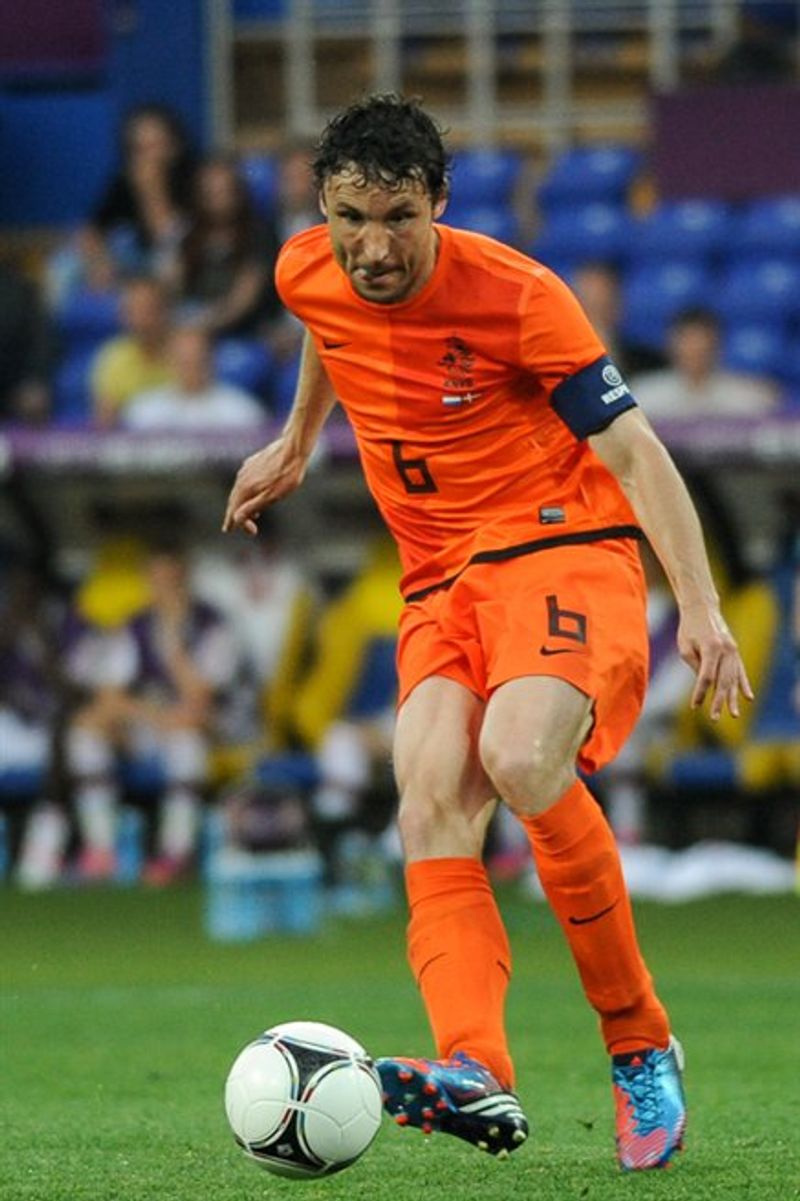
Mark van Bommel was a midfielder who operated right on the edge of what referees would allow, and frequently went beyond it without much visible regret. He had a remarkable ability to foul opponents in ways that looked accidental but rarely were, earning him a reputation as one of football’s most cunning enforcers.
He racked up an extraordinary number of yellow cards across his career at clubs including Barcelona, Bayern Munich, and AC Milan. His performance in the 2010 World Cup final for the Netherlands was a perfect example, committing a series of cynical fouls as part of a deliberate strategy to disrupt Spain’s rhythm.
Van Bommel was smart enough to understand exactly where the line was, even as he regularly crossed it. He was also a technically gifted player with genuine leadership qualities.
His son Xavi van Bommel has followed him into professional football, carrying on the family name if not necessarily the family reputation for rough play.
14. Claudio Gentile (Italy)
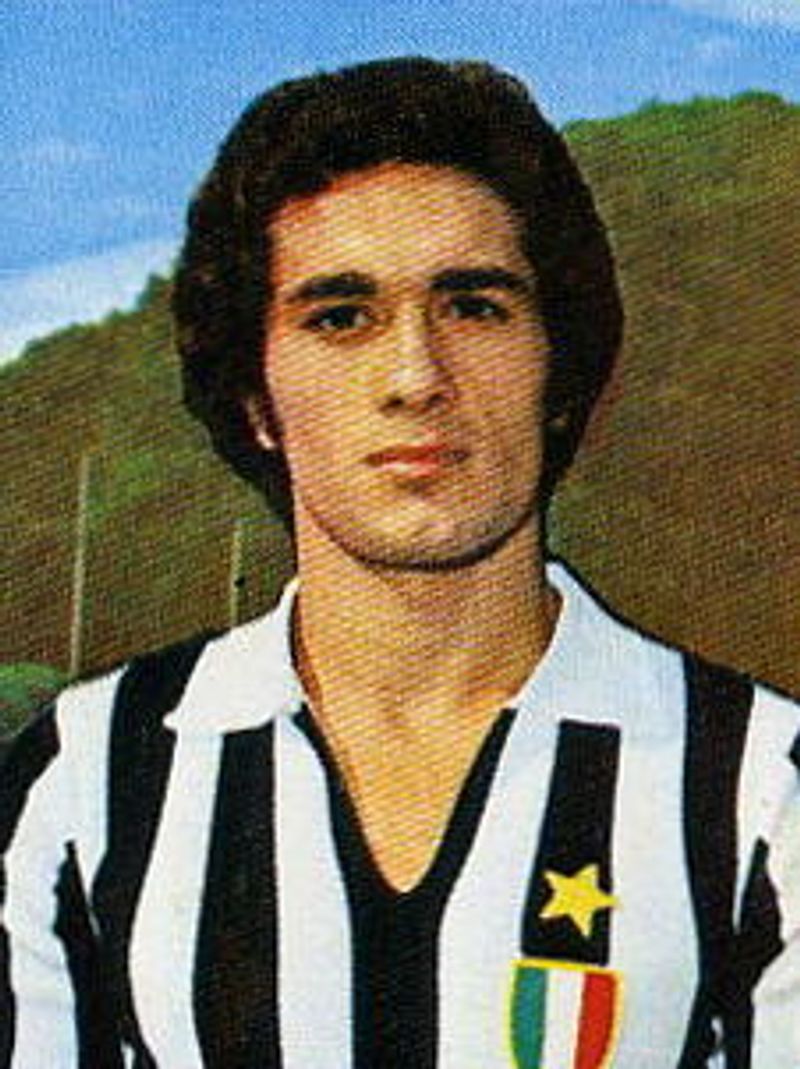
The 1982 World Cup in Spain produced one of the most dominant defensive performances ever seen at the tournament, and much of it came from Claudio Gentile. His man-marking of Diego Maradona during Italy’s group stage match reduced the Argentine to near-invisibility through a combination of relentless physical attention and tactical fouling.
Gentile reportedly fouled Maradona 23 times in a single match without being sent off, a figure that seems almost impossible to believe by modern standards. He applied the same suffocating approach to Zico of Brazil in the knockout rounds with similarly effective results.
His name was perfectly ironic: Gentile means gentle in Italian, and there was absolutely nothing gentle about his defending. He was a product of the famous Italian Catenaccio defensive system, taken to its most extreme logical conclusion.
Italy won the World Cup that year, and Gentile’s ferocious marking was a significant reason why they were able to do so.
Share this story