 Unearth The Voyage
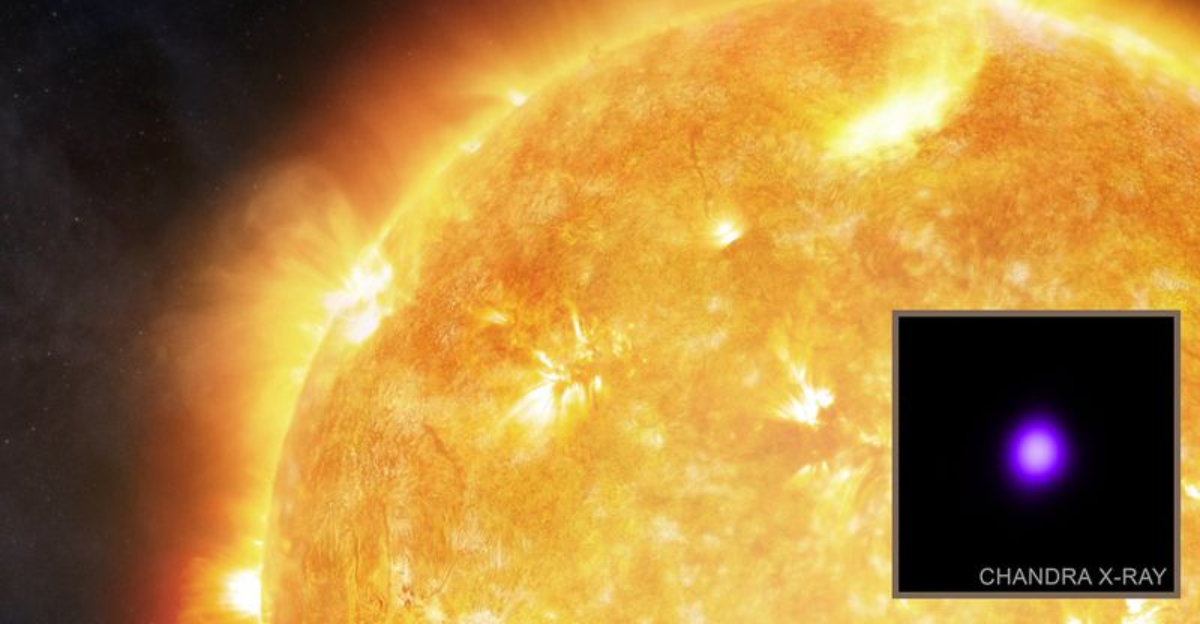
A powerful solar storm is on the way, and the sky could put on a show while our tech feels the tremors. If you have ever wanted to see the aurora without a trip to the Arctic, this might be your chance. At the same time, satellites, GPS, and radio links could wobble as space weather ramps up. Here is what to know now so you can plan, protect gear, and maybe catch some unforgettable night sky color.
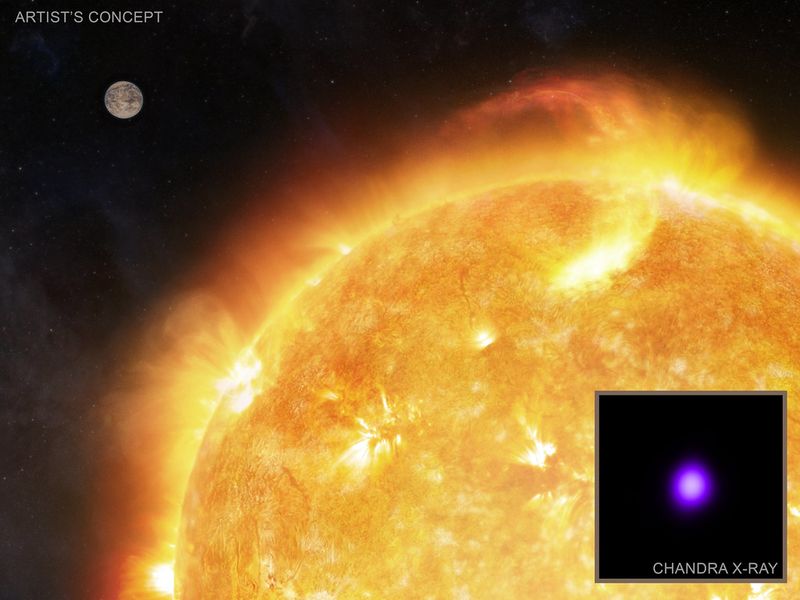
A coronal mass ejection is a giant cloud of magnetized plasma blasted from the Sun, and one is currently barreling toward Earth. When this charged cloud arrives, it can couple with our planet’s magnetic field and pump energy into the near-Earth environment. You can think of it like jostling a shield until it rings with extra currents that ripple through space and the upper atmosphere.
The Space Weather Prediction Center tracks these eruptions and issues watches so utilities and satellite operators can prepare. You might see alerts mentioning shock arrival windows, expected geomagnetic indices, and potential radio impacts. Those briefings guide actions like reorienting satellites, delaying sensitive maneuvers, and readying grid operators to manage induced currents.
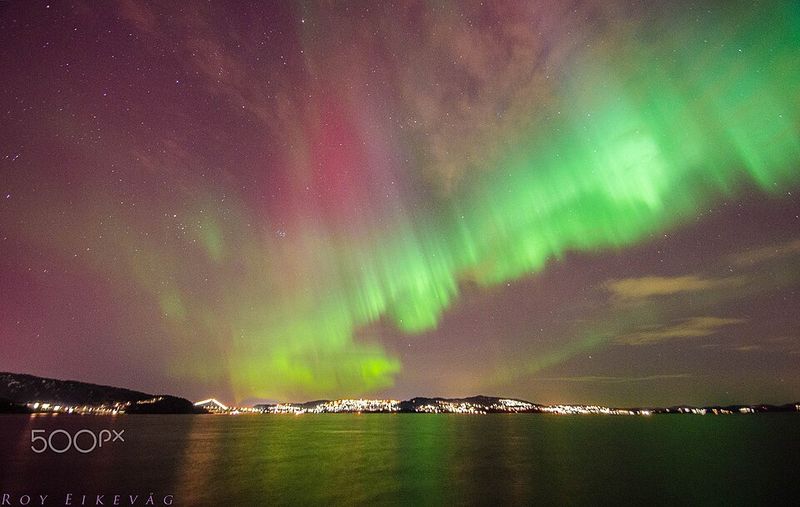
For you, the headline is twofold: possible auroras and possible tech hiccups. If skies are clear and dark, you could witness curtains of green or crimson light spilling across the north. Stay tuned to swpc.noaa.gov for updates, solar wind speed, and the crucial interplanetary magnetic field direction, which often decides how strong the storm becomes.
When solar particles stream down magnetic field lines and collide with atmospheric gases, they light up the sky as auroras. With a strong storm watch in play, the oval of activity can expand south, bringing color to places that rarely see it. If you live in Minnesota, Michigan, New York, Vermont, Oregon, or the northern plains, you may have a real shot.
Your best bet is simple: chase darkness, clarity, and open horizons. Head away from city lights, check cloud cover, and give your eyes 20 minutes to adjust. Look north first, but remember that overhead arcs can appear if the storm intensifies, and cameras often reveal color before your eyes do.
Timing matters, and so does the interplanetary magnetic field tilting southward. That southward orientation lets more energy couple into Earth’s magnetosphere, boosting auroral brightness and reach. Keep refresh ready on local forecasts and real time aurora dashboards so you can move quickly when a burst arrives.
As beautiful as auroras are, the practical concern is technology. During a geomagnetic storm, the upper atmosphere becomes more ionized and dynamic, changing how radio waves travel and how satellites feel drag. GPS signals can scintillate, producing errors, while high frequency radio can fade or black out on the sunlit side.
Utilities care because geomagnetically induced currents can sneak into long power lines and transformers. Engineers watch storm scales from G1 to G5 to decide when to reconfigure loads, limit maintenance, or stand up response teams. Satellite operators may raise altitude estimates, switch modes, or delay burns to avoid unexpected drag and attitude disturbances.
For everyday users, navigation may bobble a few meters and aircraft may reroute radio plans. Mariners, pilots, and emergency services listen for advisories to adjust frequencies and procedures. Following official channels like SWPC lets you anticipate hiccups and avoid stress when devices act odd for a short stretch.
The Sun breathes in cycles, roughly every 11 years, swinging from quiet to hyperactive. We are in a lively phase, which explains the uptick in sunspots, flares, and CMEs. More activity means more auroras, more watches, and more reminders that space weather is a real system to track.
On the ground, you are safe. Earth’s magnetic field and atmosphere block the dangerous radiation, leaving mostly technical side effects to manage. History does include outliers, like the 1859 Carrington Event, but modern monitoring and mitigation give us tools our ancestors never had.
Think of this cycle as a seasonal pattern for the sky. When forecasts pop, you can prepare devices, charge batteries, and plan a quick dark sky trip. Keep an eye on swpc.noaa.gov so you can balance caution with wonder and catch the best nights without unnecessary worry.



